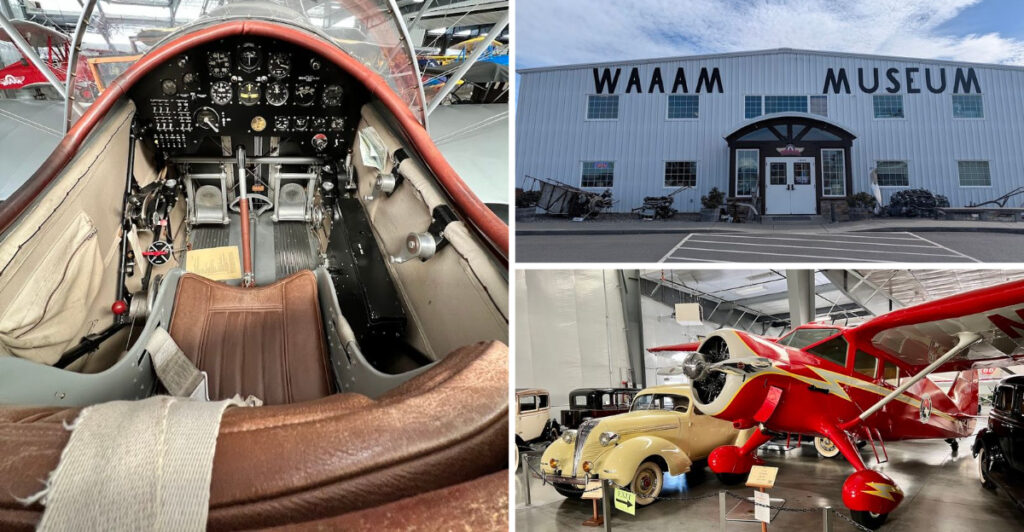
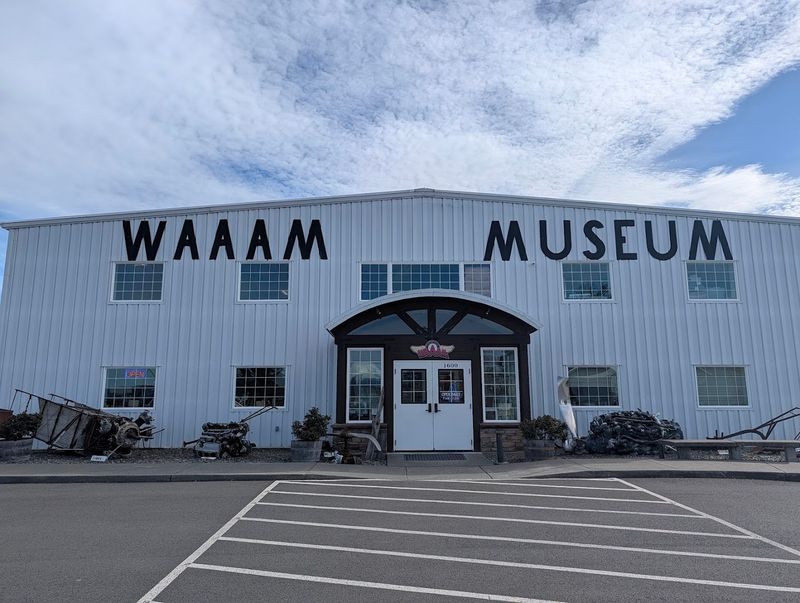
Western Antique Aeroplane and Automobile Museum in Hood River, Oregon, hides one of the state’s most unexpectedly fascinating collections behind a plain hangar-style exterior that gives almost nothing away from the road. Step inside, though, and the space opens into rows of antique aircraft, polished prewar automobiles, motorcycles, tractors, and wonderfully strange mechanical relics that make the whole museum feel alive with motion and history.
The experience rewards slow wandering because every corner seems to reveal another detail worth stopping for. Some machines still fly, others still run, and that sense of living history changes the entire atmosphere. If you love museums with personality, texture, and real mechanical soul, WAAAM absolutely delivers.
A Hangar in Hood River That Opens Into Another Era
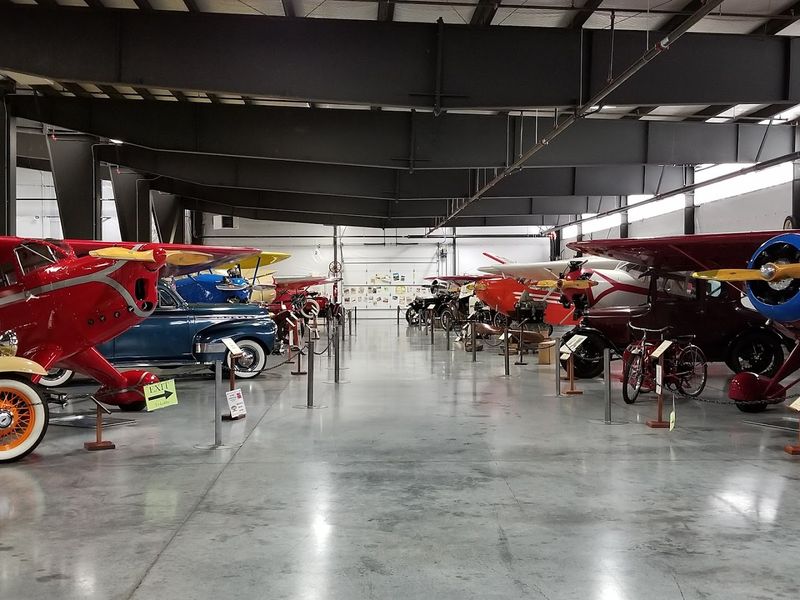
The approach to WAAAM is almost sneaky. You pull up expecting a solid regional museum, then step inside and realize the scale is far bigger, denser, and more visually packed than the outside suggests.
Hangars stretch with rows of aircraft, lines of antique cars, and shelves of smaller artifacts that turn the whole place into a rolling snapshot of early mechanical ambition.
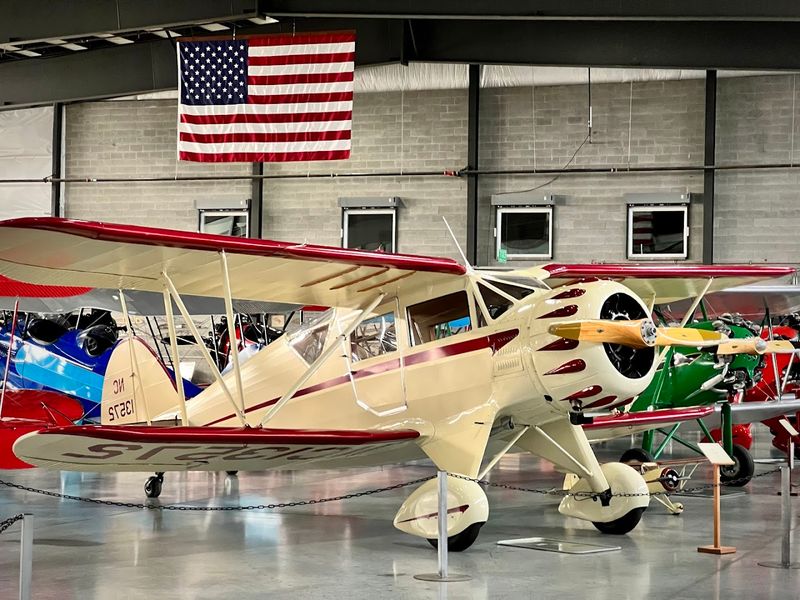
What hits first is the mix of shapes. Long wings sit above narrow tires, brass lamps gleam beside fabric-covered fuselages, and wood propellers break up the metal with warm color.
Instead of one dramatic centerpiece demanding all your attention, the museum works by layering surprise after surprise until your eyes start scanning in every direction at once.
That density changes how you move through the building. You are not marching from one famous object to another.
You are drifting, doubling back, spotting details overhead, then catching a motorcycle, bicycle, camera display, or military item tucked between larger machines. The result is a visit that rewards curiosity more than speed, especially if you enjoy pausing for odd design touches and small labels that place each object in its own moment.
WAAAM also keeps a strong working-hangar energy. The collection is polished, but not staged in a sterile way that separates you from the machinery.
You notice drip pans under some vehicles, practical spacing around aircraft, and the honest signs of machines that are preserved as operational history rather than frozen decoration.
That practical realism gives the museum its edge. You are looking at artifacts that were built to move, and many of them still do.
The Airplanes Steal the Ceiling and the Conversation
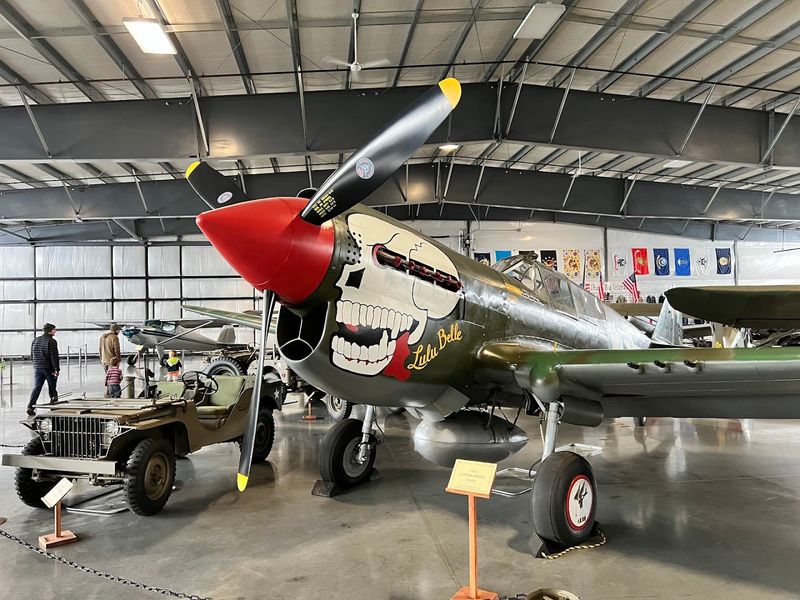
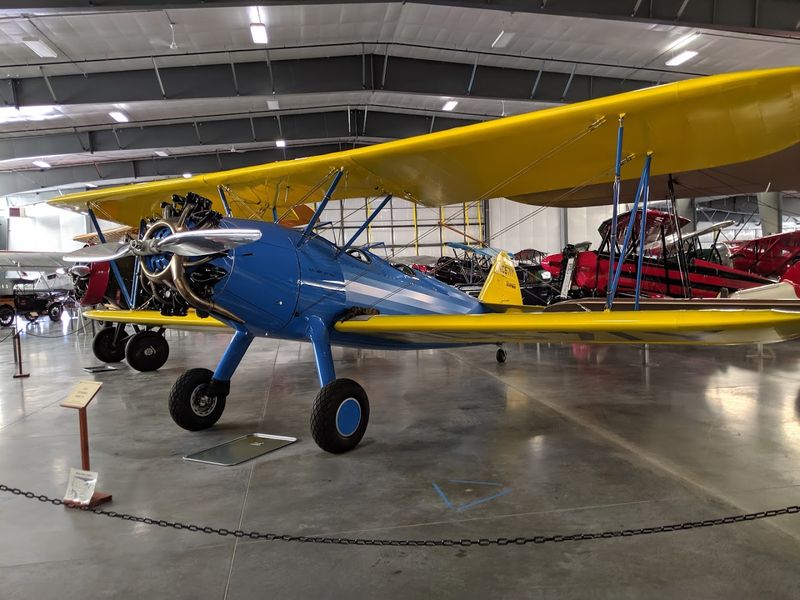
The aircraft collection is the reason many people make the trip, and it earns that attention fast. Early airplanes have a visual lightness that modern jets lost long ago, and WAAAM gives you enough of them in one place to compare tiny changes in wing design, cockpit layout, landing gear, and engine shape without ever leaving the room.
Each row becomes a crash course in how quickly aviation evolved during the first decades of flight. Some planes look delicate enough to be assembled from string, linen, and nerve. Others show the gradual move toward stronger structures and more practical performance.
Standing near them, you get a better sense of how exposed early pilots were to noise, weather, vibration, and sheer uncertainty. The museum benefits from letting those machines speak visually instead of burying them under gimmicks.
Another standout detail is how close you can get. Seeing stitching in the fabric, the contours of engine housings, and the proportions of these aircraft makes early aviation more tangible than it ever looks in a book.
Photographers may notice that hangar lighting can be tricky, but the tradeoff is intimacy. You can study craftsmanship, repairs, and elegant construction choices that disappear in polished promotional photos.
If timing works in your favor, the place becomes even more memorable when operational aircraft take part in demonstrations or special event activity.
WAAAM has a strong reputation for preserving machines that still function, and that idea changes the entire mood of the aviation displays.
These are not just relics arranged by decade. They are survivors of an era when flight still looked improbable, improvised, and thrillingly fragile.
Cars, Motorcycles, and the Mechanical Side Roads
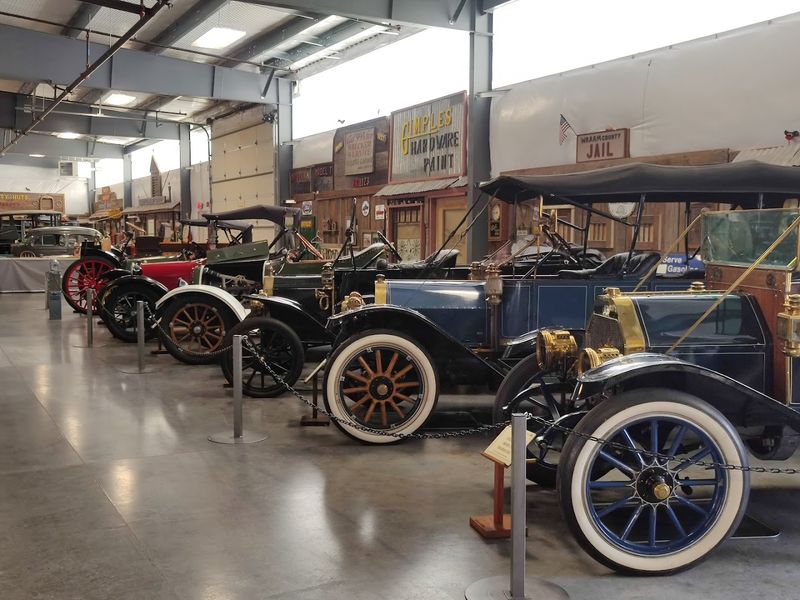
It would be easy to assume the cars play backup to the aircraft, but that sells this museum short. WAAAM gives the automobile collection real presence, and the contrast between road machines and flying machines is part of the fun.
You can study how the same era solved speed, control, comfort, and reliability in completely different ways depending on whether the destination was a runway or a dirt road.
The cars bring texture that aviation alone cannot provide. Brass trim, rounded fenders, tufted interiors, wooden steering wheels, and upright bodies remind you that transportation once carried a stronger sense of craft and personality.
Some look formal, some look adventurous, and some look charmingly experimental. Together they tell a broader story about mobility in the 1920s and 1930s without needing a heavy museum lecture to make the point.
Then there are the side collections that keep broadening the experience. Motorcycles, bicycles, cameras, military objects, and period accessories fill in the social world surrounding the bigger machines.
Instead of isolating airplanes and cars as engineering trophies, WAAAM places them inside a wider everyday context. That makes the museum richer for visitors who like cultural history as much as engines.
The practical effect is that almost anyone finds a lane into the collection. One person may be studying rare aircraft structures while another gets pulled toward dashboards, emblems, or unusual early electric vehicle details.
Families benefit from that range because attention shifts naturally from object to object. You do not need deep technical knowledge to enjoy this museum. You just need enough curiosity to keep following the next interesting shape around the corner.
Why Oregon History Lands Differently Here
WAAAM stands out partly because it fits Hood River so well. The Columbia Gorge already carries a strong sense of movement, weather, and open space, and this museum channels that energy into a story about how people learned to travel across distance with ingenuity and stubborn optimism.
In Oregon, where roads, rivers, mountains, and wind all shape the experience of getting around, a museum devoted to practical motion makes unusual sense.
The regional setting also sharpens the contrast between landscape and machinery. Outside, you have broad skies, shifting light, and dramatic terrain.
Inside, you see the machines that once tackled those conditions with far fewer safety margins and much simpler technology. That connection gives the exhibits more bite.
These were not abstract inventions. They were working solutions to real geographic challenges and real daily needs.
There is also a strong community flavor running through the place. WAAAM is a nonprofit, and the museum carries the stamp of people who care deeply about preservation, restoration, and explanation.
Volunteers are often part of the experience, sometimes moving through the hangars and ready with context if you want it. The better conversations here tend to be specific, practical, and grounded in the objects right in front of you.
That human layer matters because antique transportation can otherwise drift into pure nostalgia. At WAAAM, it stays connected to labor, maintenance, craftsmanship, and local pride.
You are not only seeing a lineup of handsome machines. You are seeing the result of ongoing effort to keep difficult mechanical history visible and understandable. In a state full of scenic attractions, that kind of hands-on preservation gives this museum a distinct identity.
How to Explore Without Rushing Past the Best Parts
The smartest way to experience WAAAM is to abandon the idea of a quick lap. This museum rewards slow wandering, loose plans, and the willingness to let one unusual object lead your attention somewhere unexpected.
If you rush through the hangars in strict order, you will still see impressive machines, but you will miss the smaller discoveries that give the collection its personality. A first pass helps you understand the scale.
Aircraft stretch across the hangars, antique automobiles cluster in long rows, and smaller displays quietly fill the spaces between larger machines.
Once you settle into the rhythm of the museum, the visit becomes less about checking off exhibits and more about noticing patterns, materials, and surprising details that connect one era of transportation to another.
The atmosphere also changes the longer you stay. At first, the planes dominate your attention, but eventually smaller elements begin pulling focus: polished gauges, stitched upholstery, brass fittings, old signage, and mechanical solutions that now feel wonderfully direct and handmade.
Those quieter details are what make the museum feel alive rather than simply archival. WAAAM works especially well because different interests naturally pull people in different directions.
One visitor may linger around aircraft engines while another gets absorbed by motorcycles, military memorabilia, or unusual side collections tucked into the corners. That variety keeps the museum from ever feeling repetitive.
The best visits usually happen when you allow yourself time to drift, double back, and notice what did not stand out the first time around.
Timing, Events, and the Hours That Make a Difference
WAAAM is open daily from 9 AM to 5 PM, and that schedule matters more than it might at a smaller museum. Because the collection is extensive, arriving earlier gives you room to browse without constantly checking the clock.
Two hours can cover the highlights, but a more relaxed visit often stretches longer, especially if you like reading signage, watching videos, or talking with knowledgeable volunteers.
If you can choose your day, special event timing adds another layer. The museum is especially known for fly-in activity and for days when the sense of motion extends beyond static displays.
Vintage aircraft arriving, operational demonstrations, and occasional ride opportunities can shift the visit from excellent to unforgettable. Those event days are naturally busier, but the tradeoff is access to living history instead of only parked history.
Second Saturdays are often worth noting too, since people associate them with extra activity such as antique vehicle rides and a more animated atmosphere around the collection. Even on regular days, though, there is plenty to absorb.
The museum is large enough that a standard weekday or weekend visit still delivers a strong sense of discovery, especially if your goal is close observation rather than crowd energy.
Practical planning is simple. Wear comfortable shoes, allow more time than your first estimate, and consider the lighting if photography matters to you.
The hangars can challenge phone cameras and fast snapshots, so patience helps. Most importantly, do not stack your schedule too tightly around this stop.
WAAAM is one of those places where the extra hour you did not plan for is often the hour that produces the most interesting find.
The Details You Notice After the Big Planes Stop Distracting You
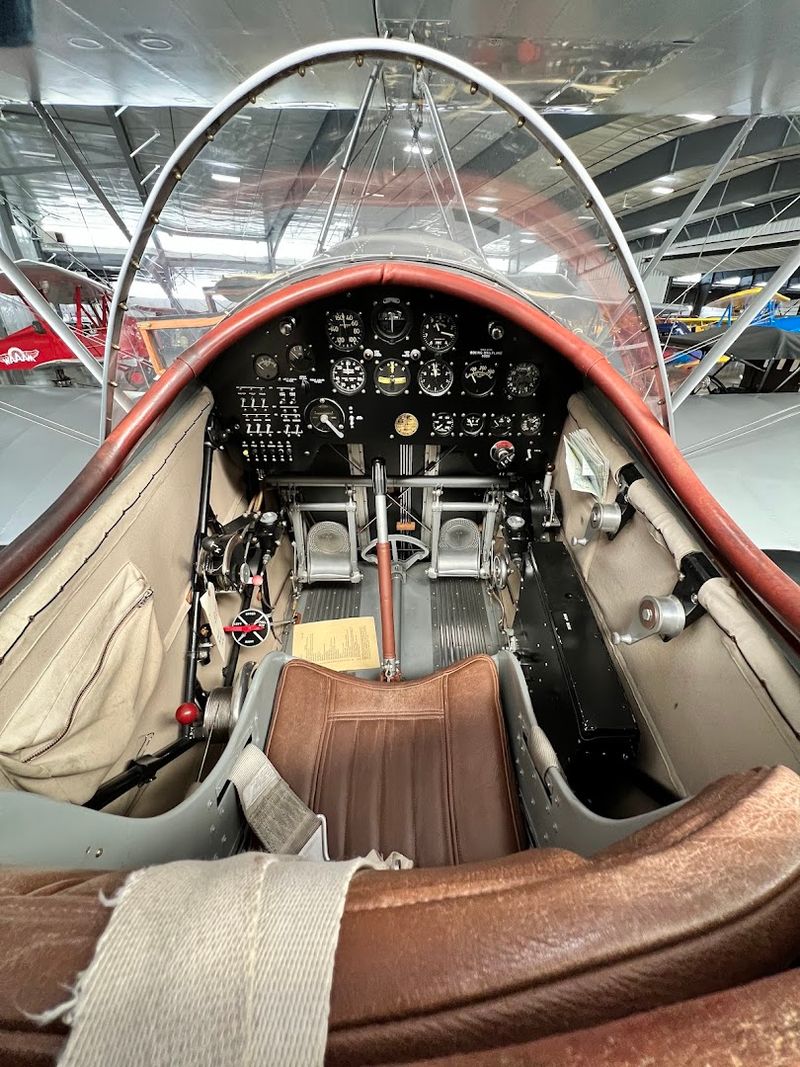
After the first wave of giant visual impressions settles, WAAAM becomes a detail museum. The longer you stay, the more the small things start competing with the airplanes for attention: stitched upholstery, old gauges, control levers, enamel signs, military photos, tool-like hardware, and design choices that now look equal parts elegant and improvised.
This shift is where the visit deepens, because the collection stops being only impressive and starts becoming intimate.
Look closely at cockpits and dashboards and you notice how direct early machines were. Controls were exposed, materials were honest, and nothing worked hard to hide its function.
That stripped-down quality has real appeal. You can almost trace the line between the operator and the mechanism with your eyes alone.
In a world of sealed screens and software layers, those visible systems are unexpectedly refreshing. The museum also benefits from the way artifacts are grouped around the main vehicles.
Historical photos, smaller antiques, and supporting objects create mini-scenes that help you imagine the broader time period without turning the place into a theatrical set.
A bicycle near a car, a camera display near transportation history, or a shelf of period pieces can reframe an entire row of exhibits in seconds.
This is also why repeat visits make sense. You will not process every corner on the first pass, and you do not need to. WAAAM works best when you allow some objects to remain half-discovered.
Maybe one day you focus on wing structures, another on brass-era motoring, another on side collections you barely noticed before. The museum has enough visual information to support that kind of layered return, which is a rare strength.
The Sharp Reason WAAAM Stays With You
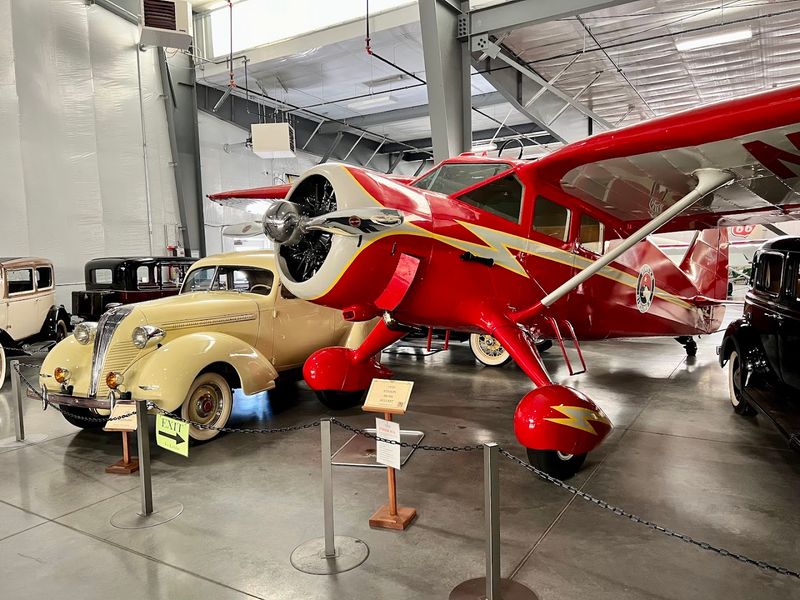
Plenty of museums preserve old things. WAAAM preserves motion, intent, and problem-solving, which is why it lingers in your mind longer than a typical collection of antiques.
You leave thinking not only about beautiful aircraft and handsome automobiles, but about the ingenuity required to build them, maintain them, and trust them. That practical human daring gives the museum more energy than its static displays first suggest.
Another reason it lands so well is the breadth. You get aviation history, automotive history, and a wider window into the material culture surrounding both.
That means the visit never narrows into a single-interest niche unless you want it to. Hardcore enthusiasts can go deep on technical details, while casual travelers can simply enjoy the visual drama of machines that look wildly different from anything built today.
There is also a satisfying lack of pretense here. WAAAM does not need flashy digital tricks or heavy-handed storytelling to prove its value.
The collection itself carries the day, supported by preservation work, useful interpretation, and the occasional conversation that helps connect one artifact to another. That straightforward confidence makes the museum easy to recommend even to people who do not usually plan whole outings around transportation history.
If your Oregon trip includes Hood River, this stop earns serious consideration. If your trip revolves around aviation or antique cars, it becomes even harder to ignore.
WAAAM offers scale, substance, and enough unusual detail to keep surprising you well past the entrance. By the time you head back outside, the modern world looks a little flatter, and the age of propellers, brass, and mechanical optimism looks much more vivid than it did before.
Share this story