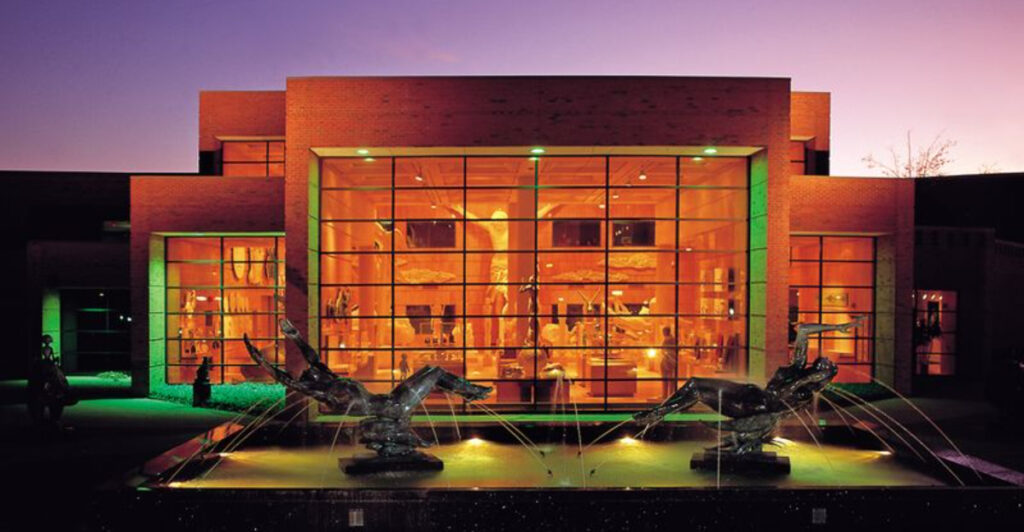
Tucked onto the campus of Saginaw Valley State University in University Center, Michigan, the Marshall M. Fredericks Sculpture Museum holds over 2,000 works by one of America’s most celebrated public sculptors.
You might have walked past his creations in a mall, a city park, or a government building without ever knowing his name. This free museum changes that, pulling back the curtain on a career that spanned seven decades and left its mark on public spaces across the country and beyond.
Whether you are a longtime art lover or someone just looking for something different to do on a Tuesday afternoon, this place has a quiet way of sticking with you.
The Main Gallery: A Room That Stops You Cold
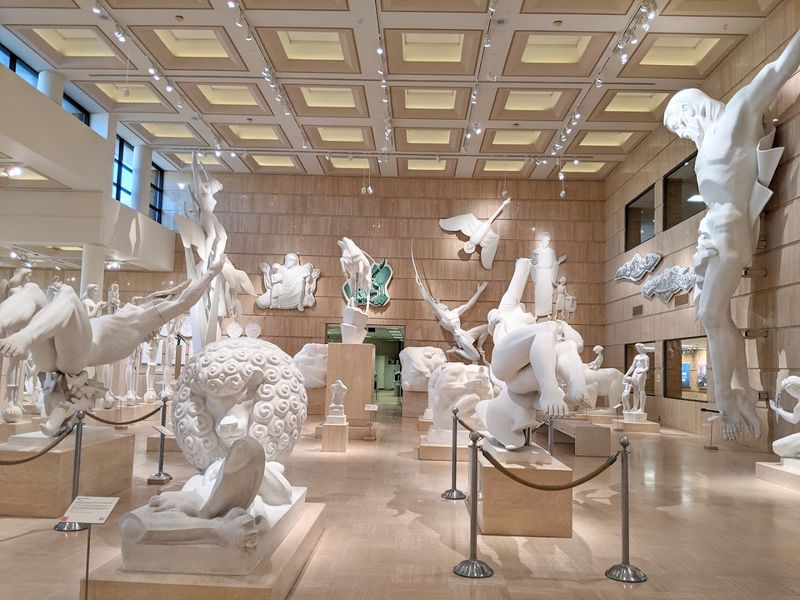
Walking through the front doors of the Marshall M. Fredericks Sculpture Museum and stepping into the main gallery is the kind of moment that catches you off guard.
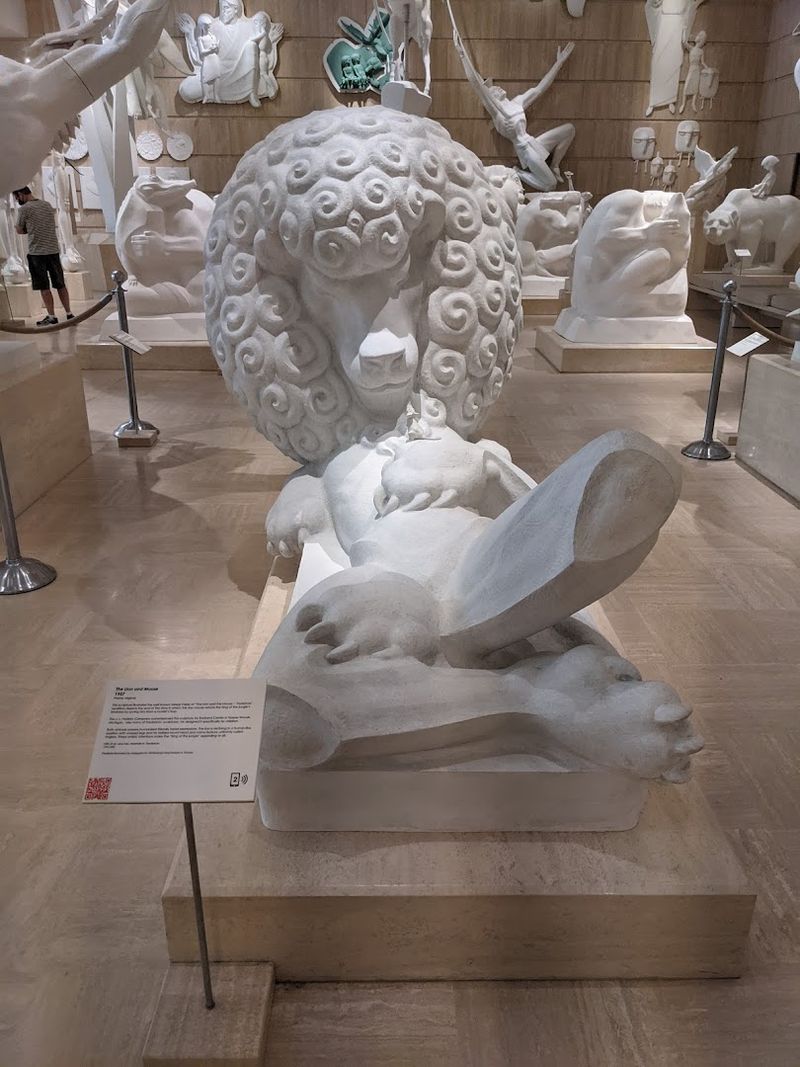
The room is wide and bright, and spread across it are dozens of white plaster sculptures ranging from intimate portrait busts to figures that rise several feet off the ground. Your eyes do not know where to land first.
Most of the pieces are plaster models, the working originals that Fredericks used to produce the finished bronze and stone works installed in public places around the world. Seeing them all white, stripped of color and context, gives them a strange clarity.
You notice the texture of the surfaces, the way light catches a cheekbone or the fold of a robe.
The scale shifts constantly as you move through the space. One moment you are looking at a delicate human face at eye level, and the next you are tilting your head back to take in a figure towering above you.
That contrast keeps the room feeling alive rather than static.
Visitors tend to slow down here naturally. People read the small labels beside each piece, linger in front of figures they recognize, and occasionally stop to point something out to whoever they came with.
There is no rushing through this room, even when you think you might.
What makes the gallery work is the density without the chaos. The pieces are close enough together that you feel surrounded by the work, but there is still breathing room between them.
It feels curated rather than crowded. For a museum that does not charge admission, the quality of the presentation is genuinely surprising to first-time visitors.
The Sculptor’s Studio Reconstruction
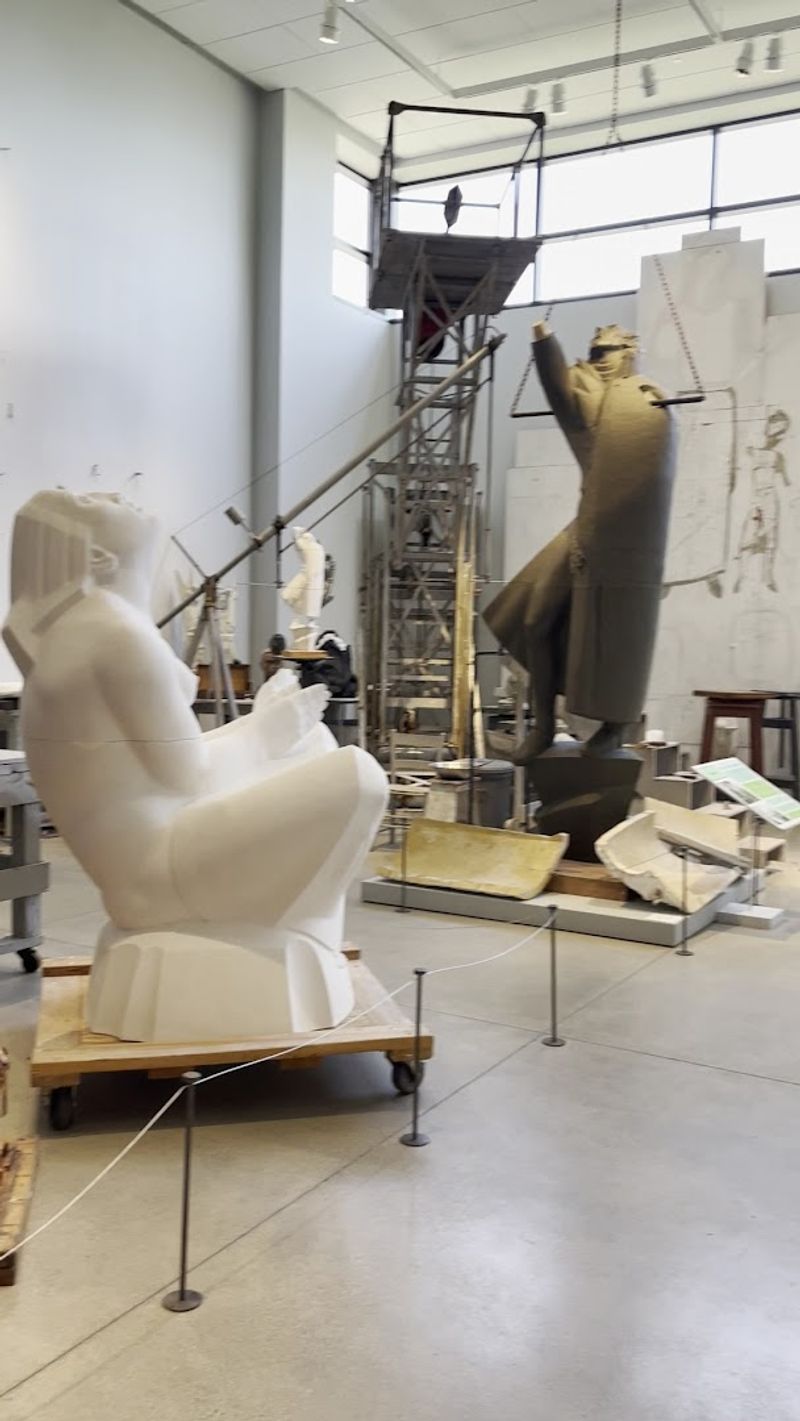
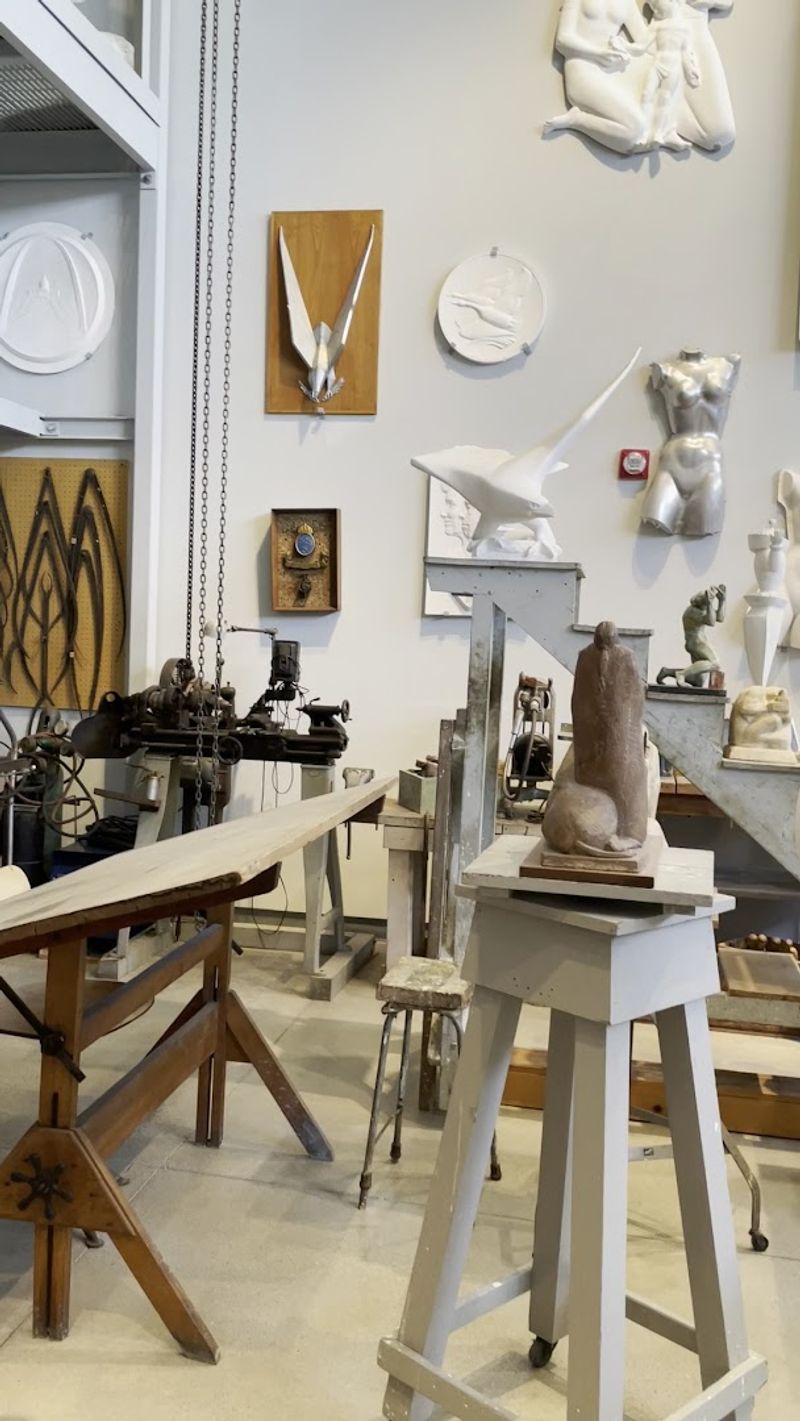
One section of the museum recreates Marshall Fredericks’ Royal Oak studio, and it is the kind of room that makes a creative process feel suddenly real and approachable. His tools are there.
His sketches are pinned up. Small working models sit on surfaces the way they would have when he was actually using them.
For visitors who came in thinking of sculpture as a finished, polished thing, this room reframes the whole picture. You see the rougher stages, the small clay studies that came before the large bronze castings, the handwritten notes, the worn equipment.
It is a behind-the-scenes look that most museums do not offer, and it lands differently than a simple display case ever could.
There is something personal about the arrangement. It does not feel staged in a sterile way.
The studio reconstruction has the lived-in quality of a space where someone actually worked for years, and that makes it easier to imagine Fredericks himself standing there, turning a small clay figure in his hands to check the proportions.
Visitors who drove in from Royal Oak, where Fredericks had his working studio, often find this section especially meaningful. Seeing the tools and personal objects from a place they know adds a layer of connection that purely aesthetic displays cannot replicate.
If you have kids with you, this is a good room to pause in. Explaining that the giant sculptures outside started as small sketches on a workbench tends to spark real curiosity.
The studio makes the process legible in a way that even younger visitors can grab onto, and it shifts the whole museum from a collection of finished objects into something more like a conversation about how things get made.
The Sculpture Garden Out Front
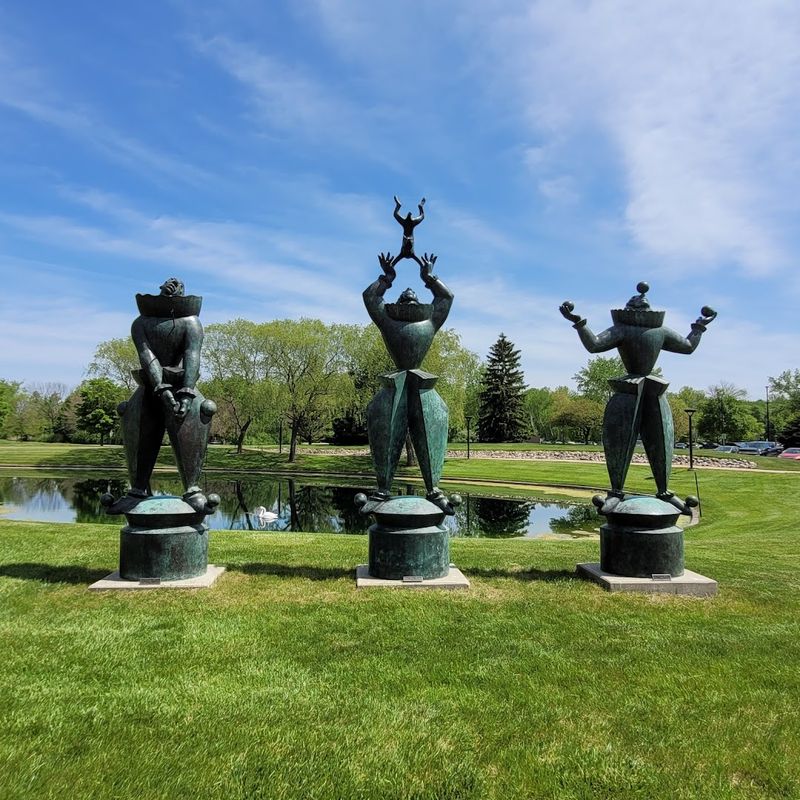
Before you even reach the front doors, the sculpture garden pulls you in. A handful of Fredericks’ larger bronze works are placed across the landscaped grounds outside the building, and on a clear Michigan afternoon the setting is hard to beat.
The campus greenery frames the pieces without competing with them.
One of the most talked-about spots is the water area near the boy and bear sculpture, which has an almost magnetic effect on children. Multiple visitors have mentioned needing a spare shirt after their kids got close to the water feature.
It is that kind of place, relaxed enough that people forget to be formal about it.
The garden works as its own mini-tour before you head inside. You get a sense of Fredericks’ scale and his fondness for figurative work, the human and animal forms he returned to throughout his career.
Bronze holds up differently than plaster in outdoor light, and seeing both materials in the same visit gives you a fuller picture of how his work translates across mediums.
On weekends and warmer months, people bring cameras and spend real time out here. The photo opportunities are genuinely good without requiring any particular skill.
The sculptures are large enough to photograph well from a distance, and close enough to show detail when you move in.
Even visitors who arrived skeptical about spending an afternoon at an art museum tend to soften in the garden. There is nothing intimidating about standing near a large bronze figure on a college lawn.
It feels approachable, almost neighborly, the way good public art is supposed to feel when it is placed somewhere people actually spend time.
The Rotating Gallery for Local and Regional Artists
Beyond the permanent Fredericks collection, the museum runs rotating gallery exhibitions that spotlight local and regional artists working in sculpture and related media. The shows change every few months, which gives repeat visitors a reason to come back and gives the museum a pulse beyond its permanent holdings.
Walking into the rotating gallery after spending time with the Fredericks pieces is an interesting shift. The work is often contemporary, sometimes experimental, and stylistically very different from the classical figurative tradition Fredericks worked in.
That contrast is actually one of the more interesting things the museum does quietly and without making a big deal of it.
The exhibitions have included sculptors from across the region, and the quality varies in the way that honest regional art shows tend to. Some pieces stop you, others you pass through quickly.
That unpredictability is part of what makes the rotating gallery feel genuine rather than curated to death.
For visitors who follow the local art scene, checking what is currently showing before a visit is worth doing. The museum website keeps the exhibition calendar updated, and occasionally a show lands that draws people in specifically for that work rather than the permanent collection.
There is also something quietly supportive about the museum’s commitment to giving regional artists this platform. It sits alongside one of the most significant collections of a single American sculptor’s work, and it still makes room for artists who are still figuring things out or building their reputations.
That generosity of spirit comes through in the space itself, which treats smaller works and newer voices with the same care as the Fredericks pieces just down the hall. It is a detail that does not go unnoticed.
Recognizing Sculptures You Have Seen Before Without Knowing Why
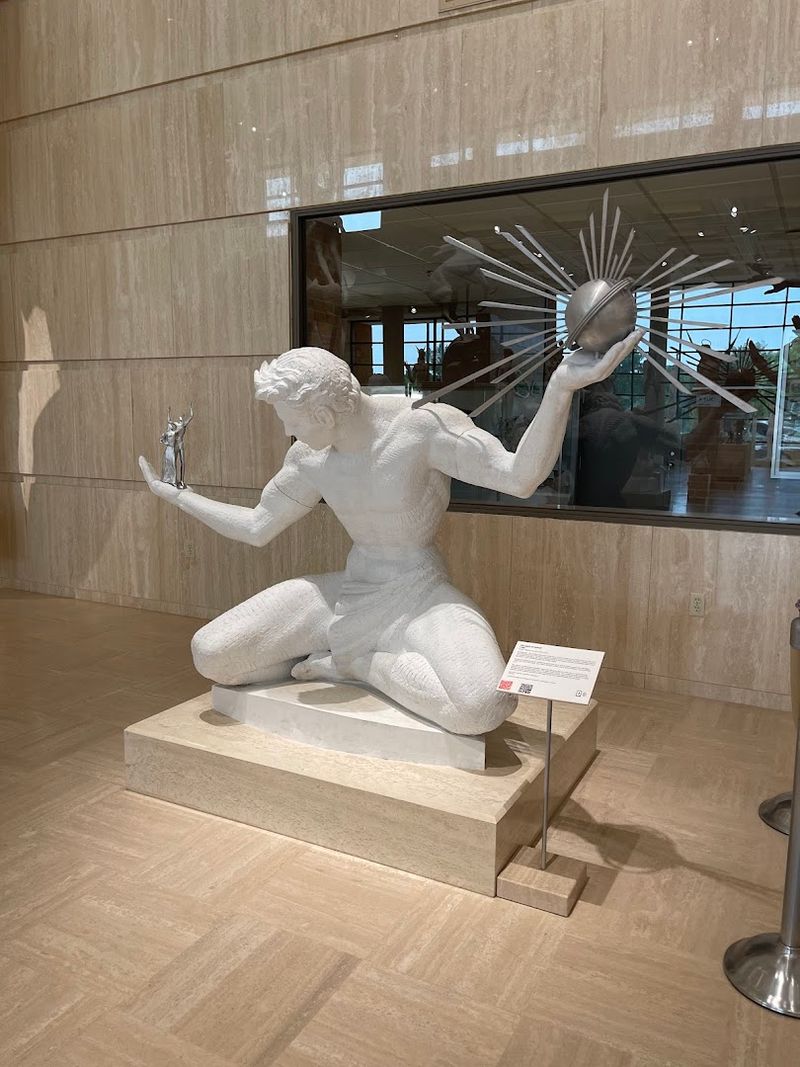
One of the stranger and more satisfying moments inside the museum comes when you stop in front of a sculpture and realize you have seen it before, just somewhere completely different. Marshall Fredericks’ work was commissioned for Northland and Eastland Malls in the Detroit area, for public parks, for government buildings, and for spaces across the country.
Chances are good that you have walked past something he made without ever connecting it to a name.
The museum has a way of making those connections click. You see the plaster model for a piece and something about it feels familiar, and then you read the label and the memory surfaces.
For a lot of Michigan visitors, especially those who grew up in the Detroit area, this happens more than once during a single visit.
One reviewer mentioned specifically recognizing the boy and bear statue from Northland Mall, a piece tied to childhood memories and old family photos. That kind of personal resonance is not something a museum can manufacture.
It either exists or it does not, and with Fredericks’ work it tends to exist for a surprising number of people.
Younger visitors might not share those specific memories, but they often recognize the visual language of his figures, the way they carry weight and stillness at the same time, from public spaces they have passed through without paying close attention.
There is something genuinely interesting about discovering that an artist you never consciously followed has been part of your visual landscape for years. The museum turns that passive familiarity into something more deliberate, and that shift in awareness is one of the more lasting things you take home from a visit here.
It is a quiet kind of revelation.
Free Admission and the Public Art Pass
The museum is completely free to enter, which still catches first-time visitors off guard. No suggested donation, no timed entry fee, no catch.
You walk in, and the entire collection is yours to spend as long with as you like. For a collection of this depth and quality, that feels almost too good to be straightforward.
The free admission makes it easy to visit casually, the way you might drop into a bookstore or walk through a park. There is no pressure to extract maximum value from a ticket price.
People linger or move quickly depending on their mood, and both feel equally valid. That low-stakes quality changes how visitors relate to the art.
The museum also participates in a public art pass program that extends the visit beyond the building itself. The pass directs visitors to other publicly accessible artworks in the surrounding region, essentially turning a single museum stop into a broader tour of Fredericks’ work installed in real-world locations.
It is a smart extension of what the museum does, connecting the indoor collection to the outdoor legacy.
Parking on the SVSU campus is also free, though a few visitors have noted that the dedicated museum lot is on the smaller side. Arriving earlier in the day tends to make that a non-issue, and the campus itself is pleasant to walk through if you end up parking a short distance away.
For families, the free admission removes one of the usual friction points around museum visits. You can bring kids without calculating whether the outing justifies the cost, which changes the whole energy of the trip.
Some of the most enthusiastic reviews come from parents who came in with low expectations and left genuinely glad they stopped. That pattern says something real about what the museum delivers.
The Gift Shop and What It Says About the Collection
Not every museum gift shop earns a mention, but the one at the Marshall M. Fredericks Sculpture Museum has come up in enough visitor reviews to be worth talking about.
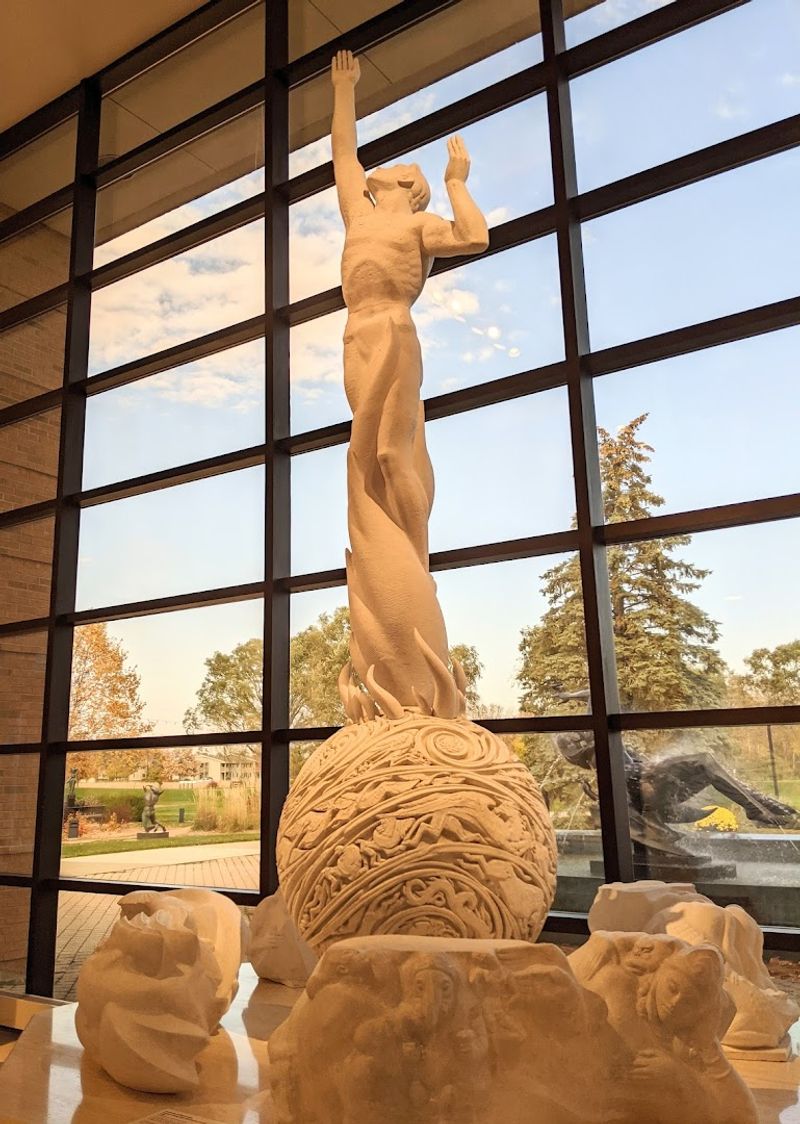
The main draw is a selection of smaller cast reproductions of some of Fredericks’ most recognizable works. They are not cheap, and people say so openly, but the quality is apparent and the pieces are genuinely connected to the collection you just walked through.
Buying a small cast of something you spent twenty minutes looking at in the gallery is a different kind of souvenir than a magnet or a tote bag. It carries the weight of the visit in a way that more generic merchandise does not.
For visitors who leave the museum wanting to hold onto something from the afternoon, the gift shop offers a real option rather than a symbolic one.
The shop also stocks books, prints, and other items related to Fredericks’ work and legacy. If you walked out of the gallery genuinely curious about his career, there is reading material waiting for you before you get back to the car.
That continuity between the collection and the shop is not always something smaller museums manage well, but it works here.
Staff throughout the museum have been consistently described as helpful and genuinely engaged, not the kind of presence that hovers or lectures but the kind that answers questions well when asked. That carries into the gift shop too, where the focus stays on the work rather than the transaction.
For anyone visiting with the intention of finding something to bring home, setting aside a few extra minutes at the end of the tour makes sense. The reproductions sell out periodically, and certain pieces are more available than others depending on the season.
Share this story