Michigan does not just have beautiful parks — it has entire landscapes that feel almost impossible to believe are in the same state. One day you can stand beside a roaring waterfall, the next you can climb a massive sand dune, wander through an ancient forest, or ferry out to an island wilderness surrounded by Great Lakes blue.
These are places that remind you how wild, varied, and unforgettable Michigan really is. Whether you are chasing a serious hike, a peaceful picnic, or a breath of fresh air far from everyday noise, these 13 parks each offer their own kind of outdoor magic.
1. Ludington State Park
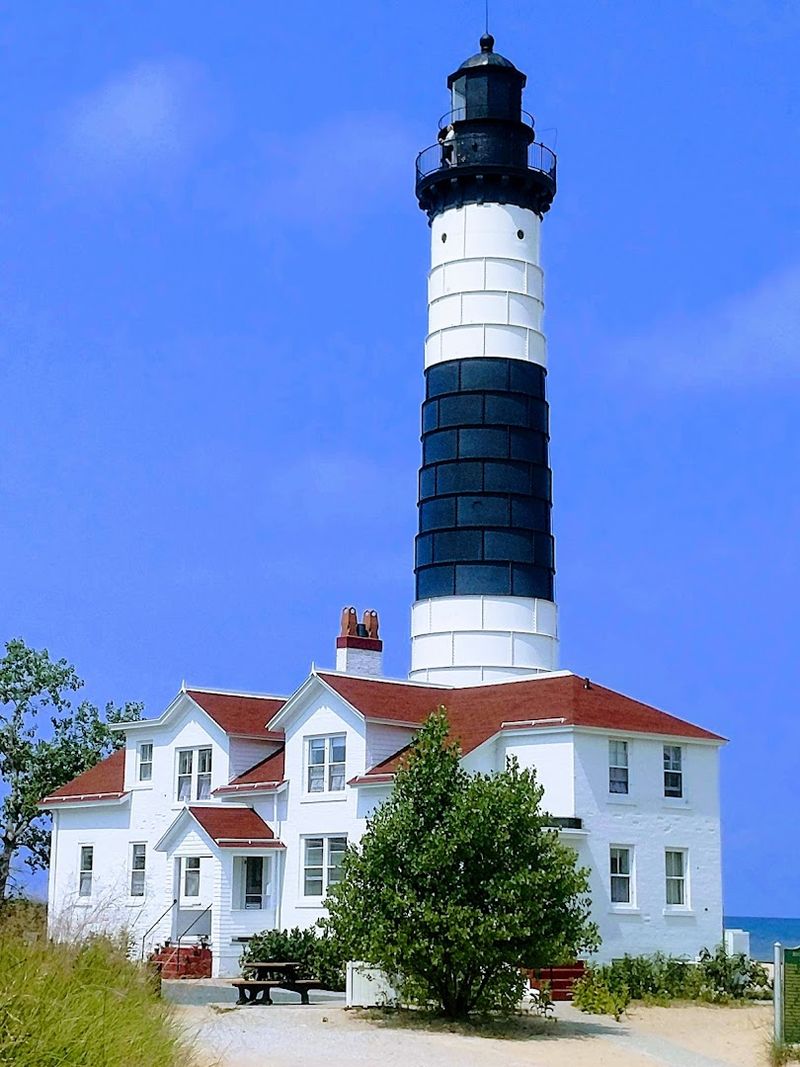
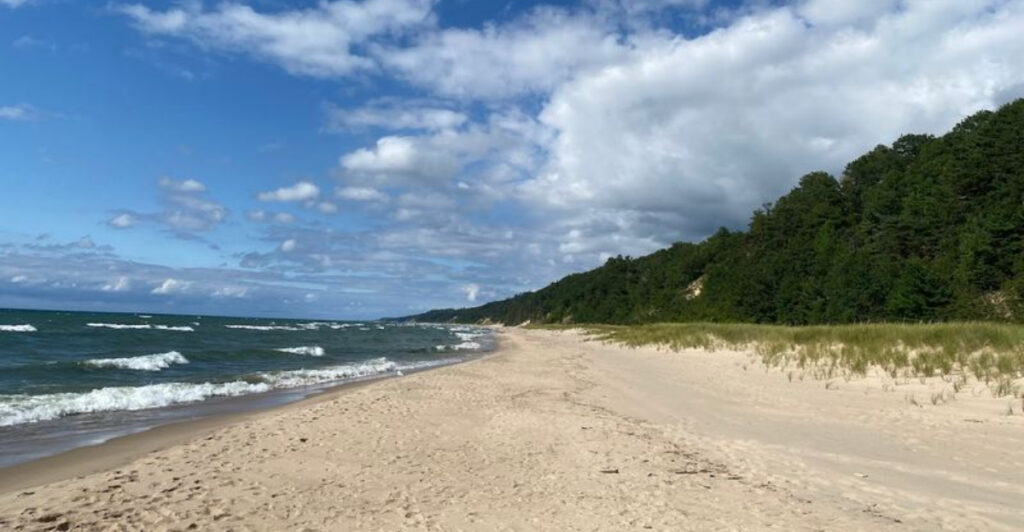
Sandwiched between Hamlin Lake and the open shores of Lake Michigan, Ludington State Park is the kind of place that makes you forget your phone exists. It covers over 5,300 acres and packs in a stunning variety of landscapes that would take days to fully explore.
The park sits along one of the most beautiful stretches of Lake Michigan shoreline in the entire state.
Hiking here is genuinely rewarding. There are more than 21 miles of trails that wind through dunes, forests, and wetlands, giving you a completely different view around every bend.
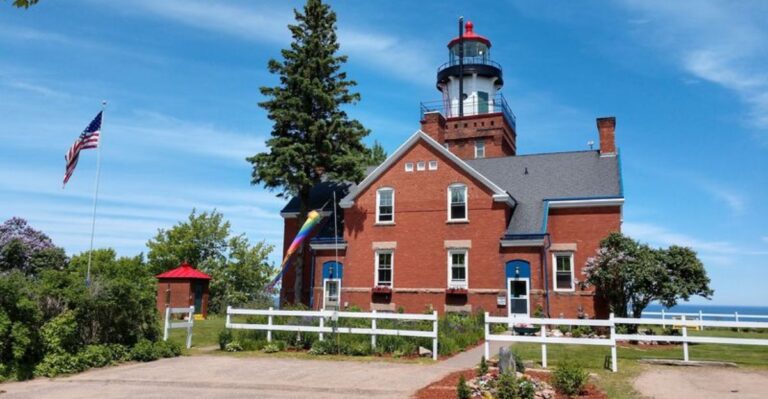
The Big Sable Point Lighthouse is one of the park’s crown jewels, and the walk out to it along the beach feels almost cinematic, especially at sunset.
Camping options range from rustic backcountry sites to modern electric hookups, so there is something for every comfort level. Canoe and kayak rentals are available if you want to paddle Hamlin Lake, which is calm, clear, and surprisingly peaceful.
Swimmers love the designated beach areas, and the water temperature in summer is actually refreshing rather than freezing.
Families with kids find Ludington especially easy to love because there is so much variety packed into one park. You can spend the morning hiking, the afternoon swimming, and the evening roasting marshmallows without ever leaving the grounds.
The park also has a strong population of wildlife, including deer, eagles, and various shorebirds that are fun to spot.
Reservations fill up fast during summer weekends, so planning ahead is strongly recommended. Visiting in late September means fewer crowds and spectacular fall color that reflects off the lake.
Ludington does not just check boxes — it exceeds them.
2. Isle Royale National Park
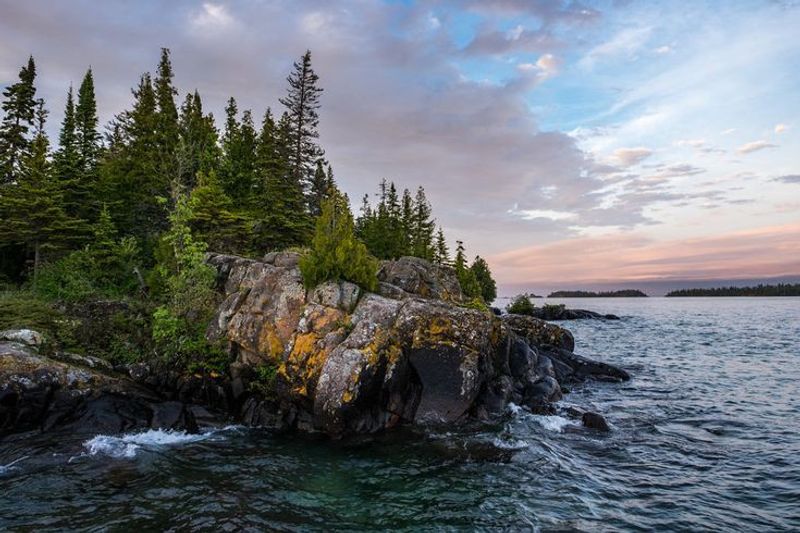
Getting to Isle Royale requires a ferry ride or a floatplane, and that journey alone tells you this place operates by its own rules. Sitting in the middle of Lake Superior, this remote island national park is one of the least visited in the entire National Park System — which is exactly what makes it so extraordinary.
There are no roads, no cars, and no shortcuts here.
Wolves and moose share the island in one of the most studied predator-prey relationships in wildlife science. Researchers have been tracking this dynamic for decades, and it has shaped what scientists understand about natural ecosystems.
Spotting a moose along the shoreline at dusk is the kind of moment that sticks with you for years.
The park stretches across 45 miles of island terrain with over 165 miles of hiking trails. Backpackers come prepared to carry everything they need because resupply options are essentially nonexistent.
The reward is total immersion in a landscape that feels completely untouched by modern life.
Fishing is excellent, especially for lake trout and walleye in the surrounding Superior waters. Kayakers and canoeists love the inland lake chains that connect through portages, offering a multi-day paddling adventure unlike anything on the mainland.
The island even has some fascinating shipwreck dive sites just offshore.
Isle Royale is only accessible from late April through October, so the visiting season is short. The park closes entirely in winter, which only adds to its mystique.
If you want a Michigan experience that feels like an actual expedition rather than a day trip, this island is calling your name and it will not call twice.
3. Warren Dunes State Park
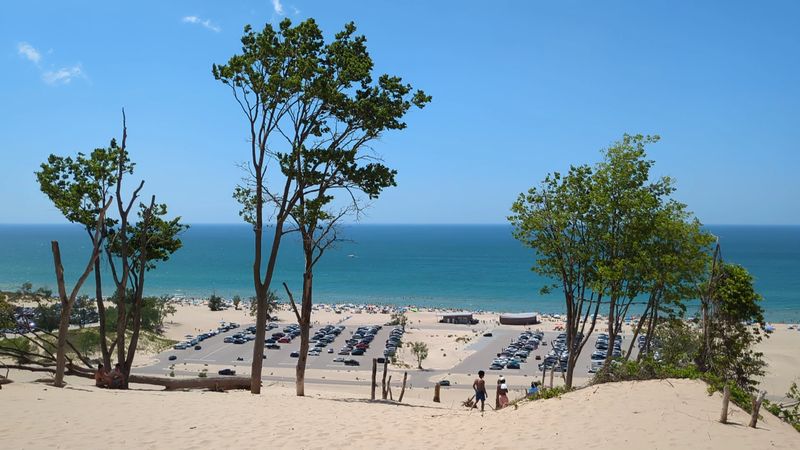
Warren Dunes does not ease you in gently — it hits you immediately with massive sand dunes that tower up to 260 feet above Lake Michigan. Located near the Indiana border in southwestern Michigan, this park draws millions of visitors every year and earns every single one of them.
The dunes here are not just scenic backdrops; they are full-on physical challenges that leave your legs burning by the time you reach the top.
Climbing Tower Hill, the park’s tallest dune, is a rite of passage for Michigan kids and adults alike. The view from the summit is absolutely worth the effort, stretching across the lake in a way that makes you feel like you are standing on the edge of something ancient.
Running back down is optional but highly encouraged.
The beach below the dunes is one of the most popular in the state, offering nearly three miles of sandy shoreline along Lake Michigan. Swimming conditions are generally excellent in summer, and the water turns a remarkable shade of blue-green on clear days.
Lifeguards are on duty during peak season, which is reassuring for families with young children.
Beyond the dunes and beach, there are over six miles of trails through wooded areas and open blowouts that give you a quieter side of the park. Wildlife sightings — including deer, foxes, and a wide variety of birds — are common along these paths.
The forested campground provides shade and a more serene overnight experience compared to the busy beach area.
Fall visits to Warren Dunes are surprisingly underrated. The crowds thin out dramatically after Labor Day, and the dune grass turns golden in a way that photographers absolutely love.
Come early, stay late, and conquer those dunes.
4. Belle Isle Park
Right in the middle of the Detroit River sits a 982-acre island park that has been serving the city since the 1880s — and Belle Isle still delivers in a big way. Accessible by bridge from Detroit, this state park offers a full-blown nature escape without ever leaving the metro area.
It is one of those rare urban parks that genuinely surprises you with how much it holds.
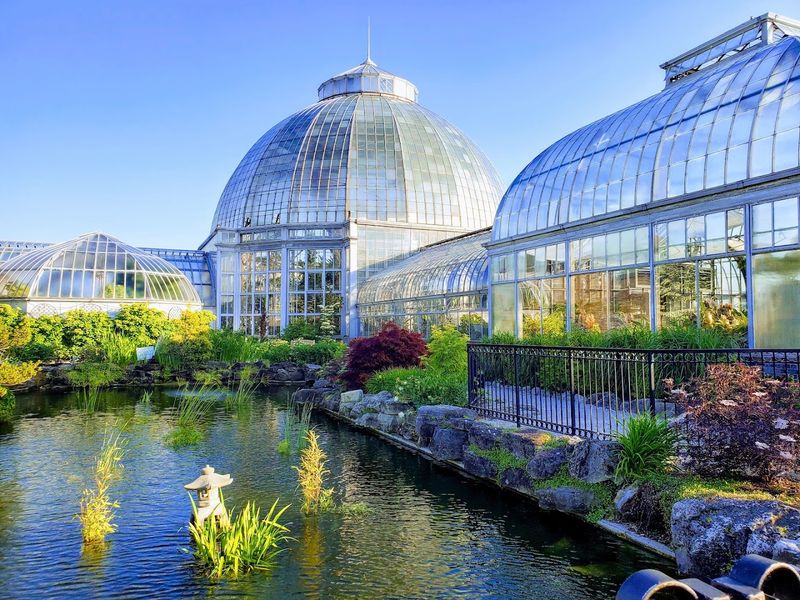
The Anna Scripps Whitcomb Conservatory is one of the oldest continually operating conservatories in the United States, and it is stunning inside. Tropical plants, cacti, and ferns fill the glass-domed building with color and warmth, especially welcome during Michigan winters.
Entry is free on certain days, making it accessible for families on any budget.
Belle Isle has a dedicated aquarium, a nature center, a beach along Lake St. Clair, and even a small nature trail through a forested area. The lighthouse on the island’s eastern tip is photogenic year-round and especially beautiful during golden hour.
Cyclists, joggers, and inline skaters loop the island’s perimeter road regularly, giving the park a lively, community-driven energy.
History fans will appreciate the park’s connection to Frederick Law Olmsted, the famous landscape architect who designed it in the late 1800s. His vision of a naturalistic, accessible green space for city residents is still very much alive here.
The park became a Michigan State Park in 2014, which brought new investment and improvements to the facilities.
Weekends in summer can get busy, especially around the beach and picnic areas, so arriving early gives you the best experience. Belle Isle proves that world-class parks do not always require a long drive.
Sometimes, the universe you need is right across a bridge.
5. Saugatuck Dunes State Park
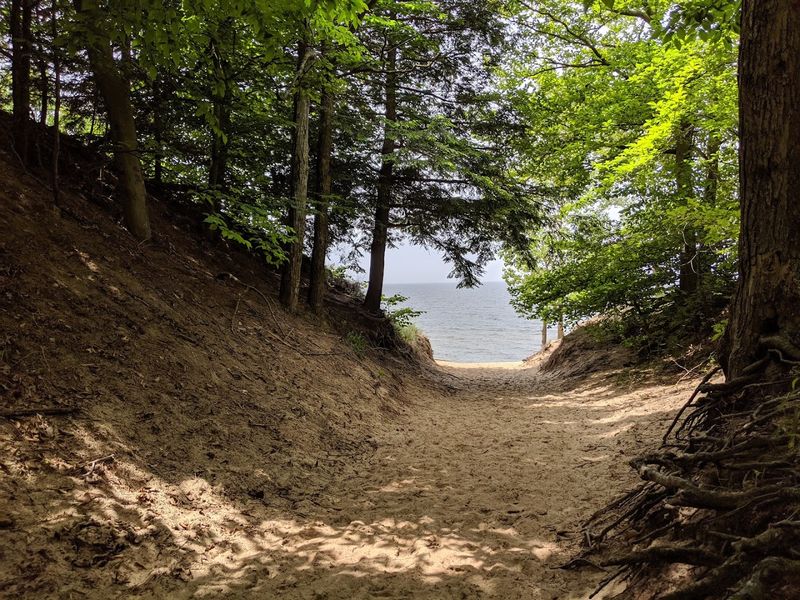
If Warren Dunes is the loud, energetic sibling, Saugatuck Dunes is the quieter one with just as much depth. This park near the artsy town of Saugatuck offers a more secluded dune experience, with forested trails winding through blowouts and ridges before dropping you onto a pristine stretch of Lake Michigan beach.
The whole vibe here is unhurried and genuinely peaceful.
The trailhead parking lot is small by design, which naturally limits the crowd size and keeps the park feeling intimate. You will need to hike about a mile through wooded dune terrain to reach the beach, but that walk is part of what makes the destination feel earned.
The beach itself is wide, clean, and often far less crowded than nearby alternatives.
Trails range from relatively flat to moderately challenging depending on which route you choose. The longer loop gives you sweeping views from the dune crests and passes through some genuinely beautiful old-growth forest sections.
Wildflowers dot the understory in spring, and the forest turns fiery with color in October.
The park does not have a campground, which keeps overnight crowds away and preserves the natural quiet. Day visitors are the target audience here, and the park rewards those who come prepared with water, snacks, and good footwear.
Sandals might seem tempting, but the trail has enough roots and uneven terrain to make proper shoes a smarter call.
Saugatuck town is just a short drive away, offering great restaurants, galleries, and ice cream shops that make a post-hike reward feel very well-deserved. Pairing a morning at the park with an afternoon in town is a genuinely excellent day plan.
This park is the definition of a hidden gem that locals prefer to keep to themselves.
6. Tahquamenon Falls State Park
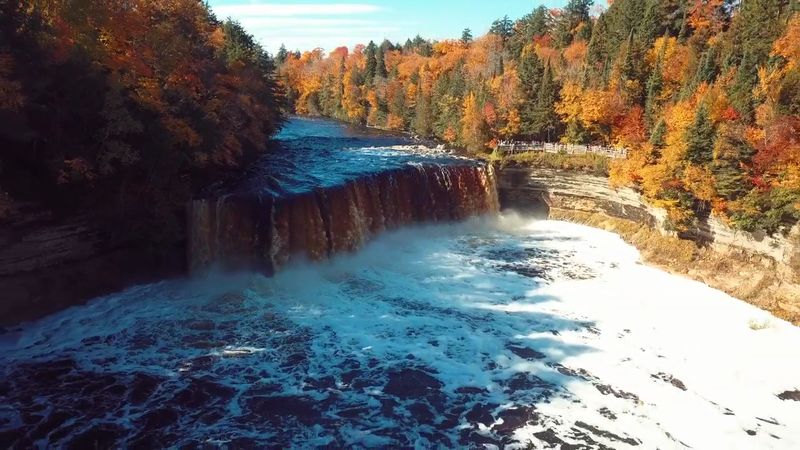
Few things in Michigan hit harder than standing at the edge of the Upper Tahquamenon Falls and watching that massive amber curtain of water crash into the river below. This is the second-largest waterfall east of the Mississippi River, and it earns that title loudly.
The tea-colored water gets its distinctive hue from tannins leaching out of the surrounding cedar swamps — a completely natural phenomenon that makes the falls look almost otherworldly.
Located deep in the eastern Upper Peninsula near Paradise, this park covers over 50,000 acres of pure wilderness. The trail system connecting the Upper and Lower Falls is one of the most iconic hikes in the state, stretching about four miles through boreal forest that feels genuinely primordial.
Birch trees, spruce, and fir line the path in a way that makes every step feel like a scene from a nature documentary.
The Lower Falls are a different experience entirely — a cluster of smaller cascades around a forested island that you can explore by renting a rowboat from the park’s own concession. Paddling between the falls and scrambling over rocks to get closer is a highlight that families absolutely love.
It is one of those rare park activities that feels adventurous without being dangerous.
Camping options here are excellent, with both modern and rustic sites available. The park gets dramatically beautiful in late September and early October when the surrounding hardwoods ignite with fall color.
Seeing the amber falls framed by orange and red leaves is a visual experience that no photo fully captures.
Winter visitors can snowshoe or cross-country ski the trails, and seeing the falls partially frozen is a genuinely surreal sight. Tahquamenon operates in every season and delivers something spectacular in each one.
Plan a full day — you will want every minute of it.
7. Holland State Park
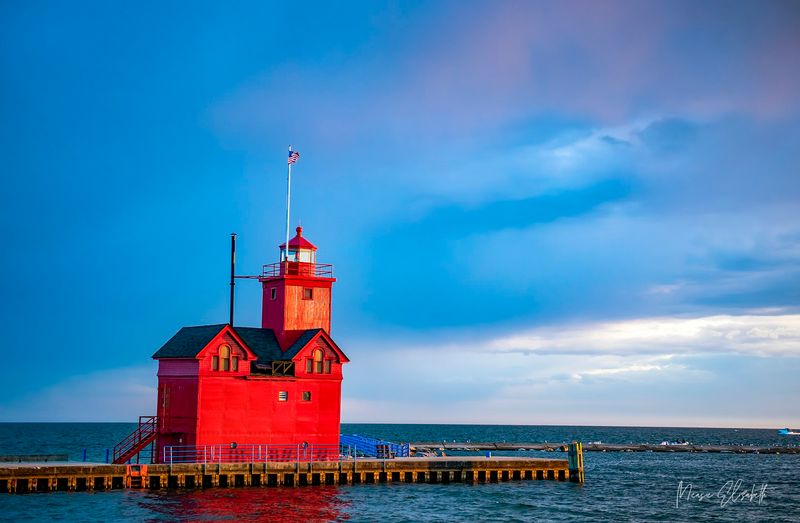
Holland State Park is compact, but it punches well above its weight class. Sitting at the mouth of Lake Macatawa where it meets Lake Michigan, this park is home to one of the most photographed lighthouses in the entire state — the beloved Big Red.
That iconic red lighthouse has appeared on so many Michigan postcards, calendars, and Instagram feeds that it has practically become a symbol of the state itself.
The beach here is genuinely excellent, with soft sand and a long stretch of Lake Michigan shoreline that gets busy on summer weekends for good reason. The water clarity near the pier is impressive, and the waves can get lively enough to satisfy boogie boarders when the wind picks up.
Sunsets from this beach are consistently stunning, painting the sky in shades that feel almost exaggerated.
The park is split into two units — the Lake Michigan beach side and the Lake Macatawa side. The Macatawa side tends to be calmer and warmer, making it popular with families who have younger kids that prefer gentler swimming conditions.
Both sides have picnic areas and restroom facilities, keeping the experience comfortable even on busy days.
Holland itself is a charming city worth exploring beyond the park. The downtown area has Dutch-themed architecture, great restaurants, and a famous tulip festival each May that draws visitors from across the Midwest.
Pairing a park visit with a trip through town makes for a fuller, richer day out.
Reservations for the campground fill up extremely fast during summer — think months in advance. Tent and RV campers both have spots available, and the campground’s proximity to the beach is hard to beat.
Holland State Park is proof that a smaller park can still deliver a massive experience when everything lines up just right.
8. Pictured Rocks National Lakeshore
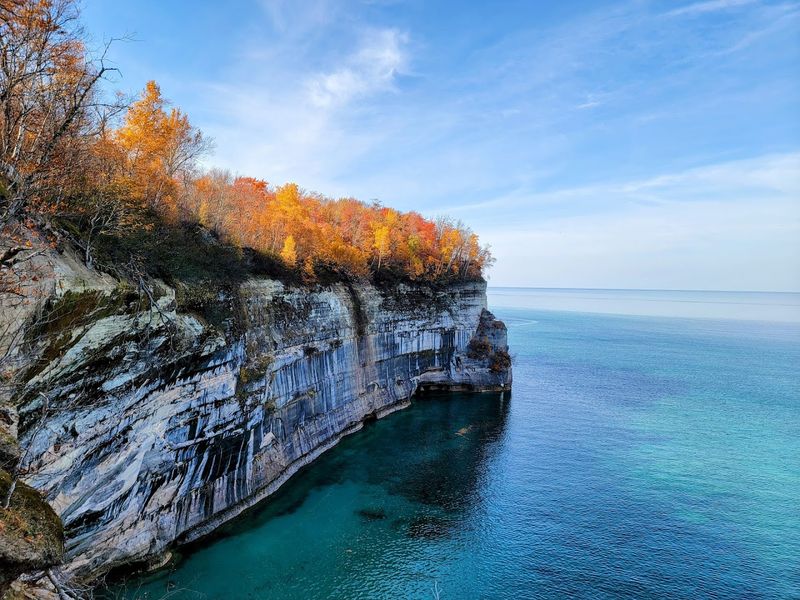
Imagine cliffs rising up to 200 feet above Lake Superior, streaked with minerals in shades of copper, manganese, and iron that create natural abstract paintings across the rock face. That is Pictured Rocks, and no photo has ever quite done it justice.
Stretching for 42 miles along the southern shore of Lake Superior in the Upper Peninsula, this national lakeshore is one of Michigan’s most visually dramatic places.
Kayaking along the base of the cliffs is the ultimate way to experience Pictured Rocks, putting you right at water level where the colors and formations are most impressive. Several outfitters in nearby Munising offer guided tours for beginners and rentals for more experienced paddlers.
The caves, arches, and sea stacks you can explore by kayak feel like they belong in a fantasy novel.
Hikers have access to the North Country Trail, which passes through the entire lakeshore and offers clifftop views that are absolutely breathtaking. Miners Beach, Miners Castle, and Chapel Falls are among the most visited spots along the trail system, each delivering something distinct and memorable.
The waterfall density in this area is remarkable — you can hit multiple falls in a single hiking day.
Au Sable Light Station at the eastern end of the park is a historic lighthouse that guided ships through treacherous Superior waters for over a century. Ranger-led tours of the lighthouse bring the history to life in a way that even non-history-buffs find compelling.
The walk out to it along the shoreline is flat and accessible.
Late summer and early fall are the best times to visit for weather and color. The park can see heavy snow by October, so timing matters.
Pictured Rocks is the kind of place that redefines what you thought Michigan was capable of showing you.
9. Hartwick Pines State Park
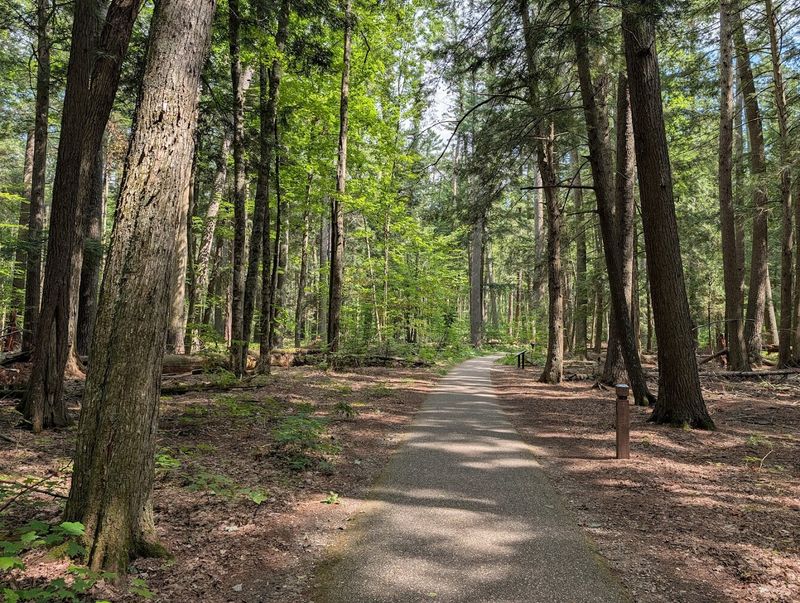
Walking into the old-growth forest at Hartwick Pines feels like stepping back several centuries in a single moment. This park near Grayling preserves one of the last remaining stands of virgin white pine in the Lower Peninsula — trees that were never logged during Michigan’s massive timber era of the 1800s.
Some of these pines are over 300 years old and soar nearly 150 feet into the air.
The Cathedral Grove, as the old-growth section is often called, has a reverent, almost sacred atmosphere that hushes even the most talkative visitors. The forest floor is carpeted in pine needles, ferns, and fallen logs that are slowly returning nutrients to the soil.
Sunlight filters through the canopy in long, golden shafts that make the whole scene feel cinematic.
The Michigan Forest Visitor Center inside the park is one of the better interpretive centers in the state park system. It tells the story of Michigan’s logging industry with impressive exhibits, historic equipment, and a replica logging camp that gives you a real sense of what that era looked like.
Kids and adults both find it genuinely engaging.
Beyond the old-growth section, the park has over 9 miles of trails through younger forest, wetlands, and along the Au Sable River. The river corridor is particularly beautiful and attracts trout fishermen throughout the season.
Wildlife in the park includes white-tailed deer, black bears, pileated woodpeckers, and bald eagles.
Hartwick Pines holds an annual Lumberjack Festival in late summer that celebrates the logging heritage with demonstrations, music, and food. It draws crowds but keeps the festive energy respectful of the natural setting.
This park is not just a pretty forest — it is a living piece of Michigan’s complicated and fascinating history.
10. Fort Custer State Recreation Area
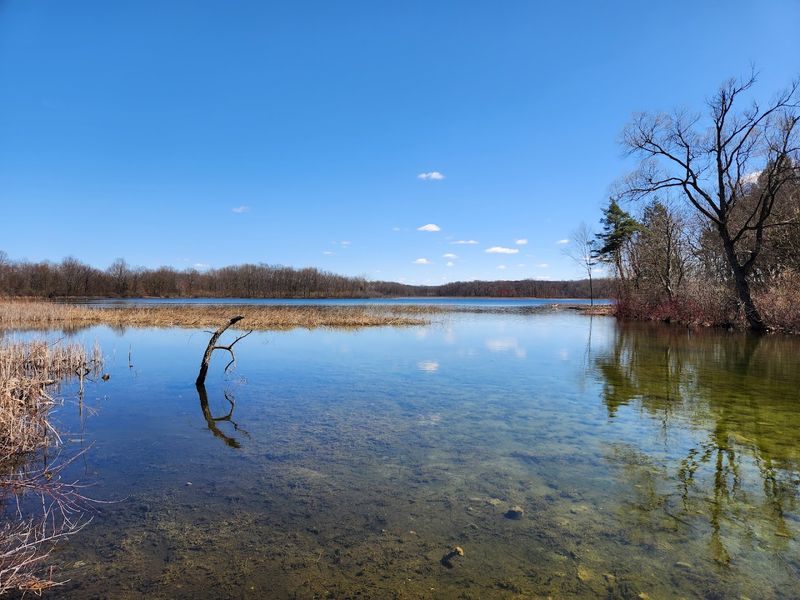
Fort Custer does not lead with drama — it earns its reputation through sheer versatility and the kind of outdoor freedom that keeps people coming back season after season. Located near Battle Creek in southwest Michigan, this 3,000-acre recreation area sits on land that was once a U.S.
Army training base, which gives it an unusually open and varied landscape. Old military roads have been converted into trails, and the result is a recreation network that feels both spacious and surprisingly wild.
Mountain bikers are especially devoted to Fort Custer, and for good reason. The trail system here is widely considered one of the best in the Lower Peninsula, with routes ranging from beginner-friendly loops to technical singletracks that will challenge even experienced riders.
The terrain is fast and fun, weaving through oak-hickory forest with enough variety to keep every ride feeling fresh.
Hikers and horseback riders also have dedicated trails that cover different sections of the park. Eagle Lake and Jackson Lake within the park are popular for fishing, kayaking, and canoeing, offering calm water experiences in a scenic woodland setting.
Swimming is available at a designated beach on Eagle Lake during summer months.
The campground at Fort Custer is well-maintained and offers both modern and rustic options. It tends to be less crowded than parks closer to Lake Michigan, which means you can often snag a site on shorter notice.
That relative accessibility makes it a go-to destination for spontaneous weekend getaways.
Fall is arguably the best season here, when the hardwood forest lights up and the trails are blanketed in crunchy leaves. Cross-country skiing and snowshoeing take over in winter, keeping the park active year-round.
Fort Custer rewards the curious visitor who does not need a famous waterfall or a famous dune to feel satisfied.
11. Sleeping Bear Dunes National Lakeshore
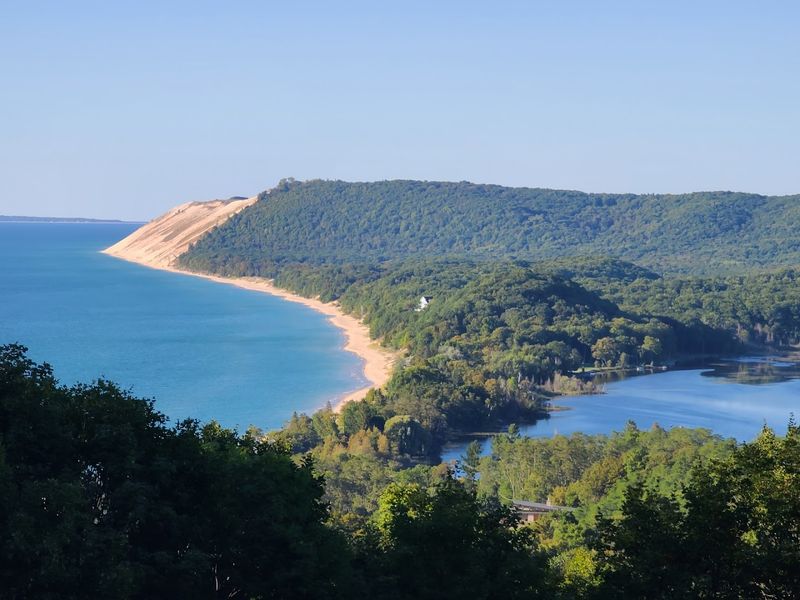
Good Morning America once called Sleeping Bear Dunes the most beautiful place in America, and honestly, it is hard to argue. The dunes here rise up to 450 feet above Lake Michigan, creating a landscape so dramatic and unexpected that first-time visitors often just stop and stare for a solid minute before saying anything.
The contrast between the golden sand, the dark forest, and the impossibly blue lake below is something your brain takes a moment to fully process.
The Dune Climb is the park’s most iconic activity — a steep, open dune face that lures visitors up with the promise of a view and humbles them with the return hike through loose sand. Getting to the actual lake from the top of the climb is a full 4-mile round trip that many people underestimate.
Bring plenty of water, because the exposed dunes offer zero shade and the sand radiates heat in summer.
Beyond the famous dunes, the park covers 35 miles of Lake Michigan shoreline and includes the Manitou Islands, which are accessible by ferry from Leland. North Manitou Island is a true wilderness experience with no electricity and limited facilities, while South Manitou Island has a lighthouse, a valley of ancient white cedars, and a fascinating shipwreck visible from shore.
The Pierce Stocking Scenic Drive is a must for visitors who want sweeping views without the physical demands of a major hike. The 7.4-mile loop hits multiple overlooks, and the Lake Michigan Overlook stop is one of the most stunning roadside views in the entire Midwest.
Sunset from that overlook is something you will remember for a very long time.
Empire and Glen Arbor, the small towns flanking the park, offer excellent food and lodging options. Sleeping Bear does not just meet expectations — it quietly shatters them every single time.
12. William Field Memorial Hart-Montague Trail State Park
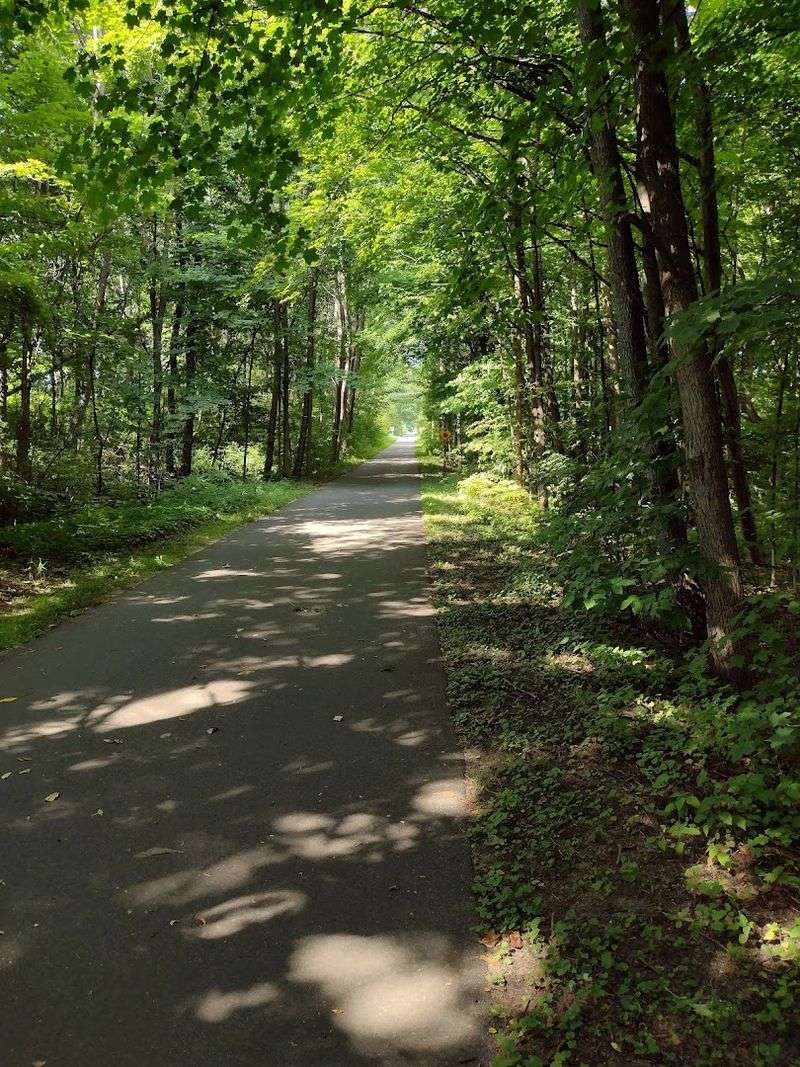
Not every great Michigan park requires you to lace up hiking boots and conquer a mountain. The Hart-Montague Trail is a 22.5-mile paved rail-trail that follows a former railroad corridor through the heart of west-central Michigan, connecting the towns of Hart and Montague in a straight, scenic line.
It is one of the first paved rail-trails in the state of Michigan and remains one of the most beloved.
Cyclists are the primary audience here, and the trail delivers a genuinely enjoyable riding experience with a gentle grade that makes it accessible to riders of all fitness levels. Families with young kids on bikes find it especially approachable because there are no major hills, no cars to worry about, and multiple access points where you can start and stop as needed.
The surface is smooth and well-maintained throughout the season.
The trail passes through farmland, forests, wetlands, and small towns, giving riders a cross-section of rural west Michigan that feels authentic and unhurried. Roadside farm stands pop up along the route in summer and fall, selling fresh produce, honey, and baked goods that make a natural excuse to slow down and enjoy the surroundings.
The communities along the trail are genuinely welcoming to trail users.
Inline skaters, joggers, and walkers also use the trail regularly, and the wide paved surface comfortably accommodates everyone without feeling crowded. Several trailheads have parking, restrooms, and picnic areas, making logistics easy even for first-timers.
Bike rentals are available in the area for visitors who did not bring their own.
Autumn is a spectacular time to ride the trail when the tree canopy turns and the farm fields shift to harvest colors. The Hart-Montague Trail proves that sometimes the most rewarding journey is a straight, peaceful line through a beautiful landscape.
13. Porcupine Mountains Wilderness State Park
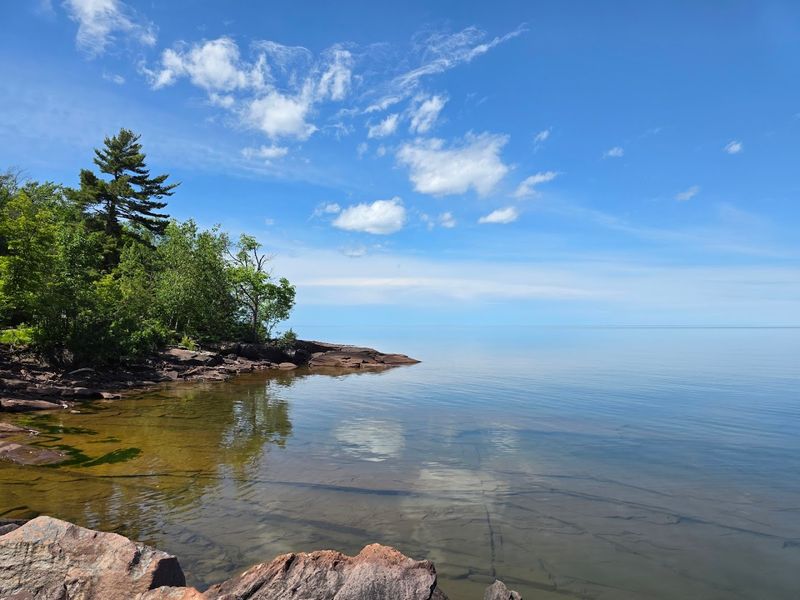
The Porcupine Mountains — affectionately called the Porkies by locals — contain the largest tract of old-growth forest in the Midwest, and that single fact sets the tone for everything else about this park. Covering over 60,000 acres in the far western Upper Peninsula, this wilderness state park operates at a scale that makes most other parks feel like city gardens by comparison.
It is raw, it is remote, and it is remarkable.
The Lake of the Clouds overlook is the park’s signature view, and it absolutely delivers on every version of the hype. Standing at the escarpment and looking down at that perfect, mirror-like lake surrounded by ancient hardwoods and hemlock is a moment that becomes a permanent fixture in your memory.
The overlook is accessible by a short walk from the parking area, but the serious hikers push deeper into the backcountry for a more immersive experience.
The park has over 90 miles of trails ranging from easy lakeside walks to strenuous ridge routes that gain serious elevation. Backcountry cabins and rustic lean-tos are available for overnight hikers who want to sleep deep in the forest with nothing but the sound of wind and owls for company.
Reservations for those cabins go quickly, especially for peak fall foliage weekends.
The Presque Isle River cascades through a series of dramatic waterfalls and gorges near the park’s southwestern corner, offering a waterfall experience that rivals anything else in the state. Lake Superior borders the park’s northern edge, and the shoreline there is rocky, wild, and completely undeveloped.
Seeing a Superior sunrise from that shore is worth every mile of driving.
Winter transforms the Porkies into a cross-country skiing and snowshoeing paradise with over 26 miles of groomed ski trails. The park’s yurts are available year-round, making cold-weather camping far more comfortable. Few places in Michigan feel this genuinely untouched.
Share this story