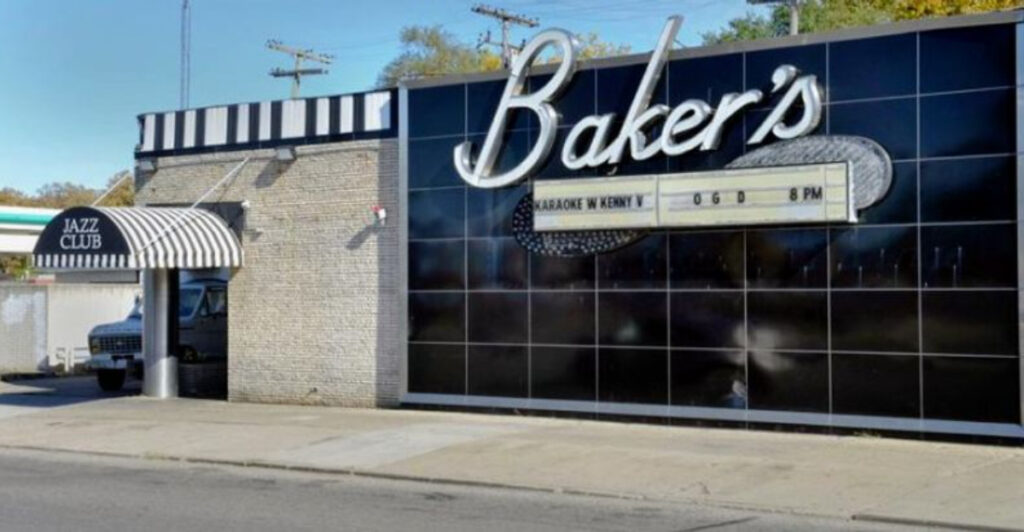
Baker’s Keyboard Lounge has been holding down Detroit’s jazz scene since 1934, making it one of the oldest continuously operating jazz clubs in the world. Tucked on Livernois Avenue, this 99-seat room punches well above its weight in history, atmosphere, and live music.
Whether you’re a lifelong jazz fan or just curious about what real Detroit nightlife looks like, this place tells a story that no playlist ever could. Come ready to listen, eat, and soak in nearly a century of musical legacy.
A Room That Looks Like Jazz Sounds
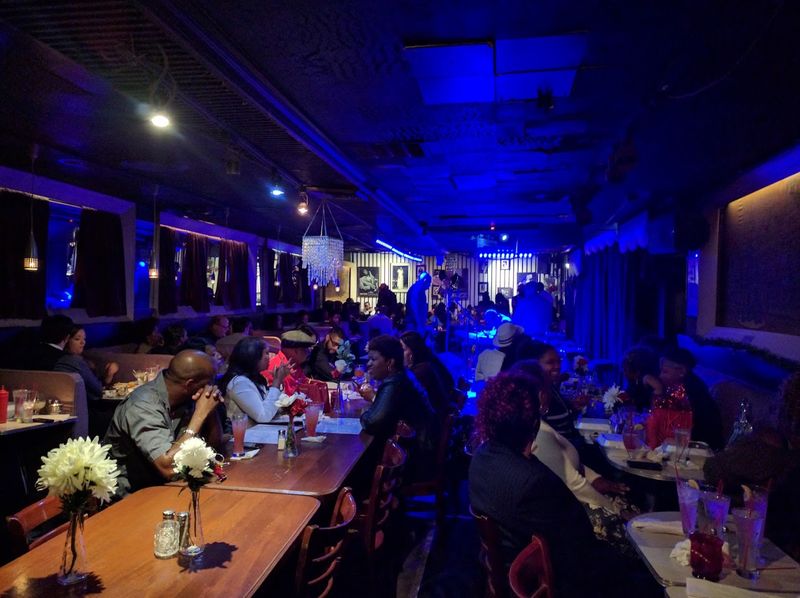
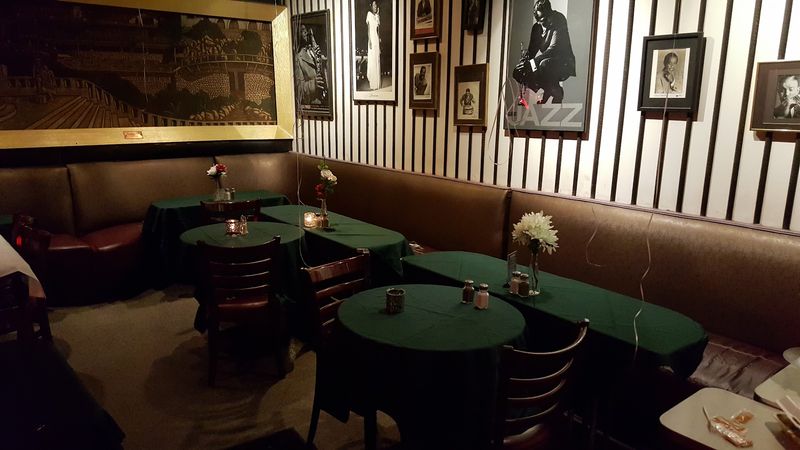
Walk through the front door of Baker’s Keyboard Lounge and the room itself does most of the talking. Art deco design details wrap the space in a style that belongs to a different era — one where people dressed up, sat close together, and actually listened to music.
The booths are intimate, the lighting is warm and low, and the stage sits close enough that you can watch a musician’s fingers move across the keys.
Photographs of jazz greats line the walls, each one a reminder of who has performed here over the decades. Names that shaped American music passed through this room, and the decor makes sure nobody forgets it.
It creates a visual timeline of jazz history that most museums would envy.
The 99-seat capacity keeps the room from ever feeling like a concert hall. Every seat has a good sightline to the stage, and the compact layout means the music fills the space without any dead zones.
Sound bounces off the right surfaces, and the whole room seems built specifically for live performance.
Loyal customers say the setting alone is worth the trip. Even between sets, there’s plenty to look at and take in.
The art deco touches — curved edges, geometric patterns, period-appropriate fixtures — give the space a personality that modern venues spend millions trying to recreate and usually fail at. Baker’s has the original version, worn in and lived-in, which makes it feel real in a way that brand-new clubs simply cannot replicate.
Arriving early gives you time to settle into your booth and actually appreciate the room before the first note hits.
Ninety Years of Live Jazz on Livernois
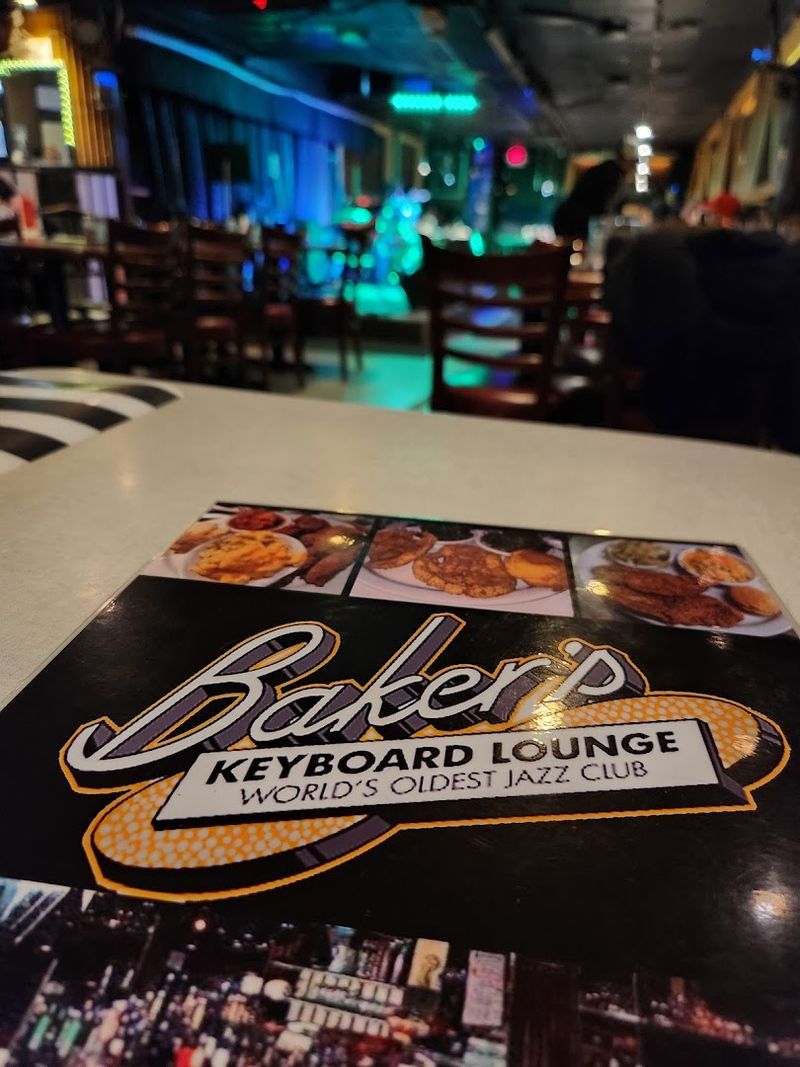
Baker’s Keyboard Lounge opened in 1934, which means it has been serving live jazz through the Great Depression, World War II, the rise of Motown, and every shift in American music since. That kind of staying power is not accidental.
The club has survived by staying committed to a single idea: put talented musicians in front of an intimate audience and let the music do its job.
The location on Livernois Avenue in Detroit, Michigan places it in a neighborhood with deep cultural roots. This stretch of the city has long been connected to Black business ownership and artistic expression, and Baker’s fits naturally into that story.
The club has been a community anchor for generations of Detroit residents who grew up knowing it as the place to hear serious jazz.
Over the decades, the lounge has hosted musicians whose names appear in every jazz history book worth reading. The walls carry photographic proof of those performances, creating a gallery that doubles as a living archive.
Visiting Baker’s puts you in physical contact with that timeline in a way that streaming music simply cannot.
Monday nights bring a comedy show, which the owner Bill personally mentions to curious guests. The rest of the week is dedicated to live jazz, with groups like the Ralphe Armstrong Trio drawing loyal crowds who come back specifically for the music.
The club’s longevity is its strongest credential — surviving nearly a century in the entertainment business means something real. Detroit has changed dramatically around Baker’s, but the address and the mission have stayed the same.
That consistency is genuinely rare, and it gives the lounge a credibility that newer venues have to earn over time.
The Stage Experience That Keeps the Room Talking
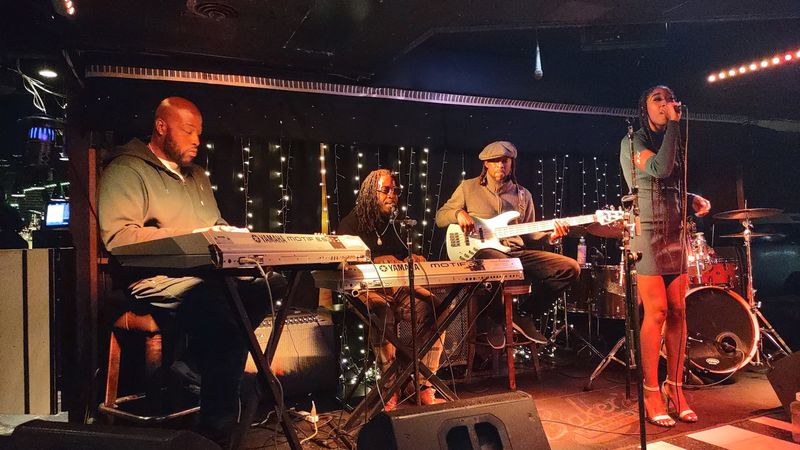
The live music at Baker’s Keyboard Lounge is the undisputed centerpiece of every visit. Groups take the stage and fill the small room with sound that ranges from straight-ahead jazz to funky send-ups of classic R&B and Motown hits — a nod to Detroit’s musical DNA that always lands well with the crowd.
The stage is close enough that you can feel the energy shift the moment a drummer locks into a groove.
Performers like Ralph, Charles, and Ron have turned regular nights into memorable celebrations for guests marking birthdays and special occasions. The Ralphe Armstrong Trio has earned consistent praise from people who came in knowing little about jazz and left converted.
When a band is firing on all cylinders in a 99-seat room, the effect is electric in a way that stadium concerts cannot reproduce.
Occasionally, logistics don’t go as planned — bands have been known to start late when last-minute lineup changes occur. Arriving closer to the advertised start time rather than rushing in early gives you time to eat and settle before the music begins.
Checking ahead about the evening’s lineup is a smart move, especially on weekends when the room fills up quickly.
The cover charge is added directly to your bill at the table rather than collected at the door, and automatic gratuity is included. Knowing this ahead of time helps avoid any surprise when the check arrives.
Comedy nights on Mondays offer a completely different vibe from the jazz-heavy weekend programming, so the calendar is worth checking depending on what kind of night you’re planning. Either way, the performance quality at Baker’s consistently outpaces the experience at larger, less personal venues around Detroit.
Soul Food on the Menu — What to Order and What to Skip
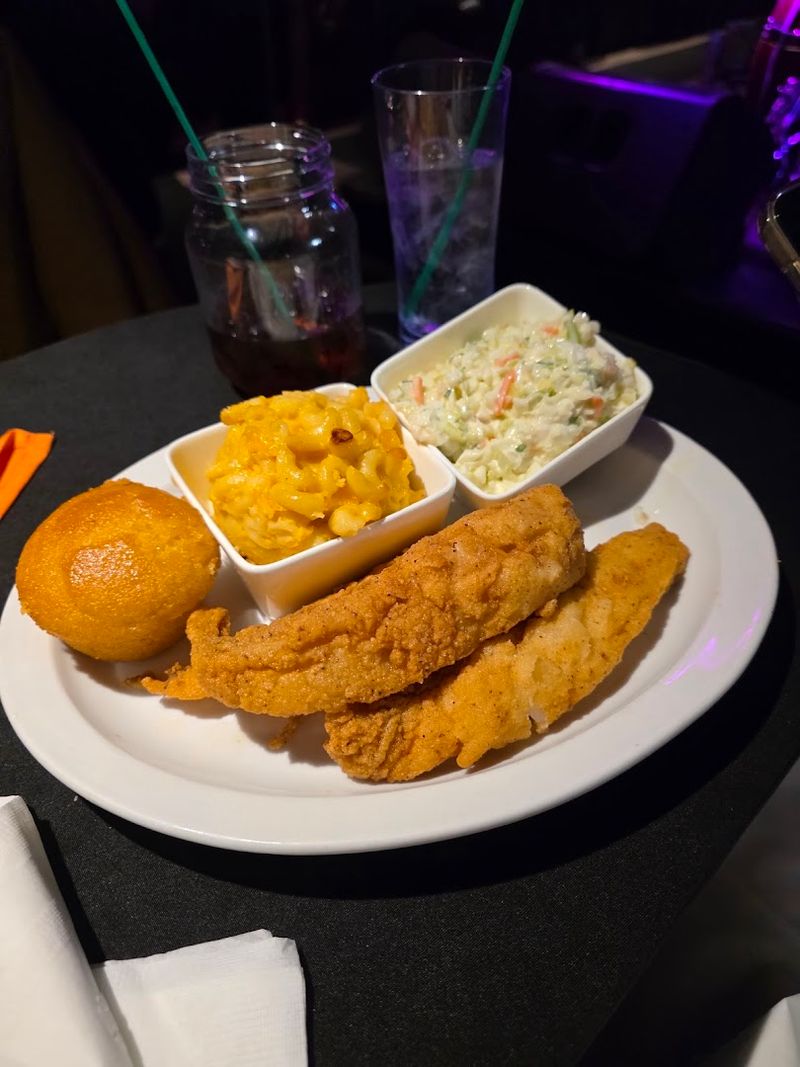
The kitchen at Baker’s Keyboard Lounge serves soul food alongside the live music, and the menu covers the expected classics — ribs, catfish, chicken wings, collard greens, mac and cheese, yams, and more. The ribs stand out as a consistent highlight, drawing specific praise for being tender and full of flavor.
Collard greens also tend to land well when the kitchen is running at its best.
Not every dish hits the same mark every visit. Customers say the fried chicken and catfish can vary depending on the night, and cold side dishes have come up more than once in recent conversations about the food.
Ordering the ribs and greens gives you the strongest shot at a satisfying meal, while dishes like the mac and cheese and yams seem to fluctuate more in quality and seasoning.
Portion sizes have been a topic of discussion among regulars who have visited across different years. Some loyal customers note that portions felt more generous during earlier visits compared to recent ones.
Arriving hungry but with realistic expectations keeps the experience balanced — the food is best understood as a companion to the music rather than the main event.
Pricing runs on the higher side for a neighborhood spot. A dinner for two with drinks, cover charge, and automatic gratuity can climb past $100 fairly easily.
The cover charge is applied per person and is added to the table bill along with gratuity, so budgeting around $60 to $80 per person for a full night — food, drinks, and all fees — is a reasonable baseline. Knowing the numbers going in makes the bill feel less jarring and lets you focus on the music instead of doing math at the end of the night.
Planning Your Night at Baker’s Without the Guesswork
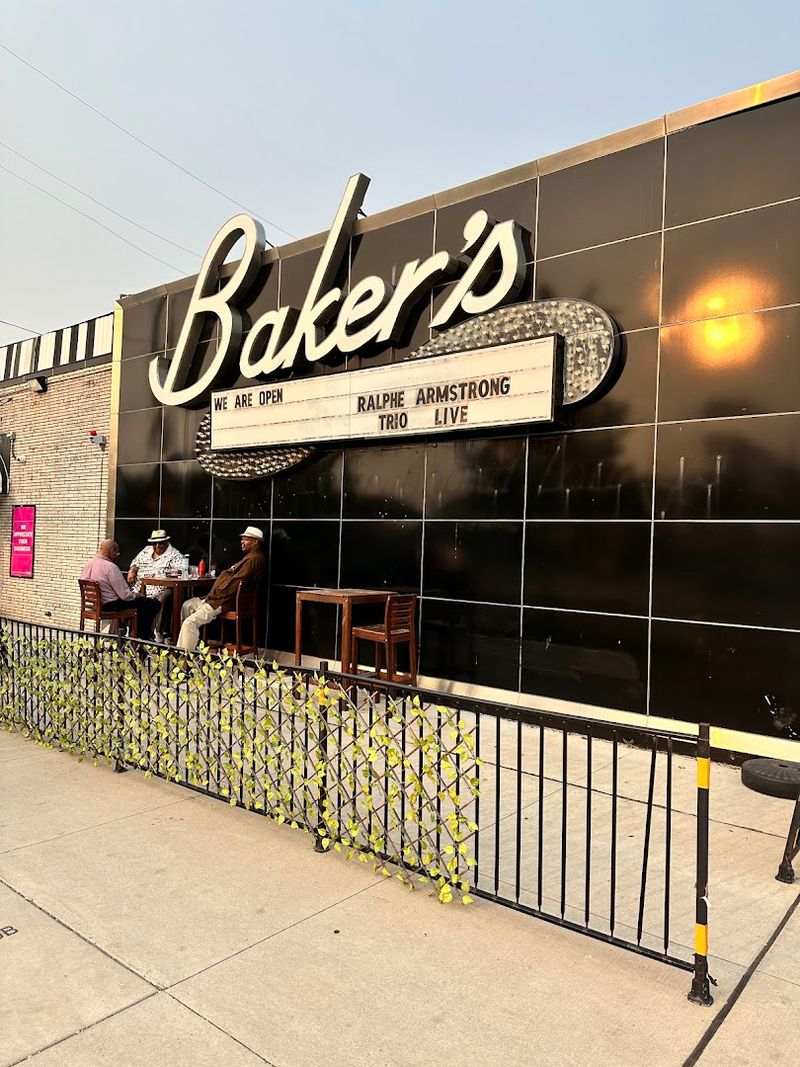
Baker’s Keyboard Lounge opens at 4 PM Tuesday through Sunday and at 7 PM on Mondays. The room stays open until midnight most nights, giving you a solid window to work with whether you’re coming for an early dinner before the music starts or arriving later to catch the band mid-set.
Monday nights run a comedy show, while the rest of the week is dedicated to live jazz performances.
Parking is available near the venue and comes with a fee — typically around $10. Street parking is an option if you’d rather skip the lot charge, and several visitors have noted that street spots can be just as convenient depending on the time you arrive.
Getting there before 8 PM on a weekend gives you time to settle in, order food, and be ready when the music starts without feeling rushed.
The lounge is located at 20510 Livernois in Detroit, Michigan, which puts it in a straightforward part of the city to navigate. Ride-share drop-off works well if you’re planning on drinks, since parking fees and the hassle of moving a car at the end of the night add up.
Groups larger than two or three people should consider calling ahead to check on availability, since the 99-seat capacity fills up on busy weekend nights.
Dress code leans toward smart casual — people tend to put effort into their appearance here, which adds to the overall vibe of the room. Showing up in athletic wear feels out of place compared to the lounge’s longstanding tradition of being a dressed-up destination.
Coming prepared with a plan — knowing the lineup, budgeting for all fees, and arriving at a reasonable hour — makes the difference between a night that clicks and one that feels disorganized from the start.
The Local Legacy Behind Detroit’s Oldest Jazz Room
Baker’s Keyboard Lounge carries a specific kind of cultural weight that goes beyond being a bar with live music. Opening in 1934 during the height of the swing era, the club became a gathering place for Detroit’s Black community at a time when segregated spaces made venues like this essential.
It was never just entertainment — it was infrastructure, a place where musicians could work and audiences could gather with dignity.
The club’s location in Detroit’s northwest side placed it in a neighborhood that was thriving with Black-owned businesses and professional families through the mid-twentieth century. As the city shifted economically over the following decades, Baker’s remained.
That persistence is part of what makes the place meaningful to longtime Detroiters who remember it from different chapters of their lives.
Photographs and memorabilia on the walls document performances by musicians who went on to define American jazz. Standing in that room and looking at those images connects the present moment to a very specific history that belongs to Detroit in a way that no other city can claim.
Visitors who come specifically for the nostalgia and the history tend to walk away with a stronger appreciation for what the club represents beyond the nightly entertainment.
The current owner Bill has been personally present on recent visits, chatting with guests and sharing stories about the club’s programming. That kind of ownership involvement keeps the place grounded in its original spirit rather than letting it drift into pure commercial territory.
Baker’s exists at the intersection of jazz history, Detroit community history, and Black business ownership — three threads that run through American culture in ways that are still deeply relevant. Spending an evening here is a way of engaging with all three at once, in a setting that has been doing exactly that for nearly a century.
Why Baker’s Stands Apart From Every Other Detroit Venue
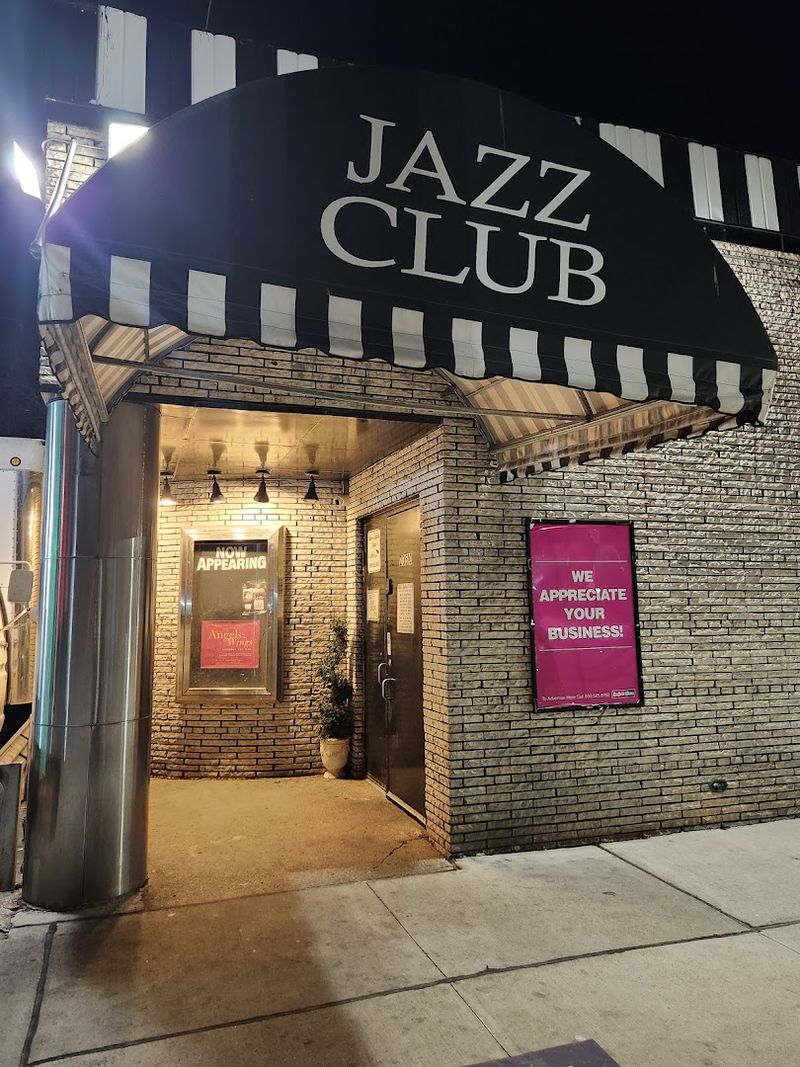
There are other places in Detroit to hear live jazz, and some of them serve better food on a consistent basis. But Baker’s Keyboard Lounge offers something that newer venues cannot manufacture: a room that has actually witnessed nearly ninety years of musical history rather than just decorating its walls with references to it.
That distinction matters more than it might sound when you’re sitting in one of those booths with a drink in hand and a band three feet away.
The 99-seat capacity is a feature, not a limitation. Smaller rooms create a shared experience between performer and audience that disappears the moment you scale up.
Musicians play differently when they can see faces, and audiences respond differently when they can feel the stage. Baker’s has been built around that dynamic since day one, and the room reflects it in every design choice.
Service speed has been an area where the lounge has faced real criticism from recent visitors, and that feedback is worth taking seriously when planning a visit. Going in with patience and treating the evening as a slow, leisurely experience rather than a quick dinner-and-show package tends to produce a more enjoyable outcome.
The kitchen moves at its own pace, and fighting that rhythm only creates frustration.
What Baker’s does better than almost any other venue in Michigan is deliver a sense of place that feels earned rather than constructed. The music, the room, the history, and the community all converge in a way that makes a night here feel connected to something larger than a single evening out.
That quality is genuinely hard to find, and it explains why people keep returning despite the occasional rough night with the food or the service. Some places earn loyalty through consistency — Baker’s earns it through irreplaceability.
Share this story