Northern Michigan’s coastline is packed with small towns that most travelers blow right past on their way to bigger destinations. That’s actually great news for those who know where to stop, because these villages offer something rare: genuine quiet, stunning water views, and a pace of life that feels like a deep breath.
From cherry orchards to sandy bluffs to harbor towns with century-old charm, the northern coast rewards anyone willing to slow down. Pack a bag, skip the highway rush, and let these ten hidden gems show you what Michigan is really made of.
1. Suttons Bay
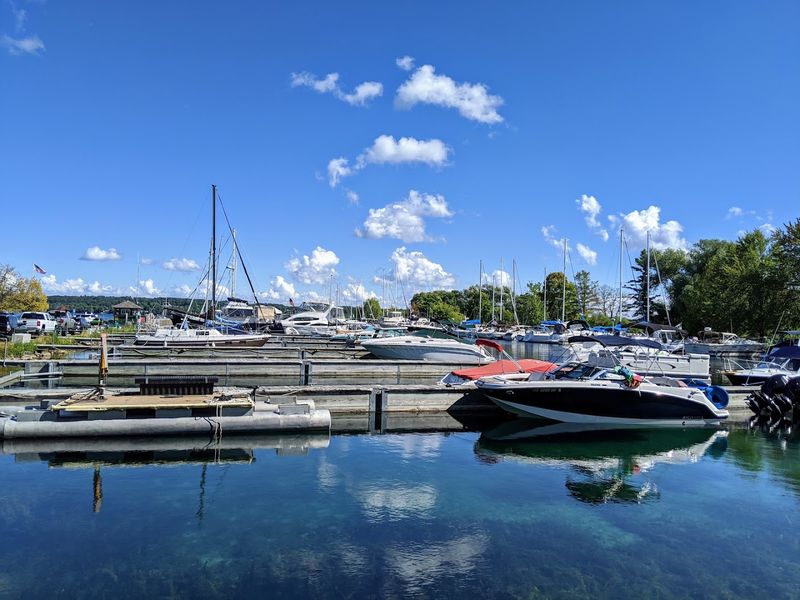
Locals call it “Soots Bay” and wear that nickname like a badge of pride. Suttons Bay sits on the eastern shore of the Leelanau Peninsula, and it has a way of making visitors feel like they stumbled onto a movie set — except everything here is completely real.
The harbor is genuinely beautiful, the food scene punches way above its size, and the surrounding wine country is world-class.
The village itself is walkable, friendly, and refreshingly low-key. You can spend a morning browsing art galleries and indie shops on St. Joseph Avenue, grab lunch at a locally owned cafe, and still have time for an afternoon winery stop before dinner.
The Leelanau Trail, a paved path popular with cyclists and walkers, runs right through town, making it easy to explore the area without a car.
Cherry season in late July turns the surrounding farms into something worth photographing at every turn. Roadside farm stands pop up everywhere, and the cherries are so fresh they almost taste like candy.
If you time your visit right, the National Cherry Festival buzz from nearby Traverse City doesn’t quite reach Suttons Bay, so you get the harvest experience without the crowds.
Fall is arguably the best time to visit. The maple trees along the hillsides go full orange and red, the tasting rooms are less packed, and the harbor has a moody, cinematic quality in the October light.
Suttons Bay is the kind of place where you book two nights and end up wishing you had booked five. It earns every minute you give it.
2. Glen Haven
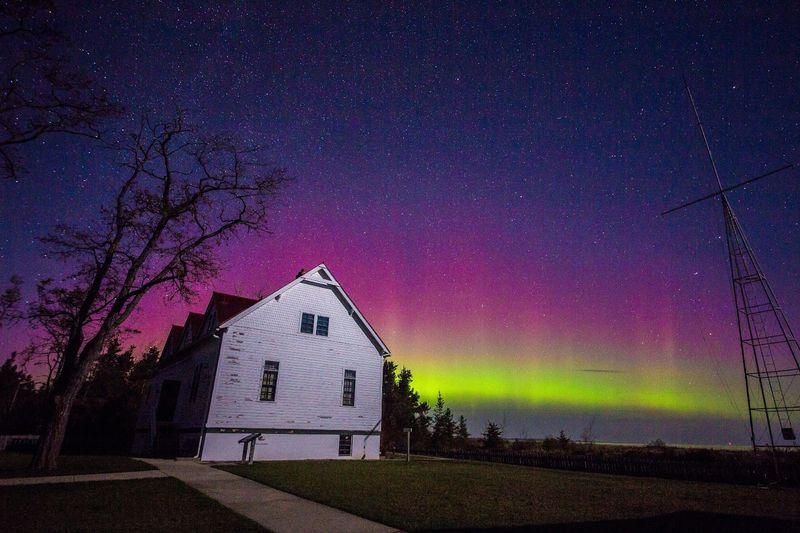
There are ghost towns, and then there is Glen Haven — a place that refused to fully disappear. Tucked inside Sleeping Bear Dunes National Lakeshore, this tiny historic village sits right on the edge of Lake Michigan and feels frozen in the best possible way.
The National Park Service has preserved several of its original buildings, including a general store and a cannery barn, giving visitors a rare look at what a Lake Michigan coastal settlement actually looked like in the early 1900s.
Most people driving through the park zoom past the turnoff for Glen Haven without a second glance. That is a mistake.
The beach here is quieter than the more famous dunes overlook, and the water color on a clear day is genuinely hard to believe — somewhere between turquoise and deep blue, depending on how the light hits. Bring a picnic and plan to stay longer than you think.
The old Coast Guard station nearby adds another layer of history to the stop. Lifesaving crews once operated out of this stretch of shoreline, and the stories of Great Lakes rescues tied to this area are genuinely gripping.
A short walk from the parking area puts you right on the beach, and the dune ridge behind town frames the whole scene in a way that feels almost theatrical.
Glen Haven works best as part of a longer Sleeping Bear Dunes day, paired with the Pierce Stocking Scenic Drive or a hike on the Dunes Trail. But it deserves more than a quick glance through a car window.
Step out, walk around, and let the history and the lake air do their thing. You will not regret the detour.
3. Northport
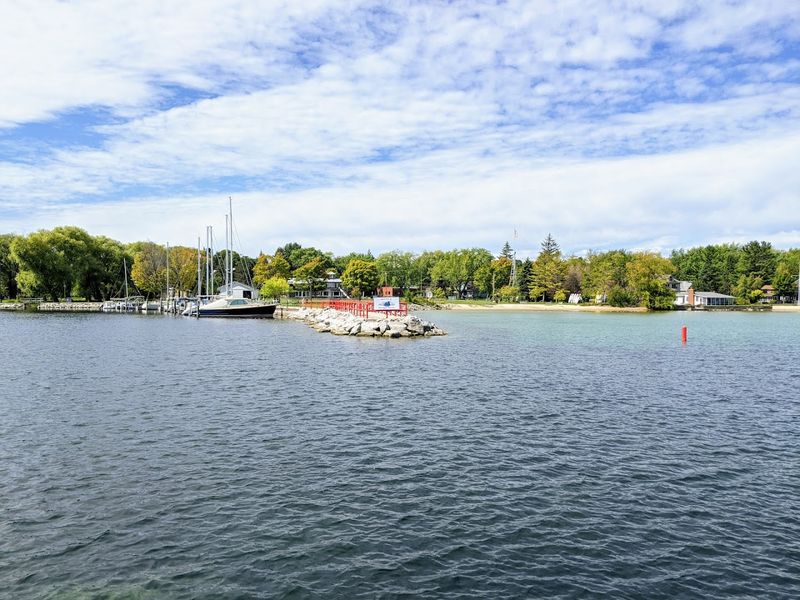
At the very tip of the Leelanau Peninsula, Northport has the kind of end-of-the-road energy that actually makes you want to stay. It is not trying to be trendy, and that is exactly what makes it magnetic.
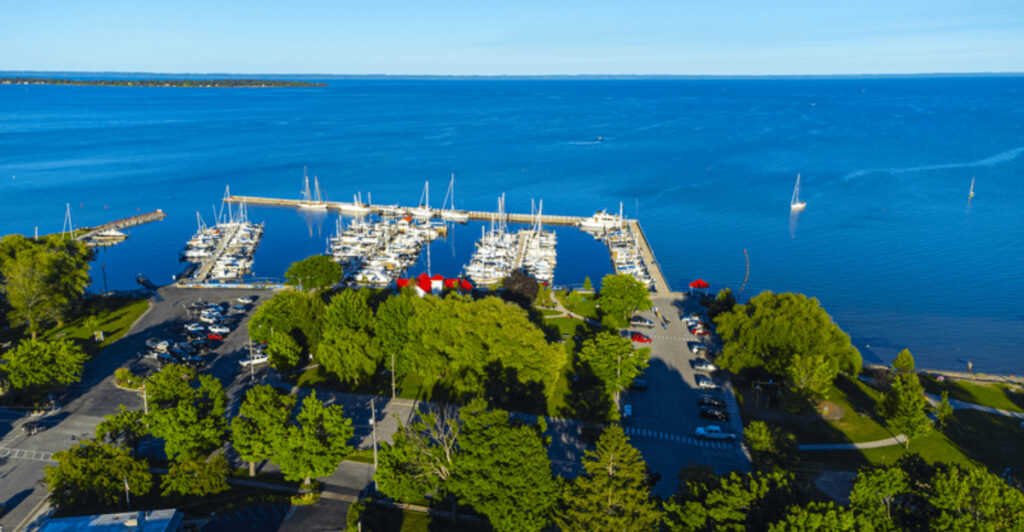
The marina is the social center of town during summer, where fishing boats and sailboats share space and locals trade stories on the docks. The pace here is genuinely unhurried.
Grand Traverse Bay wraps around the village on two sides, giving nearly every angle a water view. Omena Bay, just south of town, is one of the more underrated swimming spots in all of northern Michigan — calm, clear, and rarely crowded even in peak summer.
Northport Beach itself is small but well-loved, with a gradual drop-off that makes it friendly for kids and casual swimmers alike.
The village has a handful of shops and eateries worth exploring, including a beloved independent bookstore that has become something of a regional institution. Wander the side streets and you will find art studios, a tiny history museum, and homes with the kind of old-school Michigan cottage charm that developers have not managed to erase yet.
The whole place feels like it has been protected from the outside world, at least a little.
Lighthouse lovers will want to make the short drive to the tip of the peninsula to see the Grand Traverse Lighthouse at Leelanau State Park. The park itself offers wooded hiking trails and a campground that stays booked all summer for good reason.
Northport is the kind of village that rewards curiosity — the more slowly you move through it, the more it gives back. Consider it a proper destination, not just a detour.
4. Arcadia
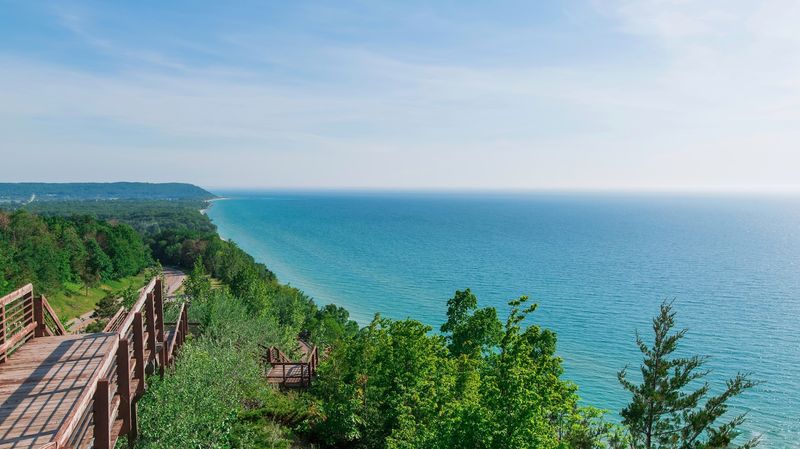
Arcadia is the kind of place that geography made spectacular. Perched between Lake Michigan and Arcadia Lake, this tiny village in Manistee County sits on a narrow strip of land with water on both sides.
The bluff overlook just north of town is one of the most dramatic viewpoints on the entire Michigan coast — and shockingly few people outside the region seem to know it exists.
The overlook itself requires only a short walk from a small parking area, and the payoff is enormous. From the top, you can see miles of Lake Michigan shoreline stretching in both directions, with the blue water so vivid it looks digitally enhanced.
Sunsets from this spot are the kind that make people stop talking mid-sentence. Arrive an hour before sunset and claim your spot early.
Down in the village, Arcadia feels wonderfully sleepy in a way that signals authenticity rather than neglect. A small marina sits on Arcadia Lake, and the public beach on the lake side offers calmer water than the open Lake Michigan shore — ideal for paddleboarding, kayaking, or just floating around on a lazy afternoon.
The local brewery that has set up shop in recent years has quietly become a reason to linger after the view.
Arcadia is also a solid base for exploring the surrounding Manistee National Forest, which offers trail systems for hiking and mountain biking within easy reach. The village does not have a lot of tourist infrastructure, and that is genuinely part of its charm.
You are not going to find a resort hotel or a crowded gift shop strip here. What you will find is honest Lake Michigan beauty, served without any fanfare whatsoever.
5. Elk Rapids
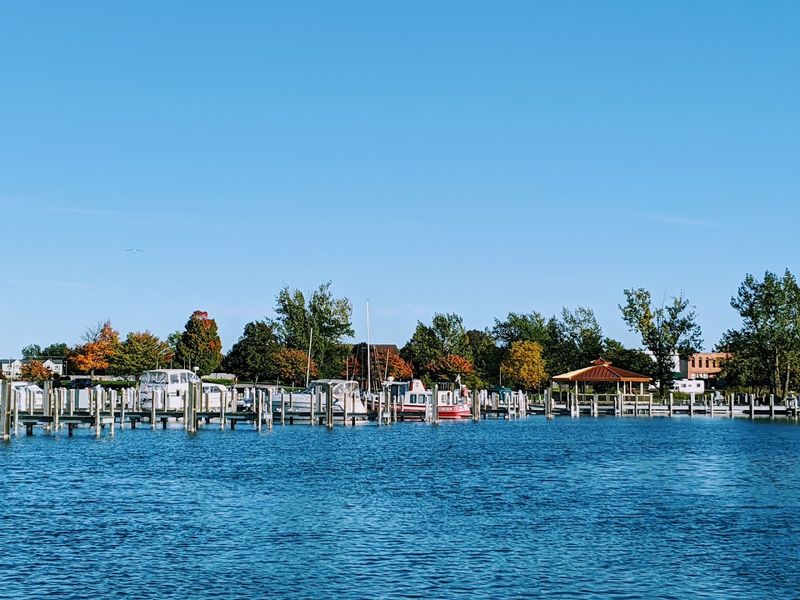
Elk Rapids has a secret weapon: it sits at the point where Elk Lake, Elk River, and Grand Traverse Bay all meet. That means you get freshwater, a river current, and open bay access all within a few blocks of each other.
Anglers have known about this for decades, but the rest of the traveling world is just starting to catch on. The Chain of Lakes that flows through town creates a water-trail system that paddlers absolutely love.
The downtown strip along River Street is compact, charming, and genuinely useful — meaning it has real shops and restaurants that serve the community year-round, not just seasonal tourist traps. The Elk Rapids Brew Pub is a local favorite, and the marina park along the bay is perfect for a post-lunch walk with views that rival anything in the region.
The public beach on Grand Traverse Bay is one of the cleaner and less crowded options compared to nearby Traverse City beaches.
History buffs will appreciate knowing that Elk Rapids was once a thriving industrial town in the late 1800s, producing iron products and lumber that fueled Michigan’s growth. The old iron furnace site near the river is a quiet reminder of that era, and the local historical museum fills in the details nicely.
It gives the village a sense of depth that goes beyond its small size.
Elk Rapids also hosts a beloved Fourth of July celebration that draws visitors from across the region without losing its small-town feel. The fireworks over the bay are genuinely impressive, and the community energy during that weekend is infectious.
Whether you come for the water, the food, or the history, Elk Rapids has a way of exceeding whatever expectations you brought with you.
6. Leland
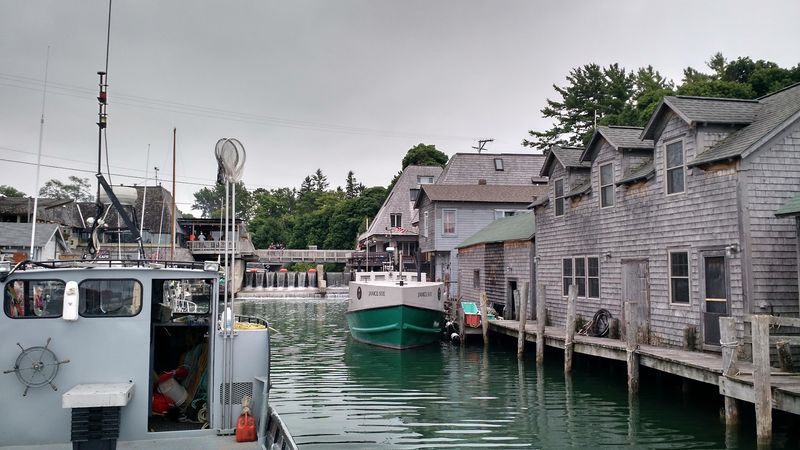
Few places in Michigan carry as much visual personality as Leland’s Fishtown. This cluster of weathered cedar fish shanties hanging over the Leland River has been a working part of the community since the late 1800s, and it still functions as an actual fishing hub today — not just a museum piece dressed up for tourists.
Smoked whitefish, fresh catch, and handmade crafts share space along the narrow boardwalk in a way that feels genuinely earned.
The river runs fast and clear between Lake Leelanau and Lake Michigan, and watching it flow under the old dock structures while fishing boats idle in and out of the channel is one of those simple pleasures that sticks with you. Carp Lake, as the local stretch of water is sometimes called, adds another layer of visual interest to an already photogenic scene.
Leland is one of the most photographed villages in Michigan for good reason.
Beyond Fishtown, the village has an excellent selection of galleries, boutiques, and restaurants packed into a walkable area. The Leelanau Wine Cellars and several other nearby wineries make Leland a natural anchor for a wine country road trip along the peninsula.
Van’s Beach, just a short walk from downtown, offers a wide sandy stretch with views of the Manitou Islands sitting on the horizon like a postcard.
Leland gets busy in July and August, so arriving early in the morning or visiting during shoulder season pays off in a big way. The fall color season transforms the surrounding hillsides and the riverside foliage into something almost unreasonably beautiful.
If you only stop at one village on the Leelanau Peninsula, make a strong argument for Leland — it delivers on every level.
7. Frankfort
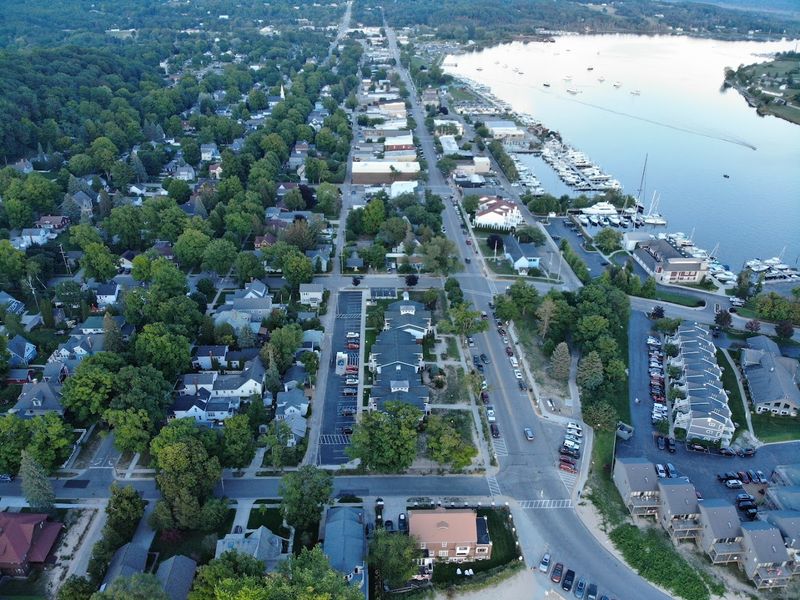
Frankfort has one of the most satisfying harbor setups on the entire Lake Michigan coast. The Betsie River flows into a protected harbor before meeting the big lake, and the classic red lighthouse at the end of the north pier has become one of the most iconic images in all of northern Michigan.
Walking that pier on a calm evening, with the sun dropping toward the water, is the kind of experience that gets remembered for years.
The beach in Frankfort is wide, sandy, and well-maintained, drawing a loyal crowd of families and couples who return season after season. The water here tends to be warmer than beaches further north, and the gradual slope into the lake makes it a comfortable swim.
Sleeping Bear Dunes National Lakeshore is just a short drive away, making Frankfort an ideal base camp for exploring the park without fighting for parking at the more crowded entry points.
Main Street in Frankfort punches above its weight for a town of this size. Good coffee shops, locally owned restaurants, a solid hardware store, and a few standout boutiques line the blocks between the harbor and the residential streets.
The Frankfort Farmers Market runs during the summer season and gives visitors a direct connection to the farms and makers who shape the local food culture.
Crystal Lake, sitting just east of town, adds yet another dimension to the visit. Its exceptionally clear water and sandy bottom make it one of the most swimmable inland lakes in Michigan, and the public access beach on its southern shore is easy to find.
Frankfort rewards visitors who treat it as a destination rather than a drive-through. Give it a full day, and it will give you plenty in return.
8. Empire
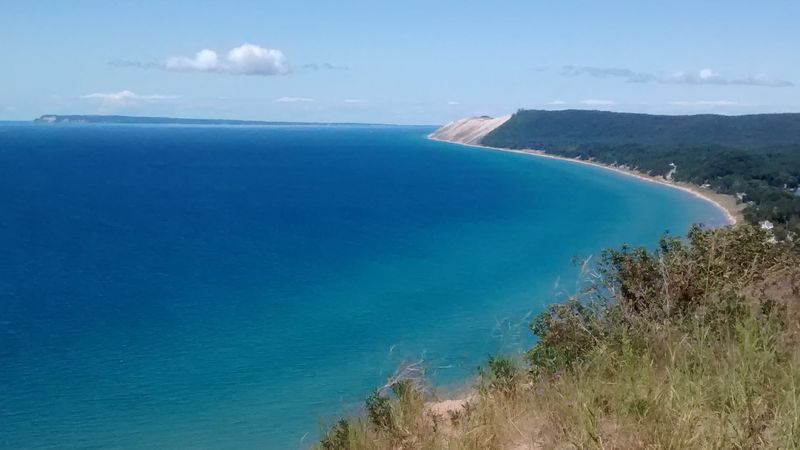
Empire is the kind of town that exists in perfect proportion to its surroundings. With fewer than 400 permanent residents, it sits at the doorstep of Sleeping Bear Dunes National Lakeshore and serves as one of the most convenient gateways to the park — yet it somehow manages to stay quiet and unassuming even during peak summer traffic.
The National Park Visitor Center is located right in Empire, making it the logical first stop before hitting the dunes.
The village beach on South Bar Lake is a local favorite for good reason. The lake connects to Lake Michigan through a narrow channel, and the water on the lake side is calmer and warmer, making it a popular spot for families with young kids.
The view from the beach looking toward the dune ridge is the kind of thing that makes you reach for your camera even if you are not usually a photographer.
Empire’s tiny downtown has a handful of spots worth knowing about — a reliable pizza place, a coffee shop that fills up fast on weekend mornings, and an ice cream stand that becomes a post-hike ritual for park visitors. The community has a genuine character to it, shaped by generations of families who chose this particular stretch of Michigan coast and never left.
That rootedness comes through in the way locals talk about the place.
The Empire Bluff Trail, accessible just outside of town, is one of the best short hikes in the entire national lakeshore. A two-mile round trip through forest opens onto a bluff overlooking Lake Michigan and the surrounding dune landscape — an absolutely stunning payoff for minimal effort.
Empire is proof that a small footprint and a big location can add up to something genuinely memorable.
9. Kewadin
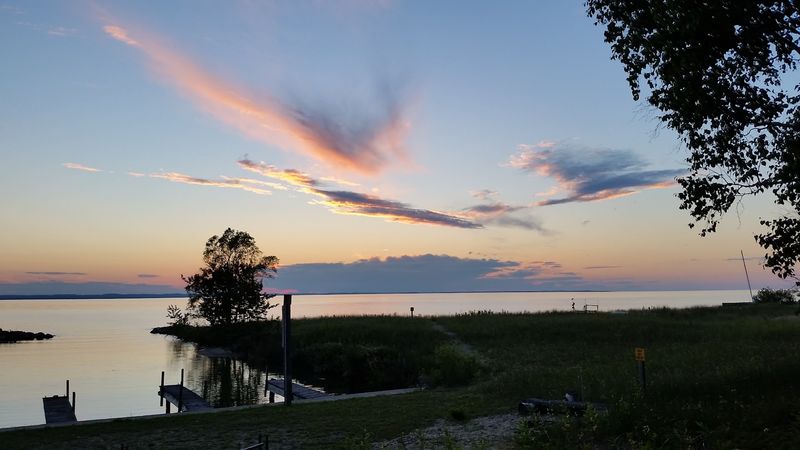
Kewadin does not show up on most travel itineraries, and that is exactly what keeps it special. This small community in Antrim County sits near the shores of Torch Lake — consistently ranked among the most beautiful lakes in the entire country — and it offers a quieter, less commercial entry point to that legendary water than some of the more promoted access spots nearby.
If you want Torch Lake without the boat traffic and the noise, Kewadin is your angle.
Torch Lake itself deserves a moment of attention here. The water color is a Caribbean-style turquoise that genuinely stops people in their tracks the first time they see it.
The lake stretches nearly 18 miles long and reaches depths that keep the water brilliantly clear even in midsummer. A sandbar near the middle of the lake becomes a floating party on summer weekends, but the shores near Kewadin tend to stay relatively calm and accessible.
The surrounding area is woven with back roads that reward slow driving. Cherry and apple orchards line the hillsides in spring and summer, and the farmland between Kewadin and nearby Elk Rapids has the kind of pastoral beauty that feels increasingly rare.
A bike ride or a casual drive through this corridor in late afternoon light is something worth building into your day.
Kewadin also sits close to the Chain of Lakes water trail, which connects a series of lakes and rivers stretching across Antrim County. Canoe and kayak rentals are available in the region, and the trail offers a multi-day paddling experience that feels like a genuine adventure.
Kewadin is not flashy, and it is not trying to be. It is simply a quiet door into one of Michigan’s most stunning natural landscapes, held open for anyone patient enough to find it.
10. Glen Arbor
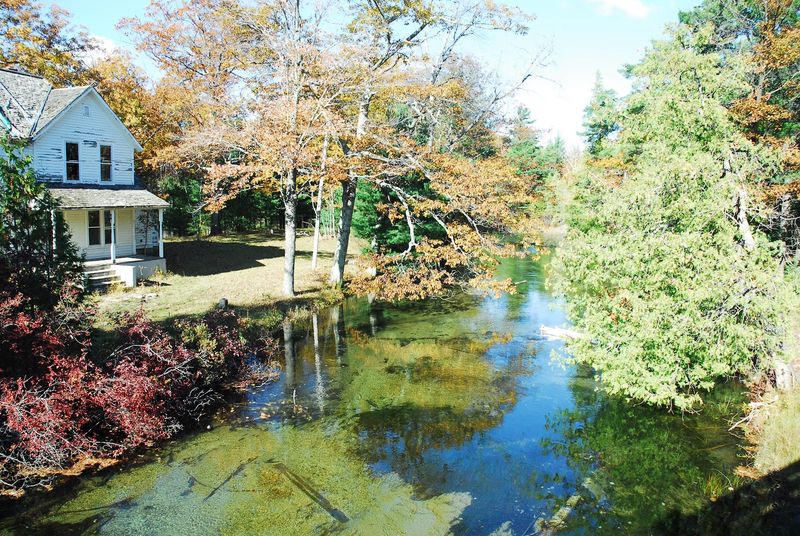
Glen Arbor has figured out something that a lot of small towns never quite manage: how to be a destination without losing its soul. Sitting right at the edge of Sleeping Bear Dunes National Lakeshore, this village is surrounded by some of the most stunning natural scenery in the Midwest, and it leans into that setting without turning itself into a theme park version of a Michigan town.
The Crystal River, which runs right through the village, is one of the clearest waterways you will ever see.
The main street is short but well-curated, with a mix of art galleries, clothing boutiques, a legendary pie shop, and a hardware store that has been serving the community for generations. Art lovers will recognize Glen Arbor as the home base of the Leelanau School and a broader regional arts community that has been quietly thriving here for decades.
The galleries rotate fresh work regularly, and the quality is consistently high.
Outdoor access from Glen Arbor is exceptional in every direction. The Pierce Stocking Scenic Drive is minutes away, the Dune Climb is a short trip up the road, and the Sleeping Bear Heritage Trail connects the village directly to the park’s trail network by bike or on foot.
Canoe and kayak trips on the Crystal River are a summer staple, offering a gentle float through wooded shoreline that feels completely removed from the modern world.
Winter in Glen Arbor is underrated. Cross-country ski trails open up through the national lakeshore, the village stays open with a cozy, low-key energy, and the dramatic Lake Michigan views in January have a stark, cinematic quality that summer visitors never get to experience.
Glen Arbor earns its reputation in every season, and it is absolutely worth the drive no matter when you show up.
Share this story