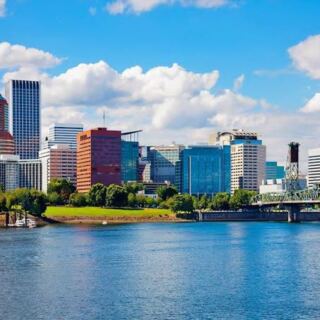
Michigan summers are absolutely stunning, but they come with a hidden cost that locals know all too well. When the warm weather hits, certain spots transform from beloved destinations into chaotic, overcrowded headaches that even the most patient resident will avoid.
Tourists flood in by the thousands, parking lots overflow, and wait times stretch into the absurd. If you live here year-round, you already know which places to skip from June through August — and this list is your official summer survival guide.
1. Detroit Casino Districts on Big Event Weekends
Picture this: you just want a casual night out, maybe a few rounds at the tables, and a decent meal. Then you remember there is a sold-out concert at Little Caesars Arena two blocks away.
Suddenly, every parking structure within half a mile is full, the valet line wraps around the building, and the sidewalks look like Times Square on New Year’s Eve.
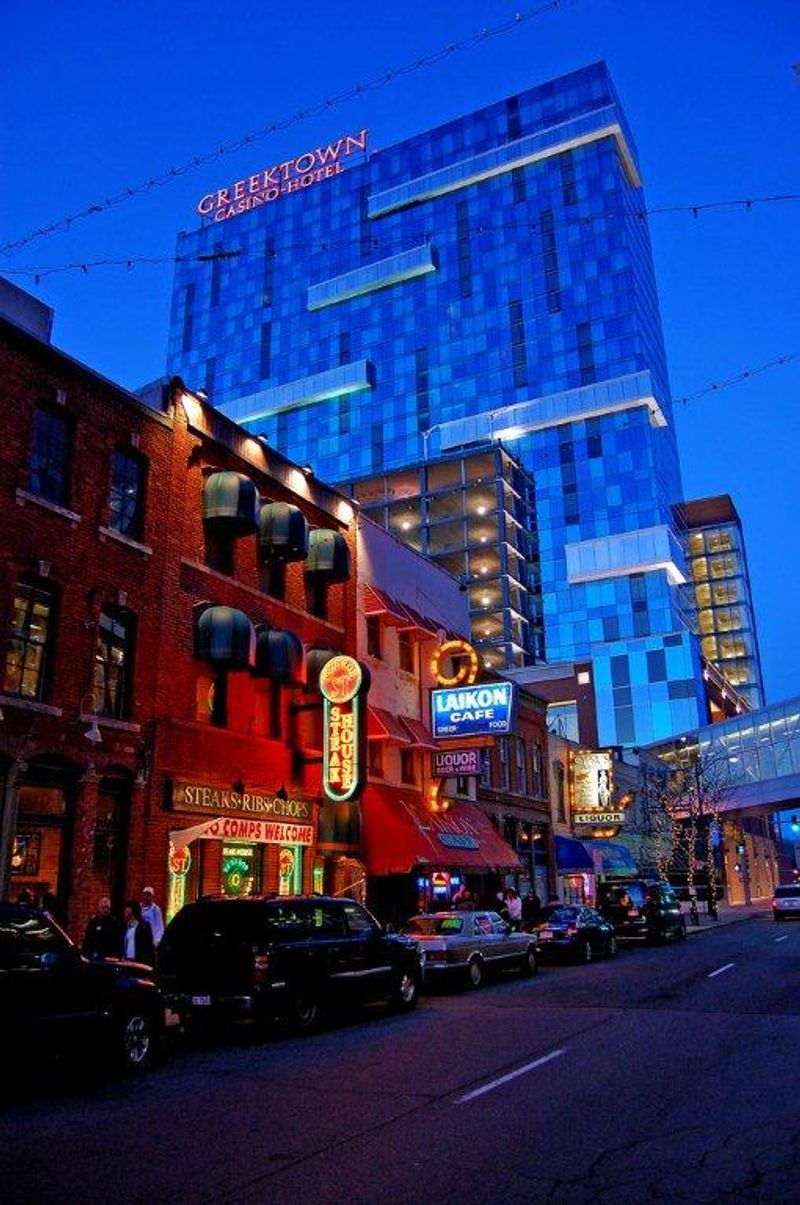
Detroit’s casino corridor — anchored by MGM Grand Detroit, MotorCity Casino Hotel, and Greektown Casino-Hotel — is genuinely exciting on a normal Tuesday. But drop a major sporting event, a stadium concert, or a downtown festival into the mix, and the whole district shifts into pure survival mode.
Ride-share surge pricing spikes hard, restaurant wait times balloon past an hour, and the general vibe goes from fun to frantic fast.
Locals who love their casino nights have learned to check the arena and stadium schedules before ever making a reservation. A Tigers game is manageable.
A sold-out Bad Bunny show combined with a Lions preseason game? That’s a hard pass until Monday morning.
The irony is that the casinos themselves are not even the main draw on those nights — they just absorb the overflow crowd from every other venue nearby.
If you are determined to go, arriving before 5 p.m. or after midnight dramatically changes the experience. Midweek visits during non-event stretches are when the regulars show up and the floor actually breathes.
The casinos are not going anywhere, and neither is your luck — so timing your visit smartly is half the battle. Detroit’s casino scene is a blast when the conditions are right, and locals know exactly when those conditions exist.
2. Silver Lake Dunes and Buggy Traffic

There is something undeniably thrilling about watching an off-road buggy crest a massive sand dune against a bright blue sky. Silver Lake State Park delivers that rush in a way very few places in the Midwest can match.
But when summer hits full stride, the dune area near Mears turns into a slow-moving, sandy traffic jam that tests the patience of everyone involved — locals most of all.
The ORV area at Silver Lake is one of the only spots in Michigan where you can legally drive on open sand dunes, which makes it a magnet for enthusiasts from across the region. That uniqueness is also its summer curse.
Rental buggy lines stretch long, the access roads back up, and finding a parking spot feels like a competitive sport. The noise level climbs steadily as the day goes on, and the beach itself gets crowded enough that the famous lake views are partially blocked by rows of vehicles and pop-up canopies.
Locals who grew up riding these dunes tend to show up at sunrise or on weekday mornings in late May or early September — windows when the crowds thin out and the dunes feel more like a personal playground than a theme park. The sand is just as golden, the lake is just as blue, and there is actually room to breathe between vehicles.
Weekends in July are the peak of peak season here. Rental shops run out of equipment by mid-morning, and the wait for a return can stretch your whole afternoon.
If you have your own equipment and flexible timing, Silver Lake is always worth it. But rolling in on a Saturday in late July without a plan?
That is a rookie move even tourists eventually learn to regret.
3. Detroit Riverfront During Major Festivals
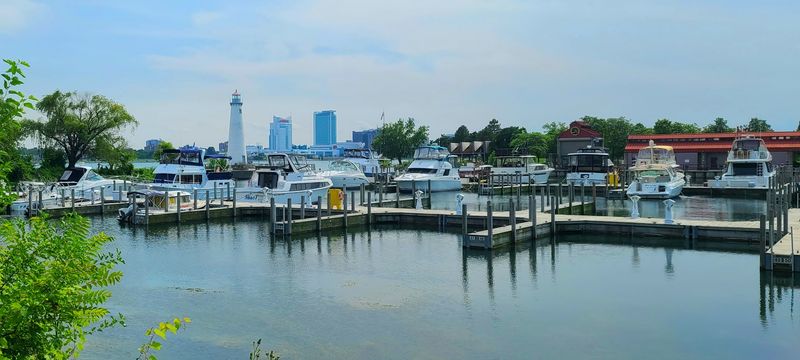
The Detroit Riverfront is one of the great urban comeback stories in American cities. The RiverWalk stretches beautifully along the Detroit River, offering skyline views, green space, and a genuine sense of civic pride.
On a quiet spring morning or a cool fall afternoon, it is genuinely one of the best walks in the state. Then summer arrives, and so does everybody else.
Major festivals along the riverfront — think Movement Electronic Music Festival, the Detroit Jazz Festival, and the Ford Fireworks — transform the RiverWalk and Hart Plaza into densely packed human mazes. The Ford Fireworks alone draws hundreds of thousands of people to the waterfront, making even getting close to the river a significant logistical challenge.
Street closures ripple outward, public transit gets overwhelmed, and the neighborhoods surrounding Hart Plaza become improvised parking lots.
Detroiters who love their riverfront have a well-practiced ritual of either committing fully — arriving hours early with a lawn chair and snacks — or skipping the event entirely and watching the fireworks from a rooftop bar in Midtown. There is no casual middle ground on major festival days.
The experience is either planned to perfection or completely chaotic.
What makes this particularly tricky is that the festivals themselves are genuinely worth attending. The Jazz Festival is world-class and free, which only amplifies the attendance numbers.
Movement brings in a global crowd that energizes the city in a way nothing else quite does. The solution for locals is not avoiding the riverfront forever — it is learning the calendar cold and choosing battles wisely.
Off-festival weekdays in June and August, the RiverWalk returns to its quiet, lovely self, and the city feels like it belongs to the people who actually live there again.
4. Main-Street Souvenir Shops in Ferry and Beach Towns
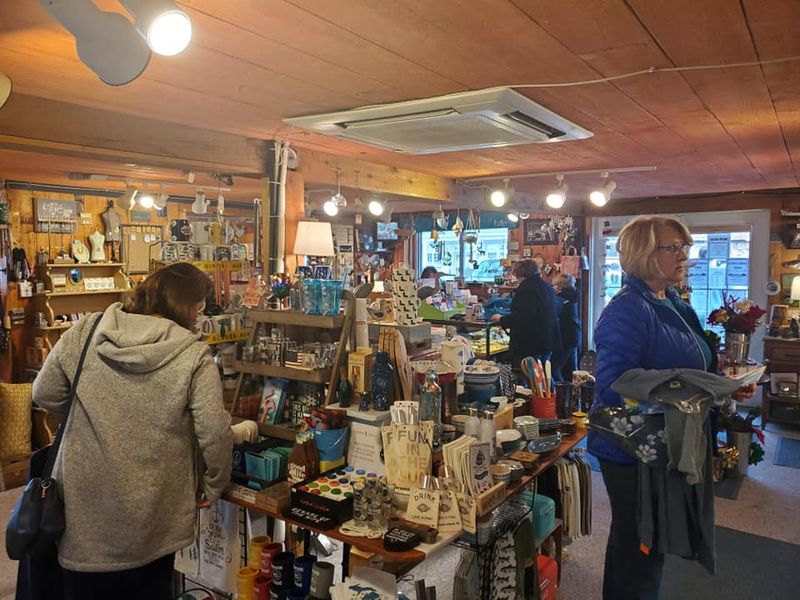
Walk down the main drag of any Michigan ferry or beach town in July and you will immediately understand why locals do their errands before Memorial Day and after Labor Day. Saugatuck, South Haven, Ludington, Elk Rapids — charming places every single one of them, but their downtown strips become tourist-traffic pressure cookers the moment school lets out for summer.
The souvenir shops are ground zero for the slowdown. Sidewalks narrow as people stop mid-stride to photograph window displays or debate between two nearly identical Michigan-shaped cutting boards.
Ice cream shops develop lines that spill out the door and down the block. The little hardware store or pharmacy that locals actually need becomes nearly inaccessible because the parking spots out front are occupied by minivans from Ohio and Indiana whose drivers have no intention of buying plumbing supplies.
There is a certain comedy to watching a local try to quickly grab a gallon of milk from a shop that has suddenly been discovered by travel bloggers. What takes three minutes in October takes twenty-five minutes in August, and that math adds up fast when you live there year-round.
Locals develop very specific workarounds — side-street parking, off-hours shopping, ordering online — just to maintain sanity through the season.
None of this means the beach towns are not worth visiting. They absolutely are, and the tourism dollars keep these small communities alive.
The timing just matters enormously. Early morning runs before 9 a.m. are peaceful and almost magical in these towns.
Late evenings after 8 p.m. see the crowds thin dramatically. The shops, the smells, the lakeside character — all of it is still there.
You just have to catch it before the tour buses roll in for the day.
5. Pine Knob Music Theatre on Sold-Out Summer Nights
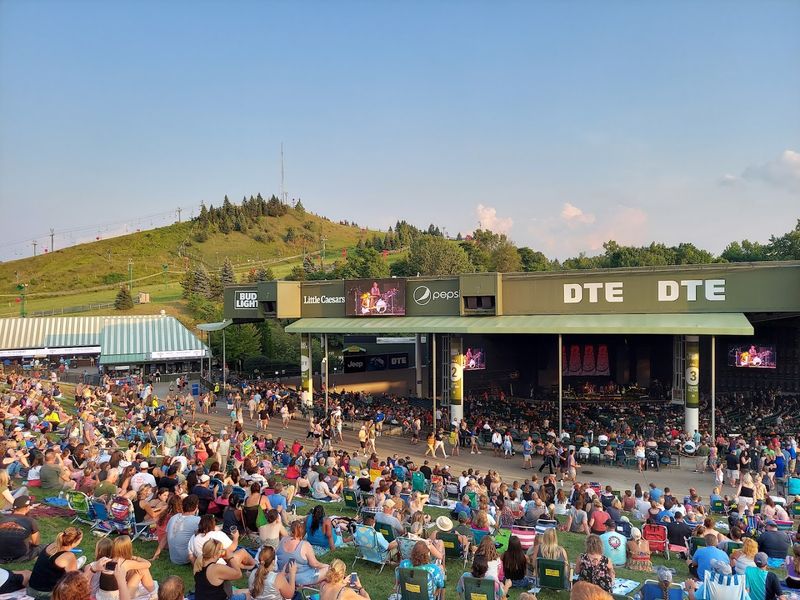
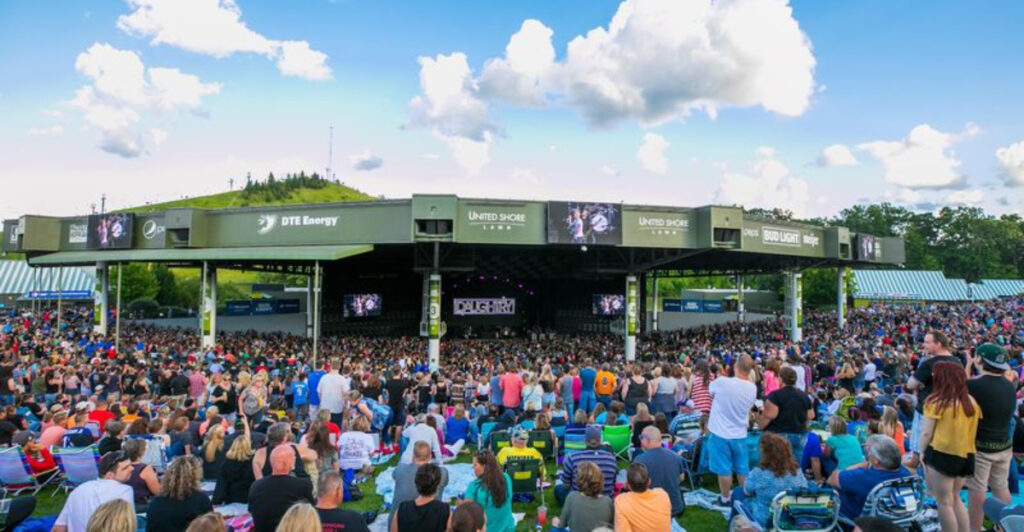
Few summer experiences in Michigan rival a great show at Pine Knob Music Theatre. The outdoor amphitheater in Independence Township has been a rite-of-passage venue for Metro Detroit music fans for decades, and the summer lineup consistently pulls in major acts that make the drive worth every mile.
The lawn seats, the warm night air, the distant stage glow — it all adds up to something genuinely memorable. Until you try to leave.
On sold-out nights, Pine Knob becomes a masterclass in post-concert gridlock. The single main exit road funnels thousands of cars into a crawl that can stretch the drive home by ninety minutes or more.
Locals who have made this mistake once rarely make it twice. The veteran move is staying for one encore, then slipping out early enough to beat the worst of the wave — though even that window is narrowing as crowds get savvier.
Getting in is its own challenge. Pre-show tailgating in the lots starts hours before doors open, and while that culture is part of the Pine Knob charm, it also means the parking fields fill early.
Arriving within an hour of showtime on a sold-out night means hiking a significant distance from overflow areas, sometimes in flip-flops, across uneven terrain. It is not exactly the relaxed evening you envisioned on the couch when you bought the tickets three months ago.
None of this stops locals from going — the venue is too good and the lineups too strong. But seasoned Pine Knob regulars treat it like a military operation: arrive early, know your exit row, and have a post-show diner already picked out so waiting out traffic feels like a choice rather than a sentence.
That mindset turns a frustrating night into a legendary one.
6. Tunnel of Trees Photo Stops on M-119
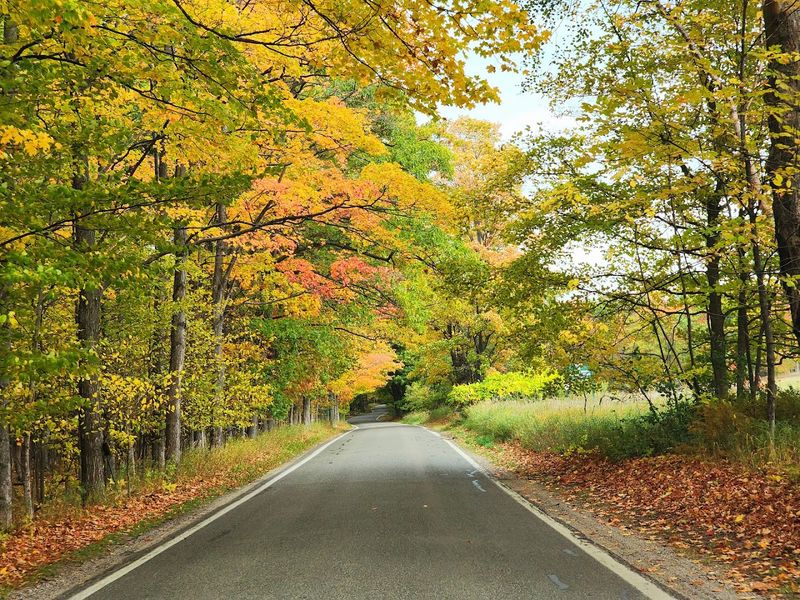
M-119 between Harbor Springs and Cross Village is legitimately one of the most beautiful drives in the entire country. The road winds narrowly through a canopy of hardwood trees that arch overhead like a cathedral ceiling, with glimpses of Lake Michigan flashing through the branches.
In early June or late September, driving it feels like a private gift. In July and August, it feels more like a bumper-to-bumper photo opportunity with strangers.
The problem is not the road itself — it is the spontaneous photo stops. Drivers pull over anywhere and everywhere, sometimes barely off the pavement, to capture the perfect canopy shot for social media.
The road is already narrow enough that two cars passing each other requires a careful dance. Add a dozen parked vehicles, distracted photographers stepping into the lane, and a cyclist or two, and the whole corridor slows to a walking pace on busy summer weekends.
Locals who live along that stretch or who regularly make the drive to Legs Inn in Cross Village have largely surrendered summer weekend use of M-119 to the tourist wave. The workaround is simple but requires early alarm clocks: the drive before 8 a.m. on a summer morning is still transcendent, quiet, and completely unhurried.
Fog sometimes lingers in the canopy at that hour, which makes the photos even better than the midday versions flooding Instagram.
Fall is obviously the iconic season for this drive, but summer green has its own lush, moody quality that deserves appreciation. The issue is purely logistical.
When a road designed for light local traffic becomes a destination in itself, the magic gets diluted by volume. Respect the road, keep moving, and save the long photo sessions for a Tuesday morning when the trees are all yours.
7. Boardwalk Crush in Grand Haven
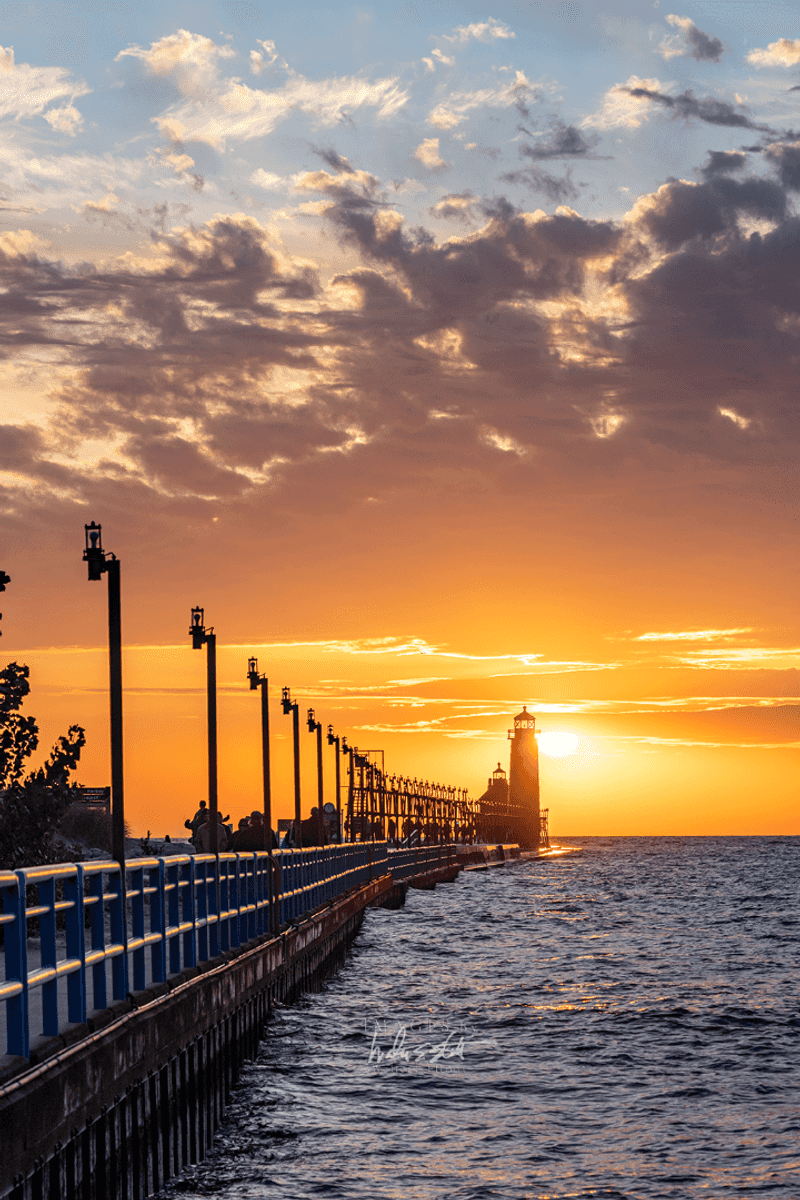
Grand Haven has one of the most photogenic waterfronts in the entire state. The iconic red lighthouse, the long pier stretching into Lake Michigan, the musical fountain, the boardwalk lined with restaurants and shops — it is a genuinely lovely package.
The city knows it, and so does every tourist within driving distance of the lakeshore. By mid-July, the boardwalk area is so packed on weekends that moving through it requires a kind of slow-shuffle crowd navigation that locals find exhausting.
Parking is the opening act of the frustration. The lots near the waterfront fill up before noon on summer Saturdays, and the overflow situation sends cars spiraling through residential neighborhoods for blocks in every direction.
Residents who live near the waterfront face their driveways being blocked, their streets becoming one-lane parking lots, and their quiet neighborhood transformed into a staging area for beach day logistics. It is a lot to absorb every single weekend for three months.
The boardwalk itself gets so congested near the pier entrance that the walk from one end to the other, normally a pleasant ten-minute stroll, can stretch to thirty minutes of stop-and-go movement. Strollers, bikes, dogs on long leashes, and groups of teenagers who have claimed a bench as home base all contribute to the human traffic jam.
The musical fountain shows in the evening draw enormous crowds that fill every bench and patch of grass nearby.
Grand Haven residents tend to retreat inland during peak weekends and reclaim the waterfront on weekday mornings or after Labor Day when the rhythm slows back down. The pier walk at golden hour on a September weekday, with almost no one else around, is the version of Grand Haven that locals treasure most.
Summer has its charms here, but sharing them with half of West Michigan takes real patience.
8. Traverse City During the National Cherry Festival

Traverse City is already one of Michigan’s most visited destinations on a slow Tuesday in March. Now imagine it during the National Cherry Festival, when the population of the surrounding area effectively multiplies overnight and every hotel room within forty miles is booked solid.
The festival is a genuine Michigan institution — parades, air shows, cherry-themed everything, live music, and a community pride that is real and infectious. But if you live in TC and just need to run a normal errand, the week of the festival is a special kind of obstacle course.
Front Street, the main commercial corridor through downtown, becomes nearly impassable by car during peak festival hours. The TART Trail, usually a peaceful path for local cyclists and joggers, turns into a slow pedestrian highway.
Grocery stores run low on basics because the sudden population surge outpaces supply chains. Even getting a table at a non-festival restaurant requires either a reservation made weeks ago or a willingness to wait an hour at the bar.
The air show portion of the festival draws massive crowds to the waterfront and fills the skies with military and aerobatic aircraft, which is spectacular to watch — once. After a few years of living in TC, many residents plan a deliberate escape trip during festival week, heading north to Leelanau County or east toward Elk Rapids where the crowds have not yet fully colonized.
It is a practiced survival strategy born from experience.
None of this is a knock on the festival itself, which brings significant economic energy to the region and celebrates a legitimate piece of Michigan’s agricultural identity. The cherries are real, the pride is real, and the fun is real.
Locals just tend to celebrate from a comfortable distance, watching the chaos from a lawn chair somewhere quieter, with a bowl of fresh Montmorency cherries in hand.
9. Lake Michigan Beach Towns on July Weekends
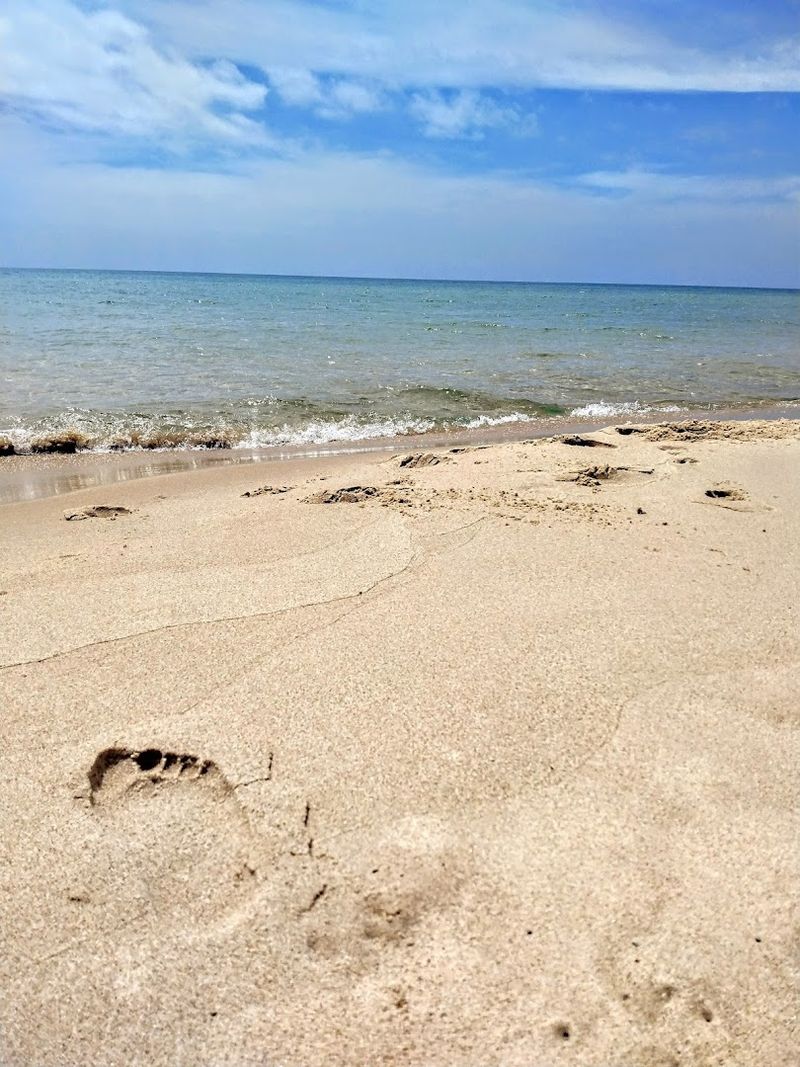
July weekends along the Lake Michigan shoreline operate on a completely different set of rules than the rest of the year. The water temperature finally climbs into swimmable territory, the sun stays up until nearly 10 p.m., and every person in the Midwest with a car and a beach bag seems to have the same idea at the same time.
Towns like South Haven, St. Joseph, Pentwater, and Muskegon absorb visitor numbers that their infrastructure was simply never designed to handle all at once.
Beach parking becomes an extreme sport. State park beach lots fill up before 10 a.m. on peak weekends, triggering turn-away gates that send streams of frustrated drivers back into town looking for any paved surface that will accept a vehicle.
Paid lots downtown charge summer premium rates and still fill within hours. The walk from wherever you eventually park to the actual waterfront can easily exceed a mile in flip-flops carrying a cooler, which recalibrates your enthusiasm pretty quickly.
The beaches themselves, when you finally reach them, are wall-to-wall towels and umbrellas. The water is glorious — clear, cold, and blue-green in a way that genuinely rivals anything you would find farther south — but finding a spot to set down your stuff without being six inches from a stranger requires either arriving at sunrise or accepting the crowd as part of the experience.
Lifeguard stands are busy, vendor carts are busy, and the ice cream shops back in town have lines stretching down the sidewalk.
Locals have largely surrendered July Saturdays to the visitors and replaced beach days with early-morning swims before the lots open or evening walks after the crowds migrate to restaurants. The lake is still there at 7 a.m., and it is absolutely magnificent without a single umbrella in sight.
That version of Lake Michigan belongs to the people who live here.
10. Mackinac Island in Prime Season
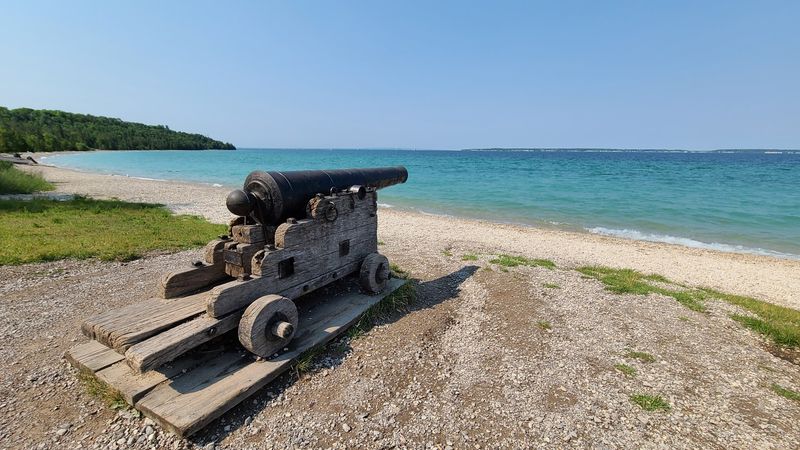
Mackinac Island is one of those places that earns every superlative thrown at it. No cars, horse-drawn carriages, Victorian architecture, world-famous fudge, and a limestone bluff fort overlooking the Straits — it is genuinely unlike anywhere else in Michigan or, frankly, the country.
The island’s magic is real. So is the summer crush that descends on its roughly three-mile perimeter from late June through August, when the ferry docks barely get a rest between runs.
Main Street during peak season operates at a density that would feel at home in a theme park queue. Fudge shop lines spill onto the sidewalk, bicycle rental lines form early and stay long, and the narrow streets fill with a slow-moving mix of cyclists, pedestrians, and horse carriages that creates its own peculiar traffic choreography.
The smell of fudge and horse manure mingles in a way that is uniquely Mackinac and somewhat overwhelming in concentrated doses.
Island residents — a small, year-round community that endures this annual transformation with remarkable grace — tend to do their socializing in the shoulder seasons when the ferries run less frequently and the population drops back to something manageable. May and October on Mackinac are genuinely wonderful, with the island’s beauty intact and the elbow room restored.
Those windows are when you understand why people choose to live there.
For visitors, the best strategy is a weekday arrival on the first or last ferry of the day, staying overnight to experience the island after the day-trippers head back to the mainland. That evening version of Mackinac — quiet streets, horses clip-clopping in the distance, lake views with no one blocking them — is the one that makes the trip feel worth every dollar of the ferry ticket.
Peak summer midday is survivable but barely resembles that experience.
11. Frankenmuth Chicken Dinners in High Season
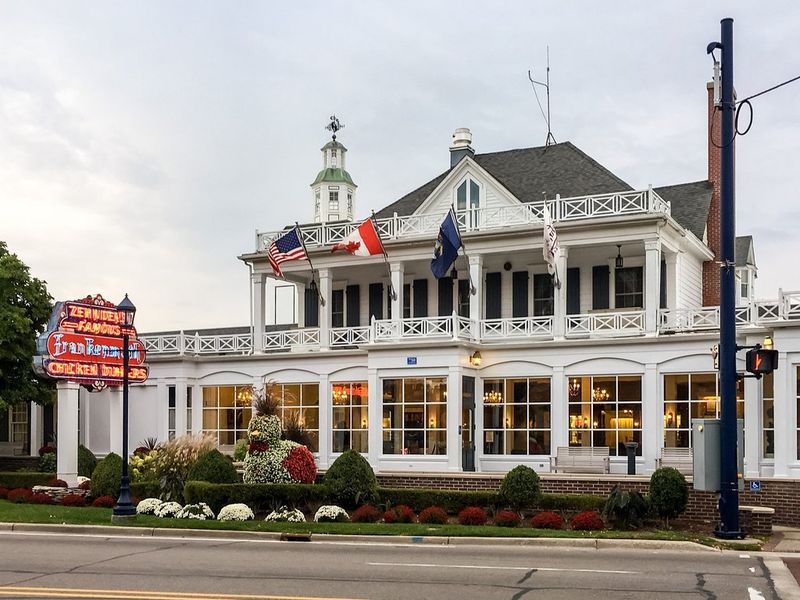
Frankenmuth calls itself Michigan’s Little Bavaria, and the Bavarian aesthetic is committed and thorough — gingerbread architecture, covered wooden bridges, a Christmas store open 361 days a year, and all-you-can-eat chicken dinners that have been drawing crowds since the 1850s. Zehnder’s of Frankenmuth and the Bavarian Inn are genuine Michigan institutions, and the chicken dinners served family-style are the kind of meal that people drive hours to experience.
In summer, those people all arrive at the same time.
The wait for a table at either restaurant on a summer Saturday can stretch beyond two hours. The parking situation around Main Street becomes a slow-motion puzzle, with tour buses claiming prime real estate and personal vehicles circling the blocks in increasingly wide loops.
The gift shops and Bronner’s Christmas Wonderland — which deserves its own category of crowd management — draw additional foot traffic that compounds the downtown density to a level that makes casual browsing feel like a contact sport.
What makes Frankenmuth particularly interesting is that its tourist season never really ends — the Christmas season brings its own enormous wave — but summer concentrates the family vacation crowd in a way that overwhelms even this very prepared, tourist-focused town. The locals who work in the service industry here are professionals at managing volume, but even the most experienced hosts look a little worn by late July.
Going on a weekday in June, before school fully lets out, or in early September after it resumes, changes everything. The chicken is identical, the portions are identical, and the Bavarian charm is fully intact.
The wait drops from two hours to twenty minutes, and the whole experience shifts from endurance test to genuine pleasure. Frankenmuth earned its reputation honestly — the food is that good — but the calendar is everything when it comes to actually enjoying it.
12. Big-Box Retail Strips Near Tourist Corridors
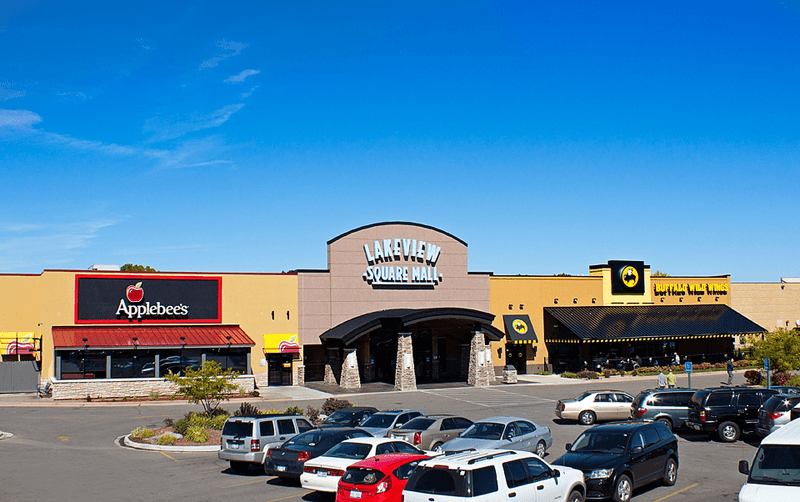
This one does not get enough acknowledgment in the summer travel conversation. Everyone talks about the beaches and the festivals, but nobody mentions the Walmart on the edge of town near the highway exit that serves both the local population and every single tourist who forgot sunscreen, needs a cheap cooler, or is stocking up on snacks before a long drive north.
In summer, those retail strips near major tourist corridors become genuinely unpleasant places to be on a Saturday morning.
Towns like Gaylord, Cadillac, Clare, and West Branch sit at strategic highway intersections that funnel enormous volumes of northbound summer traffic right past their big-box retail zones. The stores themselves are not the problem — they are doing exactly what they are designed to do.
The problem is the parking lot dynamics when you have a local who needs motor oil and three families loading up on camping supplies all converging on the same cart return at the same time.
Checkout lines stretch deep into the store aisles. The garden center section, which doubles as an overflow camping equipment display in summer, becomes a maze of carts and indecisive shoppers.
The gas stations attached to these retail strips are their own separate ordeal, with lines of vehicles towing boats and trailers that extend back into the main road and block the entrance for everyone else.
Locals in these corridor towns have developed sharp timing instincts out of pure necessity. Tuesday evenings and early Sunday mornings are the community’s secret shopping windows — quiet, fast, and blessedly free of the traffic that defines the rest of the week.
It is a small adaptation in the grand scheme of things, but it is the kind of hyper-local knowledge that separates year-round residents from the summer visitors who have no idea the parking lot was ever anything but a war zone.
Share this story