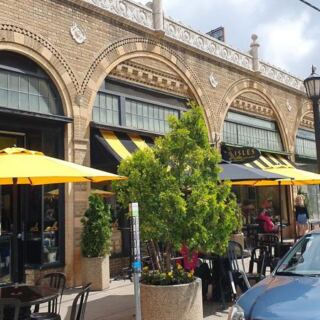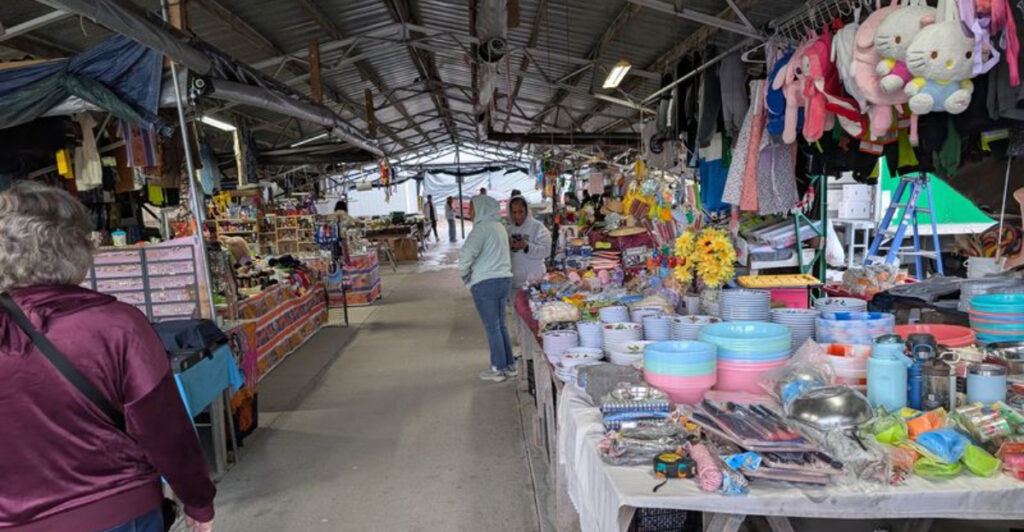
Every weekend, something special happens along Murfreesboro Road in Lebanon. Cars start lining up before the gates even open, shoppers clutching coffee cups and tote bags, ready to explore row after row of surprises. Parkland Flea Market transforms into a lively gathering spot where the smell of fresh horchata mixes with the chatter of vendors and the energy of treasure hunters searching for that perfect find.
Whether you’re hunting for plants, sampling authentic food, or just soaking up the weekend vibe, this countryside market delivers an experience that keeps folks coming back season after season.
Authentic Food Trucks Serving Fresh Flavors
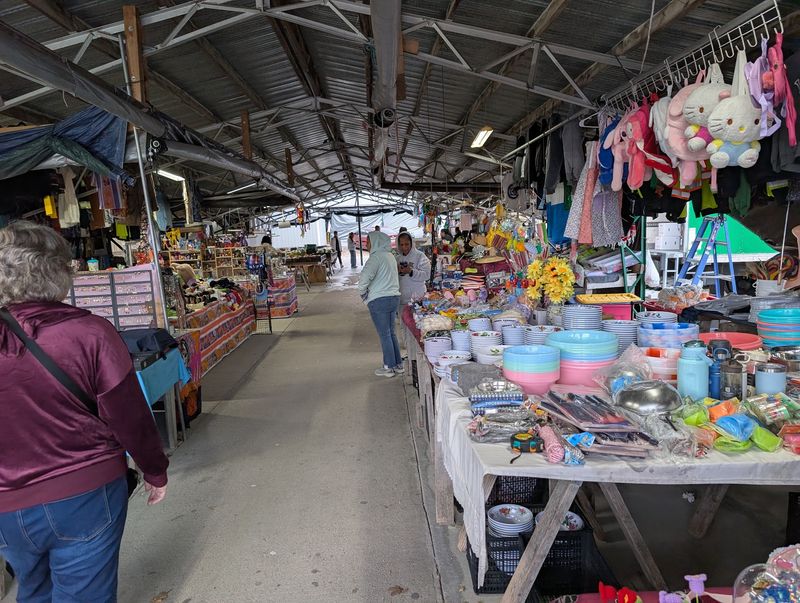
Step up to one of the food trucks parked near the entrance and prepare for a treat. These aren’t your average festival vendors slinging frozen snacks. The horchata here gets made from scratch, and locals swear by the large size because one sip never feels like enough.
Sweet, creamy, and perfectly spiced, it’s the kind of drink that makes wandering the market on a warm Saturday morning feel just right.
Beyond the drinks, you’ll find authentic flavors that bring a taste of home to many shoppers. Cups of elote, dripping with butter and dusted with cheese, disappear fast. Tacos stuffed with seasoned meats and fresh toppings draw lines that move quickly because the quality speaks for itself.
Some folks make the drive to Parkland just for the food, treating the shopping as a bonus.
The variety keeps expanding as vendors rotate through the seasons. You might spot tamales wrapped in corn husks, grilled meats sizzling on portable grills, or fresh fruit cups topped with chili powder and lime. Prices stay reasonable, especially when you consider the portion sizes and the care put into each dish.
Grab a bite early so you have fuel for browsing, or save it as a reward after you’ve scored your finds.
Eating here feels communal. Strangers chat while waiting in line, swapping recommendations about which vendor has the best salsa verde. Families gather at picnic tables, balancing plates and bags of purchases.
The food doesn’t just fill your stomach but adds to the whole experience, turning a shopping trip into a full Sunday outing worth remembering.
Live Plants and Garden Treasures
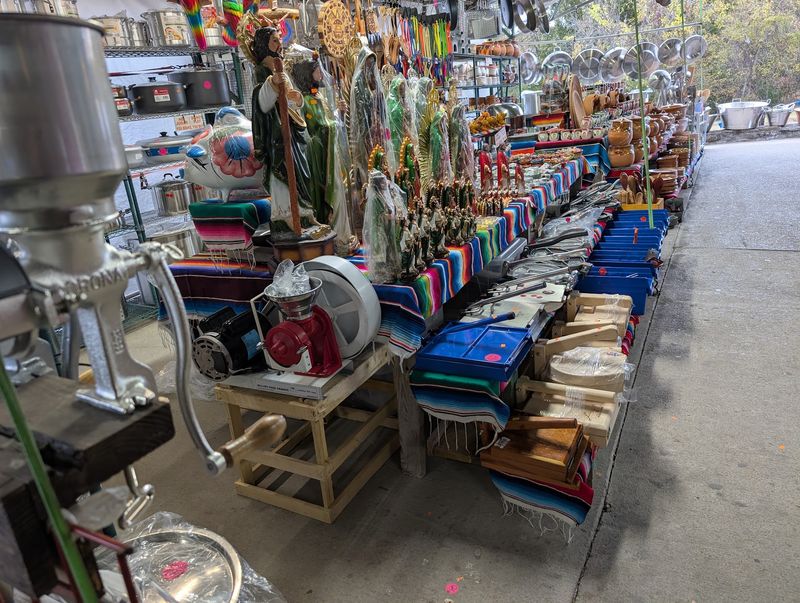
Plant lovers, this spot deserves a slow stroll. Vendors spread out tables loaded with everything from tiny succulents to full-sized shrubs ready for your yard. The selection changes with the seasons, so spring might bring flowering perennials while fall showcases hardy mums and ornamental grasses.
Prices beat what you’d pay at big box stores, and the plants often come straight from local growers who know Tennessee soil and climate.
One vendor in particular has built a reputation for quality landscaping materials. Jesse Roberts sets up shop with trees, bushes, and expert advice for anyone tackling a yard project. His prices stay competitive, and he’ll talk you through what works best for your space.
Whether you need shade trees or privacy hedges, he’s become a go-to resource for folks who want their landscaping done right without breaking the bank.
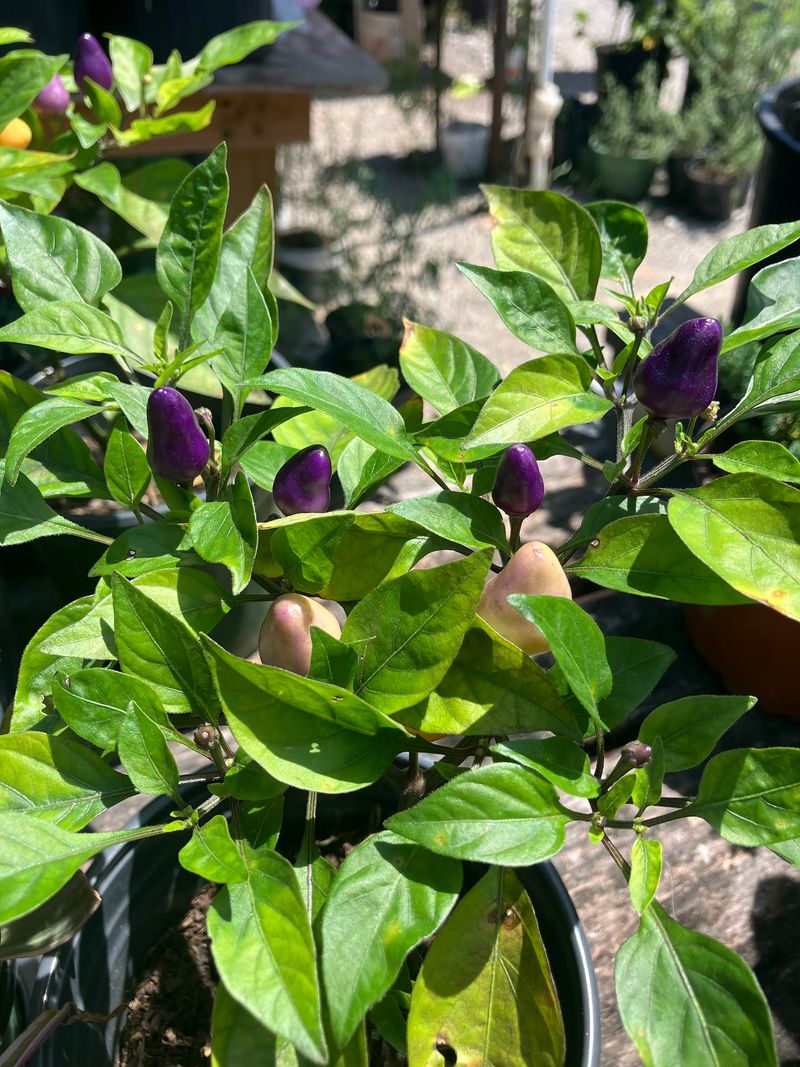
Beyond the practical stuff, you’ll spot quirky planters, hanging baskets, and garden decorations that add personality to any outdoor space. Some vendors sell seeds for peppers and specialty vegetables that grocery stores don’t carry. Gardeners hunting for specific varieties often strike gold here, finding seeds for pipian rojo peppers or heirloom tomatoes that grandma used to grow.
The condition of plants varies by vendor, so inspect before you buy. Most sellers take pride in healthy stock, but it pays to check leaves for damage and roots for crowding. Bring boxes or crates if you’re planning a plant haul because juggling pots while browsing gets tricky.
Early birds snag the best specimens, but deals improve as closing time approaches and vendors want to lighten their loads.
Clothing and Accessories from South of the Border
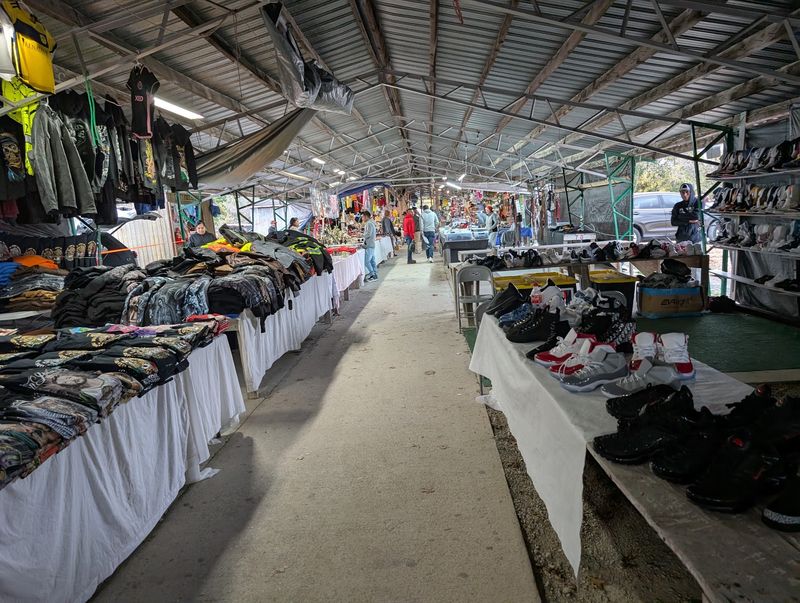
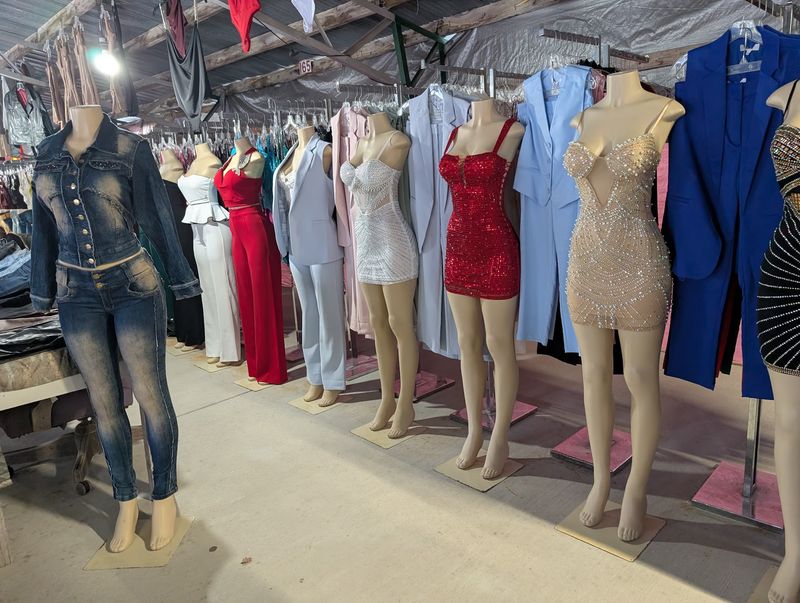
Racks of guayabera shirts flutter in the breeze, their crisp pleats and embroidered details catching eyes as shoppers pass. The clothing section at Parkland leans heavily toward Mexican and Central American styles, offering pieces you won’t find at your typical mall. Men’s shirts in linen and cotton blends stay cool during Tennessee summers, while embroidered blouses add color to any wardrobe.
Prices vary, but shoppers report scoring quality pieces for less than retail.
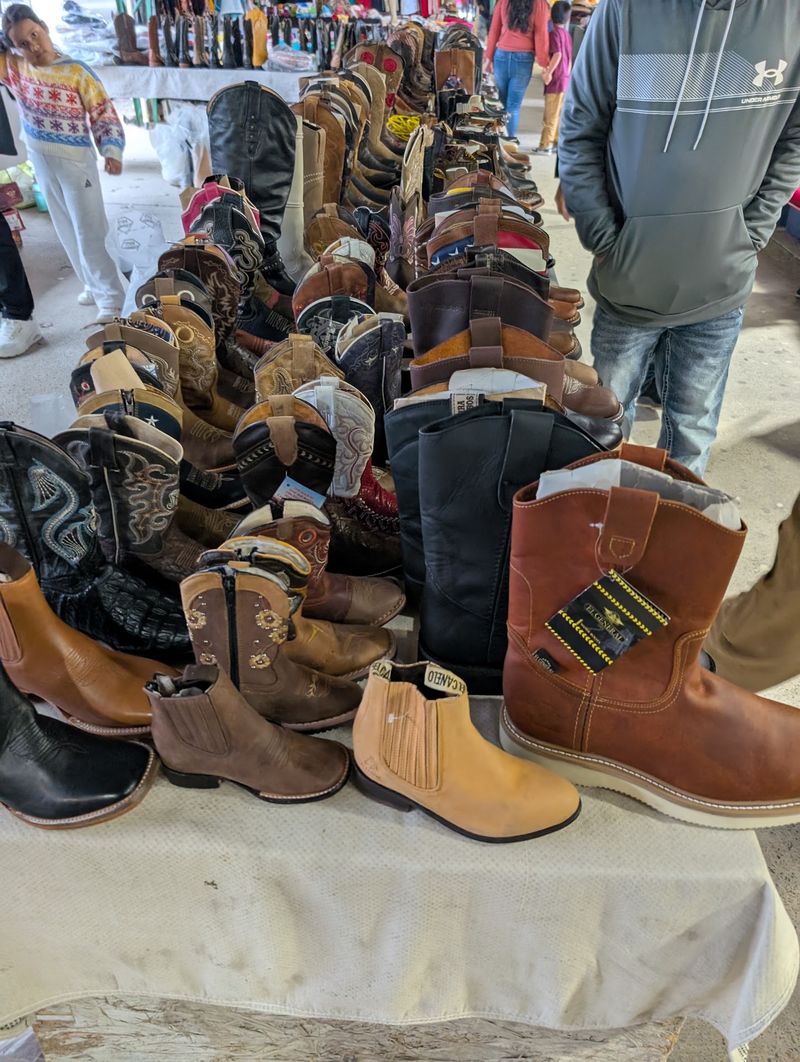
Leather goods fill several stalls, with belts hand-tooled in traditional patterns and boots that look straight from a ranch. The craftsmanship on some items impresses, though quality varies by vendor. Take time to examine stitching and materials before committing.
Hats range from practical straw styles perfect for yard work to dressier options for special occasions. Some vendors specialize in western wear while others focus on casual everyday pieces.
Accessories pile high on tables, creating a treasure hunt atmosphere. Silver jewelry, beaded bracelets, and colorful scarves tempt impulse buyers. One shopper’s warning rings true, though: not everything that glitters holds its shine.
That fifteen-dollar ring might turn your finger green by Monday. Ask questions about materials, especially with jewelry, and don’t assume higher prices guarantee quality. Inspect clasps, check for stamps on metal, and consider whether the deal seems too good to be true.
Despite mixed reviews on durability, many shoppers appreciate the style and cultural authenticity of the clothing selection. You’re supporting small vendors, many of whom source directly from artisans. Just shop smart, examine purchases carefully, and remember that flea market finds come with a bit of risk mixed in with the reward.
Farm Fresh Poultry and Live Animals
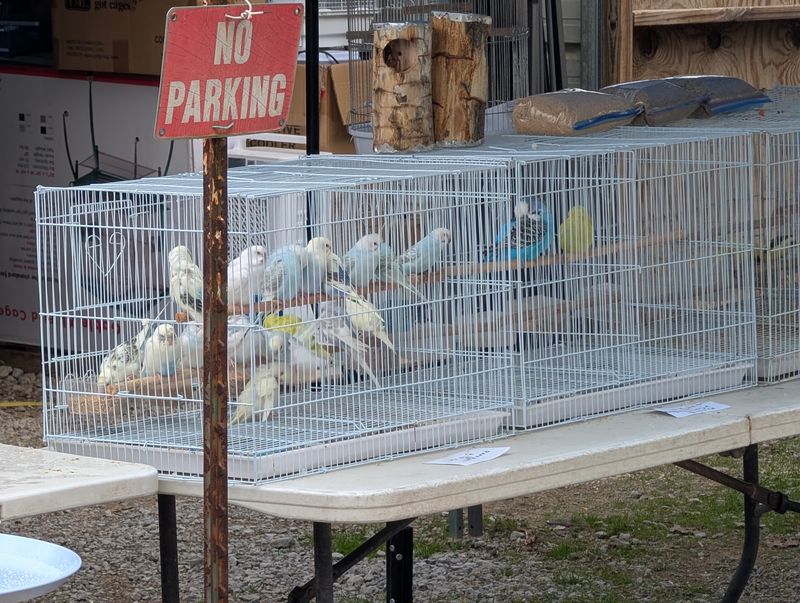
Clucks and chirps provide the soundtrack for one corner of the market where live poultry changes hands. Chickens, ducks, and sometimes rabbits occupy cages while potential buyers inspect feathers and temperament. For backyard farmers or homesteaders, this represents a chance to add to their flock without ordering online or driving to distant hatcheries.
Prices generally run fair, and you can see exactly what you’re getting before committing.
Conditions of the animals draw mixed reactions from visitors. Some vendors clearly prioritize animal welfare, with spacious cages, clean water, and healthy-looking birds. Others cram too many animals into small spaces, leading to stress behaviors like feather pecking.
Respiratory issues occasionally appear in overcrowded pens, raising concerns about bringing disease home to existing flocks. One reviewer sanitized their footwear after visiting, worried about contaminating their own chickens.
If you’re buying poultry here, inspect carefully. Look for bright eyes, clean feathers, and active behavior. Avoid birds that seem lethargic or show signs of respiratory distress like wheezing or nasal discharge.
Ask vendors about age, breed, and whether birds have been vaccinated. Reputable sellers answer questions readily and demonstrate knowledge about their stock. Bring a secure carrier because cardboard boxes don’t always hold determined chickens during the drive home.
The live animal section adds rural charm to the market experience, connecting city folks with farming traditions. Kids especially love seeing baby chicks and ducklings, even if families aren’t buying. Just remember that purchasing live animals requires preparation at home.
You need proper housing, feed, and commitment to care before that adorable chick becomes part of your household. Shop responsibly, choose vendors who treat animals well, and prepare for the responsibility that comes with new livestock.
Specialty Cheeses and Dairy Products
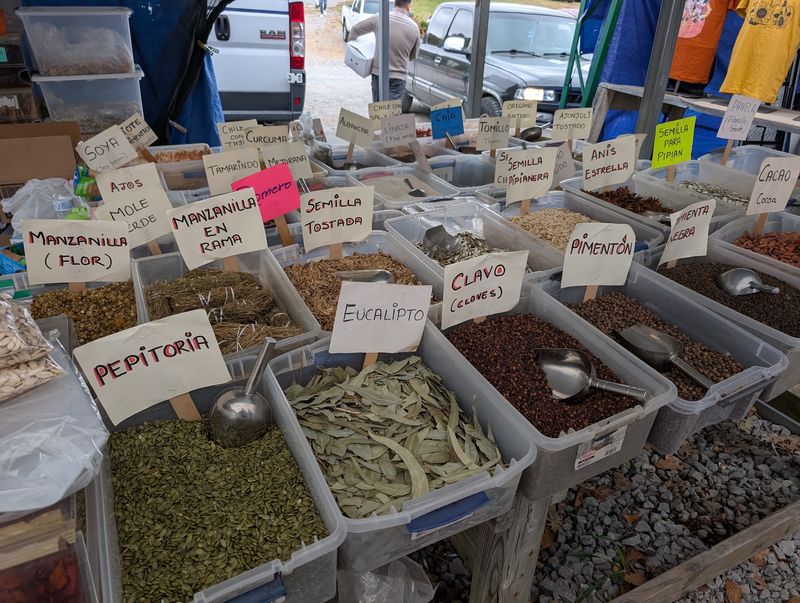
Cheese lovers shouldn’t rush past the dairy vendors tucked between clothing racks and tool sellers. Several stalls specialize in cheeses that range from familiar favorites to specialty varieties you’d struggle to find elsewhere in Lebanon. Fresh queso fresco, perfect for crumbling over tacos, sits alongside aged cheeses with sharper profiles.
Some vendors offer samples, letting you taste before committing to a full purchase.
The selection reflects the market’s cultural diversity. Mexican cheeses dominate, including cotija for sprinkling and oaxaca for melting. You might also spot farmer’s cheese, cream cheese variations, and occasionally imported options from Central America.
Prices typically undercut grocery stores, especially for larger quantities. Serious cooks stock up here, knowing the quality matches or exceeds what supermarkets offer.
Beyond cheese, look for other dairy treasures. Fresh crema adds richness to dishes, while some vendors sell milk straight from local farms. The turnover stays high, meaning products tend toward freshness rather than sitting on shelves for weeks.
Still, check dates when provided and ask questions about sourcing if you’re particular about where your dairy originates.
Storage matters when buying cheese at an outdoor market. Bring a cooler if you’re shopping during warm months, especially if you’re not heading straight home. Soft cheeses suffer in heat, losing texture and potentially spoiling faster.
Hard cheeses tolerate temperature fluctuations better but still benefit from prompt refrigeration. Plan your route through the market accordingly, saving dairy purchases for last so products spend minimal time in warm conditions.
The cheese selection adds unexpected sophistication to what some dismiss as just another flea market. Foodies and home cooks find ingredients here that elevate their cooking, proving that quality products hide among the general merchandise if you know where to look.
Tools and Equipment for Every Project
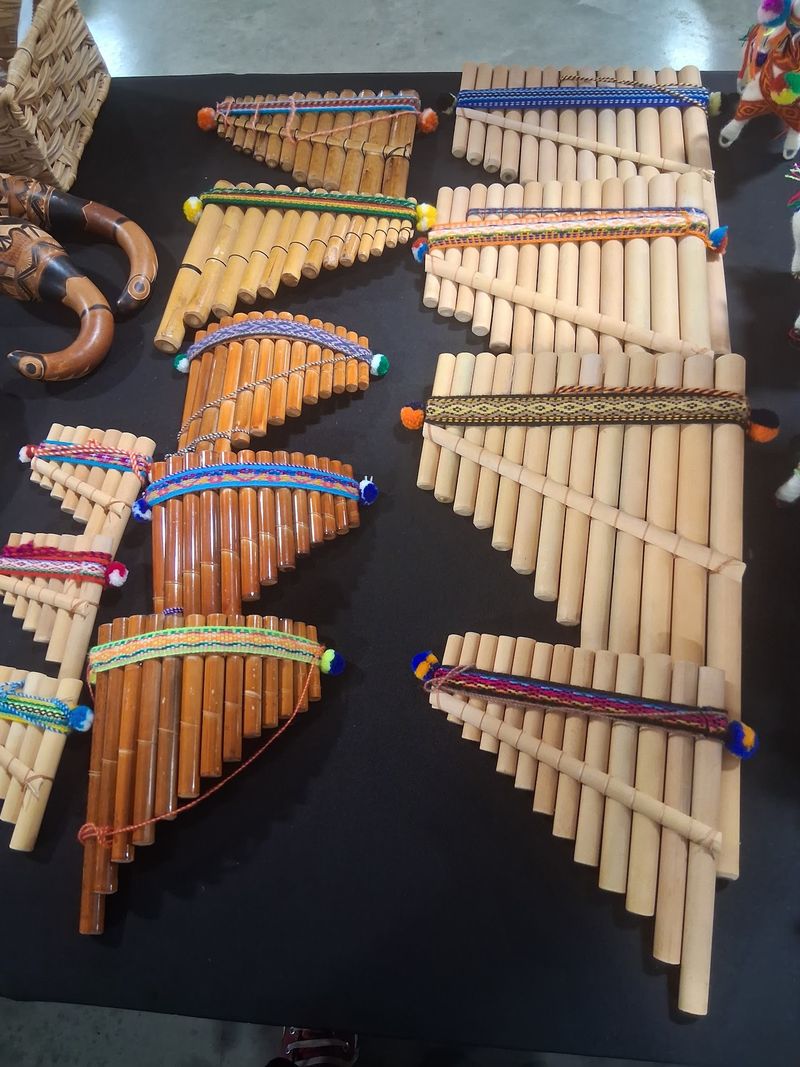
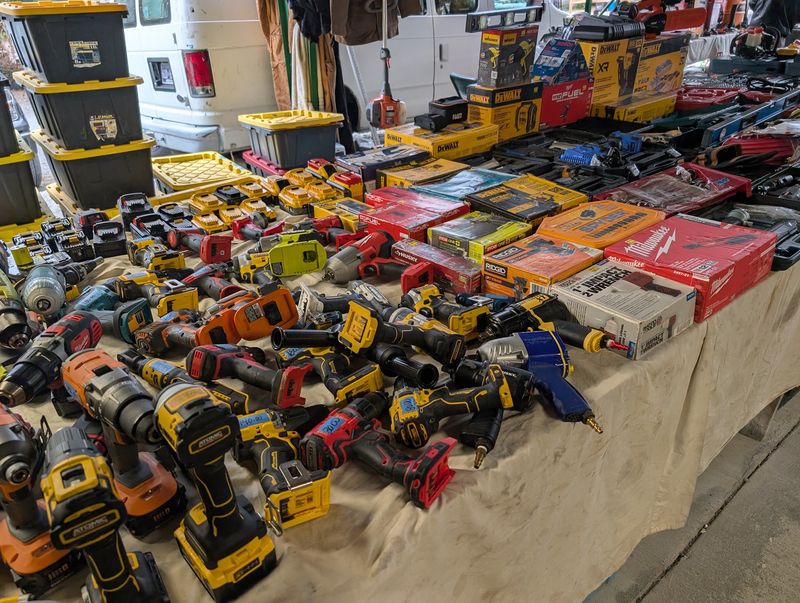
Wrenches, hammers, and power tools spread across tables in organized chaos that somehow makes sense to regular shoppers. The tool section attracts DIYers, contractors looking for backup equipment, and homeowners tackling weekend projects. You’ll find both new items still in packaging and used tools with plenty of life left.
Prices swing wildly depending on vendor and condition, so comparison shopping pays off before pulling out your wallet.
Some vendors specialize in specific categories. One might focus on hand tools, another on power equipment, while a third deals in gardening implements and yard maintenance gear. The variety means you can outfit an entire workshop in one visit if you’re patient and willing to negotiate.
Used tools often represent the best value, especially professional-grade brands that last decades with proper care.
Quality varies significantly, making inspection crucial. Test moving parts on wrenches and pliers. Check power cords for damage.
Ask about return policies, though many vendors operate on an as-is basis. The community appreciates this market as a resource for affordable tools, with several reviewers mentioning successful purchases that served them well. Just remember that rock-bottom prices sometimes signal rock-bottom quality.
Bring cash because many tool vendors don’t accept cards. Prices often include wiggle room for negotiation, especially late in the day when sellers want to reduce their load for the trip home. Don’t be afraid to make reasonable offers, particularly if you’re buying multiple items.
Bundle deals happen more often than you’d expect.
The tool section embodies the practical side of flea market shopping. You’re not hunting antiques or decorative items but functional equipment that helps you build, fix, and create. That makes this area particularly valuable for folks who use their hands and appreciate quality gear at accessible prices.
Fresh Produce and Specialty Peppers
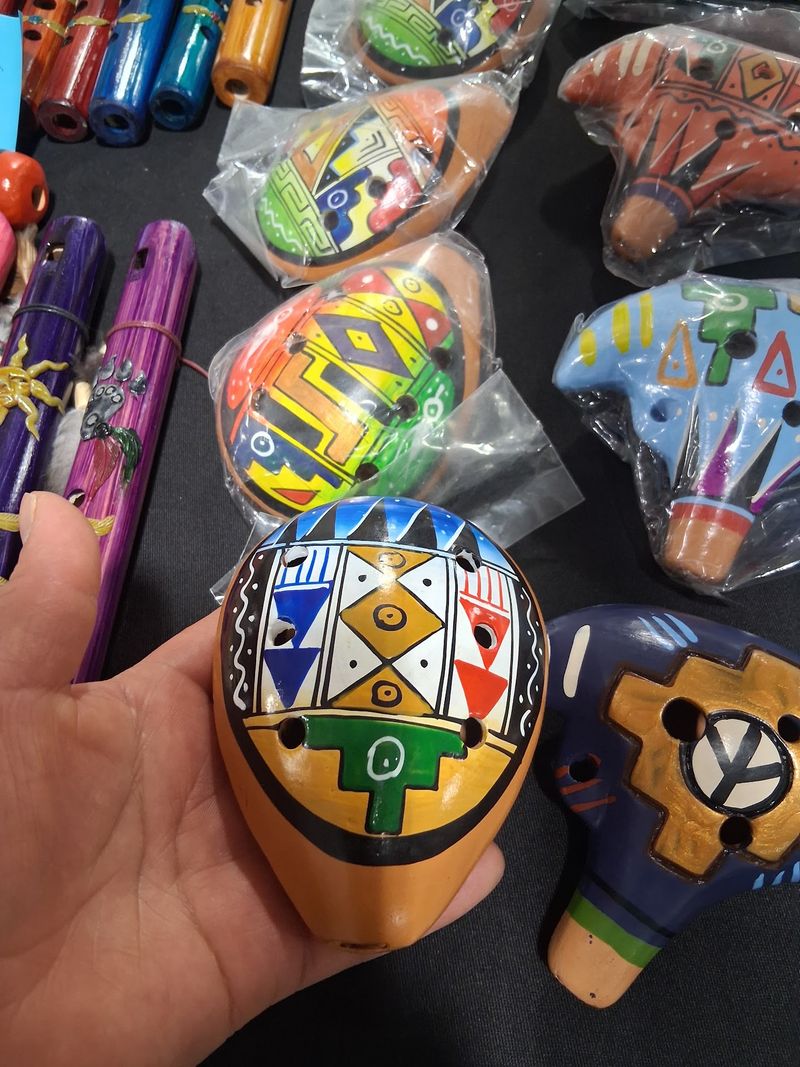
Baskets overflow with peppers in shades ranging from green to deep red, some familiar and others exotic enough to require explanation. The produce section draws serious cooks hunting for ingredients that supermarkets don’t stock. Specialty peppers for authentic Mexican dishes show up regularly, including varieties needed for pipian rojo and other traditional recipes.
One shopper reported finding all the peppers and seeds needed for their project in a single visit, praising the convenience and selection.
Beyond peppers, expect seasonal vegetables, fresh herbs, and sometimes fruits depending on what’s currently harvested. Local growers mix with vendors sourcing from larger distributors, creating variety in both selection and price points. Quality tends toward fresh since turnover happens quickly on weekend market days.
Still, inspect produce carefully, checking for soft spots, mold, or other signs of age.
The cultural diversity of vendors means you’ll encounter produce that mainstream grocery stores overlook. Nopales, tomatillos, fresh cilantro by the bunch, and specialty squashes appear regularly. For home cooks exploring different cuisines, this becomes a culinary playground.
Vendors often share cooking tips and recipe suggestions, especially if you ask about unfamiliar items. That personal interaction adds value beyond just the purchase.
Prices generally beat grocery stores, particularly for items sold by weight or in bulk. Bring your own bags because not all vendors provide them, and reusable bags handle produce better than flimsy plastic. Shop early for the best selection, though late-day deals occasionally appear when vendors want to clear inventory rather than pack everything up.
The produce section reinforces Parkland’s identity as more than just a typical flea market. You’re accessing ingredients and flavors that connect to specific culinary traditions, supported by vendors who understand the products they’re selling and the communities they serve.
Weekend-Only Schedule Means Plan Ahead
Mark your calendar carefully because Parkland only opens Saturdays and Sundays from 7 AM to 4 PM. The weekday crowd looking for a Tuesday browse will find locked gates and empty fields. This weekend-only schedule concentrates the energy and creates a bustling atmosphere but also means you need to plan your visit rather than dropping by whenever convenient.
The early 7 AM start attracts serious shoppers who want first pick of inventory before crowds arrive.
Arriving early offers advantages beyond selection. Parking fills quickly as morning progresses, and by mid-morning you might face a significant walk from your car to the market entrance. The crowds peak around late morning, making navigation through aisles more challenging.
Some reviewers complained about hour-and-a-half walks through just six rows due to congestion, while others mentioned 45-minute waits just to exit the parking lot during peak times.
The 4 PM closing catches some visitors off guard, especially those who show up mid-afternoon expecting hours of browsing time. Vendors start packing early, with some shutting down by 3 PM if they’ve had a good day or weather turns bad. Late arrivals get picked-over inventory and fewer vendors to choose from.
On the flip side, prices sometimes drop as closing approaches and sellers want to reduce their take-home load.
Weather impacts the experience significantly since everything happens outdoors. Hot summer days mean sun exposure and heat, while rainy weekends turn the grounds muddy and miserable. Check the forecast before heading out and dress accordingly.
Comfortable walking shoes matter because you’ll cover serious ground on foot. Bring sunscreen, hats, and water bottles during warm months.
The limited schedule creates urgency that works in the market’s favor. You can’t just drop by anytime, so each visit feels more special and intentional. That weekend-only energy contributes to the atmosphere that keeps shoppers coming back season after season.
Bring Cash Because Cards Aren’t Universal
Your wallet needs actual bills before you arrive at Parkland. While some vendors have adapted to modern payment methods, many still operate on a cash-only basis. ATMs might exist on-site, but counting on them means risking lines, fees, and the possibility they’re out of service.
Smart shoppers hit the bank beforehand, withdrawing enough to cover planned purchases plus extra for unexpected finds that always seem to appear.
The cash preference isn’t just about avoiding card processing fees. Many vendors are small-scale sellers or individuals cleaning out storage, not established businesses with merchant accounts. Cash transactions move faster, involve no technology that can fail, and give vendors immediate access to their earnings.
This old-school approach fits the flea market vibe, even if it feels inconvenient to shoppers accustomed to tapping cards everywhere.
Carrying cash also helps with negotiations. Vendors respond more favorably to offers when they see actual money rather than a credit card promise. The psychological difference matters, and experienced flea market shoppers know that cash in hand strengthens bargaining position.
Just be smart about security, keeping large amounts hidden and only pulling out what you need for each transaction.
Budget-conscious visitors appreciate the cash requirement because it creates natural spending limits. Once your bills run out, shopping stops, preventing the impulse purchases that cards enable. You’re forced to prioritize and make deliberate choices about what matters most.
That discipline often leads to more satisfying purchases and fewer regrets about items that seemed like good ideas in the moment.
Plan your cash needs based on what you’re shopping for. Small items and food might require twenties and smaller bills, while bigger purchases like furniture or equipment might need larger denominations. Having exact change or close to it speeds transactions and keeps vendors happy, especially early in the day when they’re still building their cash reserves for making change.
Security Presence With Mixed Reviews
Security personnel on ATVs and golf carts patrol the grounds, their presence meant to ensure safety and manage the flow of vehicles and people. The market takes crowd control seriously, especially given the high volume of traffic entering from the highway. Signs posted near the entrance clearly state no stopping, no loading, and no unloading in certain areas, rules designed to prevent accidents and keep traffic moving smoothly through the property.
Reviews of security staff range dramatically from reasonable to extremely negative. Some visitors encountered calm, professional guards who explained policies clearly and treated customers with respect. Others reported aggressive confrontations that left them shaken and unlikely to return.
One detailed account described a guard screaming and charging at a vehicle during a passenger drop-off, creating a scene that felt wildly disproportionate to the situation.
The management responded to complaints by acknowledging the signage exists and promising to address aggressive behavior from staff. They emphasized that private property gives them authority to enforce rules but recognized that approach matters. The tension seems to stem from undertrained security personnel given authority without proper instruction on de-escalation and customer service.
When security works well, visitors barely notice them. When it goes wrong, it colors the entire experience negatively.
Service animal policies also generated complaints, with at least one visitor reporting confusion and confrontation about bringing their dog. The hot weather made suggestions to leave animals in cars particularly problematic. Clear communication of policies at the entrance, preferably in writing and multiple languages, would prevent many of these conflicts before they escalate.
Most visitors never experience security issues, moving through their shopping day without incident. But the negative encounters that do happen leave lasting impressions. The market continues working on balancing safety enforcement with customer service, a challenge for any venue handling thousands of visitors on busy weekends.
Parking Challenges During Peak Hours
Finding a parking spot at Parkland requires patience during peak hours. The lot fills rapidly after opening, and by mid-morning on popular weekends, you might circle multiple times before locating a space. Some visitors reported 45-minute waits just to exit the parking area after shopping, trapped in congestion as hundreds of vehicles funnel toward a limited number of exits.
The free parking represents a nice perk, but the convenience evaporates when you’re stuck in automotive gridlock.
The property sits along Murfreesboro Road, a busy highway where traffic moves fast. Entering and exiting requires attention and often patience as you wait for gaps in traffic. Inside the market grounds, vehicles compete with pedestrians, creating safety concerns that security tries to manage.
The no-stopping policy near the entrance aims to prevent accidents, though it frustrates visitors attempting quick drop-offs of elderly or disabled passengers.
Arriving early solves most parking problems. The 7 AM opening means early birds claim spots near the entrance, reducing walking distance and ensuring easy exit later. Late arrivals should expect to park farther out and build in extra time for the walk.
Comfortable shoes matter even more when your car sits a quarter-mile from the market entrance. Consider the parking situation when planning how long to stay because leaving during peak exodus times adds significant time to your trip.
The parking challenges reflect the market’s popularity rather than poor planning. The property accommodates a lot of vehicles, but demand during prime hours simply exceeds capacity. Weekend mornings in pleasant weather draw the biggest crowds, while less ideal conditions like summer heat or cloudy skies thin the numbers.
Some shoppers intentionally visit during slightly off-peak times, arriving around 9 AM after the early rush or coming in the afternoon when many vendors remain but crowds have lightened.
Despite the frustrations, the parking situation hasn’t deterred the faithful who return weekend after weekend, considering it a small price for the market experience they enjoy.
Variety of Vendors With Repetitive Inventory
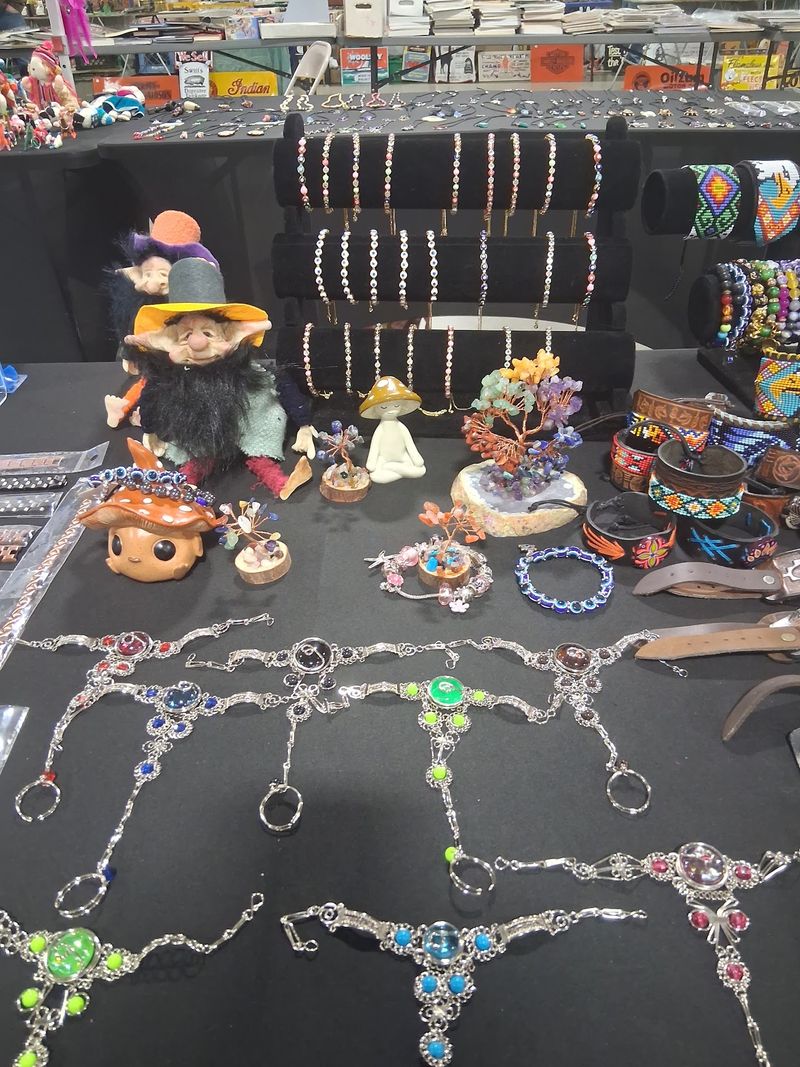
Walking the aisles at Parkland reveals an interesting pattern. Multiple vendors often carry nearly identical merchandise, from cleaning products to kitchen gadgets to clothing items. This repetition disappoints shoppers hunting for unique finds, making the market feel more like an open-air retail plaza than a traditional flea market.
One reviewer compared it to Temu come to life, filled with mass-produced imports rather than the antiques and one-of-a-kind treasures that flea market enthusiasts crave.
The vendor mix leans heavily toward new merchandise rather than used or vintage items. You’ll find plenty of stalls selling factory-fresh goods, often imported and sold at prices comparable to online retailers or discount stores. A few vendors offer what traditional flea markets are known for, genuine secondhand items, unique collectibles, and repurposed goods, but they represent the minority.
This shift reflects changing economics and vendor demographics, though it frustrates purists who remember when flea markets meant treasure hunting rather than discount shopping.
Despite the repetition, the sheer number of vendors means variety exists if you’re patient. Food vendors differ in their offerings and quality. Plant sellers carry different species and sizes.
Tool vendors specialize in various categories. The key involves looking past surface similarities to find the stalls that match your interests. Regular visitors develop favorite vendors, returning to specific sellers they trust for quality and fair prices.
The marketplace atmosphere still creates value even when inventory repeats. You’re browsing in person, seeing and touching products before buying. You can negotiate prices, ask questions directly, and support individual sellers rather than corporate retailers.
The social aspect matters too, turning shopping into a community event where you run into neighbors and make new connections.
Expectations matter when visiting Parkland. Come looking for a traditional antique-filled flea market and you’ll leave disappointed. Approach it as a multicultural marketplace offering food, plants, practical goods, and community atmosphere, and you’ll likely find value worth the weekend trip.
Share this story