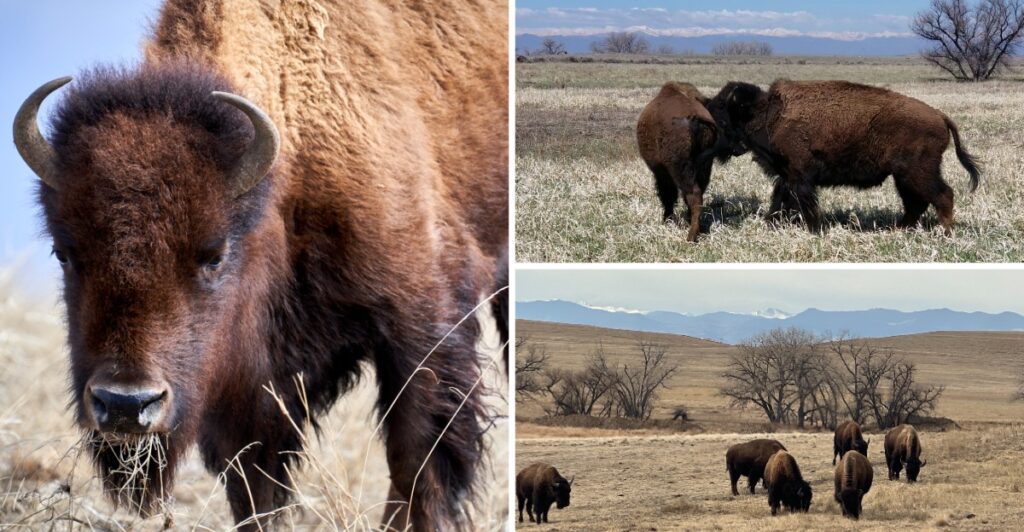
Denver’s skyline does not feel very far away when the scenery suddenly shifts to open prairie and roaming bison. At Rocky Mountain Arsenal National Wildlife Refuge, an 11-mile wildlife drive winds through grasslands where visitors may spot mule deer, prairie dogs, birds, and the refuge’s impressive bison herd without straying far from the metro area.
Airplanes occasionally passing overhead create a striking reminder of just how close this wild landscape sits to the city. Best of all, visiting the refuge and driving the loop costs nothing. For an easy Colorado escape with serious wildlife potential, this drive packs plenty into 11 miles.
Bison Grazing With a Skyline Behind Them
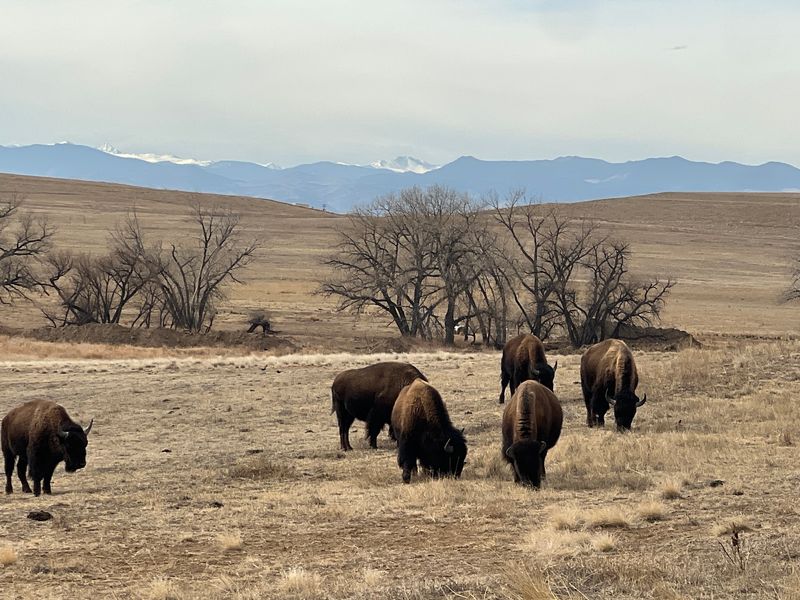
Picture a shaggy, one-ton bison chewing grass while the glass towers of downtown Denver shimmer far behind it. That odd pairing is the first thing that grabs you here. Wild prairie and big-city skyline share the same view, and your brain takes a second to accept it.
The refuge covers roughly 15,000 acres of grassland, wetland, and scattered woods. From the wildlife drive, the land rolls out flat and wide, so you can see for miles. On clear days, the Front Range mountains stack up along the western edge, often with snow on the peaks.
Size is part of the surprise. Most people expect a small park squeezed between highways. Instead, the grass stretches so far that fences, roads, and rooftops fade into a thin line at the horizon.
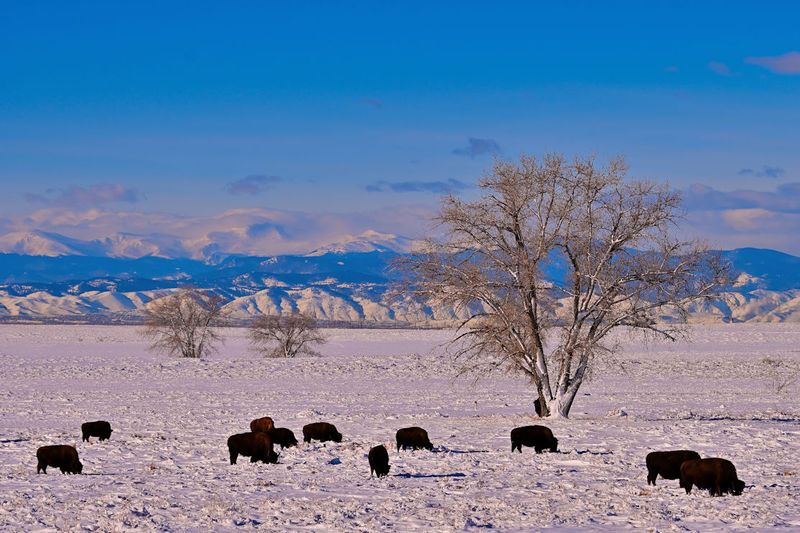
Colors shift with the seasons, too. Spring brings fresh green shoots and wildflowers scattered through the grass. By late summer, the prairie turns tan and gold, and winter can dust everything in white, making dark bison bodies pop against the snow.
Sound adds another layer. Roll down the window and you might hear meadowlarks singing, wind hissing through dry stems, or the chirping alarm calls of prairie dogs. Now and then, a jet heading for Denver International Airport rumbles overhead, a reminder of how close civilization sits.
Photographers love this mix for good reason. A bison framed against a city skyline is a picture you cannot easily take anywhere else in the country. Sunrise and sunset paint the whole scene in orange and pink, and the skyline glows in the distance.
Keep your camera handy from the very first mile. Some of the best views arrive before you expect them, right after the drive begins and the grass opens up around you.
Rolling Through the 11-Mile Wildlife Drive
Eleven miles might sound short, yet the wildlife drive can easily fill an hour or two. Speeds stay low, and the whole point is to creep along and scan the grass. Rushing through would be like fast-forwarding a nature documentary.
The loop is one of the easiest wildlife routes you will ever drive. Roads are paved and well marked, and pullouts pop up often so you can stop without blocking traffic. Families with small kids, older visitors, and anyone who does not want a long hike can all enjoy it from their seats.
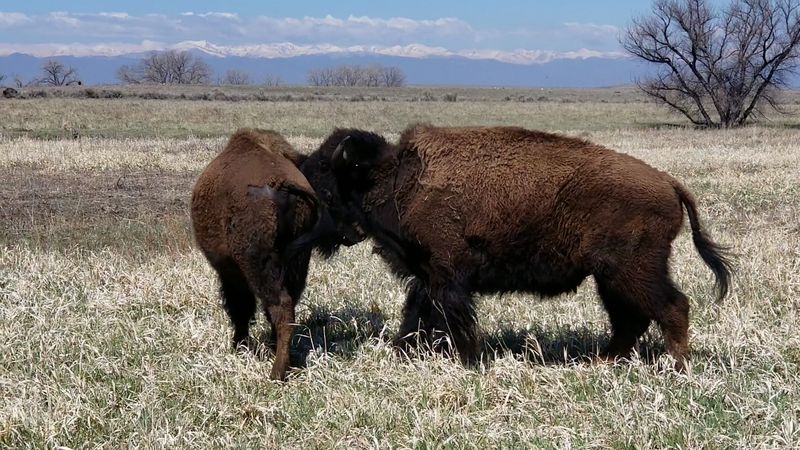
There is one big rule to remember. Once you enter the bison area, you must stay inside your vehicle. Bison look calm, but they are fast, powerful, and unpredictable, so the car acts as your safety shell.
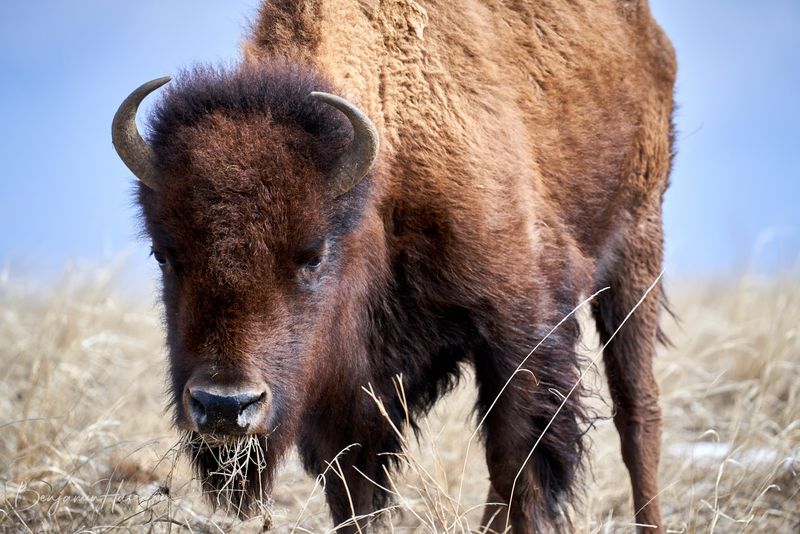
Bison sightings are the headline act. The herd moves around the pasture, so one day they may crowd near the road, and another day they may be dots on a far hill. When they cross the pavement, traffic simply stops and waits, which can be the best seat in the house.
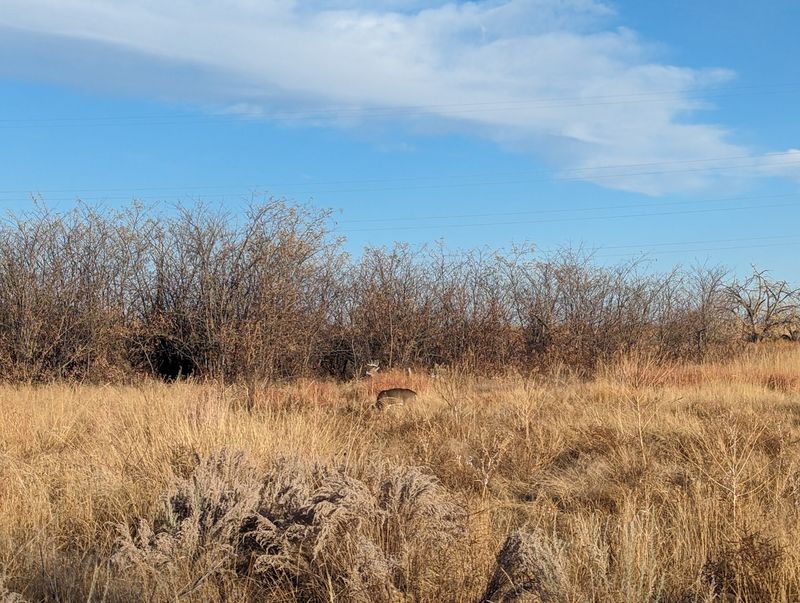
Along the way, you will likely spot mule deer with their oversized ears, hawks perched on fence posts, and maybe a coyote trotting through the grass. White-tailed deer and pronghorn sometimes appear, too.
Plenty of visitors loop the drive more than once. Animals shift position constantly, so a second lap can reveal a herd you missed the first time. Some people even pack a lunch and eat in the car at a quiet pullout while watching the prairie.
Fill your gas tank and bring water before you start. There are no stores inside the loop, just grass, sky, and a lot of hooves.
Prairie Dog Towns and Other Tiny Scene Stealers
Blink and the ground seems to wiggle. Look closer, and dozens of black-tailed prairie dogs are standing up like tiny guards, popping in and out of burrows, and squeaking warnings to each other. For many kids, these little rodents beat the bison.
Prairie dog colonies, often called towns, spread across large parts of the refuge. Each burrow has a small dirt mound around the entrance, and the mounds dot the grass like freckles. If you pull over and watch the ground, movement appears almost everywhere.
These animals play a huge role in the prairie. Their digging mixes the soil and helps plants grow. Their burrows give shelter to other creatures, including burrowing owls in the warmer months.
Prairie dogs also serve as food for hunters like hawks, eagles, coyotes, and badgers. That is why they bark and whistle so often. Each call can signal a different danger, and scientists have studied how detailed those calls can be.
Here is a fun challenge for young travelers. Try to snap a selfie through the car window with a prairie dog standing tall in the background. It takes patience and good timing, and the results can be hilarious.
Slow down near the entrance roads, too. Some prairie dogs dash across the pavement at the worst possible moment, so keeping your speed low protects them and your brakes.
Birds join the show as well. Black-billed magpies flash shiny blue-green wings as they land, and western meadowlarks sing from fence posts. In winter, bald eagles sometimes gather near the lakes and cottonwood trees, and spotting one feels like finding a gold coin.
Binoculars make a huge difference here. Pack a pair for every passenger if you can.
From Chemical Weapons Site to Colorado Wildlife Haven
Few wildlife refuges in America have a backstory this dramatic. During World War II, the U.S. Army built this site to make chemical weapons. Later, a private company produced pesticides here, and the land became badly polluted.
For decades, the arsenal was a place most people wanted to avoid. Then something unexpected happened. Wildlife moved in, including bald eagles that roosted in the area, and their presence helped push the idea of turning the land into a refuge.
Congress set the area aside as a future national wildlife refuge in 1992. A long and costly cleanup followed, with workers removing and containing contaminated soil and buildings. Over time, the land opened to visitors as the refuge you see today.
Restoration work did not stop with the cleanup. Crews replanted native prairie grasses to replace weeds and old farm fields. Bison arrived from other herds to bring back an animal that once roamed these plains by the millions.
The visitor center tells this story in detail. Exhibits cover the military years, the cleanup, and the animals living here now. Spend some time inside before driving, and the landscape outside takes on a whole new meaning.
One of the most important projects involves black-footed ferrets. These masked weasels were once thought to be extinct. The refuge helps with recovery efforts, and the visitor center has a ferret area, though these night-loving animals often stay hidden during the day.
Knowing the history changes how the grass looks. Every bison and burrow sits on ground that was once off-limits, now healed enough for families to explore on a weekend morning.
Plug In the Mile-by-Mile Audio Tour
Silence is nice, but a good narrator turns a pretty drive into a story. The refuge offers a free audio tour designed to match the wildlife drive, with segments that explain what you are seeing as you pass each mile marker.
You can stream it on your phone before or during the trip. The recording is available through the refuge website and on popular podcast apps, and versions have been shared on video platforms too. Download it ahead of time if your cell signal tends to drop.
Each segment covers a different piece of the refuge. You might hear about how bison behave, why prairie dogs matter, or what the area looked like during its military years. It keeps the ride moving, even when animals are playing hide and seek.
Kids especially benefit from this setup. Instead of asking how much longer, they can listen for clues and try to spot whatever the narrator describes. Turning it into a scavenger hunt keeps eyes glued to the windows.
Do not expect to see every creature mentioned. Wildlife runs on its own schedule, and some animals, like ferrets or owls, rarely appear on command. The bison and prairie dogs, though, are hard to miss.
Pair the audio with a few handy extras. Binoculars help with far-off herds, and a camera with a long zoom lens captures details that phones cannot. Serious photographers often bring big lenses because the bison can graze well away from the road.
A car charger is smart, too. Streaming audio, snapping photos, and zooming in on eagles can drain a battery quickly. Plug in, press play, and let the prairie unfold one mile at a time.
Timing Your Visit for the Best Sightings
Early birds win at this refuge, and so do early drivers. Animals tend to be most active in the cool morning hours, so arriving close to opening time often means more bison on the move and deer browsing near the road.
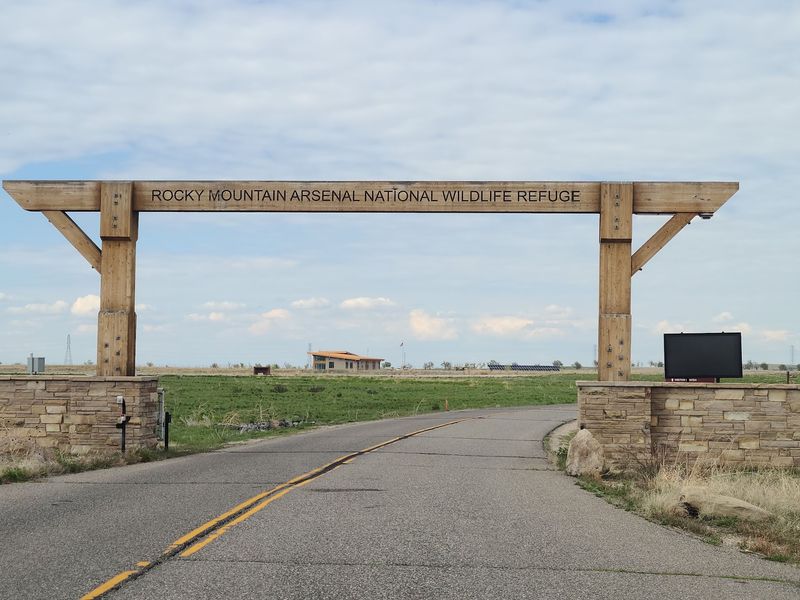
Current hours run from 9 AM to 4 PM, Wednesday through Sunday. The refuge is closed Monday and Tuesday, which catches plenty of road trippers by surprise. Check the schedule before you go, since hours and access can change with seasons or government closures.
By midday, bigger animals often slow down or bed down in the grass. Prairie dogs keep busy most of the day, though, so a late start still delivers plenty of action. Evening light near closing time can bring golden colors and more movement again.
Seasons matter as well. Spring brings bison calves, which are a reddish orange color and adorable to watch. Summer offers green grass and burrowing owls, while fall brings crisp air and changing cottonwood leaves along the water.
Winter has its own rewards. Bald eagles often show up during the colder months, and bison look extra rugged with frost on their thick coats. Roads are usually manageable, but snowy days can affect conditions.
Crowds are rarely a big issue. Even on weekends, the wide roads and large parking areas at the visitor center handle traffic well. Entry is free, which makes it an easy choice for a quick outing or a stop on the way to or from the airport.
Plan for restroom breaks at the visitor center before starting the loop. Once you are on the drive, facilities are limited, and the bison will not wait for you.
Trails, Lakes, and Room to Stretch Your Legs
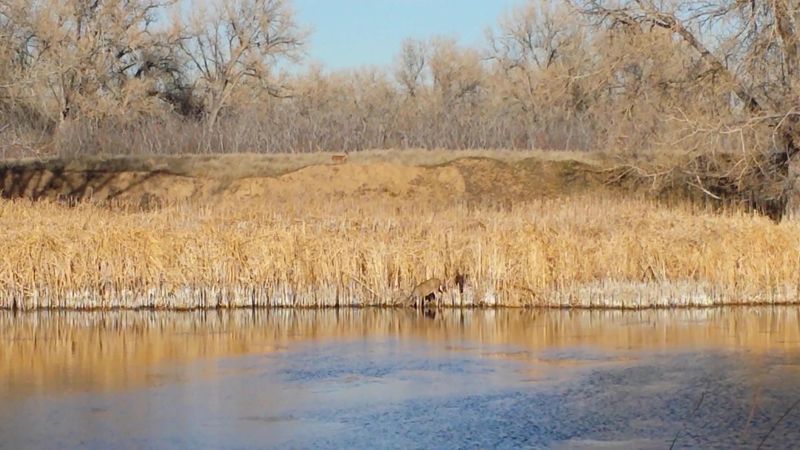
After an hour behind the wheel, your legs will probably want a turn. Luckily, the refuge offers more than the car loop. Miles of walking trails wind past lakes, wetlands, and prairie outside the bison pasture.
Lake Mary and Lake Ladora are popular stops. Short paths circle the water, where ducks paddle, herons stalk the shallows, and turtles sometimes sun themselves on logs. Cottonwood trees line parts of the shore and offer welcome shade on hot days.
Catch-and-release fishing is allowed at certain lakes during the season, with the proper Colorado fishing license and refuge rules. It is a fun way for families to slow down and spend time outdoors together.
Walking changes how you notice the refuge. Grasshoppers leap from the trail, wildflowers show off tiny details, and bird songs come from every direction. You may catch the rustle of a deer in the brush before you see it.
Remember that trails outside the bison area are the only places to walk. Inside the wildlife drive, the stay-in-your-car rule still applies. Keep a safe distance from all animals, including cute ones, and never feed wildlife.
Pack sunscreen, a hat, and plenty of water. Colorado sun hits hard at this elevation, and shade is limited on the open prairie. Sturdy shoes help on gravel paths, and a light jacket is handy since the wind can pick up quickly.
Combine a morning drive with an afternoon walk, and you get two different views of the same wild place. Few spots this close to a major city let you watch bison, fish a quiet lake, and still be home before dinner.
Share this story