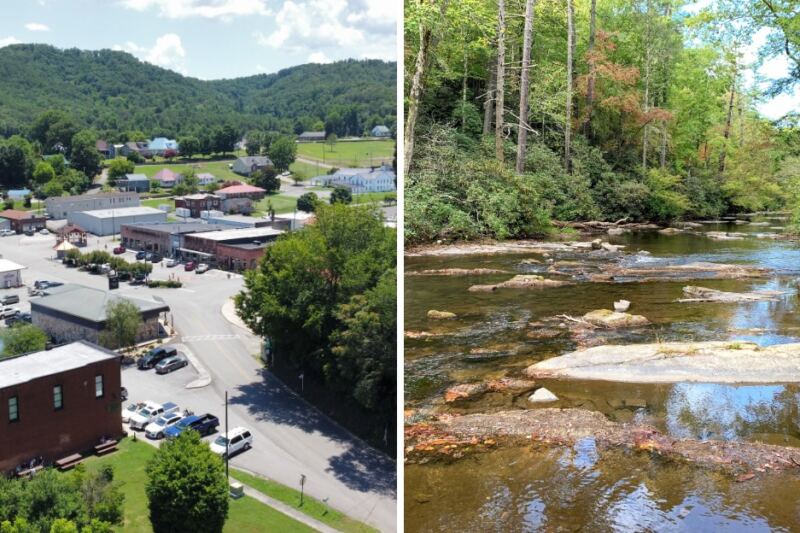
Blount County sits tucked between Knoxville and the Great Smoky Mountains, offering a perfect blend of small-town charm, mountain scenery, and outdoor adventure without the crowds you’ll find in Gatlinburg or Pigeon Forge. This nine-stop road trip takes you from historic downtown streets to underground caverns, scenic overlooks to peaceful valleys where wildlife roams freely.
Whether you’re a local looking for a weekend escape or a visitor wanting to see the real Tennessee, this route shows you exactly why Blount County deserves a spot on your travel list.
1. Downtown Maryville
Walking through downtown Maryville feels like stepping into a Tennessee town that’s managed to keep its soul while moving forward. Brick buildings from the late 1800s line the streets, housing locally-owned coffee shops, boutiques, and restaurants where you’ll actually talk to the owner. The Capitol Theatre, originally built in 1908, stands as a beautifully restored centerpiece showing films and hosting live performances throughout the year.
Start your morning at one of the independent cafés where locals gather before work. You’ll find real conversation happening here, not just people staring at phones. Browse the shops selling everything from handmade jewelry to vintage finds, and you’ll notice something refreshing—nobody’s rushing you or pushing a hard sell.
The downtown stretches several blocks, giving you plenty to explore on foot. Historic markers tell stories of the town’s founding and its role in East Tennessee history. Benches line the sidewalks if you need a rest, and the tree-lined streets provide shade on warm afternoons.
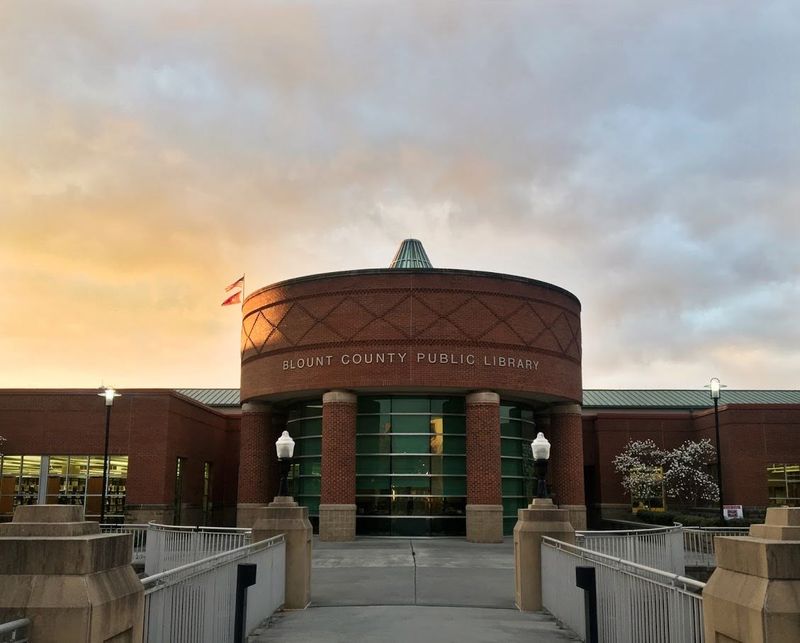
Stop by the Blount County Public Library if you’re interested in local history—the genealogy section draws researchers from across the state. The building itself, with its modern design, creates an interesting contrast with the historic structures surrounding it. Public restrooms and free parking make this an easy first stop on your journey.
Lunch options range from Southern comfort food to international cuisine, with several restaurants offering outdoor seating when weather permits. Local bakeries turn out fresh goods daily, perfect for grabbing snacks before heading to your next destination. The downtown hosts festivals and farmers markets seasonally, so check the calendar before you visit.
Before leaving, walk past the county courthouse—another historic building that’s been the center of community life for generations. Downtown Maryville sets the tone for your Blount County adventure: authentic, welcoming, and refreshingly unpretentious.
2. Bicentennial Park And The Maryville-Alcoa Greenway
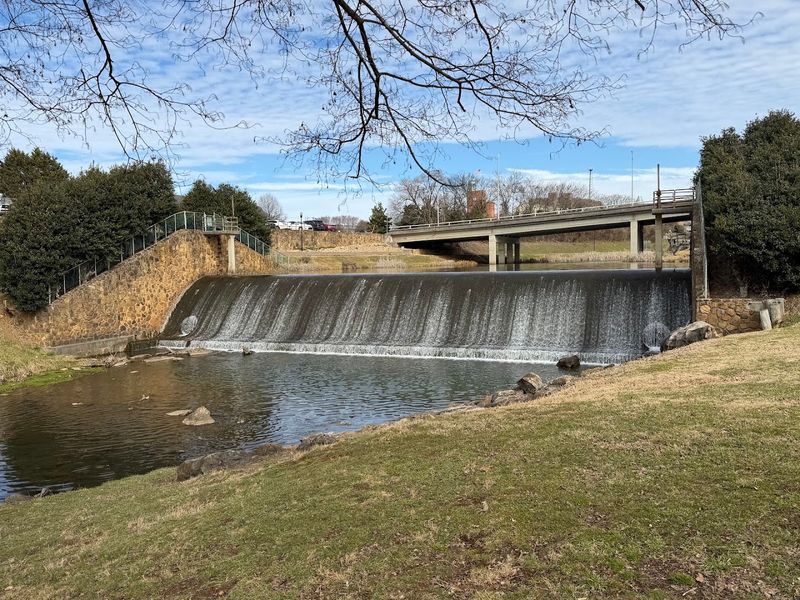
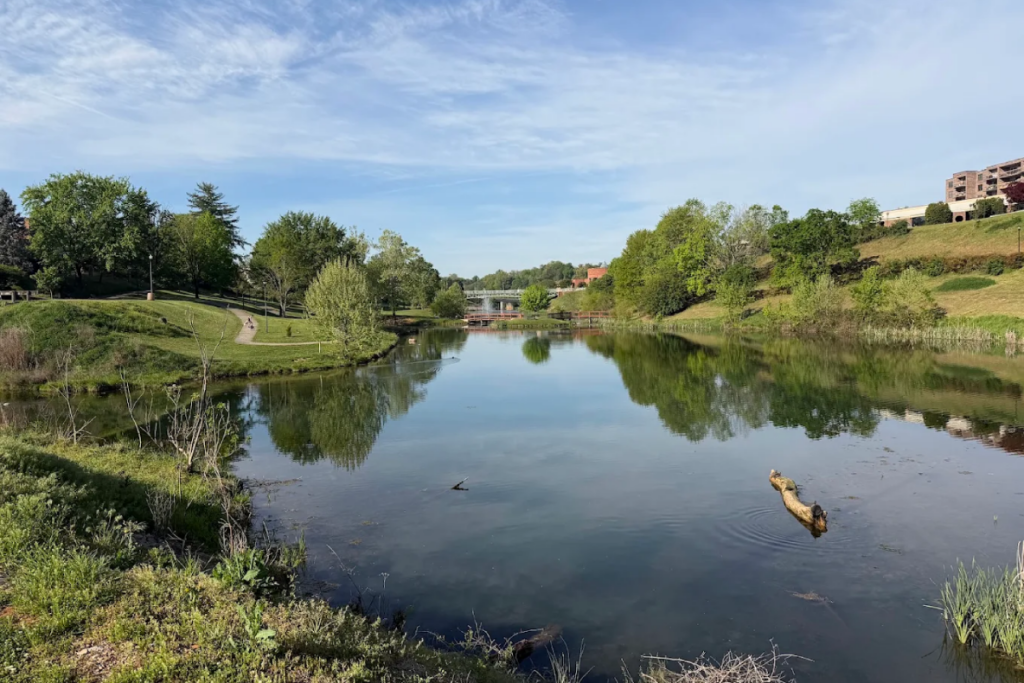
After exploring downtown, head to Bicentennial Park where Pistol Creek runs through 44 acres of open space, playgrounds, and the start of the Maryville-Alcoa Greenway. This paved trail system connects the two cities, giving you an easy way to stretch your legs without dealing with traffic or steep climbs. Families with strollers, cyclists, and joggers all share the path comfortably.
The greenway follows Pistol Creek for much of its route, crossing over wooden footbridges that give you nice views of the water below. You don’t need to walk the entire trail—even a mile or two provides a pleasant break from driving. The path stays relatively flat, making it accessible for most fitness levels.
Bicentennial Park itself offers more than just trail access. Pavilions provide covered areas for picnics, and the playgrounds keep younger travelers entertained. Open fields invite impromptu frisbee games or just lounging on a blanket.
The creek attracts various birds and occasional turtles, so keep your eyes open if you’re into wildlife watching. Nothing exotic, but it adds interest to your walk. Benches appear regularly along the trail if you need to rest or just want to sit and watch the water flow past.
Local runners use this greenway year-round, and you’ll likely see regulars who know every turn and bridge. The trail remains well-maintained, with the city keeping vegetation trimmed back and surfaces smooth. During fall, the trees lining the path put on a colorful show worth timing your visit around.
If you’re traveling with dogs, they’re welcome on leashes. The greenway provides a safe space for them to get exercise too. Plan for 30 minutes to an hour here depending on how far you walk and whether you explore the park amenities.
It’s a simple stop but serves its purpose perfectly—getting you outside and moving between destinations.
3. Sam Houston Historic Schoolhouse
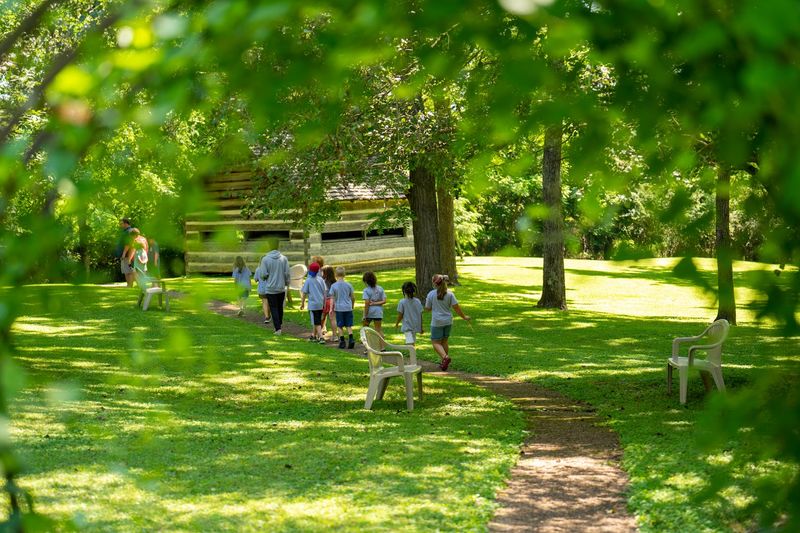
Most people know Sam Houston as the larger-than-life figure who led Texas to independence and served as its governor. Fewer realize he spent time as a young schoolteacher in a tiny log building right here in Blount County. The Sam Houston Historic Schoolhouse, dating to 1794, sits preserved as one of the oldest structures in the area and offers a fascinating glimpse into frontier education.
The building itself measures only about 18 by 20 feet—imagine teaching in a space smaller than most modern bedrooms. One door, one window, a fireplace for heat. Houston taught here around 1812, charging students $8 per term to learn reading, writing, and basic arithmetic.
He was barely 18 years old himself at the time.
Walking inside, you immediately understand how different education looked 200 years ago. Rough-hewn logs form the walls, and the low ceiling would make taller visitors duck. Split-log benches served as seating, and students of all ages learned together in this single room.
No electricity, no running water, no temperature control beyond that one fireplace.
The site sits in a quiet area surrounded by trees, giving you a sense of the rural setting Houston would have known. Interpretive signs outside provide context about his life before he became famous—his time living with Cherokee people, his service in the War of 1812, his eventual move to Texas. The schoolhouse helps humanize a historical figure often reduced to legends and tall tales.
Visiting doesn’t take long—maybe 20 to 30 minutes to read the information and examine the building. There’s no admission fee, and you can walk right up to peer through the windows even when it’s not open for interior tours. The surrounding grounds include a small cemetery with graves dating to the early 1800s.
This stop works perfectly as a quick history break between longer attractions. It’s not flashy or high-tech, just an authentic piece of Tennessee history sitting quietly in the countryside, reminding you that famous people started somewhere ordinary.
4. Walland

Walland doesn’t try to be anything other than what it is—a peaceful rural community where farms still operate, mountains rise in the distance, and the pace slows whether you’re ready or not. No main tourist strip exists here, no attractions demanding your attention. Just quiet roads winding through countryside that looks much like it did decades ago.
Driving through Walland, you’ll pass working farms with cattle grazing, old barns still standing, and homes tucked back from the road. The Foothills Parkway crosses near here, and several roads provide access to hiking trails and the national park. Locals have resisted the development pressures that transformed other gateway communities to the Smokies.
The Little River flows through this area, and several pull-offs let you access the water for wading or just listening to it rush over rocks. Fishermen know these spots, especially in early morning or evening. The water runs clear and cold, fed by mountain streams higher up in the Smokies.
You won’t find restaurants or gift shops lining the roads here. That’s exactly the point. Walland represents what Blount County looked like before tourism exploded in neighboring communities.
It’s a driving-through experience more than a stopping experience, though the scenery deserves slowing down to appreciate. Roll your windows down, turn off the radio, and just take in the quiet countryside before heading back into more developed areas.
5. Foothills Parkway And Look Rock
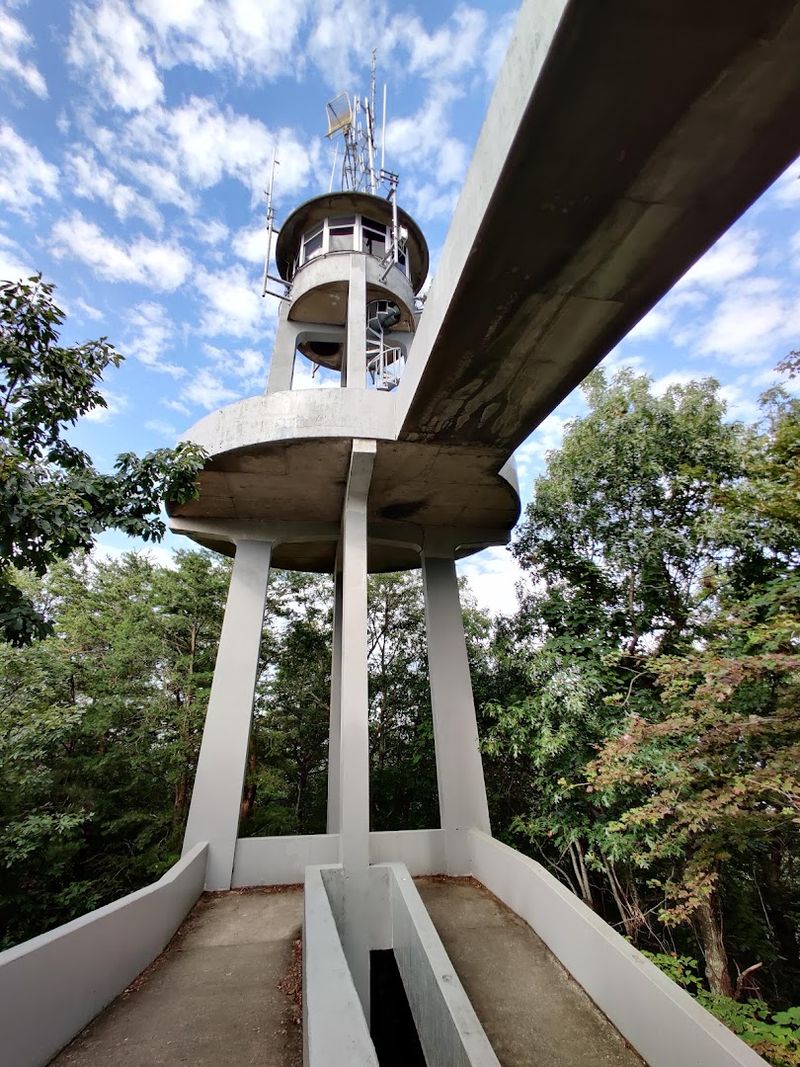
The Foothills Parkway ranks among Tennessee’s most scenic drives, and the section near Look Rock delivers exactly what you’re hoping for—sweeping mountain views without the crowds or commercial development. This National Park Service road winds along ridgetops, offering overlooks where layer after layer of mountains fade into blue distance. Pull-offs appear regularly, so you can stop whenever something catches your eye.
Look Rock provides the parkway’s signature experience. A short trail—about half a mile—leads to an observation tower rising above the tree canopy. The walk climbs steadily but nothing too demanding, taking most people 15 to 20 minutes at a reasonable pace.
Wooden stairs lead up the tower to a platform offering 360-degree views.
From the top, you’ll see why the Smokies earned their name—those famous blue hazes really do make the mountains appear to smoke. On clear days, visibility extends for miles across the Tennessee Valley and into North Carolina. The tower puts you above the surrounding forest, giving perspectives you can’t get from ground level.
Fall brings spectacular color to this area, with the mixed hardwood forests displaying brilliant reds, oranges, and yellows. Spring offers wildflowers along the trail and fresh green emerging on the mountains. Summer can be hazy, reducing visibility but still providing beautiful views. Winter occasionally brings snow, transforming the landscape into something magical but also making roads potentially treacherous.
The parkway itself invites leisurely driving. Speed limits stay low, and the winding road demands attention. Motorcyclists particularly love this route, and you’ll often see groups cruising through on weekends.
Several other overlooks besides Look Rock offer places to stop, each providing slightly different perspectives on the mountains.
Bring water for the tower hike, especially in warm weather. The trail offers little shade, and you’ll feel the climb. Restrooms are available at the parking area.
Cell service can be spotty up here, so don’t count on your phone for navigation. Plan about an hour for the tower hike and some time exploring other overlooks along the parkway.
6. Great Smoky Mountains Heritage Center
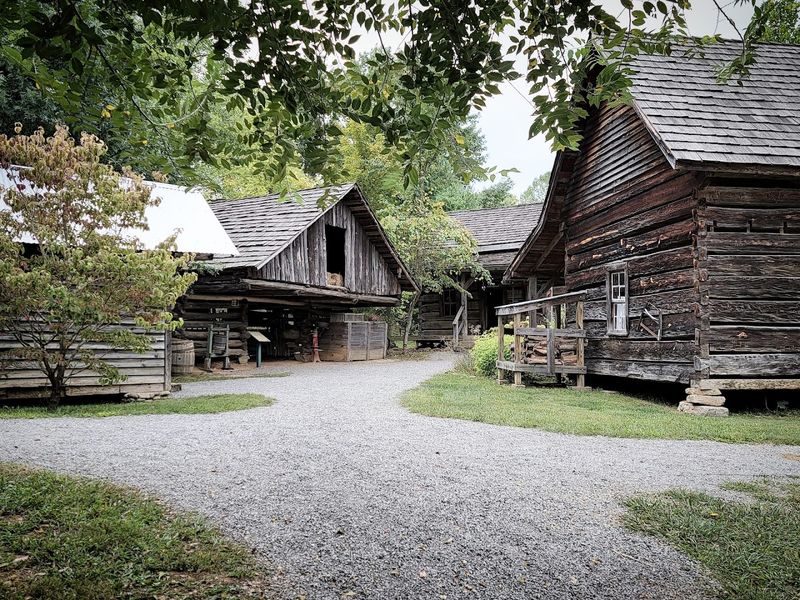
History museums can feel stale and disconnected, but the Great Smoky Mountains Heritage Center does something different—it brings the mountain people’s stories to life through actual buildings, artifacts, and exhibits that show how folks really lived in these hills. Located in Townsend, this site preserves the culture that existed before the national park displaced entire communities in the 1930s.
Historic buildings moved to this site from various locations around the area include a log cabin, barn, and other structures representing 19th-century mountain life. You can walk through these buildings, seeing how families cooked, slept, and survived in isolated mountain coves. The cabin’s small rooms and simple furnishings drive home how hard life was for settlers here.
Inside the main museum building, exhibits cover everything from Cherokee history to the logging industry that once dominated these mountains. Photographs show bustling communities that no longer exist, their residents forced to sell their land when the park was created. These weren’t wealthy people—many lived subsistence lifestyles, growing their own food and making most of what they needed.
The center also explores the cultural traditions that developed in isolation—music, crafts, food preservation techniques, and folk medicine. Demonstrations and special events throughout the year showcase skills like blacksmithing, weaving, and traditional music. Check their calendar before visiting if you’re interested in catching live demonstrations.
A walking trail connects the various buildings and exhibits, making this an outdoor experience as much as an indoor one. Mountain views provide a constant backdrop, reminding you of the landscape that shaped the people whose stories you’re learning. Benches along the path offer rest spots, and the grounds stay well-maintained.
Plan at least an hour here, more if you’re a history enthusiast or want to explore every exhibit thoroughly. Admission fees support the center’s preservation work. A small gift shop sells local crafts and books about mountain history.
This stop adds important context to your Smoky Mountain visit, helping you understand the human history behind these now-wild places.
7. Downtown Townsend
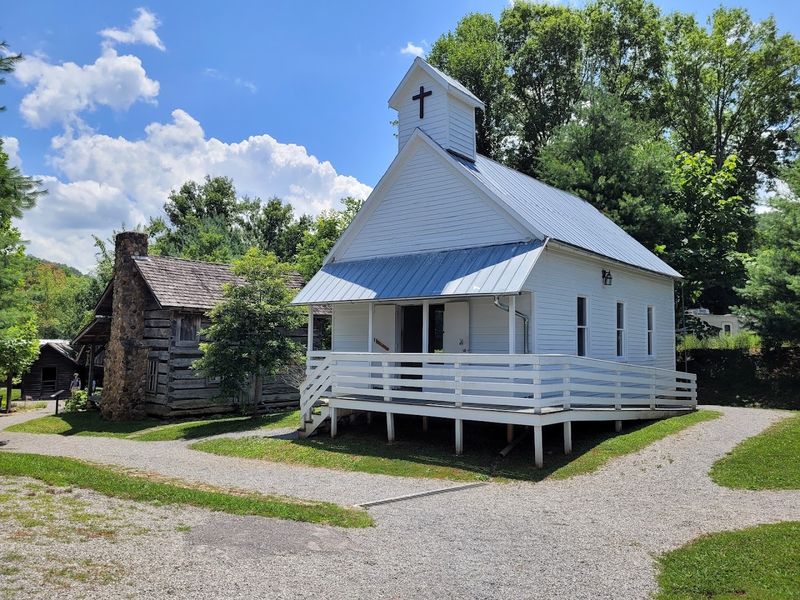
Townsend calls itself the “Peaceful Side of the Smokies,” and that’s not just marketing talk—this little community really does offer a calmer alternative to the neon chaos of Gatlinburg. Downtown consists of maybe a dozen blocks where local restaurants, outfitters, and small shops serve visitors without overwhelming them. The Little River runs right through town, its constant sound providing natural background music.
Several restaurants offer outdoor seating where you can eat while watching the river flow past. Menus tend toward comfort food—burgers, barbecue, trout, and Southern sides. Nothing fancy, but portions are generous and prices reasonable.
You’ll find a few breakfast spots popular with locals getting an early start before heading into the park or to work.
Outfitters rent tubes for floating the river, a popular summer activity when water levels cooperate. Fly fishing guides operate from here, taking clients to productive spots on the Little River and its tributaries. Gift shops sell the usual mountain souvenirs but also feature work from local artists and craftspeople.
The river access points in town let you walk down to the water, wade in, or just sit on rocks watching the current. Kids love throwing stones and searching for salamanders under rocks. The water stays cold year-round, fed by mountain springs higher up.
Bring water shoes if you plan on getting in—the rocks can be slippery.
Townsend serves as a gateway to Cades Cove, so you’ll see cyclists preparing for rides and hikers gearing up for trails. The town has embraced its role as a quieter base camp for Smoky Mountain exploration. Accommodations range from mom-and-pop motels to cabin rentals, generally cheaper than similar options in busier gateway towns.
This makes a perfect lunch stop where you can relax, refuel, and enjoy mountain views without fighting crowds. The pace here encourages lingering—grab a bench by the river, order some ice cream, and just decompress before continuing your road trip.
8. Tuckaleechee Caverns
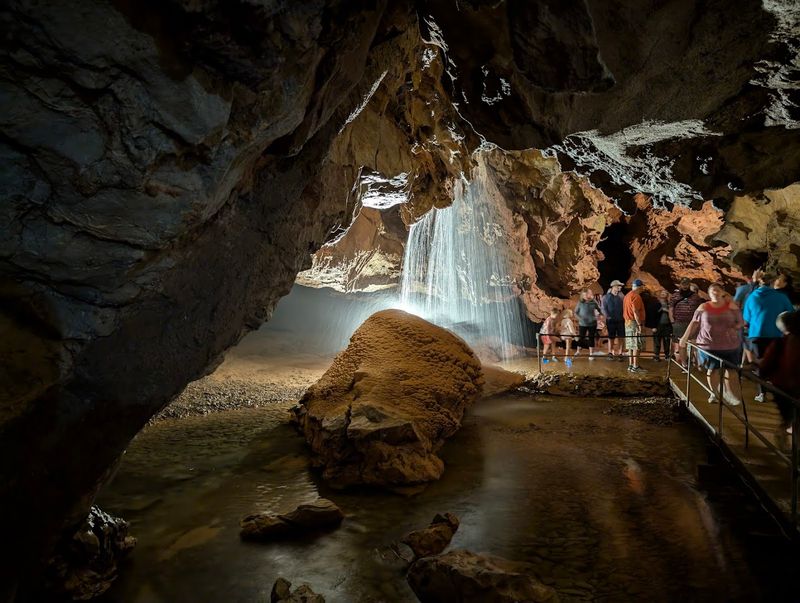
Going underground in the Smokies reveals a completely different world—one where water carved massive rooms through limestone over millions of years, creating formations that look almost impossible. Tuckaleechee Caverns, located just outside Townsend, ranks among the most impressive cave systems in the eastern United States. The Big Room alone measures 400 feet long, and the 210-foot Silver Falls drops dramatically in a chamber that feels like nature’s cathedral.
Guided tours last about an hour, taking you through well-lit passages and rooms where the temperature stays a constant 58 degrees year-round. Bring a jacket even on hot summer days—that coolness feels refreshing at first but gets chilly during the tour. Comfortable walking shoes are essential; the path includes some stairs and uneven surfaces, though it’s paved and manageable for most fitness levels.
The formations here developed over millions of years, with water depositing minerals one tiny layer at a time. Stalactites hang from ceilings like stone icicles, while stalagmites grow up from the floor. Some have joined together, forming columns.
Your guide will point out formations resembling various objects—use your imagination and you’ll see why they earned names like the Frozen Waterfall and the Totem Pole.
Silver Falls provides the tour’s dramatic climax—an underground waterfall plunging into a clear pool below. The sound echoes through the chamber, and mist fills the air. The lighting enhances the scene, though even without it, the falls would impress.
Cherokee people knew about these caverns long before European settlers arrived, using them for shelter and considering them spiritually significant. The caves opened commercially in the 1950s, and the family that owns them has worked to preserve the formations while making them accessible to visitors. They’ve resisted the temptation to over-develop or commercialize excessively.
Photography is allowed, though getting good shots in cave lighting can be tricky. The tour moves at a steady pace, so you won’t have unlimited time at each formation. Tours run regularly throughout the day during peak season, less frequently in winter.
9. Cades Cove Loop Road
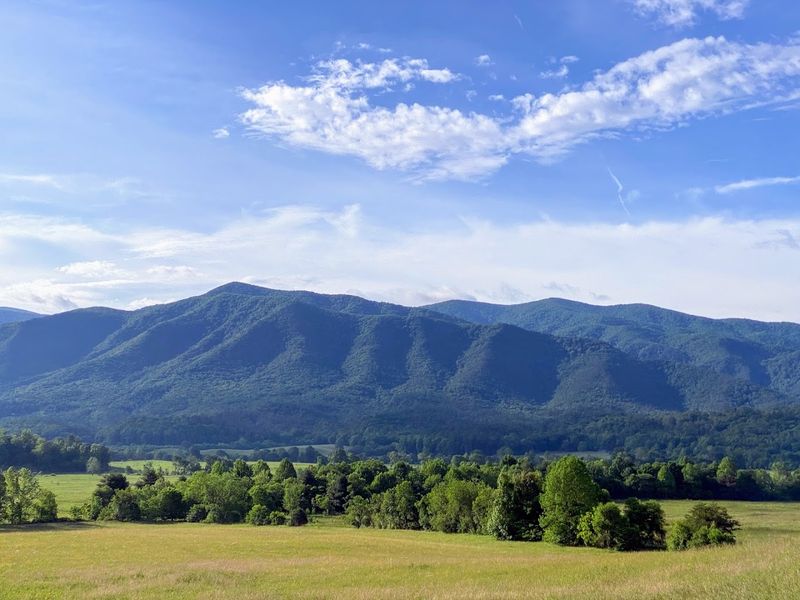
Saving the best for last, Cades Cove delivers everything that makes the Smokies special—wildlife, history, mountain scenery, and a sense of what this place looked like before development. The 11-mile one-way loop road circles a broad valley where settlers built a thriving community in the 1800s. Their cabins, churches, and barns still stand, preserved by the National Park Service after the land was purchased for the park.
Start early if possible—dawn brings out wildlife and avoids the crowds that can turn the loop into a slow-motion parking lot. White-tailed deer graze in the fields, often in large groups. Wild turkeys strut across the road, and black bears occasionally wander through, especially in spring and fall.
Coyotes, groundhogs, and various birds add to the wildlife watching opportunities.
Several historic structures invite you to park and explore. The primitive Baptist church, with its simple wooden pews and hand-hewn beams, hosted congregations for generations. Log cabins show how families lived, some with separate buildings for kitchens to keep fire risk and heat away from main living quarters.
The working grist mill still grinds corn on certain days, using water power just as it did 150 years ago.
Mountain views surround the cove, with peaks rising on all sides. Morning fog often fills the valley, burning off as the sun climbs higher. Fall color transforms the mountains into a patchwork of reds, oranges, and yellows.
Spring brings wildflowers to the meadows and forests. Each season offers different reasons to visit.
The loop allows you to go at your own pace—pull over at any of numerous parking areas to explore structures or trails. Some visitors complete the loop in two hours; others spend an entire day here. Bicycles are allowed and actually provide a better way to experience the cove, especially on Wednesday and Saturday mornings when the road is closed to motor vehicles until 10 a.m.
Bring snacks and water—no facilities exist along the loop itself. Restrooms are available at the entrance area. Cell service is nonexistent in the cove, so plan accordingly.
This final stop captures everything your Blount County road trip has been building toward—natural beauty, authentic history, and the peaceful character that makes this part of Tennessee worth exploring.
Share this story