Sweet traditions can say a lot about Michigan, especially when they have been passed from bakery cases, diner counters, candy shops, and cider mills for generations. Across the state, desserts tied to local fruit, old-school soda fountain fun, immigrant kitchens, and family celebrations still bring people back for another bite.
These treats matter because they hold more than sugar; they carry memory, place, comfort, and the everyday joy of stopping for something special. Each one tells a small piece of Michigan’s food story in a way that feels familiar and delicious.
For anyone with a sweet tooth and a love of local tradition, these desserts are worth remembering.
1. Mackinac Island Fudge
Few Michigan sweets have a reputation as big as Mackinac Island fudge. Even people who have never stepped onto the island usually know the name, and once a fresh slice lands in hand, the reason becomes pretty obvious.
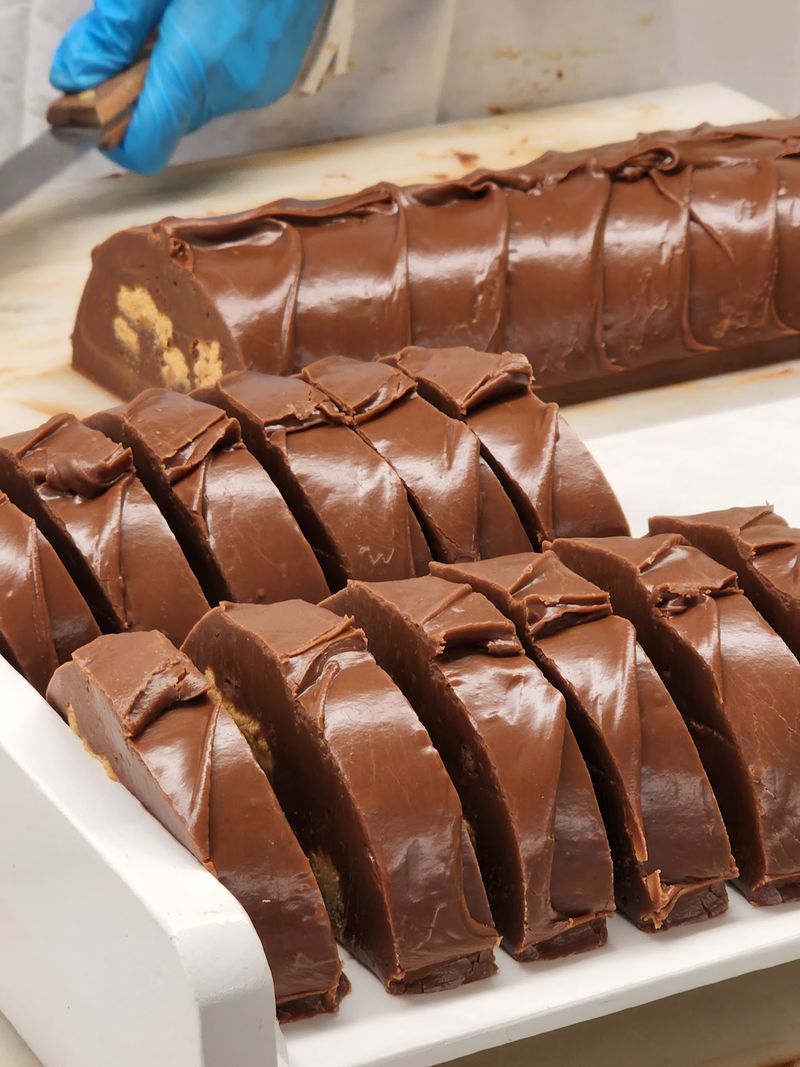
The first thing most people notice is the texture. Good fudge from Mackinac Island is dense, smooth, and rich, with a clean slice that looks almost too neat to disturb.
Shops often turn the making process into part of the experience. Watching warm fudge spread across a marble slab and get worked into shape adds a little theater, and that old-fashioned style fits the island perfectly.
Classic chocolate is always a safe place to start, but maple, peanut butter, vanilla, and chocolate walnut help show why fudge became more than a souvenir. Different flavors can taste deeper or sweeter depending on the shop, so comparing a few is part of the fun.
Because fudge is so rich, small pieces usually work better than giant chunks. Sharing a box with family or friends makes it easier to sample more than one kind without getting tired of the sugar.
Storage matters too. Keeping fudge wrapped well helps it stay soft, and letting it sit at room temperature for a bit before eating can bring back its creamy bite.
For readers planning a Michigan dessert trip, fudge belongs near the top because it mixes taste, place, and tradition in one package. It suits tourists, sure, but it also reflects a style of candy-making that still has real staying power.
That staying power is the whole point here. Mackinac Island fudge remains popular not because it chases trends, but because a well-made square still delivers exactly what people want: bold sweetness, old-school craft, and a treat that turns a simple walk into dessert time.
2. Superman Ice Cream
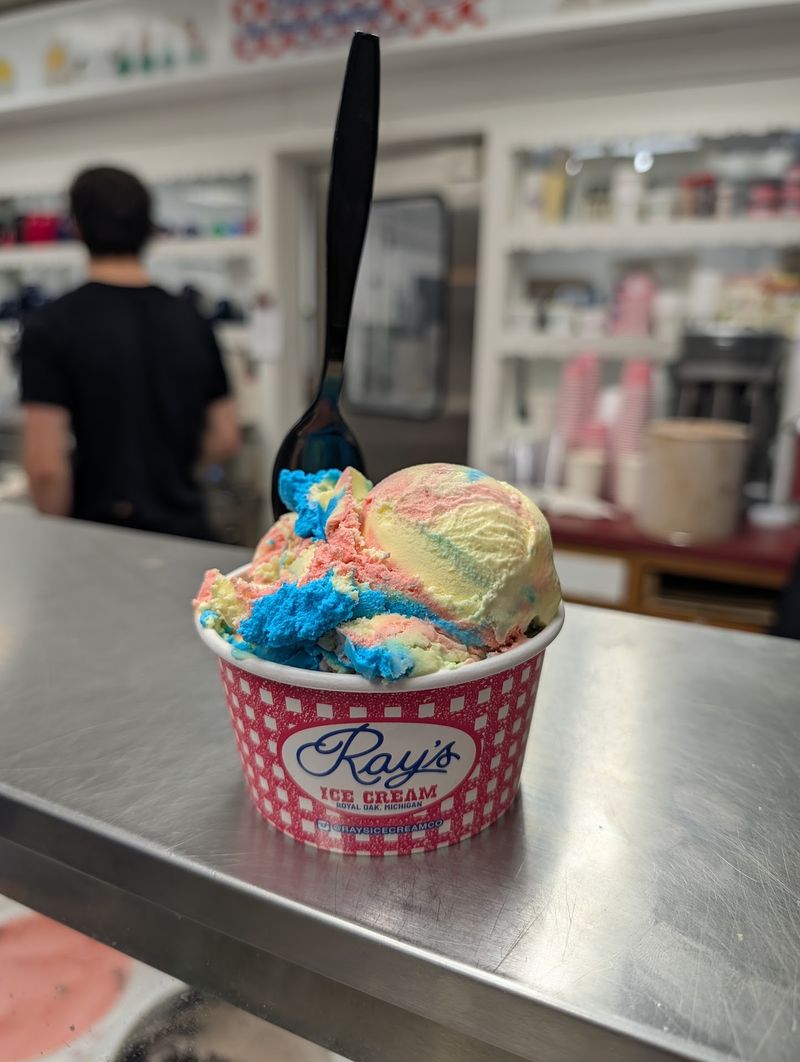
Bright blue, red, and yellow make Superman ice cream impossible to ignore. Long before flashy food colors took over social media, this Michigan favorite was already turning freezer cases into the most exciting spot in the room.
Kids usually spot it first, but plenty of adults still order it without hesitation. Part of the appeal is simple: it looks fun, and dessert does not always need a serious backstory to earn a loyal following.
Flavor can change a little from one shop to another, which is part of its local charm. Some versions lean toward fruity notes, while others bring in vanilla or bubblegum-style sweetness, so no single scoop defines the whole category.
That variation makes Superman ice cream a good dessert for curious eaters. Trying it at different Michigan shops can turn a regular summer stop into a mini taste test.
Serving size matters with a flavor this sweet and colorful. A single scoop often gives plenty of the experience, especially for younger kids or anyone pairing it with a cone that already adds extra sugar.
Texture also plays a role. When the ice cream is served at the right softness, each stripe melts together just enough to create a creamy, mixed bite instead of three separate blasts of flavor.
There is also a nostalgia factor that helps keep it alive. Many Michigan families connect Superman ice cream with lake days, Little League stops, school break treats, and neighborhood ice cream counters.
For a dessert list centered on tradition, this one earns its place because it stayed playful without becoming dated. Superman ice cream still works for modern tastes, but it also carries that cheerful, old-shop energy that makes Michigan dessert culture stand out.
One glance at the colors, and the whole thing already feels like summer moving toward the first bite.
3. The Cherry Hut’s Cherry Pie (Beulah)
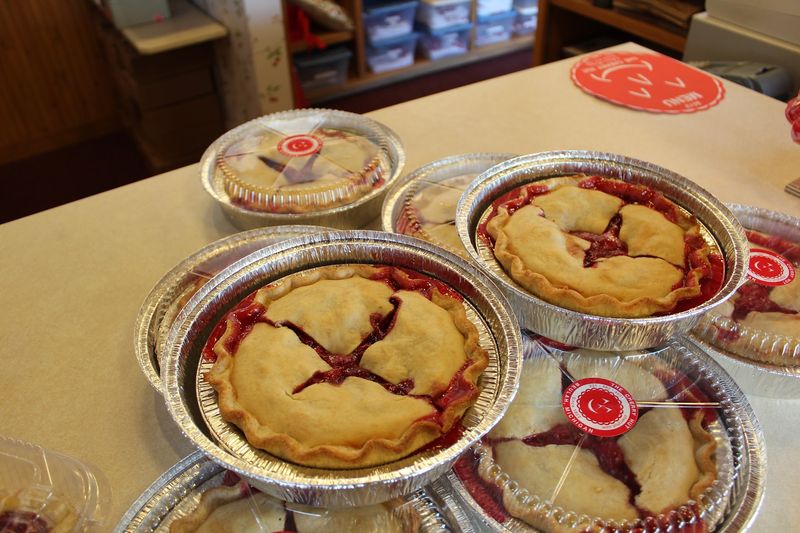
Roadside pie has a special kind of pull, and The Cherry Hut in Beulah built a strong name around that idea. In a state closely tied to cherries, a well-made slice here taps into a local food tradition that many visitors actively look for.
The star, of course, is the filling. A good cherry pie needs enough fruit to taste bright and full, but not so much liquid that the slice collapses as soon as it leaves the pan.
Balance is everything. Sweetness should support the cherries instead of flattening them, and the crust has to bring structure, color, and a little buttery contrast.
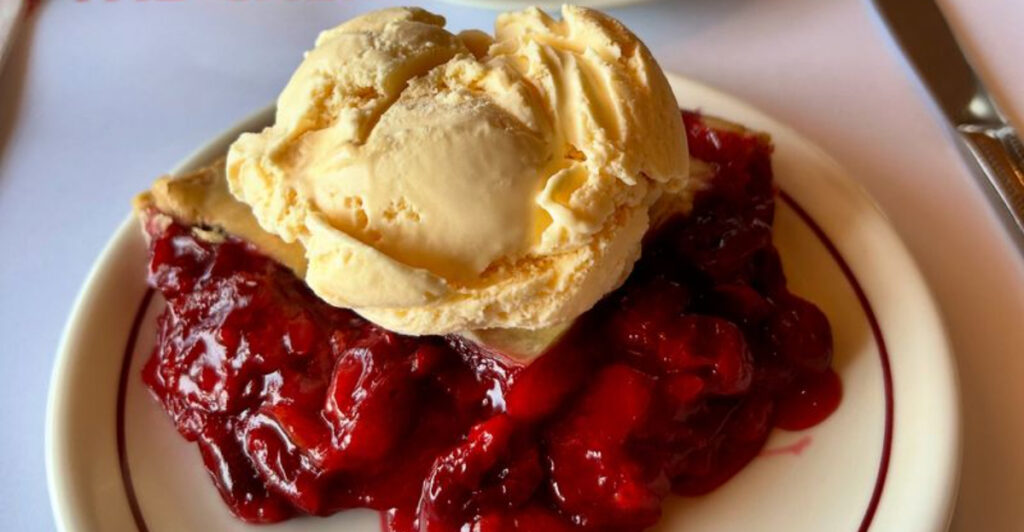
Cherry pie from a place with this kind of long-time recognition often works best when kept simple. A plain slice lets the fruit lead, while a scoop of vanilla ice cream can cool the tartness and soften the edges if someone wants a more classic diner-style finish.
Readers thinking about how to enjoy it should pay attention to timing. Pie served slightly warm can bring out more aroma in the fruit, while room temperature slices often show the texture of the filling more clearly.
Beulah also matters here. Northern Michigan cherry country gives this dessert a strong sense of place, and that local connection adds to the experience without needing a lot of extra decoration.
For families, cherry pie is an easy shareable order. One pie can please people across different age groups, which may explain why it remains a dependable choice on dessert menus and holiday tables.
Most food trends move fast, then fade. A cherry pie linked to a long-running Michigan stop endures for a simpler reason: flaky crust, familiar fruit, and the pleasure of eating a slice that tastes tied to the land around it.
That is a hard formula to beat, whether someone grew up in the state or is only passing through for the weekend.
4. Sanders Hot Fudge Cream Puff
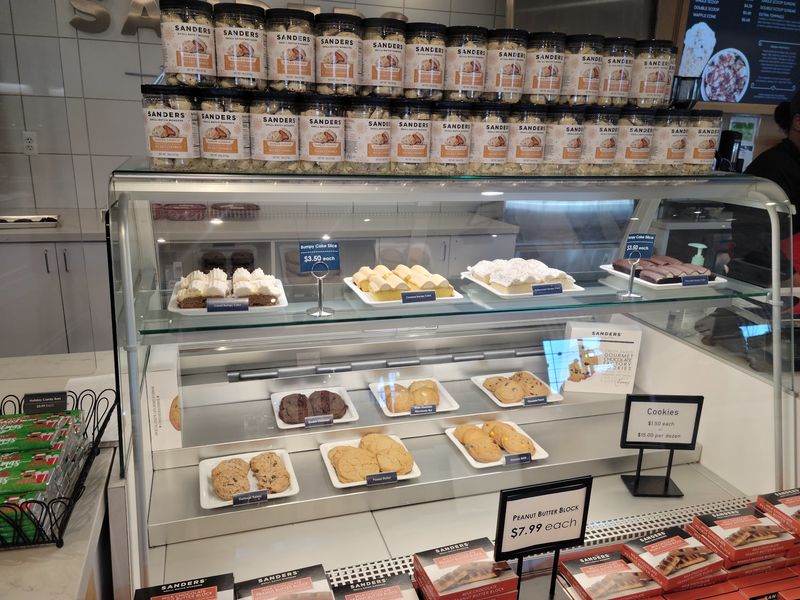
Some desserts know exactly how dramatic to be, and the Sanders Hot Fudge Cream Puff lands in that sweet spot. It is old-school, a little fancy, and still easy to understand at first glance: pastry, filling, fudge, and a very happy spoon.
The shell matters more than people sometimes expect. It needs enough structure to hold up under the topping, while staying light enough to keep the dessert from becoming heavy too quickly.
Then comes the contrast that makes the whole thing work. Cool filling against warm hot fudge creates the kind of temperature mix that turns a simple bite into a memorable one.
Sanders has long been linked with chocolate desserts in Michigan, so this cream puff fits naturally into that legacy. The hot fudge should taste deep and smooth rather than thin or overly sugary, because the sauce is doing a lot of the lifting.
Eating it right away is the best move. Once the fudge settles and the pastry softens too much, the texture changes, so this is one dessert that rewards quick attention.
It also helps to treat it as a sit-down dessert instead of a rushed add-on. A cream puff covered in hot fudge is built for forks, napkins, and a few extra minutes at the table.
Sharing can work well here too, especially after a full meal. The richness adds up fast, and splitting one lets more people enjoy the contrast between the pastry, the cream, and the sauce without feeling overloaded.
Michigan dessert traditions include fruit pies and bakery staples, but soda fountain style sweets deserve space too. The Sanders Hot Fudge Cream Puff stays relevant because it delivers that classic restaurant-dessert energy with confidence.
No trick, no gimmick, no reinvention needed. Just a strong pastry base, generous fudge, and the reminder that some of the best treats are the ones that never tried to become minimal or modern in the first place.
5. Apple Cider Donuts From Michigan Cider Mills
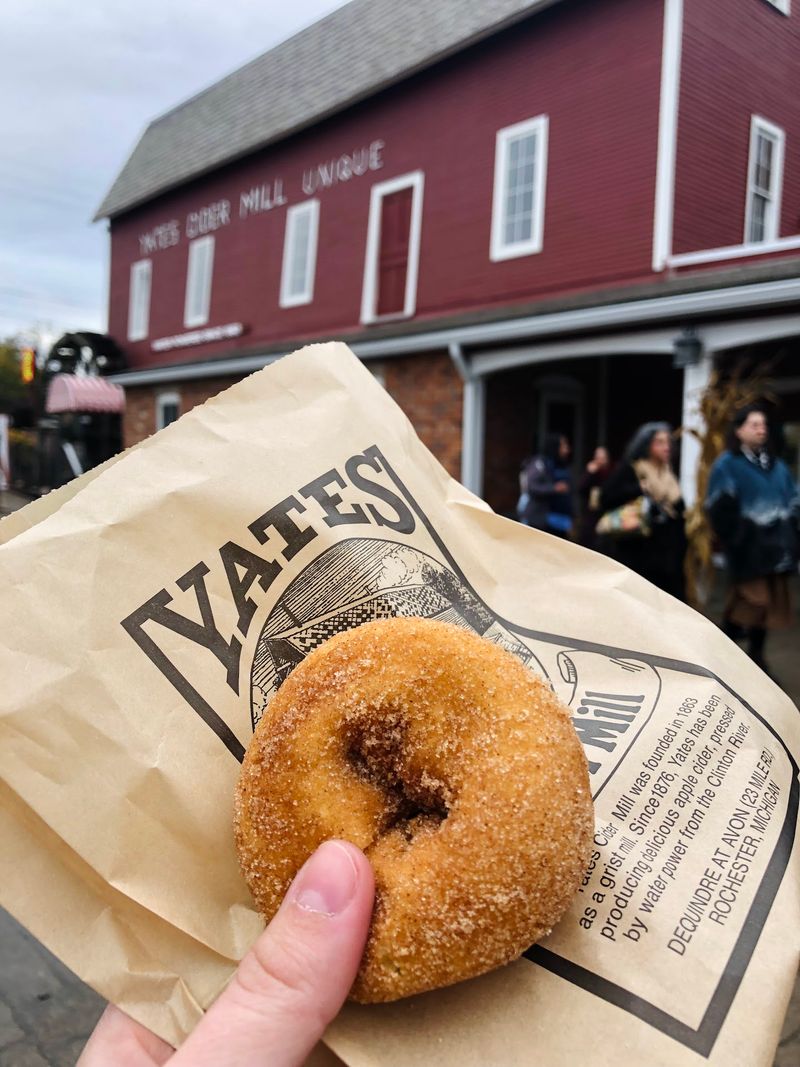
Autumn in Michigan has a smell, and apple cider donuts are a big part of it. Warm dough, cinnamon sugar, pressed cider, and cool air around an orchard create the kind of snack memory that sticks for years.
Cider mill donuts do not need fancy toppings to stand out. Their power comes from timing, because a fresh donut eaten while still warm is a very different experience from one that sat in a box all afternoon.
The best versions usually strike a nice middle ground. They are soft inside, lightly crisp outside, and seasoned enough to taste special without burying the apple notes under too much sugar.
Michigan cider mills help turn the donut into more than a bakery item. Families often pair a visit with hayrides, pumpkin picking, or simple weekend drives, so the dessert becomes woven into seasonal routine.
A smart way to enjoy them is to buy a small batch first and eat one right away. That quick first taste tells plenty about freshness, texture, and whether another bag should head home in the car.
Pairing matters too. Cold or warm cider beside a donut can sharpen the apple flavor and make the whole snack feel complete, while coffee works well for adults who want a slightly less sweet match.
At home, reheating briefly can help restore some softness, though nothing really beats the just-made version. A quick warm-up in a low oven usually works better than letting them turn rubbery in a microwave.
Plenty of trendy donuts come loaded with cereal pieces, candy bars, or wild icing colors. Michigan cider mill donuts survive all that noise by staying focused on basics done well.
They are seasonal, familiar, and easy to share. More important, they connect dessert to orchards, harvest time, and simple weekend traditions that continue across generations.
One bite often says fall more clearly than any decoration on the porch ever could, and that is why they remain a Michigan staple year after year.
6. Donckers Chocolates And Caramels (Marquette)
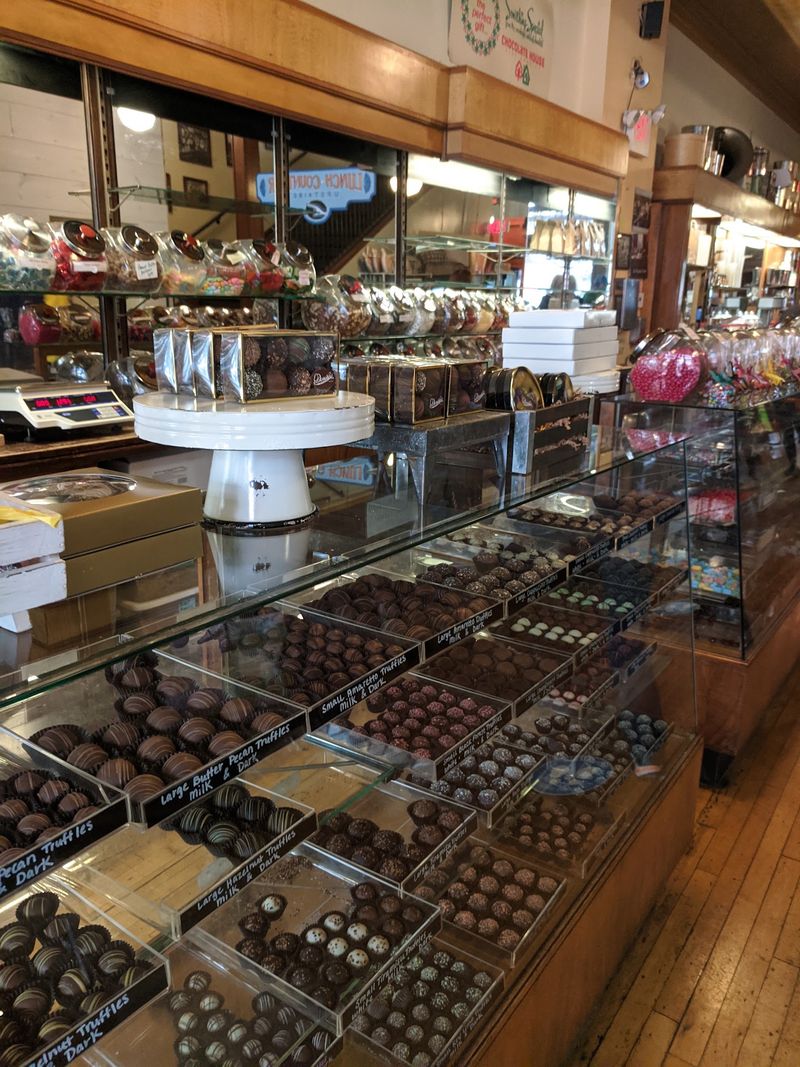
Boxed candy can say a lot about a place, especially when it comes from a shop with deep community roots. Donckers in Marquette brings that old confectionery spirit forward with chocolates and caramels that still fit naturally into modern gift giving and everyday snacking.
Unlike desserts that demand a plate and fork, chocolates and caramels work in smaller moments. One piece after dinner, a few shared during a visit, or a mixed box brought home from a trip can stretch the experience over time.
Caramels tend to win people over through texture. A good one should feel chewy without fighting back too hard, and the flavor should lean buttery and deep rather than tasting flat or overly sweet.
Chocolates add variety. Dark, milk, and filled pieces give shoppers a chance to build a box that suits different tastes, which is one reason candy shops remain useful even in a world packed with packaged sweets from big stores.
Location gives Donckers extra character. Marquette, with its Upper Peninsula setting, makes a candy stop feel distinct from the downstate dessert trail and broadens the picture of what Michigan tradition looks like.
For anyone choosing a box, mixing textures is a smart move. A few soft caramels, a couple nut-filled pieces, and some plain chocolate selections create better balance than loading up on one style alone.
Storage helps here as well. Candy usually shows its best texture when kept cool and dry, and many pieces taste better when they are not ice-cold straight from the refrigerator.
Chocolates and caramels may seem quieter than pie or ice cream, yet their staying power is easy to understand. They travel well, share well, and suit holidays, birthdays, road trips, and ordinary afternoons.
Donckers earns a place on this list because classic confection-making still matters in Michigan, and a carefully chosen candy box can tell a local food story one bite at a time, without needing a giant slice or towering sundae to do it.
7. Boston Cooler With Vernors
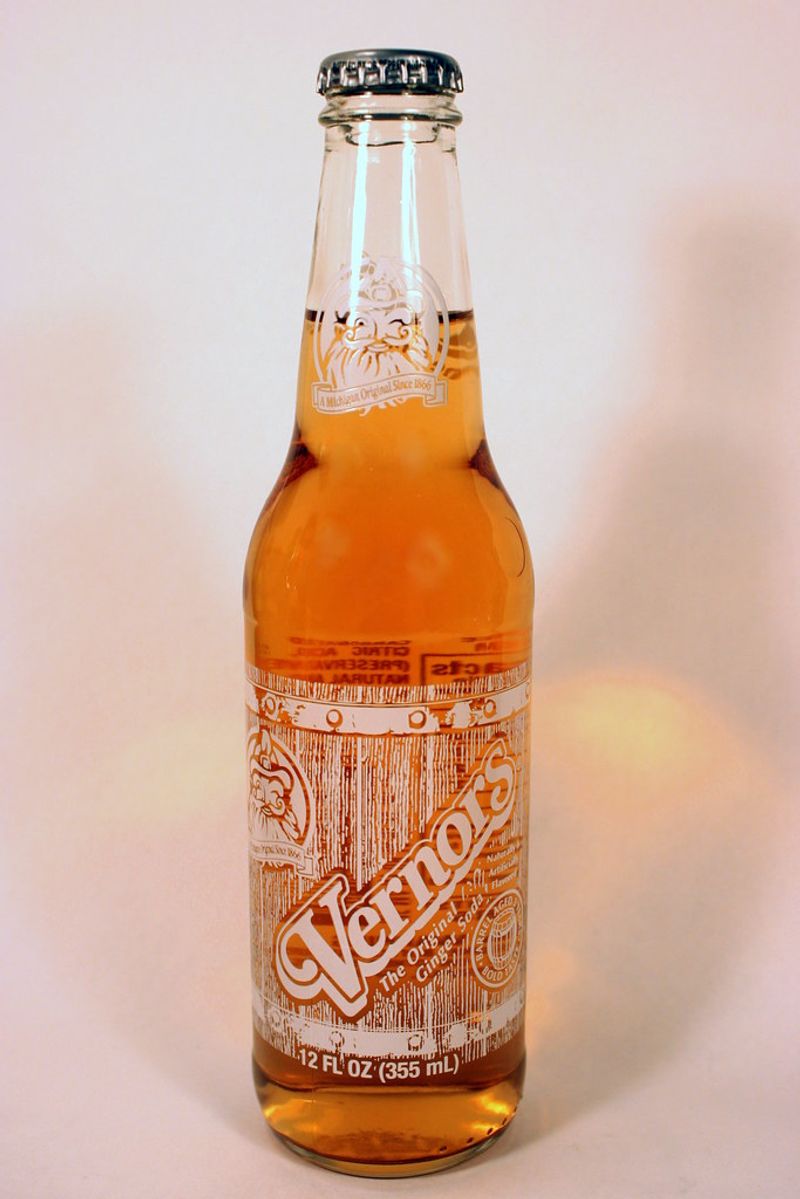
A dessert drink with a funny name and a Michigan soda connection has no trouble standing out. The Boston Cooler, usually made with Vernors and vanilla ice cream, sits somewhere between float, milkshake, and regional legend.
The first sip explains why people stay loyal to it. Vernors brings ginger flavor and a soft spicy edge, while vanilla ice cream smooths everything into a creamy, fizzy blend that tastes lighter than a heavy shake.
Because Vernors is such a familiar Michigan name, the drink carries strong local identity. Even readers who did not grow up with it can appreciate how a simple soda-and-ice-cream combo became part of the state’s dessert vocabulary.
Texture matters more than people may expect. A good Boston Cooler should be blended enough to feel creamy, but not so much that it loses the lively sparkle that makes it different from plain ice cream drinks.
Serving it very cold is key. The drink works best before the foam settles too much, when the top still has that fresh float look and the straw pulls up both liquid and soft ice cream together.
At home, keeping the ingredient list short usually gives better results. Good vanilla ice cream and cold Vernors do plenty without needing syrups or extra flavoring.
There is also an appealing old-counter vibe to the whole idea. It sounds like the kind of thing a soda fountain would hand across the bar on a summer afternoon, and that mental picture helps explain its long life.
Not every tradition has to arrive in pie form. The Boston Cooler proves Michigan dessert culture also includes beverages that blur the line between drink and treat.
Its staying power comes from being easy to make, easy to recognize, and pleasantly different from the usual root beer float. Vernors gives it local attitude, vanilla keeps it friendly, and together they create a classic that still deserves space on any serious list of Michigan sweets and old favorites.
8. Zehnder’s Butterhorns (Frankenmuth)
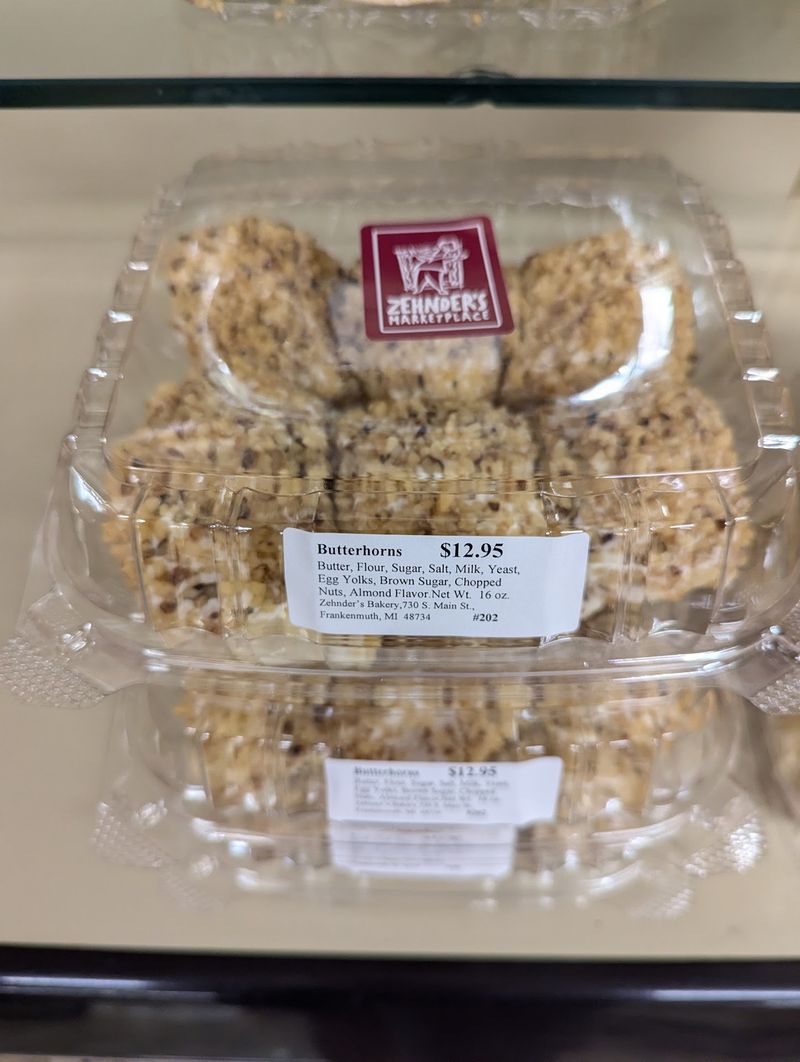
Not every lasting dessert needs frosting piled to the sky. Zehnder’s Butterhorns in Frankenmuth show how a softer, bakery-style sweet can hold attention through texture, shape, and steady old-fashioned appeal.
At a glance, a butterhorn may look modest compared with flashier pastries. Then the layers come apart, the buttery aroma shows up, and suddenly the quiet one at the table has everybody reaching for another bite.
Good butterhorns depend on balance. The pastry should taste rich without becoming greasy, and any glaze or sweetness should support the bread-like structure instead of turning it into sticky candy.
Frankenmuth gives this dessert extra context. The town’s strong connection to German-style food traditions makes a bakery item like this fit naturally into the wider local eating experience.
Butterhorns work especially well for readers who do not want a huge dessert after a heavy meal. One can land somewhere between breakfast pastry and dessert course, which makes it flexible enough for different times of day.
They also pair nicely with coffee or tea. A warm drink can bring out the butter notes and help the pastry feel more complete without adding extra sweetness.
Freshness matters here in a big way. The best butterhorns have a tender pull and light exterior, while older ones can lose the softness that gives them their charm.
For families or groups, pastries like this are easy to share and easy to pack. That might sound practical rather than exciting, but practical desserts often last the longest because they fit real life so well.
Zehnder’s Butterhorns belong on a Michigan tradition list because they represent a bakery standard that never needed reinvention. They are familiar, satisfying, and tied to a town known for preserving a distinct food identity.
In a dessert world full of oversized treats, butterhorns remind readers that restraint can still be memorable. A flaky, buttery pastry with a touch of sweetness may not shout for attention, but it has held onto it for a very long time.
9. Traverse City Montmorency Cherry Pie
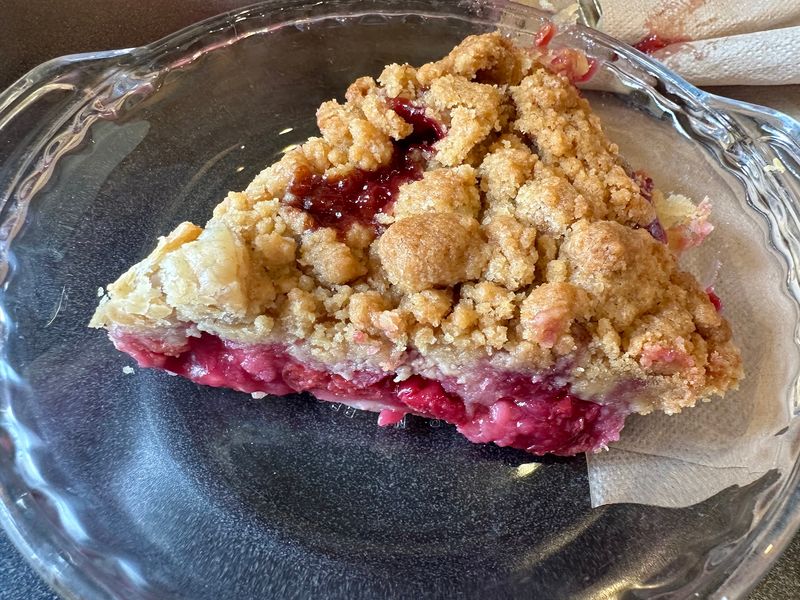
Traverse City and cherries go together so strongly that pie almost becomes the natural final step. When Montmorency cherries are involved, the dessert gets that bright tart edge that helps it stand apart from sweeter fruit pies.
Tart cherries bring more snap to the flavor. That means a good pie can taste lively and fruity without becoming sugary in a way that wipes out the fruit itself.
The crust has an important job here. Since Montmorency filling can be juicy, the bottom needs enough strength to hold the slice together, while the top should add crispness and color.
Readers comparing this pie with other cherry versions may notice a slightly sharper taste profile. That difference is exactly why many cherry fans seek it out, especially when they want a dessert with more contrast and less candy-like sweetness.
A scoop of vanilla ice cream works well, but it is not required. The pie has enough personality to carry a plate on its own, particularly when the filling is well balanced and the cherries remain the clear focus.
Traverse City adds real weight to the tradition. The region’s long tie to cherry growing helps turn the pie into a local symbol as much as a dessert, which is part of its staying power.
For home bakers inspired by this style, restraint is useful. Too much thickener can make the filling gummy, while too much sugar can blur the tart note that makes Montmorency cherries special in the first place.
On a broader Michigan dessert map, this pie represents the fruit side of the state at its strongest. It connects land, harvest, and baking in one familiar form.
People order it at restaurants, serve it at gatherings, and search it out during northern Michigan trips because the combination still works beautifully. When a dessert can be both region-specific and broadly loved, it tends to stay relevant, and Traverse City Montmorency cherry pie has been proving that point for a long time.
10. Hamtramck-Style Pączki
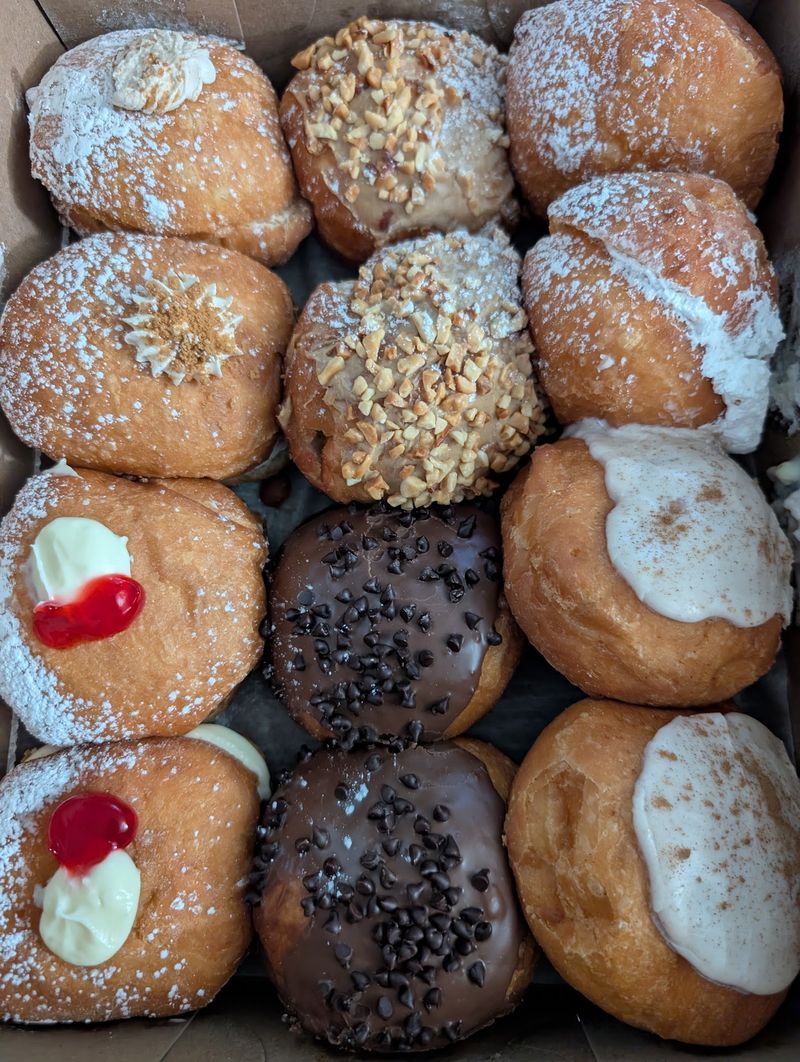
Once pączki season hits Hamtramck, bakery cases become serious business. These rich Polish pastries are tied to celebration, community, and the kind of dessert tradition that shows how immigrant foodways can shape an entire city’s identity.
A proper pączki is more than a filled donut. The dough is usually richer, the texture more substantial, and the filling plays a bigger role in the final bite.
Common fillings can include fruit jams, custards, or other sweet centers, and each bakery may handle sweetness, glaze, and finishing touches a little differently. That makes comparison part of the local culture, especially when families have strong opinions about which shop gets the balance right.
Freshness matters a lot. A good pączki should feel soft and full without turning oily or heavy, and the filling should reach enough of the pastry that every bite tastes complete.
Hamtramck’s deep Polish roots give the dessert a strong home base in Michigan. Even people who only seek them out once a year often treat that annual bakery run as a tradition that would be strange to skip.
Because pączki are rich, they work best when eaten with intention rather than on autopilot. One pastry and a cup of coffee can be more satisfying than grabbing several at once and missing the details.
For first-timers, starting with a classic fruit filling is a smart move. It gives a clear sense of how the dough, sugar, and center are supposed to play together before moving on to more unusual options.
Hamtramck-style pączki earn a place on this list because they connect dessert to culture in a very direct way. They are festive, filling, and deeply rooted in local bakery life.
Trends in donuts come and go, but pączki continue to matter because they carry timing, place, and tradition all at once. A pastry that can do that while still tasting excellent has no trouble staying in the Michigan dessert conversation year after year.
11. Legs Inn Carrot Cake And Polish Berry Szarlotka (Cross Village)
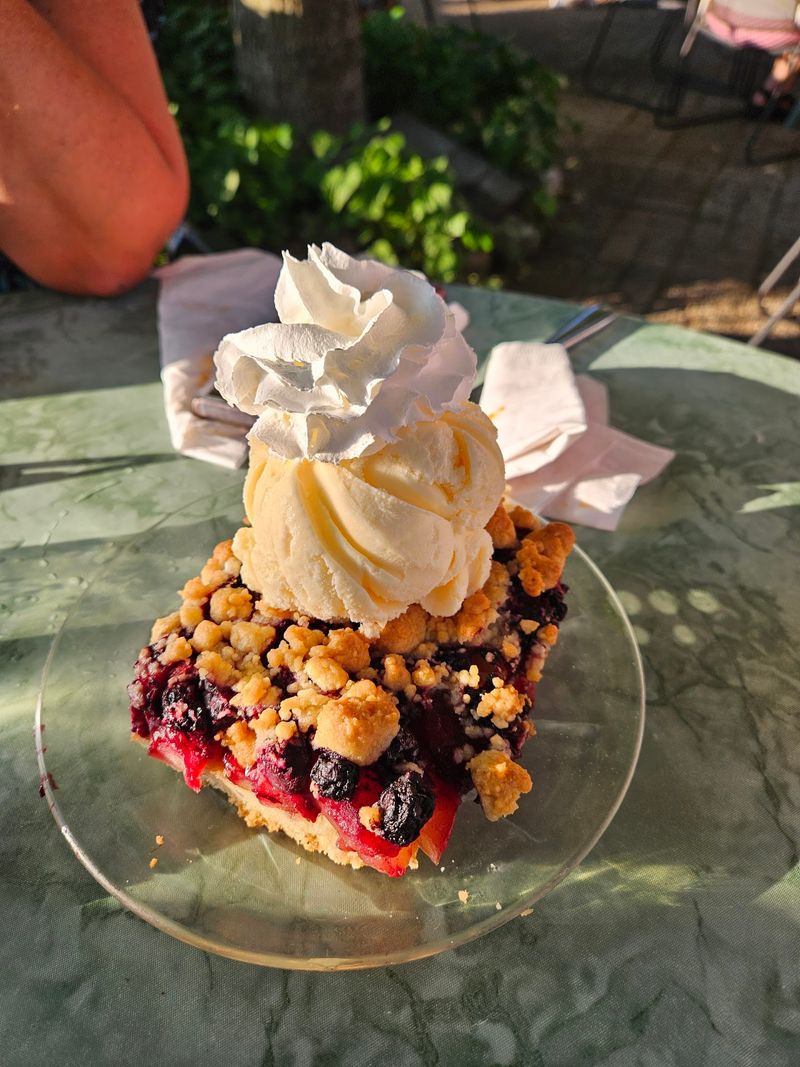
Some places earn their dessert reputation by giving diners more than one reason to save room. Legs Inn in Cross Village does that with carrot cake and Polish berry szarlotka, a pairing that reflects both familiar American comfort and strong Polish influence.
Carrot cake wins on texture when it is done well. The crumb should stay moist and tender, with enough spice to be interesting but not so much that it tastes like a candle aisle in December.
Cream cheese frosting usually seals the deal. Tangy frosting can keep the sweetness in check, especially when the cake itself already carries sugar, spice, and whatever mix-ins the kitchen prefers.
Then there is the szarlotka, which brings a different mood to the table. A berry version offers fruit brightness and a pastry base that feels more old-world than flashy, making it a nice contrast to the richer carrot cake.
Cross Village adds to the appeal because the location helps turn dessert into part of a memorable stop, not just the final course. Still, the sweets need to stand on their own, and variety is what helps here.
Choosing between the two depends on appetite. Carrot cake suits diners who want creamier, denser comfort, while berry szarlotka works well for those leaning toward fruit and pastry instead of frosting.
Sharing both is the smartest move if possible. Side-by-side tasting lets the table compare spice against fruit and frosting against pastry, which makes the dessert course more interesting without becoming complicated.
On a Michigan tradition list, this pairing matters because it shows how regional dessert culture is shaped by many influences at once. Carrot cake brings broad crowd appeal, while Polish berry szarlotka highlights a European baking thread that still has a place in the state’s food story.
Together, they capture range, personality, and the kind of menu memory that stays sharp long after the plates are cleared. That combination helps explain why both still get attention from diners heading through northern Michigan.
12. Sanders Bumpy Cake
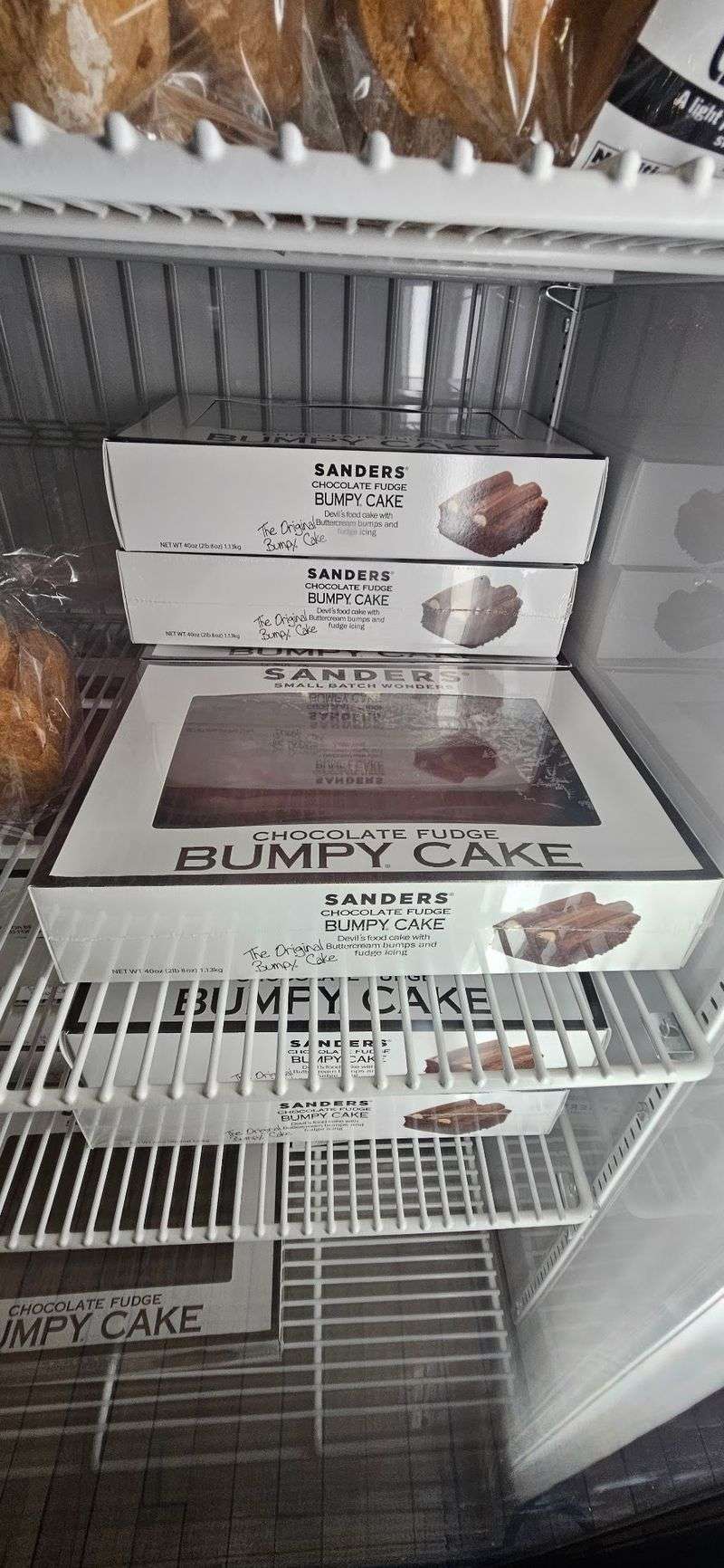
One look at Sanders Bumpy Cake and the name explains itself. Those raised lines of buttercream under a smooth chocolate coating give the cake a shape that is instantly recognizable to many Michigan dessert fans.
The visual design is fun, but the structure is also practical. Each slice delivers alternating bites of cake, frosting, and chocolate topping, so the dessert never turns into one flat texture.
Chocolate plays the lead role here, though the buttercream bumps keep the cake from feeling too straightforward. They add sweetness and softness in a more controlled way than a fully frosted layer cake might.
Bumpy Cake works well for birthdays, family gatherings, and potluck tables because it looks special without asking anyone to learn new dessert rules. It is familiar enough for kids, but distinctive enough for adults who grew up seeing it at celebrations.
Serving size matters. Rich chocolate icing and buttercream can stack up quickly, so smaller slices often make more sense than oversized bakery wedges.
Temperature affects the texture too. Slightly cool cake can keep the icing neat, while letting it sit out for a short time may soften the buttercream and make the contrast inside the slice more noticeable.
Sanders gives the cake an extra Michigan connection, especially for readers who associate the brand with old-time sweets and local dessert history. That connection helps Bumpy Cake stay more than just a novelty shape.
In a world packed with towering cakes and overloaded cupcakes, Bumpy Cake remains sharp because its identity is so clear. Chocolate cake, rows of buttercream, and a finished chocolate layer make a simple but memorable formula.
It is playful without being silly, and classic without fading into the background. Plenty of desserts become popular for a season, then disappear.
Sanders Bumpy Cake has lasted because people can spot it, describe it, and enjoy it with almost no explanation, which is a strong sign of a tradition that still has real life left in it.
13. Michigan Blueberry Buckle
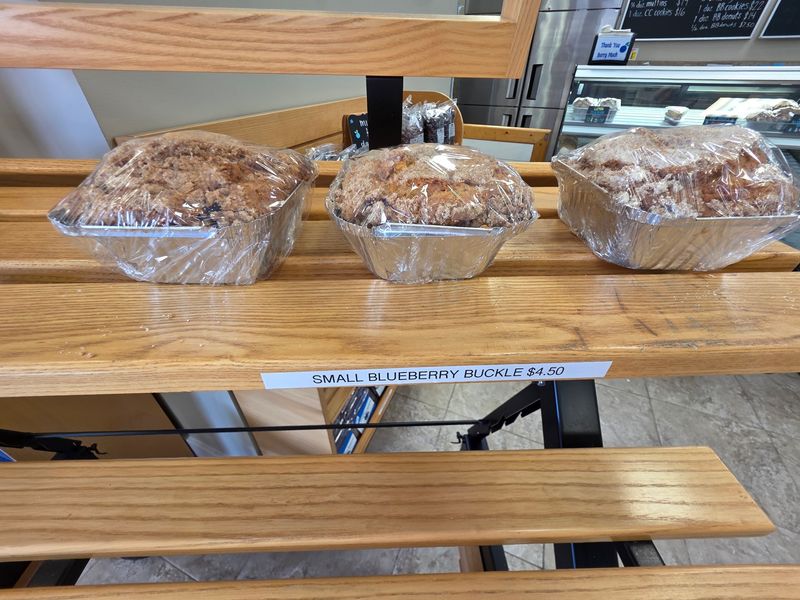
Blueberry buckle does not always get the same attention as pie, but it deserves a stronger spotlight. Somewhere between cake and fruit dessert, it captures the kind of home-baked Michigan sweetness that works beautifully during berry season.
The name may sound old-fashioned, and that is part of the charm. A buckle usually features tender cake, lots of blueberries, and a topping that can crack or sink slightly as the fruit bakes into the batter.
That baked-in fruit is the key difference from frosted cakes or crisp-style desserts. Each spoonful or slice blends soft crumb with juicy berries, making the whole dish feel relaxed and practical instead of polished for show.
Michigan blueberries give it local weight. The state’s berry harvest helps support desserts that rely on fresh fruit flavor rather than heavy sauces or dramatic decoration.
Blueberry buckle can work at more than one time of day. It fits breakfast tables, brunch spreads, and dessert plates, which may explain why recipes like this survive so well in family kitchens.
A little whipped cream or vanilla ice cream can dress it up, but plain servings are often best. The berries already provide plenty of character, and too many extras can distract from the balance between fruit and cake.
For bakers, keeping the batter tender matters. Overmixing can make the cake part dense, which takes away from the easy, comforting texture that buckle should have.
This dessert also travels well from pan to picnic table, which gives it a practical edge. Not every classic needs a perfect slice or neat crust to earn respect.
Michigan Blueberry Buckle belongs on this list because it reflects everyday baking rather than restaurant spectacle. It is the kind of dessert people bring to gatherings, cut into squares, and finish without much fuss.
That simple style is part of its strength. When fresh blueberries meet soft cake in a recipe that has room for both dessert and breakfast logic, the result tends to stick around. In Michigan, buckle has done exactly that, quietly but confidently, for a very long time.
Share this story