Some restaurants are worth the winding roads, the extra tank of gas, and the hours behind the wheel. Tennessee is full of out-of-the-way dining rooms where a single signature dish has become legendary enough to pull people from across the state and beyond.
From riverside catfish shacks to hidden mountain bakeries, these spots prove that the best meals often require a little effort to reach.
1. Hagy’s Catfish Hotel — Shiloh
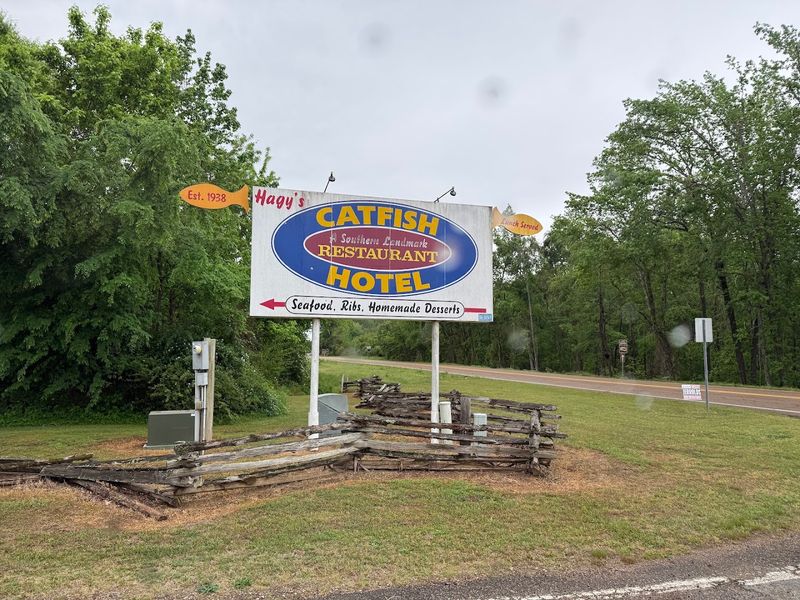
Perched along the Tennessee River since 1938, Hagy’s has outlasted countless trends by doing one thing exceptionally well. The fried catfish here comes out golden and crackling, with a cornmeal crust that stays crisp even as steam rises from the flaky white meat inside. Hush puppies arrive hot in a basket, their edges crunchy and centers soft with a hint of onion.
The location itself adds to the experience. Shiloh National Military Park sits nearby, so many diners combine history with hunger, stopping at Hagy’s after walking battlefield trails. The dining room feels unpretentious, with simple tables and a view that reminds you why riverside restaurants became a Tennessee tradition in the first place.
What keeps people driving out here isn’t novelty or Instagram appeal. It’s consistency that spans generations. Families return year after year, introducing their kids to the same catfish their grandparents ate decades earlier.
The recipe hasn’t changed because it doesn’t need to.
Portions are generous without being ridiculous, and the fish tastes clean, not muddy. That matters when you’re talking about catfish, where quality can vary wildly. Hagy’s sources carefully and fries to order, which means you might wait a bit longer, but the payoff is worth it.
The drive from Memphis takes about two hours, from Nashville closer to two and a half. People make the trip on weekend afternoons, often timed around sunset when the river catches the light just right. It’s the kind of place where the journey becomes part of the meal, where anticipation builds with every mile of rural highway.
And when that first bite of catfish hits your tongue, hot and perfectly seasoned, you understand why Tennesseans have been making this pilgrimage for more than eighty years.
2. B.E. Scott’s Bar-B-Que — Lexington
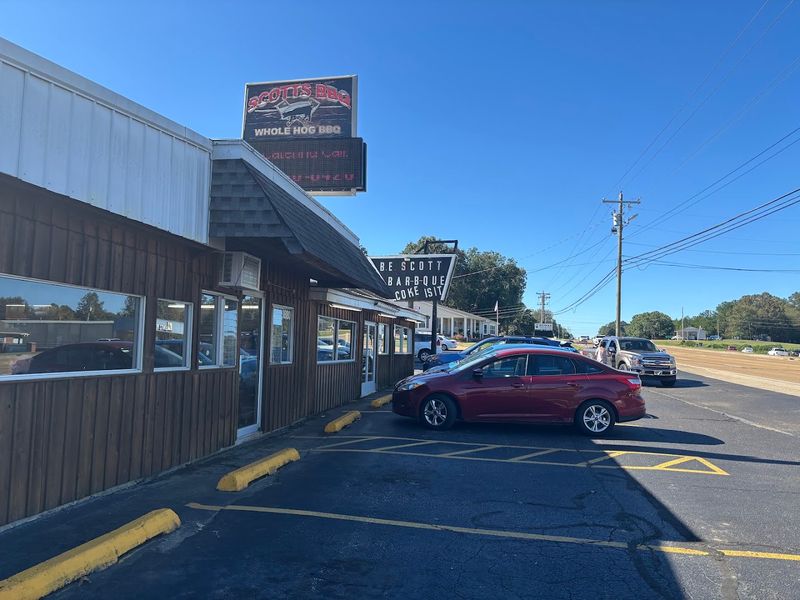
Whole-hog barbecue isn’t the easiest path in the barbecue world. It takes hours of tending coals, managing heat, and knowing exactly when every part of the pig has reached smoky perfection. B.E. Scott’s has been doing it the hard way since opening, cooking entire hogs over hickory coals in a process that can’t be rushed or faked.
The result is chopped pork with layers of flavor you don’t get from shoulders alone. Dark meat mixes with white, crispy bits blend with tender ones, and the smoke penetrates every shred. They top it with vinegary slaw and a peppery sauce that has enough kick to wake up your taste buds without overwhelming the pork itself.
Lexington sits in West Tennessee, about halfway between Memphis and Nashville, making it a natural stop for travelers crossing the state. But plenty of people make this their destination rather than a convenient detour. The building looks exactly like what it is: a no-frills barbecue joint where the focus stays on the pit, not the decorating budget.
Eating here feels like stepping into a Tennessee tradition that predates food blogs and celebrity chefs. The menu is short because they’re not trying to do everything. They’re trying to do whole-hog barbecue right, and that takes enough focus without adding distractions.
Locals will tell you to arrive before they sell out, which happens more often than you’d think. Once the day’s hogs are gone, that’s it until tomorrow. This isn’t a place with backup freezers full of pre-cooked meat.
You’re eating what came off the pit that morning, which means timing matters. The sandwich itself is simple: soft white bun, generous pile of pork, slaw on top if you want it, sauce on the side. Sometimes simple is exactly what great food should be.
3. Ridgewood Barbecue — Bluff City
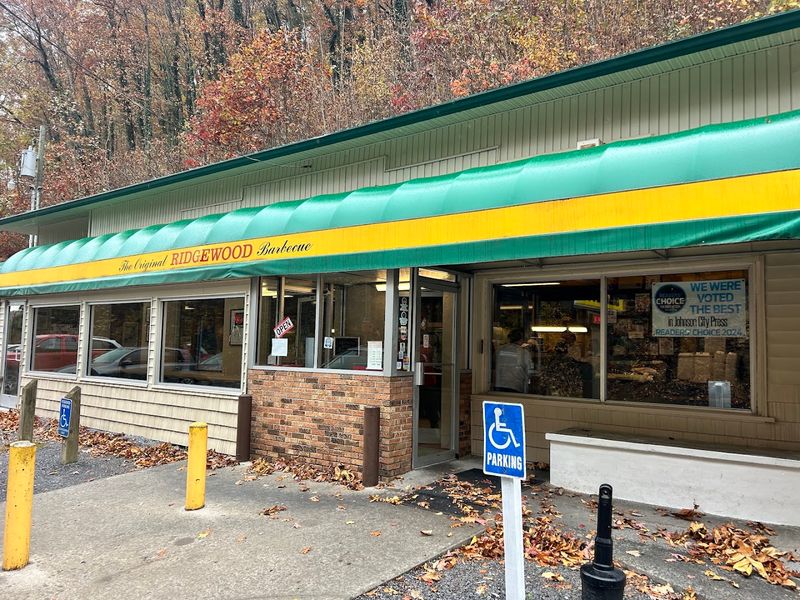
Most Tennessee barbecue joints serve pork shoulder or ribs. Ridgewood took a different route decades ago and never looked back. Their smoked ham barbecue is sliced thin, not chopped or pulled, and comes covered in a tomato-based sauce that’s become as signature as the ham itself.
It’s not what you expect when someone says barbecue, which is precisely why people remember it.
The restaurant hides along a winding road outside Bluff City, tucked into the hills of East Tennessee. You won’t stumble across it by accident. Getting there requires intention, a GPS that actually works, and a willingness to trust that yes, the restaurant really is down this particular rural route.
Once you arrive, order the ham and add a blue cheese bowl. That second item surprises first-timers, but regulars know it’s been a menu staple for years. The sharp, creamy cheese complements the smoky meat in a way that shouldn’t work but absolutely does.
Dip your ham in it, spread it on bread, or just eat it with crackers while you wait for your main plate.
The dining room has the comfortable wear of a place that’s been serving families for generations. Walls display old photos and local memorabilia, booths show their age in the best way, and the staff moves with the efficiency of people who’ve answered the same questions a thousand times. They’re friendly without being chatty, focused on keeping food moving from kitchen to table.
Ridgewood proves that barbecue doesn’t have to follow a script. Smoked ham might not fit the traditional Tennessee barbecue playbook, but when something tastes this good and has this much history behind it, the rulebook stops mattering. People drive from Johnson City, Kingsport, and even across state lines because this particular version of barbecue exists nowhere else.
4. Boyette’s Dining Room — Tiptonville
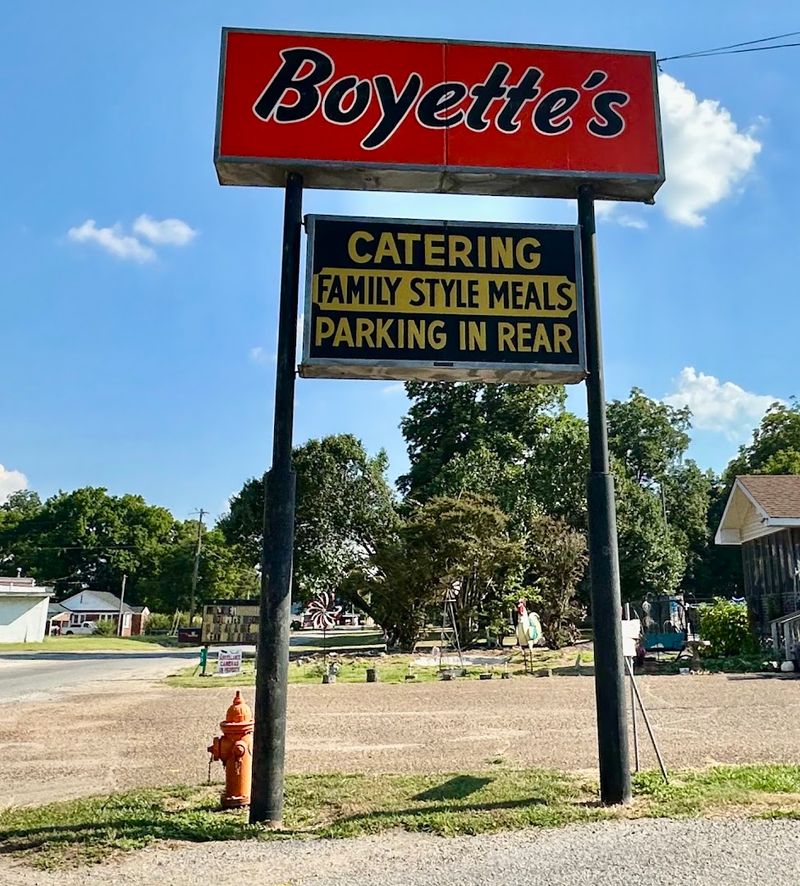
Reelfoot Lake sits in the northwest corner of Tennessee, formed by earthquakes in the early 1800s and now a destination for fishermen and bird watchers. Boyette’s sits near this remote lake, serving the kind of family-style catfish dinner that defines rural West Tennessee dining. When you sit down here, expect platters, not plates.
The catfish arrives fried in that perfect golden crust, piled high enough to feed a table. Hush puppies come in their own basket, country ham shows up on its own platter, and sides fill every remaining inch of table space. Green beans, coleslaw, white beans, fried potatoes—the variety changes but the abundance doesn’t.
This is eating the way your grandparents did, when meals were events and nobody counted calories.
Tiptonville itself is tiny, the kind of town where everyone knows everyone and strangers stand out. Boyette’s draws people from hours away who want that authentic experience, the one that hasn’t been polished or modernized for tourists. The dining room is simple, the service is straightforward, and the focus stays entirely on the food.
What makes people drive this far into West Tennessee is the combination of quality and quantity. The catfish tastes fresh because it basically is—this close to the lake, sourcing good fish isn’t difficult. The preparation stays traditional because why mess with what works?
And the portions ensure nobody leaves hungry, which matters when you’ve driven two or three hours to get here.
Weekends bring crowds, especially during fishing season when lake visitors need feeding. Reservations aren’t really a thing, so you might wait, but that’s part of the experience. Sit on the porch, watch the locals come and go, and remind yourself that you’re about to eat a meal that most of Tennessee has forgotten how to serve.
5. Gus’s World Famous Fried Chicken — Mason
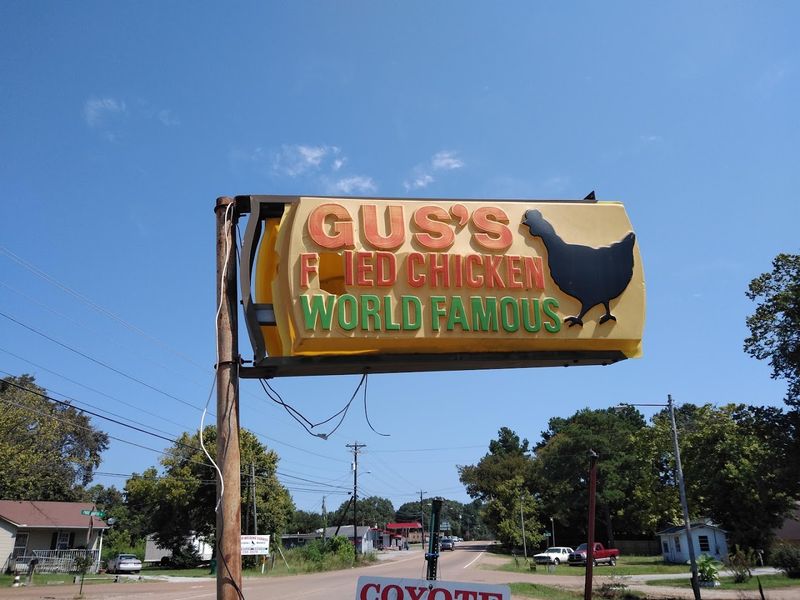
Before Gus’s expanded to multiple cities, before the national attention and the long lines, there was just Mason. This tiny Tipton County town still holds the original location, and purists insist it still serves the best version of that crispy, peppery fried chicken that made the restaurant famous. The recipe hasn’t changed, but eating it where it all started feels different.
The chicken hits hard with black pepper and cayenne, a spice level that wakes you up without crossing into pain. That crust shatters when you bite through it, giving way to juicy meat that stays tender despite the aggressive seasoning. It’s not subtle food. It’s bold, confident cooking that doesn’t apologize for having a point of view.
Mason sits about 45 minutes north of Memphis, a drive that feels longer because you’re passing through rural farmland with not much else to look at. The restaurant itself is unassuming, a small building that could easily be overlooked if you didn’t know what was inside. No fancy signage, no architectural flourishes—just a door and the promise of seriously good fried chicken.
Inside, the atmosphere stays casual and a little cramped. Tables fill up fast during lunch and dinner rushes, with a mix of locals who eat here weekly and pilgrims who’ve driven from Nashville or beyond. Everyone gets the same treatment, the same red baskets of chicken, the same simple sides.
Beans, slaw, and white bread are your accompaniments, nothing fancy because the chicken doesn’t need backup.
What separates Gus’s from countless other fried chicken spots is consistency paired with intensity. Every piece comes out hot, every crust crackles, every bite delivers that peppery punch. You can find Gus’s in bigger cities now, but making the trip to Mason connects you to the source, to the small-town kitchen where someone figured out how to make fried chicken unforgettable.
6. Bell Buckle Café — Bell Buckle
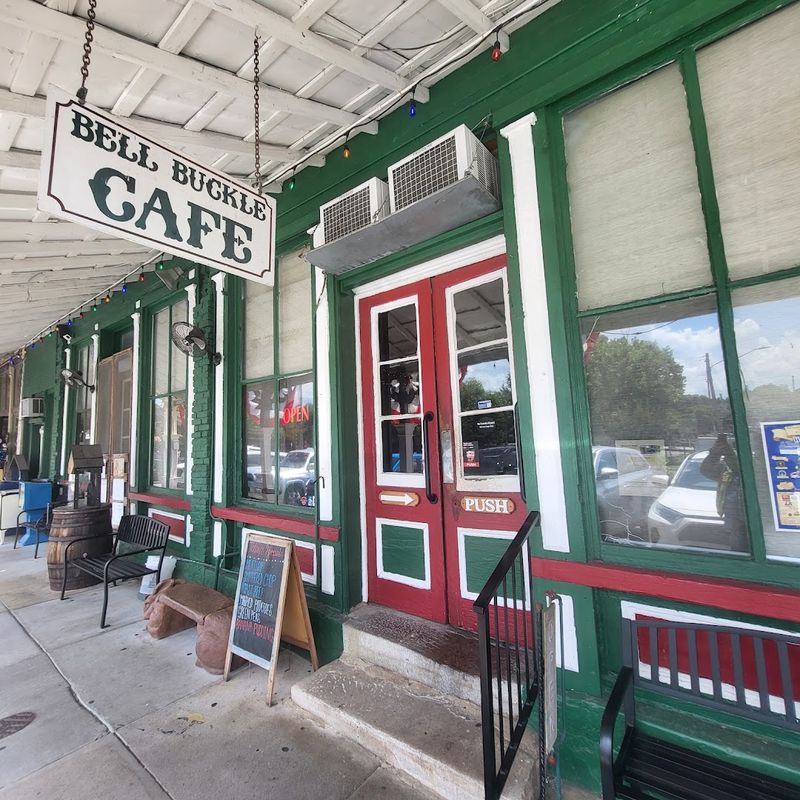
Bell Buckle is barely a dot on the map, a tiny town in Bedford County with antique shops, a population under 500, and one café that people drive unreasonable distances to visit. Sure, the Bell Buckle Café serves solid Southern entrées—fried chicken, meatloaf, vegetables cooked the right way. But let’s be honest about why most people make the trip: oatmeal cake.
This isn’t health food despite the oats. The cake comes out warm, dense and moist, topped with a gooey mixture that’s somewhere between frosting and caramel sauce. It’s rich enough to make you pause between bites, sweet enough to satisfy without being cloying, and addictive enough that people order slices to go before they’ve even finished eating in the dining room.
The café itself fits the town perfectly. Small, charming, unpretentious, with that lived-in feeling of a place that’s been feeding locals for years. The menu offers comfort food done right, the kind your grandmother would approve of if your grandmother was a really good cook.
But dessert is the star, and the staff knows it.
Visiting Bell Buckle means committing to the small-town experience. You’ll probably walk around before or after eating, poking into shops that sell vintage treasures and handmade crafts. The town hosts festivals throughout the year, drawing crowds that temporarily overwhelm the tiny main street.
But even on quiet weekdays, the café stays busy with people who’ve heard about the cake and need to find out if the hype is real.
It is, by the way. The hype is completely justified. That oatmeal cake has converted skeptics and created repeat visitors who plan road trips around dessert.
Some people eat lunch first to feel less guilty about their real priority. Others skip straight to cake because life is short and some things are worth the calories. Either approach works, but leaving without trying it would be missing the entire point of driving to Bell Buckle in the first place.
7. Beacon Light Tea Room — Bon Aqua
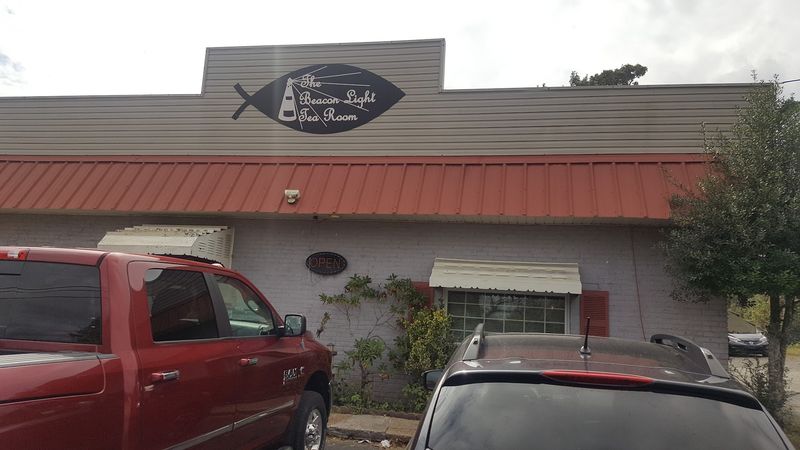
Highway 100 winds through middle Tennessee’s hills, connecting Nashville to communities that time hasn’t completely modernized. Along this scenic route, the Beacon Light Tea Room has been serving travelers since 1936, making it older than most people’s grandparents. The building itself looks like it belongs to another era, which makes sense because it does.
Hot biscuits are the foundation here. They come out of the oven throughout the day, fluffy and buttery, ready to be paired with salty country ham that’s been a Tennessee staple for generations. You can order them with preserves for sweetness, sawmill gravy for richness, or red-eye gravy for that coffee-spiked intensity that pairs perfectly with ham.
Each combination has its devotees, and trying to pick a favorite is harder than it sounds.
8. Miss Mary Bobo’s Restaurant — Lynchburg
Lynchburg is famous for one thing above all else, and it’s not food. But Miss Mary Bobo’s has carved out its own reputation in the shadow of that distillery, serving boarding-house-style meals that require reservations and punctuality. You don’t just show up here.
You plan ahead, book a time slot, and arrive when they tell you to arrive.
The experience is communal. Guests sit around large tables with strangers who quickly become lunch companions, passing platters of fried chicken, meatloaf, multiple vegetables, cornbread, and those famous whiskey apples. Everything is homemade, portioned generously, and served family-style the way boarding houses fed travelers a century ago.
Hosts at each table keep conversation flowing and make sure dishes circulate.
Those whiskey apples deserve their reputation. Cooked with Jack Daniel’s until they’re soft and sweet with just enough boozy depth, they’re the dish people remember and try to recreate at home. They rarely succeed because some recipes just taste better in their original context, surrounded by the rest of a traditional Southern spread.
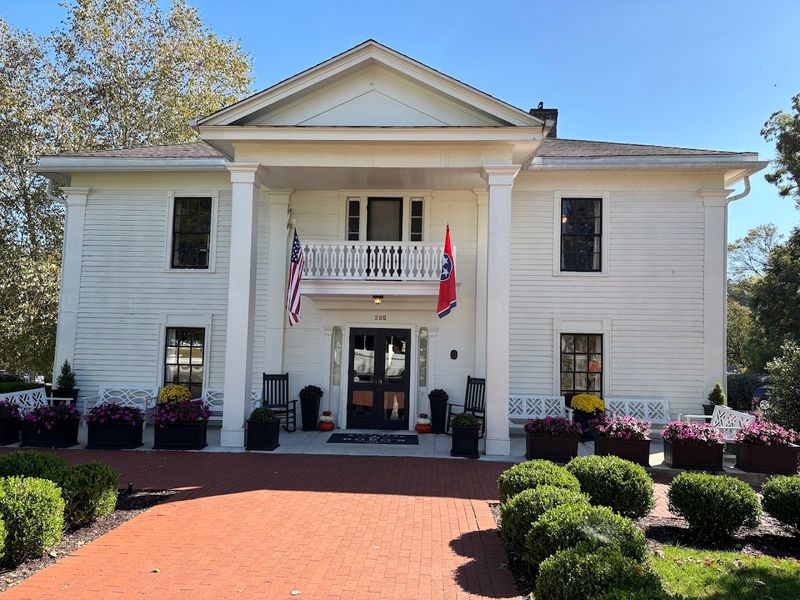
The building itself is historic, a white house that looks like it belongs in a postcard about small-town Tennessee. Inside, the rooms are decorated with period details that remind you this isn’t a modern restaurant trying to recreate the past—this is the actual past, preserved and still functioning. Miss Mary Bobo herself ran the boarding house for decades before it transitioned into the restaurant it is today.
Eating here requires patience and flexibility. Meal times are fixed, menus rotate daily, and you can’t customize much because everything is prepared in advance for group service. But that’s part of the charm.
You’re stepping into a dining tradition that predates personal choice and Instagram photos. You eat what’s served, you share with whoever sits beside you, and you leave full of food and stories. For visitors already in Lynchburg for distillery tours, Miss Mary Bobo’s completes the experience.
For others, it’s reason enough to make the drive into this tiny, famous town.
9. Couch’s Barbecue — Collegedale
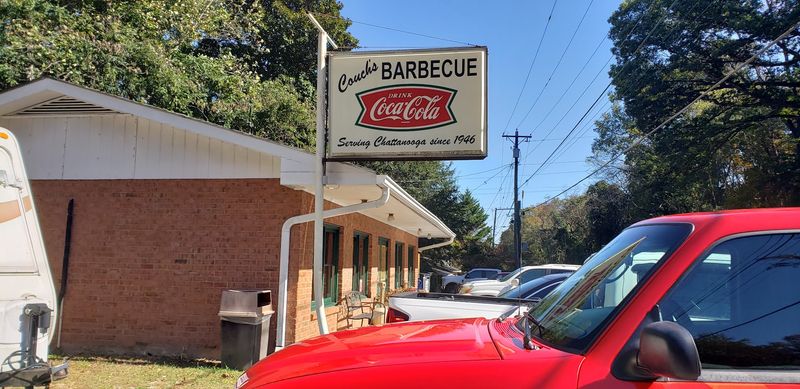
Pulled pork dominates Tennessee barbecue, but Couch’s took a different approach decades ago and stuck with it. Their pork is shaved thin, almost translucent, creating a texture that’s unique in the state’s barbecue landscape. It’s tender without being mushy, smoky without being overwhelming, and the tangy sauce complements rather than drowns the meat.
Then there’s the hot slaw. Not hot as in spicy, but served warm, which changes everything about how coleslaw tastes and feels. The warmth softens the cabbage just enough while keeping some crunch, and the dressing takes on a different character when it’s not ice cold.
It’s strange the first time you try it, then suddenly you’re wondering why every barbecue place doesn’t offer this option.
Collegedale sits in the Chattanooga area, home to Southern Adventist University and not much else. Couch’s has been feeding students, locals, and barbecue seekers since 1948, building a reputation that extends well beyond the immediate community. The dining room has that comfortable, worn-in feeling of a family restaurant that’s never tried to be anything other than what it is.
Homemade pies rotate daily, and if you have room after barbecue, they’re worth saving space for. Chocolate, coconut, lemon—whatever’s available that day was probably made that morning. Portions are generous in that Southern way where restaurants seem personally offended if you leave hungry.
The shaved pork might sound like a gimmick, but it’s been their signature for so long that it’s just how they do barbecue. The thin slices soak up sauce differently than chunks or pulls, creating more surface area for flavor to cling to. Combined with that unusual hot slaw and a side of beans or potato salad, it’s a meal that reminds you Tennessee barbecue has more variety than people assume.
Couch’s proves that doing something different doesn’t mean doing something wrong—sometimes it means doing something people will drive an hour to eat.
10. The Farmer’s Daughter — Chuckey
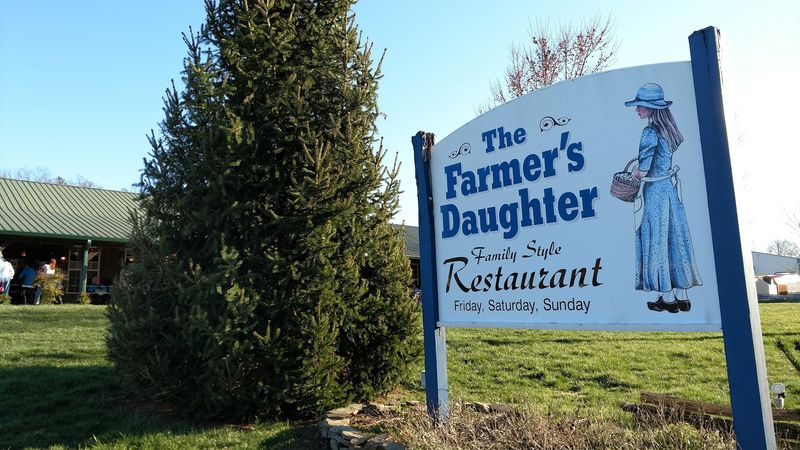
Chuckey sits in Greene County, East Tennessee farm country where roadside produce stands outnumber chain restaurants. The Farmer’s Daughter fits right into this landscape, serving family-style country dinners that turn meals into events. When you sit down, prepare for your table to disappear under platters and bowls.
Fried chicken and roast beef anchor the menu, surrounded by enough vegetables to make your mother proud. Green beans cooked with ham, mashed potatoes with real butter, fried okra if you’re lucky, corn, biscuits, cornbread—the list changes with what’s seasonal and available, but the abundance never wavers. This is how rural Tennessee ate when families still gathered for Sunday dinner, when one meal could stretch across an entire afternoon.
The restaurant itself looks like a farmhouse because it basically is one. Dining rooms feel like someone’s home, decorated with country touches that aren’t staged for atmosphere—they’re just there because that’s how the place is furnished. Staff treats you like family, which in small-town Tennessee means they’re friendly but not hovering, attentive but not intrusive.
Desserts rotate but expect homemade cakes, pies, and cobblers that arrive at your table whether you think you have room or not. You’ll find room. You always find room when someone’s grandmother-level baking skills are involved.
The portions throughout the meal are generous enough that taking food home is expected, not unusual.
What draws people from Knoxville, Johnson City, and even across the state line from North Carolina is the authenticity. This isn’t a chain restaurant’s version of country cooking. This is actual country cooking, the kind that requires early mornings and real skill, where shortcuts aren’t an option because regulars would notice immediately.
The Farmer’s Daughter represents a dining tradition that’s disappearing as rural communities shrink and family restaurants close. Eating here feels like catching something before it’s gone, like preserving a piece of Tennessee food culture that deserves to outlast all of us.
11. Tellico Grains Bakery — Tellico Plains
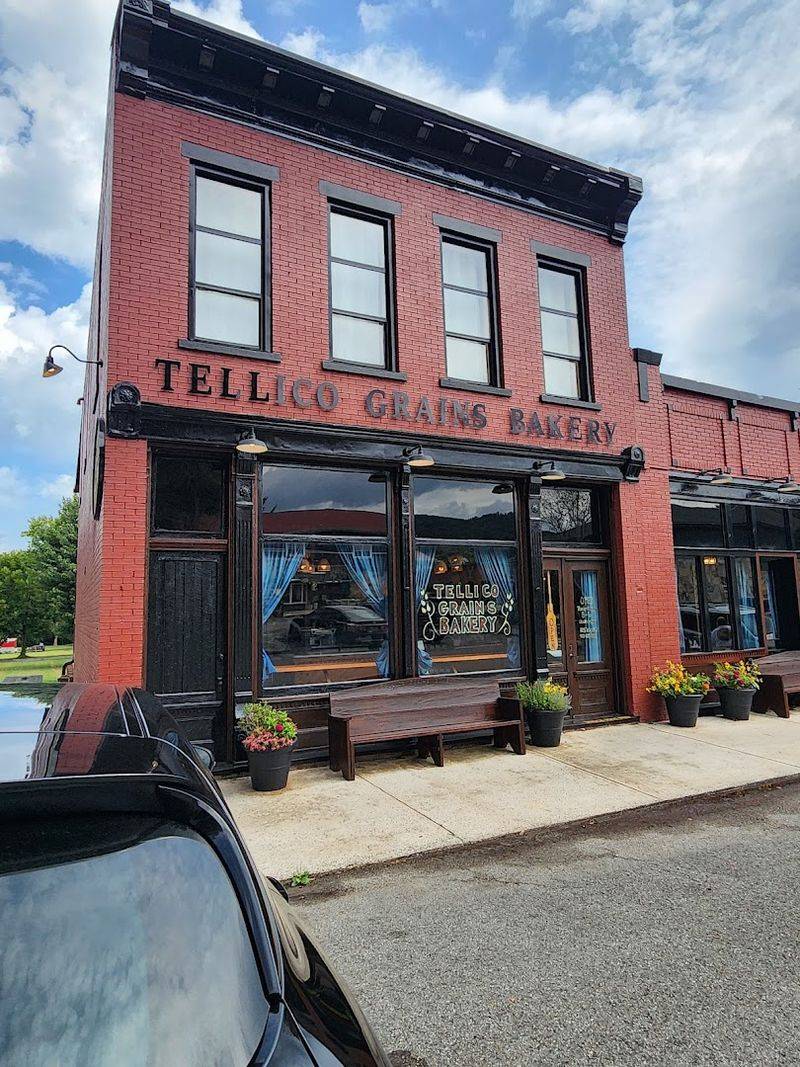
Tellico Plains sits at the edge of the Cherokee National Forest, a small mountain town that serves as a gateway to the Cherohala Skyway. Most people know Tellico Grains as a bakery, and it is—naturally leavened bread, pastries, and baked goods that would be impressive anywhere, let alone in a town this size. But the wood-fired pizza program is what creates pilgrims.
Pizza service is limited, which adds to the appeal and the challenge. You can’t just show up any time and order. You need to check their schedule, plan accordingly, and hope you arrive before they run out of dough.
The pizzas themselves are simple in the best way: naturally leavened crust with a chewy interior and charred exterior, topped with quality ingredients that let the bread shine.
The bakery is small, the kind of place where you can watch your pizza being assembled and slid into the wood-fired oven. Smoke and heat create those characteristic bubbles and char marks that you can’t replicate in a regular oven. The crust has that sourdough tang, a depth of flavor that comes from slow fermentation and careful technique.
Tellico Plains isn’t on the way to anywhere unless you’re specifically heading into the mountains. It’s a destination town for motorcyclists, hikers, and people seeking rural East Tennessee beauty. Tellico Grains adds another reason to make the trip, turning a mountain bakery into a food destination that’s earned attention from across the state.
The limited pizza availability means you’re sharing the experience with people who’ve also done their research and planned ahead. There’s a camaraderie in that, a shared understanding that yes, we all drove out here specifically for naturally leavened pizza in a tiny mountain town. And when you’re sitting there with a slice in hand, crust still hot from the oven, surrounded by mountains and the smell of wood smoke, it makes perfect sense.
Some food is worth the effort, worth the planning, worth the winding mountain roads. Tellico Grains proves that great pizza doesn’t need a city—it just needs skill, patience, and really good flour.
12. Prince’s Hot Chicken — Nashville
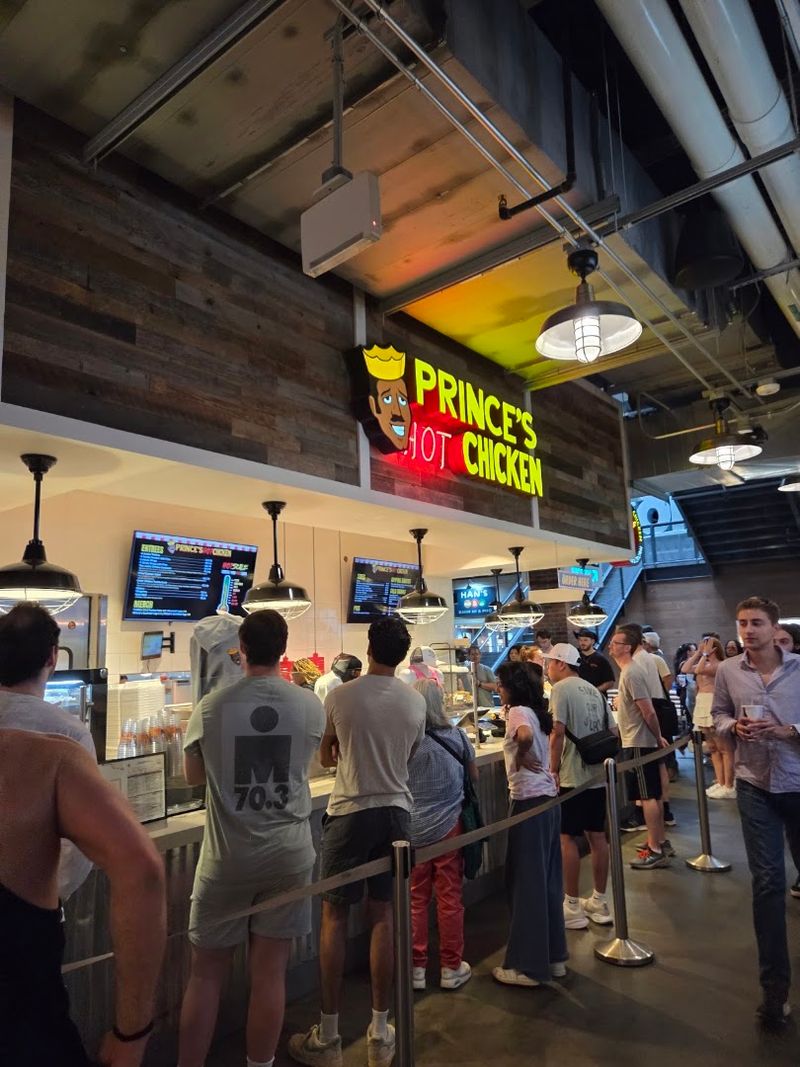
Nashville hot chicken has become a national phenomenon, copied by chains and adapted by chefs from coast to coast. But Prince’s is where it started, the original source of that cayenne-coated, endorphin-releasing fried chicken that defines a city’s food culture. The story involves a scorned woman, revenge, and chicken that was supposed to be punishment but became a sensation instead.
Heat levels range from mild to extra hot, with most first-timers wisely starting somewhere in the middle. Even medium packs a serious punch, a burn that builds with each bite and lingers long after you’ve finished. The chicken itself is fried perfectly—crispy skin, juicy meat—then coated in that signature spice blend while it’s still hot enough to absorb maximum flavor and heat.
It comes on white bread with pickle chips, a combination that seems random until you realize the bread soaks up spicy oil and the pickles provide cool, vinegary relief. You’ll need both. The heat isn’t just about pain tolerance; it’s about flavor, about that complex blend of spices that makes you keep eating despite the burn.
Prince’s has moved locations over the years but remains a Nashville institution. The current spot on Ewing Drive draws lines of tourists and locals who all want the authentic experience. You order at the counter, wait for your number, and try not to judge people who order extra hot on their first visit. They’ll learn.
What makes people drive across Nashville or across the state for Prince’s when hot chicken is available everywhere now is authenticity. This is the real thing, the original recipe, the chicken that started it all. Copies might be more convenient, but they’re still copies.
Prince’s has been perfecting this for generations, adjusting spice levels, maintaining quality, and serving chicken that hurts so good you’ll be planning your next visit before you’ve finished your current plate. That’s the mark of truly great food—it creates immediate nostalgia even while you’re still eating it.
Share this story