Tennessee holds more than country music and Smoky Mountains. Tucked across the state, a surprising collection of museums celebrates machines that powered American life.
From tow trucks to warbirds, these spots preserve stories most people never knew existed, and each one offers a hands-on look at the engines, wheels, and wings that shaped our world.
1. Tennessee Museum of Aviation — Sevierville
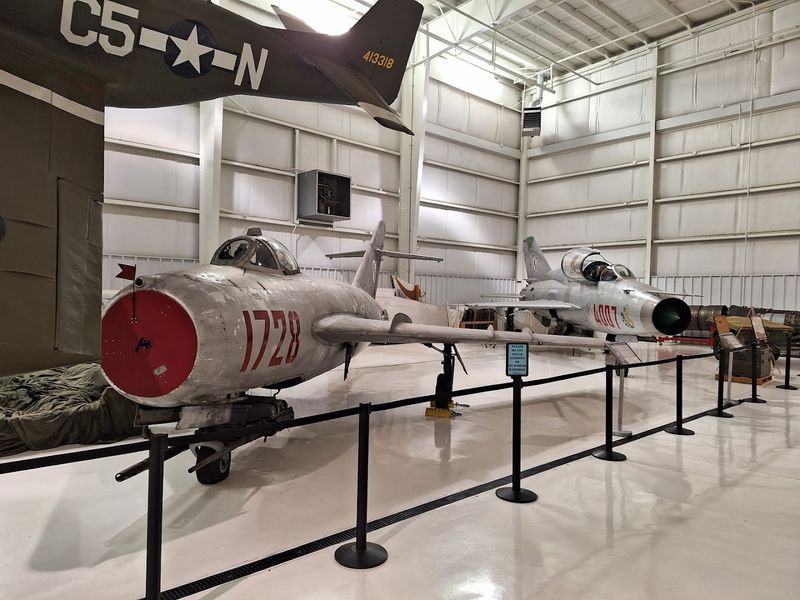
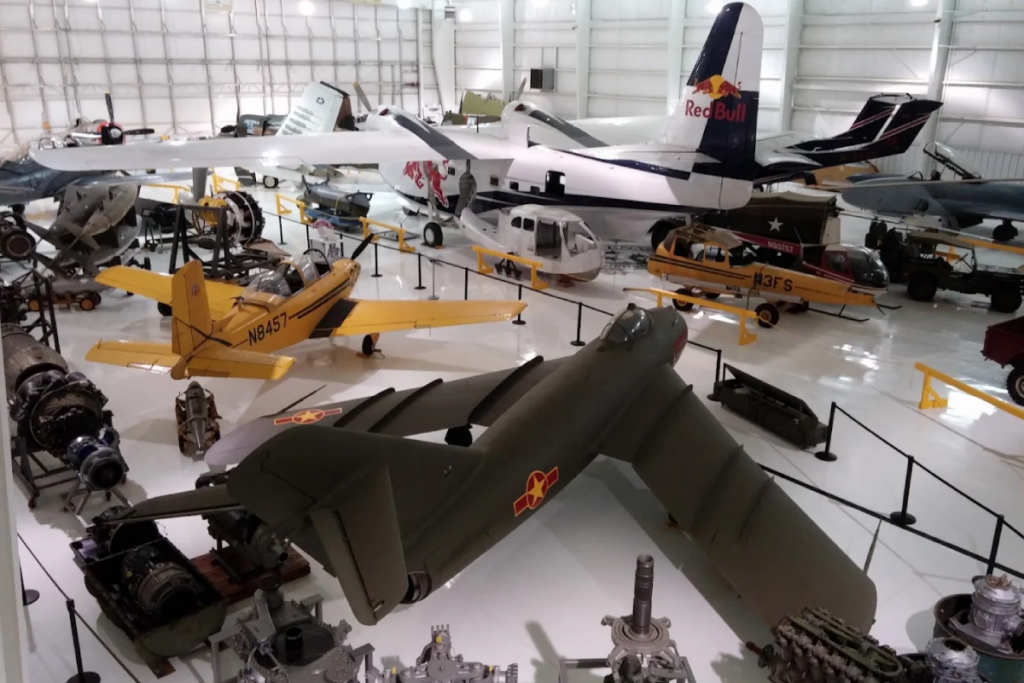
Walking into this massive hangar feels like stepping onto an active military airfield frozen in time. Rows of gleaming warbirds stretch across the floor, each one telling stories of courage, innovation, and the golden age of flight. The collection spans decades of aviation history, showcasing everything from nimble fighter planes to hulking helicopters that once carried troops into battle.
What makes this place stand out is how close you can get to the aircraft. Many visitors spend hours examining cockpit details, studying engine configurations, and reading personal accounts from pilots who flew these exact models. The museum doesn’t just display planes as static objects—it treats them as living history, complete with uniforms, flight gear, and military equipment that help paint the full picture of what aviation life was really like.
Kids gravitate toward the helicopters, while history buffs linger over the rare aircraft engines displayed in cutaway views. The airport-side location adds authenticity, with modern planes taking off in the background as you explore machines from another era.
Volunteers and staff members often have aviation backgrounds themselves, and they’re eager to share insights you won’t find on any placard. They’ll point out battle damage, explain how specific systems worked, or tell you about restoration projects happening behind the scenes. The museum regularly rotates displays and adds new acquisitions, so repeat visits always reveal something fresh.
Whether you’re an aviation enthusiast or just curious about military history, this collection delivers substance without pretense. The sheer variety of aircraft, combined with thoughtful presentation and knowledgeable guides, creates an experience that honors both the machines and the people who flew them into history.
2. Lane Motor Museum — Nashville
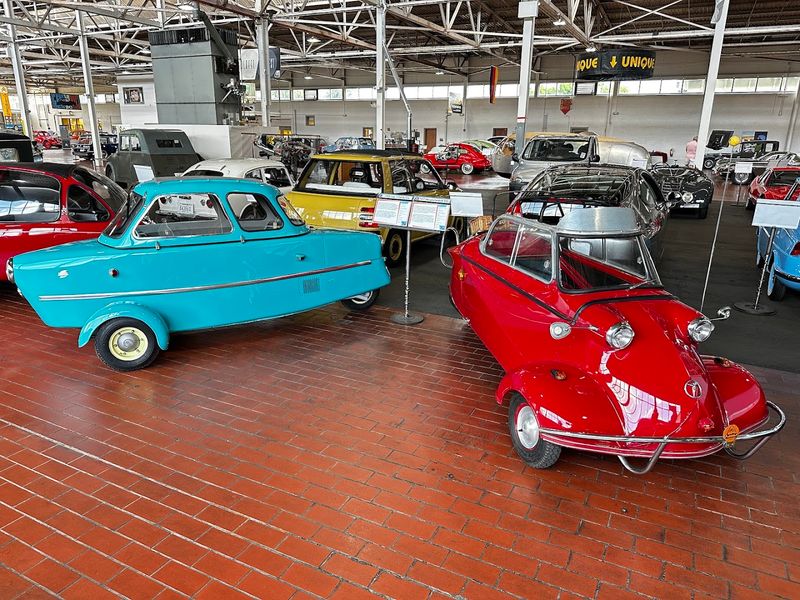
Most car museums stick to Corvettes and Mustangs. This one celebrates the weird, the experimental, and the wonderfully impractical. European microcars no bigger than golf carts sit alongside amphibious vehicles designed to drive straight into lakes.
Three-wheeled oddities share space with motorcycles that never made it past the prototype stage, and every corner reveals another automotive experiment that makes you wonder what engineers were thinking.
The collection focuses on vehicles that pushed boundaries, solved unusual problems, or simply defied conventional automotive wisdom. You’ll find cars designed for post-war Europe where fuel and materials were scarce, leading to ingenious solutions in miniaturization. Others represent ambitious attempts at alternative transportation that never caught on but remain fascinating studies in creative engineering.
What really sets this museum apart is its willingness to embrace automotive failures alongside successes. A prototype that flopped commercially might be displayed with the same reverence as a revolutionary design. This approach makes the museum feel less like a shrine to perfection and more like a celebration of human ingenuity in all its messy, experimental glory.
The building itself enhances the experience, with clean modern architecture that lets the unusual vehicles take center stage. Natural light floods the space, and thoughtful arrangement means you’re constantly discovering surprising juxtapositions—a sleek Italian scooter next to a boxy Eastern European commuter car, each representing different solutions to similar problems.
Staff members are enthusiasts who genuinely love these oddball machines. They’ll happily explain why someone thought a car with airplane-style controls made sense or how a particular microcar achieved shocking fuel efficiency. Many vehicles are kept in running condition, and the museum occasionally demonstrates them, which adds another layer of appreciation when you see these contraptions actually move.
3. International Towing and Recovery Museum — Chattanooga
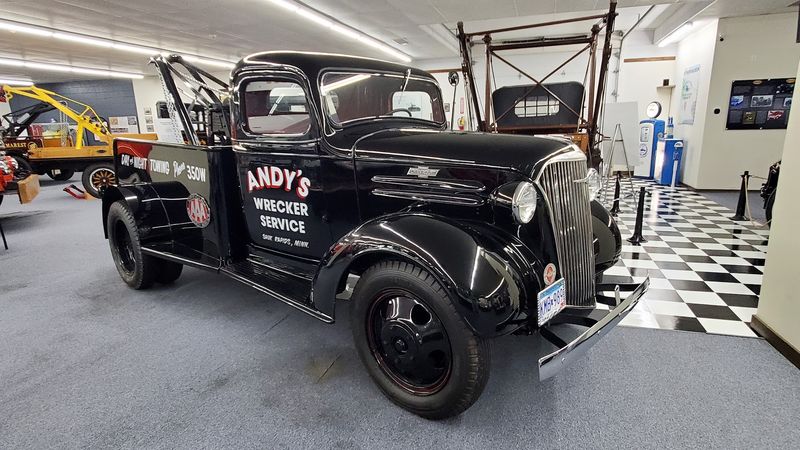
Yes, an entire museum dedicated to tow trucks exists, and it’s way more interesting than you’d expect. Founded by towing industry professionals who wanted to preserve their trade’s history, this Chattanooga institution chronicles how roadside assistance evolved from horse-drawn wagons to high-tech recovery vehicles. The exhibits honor the dangerous, often thankless work of towing operators while showcasing the mechanical ingenuity behind the equipment they use.
Vintage tow trucks dominate the collection, ranging from 1920s models with simple boom arms to modern rotators capable of uprighting overturned semi-trucks. Each vehicle represents a specific era’s approach to vehicle recovery, and the progression shows how towing technology advanced alongside automobile design. Some trucks display battle scars from decades of hard service, while others gleam with meticulous restoration work.
Beyond the trucks themselves, the museum preserves tools, chains, cables, and specialized equipment that most people never think about. Antique gas pumps add nostalgic charm, while pedal cars provide a whimsical counterpoint to the heavy machinery. The collection also includes uniforms, company memorabilia, and photographs documenting towing operations from around the world.
Perhaps the most powerful element is the Wall of the Fallen, which memorializes tow truck operators killed while working. This sobering tribute reminds visitors that roadside recovery is genuinely dangerous work, with operators facing traffic, weather, and unpredictable situations. The museum treats these workers as unsung heroes of highway safety, which adds emotional depth to what could otherwise be a purely technical collection.
Staff members often have towing backgrounds and share stories that bring the equipment to life. They’ll explain how specific innovations saved lives or made impossible recoveries possible. The museum also hosts an annual convention that draws towing professionals from across the country, underscoring how this niche industry values its own history and the people who built it.
4. Tennessee Agricultural Museum — Nashville
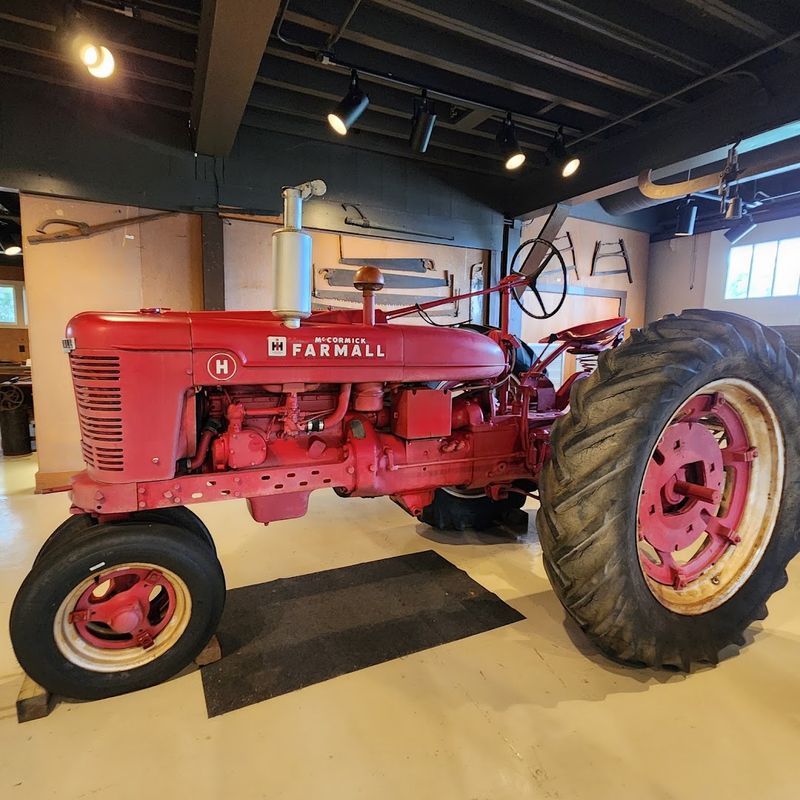
Tennessee’s farming heritage comes alive through rusted plows, steam-powered threshers, and tractors that transformed agriculture from backbreaking labor to mechanized efficiency. This museum occupies historic buildings surrounded by rural artifacts that paint a vivid picture of farm life before modern convenience. Walking the grounds feels like visiting a working farm that time forgot, where every tool and machine has a story about the people who depended on it.
The tractor collection alone justifies the visit. Models from John Deere, Farmall, and lesser-known manufacturers show how horsepower gradually replaced actual horses. Some tractors are restored to showroom condition, while others wear their original paint and honest wear, giving visitors a realistic sense of how these machines aged through decades of field work.
Interpretive signs explain how specific innovations—pneumatic tires, hydraulic lifts, power take-offs—revolutionized farming tasks.
Antique farm tools fill display cases and hang from walls, representing every aspect of agricultural life. Hand-forged implements for planting, harvesting, and processing crops demonstrate the physical demands farmers faced daily. Butter churns, corn shellers, and tobacco-curing equipment show how families processed their harvest using ingenious mechanical advantage and simple physics.
Historic buildings scattered across the property include a blacksmith shop, one-room schoolhouse, and authentic log cabin. These structures ground the machinery displays in human context, reminding visitors that farms were complete communities where families lived, worked, and raised children. Seasonal demonstrations sometimes show traditional crafts and farming techniques, adding living history elements to the static displays.
The museum particularly excels at explaining agricultural innovation’s social impact. Mechanization changed labor patterns, rural economics, and family structures in ways that rippled through Tennessee society. Exhibits connect these changes to broader American history, showing how farming technology shaped everything from migration patterns to civil rights struggles in rural communities.
5. Beechcraft Heritage Museum — Tullahoma
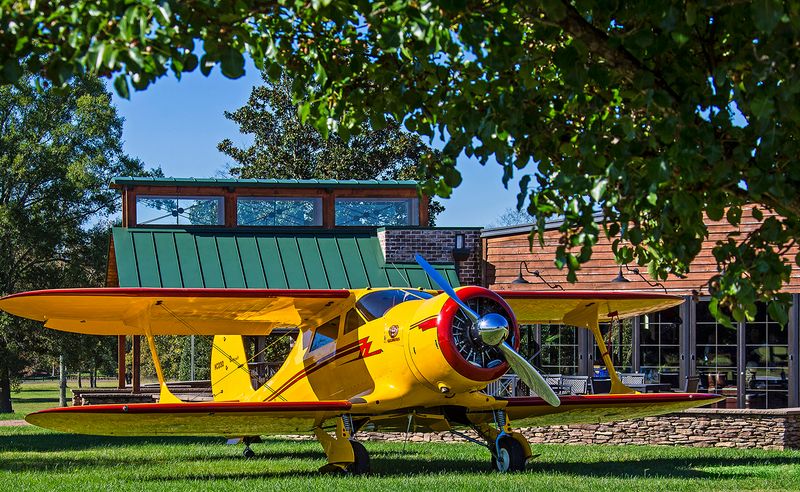
Beechcraft built some of aviation’s most distinctive aircraft, and this specialized museum preserves that legacy with focused intensity. Unlike sprawling aviation museums that cover everything, this collection concentrates on one manufacturer’s story, allowing deeper exploration of design philosophy, engineering evolution, and the people who made Beechcraft synonymous with quality. The intimate scale creates opportunities for detailed study that larger museums can’t match.
Historic Beechcraft models fill the space, from sleek business twins to military trainers that taught generations of pilots. Each aircraft represents a chapter in the company’s history, showing how Beechcraft responded to changing markets, technological advances, and customer needs. Cutaway sections reveal the craftsmanship and engineering that earned Beechcraft its reputation for building aircraft that lasted decades.
What makes this museum special is its connection to Tullahoma’s own aviation history. The town played significant roles in aerospace testing and development, creating natural synergy between local heritage and Beechcraft’s story. Exhibits explore how aircraft design, testing, and manufacturing intersected with community life, giving visitors insight into how aviation shaped regional identity.
You’ll find logbooks, company memorabilia, and stories from test pilots, engineers, and factory workers. These materials reveal the corporate culture and individual dedication that built Beechcraft’s reputation, making the museum feel like a tribute to craftsmanship as much as aircraft.
The museum particularly appeals to pilots and aviation enthusiasts who appreciate Beechcraft’s engineering philosophy. Staff members understand the technical details and can discuss everything from wing design to engine choices. They’re also working to preserve oral histories from people who built, tested, and flew these aircraft, ensuring that knowledge doesn’t disappear with passing generations.
For anyone interested in general aviation history, this focused collection offers depth that broader museums simply can’t provide.
6. Discovery Park of America — Union City
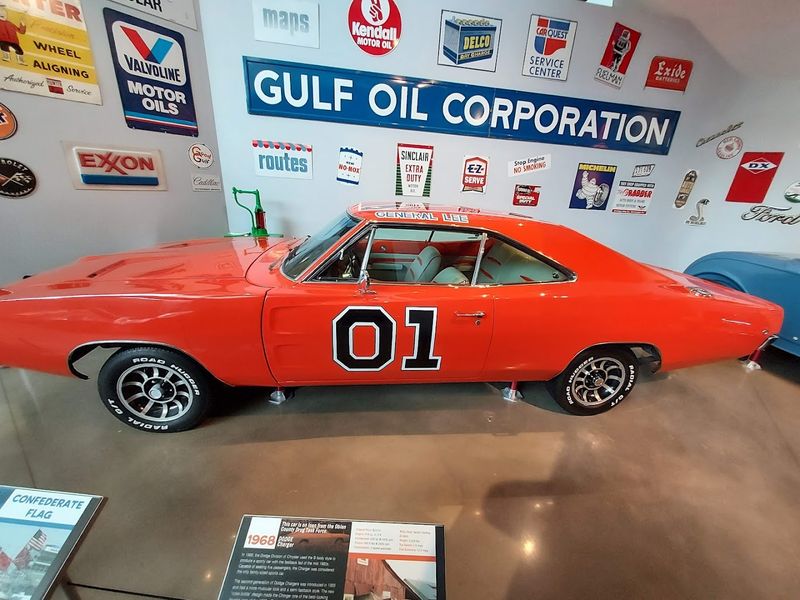
This sprawling complex packs enough machinery, vehicles, and transportation history to fill a dozen specialized museums. Classic automobiles gleam alongside antique tractors, while military vehicles share space with historic aircraft and operating trains. The sheer variety means every visitor finds something that sparks their particular interest, whether that’s agricultural equipment, automotive design, or aviation innovation.
The transportation galleries showcase American mobility’s evolution through carefully curated displays. You might study a Model T Ford, then turn to examine a World War II jeep, followed by a vintage motorcycle that once belonged to a local family. This eclectic approach creates unexpected connections, showing how different vehicle types influenced each other and how transportation technology shaped American life at every level.
Agricultural exhibits give proper attention to farming’s mechanization, with tractors and equipment that transformed Tennessee’s rural economy. These displays don’t just present machines as isolated objects—they explain how specific innovations changed farming practices, family structures, and regional prosperity. Vintage farm equipment sits alongside interpretive materials that help visitors understand why these machines mattered beyond their mechanical ingenuity.
The railroad collection includes operating locomotives and passenger cars that visitors can explore inside. Standing in a vintage dining car or examining a steam engine’s mechanics up close creates visceral connections that photographs never achieve. Regular demonstrations show how steam power works, and the museum occasionally operates equipment for special events.
Military vehicle displays honor service members while showcasing engineering adapted for combat conditions. Tanks, trucks, and support vehicles demonstrate how military needs drove innovation that later influenced civilian transportation. Aircraft exhibits span from early aviation to modern military jets, creating a comprehensive look at flight’s first century.
What ties everything together is a thoughtful presentation that respects each item’s significance. The museum avoids overwhelming visitors despite its massive scope, using clear organization and engaging interpretation to make complex topics accessible without dumbing them down.
7. Tennessee Valley Railroad Museum — Chattanooga
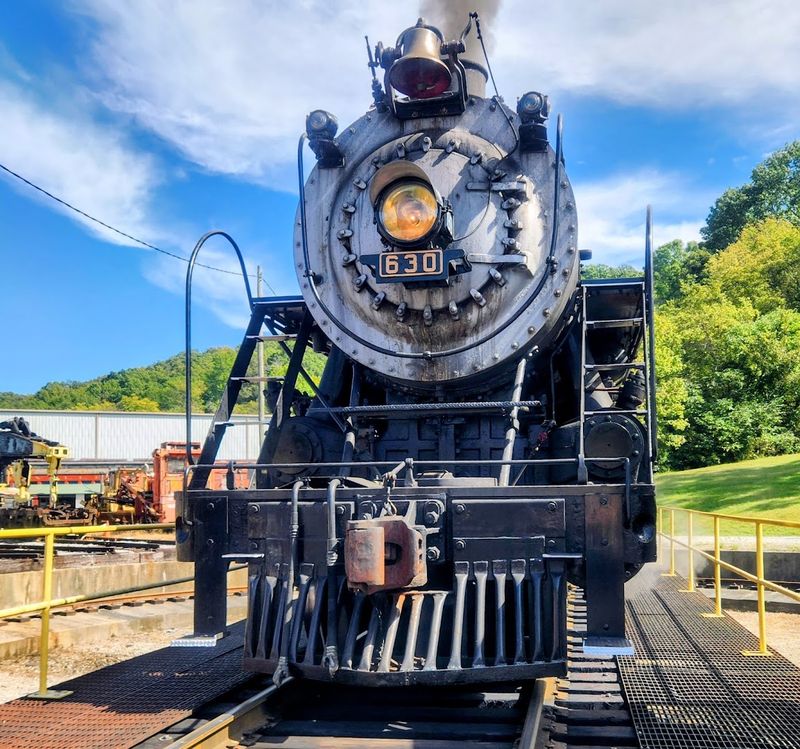
Steam whistles echo across the property as locomotives that once pulled freight across mountains now carry passengers on heritage rides. This isn’t a static collection of rail equipment gathering dust—it’s a working museum where trains operate regularly, restoration crews rebuild vintage cars, and visitors experience railroading as a living tradition.
The difference between seeing a locomotive behind velvet ropes and hearing one breathe steam while preparing for departure is profound.
The collection spans railroad history from steam’s golden age through diesel’s dominance. Massive steam engines represent different eras and railroad companies, each with distinct design features reflecting its original purpose. Diesel locomotives show how railroads transitioned to more efficient power, while passenger cars range from basic coaches to luxurious parlor cars that once carried wealthy travelers in style.
What sets this museum apart is its commitment to operation and preservation through active use. Skilled volunteers and staff maintain equipment to operational standards, not just cosmetic appearance. This approach means locomotives receive proper mechanical care, and visitors see them performing their intended function rather than sitting idle.
The restoration shop lets visitors watch ongoing projects, offering rare glimpses into the specialized skills required to rebuild century-old machinery.
Excursion rides provide authentic railroad experiences, with steam locomotives hauling passengers through scenic Tennessee landscapes. These aren’t brief loops around museum grounds—they’re substantial journeys that recreate the pace and atmosphere of historic rail travel. The sensory experience of coal smoke, rhythmic wheel sounds, and steam power creates memories that static displays never could.
Educational programs explain railroad operations, from firebox management to track maintenance. Guides discuss how railroads shaped American development, particularly in regions like Chattanooga where rail transportation drove economic growth. The museum also preserves railroad artifacts, documents, and photographs that tell stories beyond the equipment itself, capturing the human side of railroading from workers to passengers.
8. Little River Railroad and Lumber Museum — Townsend
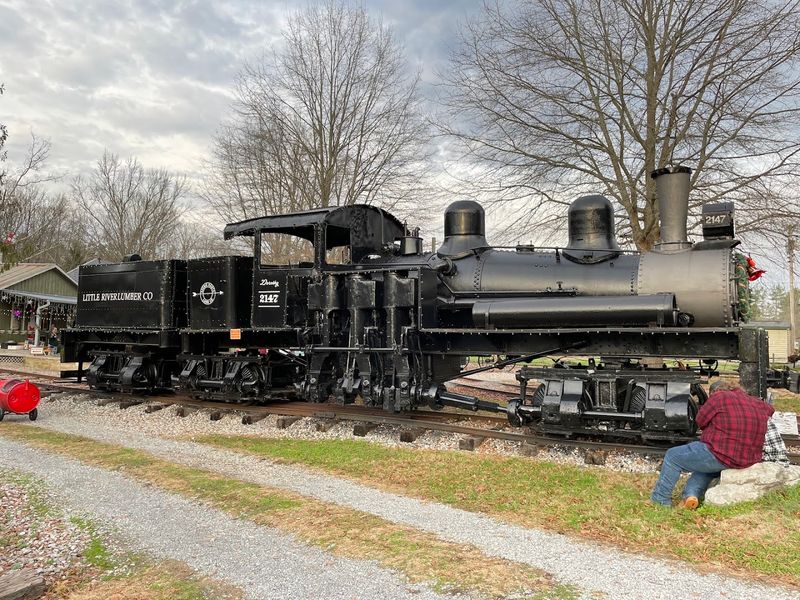
Logging railroads once snaked through Smoky Mountain forests, hauling massive timber from remote slopes to mills and markets. This compact museum preserves that specialized history through a historic depot, outdoor locomotive displays, and artifacts that document how railroads and lumber industries intertwined. The setting near Great Smoky Mountains National Park adds context, as much of that protected forest was once active logging territory.
The museum occupies an authentic railroad depot that once served the Little River Railroad, which operated from the 1880s through the 1930s. Period details throughout the building help visitors imagine when this was a bustling hub where loggers, railroad workers, and local residents intersected. Original fixtures, photographs, and documents create atmospheric immersion that modern museum buildings rarely achieve.
Outside, a vintage locomotive and logging equipment demonstrate the specialized machinery required for mountain timber operations. These weren’t typical freight trains—they were purpose-built for steep grades, tight curves, and temporary tracks that moved as logging operations progressed. The equipment shows remarkable engineering adapted to challenging terrain and dangerous conditions that claimed many lives.
Inside displays, photographs and documents tell stories of logging camps, railroad construction, and the communities that depended on timber industry employment. Personal accounts from loggers and railroad workers add human perspective to what might otherwise be purely industrial history. The museum doesn’t romanticize logging—it acknowledges environmental impacts and dangerous working conditions while explaining the economic realities that drove forest exploitation.
Tools, equipment, and documents illustrate logging techniques from the era before chainsaws and modern machinery. Crosscut saws, cant hooks, and other hand tools show the physical labor involved in felling and moving massive trees. Maps trace railroad routes through mountains, helping visitors understand the logistical challenges of extracting timber from remote locations.
For anyone interested in Appalachian history, industrial heritage, or railroad operations, this small museum offers surprising depth on a fascinating and often overlooked chapter of regional development.
9. Rusty’s TV & Movie Car Museum — Jackson
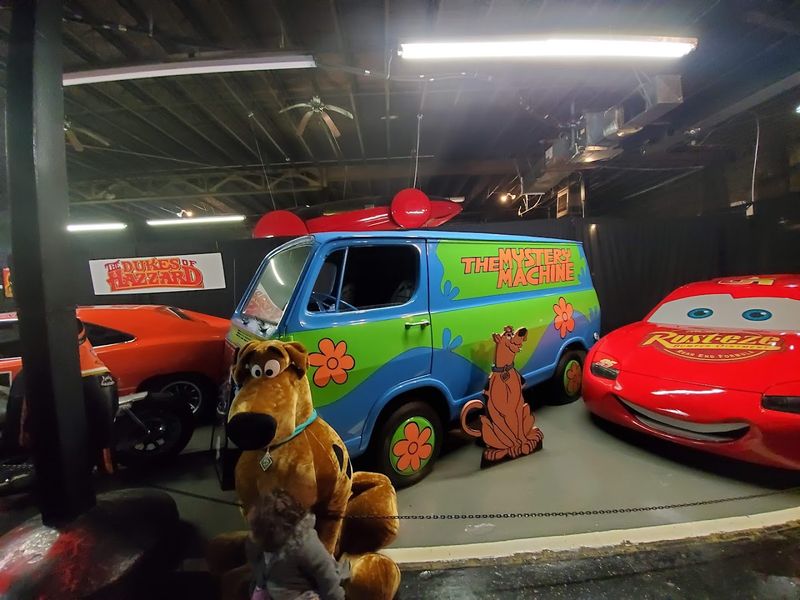
More than fifty vehicles from television and film history pack this Jackson museum, from perfect replicas to actual screen-used originals. Whether you grew up watching “Dukes of Hazzard” or binge-watching recent action franchises, chances are something here will trigger instant recognition and nostalgia. The collection spans decades of entertainment, showing how cars became characters in their own right within popular culture.
Some vehicles are genuine Hollywood artifacts that appeared in actual productions, complete with documentation and behind-the-scenes stories. Others are meticulously crafted replicas built to exacting standards, often more detailed than the hasty movie props they recreate. The museum explains which is which, adding transparency that enhances rather than diminishes appreciation for the craftsmanship involved in both categories.
What makes wandering through this collection special is the immediate emotional response these vehicles trigger. Seeing the Batmobile or Mystery Machine in person creates childhood flashbacks and photo opportunities that visitors clearly relish. The museum embraces this entertainment aspect while also educating visitors about automotive modification, film production techniques, and the specialized industry that builds and maintains these famous vehicles.
Motorcycles and trucks join the four-wheeled stars, representing everything from action films to classic television comedies. Each vehicle includes information about its screen appearances, modifications for filming, and interesting production details. You’ll learn how movie cars get wrecked repeatedly, why certain models were chosen for specific roles, and how practical effects were achieved before digital wizardry dominated filmmaking.
The museum’s owner clearly loves both automobiles and entertainment history, and that passion shows in thoughtful curation and enthusiastic storytelling. Staff members share anecdotes about acquisitions, restorations, and the challenges of authenticating Hollywood vehicles. The collection continues growing as new additions arrive, keeping repeat visitors engaged.
For families, this museum offers multi-generational appeal—grandparents, parents, and kids each recognize different vehicles from their respective childhoods, creating shared experiences around beloved pop culture memories.
10. Casey Jones Home and Railroad Museum — Jackson
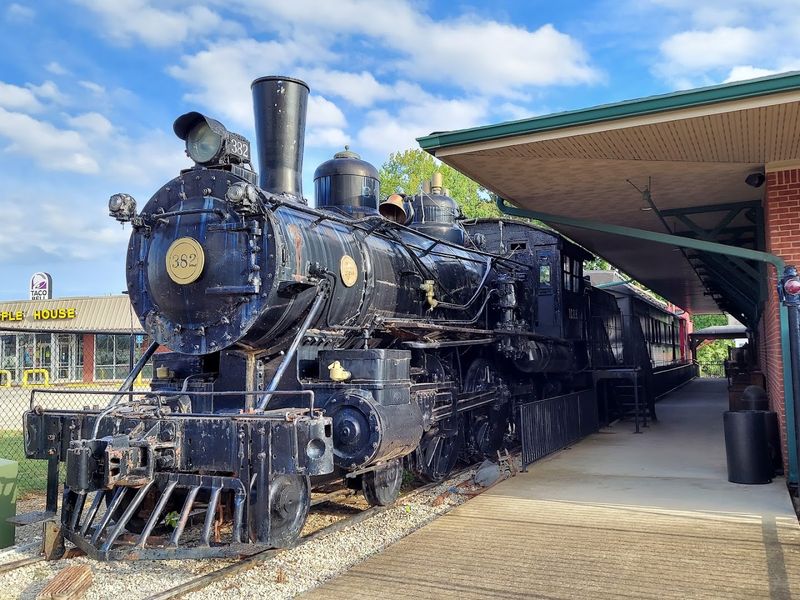
American folklore transformed railroad engineer Casey Jones into a legend after his fatal 1900 crash, but this museum grounds that mythology in real history. Jones’ actual home sits on the property, preserved as it was when his family lived there, while railroad exhibits and a massive 35-ton locomotive honor his profession and the era that made him famous.
Touring Jones’ home reveals surprisingly modest living conditions for a man later celebrated in songs and stories. Period furnishings and personal artifacts show how railroad families lived, with schedules dictated by train departures and the constant awareness that railroad work carried serious risks. The house humanizes Jones beyond the legendary status, presenting him as a skilled professional, husband, and father whose death represented countless similar tragedies in railroading’s dangerous early decades.
The centerpiece locomotive dominates the grounds, and visitors can climb aboard to experience the engineer’s perspective. Standing in the cab where someone controlled tons of steel and steam traveling at speed helps you understand both the skill required and the limited visibility and control engineers actually possessed. This hands-on access transforms abstract history into tangible experience.
Additional railroad exhibits explore 19th-century rail operations, safety evolution, and the cultural impact of trains on American society. Photographs, equipment, and documents show how railroads connected isolated communities, enabled commerce, and created the modern concept of standardized time zones. Casey Jones’ story serves as an entry point into broader transportation history that shaped the nation.
The museum treats Jones respectfully without excessive hero worship, acknowledging that while his final actions showed courage, many railroaders faced similar situations with less fame. This balanced approach honors Jones while also recognizing the thousands of railroad workers whose contributions to American development went unrecorded.
Special events sometimes include railroad demonstrations, period reenactments, and educational programs that keep history accessible for younger generations discovering Casey Jones for the first time.
11. Tennessee Central Railway Museum — Nashville
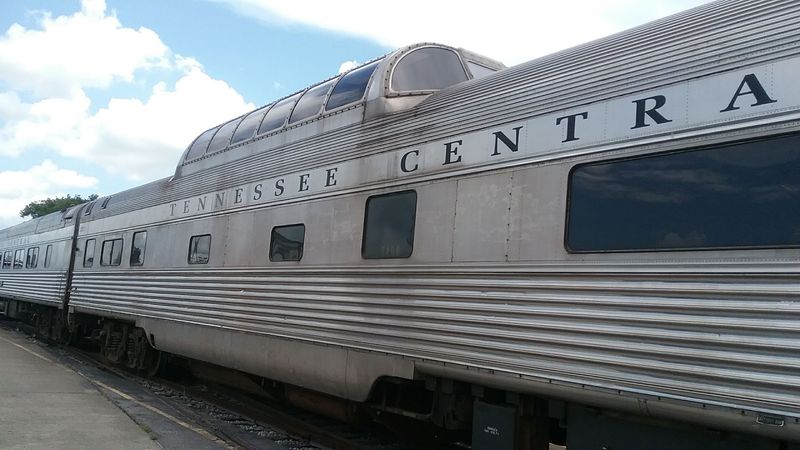
Nashville’s railroad heritage lives on through this museum dedicated to preserving Tennessee Central Railway’s history and the broader story of rail transportation across the state. Vintage locomotives, passenger cars, and freight equipment fill the collection, representing different eras when railroads dominated long-distance travel and commerce. The museum operates from a working rail facility, adding authenticity that purpose-built museum buildings can’t match.
The equipment collection emphasizes Tennessee Central Railway specifically, but also includes rolling stock from other regional railroads. Diesel locomotives that once hauled freight sit alongside passenger cars that carried travelers in relative comfort. Freight cars, maintenance equipment, and specialized rail vehicles round out the collection, showing the diverse equipment required for railroad operations beyond the glamorous passenger trains most people imagine.
What distinguishes this museum is its operational focus. Rather than static displays, the museum maintains equipment to working standards and operates excursion trains on Tennessee rail lines. These trips aren’t brief tourist loops—they’re substantial journeys using historic equipment on actual railroad infrastructure.
Passengers experience authentic rail travel while supporting preservation efforts through ticket purchases.
Restoration and maintenance work happens on-site, and visitors can often observe ongoing projects. Watching volunteers rebuild a passenger car’s interior or maintain a locomotive’s mechanical systems provides insight into the specialized skills required for railroad preservation. The museum welcomes volunteers and offers training in various railroad crafts, creating a community of enthusiasts committed to keeping this history alive.
Educational programs explore railroad history from multiple angles, discussing technological development, labor history, economic impact, and social change driven by rail transportation. Special events sometimes include themed excursions, visiting equipment from other museums, and demonstrations of railroad operations.
For anyone interested in transportation history, industrial heritage, or simply experiencing historic trains in operation, this Nashville institution offers substance and authenticity that honor railroading’s significant role in state and national development.
Share this story