Tennessee holds more than just Nashville honky-tonks and Smoky Mountain tourist traps. Scattered across the state are small communities where time moves slower, neighbors still wave from porches, and the only traffic jam involves a tractor on Main Street. These towns offer something increasingly rare: genuine quiet, unspoiled landscapes, and local character that hasn’t been polished for Instagram.
If you’re tired of cookie-cutter destinations and want to experience Tennessee the way it used to be, these nine hidden gems deserve your attention.
1. Rugby
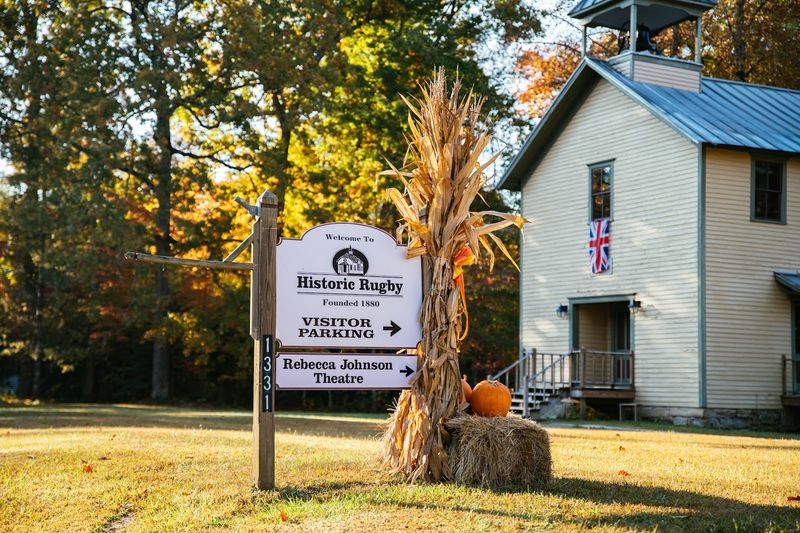
Picture a Victorian-era experiment frozen in time, tucked into the Cumberland Plateau where cell service gets sketchy and modern life feels like a distant memory. Rugby started as an English colony in 1880, and somehow the original buildings, winding trails, and old-world charm survived when other communities modernized themselves into oblivion.
The village sits near Big South Fork, which means you’re surrounded by serious wilderness without trying hard. Walking the quiet roads here feels like stepping onto a movie set, except everything’s real—the Thomas Hughes Free Public Library still operates in its original building, and the historic structures aren’t replicas built for tourists.
Most visitors spend a few hours wandering the grounds, peeking into preserved homes, and hiking the woodland paths that disappear into dense forest. The remoteness works in Rugby’s favor because it keeps crowds manageable and preserves the atmosphere that makes this place special.
You won’t find chain restaurants or souvenir shops cluttering the landscape. What you will find are interpretive tours, craft demonstrations, and enough peace to actually hear yourself think. The surrounding plateau offers hiking, fishing, and exploring without the elbow-to-elbow experience of more famous Tennessee destinations.
Rugby works best for travelers who appreciate history without needing it packaged with gift shops and parking lots. The village hosts events throughout the year, but even during festivals, the setting maintains its unhurried character. If you’re searching for a place that feels genuinely removed from the 21st century, Rugby delivers without pretense.
Pack a lunch, wear comfortable shoes, and plan to spend more time than you initially expected. The combination of Victorian architecture, mountain scenery, and authentic preservation makes Rugby one of Tennessee’s most unusual small-town experiences—and locals prefer keeping it that way rather than watching it transform into another over-developed tourist attraction.
2. Granville
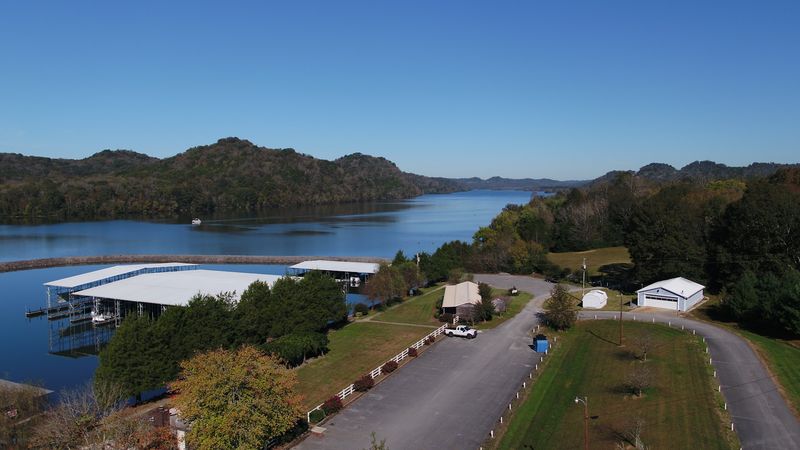
Cordell Hull Lake wraps around Granville like a liquid border, giving this Jackson County community a waterfront setting that attracts weekend visitors but never quite tips into tourist-trap territory. The old-fashioned main street, complete with a working general store and museum buildings, looks like someone preserved a slice of mid-century Tennessee and forgot to update it.
Weekends bring day-trippers who browse the antique shops, grab lunch at local spots, and photograph the historic homes that line residential streets. But here’s the thing about Granville: once Sunday afternoon rolls around and visitors head home, the town settles back into its regular rhythm. That’s when you really see what makes this place work.
The waterfront setting provides easy access to fishing, boating, and lakeside picnicking without requiring marina fees or resort reservations. Local businesses cater to both residents and visitors, which means you get authentic service instead of the scripted hospitality that plagues heavily-touristed areas. The museums offer genuine regional history rather than sanitized versions created for mass consumption.
Granville’s architecture tells stories if you pay attention—Victorian-era homes, early-1900s commercial buildings, and structures that survived because nobody had money to tear them down and build something modern. Walking these streets feels like flipping through your grandmother’s photo album, except you can actually step inside the scenes.
The town works especially well for travelers who want small-town Tennessee without complete isolation. You’re close enough to services and amenities but far enough from major highways that Granville maintains its peaceful character. The lake adds recreational options that landlocked villages can’t match, making this a solid choice for families or anyone who likes mixing history with outdoor activities.
Visit midweek if possible, when the town belongs mostly to locals and the pace slows even further. Granville isn’t trying to be Gatlinburg or Franklin—it’s content being itself, which is exactly what makes it worth visiting.
3. Cumberland Gap
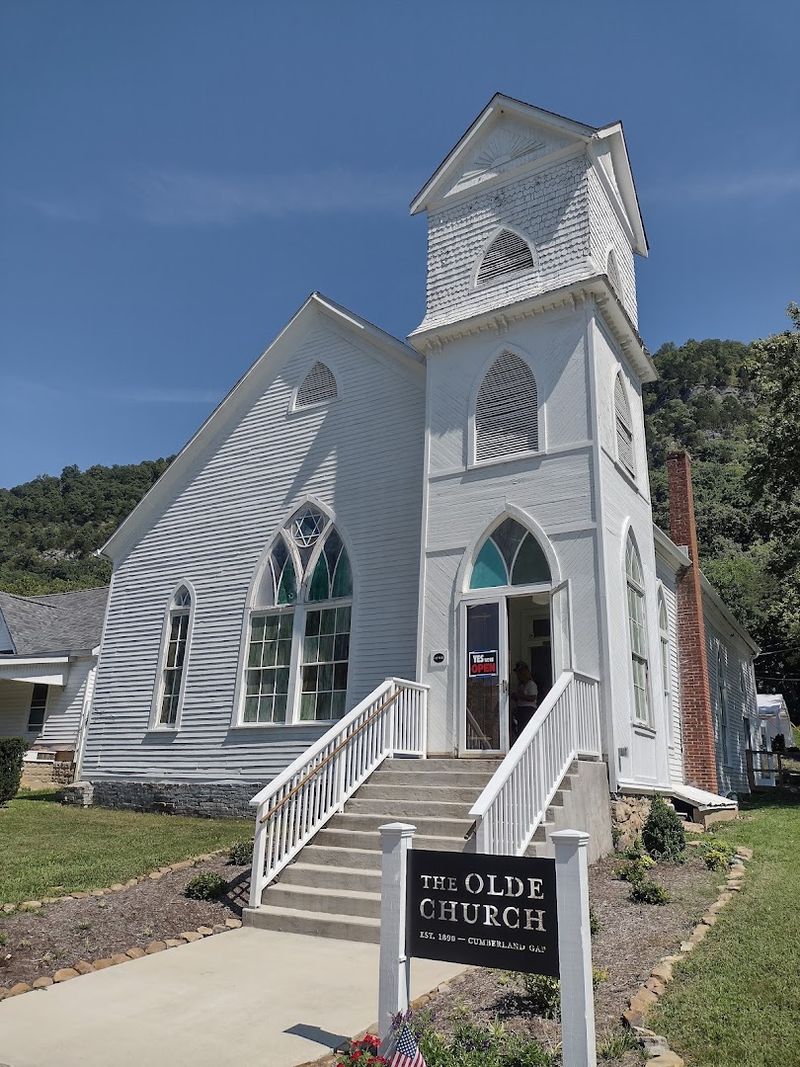
Wedged between three states where the mountains create natural borders, Cumberland Gap feels like the end of the road even though it’s been a crossroads for centuries. The compact historic district sits beneath dramatic ridgelines, surrounded by national park land that keeps development at bay and preserves the isolated atmosphere that defines this corner of Tennessee.
Daniel Boone made this gap famous, but you don’t need a history degree to appreciate why the location matters. The mountains rise steep and sudden, the forests grow thick enough to swallow hiking trails, and the town itself occupies a narrow valley that forces everything to compress into a tight, walkable area. Geography shaped Cumberland Gap, and geography continues protecting it from suburban sprawl.
The national park provides endless outdoor recreation—hiking, scenic drives, cave tours, and overlooks that showcase three states at once. Back in town, the historic district offers a handful of local businesses, old buildings, and enough authenticity to feel genuine rather than staged. You won’t find tour buses idling on street corners or gift shops selling mass-produced souvenirs.
What makes Cumberland Gap work for this list is its genuine remoteness combined with legitimate historical significance. This isn’t a manufactured heritage town created for tourism—it’s a real community that happens to occupy one of America’s most important historical sites. The isolation helps because it limits the number of visitors willing to drive the winding mountain roads to get here.
Locals appreciate that their town hasn’t become another Pigeon Forge, and they’ve resisted the urge to commercialize every square foot of historic property. The result is a place where you can explore frontier history, hike challenging trails, and experience small-town Tennessee without fighting crowds or navigating tourist infrastructure.
Plan for a full day if you want to do the town and park justice. The scenery alone justifies the drive, and the combination of natural beauty with authentic history makes Cumberland Gap one of Tennessee’s most rewarding off-the-beaten-path destinations.
4. Wartrace
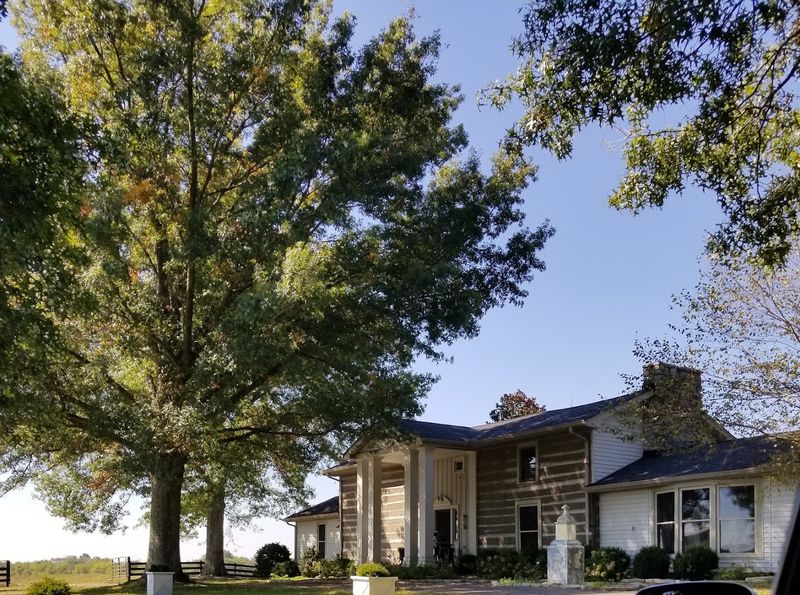
Railroad tracks still run through Wartrace, a reminder that this Bedford County town once mattered to Tennessee’s transportation network before highways made trains less essential. The historic buildings, wraparound porches, and quiet streets create an atmosphere that walking-horse enthusiasts and history buffs find appealing, but the town hasn’t leveraged that appeal into full-blown tourism development.
Front porches define Wartrace’s character—not the decorative kind added during renovations, but genuine sit-and-watch-the-world porches where locals actually spend time. The downtown area maintains its original layout, with buildings that house working businesses rather than serving as empty facades. You can grab lunch, browse antiques, and photograph architecture without navigating crowds or tourist-oriented pricing.
The town’s connection to Tennessee Walking Horses adds local flavor without overwhelming the community’s identity. Stonewall Jackson, one of the breed’s most famous stallions, lived here, and horse farms still operate in the surrounding countryside. But Wartrace doesn’t beat you over the head with equestrian theming—it’s just part of the town’s story, not a marketing gimmick.
Country roads radiate out from town, offering scenic drives through Bedford County’s rolling farmland. The pace here matches the landscape: unhurried, genuine, and refreshingly free from the hustle that characterizes more developed Tennessee destinations. Local businesses operate on small-town schedules, which means you might find places closed on random weekdays or open at unexpected hours.
What keeps Wartrace unspoiled is its lack of obvious tourist infrastructure. There’s no visitor center pushing packaged experiences, no chain hotels anchoring development, and no pressure to transform historic buildings into boutique shops. The town attracts enough visitors to keep local businesses viable without attracting so many that the character changes.
Visit during weekdays when the town belongs almost entirely to residents. Walk the residential streets where Victorian homes and early-1900s bungalows sit behind mature trees and actual yards. Wartrace offers a glimpse of small-town Tennessee that’s increasingly rare—and locals seem content keeping it that way.
5. Linden

Perry County doesn’t make many Tennessee travel lists, which works in Linden’s favor. The county seat sits beside the Buffalo River, surrounded by wooded hills and farmland that create a buffer between this community and the rest of the state’s more crowded destinations. The courthouse square anchors downtown, where local businesses operate without competing against chain stores or tourist-oriented shops.
The Buffalo River provides the main draw for outdoor enthusiasts—floating, fishing, and exploring without the commercial development that crowds other Tennessee waterways. Linden serves as a convenient base for river access while offering enough small-town amenities to make overnight stays comfortable. You won’t find resort lodging or fancy restaurants, but you will find genuine hospitality and reasonable prices.
Downtown Linden moves at a pace that might frustrate hurried travelers but delights anyone seeking an authentic small-town experience. The courthouse, built in the early 1900s, still functions as the county’s administrative center, and the surrounding square hosts businesses that actually serve local residents rather than catering exclusively to visitors. Hardware stores, diners, and service businesses outnumber boutiques and galleries.
The surrounding countryside offers scenic drives through landscapes that look more like Middle Tennessee a century ago than modern suburbanized regions. Wooded hills, open pastures, and winding roads create an environment where you can drive for miles without encountering significant development. Perry County’s rural character protects Linden from the sprawl that’s consumed communities closer to Nashville.
What makes Linden work for travelers is its combination of outdoor recreation and small-town authenticity. You can spend mornings on the river and afternoons exploring a genuine courthouse square without feeling like you’re participating in a staged heritage experience. Local businesses appreciate visitors but don’t depend entirely on tourism, which keeps prices reasonable and attitudes welcoming.
Plan to slow down when you visit Linden. This isn’t a town for checking boxes and rushing to the next destination—it’s a place to settle into the rhythm, explore the surrounding countryside, and experience Tennessee the way it exists outside tourist brochures and social media posts.
6. Gainesboro
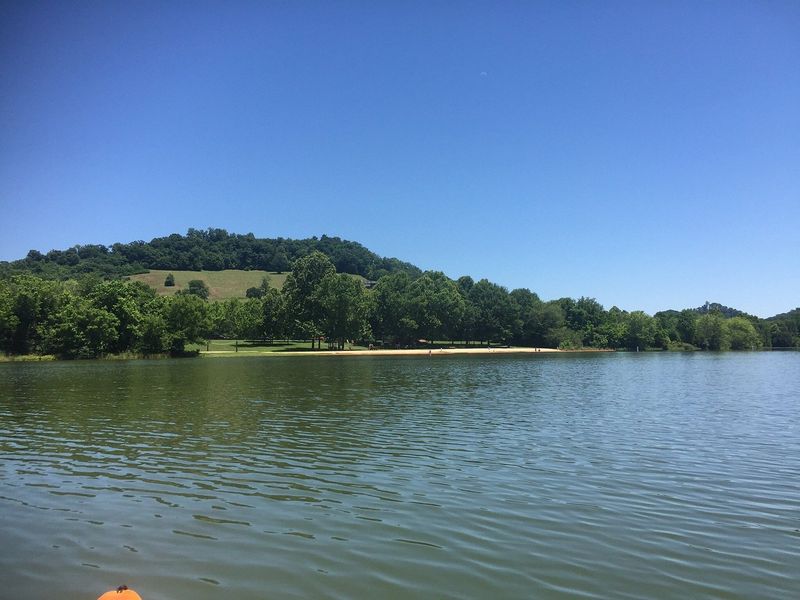
Jackson County’s rolling hills funnel down to the Cumberland River, where Gainesboro occupies a bend that’s provided both transportation and scenery since the town’s founding. The historic square, complete with courthouse and surrounding storefronts, maintains the layout that defined Tennessee county seats in the 1800s. Modern updates happened slowly here, which means the bones of the original town remain visible.
River views punctuate Gainesboro’s landscape—you catch glimpses of the Cumberland from various points around town, and the waterway provides recreational opportunities without requiring marinas or commercial development. Locals fish from banks and launch small boats at public access points, keeping the experience accessible and unpretentious. The river’s presence shapes the town’s character without dominating it.
The square feels genuinely functional rather than preserved as a tourist attraction. Businesses operate in historic buildings, but they’re selling hardware, groceries, and services locals actually need. A few antique shops and cafes cater to visitors, but Gainesboro hasn’t transformed itself into a boutique destination where every storefront sells candles or home decor.
Scenic drives surrounding Gainesboro showcase Jackson County’s rural beauty—winding roads, hilltop views, and farmland that hasn’t succumbed to subdivision development. The drive along the river offers particularly good scenery, with the Cumberland snaking through hills that rise steep from the water.
What keeps Gainesboro off most tourist radars is its distance from major highways and its lack of obvious attractions. There’s no waterfall, no famous restaurant, no quirky museum that draws crowds. The town simply exists as a working community with enough historical character and natural beauty to reward travelers who make the effort to visit.
The best time to experience Gainesboro is during regular weekdays when the town operates according to local rhythms rather than visitor schedules. Walk the square, drive the river roads, and appreciate a Tennessee town that’s content being itself rather than performing for tourists. Locals prefer it this way, and honestly, so should you.
7. Saltillo
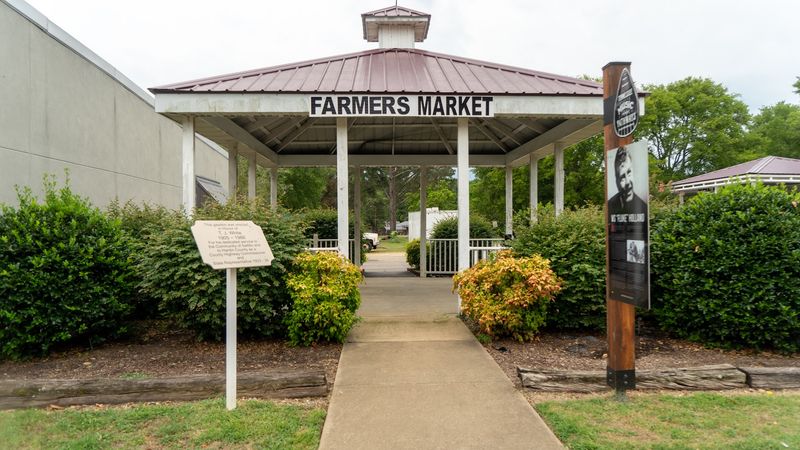
Blink while driving Highway 69 and you’ll miss Saltillo entirely, which pretty much sums up this Hardin County community’s relationship with the modern world. The Tennessee River flows past town, providing scenery and recreation without attracting the development that’s transformed other riverside locations. Historic homes line sleepy streets where commercial activity barely registers and tourist infrastructure doesn’t exist.
Saltillo works perfectly for this list because it feels less like a destination and more like a place that simply persists. No downtown shopping district draws browsers, no restaurants advertise on highway billboards, and no attractions compete for visitor attention. What you find instead are residential streets, river access, and a community that functions quietly without seeking outside validation.
The homes here tell stories about Tennessee River communities before TVA dams and suburban sprawl changed everything. Some date to the 1800s, with architectural details that survived because nobody had the resources to modernize or tear down. Walking these streets feels like exploring a preserved specimen—not a museum recreation, but an actual functioning community that never quite joined the 20th century rush toward development.
River access near Saltillo offers fishing, paddling, and waterfront exploring without crowds or commercial pressure. You won’t find rental outfitters or guided tour operations—just public access and the river itself. The lack of infrastructure keeps visitor numbers low, which preserves the peaceful atmosphere that makes riverside time actually relaxing.
What’s remarkable about Saltillo is how little it offers in conventional tourist terms while still providing exactly what certain travelers seek. If you need activities, attractions, and amenities, this isn’t your town. But if you want to experience a Tennessee community that tourism forgot, where the river still dominates the landscape and modern life feels optional, Saltillo delivers.
Don’t expect services or facilities when you visit—bring what you need and plan to be self-sufficient. The reward for this preparation is experiencing one of Tennessee’s most genuinely unspoiled small communities, where locals prefer obscurity over development and the Tennessee River remains the main attraction without needing marketing or management.
8. Tiptonville
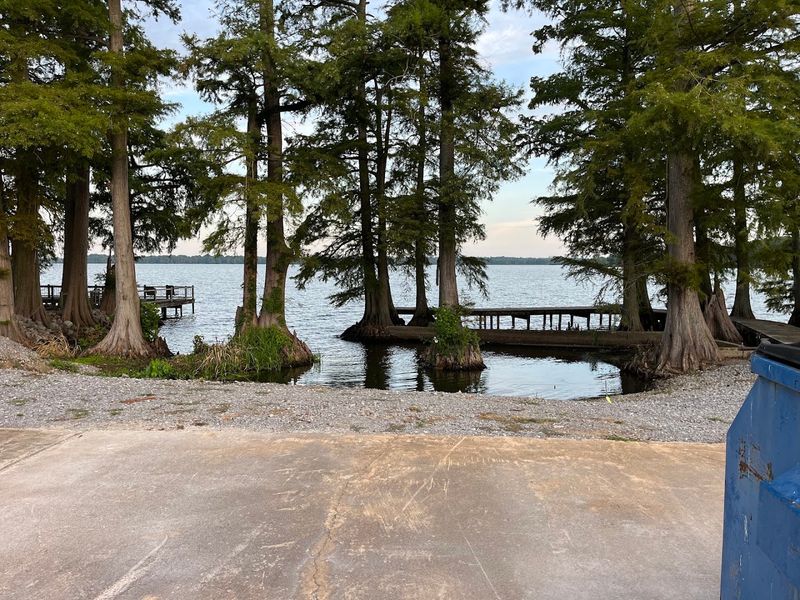
Tennessee’s northwestern corner feels geographically disconnected from the rest of the state, and Tiptonville occupies the most isolated section of this already-remote region. Reelfoot Lake dominates the landscape—a shallow, cypress-filled body of water created by earthquakes in the early 1800s.
The lake’s unusual origin and ecology make it unlike any other Tennessee destination, and Tiptonville serves as the gateway without overwhelming the experience with tourism infrastructure.
Bald cypress trees rising from shallow water create scenery that looks more like Louisiana than Tennessee. Wildlife thrives here—bald eagles winter at Reelfoot, and the lake supports fish populations that attract serious anglers. Tiptonville provides access to this natural wonder while maintaining its identity as a working lake community rather than a resort town.
The town itself moves at a pace that matches the surrounding landscape. Fishing boats matter more than traffic lights, and local businesses cater to residents and anglers rather than casual tourists. You’ll find guide services, simple lodging, and restaurants serving fried catfish, but you won’t find chain hotels, souvenir shops, or the commercial development that characterizes more accessible destinations.
Reelfoot Lake State Park offers hiking, wildlife viewing, and boat tours that showcase the lake’s unique ecology. The park manages to provide visitor services without commercializing the experience—boardwalks lead through cypress forests, observation platforms overlook eagle roosting areas, and boat ramps provide lake access without requiring marina fees or reservations.
What makes Tiptonville special is its genuine remoteness combined with access to one of Tennessee’s most unusual natural features. The town hasn’t tried to transform itself into a tourism hub because the geography and isolation prevent that kind of development. Locals appreciate visitors who come to fish or view wildlife, but they’re not interested in seeing their community become another over-developed lake town.
Visit during winter for eagle viewing or spring for fishing, but don’t expect urban amenities or fast-paced entertainment. Tiptonville and Reelfoot Lake reward travelers who appreciate natural beauty, wildlife, and small-town Tennessee that’s remained largely unchanged for decades.
9. Butler
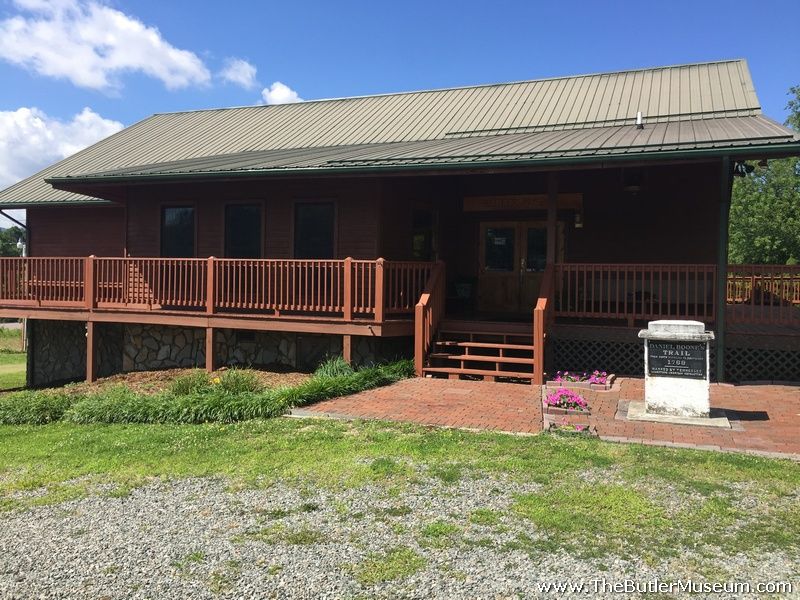
When TVA decided to flood the original Butler in the 1940s to create Watauga Lake, residents refused to simply disappear. They relocated the entire town to higher ground, earning Butler its nickname as “the town that wouldn’t drown.” Today’s Butler sits above the lake in a mountain setting so peaceful that the dramatic origin story almost seems unnecessary—the place would be worth visiting regardless of its history.
Watauga Lake provides the centerpiece, with coves and mountain views that attract boaters, anglers, and anyone seeking Appalachian scenery without Gatlinburg crowds. The lake’s depth and clarity make it popular with divers, and the surrounding Cherokee National Forest ensures that shoreline development stays limited. Butler offers lake access without the resort atmosphere that dominates other Tennessee water destinations.
The town itself consists of scattered businesses and homes spread across rural roads where mountains rise steep and sudden. No traditional downtown exists because the relocation created a dispersed community rather than a concentrated village. This layout works in Butler’s favor—there’s no tourist district to commercialize, no main street to fill with gift shops, just a genuine mountain community that happens to sit beside a beautiful lake.
Mountain roads surrounding Butler showcase East Tennessee at its most scenic. Winding highways, overlooks, and rural valleys create endless opportunities for exploring without encountering significant traffic or development. The remoteness that once made Butler vulnerable to flooding now protects it from the suburban sprawl consuming communities closer to Knoxville and Tri-Cities.
What makes Butler genuinely peaceful is the combination of dramatic scenery, outdoor recreation, and isolation from Tennessee’s main tourist corridors. Visitors come for the lake and mountains, not for shopping or attractions, which keeps the area’s character intact.
Plan to spend time on the water and exploring mountain roads rather than seeking traditional town activities. Butler’s appeal lies in its setting and story, not its commercial offerings. This is East Tennessee preserved by geography and history, where locals prefer the quiet life they rebuilt rather than the tourist attention they could probably attract.
Share this story