Tennessee has more than just country music and barbecue. Tucked away in small towns and tourist hotspots across the state are museums so unusual, you might wonder how they even exist. From thousands of salt shakers under one roof to a building shaped like the Titanic, these quirky collections celebrate everything most museums ignore.
Whether you’re a local looking for something different or a visitor ready to go off the beaten path, these wonderfully weird spots prove that Tennessee knows how to have fun with history.
1. Salt & Pepper Shaker Museum — Gatlinburg
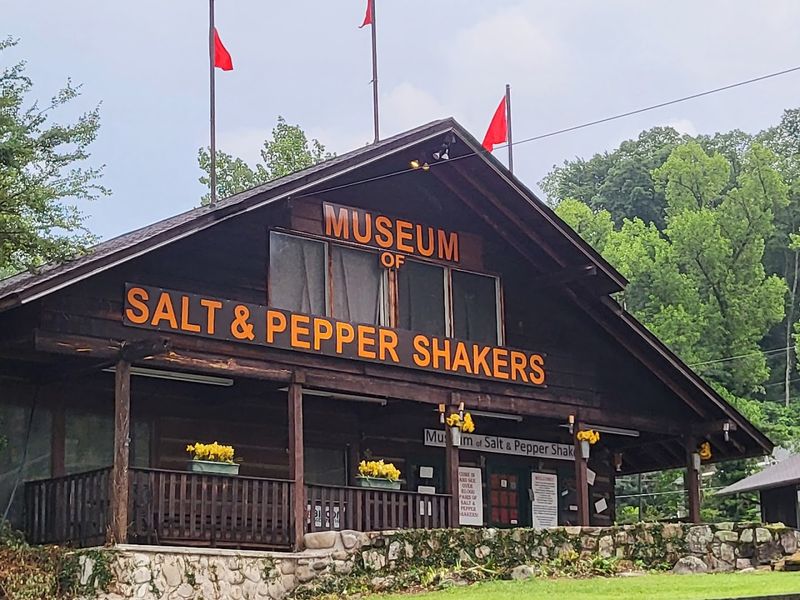
Walking into this tiny Gatlinburg museum feels like stepping into someone’s wildly enthusiastic collection that somehow escaped their kitchen cabinets. Over 20,000 salt and pepper shakers line the walls, shelves, and display cases in every imaginable shape, size, and theme. You’ll spot shakers shaped like animals, landmarks, cartoon characters, and objects so obscure you’ll wonder who designed them in the first place.
The museum started as a personal hobby that spiraled delightfully out of control. What began with a few vintage sets grew into a collection so massive it needed its own building. Now, visitors from around the world stop by to marvel at the sheer dedication it takes to amass this many seasoning dispensers.
Each shaker tells a tiny story about when and where it was made. Some date back decades, representing different eras of American kitsch and design trends. Others come from international travels, showing how something as simple as table salt gets packaged differently across cultures.
Don’t expect a stuffy, hands-off experience here. The vibe is playful and welcoming, perfect for families or anyone who appreciates the charm of everyday objects elevated to art. Kids especially love hunting for their favorite characters or the weirdest designs they can find.
Admission is free, which makes this one of the best budget-friendly stops in Gatlinburg. The museum operates in a cozy space that you can tour in about 20 minutes, though true enthusiasts might linger longer. There’s also a small gift shop where you can pick up your own quirky shakers to start your collection.
It’s proof that even the most ordinary household items can become extraordinary when someone cares enough to celebrate them.
2. International Towing & Recovery Museum — Chattanooga
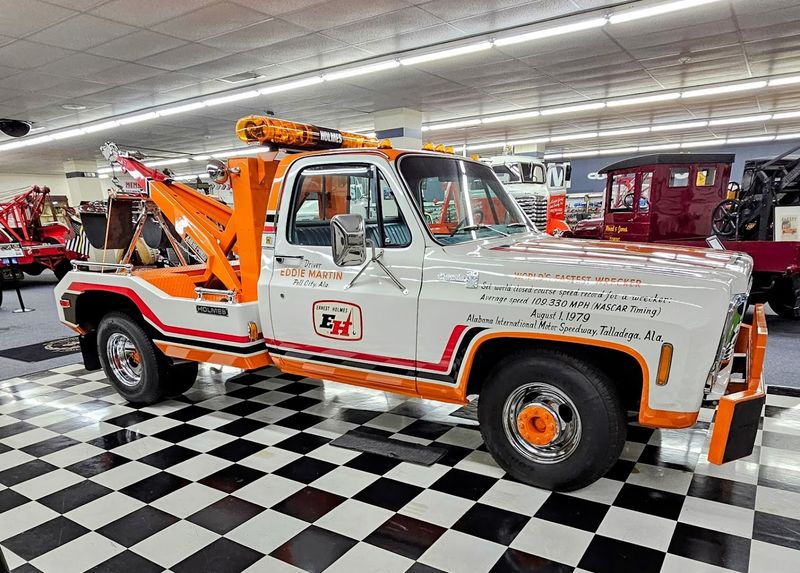
Most people never think twice about tow trucks until they need one. This Chattanooga museum flips that script entirely, transforming what seems like a mundane industry into a surprisingly gripping story of innovation, bravery, and mechanical ingenuity. The collection includes vintage tow trucks dating back nearly a century, each representing a leap forward in how we rescue stranded vehicles.
Chattanooga earned its place as home to this museum for good reason—the city is considered the birthplace of the towing industry. In 1916, a local mechanic built the first wrecker after struggling to pull a car from a creek using blocks, ropes, and six men. That invention changed roadside assistance forever.
Inside, you’ll find restored trucks that look like they rolled straight out of old photographs, complete with original paint jobs and period-correct details. Interactive displays explain how different mechanisms work, from early hand-cranked winches to modern hydraulic systems. There’s even a Wall of the Fallen, honoring tow truck operators who died while helping stranded motorists—a sobering reminder that this work can be dangerous.
What makes this museum unexpectedly engaging is how it connects towing to broader transportation history. You’ll learn about the evolution of highways, the rise of automobile culture, and how recovery techniques adapted as cars got bigger and faster. It’s not just about trucks; it’s about how America learned to keep moving.
The museum also hosts an annual international convention, drawing towing professionals from around the globe. Admission is affordable, and the staff genuinely loves sharing stories about the industry’s unsung heroes. Even if you’ve never considered tow trucks interesting before, this place might change your mind completely.
3. Bush’s Beans Visitor Center — Dandridge
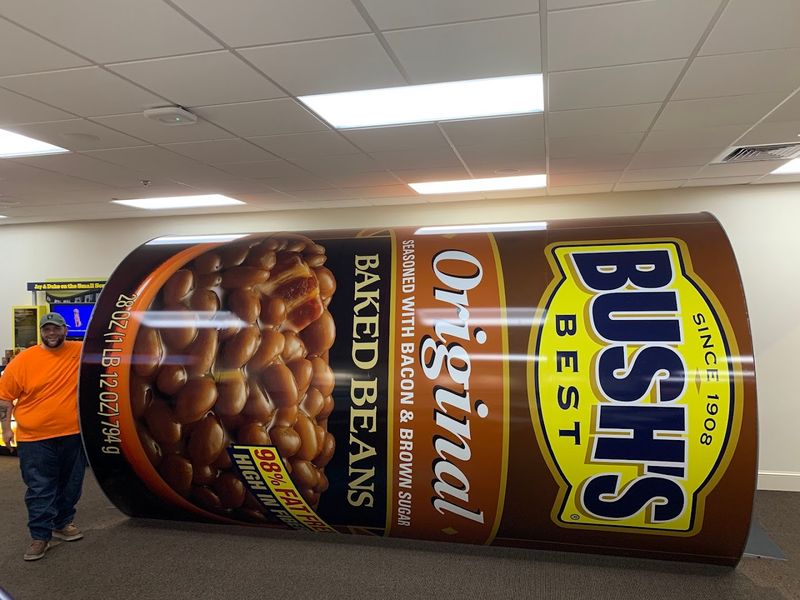
Beans might not sound like thrilling museum material, but Bush’s somehow turned their legume legacy into a genuinely fun visitor experience. Located in Dandridge near the original cannery, this spot celebrates everything about the humble bean and the family company that made them famous. You’ll see vintage cans, old advertisements, and even a replica of the general store where it all started back in 1908.
The center doesn’t take itself too seriously, which is part of its charm. Duke, the talking dog from the commercials, makes appearances throughout the exhibits in video clips and photo ops. Kids love the interactive displays where they can learn how beans go from field to can, and adults appreciate the nostalgic trip through decades of American advertising.
One highlight is the cafe, where bean-based dishes go way beyond what you’d expect. We’re talking white chicken chili, bean salsa, and even desserts that incorporate the company’s products in creative ways. Everything is surprisingly tasty, proving beans deserve more credit in the culinary world.
The museum portion walks you through the Bush family’s journey from a small Tennessee operation to a household name. Old photographs show family members working the cannery lines, and vintage equipment demonstrates how canning technology has evolved over the decades. It’s a slice of Tennessee business history that feels personal rather than corporate.
Outside, there’s a beautiful view of the Smoky Mountains and a general store where you can stock up on every Bush’s product imaginable, plus Tennessee-made goods and souvenirs. Admission is free, making this an easy stop if you’re driving through the area. The whole experience takes about an hour, and you’ll leave with a newfound respect for the bean industry and the family that built an empire on simple, quality food.
4. Coker Museum — Chattanooga
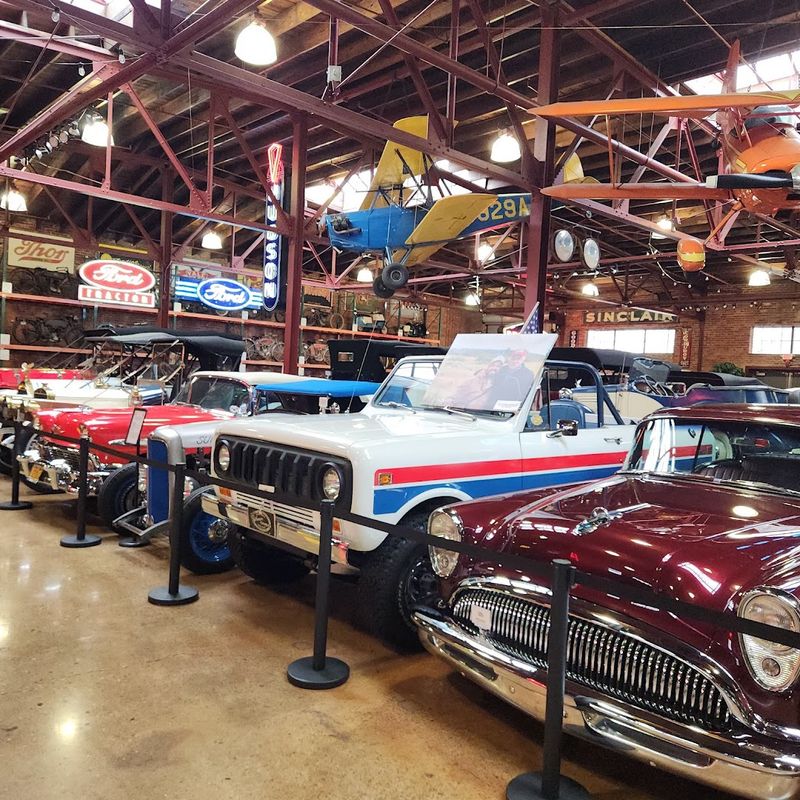
Hidden away in Chattanooga sits a treasure trove of automotive history that feels more like a private collector’s dream garage than a traditional museum. The Coker Museum houses an impressive array of vintage cars, motorcycles, trucks, and even a few airplanes, all meticulously restored to showroom condition. Chrome gleams under carefully positioned lights, and every vehicle looks ready to fire up and hit the road.
The Coker family built their fortune in the tire business, specializing in authentic replacement tires for classic vehicles. That expertise naturally led to acquiring the vehicles themselves, and the collection grew into something worth sharing with the public. Now their passion project sits adjacent to their tire company, open for tours by appointment.
What sets this museum apart is the sheer variety. You might see a 1920s roadster parked next to a 1950s hot rod, with a vintage motorcycle and a classic pickup truck nearby. Each vehicle represents a different slice of American automotive culture, from elegant pre-war luxury cars to muscle cars from the golden age of horsepower.
The airplanes add an unexpected twist, showing that the Coker family’s collecting interests extend beyond ground transportation. Seeing a vintage aircraft sharing space with classic cars creates a unique atmosphere that celebrates all forms of mechanical innovation and design.
Because this is a working business location with a museum attached, the experience feels less polished than big-name attractions, but that’s part of its appeal. You’re seeing a real collection assembled by genuine enthusiasts, not a corporate-sponsored timeline of transportation history. Staff members often have deep knowledge about specific vehicles and love talking shop with fellow car buffs.
Visiting requires calling ahead to arrange a tour, which keeps crowds manageable and allows for a more personalized experience. It’s perfect for anyone who appreciates automotive craftsmanship and wants to see rare vehicles up close without fighting tourist crowds.
5. Titanic Museum Attraction — Pigeon Forge
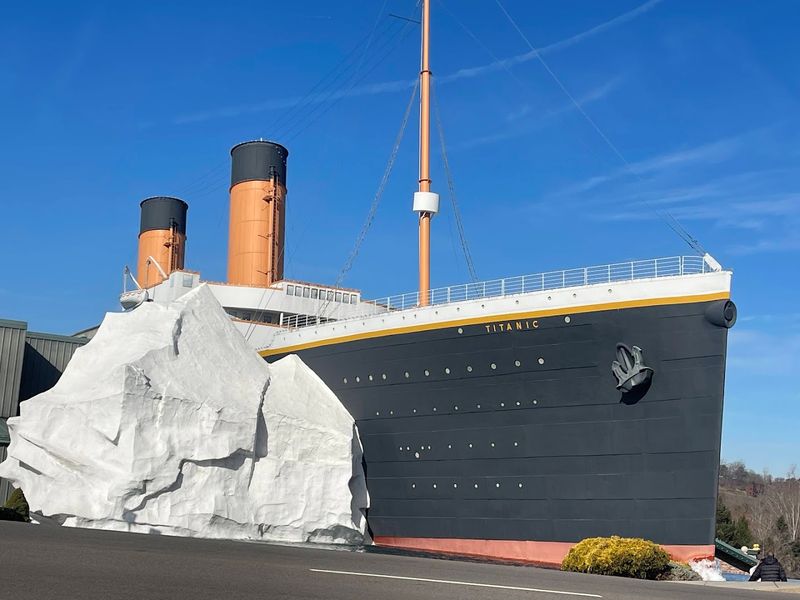
A half-scale replica of the Titanic sitting in the Smoky Mountains seems geographically absurd, yet here it stands in Pigeon Forge, complete with water features and an iceberg facade. This isn’t your typical walk-through-and-read-plaques museum. From the moment you receive a boarding pass with a real passenger’s name, the experience becomes personal and immersive in ways that make history feel immediate.
The museum spans two floors and 20 galleries, each packed with artifacts, recreations, and interactive elements. You can touch an iceberg, feel how cold the water was that night, and stand on sloping decks that simulate the ship’s final angle as it sank. There’s a grand staircase replica where countless engagement photos happen, and crew cabin recreations that show the stark class differences aboard.
What makes this attraction genuinely moving is how it honors the real people involved. Throughout your tour, you learn about the passenger whose name you received at entry, following their story to discover whether they survived. This personal connection transforms statistics into a human tragedy, making the disaster’s scale emotionally comprehensible.
Over 400 artifacts are displayed, including items recovered from the wreck site and personal belongings from passengers and crew. Seeing a child’s shoe or reading handwritten letters brings the story closer than any movie can. The museum treats these objects with appropriate reverence while still making the experience accessible and engaging.
Interactive elements keep kids interested even when historical details might overwhelm them. They can send Morse code messages, shovel coal in the boiler room simulation, and navigate using the ship’s wheel. Adults appreciate the depth of information available, with audio guides and detailed placards throughout.
The museum operates year-round with timed entry tickets to prevent overcrowding. Plan for at least two hours to properly explore everything. It’s one of Pigeon Forge’s more expensive attractions, but the quality and scope justify the cost for history enthusiasts and Titanic buffs alike.
6. Tina Turner Museum — Brownsville
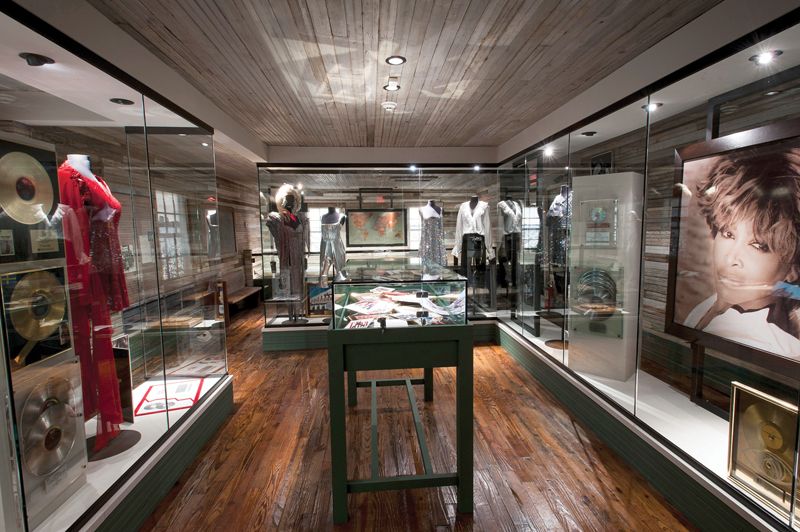
Before Tina Turner became the Queen of Rock ‘n’ Roll, she was Anna Mae Bullock, a young girl attending a one-room schoolhouse in rural West Tennessee. That schoolhouse still stands in Brownsville, now transformed into a modest but heartfelt museum celebrating her journey from cotton fields to global superstardom. The building itself is part of the story, representing the humble beginnings that made her success even more remarkable.
Inside, the small space is packed with photographs, costumes, records, and memorabilia spanning her entire career. You’ll see images of young Anna Mae alongside glamorous shots of Tina in her prime, performing in iconic outfits that defined an era. Concert posters, album covers, and magazine features line the walls, creating a visual timeline of her evolution as an artist.
What makes this museum special is its intimate scale. Unlike massive celebrity museums in big cities, this feels personal and community-focused. Local volunteers often staff the museum, sharing stories about Tina’s childhood in the area and her connection to Brownsville.
Their pride in her accomplishments is genuine and infectious.
The museum doesn’t shy away from the difficult parts of her story either. Displays acknowledge her struggles and the strength it took to leave an abusive relationship and rebuild her career from scratch. Her comeback in the 1980s, when many thought she was finished, gets proper recognition as one of music history’s greatest second acts.
Visitors can also see artifacts from her personal life, including items donated by family members and local residents who knew her before fame. These pieces ground her superstar status in real Tennessee roots, reminding visitors that extraordinary people often come from ordinary places.
The museum is small enough to tour in 30 minutes, but true fans will want to linger over every detail. Admission is inexpensive, and proceeds help maintain the historic schoolhouse. It’s a pilgrimage site for Tina Turner fans worldwide and a source of hometown pride for Brownsville residents.
7. Buford Pusser Home & Museum — Adamsville
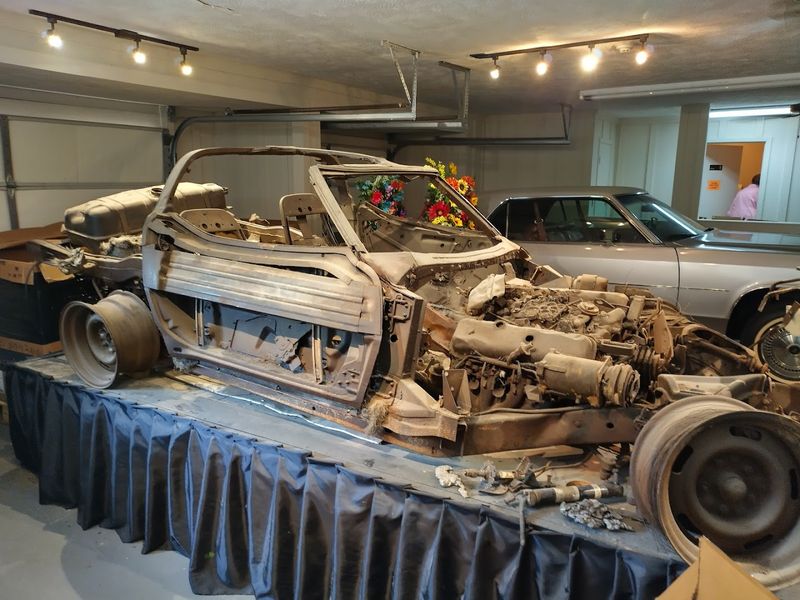
Buford Pusser’s story reads like a southern crime thriller because it essentially was one. The legendary McNairy County sheriff became famous for his one-man war against organized crime along the Tennessee-Mississippi border in the 1960s and ’70s. His home in Adamsville now serves as a museum dedicated to his life, displaying the big stick he carried, the bullet-riddled car he survived, and countless artifacts from his tumultuous career in law enforcement.
The house itself looks unassuming from the outside, a typical mid-century Tennessee home in a quiet neighborhood. Inside, though, every room tells stories of violence, corruption, and one man’s stubborn determination to clean up his county. You’ll see his uniforms, weapons, and personal belongings alongside newspaper clippings documenting his battles with bootleggers, gamblers, and murderers.
Perhaps the most striking exhibit is Pusser’s death car, preserved exactly as it was after the mysterious single-vehicle crash that killed him in 1974. Bullet holes from an earlier ambush that killed his wife are still visible in another vehicle on display. These aren’t sanitized museum pieces—they’re raw reminders of how dangerous his work truly was.
The museum doesn’t glorify violence but rather contextualizes the era when state lines became havens for criminal enterprises. Pusser’s six-foot-six frame and willingness to physically confront criminals made him both feared and respected. His story inspired the “Walking Tall” movie franchise, which brought his legend to national attention.
Photographs throughout the museum show Pusser with celebrities, politicians, and fellow lawmen who admired his courage. You’ll also see more personal items—family photos, his high school football gear, and mementos from his brief wrestling career before becoming sheriff. These humanizing touches balance the crime-fighting narrative.
Local volunteers who remember Pusser personally often work at the museum, sharing firsthand accounts and answering questions. Their stories add depth that plaques and displays can’t capture. The museum is small-town Tennessee at its most authentic, preserving a complicated legacy that still resonates decades later.
8. Tennessee Museum of Aviation — Sevierville
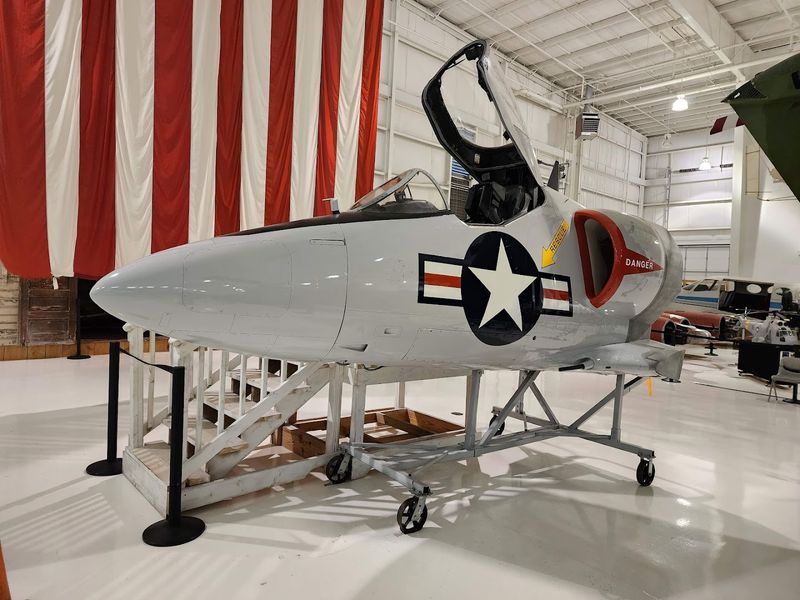
Aircraft enthusiasts and history buffs find common ground at this Sevierville museum, where vintage warbirds and civilian planes share hangar space in an impressive collection. The Tennessee Museum of Aviation focuses primarily on military aircraft, with beautifully restored examples from World War II through the jet age. Walking among these machines, you can almost hear the roar of engines and imagine the pilots who flew them into history.
The star attractions are the rare and meticulously maintained warbirds, some of which still fly at airshows. A P-47 Thunderbolt sits alongside sleek jets from later conflicts, each representing different eras of military aviation technology. Seeing these aircraft up close reveals details you’d never notice in photographs—the size of propellers, the thickness of armor plating, the cramped cockpits where young pilots sat during combat missions.
What elevates this museum beyond a simple aircraft display is the storytelling. Each plane comes with a detailed history about its service record, the pilots who flew it, and the missions it completed. Personal artifacts, flight suits, and photographs connect the machines to the real people who relied on them.
These human elements transform metal and machinery into vessels of individual courage and sacrifice.
The museum also houses an extensive collection of aviation memorabilia, including uniforms, medals, flight gear, and technical manuals. Model builders will appreciate the detailed miniatures on display, and kids enjoy the interactive flight simulator that lets them experience basic piloting without leaving the ground.
Unlike massive aviation museums in major cities, this one maintains a personal, accessible feel. Staff members are often pilots or aviation mechanics themselves, eager to share technical knowledge and answer questions. Their passion for aviation history is evident in how they maintain the collection and engage with visitors.
The museum regularly hosts special events, including veteran meet-and-greets and aircraft fly-in days when weather permits. These events bring the static displays to life and create opportunities to hear firsthand accounts from people who flew or maintained similar aircraft during their service.
9. Alcatraz East Crime Museum — Pigeon Forge
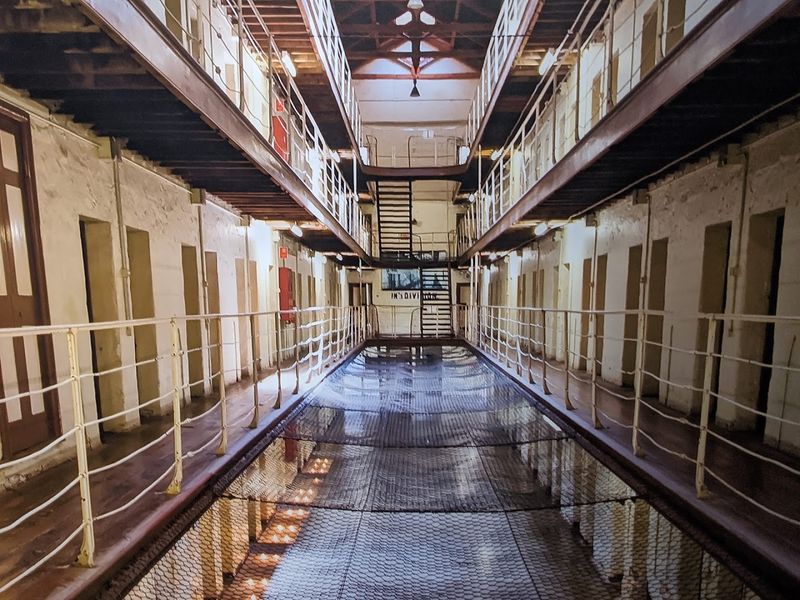
Crime museums walk a fine line between education and exploitation, but Alcatraz East manages to stay firmly on the informative side while still delivering the thrills visitors expect. This massive Pigeon Forge facility explores American crime history through five distinct galleries covering everything from notorious criminals to forensic science breakthroughs.
It’s part history lesson, part CSI experience, and entirely fascinating for anyone curious about the darker corners of human behavior.
The museum doesn’t glorify criminals but rather examines crime as a social phenomenon. You’ll see artifacts from famous cases—getaway cars, weapons, personal items from notorious figures—but always within educational context. Exhibits explain how crimes were solved, what motivated the criminals, and how law enforcement techniques evolved in response to new challenges.
One gallery focuses entirely on forensic science, with interactive displays showing how investigators analyze crime scenes. Visitors can try lifting fingerprints, examining evidence under microscopes, and understanding how DNA analysis revolutionized criminal justice. These hands-on elements make complex scientific concepts accessible and engaging, especially for younger visitors considering careers in law enforcement or forensics.
Another section explores the history of American punishment and incarceration, including a recreated jail cell where you can experience the claustrophobic reality of confinement. Exhibits on famous prisons, escape attempts, and prison reform movements provide a historical perspective on how society has dealt with criminals over the centuries.
The museum also addresses contemporary issues like cybercrime, identity theft, and terrorism, showing how criminal activity adapts to technological advances. These modern exhibits feel particularly relevant, connecting historical crime patterns to current headlines and helping visitors understand ongoing challenges in public safety.
Alcatraz East takes its educational mission seriously, offering programs for school groups and law enforcement professionals. The museum’s collection includes over 500 artifacts, many on loan from FBI archives and private collectors. Audio guides provide additional depth for those wanting to explore specific topics further.
Plan for at least two hours to properly tour all five galleries. The museum is suitable for teens and adults, though some content may be intense for younger children. It’s one of Pigeon Forge’s more thought-provoking attractions, offering substance alongside entertainment.
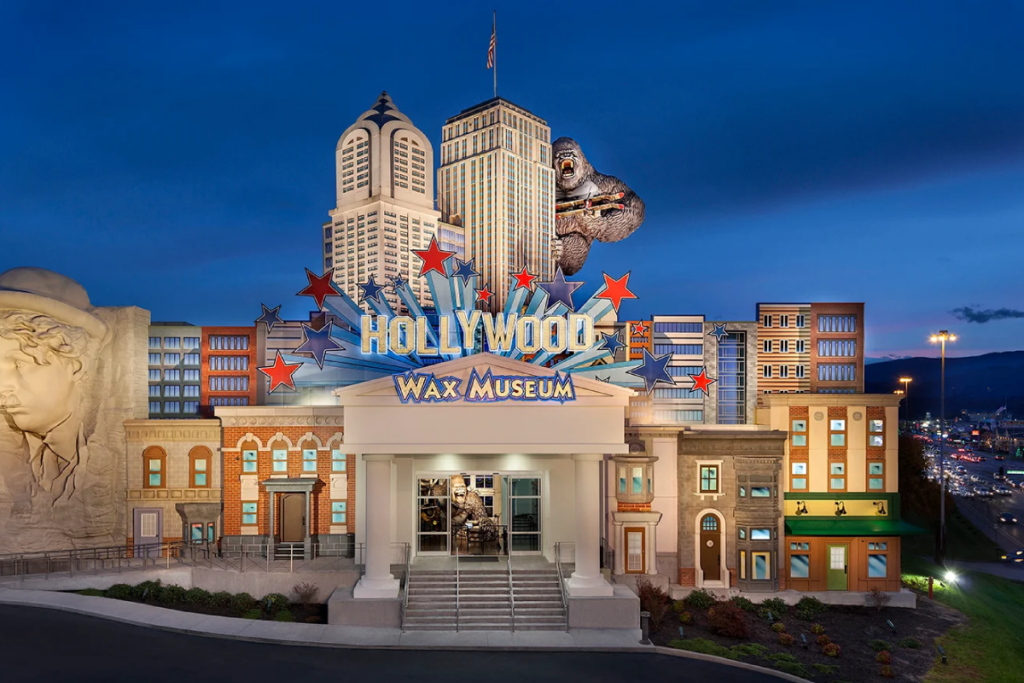
10. Hollywood Wax Museum — Pigeon Forge
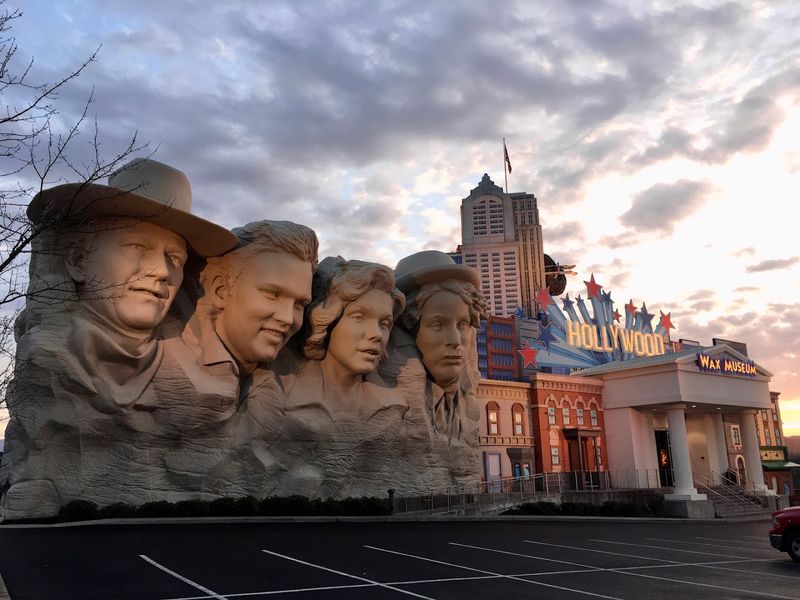
Wax museums occupy a peculiar space in the attraction world—simultaneously cheesy and irresistible. The Hollywood Wax Museum in Pigeon Forge leans into both qualities with enthusiasm, offering three floors of celebrity wax figures ranging from impressively lifelike to hilariously off-target. Whether you’re posing with movie stars, musicians, or historical figures, the experience is pure tourist fun without pretending to be anything more.
The museum divides its figures by category, with sections devoted to movie stars, musicians, historical figures, and current celebrities. Some figures are remarkably accurate, capturing not just facial features but posture and expression. Others look vaguely like their subjects if you squint and use imagination.
Part of the fun is debating with your group which figures hit the mark and which ones missed entirely.
Unlike stuffy museums where touching is forbidden, this place encourages interaction. Pose with your favorite stars, recreate famous movie scenes, and take as many selfies as your phone storage allows. The museum provides props and themed backdrops to enhance your photos, from red carpets to movie set recreations.
Recent additions include contemporary celebrities and viral internet personalities, showing the museum’s commitment to staying current. Classic Hollywood legends share space with modern stars, creating amusing juxtapositions across generations of fame. Seeing Marilyn Monroe next to current pop stars highlights how celebrity culture has evolved while remaining fundamentally similar.
The museum also features a few interactive elements beyond photo ops. A 4D theater experience combines 3D film with physical effects like moving seats and water sprays, adding an extra dimension to your visit. There’s also a mirror maze and an outbreak-themed attraction for those wanting more than just wax figures.
Combination tickets covering all three attractions (wax museum, maze, and outbreak experience) offer the best value if you’re planning to do everything. The whole experience takes about 90 minutes, perfect for a rainy afternoon or when you need a break from outdoor activities. It’s unabashedly touristy, which is exactly what makes it perfect for a town like Pigeon Forge.
Share this story