
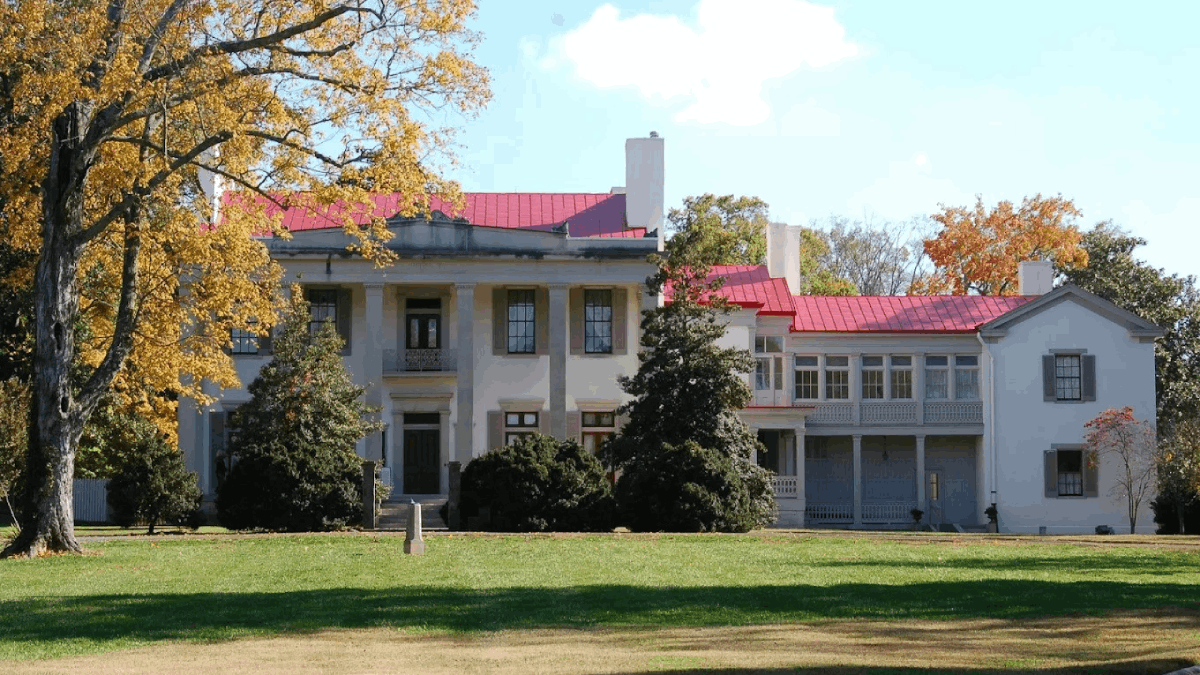
Tennessee’s historic plantations are often admired for their grand homes, sweeping landscapes, and ties to the state’s past—but their stories run much deeper than Southern charm.
Today, many of these sites are reshaping how history is told by confronting the realities of slavery, resistance, and the lives of the people whose forced labor built these estates. Visiting them now means engaging with narratives long ignored or softened in textbooks.
These plantations invite reflection, challenge romanticized myths, and center voices that were once silenced, offering a more honest and meaningful understanding of Tennessee’s history and its lasting impact.
1. Belle Meade Historic Site & Winery (Nashville)
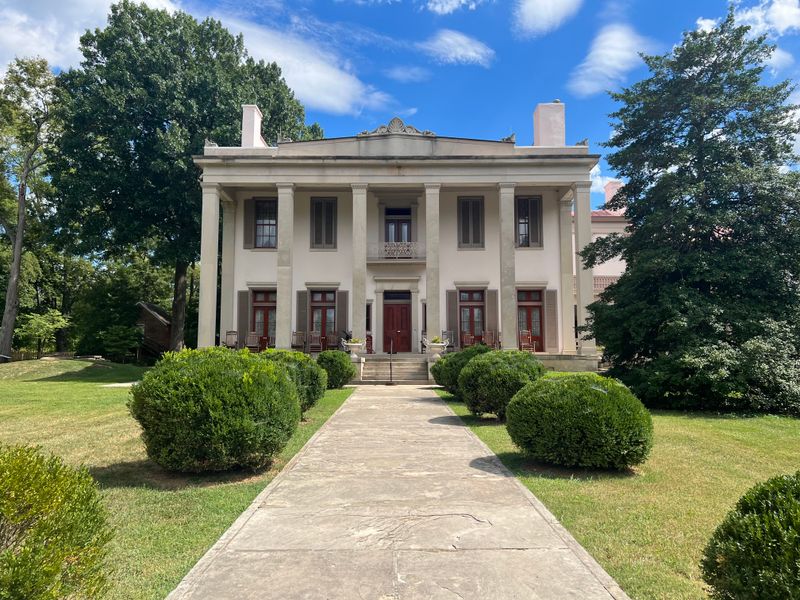
For decades, visitors came to Belle Meade to admire its reputation for breeding champion horses and living in luxury. Today, the site tells a much fuller story. Guided tours now focus on the lives of enslaved men, women, and children whose forced labor made the plantation’s wealth possible.
Exhibits don’t shy away from hard truths. They explore how slavery functioned as an economic system and how it shaped Tennessee’s development. The site also examines the lasting impacts of that history on communities today.
Belle Meade’s transformation shows how historic sites can evolve. Rather than romanticizing the past, it invites visitors to reckon with it honestly and thoughtfully.
2. Andrew Jackson’s Hermitage (Hermitage)
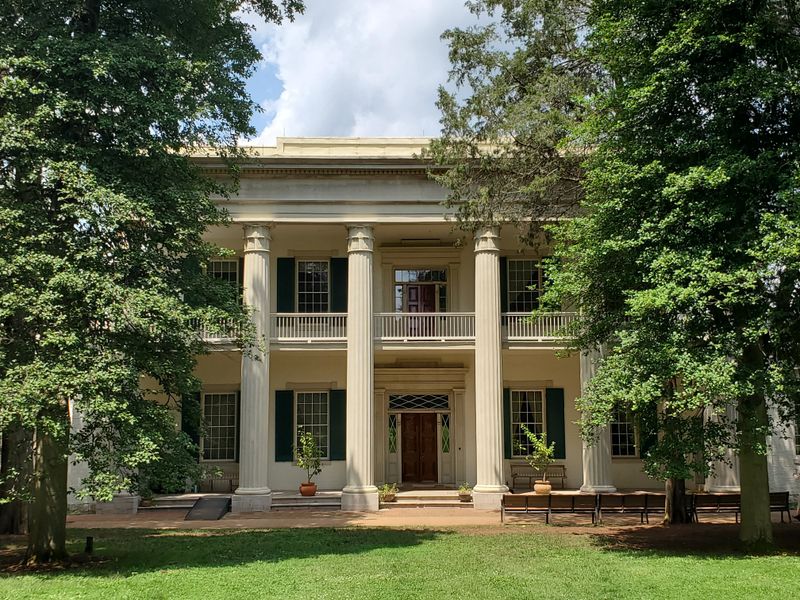
Andrew Jackson is often remembered as a war hero and president, but his story is incomplete without acknowledging the over 300 enslaved people who lived at the Hermitage. Their labor sustained Jackson’s political career and personal fortune. The site now works to bring their names, experiences, and resistance efforts into the light.
Recent years have seen expanded interpretation focused on slavery’s human cost. Tours highlight individual stories and the daily realities of bondage. Visitors learn about families torn apart, acts of defiance, and the courage it took to survive.
The Hermitage’s updated approach challenges the hero-worship that once dominated its narrative. It invites visitors to view history from multiple perspectives.
3. Oaklands Mansion (Murfreesboro)

Situated in Murfreesboro, Oaklands Mansion once served as a gathering place for Tennessee’s elite families during the Civil War era. But behind the elegant parlors and fine furnishings was an enslaved community whose work kept the estate running. Modern tours now address both sides of that story, refusing to separate luxury from exploitation.
The site explores how the Civil War disrupted plantation life and forced labor systems. It also examines how historical narratives about the South have shifted over time. Visitors gain insight into the complex social structures that defined the region.
Oaklands challenges romanticized versions of Southern history. It encourages honest conversation about power, privilege, and memory.
4. Wessyngton Plantation (Cedar Hill)
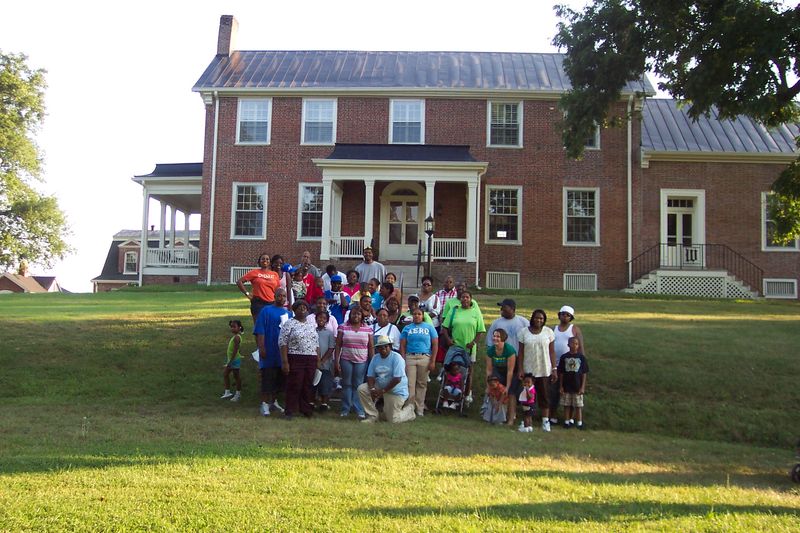
What makes Wessyngton truly unique is its ownership. Descendants of the people who were enslaved there now control the site, ensuring that history is told through lived experience. Generational memory shapes every tour and interpretation, offering visitors something rare: authentic voices reclaiming their ancestors’ stories.
The site rejects the glossy narratives that once dominated plantation tourism. Instead, it focuses on family histories, survival strategies, and the resilience required to endure bondage. Visitors hear firsthand accounts passed down through generations.
Wessyngton proves that who tells history matters as much as what gets told. It’s a powerful reminder of the importance of perspective.
5. Traveler’s Rest Historic House Museum (Nashville)
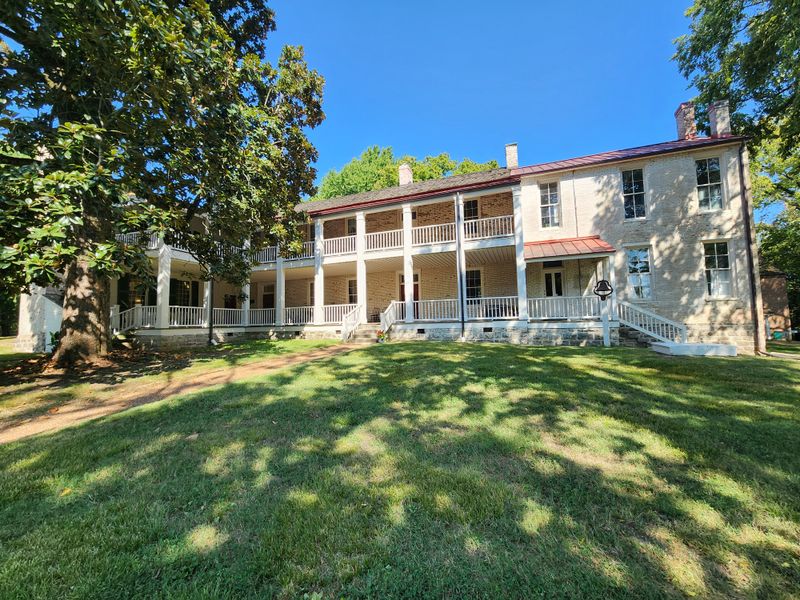
Traveler’s Rest offers a window into Tennessee’s frontier era, when slavery was expanding westward alongside white settlement. The site emphasizes the everyday realities of enslavement in early Tennessee, showing how forced labor shaped the state’s growth from the very beginning.
Tours explore the connections between westward expansion and the spread of slavery. Visitors learn how enslaved people built homes, cleared land, and sustained the families who claimed ownership over them. The site also highlights resistance and the small acts of autonomy that enslaved individuals fought to maintain.
By focusing on the frontier experience, Traveler’s Rest fills gaps in most history curriculums. It shows that slavery wasn’t just a Southern phenomenon—it was foundational to the westward movement.
6. Rippavilla Plantation (Spring Hill)
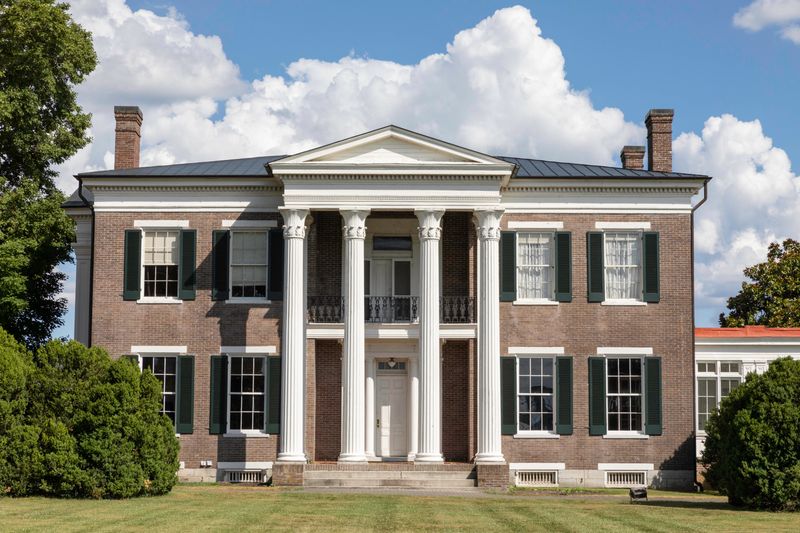
Rippavilla is best known for its Civil War history, serving as headquarters for both Confederate and Union forces during the conflict. But recent efforts have shifted focus to the enslaved laborers who built the estate and kept it functioning through wartime chaos. Their stories were long overshadowed by military narratives and tales of wealthy owners.
The site now contextualizes slavery within the broader Civil War story. Tours explain how enslaved people navigated the war, sought freedom, and made choices under impossible conditions. Visitors see how war disrupted—but didn’t end—systems of exploitation.
Rippavilla’s evolving interpretation shows that even well-known sites can grow. History isn’t static, and neither should our understanding of it be.