

Tennessee might be known for country music and hot chicken, but the Volunteer State has been quietly racking up firsts for over a century. From snacks you grab at gas stations to inventions that changed how we shop, Tennessee innovators have left their mark on American life.
Get ready to discover nine surprising ways Tennessee led the nation before anyone else even thought to try.
1. Invented the Typewriter Ribbon (Memphis)
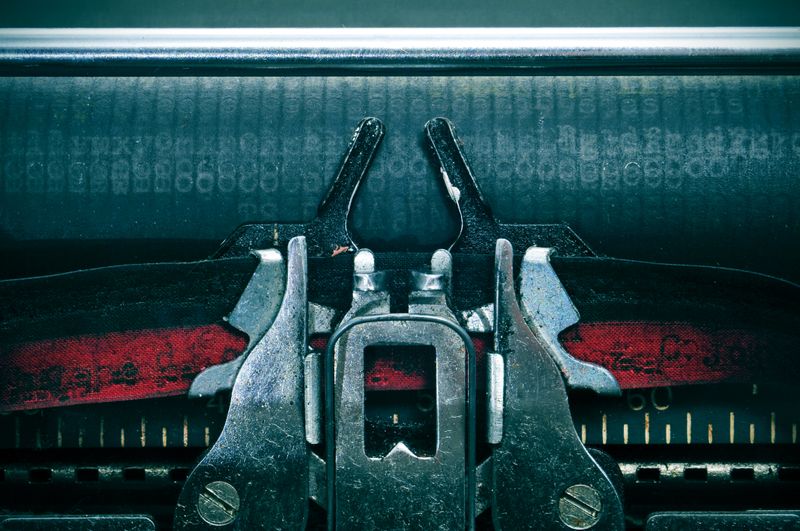
George K. Anderson changed office work forever when he patented the typewriter ink ribbon in Memphis back in 1886. Before his invention, people struggled with messy ink pads and inconsistent typing quality. His ribbon design made typing cleaner, faster, and way more reliable.
Think about how many documents, letters, and books were typed using his invention over the decades. Without Anderson’s ribbon, typewriters would have stayed clunky and frustrating to use.
Even though computers have replaced typewriters, Anderson’s clever idea paved the way for modern printing technology. His Memphis workshop sparked an innovation that spread worldwide.
2. Bottled Coca-Cola First (Chattanooga)
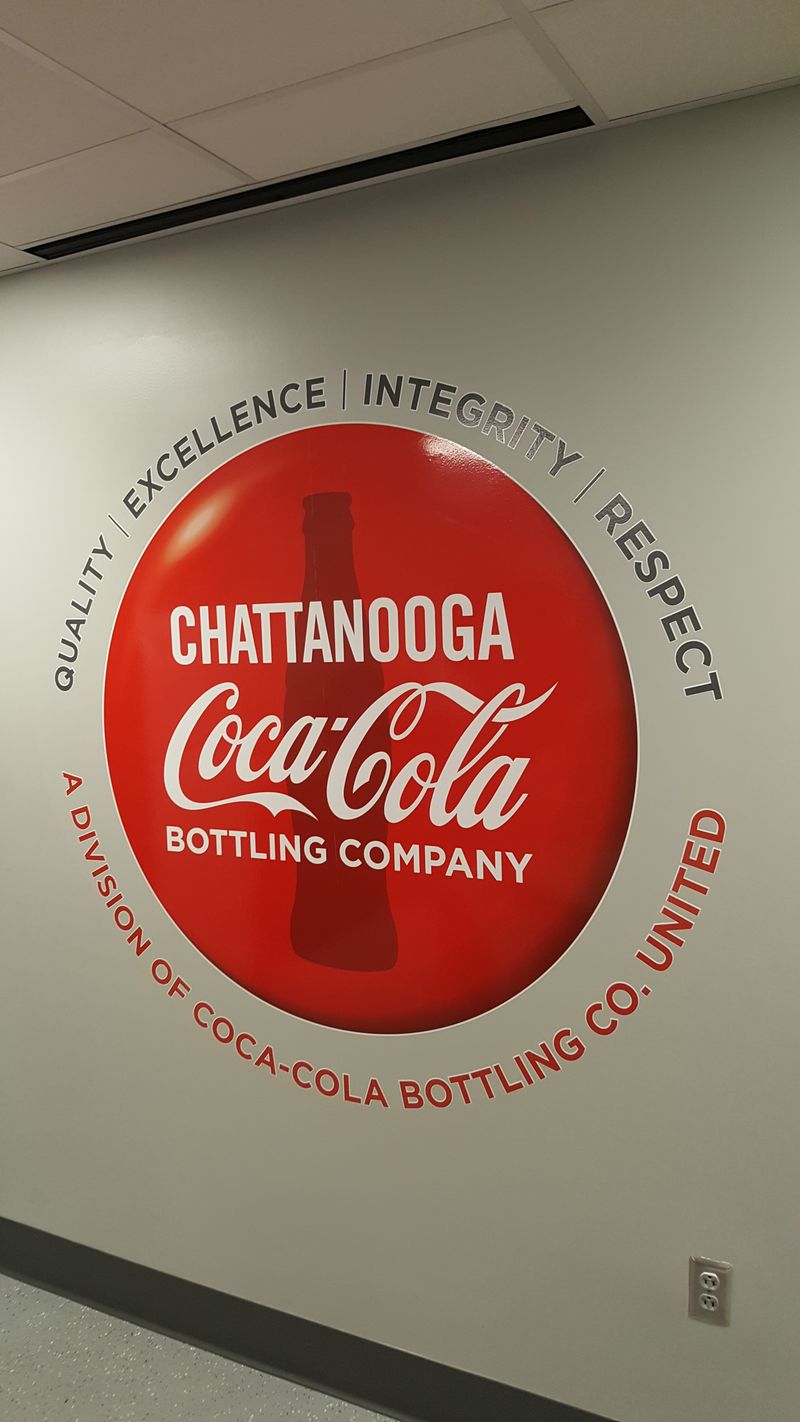
Chattanooga made history in 1899 when it became home to the very first franchised Coca-Cola bottling operation. Two local lawyers, Benjamin Thomas and Joseph Whitehead, saw potential in bottling the popular fountain drink so people could enjoy it anywhere.
This single decision helped Coca-Cola become the global giant we know today. Imagine if Coke had stayed only at soda fountains—you wouldn’t see it in stores, vending machines, or restaurants everywhere. Chattanooga’s bottling innovation changed the beverage industry completely.
3. Invented Cotton Candy (Nashville)

Nashville gave the world one of the sweetest treats imaginable when cotton candy was invented there in 1897. Originally called Fairy Floss, this sugary cloud on a stick was created by a dentist and a candy maker working together—ironic, right? They used a machine that spun heated sugar into delicate, colorful threads that melted on your tongue.
Fairs and carnivals would never be the same after this Nashville creation hit the scene. Kids and adults alike fell in love with the fluffy, pink confection that seemed almost magical. The invention spread quickly across America, becoming a staple at every celebration and event.
4. Started the Little Debbie Legacy (Chattanooga Area)
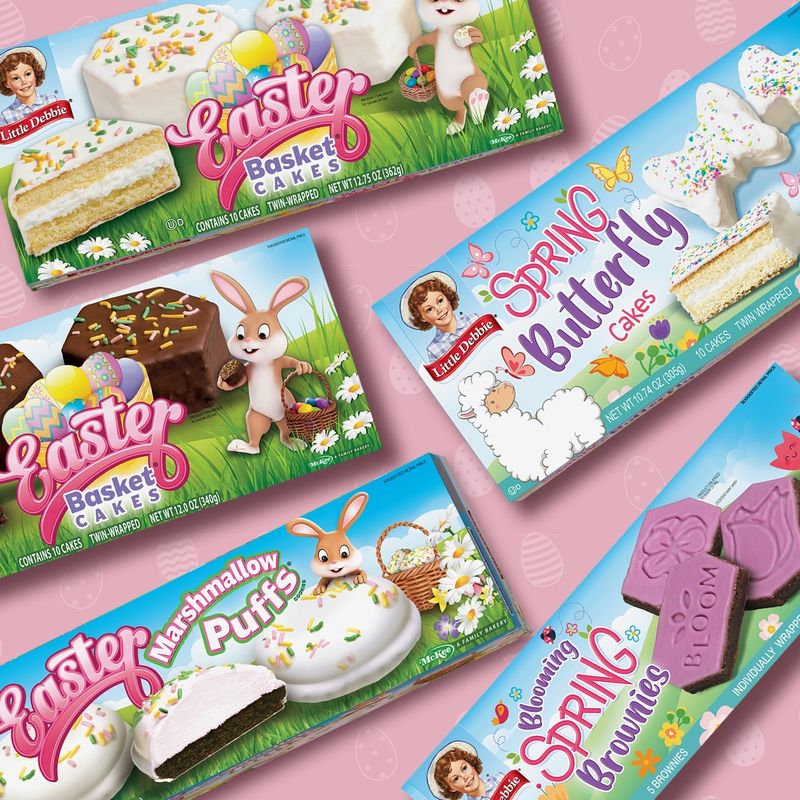
The story of Little Debbie snack cakes begins in 1934 when the McKee family purchased a small bakery in the Chattanooga area. What started as a modest family business eventually grew into one of America’s most beloved snack brands. The family worked hard, baking quality treats that people could afford during tough economic times.
Years later, they named their line of individually wrapped snacks after the founder’s granddaughter, Debbie. Those little packages of Swiss Rolls, Oatmeal Creme Pies, and Zebra Cakes became lunchbox legends. Millions of kids grew up with Little Debbie snacks as their favorite after-school treat.
Chattanooga’s bakery roots helped build a snack empire that still delights taste buds nationwide today.
5. Created the First Miniature Golf Course (Chattanooga)

Chattanooga struck gold again in 1927 with the creation of Tom Thumb Golf, widely recognized as the first modern miniature golf concept. Garnet Carter patented his design, featuring obstacles, themed holes, and a compact layout perfect for family fun. His idea turned a simple putting game into an entertaining attraction for all ages.
Before Tom Thumb Golf, nothing quite like mini-golf existed as organized entertainment. Carter’s Chattanooga course sparked a nationwide craze, with courses popping up everywhere within just a few years. Families finally had an affordable, accessible activity everyone could enjoy together.
6. Invented the MoonPie (Chattanooga)
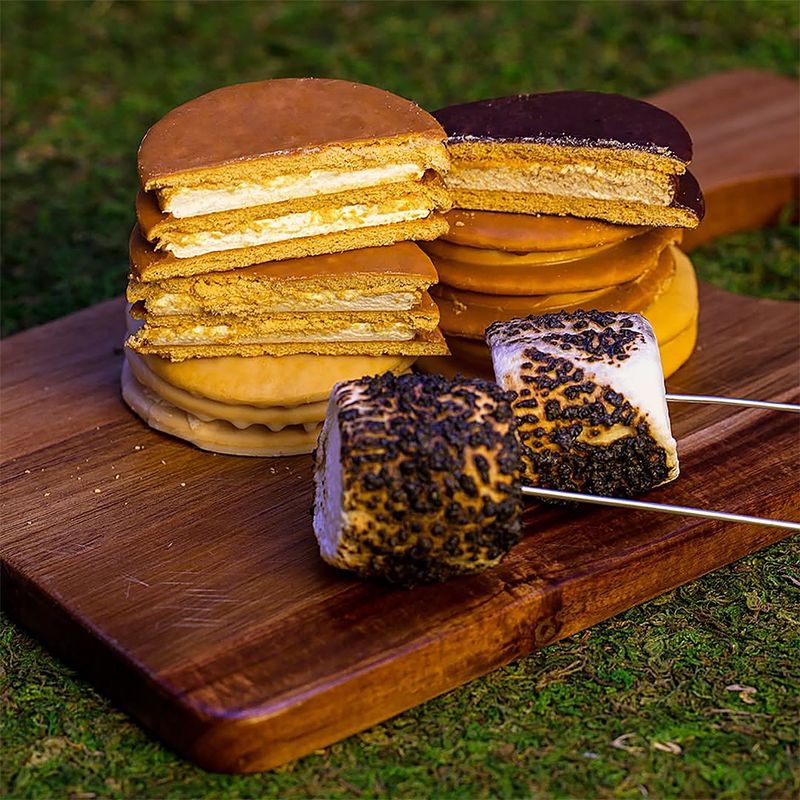
Coal miners in 1917 wanted a filling snack as big as the moon, so Chattanooga’s Chattanooga Bakery delivered exactly that with the MoonPie. This marshmallow and graham cracker sandwich dipped in chocolate became an instant hit among workers needing serious fuel.
MoonPies quickly moved beyond mine shafts to become a Southern cultural icon. People pair them with RC Cola, celebrate them at festivals, and cherish them as nostalgic comfort food. The simple but brilliant combination has barely changed in over a century.
Chattanooga’s bakery created something that transcended snack food to become a genuine piece of regional identity and American tradition.
7. Helped Launch Country Music’s Big Bang (Bristol)

Bristol earned its title as the Birthplace of Country Music thanks to the legendary 1927 Bristol Sessions. Record producer Ralph Peer set up temporary recording equipment and captured performances by Jimmie Rodgers, the Carter Family, and other pioneering artists. Those recordings introduced America to a new sound that blended folk, blues, and mountain music into something fresh.
Without Bristol’s sessions, country music might have developed completely differently or taken much longer to reach mainstream audiences. The recordings launched careers and established the genre’s foundation.
Today, the city proudly honors its role in music history, reminding everyone that country music’s biggest stars got their start right there.
8. Made America’s First Combination Candy Bar (Nashville)
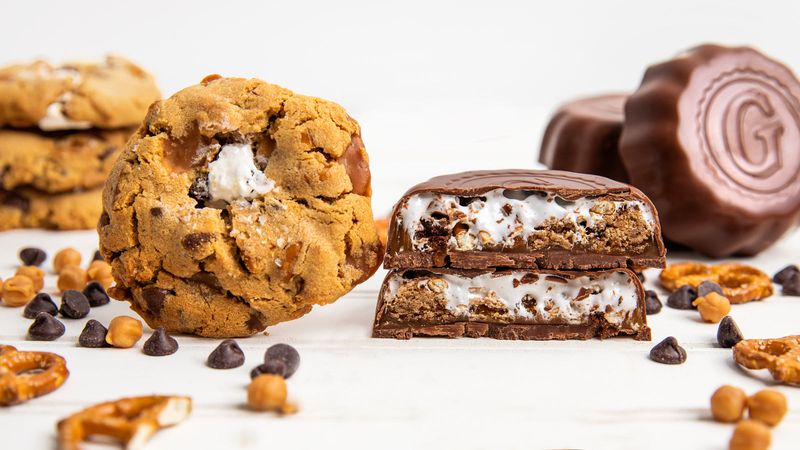
Nashville sweetened history in 1912 when the Goo Goo Cluster debuted as America’s first combination candy bar. Unlike simple chocolate bars, this round treat packed caramel, marshmallow, peanuts, and chocolate into one delicious package. The name supposedly came from how babies would react when they saw it—goo goo!
Before the Goo Goo Cluster, candy bars were pretty basic and boring by comparison. This Nashville innovation showed candy makers that combining multiple flavors and textures created something way more exciting. The concept inspired countless candy bars that followed, from Snickers to Baby Ruth.
9. Opened the First True Self-Service Grocery Store (Memphis)

Shopping changed forever in 1916 when Clarence Saunders opened Piggly Wiggly in Memphis, creating the first true self-service grocery store. Before this revolution, shoppers handed lists to clerks who fetched items from behind counters. Saunders believed customers should browse and select products themselves, making shopping faster and more personal.
His Memphis store introduced turnstiles, aisles, checkout stands, and price-marked items—all standard features now but radical concepts back then. Piggly Wiggly’s success inspired every supermarket that followed.
Memphis didn’t just change Tennessee retail; it transformed how the entire world buys food and household goods, making shopping easier for everyone.