
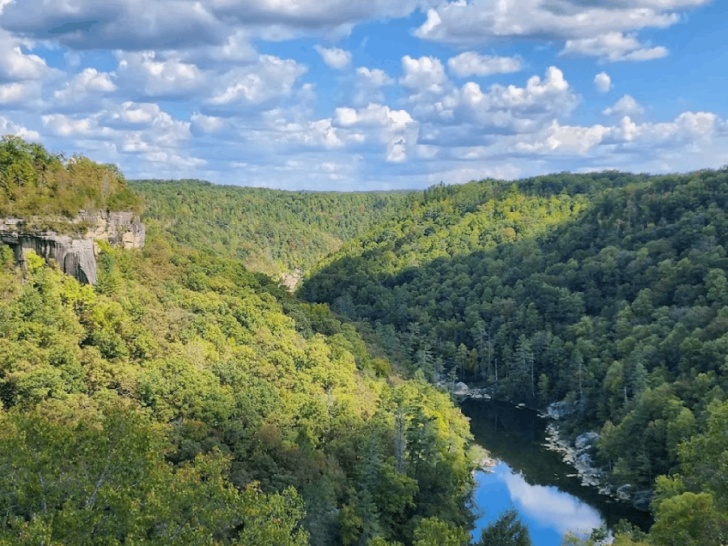
Tennessee is home to some of America’s most stunning long-distance hiking trails, where rugged mountains meet sweeping valleys and waterfalls cascade through ancient gorges. Whether you’re an experienced backpacker looking for a multi-day adventure or simply someone who loves exploring nature’s beauty, these trails offer unforgettable experiences right in the Volunteer State.
From the famous Appalachian Trail to hidden gems winding through dramatic canyons, Tennessee’s longest trails promise breathtaking views, diverse wildlife, and the kind of outdoor memories that last a lifetime.
1. Cumberland Trail
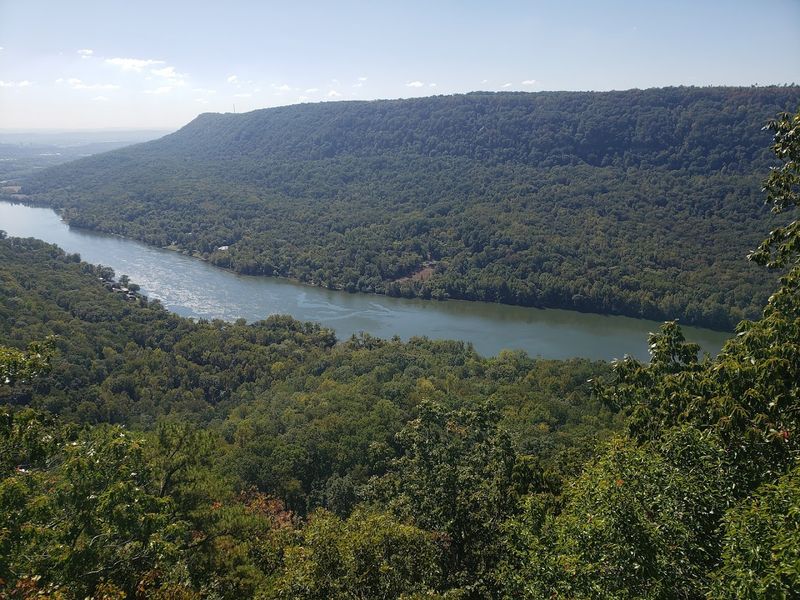
Stretching nearly 300 miles from Cumberland Gap to the Tennessee River Gorge, the Cumberland Trail stands as Tennessee’s most ambitious hiking project and a true crown jewel for outdoor enthusiasts. This signature long-distance route weaves through some of the state’s most diverse landscapes, offering hikers everything from rocky bluffs and cascading waterfalls to quiet forest paths and sweeping overlooks.
What makes this trail special is its incredible variety. One day, you might find yourself scrambling over sandstone ledges with views stretching for miles, and the next you’re walking through peaceful hardwood forests listening to birdsong. The trail passes through several state parks and natural areas, giving you chances to camp, refill water, and take breaks in beautiful settings.
Spring wildflowers paint the forest floor in brilliant colors, while fall brings spectacular foliage that rivals anywhere in the country.
Planning a thru-hike requires serious preparation, but section hiking makes the Cumberland Trail accessible to everyone. Popular segments include the Frozen Head section with its challenging climbs and the Laurel-Snow area known for stunning waterfalls. Trail towns along the route offer resupply options and friendly hospitality.
Whether you tackle the entire route over several weeks or enjoy it in weekend chunks, this trail delivers an authentic Tennessee wilderness experience that showcases why the state is becoming a premier hiking destination.
2. Appalachian Trail (Tennessee sections)
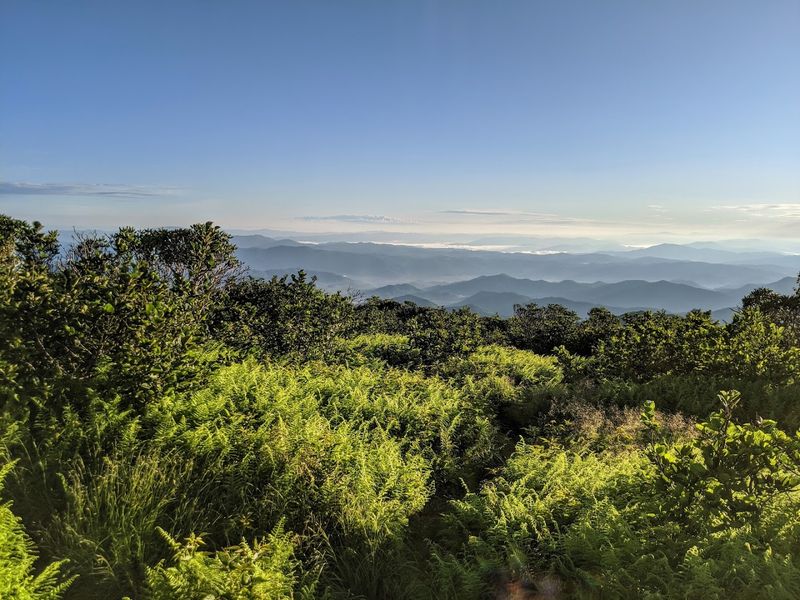
Few trails carry the legendary status of the Appalachian Trail, and Tennessee’s sections deliver some of the most iconic scenery along the entire 2,000-mile route. The AT enters Tennessee near Damascus, Virginia, and winds roughly 72 miles through the Great Smoky Mountains along the Tennessee-North Carolina border before continuing south.
These miles include famous landmarks like the Roan Highlands, where open grassy balds offer 360-degree views that seem to stretch forever, and Clingmans Dome, the highest point on the entire Appalachian Trail at 6,643 feet.
The Roan Highlands section is particularly magical during June when rhododendrons burst into bloom, creating natural gardens at high elevation that attract hikers from around the world. Max Patch, though technically just across the North Carolina line, is easily accessed from Tennessee and provides one of the most photographed spots on the AT.
The Smokies portion presents its own challenges and rewards. Expect steep climbs, potentially crowded shelters during peak season, and strict permit requirements, but also pristine forests, possible wildlife sightings including black bears, and that special feeling of walking where thousands of thru-hikers have traveled before you.
Many hikers choose to section-hike these segments, savoring the high-elevation beauty without the pressure of a full thru-hike commitment.
3. Sheltowee Trace
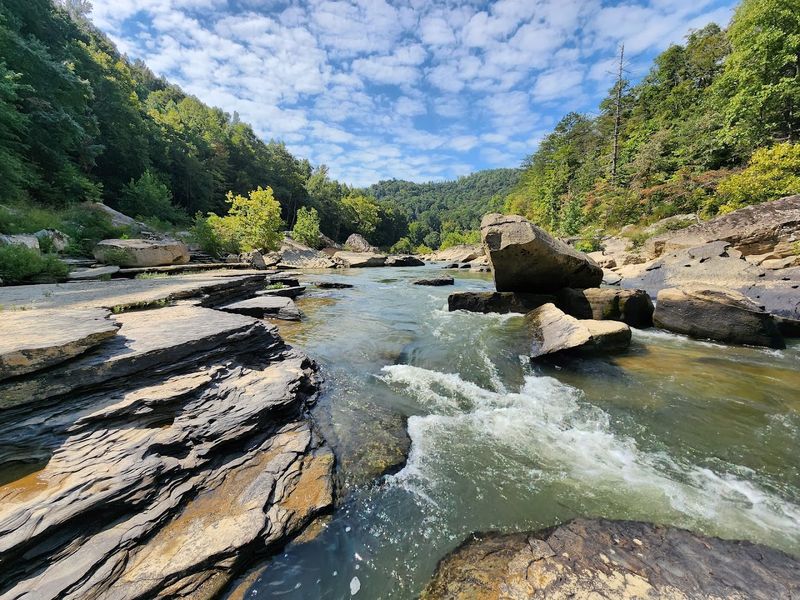
Starting at Big South Fork in Tennessee and stretching 343 miles north into Kentucky, the Sheltowee Trace offers one of the longest continuous hiking experiences originating in the Volunteer State. Named after Daniel Boone, this National Recreation Trail follows white turtle blazes through some of the most remote and beautiful country in the region.
The Tennessee portion winds through Big South Fork National River and Recreation Area, treating hikers to sandstone arches, river gorges, and backcountry solitude.
This trail demands respect and preparation. Long stretches between resupply points, challenging terrain, and variable weather conditions make it better suited for experienced backpackers. However, those who take on the Sheltowee Trace are rewarded with an authentic wilderness adventure that feels worlds away from everyday life.
The trail crosses countless creeks, climbs steep ridges, and passes through areas where you might not see another person for days.
Big South Fork serves as the natural starting point for southbound hikers or the triumphant finish for northbound adventurers. The area features distinctive sandstone formations, including natural bridges and rock shelters that provided homes for ancient people.
Spring and fall offer the best hiking conditions, with moderate temperatures and lower water levels for creek crossings. The Sheltowee Trace isn’t as famous as some trails, but that’s part of its charm—you’ll find genuine wilderness and the kind of solitude that’s increasingly rare on America’s hiking trails.
4. Natchez Trace National Scenic Trail
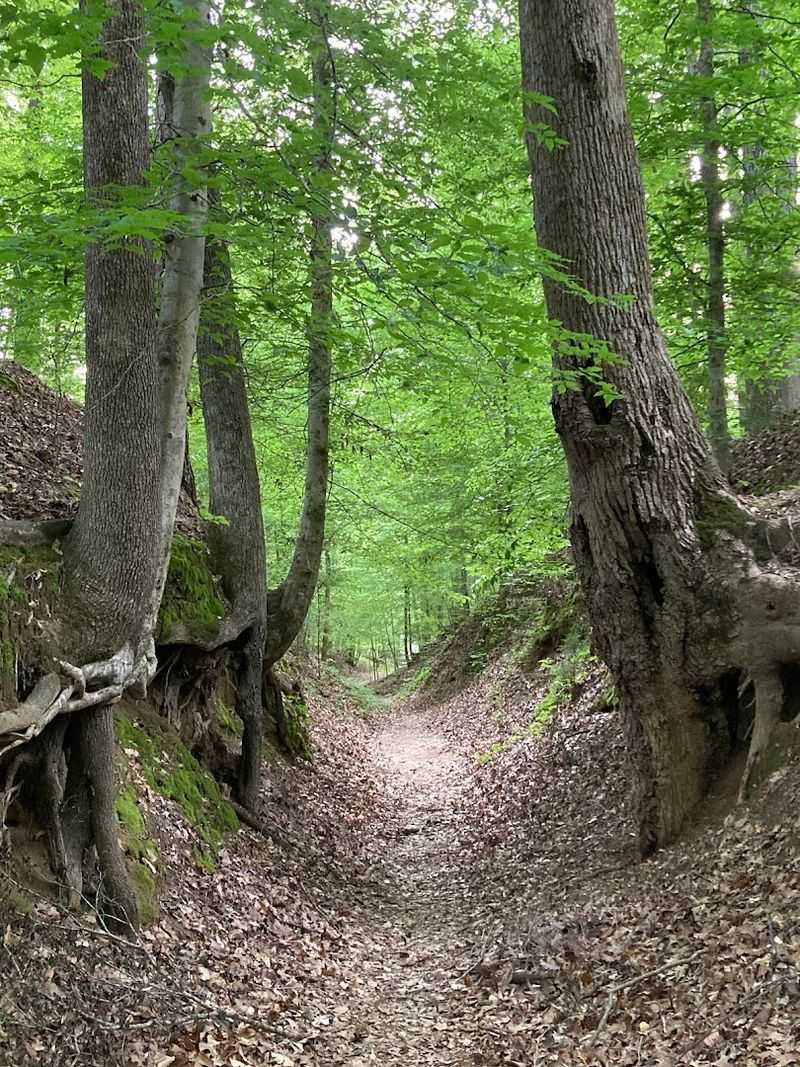
History comes alive on the Natchez Trace National Scenic Trail, where more than 60 miles of hiking sections parallel the famous parkway that follows an ancient path used by Native Americans, explorers, and early settlers. Unlike a single continuous footpath, this National Scenic Trail consists of multiple segments scattered along the 444-mile Natchez Trace Parkway, with several excellent sections located in Tennessee near Nashville.
Each segment offers a chance to walk in the footsteps of history while enjoying peaceful forest scenery.
The Tennessee portions include fascinating historical sites alongside natural beauty. You might hike past old inns where travelers once rested, sunken sections of the original trace worn deep by countless feet and hooves, or Native American mounds that predate European contact by centuries. These aren’t rugged mountain trails but rather gentle walks through hardwood forests, making them accessible to families and hikers of all skill levels.
The well-maintained paths often feature interpretive signs that explain the area’s rich history.
Popular Tennessee segments include the trail near the Meriwether Lewis monument and campground, which offers several miles of pleasant walking through mature forest. The Burns Branch section and the Highland Rim section provide longer options for those wanting more distance. Spring brings wildflowers and migrating birds, while fall colors transform the forest into a painter’s palette.
These trails rarely see the crowds of more famous routes, offering peaceful experiences just minutes from Nashville. Pack a picnic, bring your curiosity about history, and enjoy hiking where America’s past feels close enough to touch.
5. Savage Gulf trail network
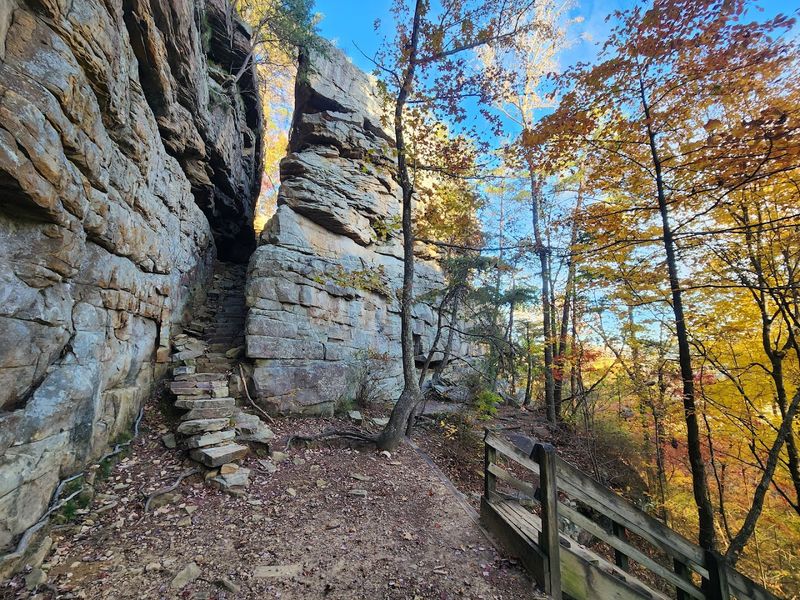
Savage Gulf State Park lives up to its name with approximately 60 miles of trails winding through one of Tennessee’s most dramatic landscapes of deep gorges, towering waterfalls, and stone overlooks that’ll make your heart skip a beat. This canyon-and-waterfall wonderland offers everything from easy day hikes to challenging backpacking loops, all within a relatively compact area that’s perfect for a long weekend adventure.
The park’s trail network connects multiple gorges, each with its own character and collection of waterfalls.
Stone Door is perhaps the most famous feature—a natural rock corridor that opens to a stunning overlook above the gulf. Standing at this viewpoint, you’ll understand why people drive hours to visit this place. Below the rim, trails descend into the gorges where waterfalls like Greeter Falls and Savage Falls reward those willing to make the steep climbs.
The trail system includes backcountry campsites at strategic locations, allowing multi-day explorations of the entire area. Water sources are plentiful, though purification is always necessary.
Spring runoff makes the waterfalls particularly impressive, but trails can be muddy and creek crossings challenging. Summer brings lush greenery but also heat and humidity in the gorges. Fall is arguably the best time, with comfortable temperatures, lower water levels, and spectacular foliage.
Winter offers solitude and ice formations that transform waterfalls into frozen sculptures. The rocky terrain demands good boots and careful footing, especially on the many stone staircases and ledge sections. Savage Gulf isn’t the longest trail system in Tennessee, but it packs more scenic punch per mile than almost anywhere else in the state.
6. Big South Fork trail system
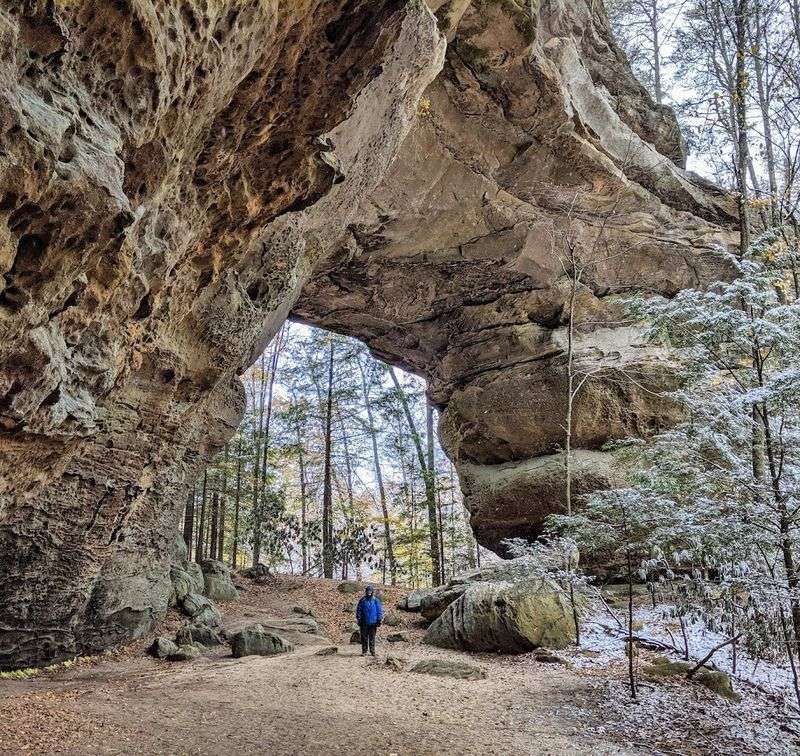
Big South Fork National River and Recreation Area sprawls across the Tennessee-Kentucky border with roughly 150 miles of marked hiking trails, making it one of the state’s biggest and wildest backcountry playgrounds. This rugged gorge country features everything outdoor lovers dream about—natural sandstone arches, dramatic overlooks, river corridors perfect for cooling off after a long hike, and enough trail variety to keep you exploring for weeks.
The area’s remote character means you can still find genuine solitude even on popular weekends.
The trail system ranges from easy riverside walks to challenging ridge routes that test your endurance and navigation skills. Twin Arches is a must-see destination, featuring two massive natural bridges that rank among the largest in the eastern United States. The hike to reach them winds through beautiful forest and delivers that wow moment when you first glimpse these geological wonders.
Backpackers love Big South Fork because the extensive trail network allows for custom loop trips of varying lengths. Backcountry camping is permitted throughout much of the area, giving you flexibility to plan your own adventure. The gorge country features distinctive plateau-and-gorge topography, meaning you’ll do plenty of climbing in and out of drainages.
River access points provide swimming holes that feel especially good after a hot summer hike. Horse trails share some sections with hikers, so stay alert. With its combination of geological features, diverse ecosystems, and sheer size, Big South Fork offers the kind of wilderness experience that’s increasingly hard to find in the eastern United States.
7. South Cumberland / Fiery Gizzard area
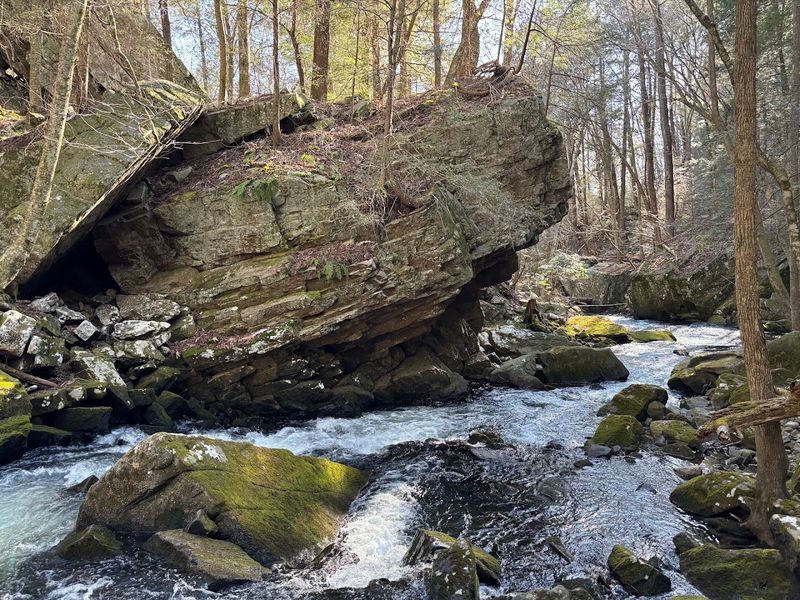
South Cumberland State Park encompasses a massive hiking landscape, but the Fiery Gizzard Trail remains its signature route and one of Tennessee’s most beloved backpacking adventures. This approximately 12-mile point-to-point trail has earned a reputation as one of the most scenic hikes in the Southeast, combining waterfalls, rocky gorges, boulder scrambles, and the famous Raven Point overlook into one unforgettable journey.
The unusual name comes from early settlers who thought the creek’s reddish rocks resembled the innards of a gizzard—not the prettiest origin story, but the trail itself is absolutely gorgeous.
Starting from either end, hikers encounter constant variety. You’ll cross streams on logs and stepping stones, climb alongside waterfalls where mist cools your face, scramble over and around massive boulders that test your problem-solving skills, and emerge onto open bluffs with views that stretch for miles. Raven Point stands out as the trail’s signature vista, a rocky promontory that seems to float above the forested valley.
Many hikers time their trip to catch sunset from this spot, though that means finishing the last miles by headlamp.
The technical nature of Fiery Gizzard makes it more challenging than the mileage suggests. Wet rocks become slippery, and some boulder sections require careful route-finding and a bit of scrambling ability. Most hikers complete it as a day hike with a car shuttle, though the nearby Grundy Forest Day Loop and Savage Gulf trails can extend the adventure into a multi-day backpacking trip.
Spring and fall offer the best conditions, with comfortable temperatures and spectacular scenery. This trail has a cult following among Tennessee hikers, and one trip will show you exactly why.
8. Prentice Cooper trails
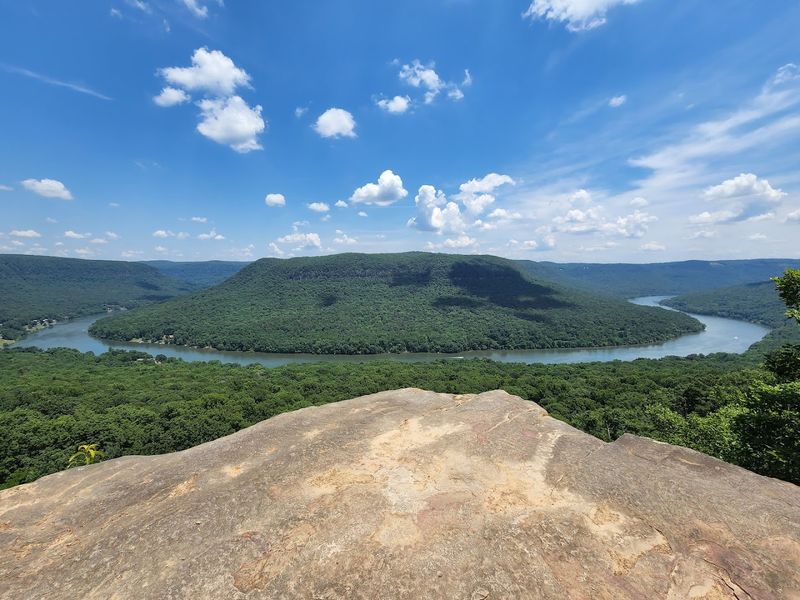
Prentice Cooper State Forest might not compete with others on this list for total mileage, but what it lacks in length it makes up for in absolutely jaw-dropping scenery.
The Pot Point and Mullens Cove areas feature roughly 20 miles of trails known for dramatic bluff views, Tennessee River scenery, and technical terrain that attracts serious trail runners and hikers looking for a challenge. Perched on the western edge of the Cumberland Plateau near Chattanooga, these trails deliver big rewards for those willing to tackle the steep climbs and rocky sections.
Pot Point overlook stands as the crown jewel, offering a stunning vista where the Tennessee River bends far below and mountains roll toward the horizon. Getting there requires navigating a network of sometimes-confusing trails through beautiful oak-hickory forest, with several steep descents and climbs that’ll test your legs and lungs. The area also features interesting rock formations, including overhangs that provide shelter during sudden rainstorms.
Trail runners love these paths for their technical challenges and the way they flow through the landscape.
Navigation can be tricky here, so bring a good map or GPS device and pay attention to trail markers. Some sections follow old roads while others are narrow singletrack winding along bluff edges—always watch your footing near cliff areas. The forest sees relatively light use compared to more famous destinations, meaning you often have these spectacular views to yourself.
Fall colors are phenomenal, and winter offers crystal-clear visibility from the overlooks. Spring can be muddy and buggy. This is a place for adventurous hikers who appreciate raw beauty over manicured trails and don’t mind working hard for their views.