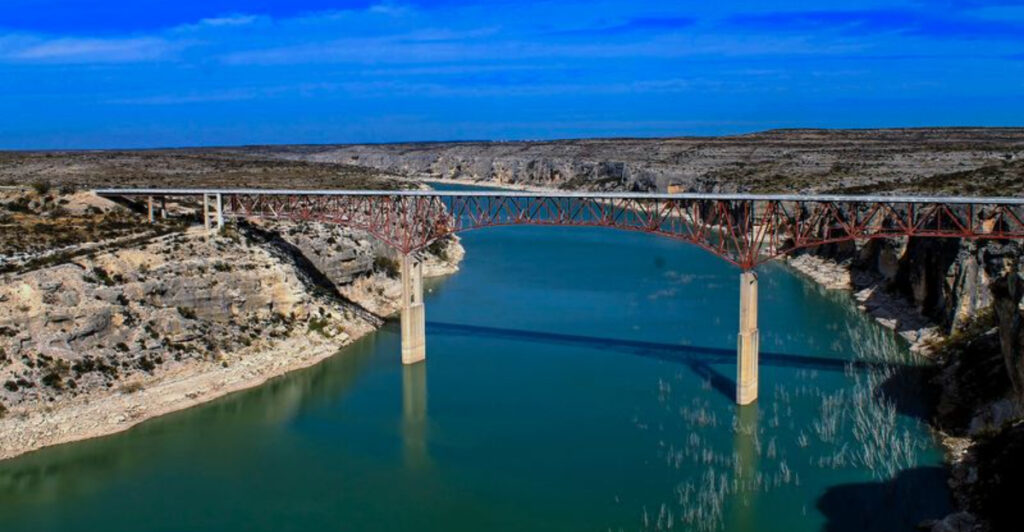
West Texas holds some surprising secrets, and the Pecos River High Bridge is one of them. Towering more than 300 feet above the Pecos River Canyon along Highway 90, this engineering marvel offers some of the most stunning views in the Lone Star State. Whether you’re road-tripping through remote West Texas or seeking a unique photo opportunity, this bridge delivers drama, beauty, and a humbling reminder of nature’s power carved into ancient limestone.
1. An Engineering Marvel Rising Above the Desert
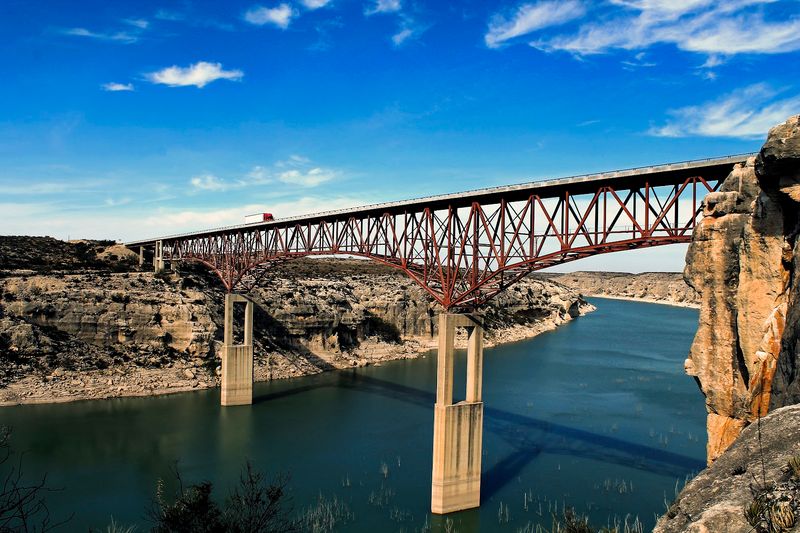
Built to carry Highway 90 across one of Texas’ most dramatic gorges, the Pecos River High Bridge stands as a testament to modern engineering in a rugged, unforgiving landscape. The bridge rises an impressive 321 feet above the river below, making it the tallest highway bridge in Texas. When you drive across, the sheer drop on either side makes your stomach flip just a little.
Construction completed in the 1980s replaced an older, lower bridge that still exists down below. The newer structure allows travelers to experience the canyon’s grandeur without the steep, winding descent the old road required. Concrete and steel come together in a graceful arc that seems almost delicate against the vast canyon backdrop.
Driving across takes only seconds, but the memory sticks with you much longer. The two-lane bridge handles traffic smoothly, though you’ll want to pull over at the designated rest areas on either end to truly appreciate the scale. From the roadway itself, quick glances reveal the ribbon of green vegetation far below, following the river’s path through otherwise arid terrain.
2. Panoramic Canyon Views That Stop Traffic
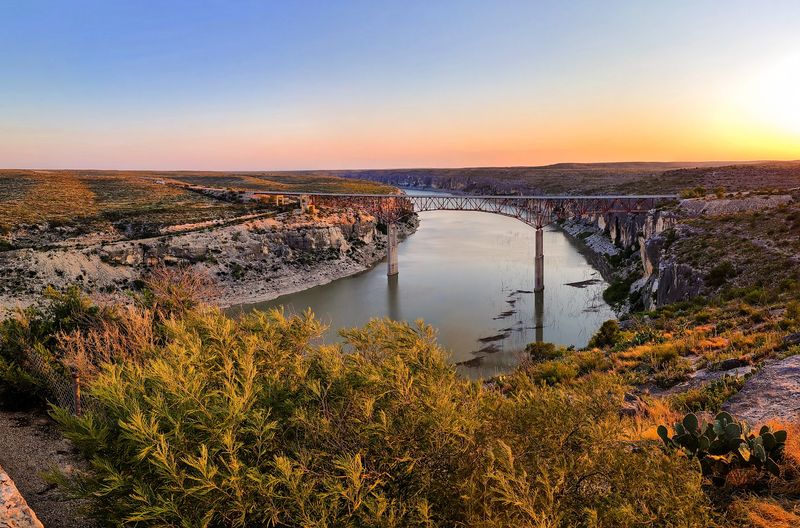
Step out of your car at either rest area, and the view hits you immediately. The canyon stretches in both directions, with the Pecos River carving its ancient path through layers of limestone that tell millions of years of geological history. On clear days, you can see for miles across the rugged terrain that defines this part of Texas.
The north side of the bridge offers unobstructed views of the canyon’s depth and the river’s serpentine course. Vegetation clusters along the water, creating a green ribbon that contrasts sharply with the buff-colored canyon walls. The south side presents equally stunning vistas, often lusher with more plant life near the riverbanks.
Photographers love the changing light throughout the day. Morning sun illuminates the eastern canyon walls with warm golden tones, while sunset paints the western cliffs in shades of orange and pink. Even midday offers dramatic contrasts between deep shadows in the canyon depths and bright highlights on the rim.
The wind whips across the bridge constantly, adding to the wild, untamed feeling of the place. Bring a jacket even on warm days because that canyon breeze doesn’t quit.
3. Safe Parking Areas for Photo Opportunities
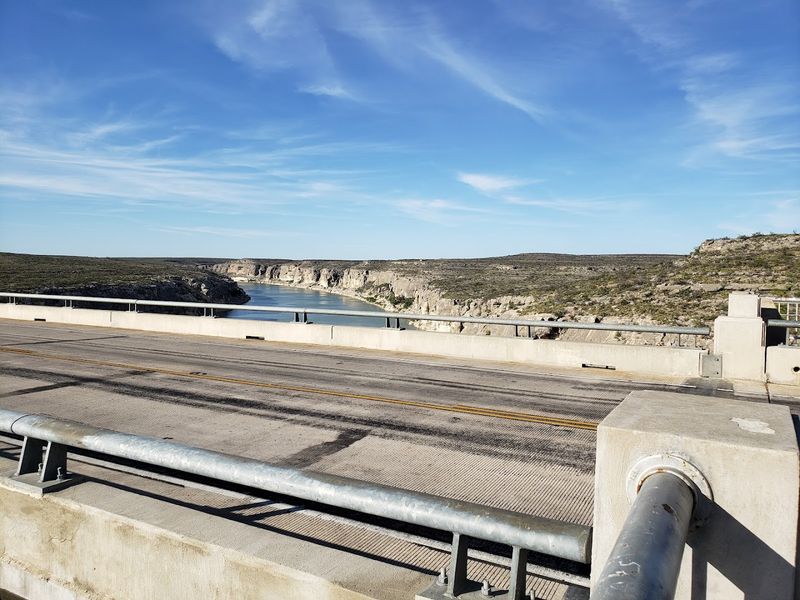
TxDOT thoughtfully provided designated parking areas on both the east and west ends of the bridge, making it easy to stop safely without blocking traffic. The east side parking lot offers the most space, with room for multiple vehicles including RVs and trucks. Protective barriers separate you from the highway, though passing vehicles still create noticeable wind gusts.
Walking from the parking area to the viewing spots takes just a minute or two. The ground is mostly gravel and packed dirt, so wear sensible shoes rather than flip-flops. There’s no formal trail system, but well-worn paths show where countless visitors have walked before you to reach the best vantage points.
A couple of trash cans serve the area, though reviewers note they sometimes overflow during busy travel periods. The facilities are basic but functional, exactly what you need for a quick roadside stop. There are no restrooms, water fountains, or picnic tables, so plan accordingly before you arrive.
The parking areas stay open 24 hours, allowing for sunrise or sunset visits if you’re timing your road trip just right. Just remember that merging back onto Highway 90 requires caution since traffic moves fast, often exceeding 80 mph through this remote stretch.
4. Wildlife Spotting in an Unexpected Place
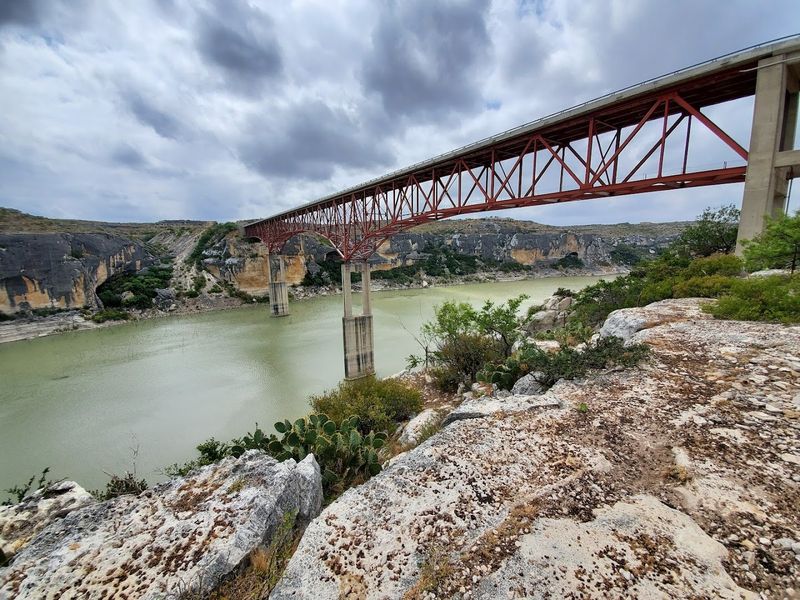
Keep your eyes on the canyon walls and you might spot some unexpected residents. Several visitors report seeing herds of wild goats navigating the steep cliffs with seemingly impossible agility. These sure-footed creatures make their home in the rugged terrain where few predators can follow, grazing on sparse vegetation clinging to the canyon sides.
Birdwatchers should bring binoculars because the canyon hosts impressive raptors. Some lucky observers have spotted what they describe as condors soaring on thermal currents rising from the canyon floor. While California condors were historically present in this region, you’re more likely seeing turkey vultures or golden eagles, both of which have impressive wingspans and soaring abilities.
The river corridor below supports a surprising variety of life despite the arid surroundings. Deer tracks mark the sandy banks, and various water birds frequent the calmer pools. The contrast between the lush riparian zone along the water and the sparse desert vegetation just yards away demonstrates nature’s adaptability.
Early morning and late afternoon offer the best wildlife viewing opportunities when animals are most active and the harsh midday heat subsides. The elevated bridge position gives you a bird’s-eye view that ground-level exploration simply can’t match.
5. The Old Bridge and Road to the Canyon Floor
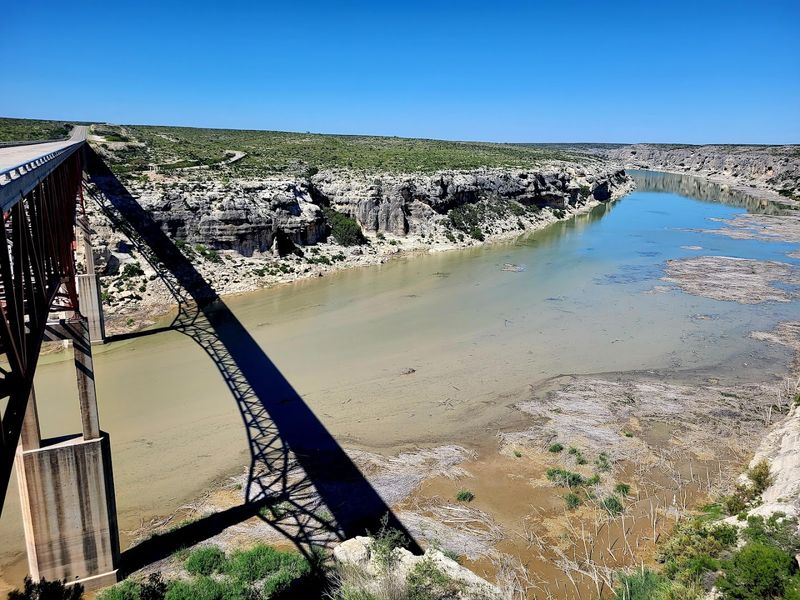
History buffs will appreciate knowing that the current high bridge isn’t the first to span this canyon. An older, lower bridge still exists below, part of the original Highway 90 route that wound down into the canyon before climbing back out. Some adventurous souls drive the old road down to the boat launch area at the canyon bottom for a completely different perspective.
The descent on the old road offers an intimate view of the canyon’s geology that you miss from the high bridge. Limestone layers stack like pages in a book, each telling part of the region’s ancient story. The road is unpaved in sections and can be rough, so high-clearance vehicles handle it better than low-slung city cars.
At the bottom, the boat launch area provides spectacular upward views of both bridges. Standing on the riverbank and looking up at the modern high bridge 300 feet overhead gives you a visceral sense of the structure’s scale. The river moves peacefully here, though water levels vary dramatically by season.
Some visitors report the river running low, while others find it surprisingly wide and vigorous. The canyon walls rise steeply on both sides, creating a sense of enclosure that contrasts sharply with the open desert above.
6. Perfect Road Trip Stop Between Destinations
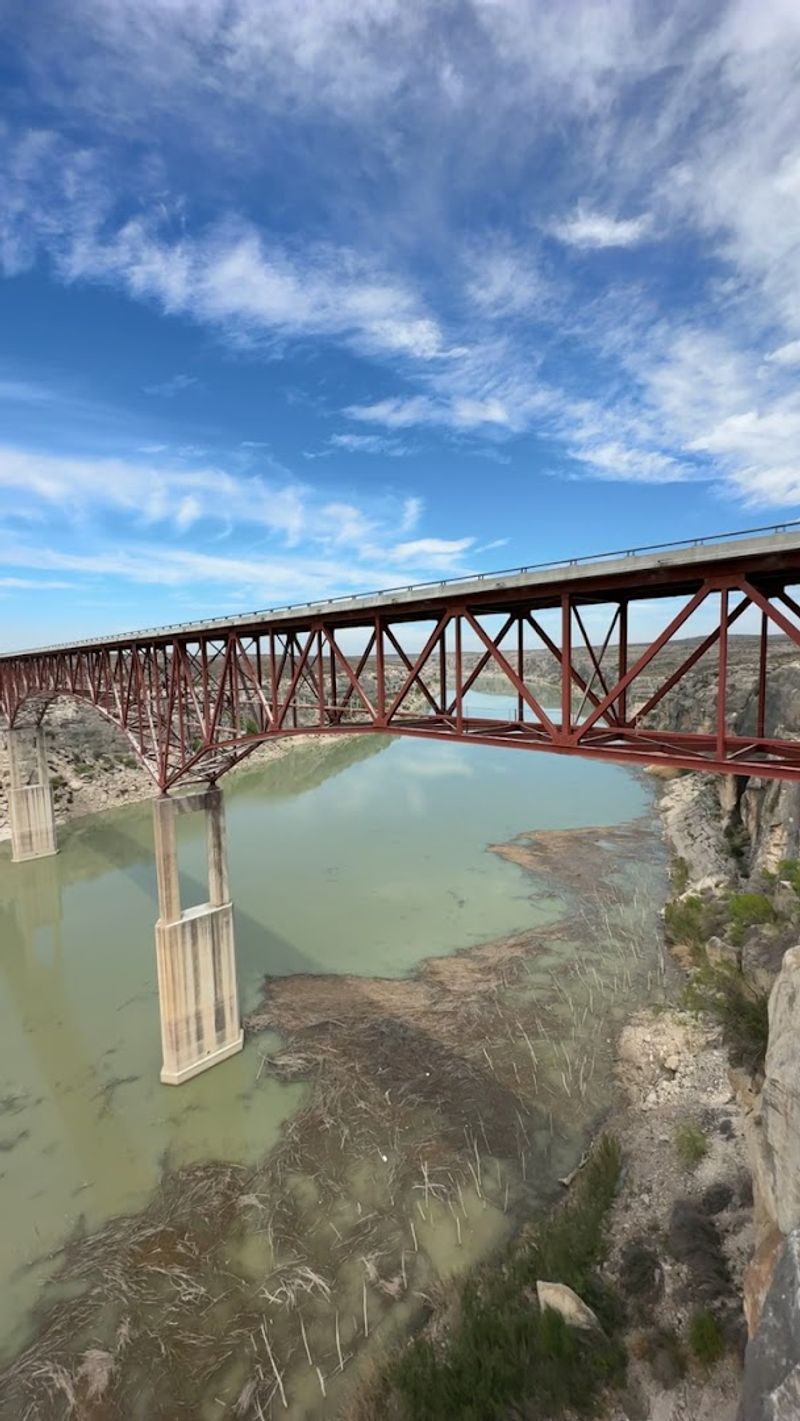
The bridge sits along Highway 90 between Del Rio and Marfa, making it a natural stopping point on West Texas road trips. If you’re traveling between Big Bend National Park and points east, or exploring the artistic communities of Marfa and Alpine, this bridge marks a memorable milestone. The drive itself through this region offers stark beauty that some find meditative and others find monotonous.
Most visitors spend 15 to 30 minutes at the bridge, enough time to stretch legs, snap photos, and absorb the views without feeling rushed. Some travelers report spending the night in the parking areas, taking advantage of the 24-hour access and relative safety of the location. The isolation means virtually no light pollution, offering spectacular stargazing opportunities after dark.
Cell phone service is nonexistent or extremely limited in this area, so download maps and directions before you arrive. The nearest towns with services are quite distant, so fuel up and stock up on water beforehand. Nearby attractions include Seminole Canyon State Park with its ancient pictographs and the Judge Roy Bean Visitor Center in Langtry, both worth adding to your itinerary if time allows.
The bridge works equally well as a planned destination or a spontaneous discovery.
7. Safety Considerations for Visitors
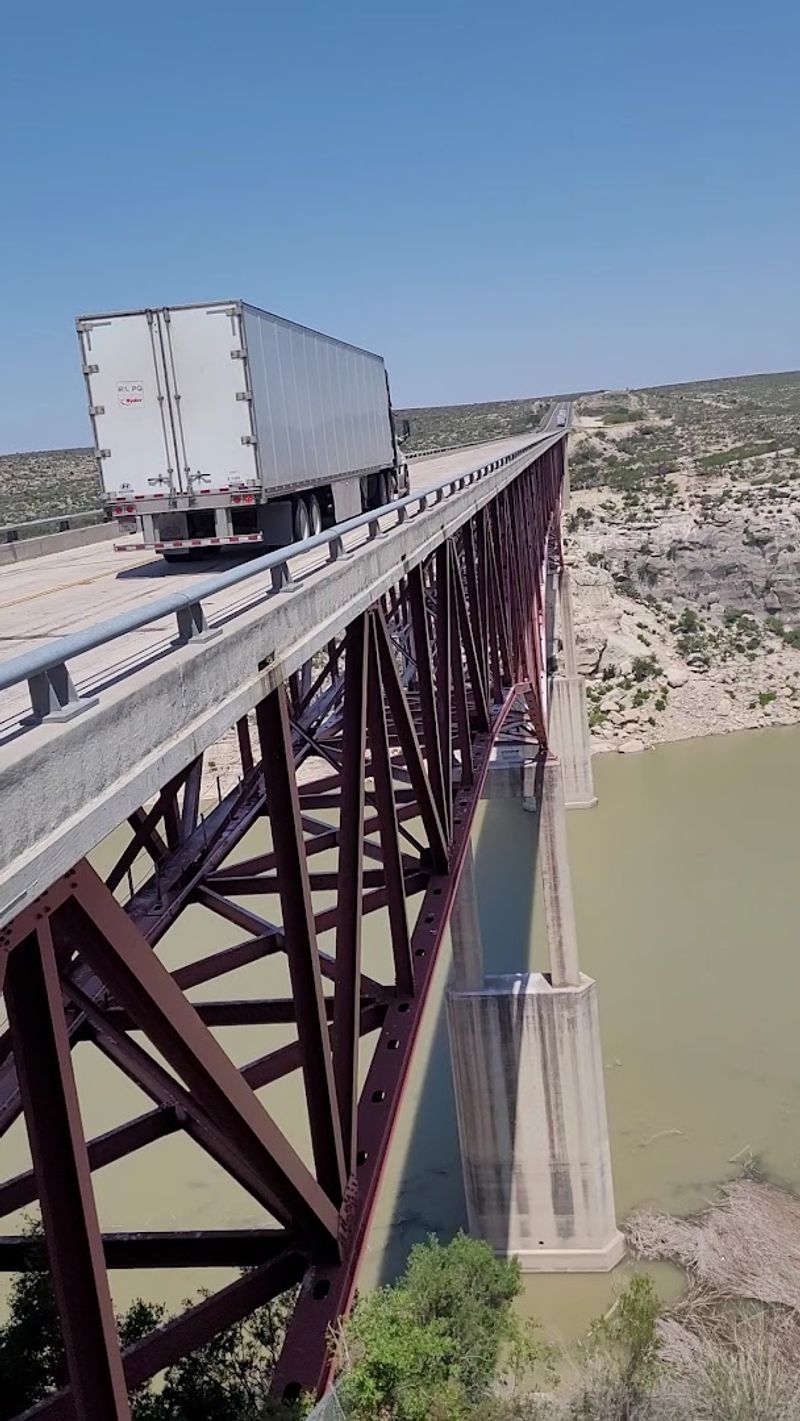
Highway 90 through this area sees traffic moving at serious speeds, typically 70 to 80 mph or faster. Merging back into traffic after your stop requires attention and patience. Several reviewers compare it to NASCAR, waiting for a clear gap before accelerating quickly to match the flow.
Don’t underestimate how fast vehicles approach, especially large trucks that can’t slow down easily.
If you’re traveling with small children, keep them close at all times. The parking areas sit right next to the highway with only basic barriers, and the canyon edge drops away dramatically just yards from where you’ll be standing. The combination of excited kids, distracting views, and fast-moving traffic creates real risks that careful supervision can prevent.
Wind is a constant factor that catches many visitors off guard. Strong gusts blow across the exposed bridge and canyon rim, potentially knocking over small children or blowing away hats, papers, and lightweight items. Secure everything before exiting your vehicle.
The wind also affects your vehicle’s handling, especially if you’re driving a high-profile RV or pulling a trailer. Border Patrol and State Troopers patrol this area regularly and may conduct routine stops, so have your identification ready and be prepared for brief interactions with law enforcement.
8. Photography Tips for Capturing the Scene
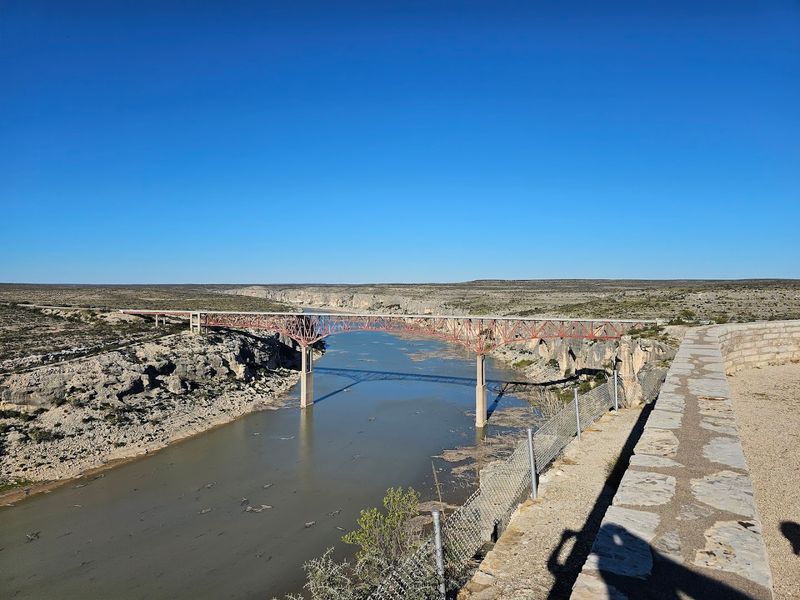
Pictures truly don’t do this place justice, but that won’t stop you from trying. The scale and depth of the canyon challenge even experienced photographers. Wide-angle lenses help capture the breadth of the view, while telephoto lenses let you pick out details in the canyon walls and river far below.
Bring both if you have them.
Lighting makes or breaks canyon photography. Harsh midday sun creates extreme contrast between bright highlights and deep shadows that cameras struggle to capture. Early morning or late afternoon provides softer, more directional light that reveals texture in the rock formations and creates depth through shadows.
Sunset especially paints the canyon in warm colors that look spectacular in photos.
The edge areas where you can photograph without highway barriers in your frame offer the most dramatic compositions. Just be extremely cautious near dropoffs, especially if you’re focused on your camera screen rather than your footing. Include the bridge itself in some shots to provide scale and human interest to the natural scenery.
A person standing near the edge helps viewers grasp the canyon’s immense depth. Bring lens cleaning supplies because dust and wind are constant companions here, and a smudged lens will ruin otherwise perfect shots.
9. Best Times to Visit This Remote Landmark
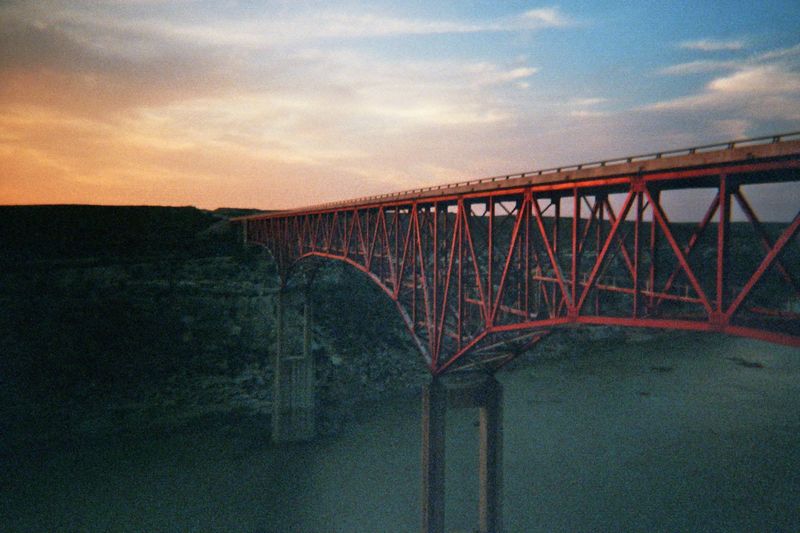
The bridge welcomes visitors 24 hours a day, year-round, but timing your visit enhances the experience significantly. Spring and fall offer the most comfortable temperatures, avoiding summer’s brutal heat and winter’s occasional cold snaps. Morning visits mean cooler temperatures and softer light, plus you’ll likely have the place mostly to yourself before midday traffic picks up.
Sunset draws photographers for good reason, but arrive early enough to scout your shooting positions before the light peaks. The western exposure means the sun sets directly over the canyon in certain seasons, creating dramatic silhouettes and color displays. Post-sunset twilight extends the magic as the canyon fills with blue shadows while the sky above still glows.
Summer temperatures regularly exceed 100 degrees, making midday stops uncomfortable despite the constant wind. If you visit during hot months, plan for early morning or evening stops and bring plenty of water. Winter can surprise visitors with its chill, especially when combined with that relentless wind cutting across the exposed canyon.
Occasional winter storms bring dramatic clouds that add moodiness to photos but can make conditions unpleasant for lingering. Spring wildflowers occasionally bloom in the canyon and surrounding desert, adding unexpected color to the typically muted palette of browns and greens.
Share this story