When most people think of Texas, they picture wide-open plains, dusty trails, and endless skies. But tucked away in Athens, about 75 miles southeast of Dallas, sits an 8-acre lake hiding sunken airplanes, buses, and even tunnel systems that’ll make you forget you’re landlocked. Athens Scuba Park transforms an old clay-bottom quarry into an underwater playground where divers of all skill levels can explore wrecks without ever leaving the Lone Star State.
1. Two Full-Sized Airplanes Resting on the Lake Bottom
Picture this: you’re gliding through Texas lake water when suddenly a massive aircraft emerges from the murky depths below. Athens Scuba Park houses not one but two genuine airplanes sitting on the lake floor, creating an experience that feels more like an ocean dive than a landlocked adventure. These aren’t tiny props either—they’re full-sized aircraft that give divers an authentic wreck-diving experience without booking a coastal trip.
The planes rest at depths between 20 and 35 feet, making them accessible for newer divers while still providing plenty of excitement for veterans. Swimming through and around these metal giants offers unique photo opportunities and a chance to practice buoyancy control in tight spaces. The mineral content in the water keeps it surprisingly clear on good days, with visibility reaching 15 to 30 feet depending on recent rainfall and diver traffic.
What makes these airplane dives special is how the park maintains them as permanent fixtures rather than temporary attractions. You can explore cockpits, peer through windows, and navigate around wings and fuselages that have become part of the lake’s underwater landscape. Local divers return repeatedly just to photograph these aircraft from different angles as lighting conditions change throughout the day.
The park staff knows these wrecks inside and out and happily shares tips on the best approach routes and photo spots. Whether you’re logging training dives or just seeking something different from typical Texas recreation, these submerged planes deliver an unforgettable underwater encounter that rivals coastal wreck diving.
2. School Bus Transformed Into an Underwater Attraction
Nothing quite prepares you for the surreal moment when a bright yellow school bus appears through the water column during your dive. This isn’t some miniature model—it’s an actual full-sized bus complete with windows, seats, and that unmistakable shape we all remember from childhood. The juxtaposition of something so ordinary sitting in such an extraordinary place creates one of the park’s most memorable dive experiences.
Positioned at a comfortable depth for recreational divers, the bus allows for both exterior exploration and careful interior swim-throughs for those with proper training and buoyancy skills. The structure has been carefully prepared and secured to ensure diver safety while maintaining its recognizable features. Sunlight filtering through the windows creates dramatic lighting effects that photographers absolutely love, especially during morning dives when visibility peaks.
Many divers report feeling transported to a different world when encountering this unlikely underwater resident. It’s become a favorite subject for underwater videographers and a popular training site for instructors working with students on confined-space diving techniques. The bus sits stable on the clay bottom, and the park monitors its condition regularly to maintain both safety and the integrity of the dive experience.
First-time visitors often spend an entire tank just circling and exploring this single attraction. Kids who come snorkeling with diving parents get especially excited spotting the bus from the surface. It represents exactly what makes Athens Scuba Park special—taking everyday objects and reimagining them as portals to adventure beneath Texas waters.
3. Sailboats Creating an Underwater Maritime Scene
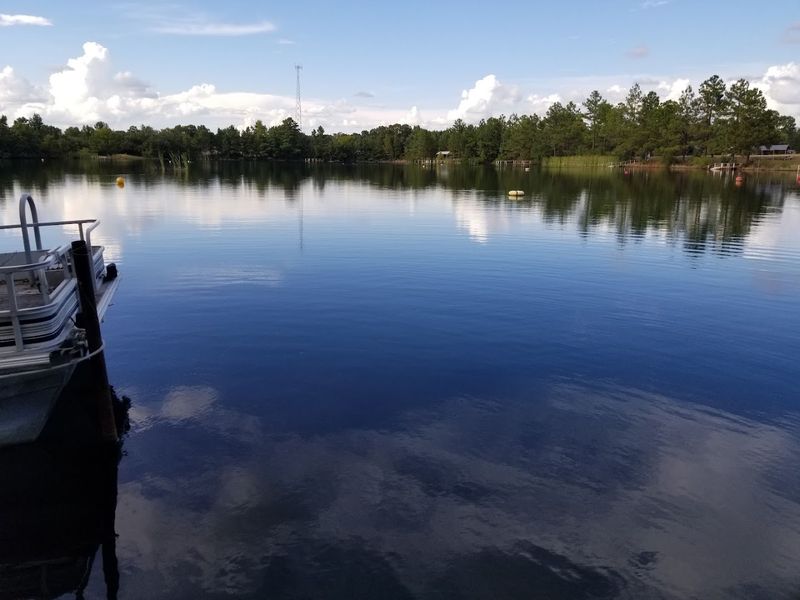
Sailboats might seem out of place in landlocked Athens, but several of these graceful vessels now call the lake bottom home. These aren’t tiny dinghies either—they’re substantial sailboats that once cruised actual waters before finding their final resting place as dive attractions. Their masts, hulls, and rigging create an almost haunting maritime atmosphere that feels borrowed from coastal waters and transplanted into the heart of Texas.
Each sailboat offers different exploration opportunities depending on size and positioning. Some sit upright as if still sailing through an invisible current, while others rest at angles that challenge divers to navigate their tilted decks and cabins. The boats have developed their own personalities over time, with different entry points, swim-through opportunities, and photography angles that keep divers coming back to discover new perspectives.
Advanced divers appreciate how these wrecks allow for realistic training scenarios without the expense and logistics of traveling to the coast. Navigation exercises become more engaging when you’re plotting courses between actual vessels rather than just following a compass heading through empty water. The sailboats also serve as excellent reference points for newer divers learning underwater orientation and spatial awareness.
One particularly popular boat—rumored to have belonged to Clint Eastwood according to local lore—generates extra interest from visitors who love diving with a side of Hollywood history. Whether that story holds water or not, it adds to the mystique of these submerged vessels and gives divers another conversation starter when they surface and swap stories at the docks.
4. Tunnel System for Cave Diving Practice
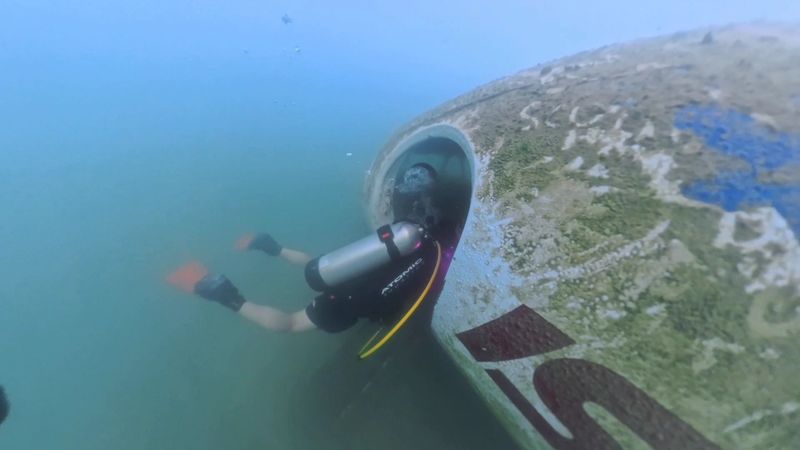
Cave diving ranks among the most technical and potentially dangerous forms of scuba diving, requiring specialized training and equipment. Most aspiring cave divers face a significant problem: actual caves are often far away, difficult to access, and unforgiving environments for learning. Athens Scuba Park solves this challenge with an artificial tunnel system that simulates cave diving conditions in a controlled, safer setting.
These tunnels give divers their first taste of overhead environments without the commitment and risk of entering natural cave systems. Instructors use them to teach line-laying techniques, light discipline, and the mental composure needed when solid rock (or in this case, constructed barriers) sits between you and the surface. The confined spaces force divers to refine their buoyancy control and finning techniques since careless movements in tunnels quickly reduce visibility.
What sets this feature apart is its accessibility—you don’t need to travel to Florida or Mexico to experience overhead environment diving. Students can complete multiple training dives in a single day, building confidence and muscle memory that translates directly to real cave diving situations. The tunnel system has introduced countless Texas divers to technical diving who might never have pursued it otherwise due to geographical limitations.
The park staff emphasizes proper training before entering the tunnels, maintaining safety standards that mirror real cave diving protocols. Lights, redundant air supplies, and proper certification levels aren’t just recommendations—they’re requirements. This serious approach to safety education means divers who graduate from these tunnels arrive at actual caves already understanding the mindset and discipline that keeps cave divers alive.
5. Eight-Acre Lake With Crystal-Clear Visibility
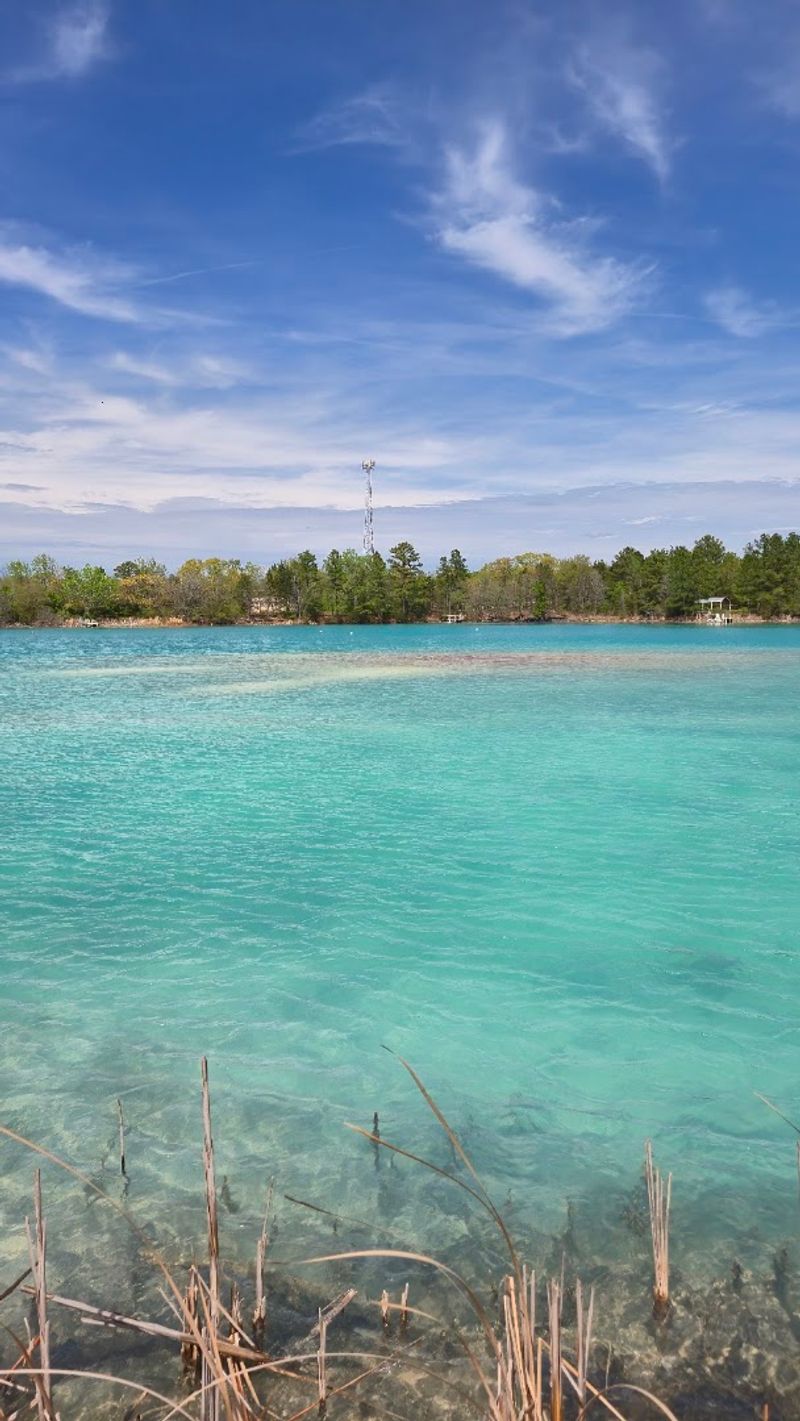
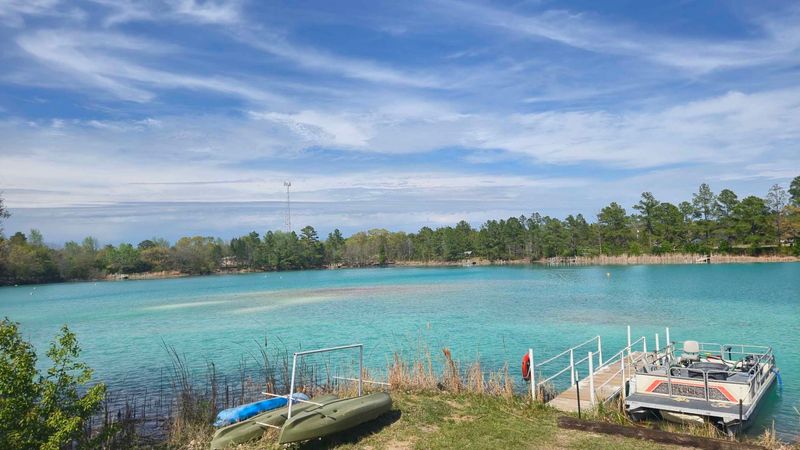
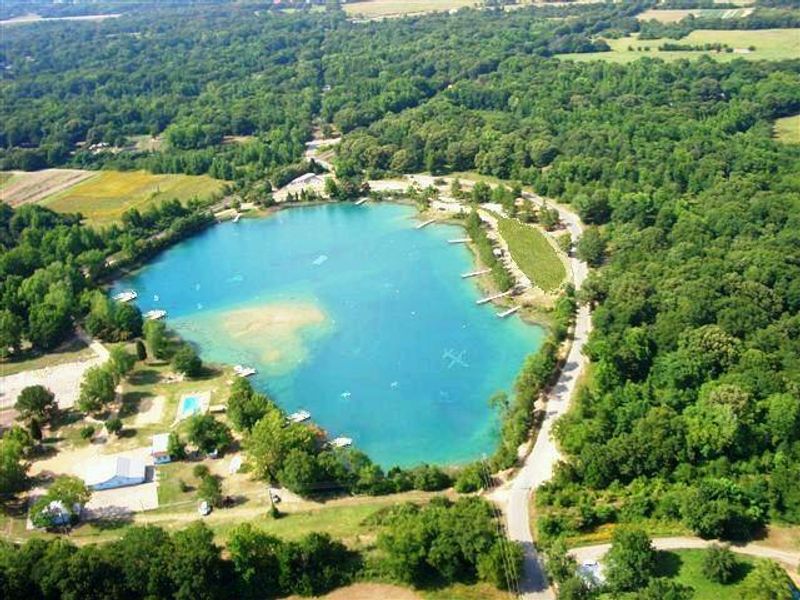
Size matters when it comes to dive sites, and Athens Scuba Park’s 8-acre lake provides enough space to prevent that claustrophobic feeling some smaller quarries create. The lake formed in an old clay-bottom quarry, which gives it unique characteristics compared to natural Texas lakes. That clay bottom doesn’t support plant growth or harbor the sediment typical of natural lakes, resulting in visibility that can reach an impressive 30 feet on good days.
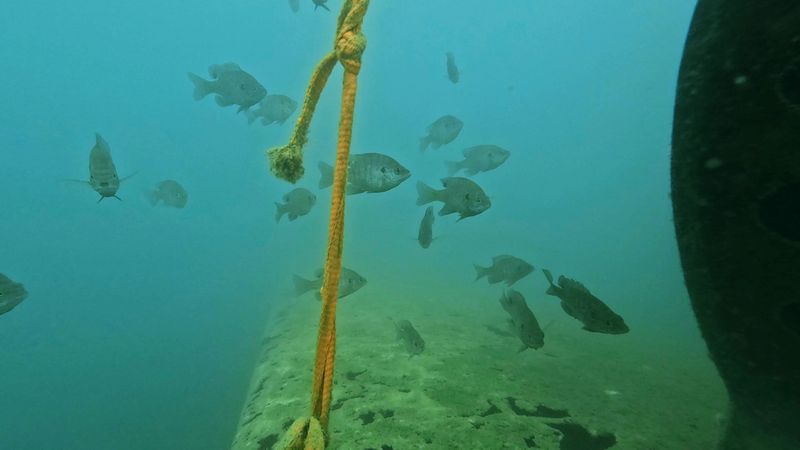
Water clarity fluctuates based on rainfall, diver traffic, and seasonal factors, but even on average days you’re looking at 15 to 20 feet of visibility—far better than many natural Texas dive spots. The mineral content in the water discourages fish populations, which might disappoint some divers but actually benefits visibility since there’s no organic matter constantly breaking down and clouding the water. This mineral-rich environment also stays relatively stable temperature-wise, though divers report a noticeable thermocline around 20 feet.
The lake’s depth varies from shallow areas perfect for training to maximum depths around 35 feet, hitting that sweet spot for recreational diving. You can complete multiple dives without worrying about decompression obligations, making it ideal for classes, checkout dives, or just fun exploration days. The manageable depths also mean your air lasts longer, allowing extended bottom times to thoroughly explore all the attractions.
Multiple docks ring the lake, providing easy entry and exit points near different attractions. This thoughtful layout means you can plan dives targeting specific wrecks without swimming excessive distances underwater. The clay bottom requires careful buoyancy control since stirring it up crashes visibility instantly, but that challenge actually helps divers develop better technique.
6. Family-Owned Operation With Personal Touch
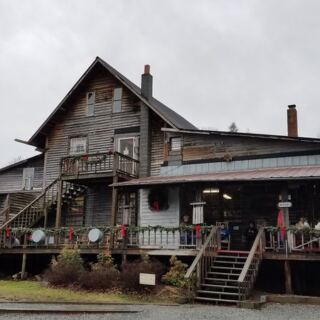
Walk into Athens Scuba Park and you immediately sense something different from corporate-run facilities. Founded by Calvin and Shannon, this family operation now includes second-generation family members like Alex, who grew up around the park and understands diving culture from lived experience rather than business school theory. That generational continuity creates an atmosphere where staff genuinely care about your experience rather than just processing transactions.
Reviewers consistently mention feeling welcomed like family from their first visit. The staff remembers names, asks about previous dives, and takes time to understand each diver’s goals and concerns. When one visitor arrived late for their camping reservation, owner Shannon came after hours to help them get settled and even loaned them equipment they needed.
These aren’t isolated incidents of good service—they represent the park’s operating philosophy.
The personal attention extends to gear selection and training. Staff members patiently explain equipment options without pushing sales, helping divers choose gear that matches their actual diving plans rather than the most expensive options. New divers particularly appreciate this approach since the scuba industry can feel overwhelming with conflicting advice and aggressive sales tactics at some shops.
Here, the focus stays on building long-term relationships with divers who’ll return for years.
This family atmosphere creates a community rather than just a customer base. Regular visitors know the staff by name, and the staff knows them right back. That familiarity allows for customized experiences—staff can recommend specific attractions based on your skill level and interests because they actually know who you are.
It’s the kind of small-business magic that chain operations simply cannot replicate.
7. Complete Diving Services and Training Programs
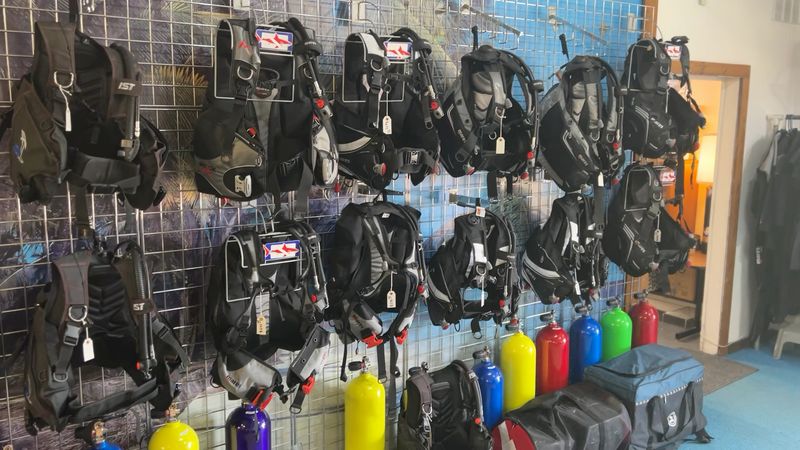
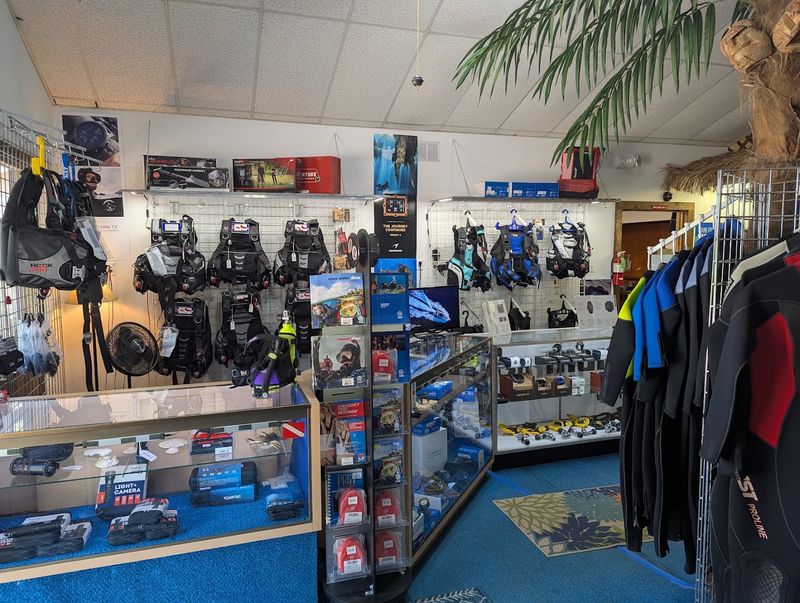
Athens Scuba Park functions as a complete diving destination rather than just a place to get wet. The on-site dive shop stocks everything from basic masks and fins to complete gear setups, rental equipment, and specialty items that divers often struggle to find locally. Having a well-stocked shop at the dive site eliminates the frustration of discovering you forgot something critical or need a last-minute replacement part.
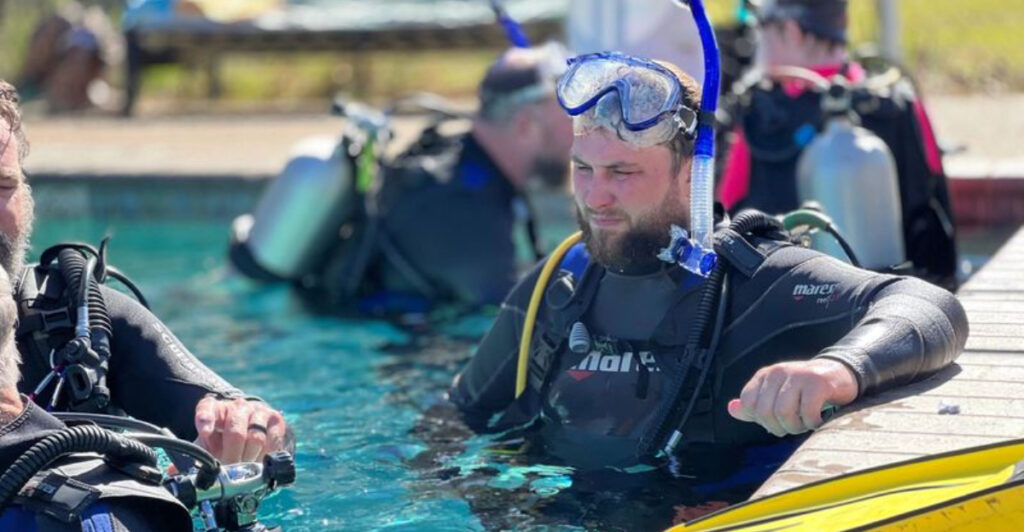
The park offers PADI certification courses covering the full spectrum from absolute beginner to advanced specialties. The training pool provides a controlled environment for initial skills development before students progress to the lake. This progression builds confidence systematically—students aren’t thrown into open water before they’re ready, but they also don’t waste time when they’ve demonstrated competence.
Instructors Scott and Craig receive specific praise in reviews for their teaching abilities and patience.
Equipment rental service accommodates divers who are still deciding whether to invest in their own gear or travelers who can’t bring everything on planes. The rental gear gets regularly maintained and updated, so you’re not stuck with ancient, barely-functional equipment. For visitors evaluating gear purchases, staff let you test different configurations during dives to see what actually works for your body and diving style before committing hundreds or thousands of dollars.
On-site tank fills mean you can dive all day without leaving the property or worrying about running out of air. The convenience factor can’t be overstated—you can complete a morning dive, get your tanks filled while you eat lunch at the picnic area, and be back underwater for an afternoon dive without driving anywhere. This integrated approach maximizes your actual diving time rather than wasting hours on logistics.
8. Camping and RV Sites for Extended Diving Weekends
Why limit yourself to day trips when you can camp right at the dive site? Athens Scuba Park offers both tent camping spots and RV sites with hookups, transforming single-day visits into full diving weekends. The camping areas feature covered pavilions, picnic tables, and even grills—amenities that camping divers quickly learn to appreciate after long days in the water.
Some camping spots sit right at the dock, literally putting you steps from your next dive.
The facilities include clean showers and restrooms that receive consistent praise in reviews, which matters more than non-campers might realize. After spending hours in a wetsuit, a hot shower in a clean facility feels like absolute luxury. The gear-rinsing station lets you properly care for equipment without creating a mess at your campsite.
These thoughtful touches show that the owners actually camp and dive themselves rather than just guessing what customers might need.
Camping here creates a diving-focused mini-vacation without requiring extensive travel or expensive hotels. You can dive at sunrise when visibility peaks, take a midday break at your campsite, then hit the water again for an afternoon session or even a night dive. Multiple days on-site let you thoroughly explore all the attractions rather than rushing to see everything in a few hours.
Many divers make this an annual tradition, booking the same camping spots and reconnecting with diving friends.
The proximity to an active railroad track means trains do rumble past occasionally, including at night with horns blowing. Some campers find this charming while others consider it a minor annoyance—your perspective probably depends on how deeply you sleep. Either way, the overall camping experience receives overwhelmingly positive feedback from visitors who appreciate having a true dive resort experience in the middle of Texas.
Share this story