Learning feels a lot more exciting when kids can touch, build, experiment, and discover for themselves. Fortunately, Illinois is home to outstanding science museums that transform curiosity into unforgettable family adventures through interactive exhibits, live demonstrations, hands-on activities, and immersive experiences.
From space exploration and engineering to wildlife, weather, physics, and technology, these museums inspire children to ask questions while having plenty of fun along the way. Whether you’re planning a family day in Chicago or looking for an educational outing elsewhere in the state, these destinations make learning feel like play. Here are the 11 best science museums in Illinois for curious kids.
1. Museum of Science and Industry (Chicago)

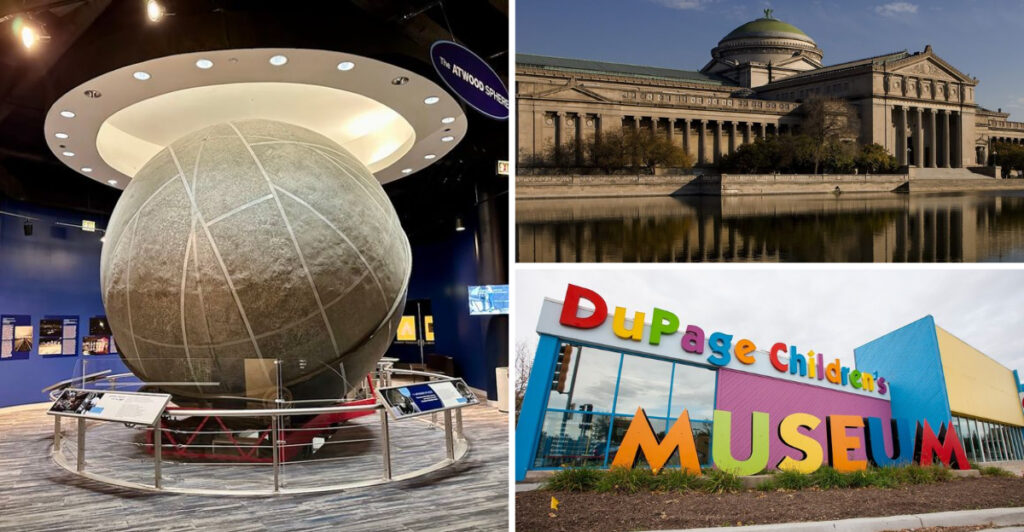
Big museums can sometimes wear kids out fast, but this one has the opposite effect. The Museum of Science and Industry gives you room to roam and a huge mix of topics, so the day never gets stuck on one idea for too long.
Space exploration, engineering, transportation, weather, and technology all show up in ways that invite movement, questions, and close-up looking instead of passive wandering.
For families with different ages, that variety matters. One child might lock onto trains or machines, while another heads straight for hands-on stations or dramatic large-scale displays.
The famous U-505 submarine adds a sense of scale that younger visitors usually remember long after the trip, and it helps turn abstract history and engineering into something concrete that you can point at, talk through, and compare with today’s technology.
This is also the kind of museum where pacing your visit makes a big difference. Rather than trying to conquer everything, it works better to pick a few zones that match your kid’s interests and let curiosity lead the route.
You can shift from intense exhibit time to slower observation, then back into interactive areas before attention starts fading, which makes the overall visit smoother for both kids and adults.
Chicago has no shortage of major attractions, yet this museum stands out because it gives science a broad stage without making it intimidating. You get spectacle, but you also get useful conversations about how things move, why systems work, and how people solve problems.
For curious kids who want a place with scale, energy, and plenty to test with their eyes and hands, this is a top-tier pick.
2. Discovery Center Museum (Rockford)
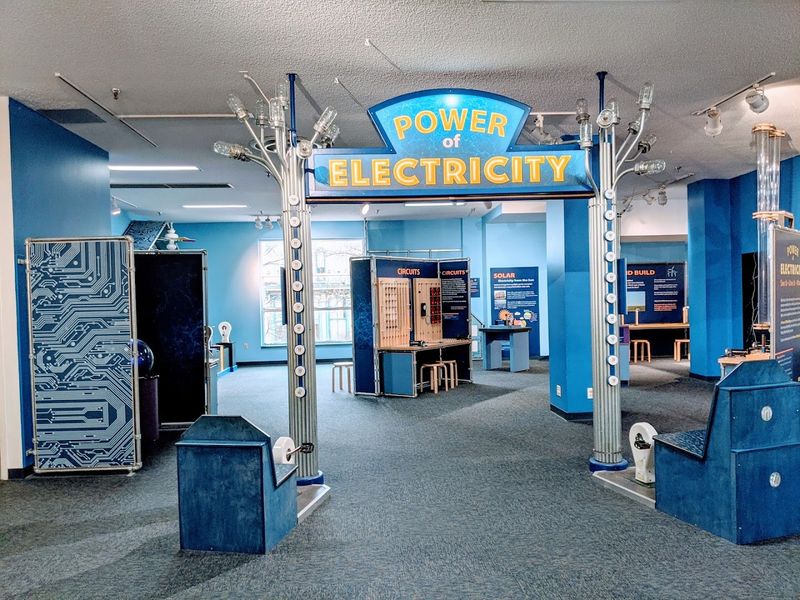
Some museums are easiest to love because they understand how kids actually explore. Discovery Center Museum in Rockford leans hard into hands-on learning, with a big lineup of interactive exhibits and outdoor discovery spaces that encourage touching, testing, building, and trying again.
Instead of asking children to stand back, it rewards active participation, which makes the whole place more inviting for energetic learners.
The appeal here is not only the number of exhibits but the rhythm they create. Kids can move from one experiment to the next without losing momentum, and that steady sense of discovery helps the visit stay lively.
When a museum mixes STEM ideas with play in a natural way, children often absorb more than you expect because they are busy solving little problems, making connections, and following their own curiosity.
Families with younger children usually appreciate that this style of museum leaves room for short attention spans. You do not need a perfect plan or a carefully timed route to have a strong visit.
A few minutes at a build station, a burst of excitement outdoors, then another stop at a different interactive area can add up to a surprisingly full day without feeling too structured or too serious.
Rockford has several family-friendly options, but this one earns its spot by keeping science approachable and energetic. You can talk about motion, design, patterns, or cause and effect without turning the outing into a lesson.
For kids who learn best by doing, Discovery Center Museum offers exactly the kind of playful, practical setup that helps curiosity grow while everyone stays busy in the best possible way.
3. Kohl Children’s Museum (Glenview)
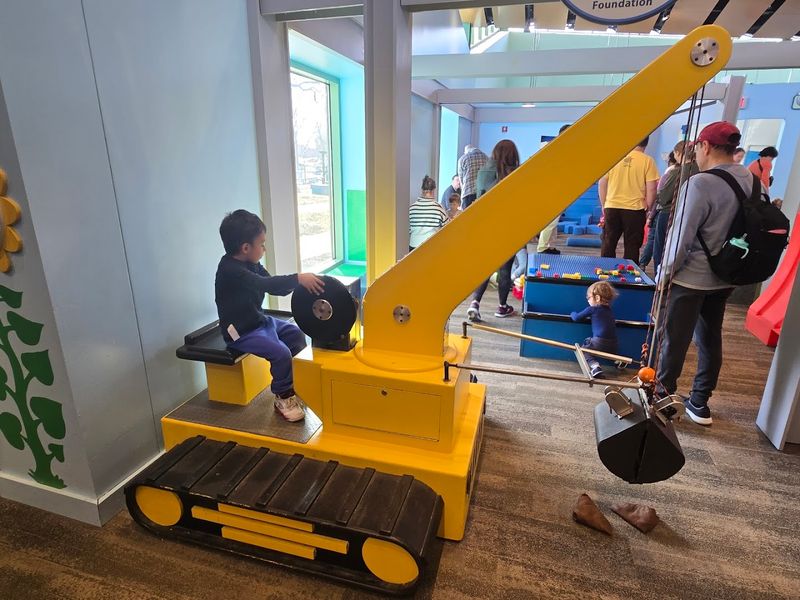
If your kids like to switch quickly between building, pretend play, and hands-on discovery, Kohl Children’s Museum is a smart pick.
The museum blends science, engineering, and nature with interactive spaces that are designed around active participation rather than passive viewing.
That mix helps children stay engaged because they can move between different styles of learning without the experience becoming repetitive.
There is a practical strength to a museum that understands how young children think. One minute they want to experiment, the next they want to role-play, create, or examine something up close.
Kohl Children’s Museum meets that energy with exhibits that support exploration while still giving parents plenty to talk through, whether the conversation turns to simple machines, the natural world, problem-solving, or how materials behave.
The overall setup also makes it easier to tailor the visit to your child’s age and mood. You can spend more time in the exhibits that reward careful investigation or lean into the creative play areas when attention starts to drift.
That flexibility matters, especially on family outings where one child wants structure and another just wants to try everything within sight.
In a region filled with strong family attractions, this museum stands out for how smoothly it connects play with real learning. It does not push science into the background, but it also does not package every concept too formally.
You get a visit that is lively, approachable, and full of small opportunities for discovery, which is exactly what many parents want when they are looking for an outing that entertains kids and stretches their thinking at the same time.
4. Peoria Riverfront Museum (Peoria)

Peoria Riverfront Museum works well for families who want a little range in their day without giving up the science focus. Because it brings together science, history, art, and space exploration, the museum creates more than one entry point for curious kids.
That can be especially helpful when one child loves planets, another prefers hands-on exhibits, and the adults want a place that offers broader conversation along the way.
The planetarium is a major draw and gives the museum extra pull for children who are fascinated by stars, motion, and big cosmic questions. Pair that with family-friendly interactive exhibits, and the experience becomes more dynamic than a simple walk through galleries.
Kids can look, ask, compare, and then shift into a more immersive space, which keeps the visit moving with a nice change of pace.
Another advantage here is the museum’s balance. Some family destinations go all-in on sensory overload, while others are so quiet and formal that younger visitors lose interest quickly.
This museum lands in a middle zone that can work nicely for mixed-age groups, giving children enough to engage with while still leaving room for slower moments, side conversations, and deeper curiosity about how different subjects connect.
If you are planning a family day in central Illinois, this is an easy place to put high on the list. The combination of science content, space-themed programming, and multidisciplinary exhibits helps the museum feel fresh even if your kids have been to other children’s museums before.
It offers a broader lens, a polished experience, and a family-friendly structure that makes learning feel open-ended rather than overly scripted.
5. Peggy Notebaert Nature Museum (Chicago)
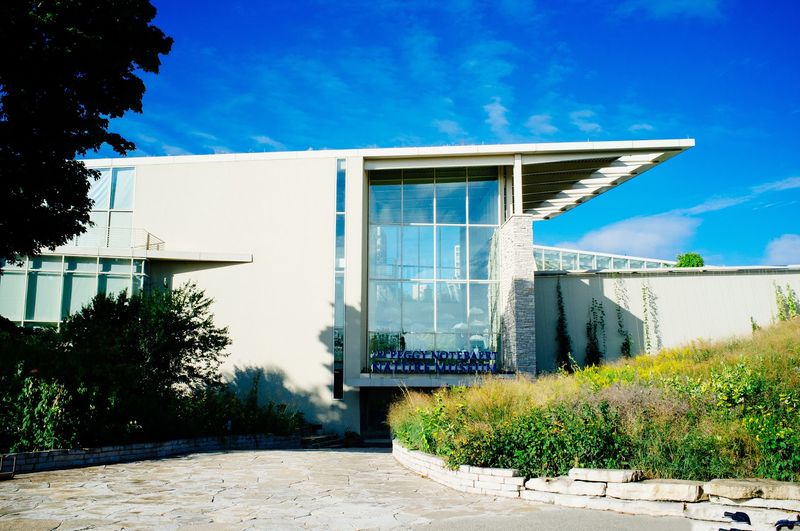
For kids who light up around animals, insects, habitats, and anything that crawls, flutters, or grows, the Peggy Notebaert Nature Museum is a strong choice. This museum puts nature front and center, giving children a closer look at Illinois wildlife, ecosystems, butterflies, and environmental science.
It turns big topics into visible, kid-friendly experiences that are easier to understand when you can actually observe living things and habitat-focused exhibits.
The biggest strength here is how immediate the subject matter feels. Environmental science can sound abstract when it stays in books or classroom charts, but it becomes much more accessible when kids are looking at butterflies, exploring ecosystem displays, and spotting details in live animal areas.
Those encounters often lead to better questions, whether your child wants to know how species survive, why habitats change, or what people can do to care for local environments.
This museum also offers a welcome change of pace from tech-heavy science spaces. Instead of machines, lights, and large industrial displays, the focus shifts toward living systems, observation, and noticing patterns in the natural world.
That makes it especially good for children who prefer quieter discovery or who are just as excited by birds, water, and plants as they are by engines and rockets.
Chicago families have plenty of museum choices, but this one fills a specific niche in a really useful way. It gives kids science through nature, and that approach often clicks for children who need a more grounded, sensory connection to the subject.
If your ideal museum day includes wildlife, butterflies, and conversations about how ecosystems work close to home, this stop delivers a thoughtful and highly engaging experience.
6. Adler Planetarium (Chicago)
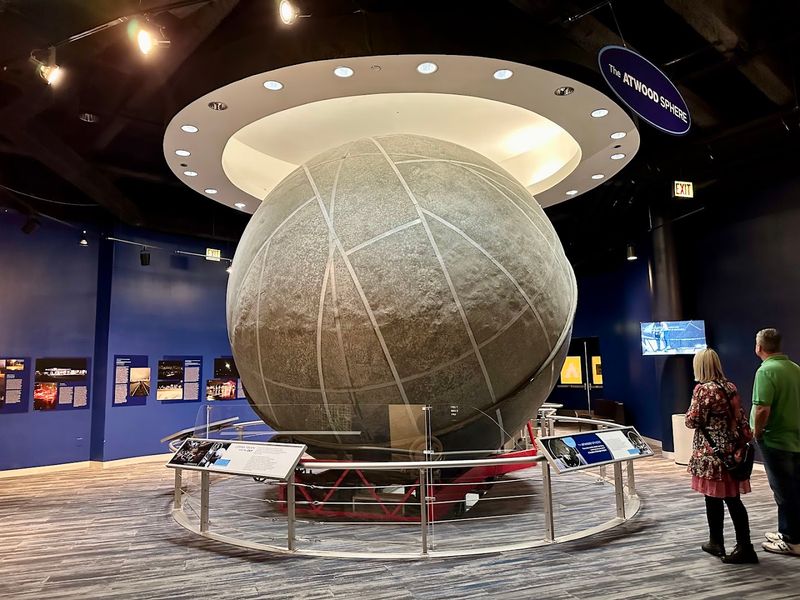
When your child starts asking about stars at bedtime, the Adler Planetarium is the obvious place to go next. As America’s first planetarium, it brings a strong sense of space history, but the real draw for families is how it combines sky shows, astronomy exhibits, and interactive displays into a visit that stays accessible.
It gives kids a chance to connect huge ideas about the universe with visuals and activities they can actually follow.
The sky shows do a lot of heavy lifting here because they create immersion without requiring children to know much in advance.
Add in space science exhibits and hands-on elements, and you get a well-rounded outing that can appeal to both the future astronaut and the kid who simply likes pressing buttons and seeing how the night sky changes.
The Chicago skyline views are an extra bonus that make the setting memorable before you even get to the exhibits.
Another plus is that this museum makes a focused topic feel broad. Astronomy can be narrowed down too much in some places, but here you can move between questions about planets, stars, exploration, observation, and how people have understood the sky over time.
That range helps the visit stay fresh and gives parents easy openings for conversation, even if space science is not a subject you talk about every day.
For families visiting Chicago, the Adler remains one of the cleanest bets for a science outing with real visual impact.
It is specialized without being limiting, educational without becoming dry, and exciting without relying only on noise and spectacle. If your kid is curious about what is overhead after sunset, this is where that curiosity gets a much bigger stage.
7. Wonder Works Children’s Museum (Oak Park)
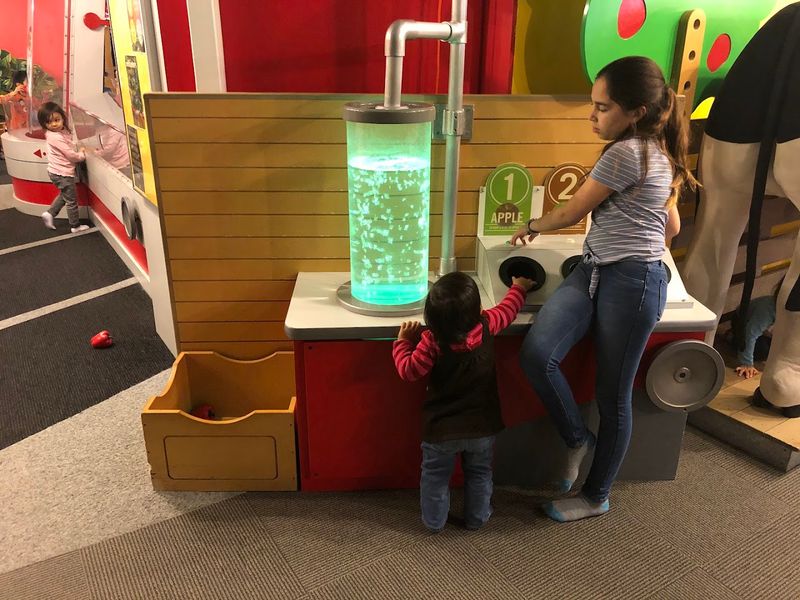
Not every science museum needs giant scale to be effective, especially for younger children. Wonder Works Children’s Museum in Oak Park leans into play-based exploration, giving kids room to experiment with construction, problem-solving, creativity, and early science concepts in a way that matches their age and energy.
That approach can be a huge relief if you want an outing that is stimulating without being overwhelming. The museum’s real advantage is how naturally it introduces ideas through action.
Young children often understand more when they can stack, test, move, rearrange, and build rather than sit through explanations.
In a setting like this, science shows up through cause and effect, balance, design, and observation, while kids stay focused because the activities look and feel like play instead of formal instruction.
For families with preschoolers or early elementary kids, that matters a lot. Bigger museums can be exciting, but they can also be too packed, too loud, or too broad for shorter attention spans.
Wonder Works offers a more manageable visit where children can settle into an activity, switch gears when needed, and stay engaged without having to cover huge distances or process too many competing attractions at once.
Oak Park parents and visitors often look for smart outings that do not require an all-day commitment, and this museum fits that need well. It supports curiosity in a practical, approachable format that respects how young kids learn best.
If your child is happiest when solving little challenges, building with their hands, and exploring through active play, Wonder Works earns a spot on the list without needing flash or excess scale.
8. The Science Center (Carbondale)
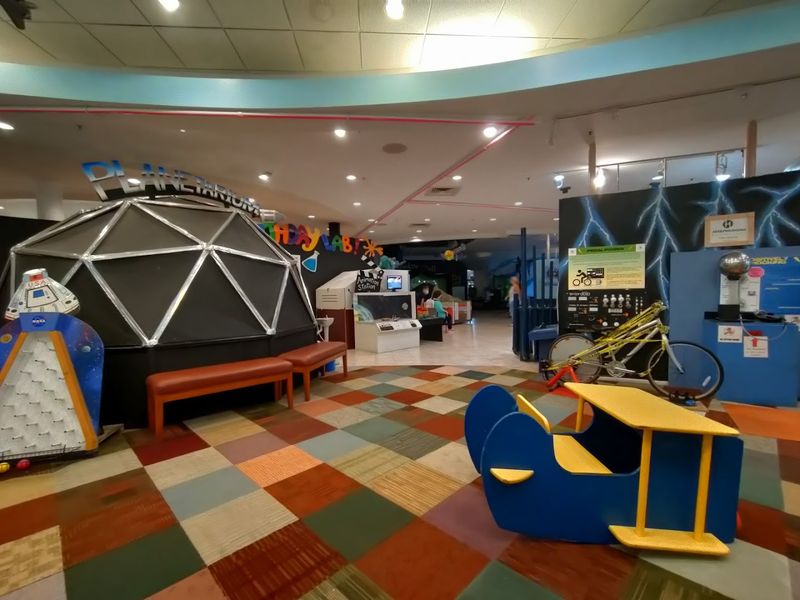
Southern Illinois families do not need to head north for every strong science outing. The Science Center in Carbondale offers a regional option with interactive STEM exhibits, educational workshops, and family activities that make science approachable for a wide age range.
That local accessibility matters, especially when you want a museum day that sparks curiosity without turning the plan into a long road trip.
What stands out here is the center’s practical, community-focused style. Instead of relying only on big-name draw or massive scale, it concentrates on making science understandable and engaging through direct participation.
Kids can experiment, ask questions, and move through exhibits that connect STEM ideas to things they can see and do, which often leads to stronger engagement than a more formal gallery approach.
This kind of science center can be especially useful for families who want repeat visits. Because the setting is approachable and the activities are designed to make science accessible, it is the sort of place where children can build confidence over time.
Workshops and family programming add another layer by giving parents a reason to watch the calendar and return when a topic lines up with a child’s current interests.
Carbondale may not always be the first city that comes to mind in statewide museum roundups, but this stop fills an important role. It gives southern Illinois a hands-on STEM destination that supports learning in a relaxed, family-friendly format.
If your goal is to find a place where science stays interactive, understandable, and close enough for a low-stress outing, The Science Center deserves a spot high on your list.
9. Staerkel Planetarium (Champaign)

For a science outing built around the night sky, Staerkel Planetarium offers a focused experience that can be both fun and surprisingly educational.
Located at Parkland College, it introduces kids to astronomy through presentations, laser shows, and programs designed to make space science easier to grasp. That college setting also gives the visit a slightly more academic edge without making it inaccessible for families.
The biggest draw, of course, is the dome experience. Watching the sky presented in an immersive format can help children understand movement, scale, and celestial patterns in a way that books rarely manage on their own.
Even kids who arrive with only mild interest in astronomy often get pulled in once the lights dim and the presentation starts building a clearer picture of what is happening above them.
Because the planetarium specializes in a single subject, expectations should be a little different from those at a large hands-on museum. This is not about racing from one giant exhibit hall to another.
It works best when you want a more concentrated outing built around shows and guided learning, with enough visual impact to hold children’s attention while introducing real concepts about stars, planets, and the night sky.
In the Champaign area, that makes Staerkel Planetarium a valuable family option. It gives curious kids a direct path into astronomy and offers a memorable way to build interest in space science without overwhelming younger visitors.
If your child is starting to notice the moon, ask about constellations, or wonder what can be seen after dark, this is a very solid place to encourage those questions.
10. Kidzeum of Health and Science (Springfield)
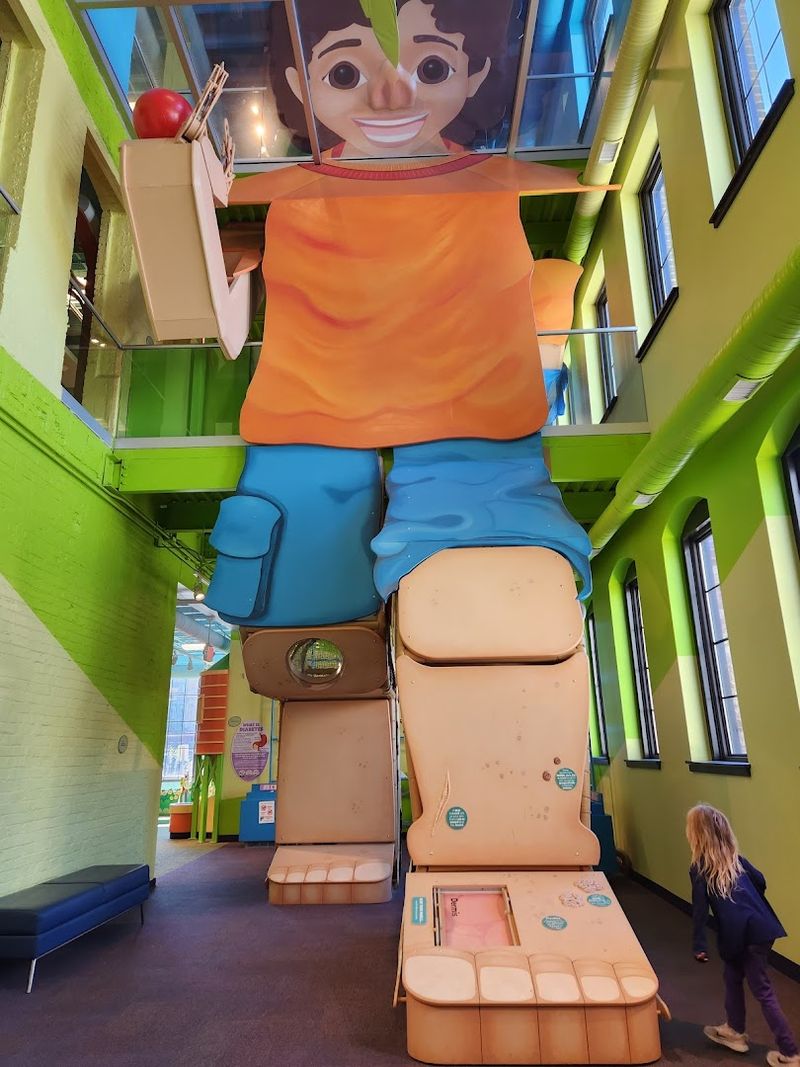
Most science museums cover space, machines, or natural history first. Kidzeum of Health and Science takes a different route by focusing on health, nutrition, the human body, engineering, and child-centered discovery.
That subject mix gives kids a chance to explore science through topics that connect directly to daily life, which can make the learning more immediate and easier to talk about after the visit ends.
Body-focused exhibits often land well with curious children because the questions come naturally. How do muscles work, why do people need nutritious food, what happens inside the body, and how do systems connect?
When a museum builds exhibits around those ideas in an interactive format, kids tend to stay engaged because they are not dealing with distant concepts. They are exploring something personal, visible, and relevant to choices they already recognize.
The added engineering angle broadens the experience in a useful way. It helps the museum avoid becoming too narrow while still keeping a clear identity.
Families can move from health-related exploration into problem-solving and design-based activities, which creates better flow across the visit and gives siblings with different interests more chances to find a favorite zone.
Springfield offers plenty for families, but Kidzeum stands out because it puts science close to everyday experience without making the content feel small. It invites children to think about how bodies function, how habits matter, and how curiosity can lead into design and discovery.
For parents looking for a museum that is hands-on, kid-focused, and slightly different from the usual science outing, this one brings a fresh angle that works very well.
11. DuPage Children’s Museum (Naperville)
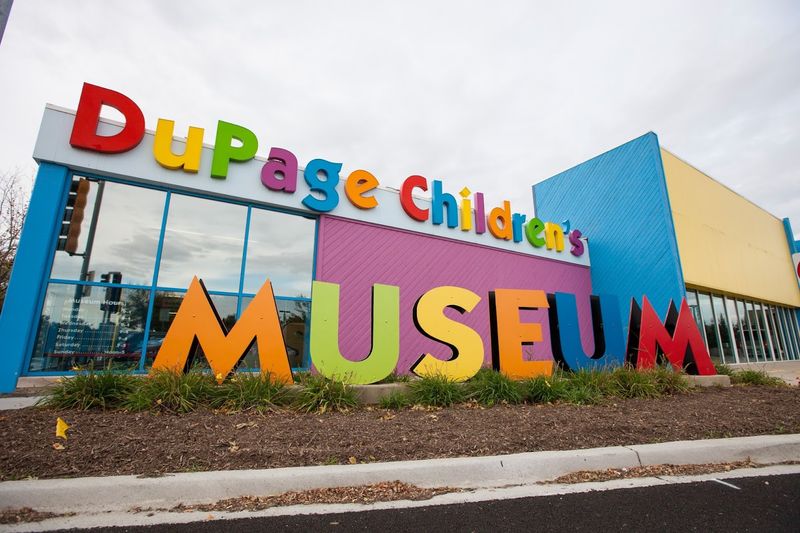
DuPage Children’s Museum has built a strong reputation for a reason. Its STEM-centered approach gives kids plenty to do with their hands while quietly guiding them into concepts like physics, engineering, math, air, water, and creative problem-solving.
The result is a museum where play is always visible, but the learning underneath it is structured enough to make the visit feel substantial.
One of the best parts of this museum is how broad STEM becomes when it is translated into child-friendly exploration. Air and water can turn into experiments about motion and force, while building activities open the door to design, balance, and persistence.
Children are not just being entertained. They are testing ideas, noticing patterns, and figuring out how small adjustments can change the outcome of what they are doing.
That format works especially well for repeat visits because kids rarely engage with the same exhibit in exactly the same way twice. A younger child may focus on sensory discovery and movement, while an older sibling starts thinking through strategy or structure.
Parents benefit too, since the museum offers plenty of easy conversation starters without requiring you to explain every scientific detail on the spot.
Naperville families have many good options, but DuPage Children’s Museum remains one of the most reliable places to channel curiosity into action. It is polished, hands-on, and clearly designed around how children learn through experimentation.
If you want a museum day that blends energy, problem-solving, and flexible STEM discovery in a format that works across multiple ages, this one easily earns its place among the best in Illinois.
Share this story