Texas isn’t just about big cities and sprawling ranches. Tucked away across the Lone Star State are charming small towns that pack stunning scenery, rich history, and welcoming communities into their quiet streets. Whether you’re craving coastal breezes, Hill Country views, or mountain sunsets, these eight beautiful towns offer getaways that feel worlds away from the everyday hustle.
1. Port Isabel
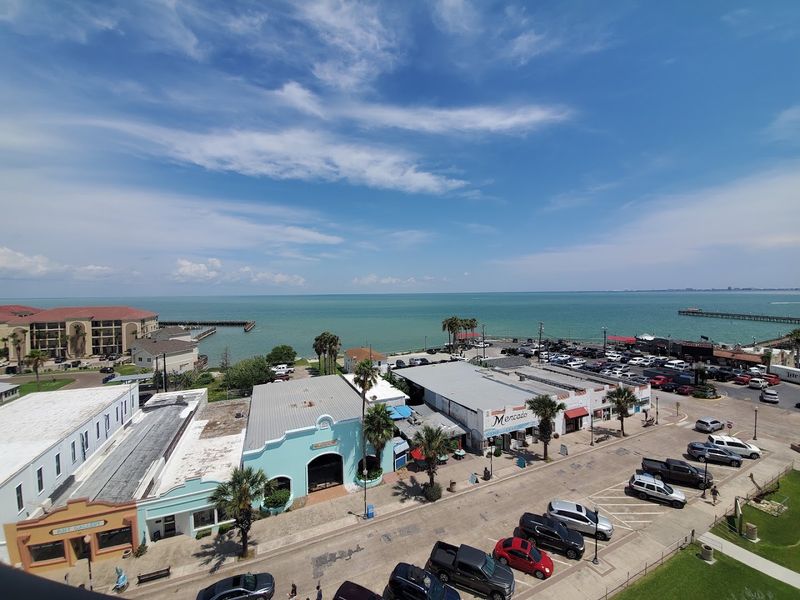
Picture a place where shrimp boats glide past at sunset and the Gulf breeze carries the smell of salt and adventure. That’s Port Isabel for you—a coastal gem at the southern tip of Texas that somehow stays off most tourists’ radar. The historic lighthouse standing tall since 1852 watches over everything, and climbing its spiral stairs rewards you with views that stretch across Laguna Madre all the way to South Padre Island.
Walking the waterfront here feels different than bigger beach towns. Families fish off the docks while pelicans dive for their own dinner nearby. Local seafood restaurants serve catches that were swimming just hours before, and the laid-back vibe makes it easy to lose track of time.
The town’s compact downtown area features colorful buildings housing antique shops, art galleries, and cafes where locals actually know your name by your second visit.
History buffs get their fill at the Port Isabel Historical Museum, which tells stories of Civil War battles, pirate legends, and the champagne shipwreck that still fascinates treasure hunters. The Laguna Madre Nature Trail offers peaceful walks through coastal habitat where you might spot roseate spoonbills or even dolphins playing offshore. During winter, the birding here ranks among Texas’s best, with species migrating through that you won’t see anywhere else.
What really sets Port Isabel apart is how it balances tourist appeal with authentic community life. You can enjoy fresh ceviche at a harbor-side spot, then watch local kids play baseball at the park like it’s 1985. The beaches stay cleaner and less crowded than nearby South Padre, yet you’re just a short drive across the causeway when you want that island energy.
Sunsets paint the sky in colors that no camera quite captures, and the slower pace reminds you why small-town Texas has its own special magic.
2. Jefferson
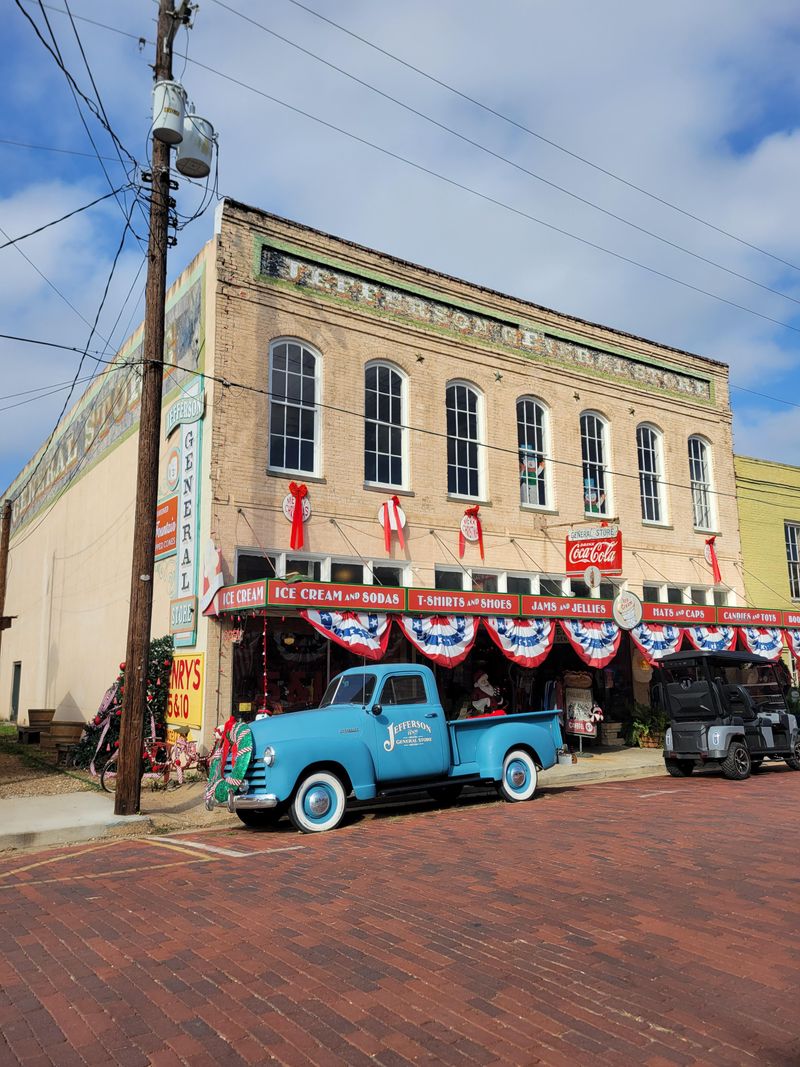
Moss-draped cypress trees line the waterways, and every corner whispers tales from the 1800s. Jefferson sits in East Texas like a time capsule that someone forgot to open, preserving more than 70 historical structures that transport visitors straight into the steamboat era. Back when paddlewheelers ruled Big Cypress Bayou, this town thrived as Texas’s second-busiest inland port, and that prosperity built the gorgeous Victorian homes that still stand proud today.
Strolling through Jefferson feels like wandering onto a movie set, except everything’s genuinely old and beautifully maintained. The downtown district stretches along quiet brick streets where antique stores outnumber chain businesses by about a hundred to one. You’ll find treasures ranging from vintage jewelry to Civil War memorabilia, and shop owners actually enjoy sharing the stories behind their collections.
Weekend visitors often book stays in historic bed-and-breakfasts housed in mansions that once hosted railroad tycoons and steamboat captains.
The town embraces its spooky reputation without going overboard touristy about it. Several historic buildings claim resident ghosts, and guided tours share genuinely creepy tales that locals swear are true. The Jefferson Hotel’s reported hauntings attract paranormal investigators from across the country, though skeptics still enjoy the building’s stunning architecture and period furnishings.
Whether you believe in spirits or not, walking these old streets after dark definitely stirs the imagination.
Beyond ghost stories, Jefferson offers surprisingly good dining tucked into historic spaces and excellent local wineries just outside town. The annual Pilgrimage tours in spring showcase private homes rarely open to visitors, revealing incredible restoration work and period details. Caddo Lake State Park sits nearby, offering kayaking through surreal cypress forests that look like something from a fairy tale.
This combination of history, natural beauty, and small-town authenticity makes Jefferson feel like discovering Texas’s best-kept secret, even though locals have cherished it for generations.
3. Granbury
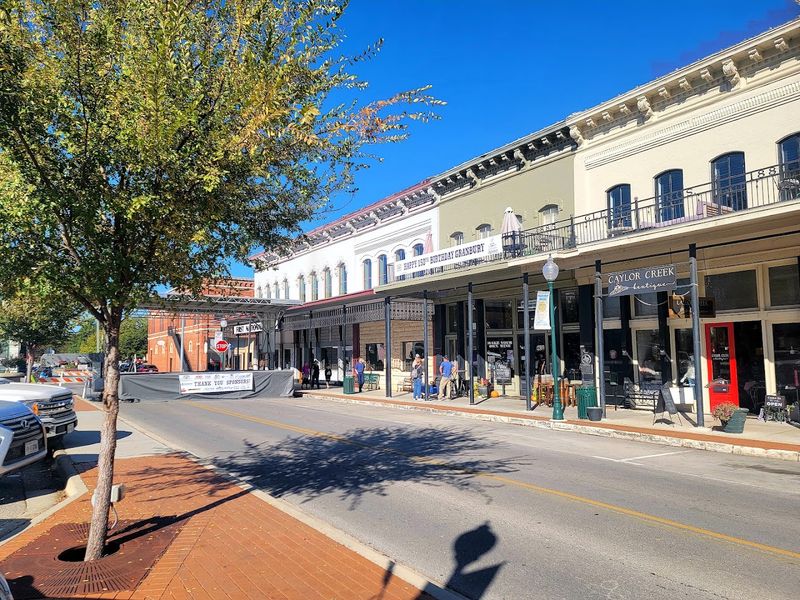
Lake life meets Old West charm in Granbury, where the town square looks like it jumped straight out of a Western film. The 1886 courthouse anchors everything, its limestone walls and clock tower standing watch over locally owned shops, restaurants, and the historic Granbury Opera House. Unlike towns that fake vintage vibes, this place earned its character through actual history—John Wilkes Booth allegedly lived here under an assumed name, though historians still argue about that claim.
What makes Granbury special is how it balances preservation with modern life without feeling forced. You can browse genuine antique stores one minute, then grab craft beer at a local brewery the next. The square hosts year-round events from car shows to wine walks, and summer evenings bring live music that draws both residents and visitors to the shaded benches.
Families come for ice cream at old-fashioned parlors, while couples enjoy date nights at restaurants serving everything from Texas barbecue to upscale Italian.
The lake adds a whole other dimension that landlocked historic towns can’t match. Lake Granbury stretches for miles, offering boating, fishing, and waterfront dining with sunset views that rival any coast. Marinas rent everything from kayaks to pontoon boats, and the beaches provide swimming spots where kids can actually play safely.
Waterfront homes and resorts line the shores, though the public access points stay surprisingly accessible and uncrowded even on summer weekends.
Theater lovers flock here specifically for the Granbury Opera House, which stages professional productions in an authentically restored 1886 venue. The performances range from classic musicals to contemporary comedies, with talent that exceeds what you’d expect from a town of 10,000. Nearby wineries and the Revolver Brewing facility offer tours and tastings, while the drive into town along rolling hills provides scenery that reminds you why people fall for Texas Hill Country.
Granbury proves you don’t need to sacrifice modern amenities to enjoy small-town beauty and genuine community warmth.
4. Fredericksburg
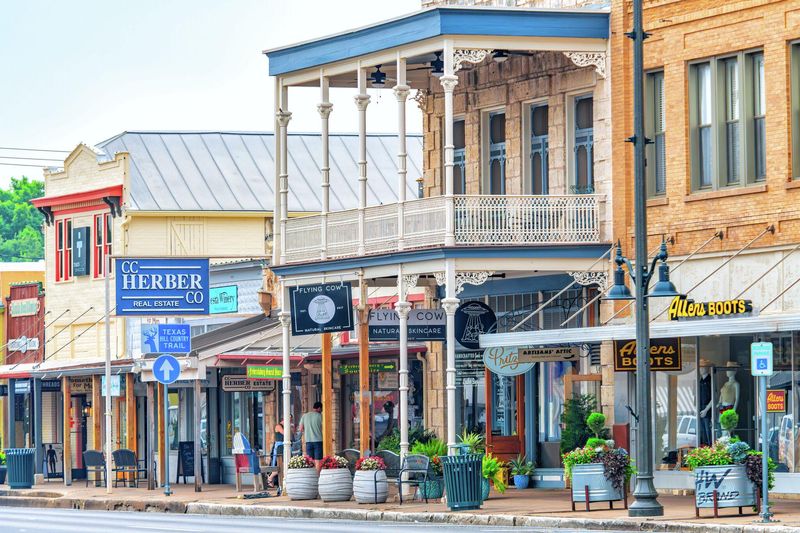
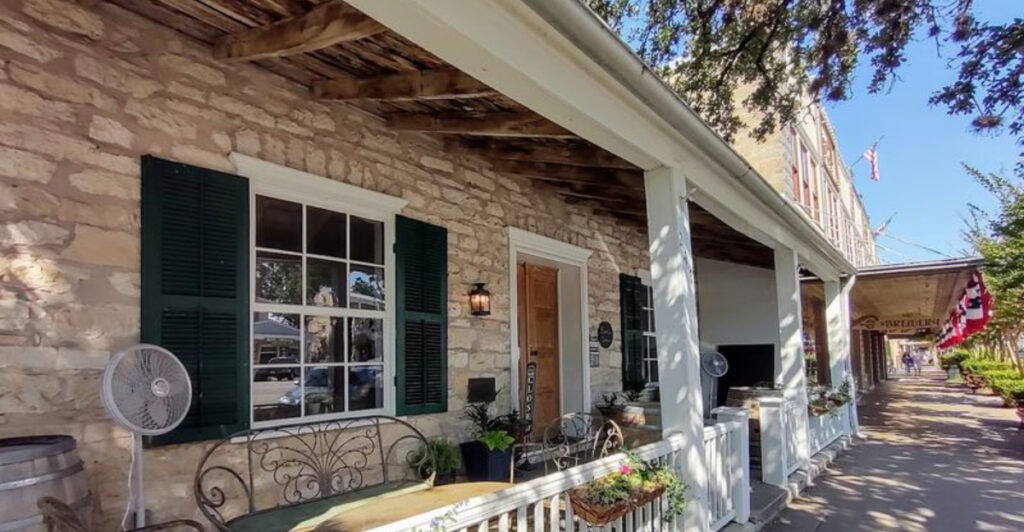
German heritage flavors everything in Fredericksburg, from the architecture to the bakeries serving strudel that would make your German grandmother jealous. Founded in 1846 by German immigrants, this Hill Country town has evolved into Texas’s premier small-town destination without losing the character that makes it special. Main Street stretches for blocks, packed with over 150 specialty shops, galleries, and restaurants that somehow avoid feeling like a tourist trap despite drawing visitors year-round.
Wine enthusiasts know Fredericksburg as the heart of Texas wine country, with over 50 wineries dotting the surrounding hills. Tasting rooms range from rustic barn conversions to elegant estates, pouring everything from bold Tempranillos to crisp Viogniers grown in the unique terroir of the Texas Hill Country. Many wineries offer food pairings and live music on weekends, creating experiences that rival Napa without the California prices or attitude.
The scenic drives between vineyards wind through landscapes that explode with wildflowers each spring, especially the famous bluebonnets that blanket fields in April.
History runs deep here beyond the German connection. The National Museum of the Pacific War honors Admiral Chester Nimitz, a Fredericksburg native who commanded Allied forces in the Pacific during World War II. The museum sprawls across multiple buildings with exhibits ranging from personal artifacts to full-scale combat aircraft, offering one of the nation’s most comprehensive Pacific War collections.
Meanwhile, the historic district preserves Sunday Houses—tiny homes German farmers built for weekend church visits—that now serve as charming guest cottages.
Foodies find plenty to love beyond German fare, though the schnitzel and sausages definitely deserve attention. Farm-to-table restaurants utilize local ingredients, craft breweries pour creative beers, and dessert shops tempt with everything from homemade fudge to gourmet chocolates. The town balances touristy elements with authentic local life—residents still shop on Main Street and gather at community events.
Enchanted Rock State Natural Area sits nearby, offering hiking and rock climbing on the massive pink granite dome that rises 425 feet above the surrounding landscape, providing views that stretch for miles across the beautiful Hill Country.
5. Palestine
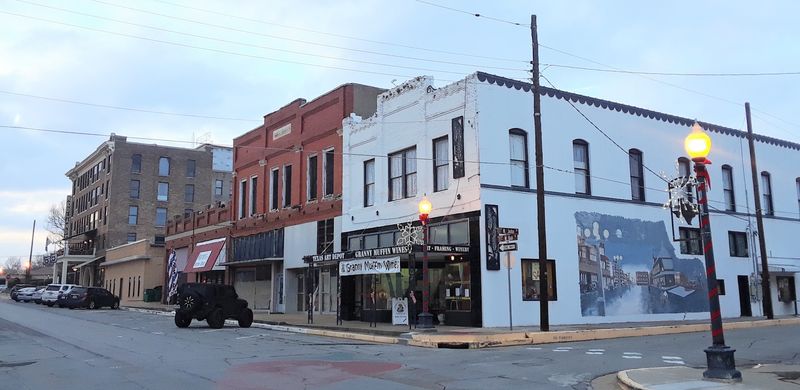
Trains still whistle through Palestine, just like they have since the 1870s when railroads made this East Texas town boom. The Texas State Railroad operates vintage steam and diesel locomotives on scenic routes through Piney Woods that look especially stunning during fall foliage or spring dogwood blooms. Riding in restored passenger cars feels like traveling back to an era when rail journeys meant something special, and the four-hour round trips offer views of forests and creeks that roads never reach.
Downtown Palestine surprises visitors with its collection of beautifully restored historic buildings now housing antique malls, boutiques, and cafes. The 1914 Hotel Palestine recently underwent restoration, bringing boutique accommodations to the heart of the business district. Walking these streets reveals architectural details from different eras—Victorian flourishes, Art Deco storefronts, and classic Texas commercial buildings that tell the story of a town that prospered, struggled, then found new life through preservation and tourism.
What sets Palestine apart from other railroad towns is how it embraces multiple identities. Yes, the trains draw visitors, but the town also celebrates its role as the Dogwood Capital of Texas. Spring brings the Dogwood Trails Festival when thousands of trees bloom pink and white throughout neighborhoods, and self-guided driving tours showcase the natural beauty alongside historic homes.
The celebration includes parades, live music, and arts and crafts that feel genuinely community-focused rather than manufactured for tourists.
Outdoor enthusiasts appreciate Palestine’s proximity to several lakes offering fishing, boating, and camping. Lake Palestine stretches across 25,000 acres with excellent bass fishing and quiet coves perfect for kayaking. The town’s location in the Piney Woods provides a different Texas landscape than most people imagine—tall pines, rolling hills, and creeks instead of mesquite and cactus.
Local restaurants serve East Texas comfort food, including barbecue that holds its own against any in the state. Palestine manages to honor its railroad heritage while offering diverse experiences, from nature trails to wine tasting at nearby vineyards, making it more than just a one-attraction town.
6. Alpine
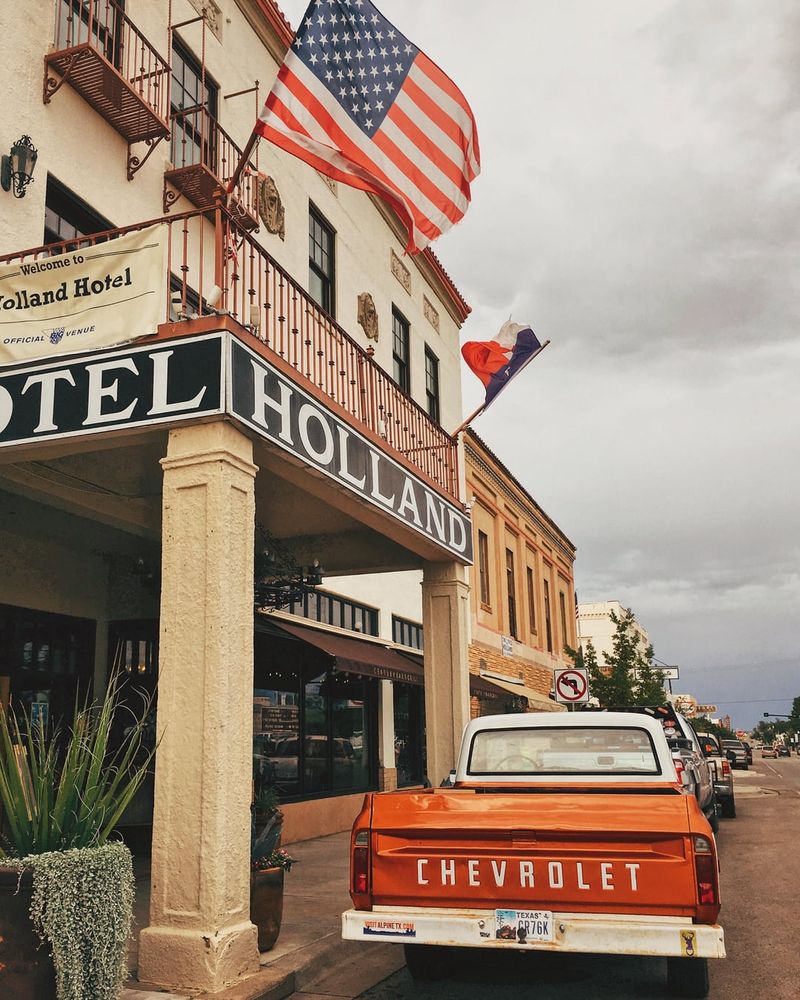
Mountains rise unexpectedly from the desert floor around Alpine, creating scenery that feels more like New Mexico than the Texas most people picture. Sitting at 4,500 feet elevation, this West Texas town enjoys cooler temperatures and bigger skies than just about anywhere else in the state. The Davis Mountains provide a dramatic backdrop that changes color throughout the day, from purple shadows at dawn to golden fire at sunset, and the lack of light pollution makes the stars so bright they almost seem fake.
Alpine serves as the cultural hub of the Big Bend region, home to Sul Ross State University, which brings youthful energy and cultural events to this remote area. The Museum of the Big Bend showcases regional history from prehistoric times through the ranching era, with exhibits covering everything from ancient Native American cultures to the geology that created this unique landscape. Downtown features galleries displaying local artists who draw inspiration from the dramatic surroundings, along with restaurants and breweries that exceed expectations for a town of 6,000 people.
The location makes Alpine an ideal base for exploring West Texas wonders. Big Bend National Park lies about 80 miles south, offering some of America’s most spectacular and least-crowded parkland. Closer by, Fort Davis National Historic Site preserves one of the best surviving examples of a frontier military post, and McDonald Observatory sits atop Mount Locke offering public star parties that reveal celestial views impossible near cities.
The scenic drives connecting these destinations wind through landscapes so vast and empty they remind you how big Texas really is.
What surprises visitors most is Alpine’s thriving arts scene and sophisticated dining options. Gallery night draws crowds monthly, local theater productions fill the historic Granada Theater, and restaurants serve everything from authentic Mexican cuisine to upscale farm-to-table fare featuring local game and produce. The climate allows outdoor activities year-round—hiking, mountain biking, and rock climbing in the surrounding mountains and canyons.
Alpine attracts artists, retirees, outdoor enthusiasts, and anyone seeking small-town life with big views and genuine community spirit. The combination of natural beauty, cultural richness, and frontier authenticity creates a place unlike anywhere else in Texas.
7. West
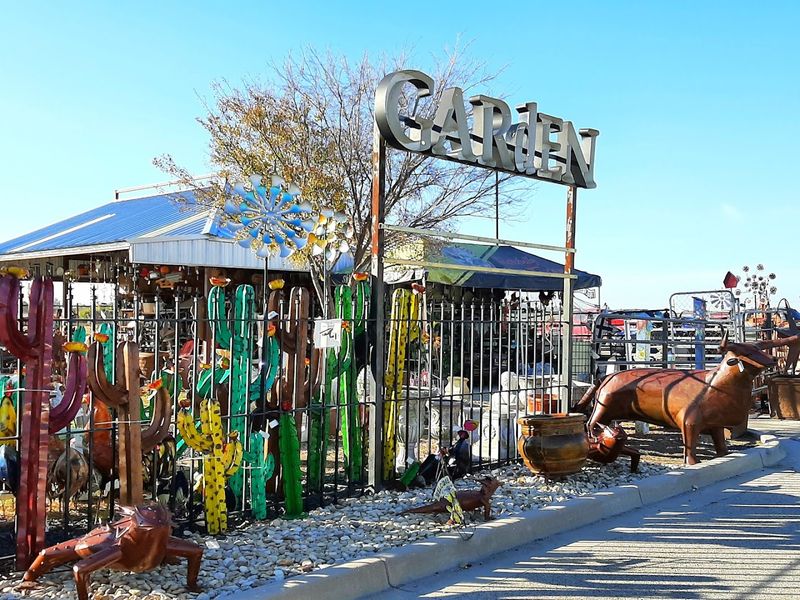
Czech heritage flavors every aspect of West, a tiny town that’s become famous statewide for one thing: kolaches. These fruit-filled pastries brought by Czech immigrants taste so good that people drive hours just to buy them fresh from local bakeries. The Village Bakery and Gerik’s Ole Czech Bakery compete friendly-like for the title of best kolaches in Texas, and honestly, trying both is the only way to pick a favorite.
Beyond pastries, West celebrates its Czech roots through festivals, traditional foods, and community pride that keeps old-world traditions alive.
The town sits along Interstate 35 between Dallas and Austin, making it a natural stopping point for travelers who might otherwise blow right past. That highway location nearly destroyed West in 2013 when a fertilizer plant explosion devastated the community, killing 15 people and damaging hundreds of buildings. The disaster could have ended this small town, but residents rebuilt with determination that showed what community really means.
Today, West stands stronger than before, with restored buildings and a memorial honoring those lost, demonstrating the resilience that defines small-town Texas.
Westfest, held annually on Labor Day weekend, transforms the town into a massive Czech celebration featuring polka music, traditional dancing, crafts, and food that draws over 20,000 visitors. Authentic Czech dishes like klobase (sausage), sauerkraut, and kolaches fill vendor booths, while stages host bands playing polka and folk music that gets even non-dancers tapping their feet. The festival showcases genuine cultural preservation rather than commercialized ethnicity, with proceeds supporting community projects and keeping traditions alive for future generations.
Walking downtown West reveals a quiet main street where grain silos tower over historic storefronts and locals still gather at cafes to catch up on news. The slower pace and genuine friendliness remind visitors why small towns matter—people actually wave at strangers and stop to chat. Beyond kolaches and Czech culture, West offers proximity to Waco’s attractions while maintaining its distinct identity and rural character.
The surrounding countryside provides pretty drives through farmland and rolling hills, especially beautiful during spring wildflower season when bluebonnets color the roadsides. West proves that even the smallest towns can possess outsized charm and importance to those who call them home.
8. Llano
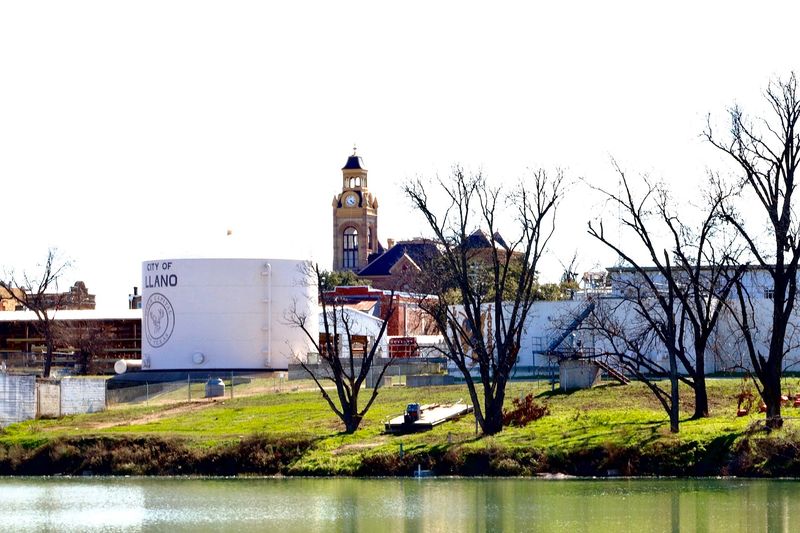
The Llano River flows clear and cool through town, creating a centerpiece that defines everything here. Known as the deer capital of Texas, Llano sits in prime Hill Country where wildlife thrives and granite outcroppings create landscapes that look almost sculptural. The river draws swimmers, tubers, and anglers year-round, with public access points allowing everyone to enjoy the water without needing private property connections.
Summer weekends see families camping along the banks, kids splashing in swimming holes, and the smell of barbecue drifting from riverside picnic areas.
Downtown Llano maintains its historic character with the beautiful pink granite courthouse anchoring the square. Built in 1893 from locally quarried stone, this architectural gem represents the town’s granite heritage—Llano County granite was used in the Texas State Capitol and many other significant buildings. The square features antique shops, cafes, and the Llano County Museum, which tells stories of frontier life, ranching history, and the geology that makes this area unique.
During hunting season, the town fills with visitors pursuing the abundant white-tailed deer that roam the surrounding ranches.
What makes Llano especially appealing is how it balances tourism with authentic small-town life. Cooper’s Old Time Pit Bar-B-Que draws people from across the state for brisket and ribs cooked over mesquite wood, served cafeteria-style with sides that complement the smoky meat perfectly. Yet locals still comprise most of the crowd, gathering for meals like they have for decades.
The town hosts regular events from car shows to wine walks without feeling overrun by tourism or losing its genuine character.
Enchanted Rock lies just 30 minutes away, offering world-class hiking and rock climbing on the massive granite dome. Several nearby wineries provide tasting rooms with Hill Country views, and the scenic drives around Llano showcase landscapes that shift from river valleys to rocky hills covered in oak and juniper. Rockhounds love Llano for its abundance of minerals and crystals—you can dig for your own specimens at several locations.
The combination of natural beauty, outdoor recreation, good food, and small-town authenticity makes Llano feel like Hill Country’s best-kept secret, even though locals and regular visitors have treasured it for generations.
Share this story