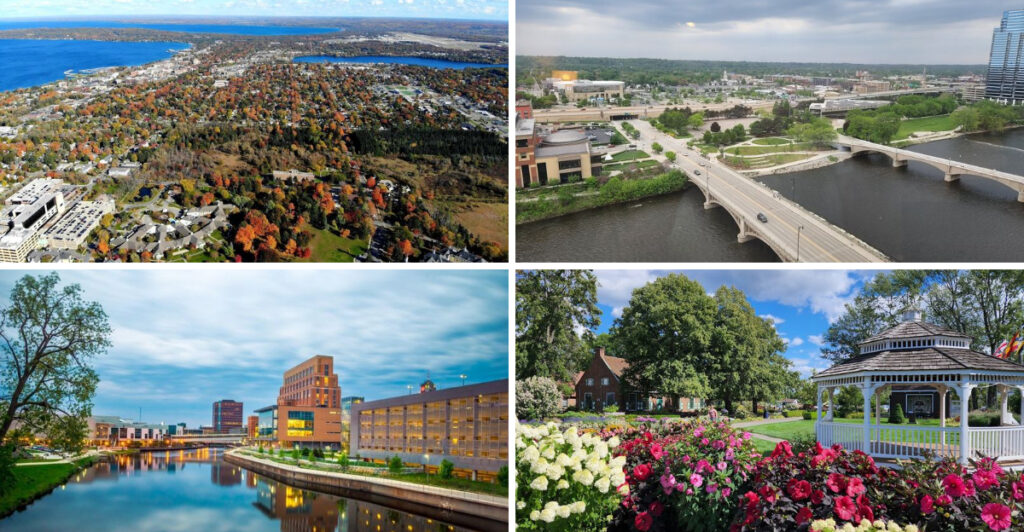
Michigan has long been celebrated as a state where you could find charming communities, great food, and a solid quality of life without completely emptying your wallet. But things are changing fast, and some cities that once felt totally accessible are now pushing budgets to the breaking point.
Whether it’s skyrocketing home prices, booming restaurant scenes, or surging demand from newcomers, affordability is slipping away in some surprising places. If you’ve been eyeing a move or just trying to keep up with the cost of living, these 13 Michigan communities deserve a serious second look.
1. Royal Oak
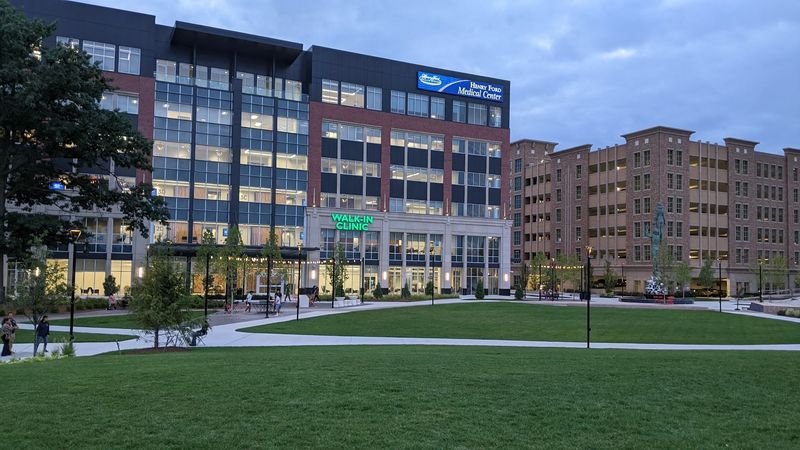
Walk down Main Street in Royal Oak on a Friday evening and you’ll quickly notice something: this city has gotten expensive. What was once a quirky, artsy suburb with affordable bungalows and cheap eats has transformed into one of Metro Detroit’s most in-demand addresses.
The restaurant scene alone has exploded, with upscale spots commanding big-city prices for dinner and drinks.
Home prices in Royal Oak have climbed steadily over the past several years. Buyers who once expected to find a decent starter home in the low $200s are now facing listings that hover well above $350,000, and bidding wars are not uncommon.
Renters aren’t having an easier time either, with one-bedroom apartments frequently listed above $1,400 per month.
The city’s appeal is undeniable — walkable neighborhoods, a lively arts scene, good schools nearby, and easy freeway access to Detroit. But all that desirability comes at a cost that’s increasingly hard to ignore.
Young professionals and families who dreamed of planting roots here are sometimes getting priced out before they even get started.
Property taxes have also risen alongside home values, adding another layer of financial pressure for homeowners. Even everyday expenses like groceries, parking, and entertainment feel noticeably pricier than they did a decade ago.
Royal Oak isn’t going anywhere — and neither is its popularity — but the era of finding a bargain here feels like it’s firmly in the rearview mirror. If you’re planning to move here, go in with your eyes wide open and your budget carefully padded.
2. Traverse City
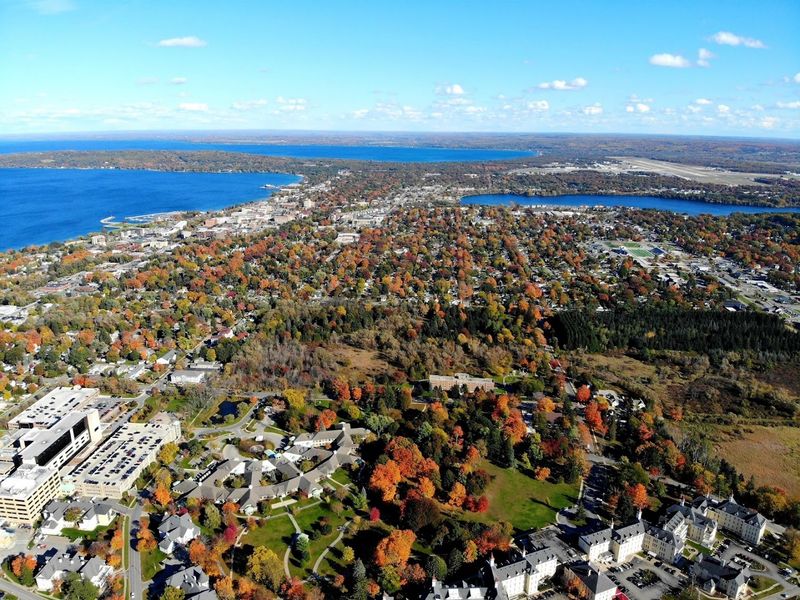
Traverse City used to be the kind of place where Michiganders could escape for a long weekend without wrecking their savings account. Those days feel like a distant memory now.
Tourism has boomed, remote workers have moved in, and the real estate market has responded accordingly. What was once a modest northern Michigan getaway has evolved into something closer to a resort town with resort-town prices.
Median home prices in Traverse City have surged dramatically, surprising even longtime locals who’ve watched the transformation unfold in real time. Properties near the bay or within walking distance of Front Street regularly list well above $500,000.
Even more modest homes further from the waterfront carry price tags that would have seemed absurd just a decade ago.
The local economy has diversified nicely — wineries, breweries, tech startups, and a growing healthcare sector have all contributed to the city’s rising profile. But that growth has created a tension between the community’s small-town roots and its increasingly upscale present.
Service workers, teachers, and long-term residents often struggle to afford housing in the very city they help run.
Seasonal rental prices during summer can border on ridiculous, with short-term vacation rentals commanding hundreds of dollars per night. Even dining out has shifted — farm-to-table restaurants and craft cocktail bars have replaced some of the casual spots that once made Traverse City feel approachable.
There’s no question this city is thriving, but thriving and affordable don’t always go hand in hand. Anyone planning a move or extended stay should budget generously and start planning well ahead of time.
3. Birmingham
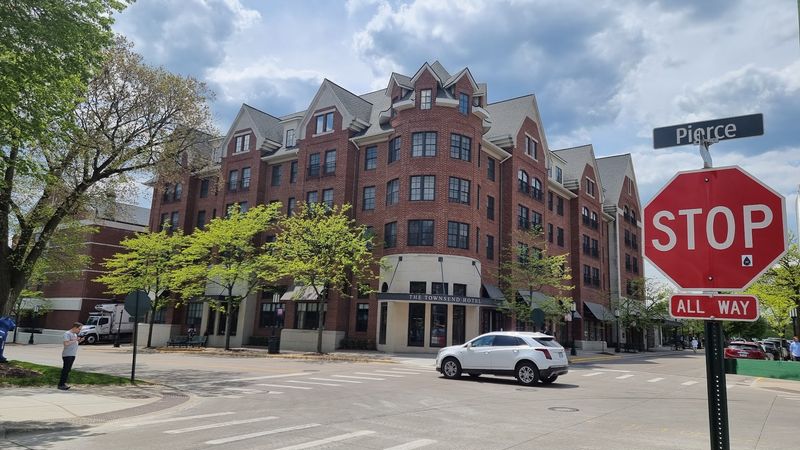
Birmingham has never exactly been known as a budget destination, but even by its own standards, the cost of living here has reached new heights. Situated in Oakland County and long regarded as one of Metro Detroit’s wealthiest enclaves, Birmingham has always attracted a well-heeled crowd.
What’s changed is that the gap between Birmingham and everywhere else seems to be widening every year.
Real estate here is firmly in luxury territory. Single-family homes routinely list in the $700,000 to over $1 million range, and the inventory of more modest options continues to shrink.
Even condos and townhomes, which once offered a more affordable entry point into the community, have seen prices climb sharply. For anyone hoping to break into the Birmingham market on a modest income, the math simply doesn’t add up anymore.
The retail and dining scene reflects the community’s affluence at every turn. Designer boutiques, high-end restaurants, and European-style cafes line the downtown streets, and prices match the upscale atmosphere.
A casual lunch can easily run $25 to $35 per person, and that’s before you add a drink. Parking in the downtown core, while plentiful, adds another small but constant expense to daily life.
Private school enrollment is high, and many families budget significantly for education alongside housing and lifestyle costs. The city’s excellent public school system is a draw, but even property taxes reflect the premium nature of the area.
Birmingham is genuinely beautiful, walkable, and culturally rich — nobody’s arguing otherwise. But calling it budget-friendly at this point would take a serious stretch of the imagination.
Come ready to spend, or come just to window-shop.
4. Holland — Ottawa and Allegan Counties
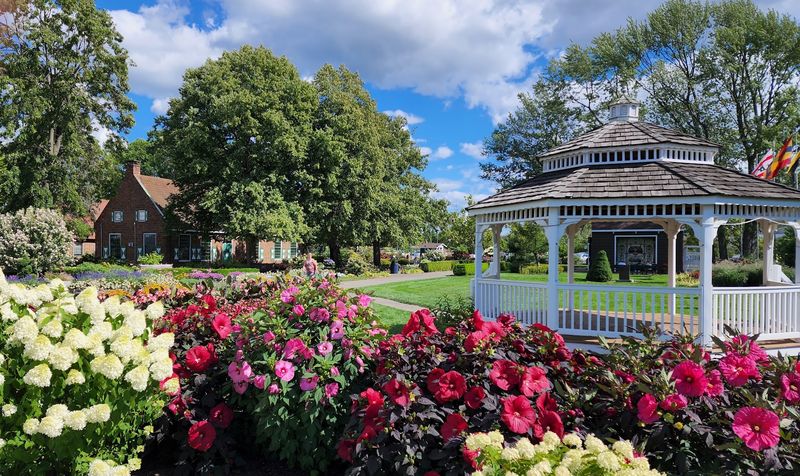
Holland might still carry the image of a quaint Dutch-inspired lakeside town where families gather for the Tulip Time Festival and life moves at a gentler pace. That image isn’t entirely wrong, but the financial reality has shifted considerably.
Holland has been discovered — by remote workers, retirees, and investors alike — and the housing market has felt every bit of that pressure.
Home prices across both Ottawa and Allegan counties have climbed at a pace that’s caught many longtime residents off guard. Neighborhoods that once offered solid starter homes for around $200,000 are now listing properties well above $300,000, and lakefront or near-lake properties have pushed into territory that rivals more traditionally expensive Michigan markets.
The demand shows no signs of slowing.
Holland’s local economy is genuinely strong, anchored by manufacturing, healthcare, and a growing tourism sector. That economic vitality is a real positive, but it also fuels demand for housing and services, which in turn drives up prices across the board.
Restaurants, shops, and entertainment options have expanded and improved — and so have their price points.
Short-term rental platforms have also reshaped the housing landscape here, pulling inventory away from long-term renters and contributing to tighter supply. Families who’ve called Holland home for generations sometimes find themselves priced out when it’s time to help their kids find a place nearby.
The community spirit and natural beauty of Holland remain genuinely wonderful. Lake Macatawa and Lake Michigan access is a rare gift.
But anyone assuming Holland is still the affordable small-town gem it once was should take a fresh look at current listings before making any big decisions.
5. Ann Arbor
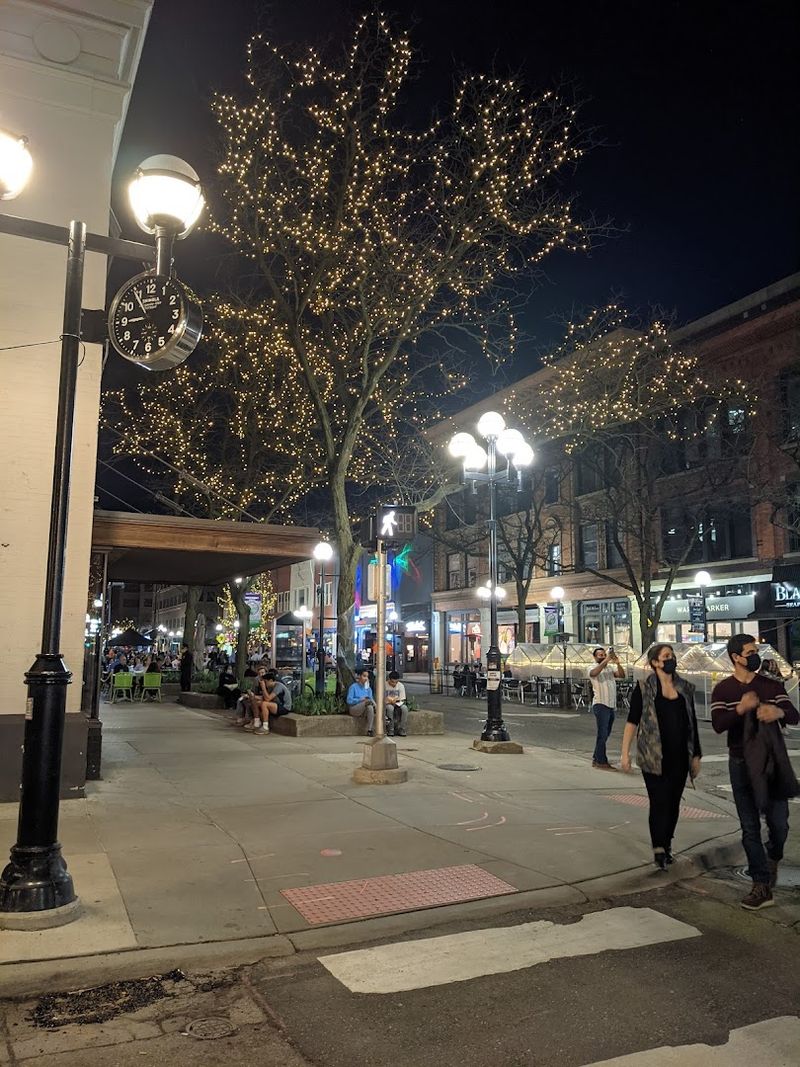
College towns have a reputation for being lively and culturally rich, and Ann Arbor absolutely delivers on both counts. But the idea that a Big Ten university city is somehow immune to affordability pressures is a myth that Ann Arbor has thoroughly busted.
This city ranks among the most expensive places to live in Michigan, and the gap between what people earn and what housing costs continues to grow.
The University of Michigan drives enormous demand for housing — students, faculty, staff, and affiliated businesses all compete for a relatively limited supply of units. That competition pushes rents and home prices well above what you’d expect in a mid-sized Midwest city.
A two-bedroom apartment near campus can easily run $2,000 or more per month, and even neighborhoods further from the university core have seen significant price increases.
Buying a home in Ann Arbor requires serious financial preparation. Median home prices have consistently remained above $400,000, and desirable neighborhoods closer to downtown or the university often see homes sell above asking price within days of listing.
First-time buyers frequently find themselves stretched thin or pushed into neighboring communities like Ypsilanti or Saline just to find something workable.
The city’s cultural offerings are genuinely exceptional — world-class dining, independent bookstores, live music, arts festivals, and a thriving tech and startup scene have all cemented Ann Arbor’s reputation as one of Michigan’s most dynamic places. But dynamic and affordable rarely travel together here anymore.
Graduate students living on stipends, service workers, and young families navigating entry-level salaries often face genuine financial strain just to stay in the city. Ann Arbor rewards those who can afford it, but the bar keeps rising.
6. Novi
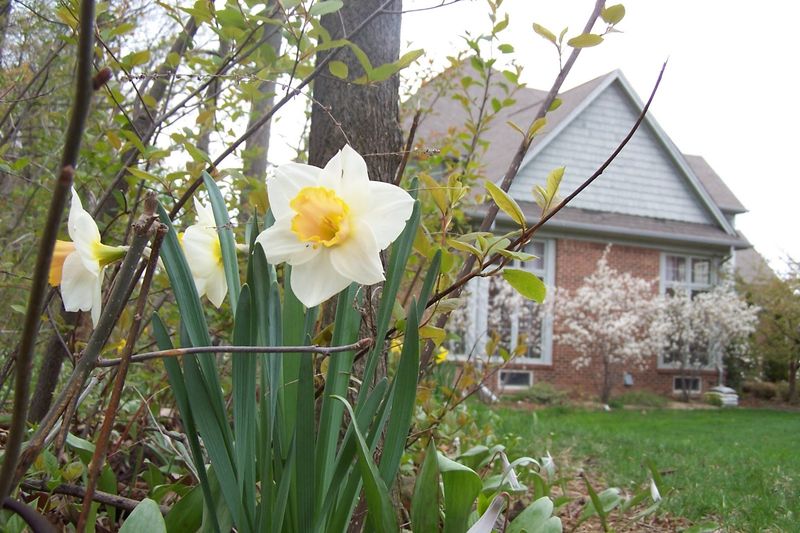
Novi has quietly become one of the most sought-after communities in Metro Detroit, and the price tags attached to life here reflect that status clearly. Located in Oakland County with easy freeway access and a reputation for excellent schools and well-maintained neighborhoods, Novi has attracted a steady stream of professionals, families, and corporate relocations over the past decade.
All that interest has had a predictable effect on costs.
Housing in Novi spans a wide range, but the overall trajectory has been firmly upward. New construction developments have added inventory, but not nearly fast enough to keep pace with demand.
Many newer single-family homes in desirable subdivisions list well above $450,000, and some luxury developments push significantly higher. Even townhomes and condos that once offered a more accessible price point have climbed into ranges that require solid dual incomes to manage comfortably.
The Twelve Oaks Mall area and surrounding retail corridors have attracted upscale brands and restaurants that contribute to a higher cost of everyday spending. Dining out regularly in Novi adds up faster than many residents anticipated when they first moved here.
Grocery options are plentiful, but premium chains dominate the local landscape, and weekly shopping bills reflect that.
Property taxes, HOA fees in planned communities, and the general cost of maintaining a home in a well-kept suburb all stack up. Novi isn’t flashy about its expense — it just quietly costs more than people expect until they’re already committed.
The city delivers real value in terms of infrastructure, safety, and quality of life. But if you’re hoping to live here on a tight budget, the numbers will require some honest and careful scrutiny before signing anything.
7. East Grand Rapids
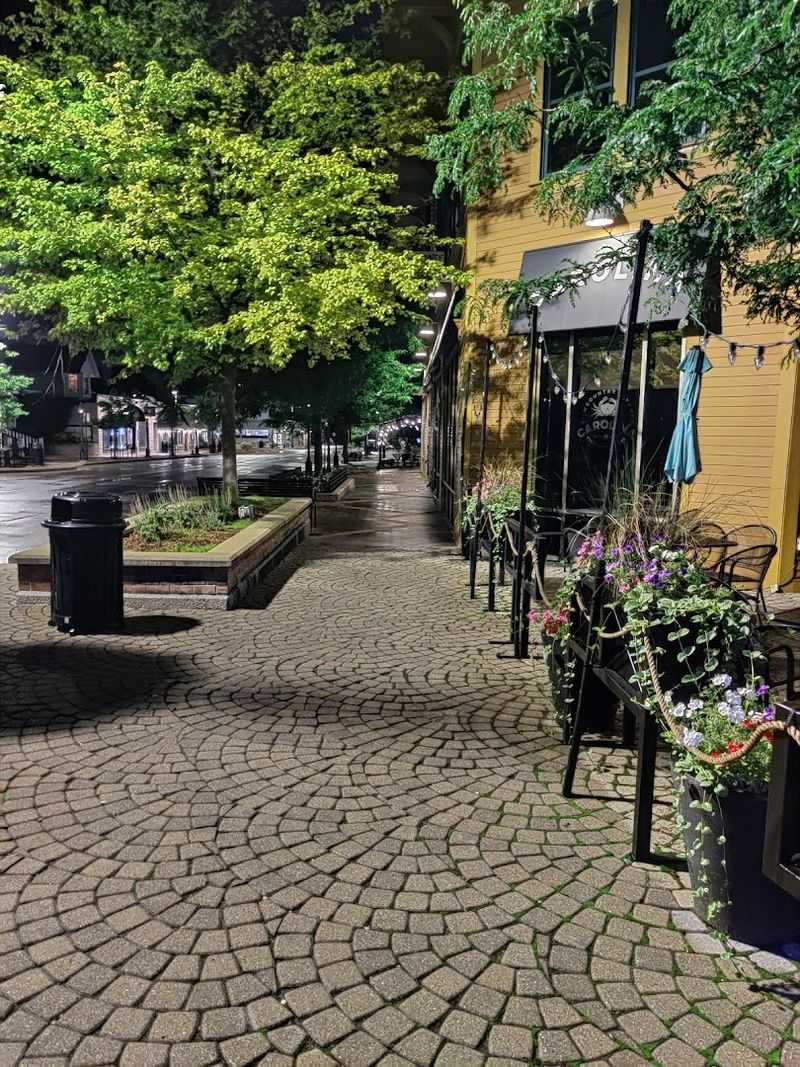
Reeds Lake sits at the heart of East Grand Rapids, and the homes surrounding it have long commanded some of the highest prices in the entire Grand Rapids metro area. This small, independent city — entirely surrounded by Grand Rapids — has cultivated a reputation for exceptional schools, manicured neighborhoods, and a community atmosphere that draws in families willing to pay a serious premium to be here.
And pay they do.
The real estate market in East Grand Rapids is not for the faint of wallet. Median home prices here consistently rank among the highest in West Michigan, with many properties listing well above $500,000.
Lakefront and near-lake homes frequently push into the millions. Even more modest homes on quieter streets carry price tags that reflect the intense demand and limited inventory in this geographically small community.
Daily life here carries its own costs beyond housing. The Gaslight Village retail district features upscale boutiques, specialty grocers, and restaurants where a casual dinner for two can comfortably exceed $80.
The overall lifestyle skews toward premium experiences, and residents generally expect to spend accordingly. That’s not a criticism — it’s simply the reality of what this community has become.
Families are often drawn specifically by the school district’s strong academic reputation, and that factor alone sustains demand even as prices climb. Young couples and first-time buyers frequently discover that East Grand Rapids is financially out of reach and redirect their search to neighboring Kentwood, Wyoming, or Forest Hills.
The community has a genuine warmth and beauty that makes it easy to understand the appeal. But budget-conscious buyers will find the doors here increasingly difficult to open without a very large down payment ready to go.
8. Detroit
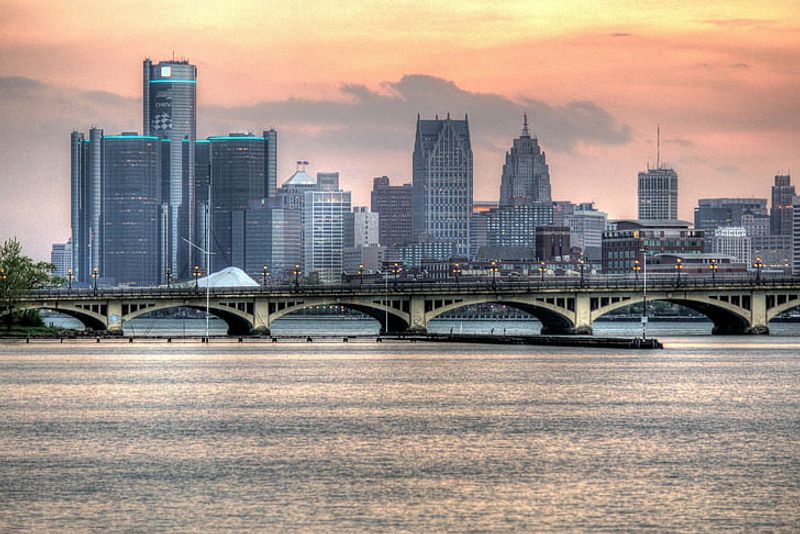
Detroit’s transformation over the past decade has been nothing short of remarkable — and the price of living in certain parts of the city has transformed right along with it. For years, Detroit was synonymous with bargain real estate, and while that’s still true in some neighborhoods, the revitalized core and surrounding hot spots have become genuinely expensive by Michigan standards.
Midtown, Corktown, and New Center have all seen dramatic price increases that reflect the city’s surging appeal.
Corktown in particular has become a flashpoint for rising costs. Following high-profile investment and development activity, home prices and commercial rents in this historic neighborhood have climbed steeply.
Renovated homes that once sold for well under $200,000 now routinely list above $400,000, and the vibe has shifted from scrappy and affordable to polished and pricey. The restaurants, cocktail bars, and boutique shops that have opened here are excellent — and priced accordingly.
Midtown’s proximity to Wayne State University, the Detroit Institute of Arts, and a cluster of hospitals has made it one of the most desirable urban neighborhoods in the Midwest. But rents have followed the demand curve upward, and finding a decent apartment here without spending $1,500 or more per month is increasingly difficult.
The neighborhood’s energy is electric, but it comes at a cost that would have seemed unimaginable to longtime Detroiters just 15 years ago.
Not every Detroit neighborhood has seen this kind of price surge — the city remains deeply uneven in its recovery. But for those eyeing the trendiest zip codes, the days of Detroit as a budget city are fading fast.
The comeback story is real and exciting, but so is the bill that comes with being part of it.
9. Plymouth
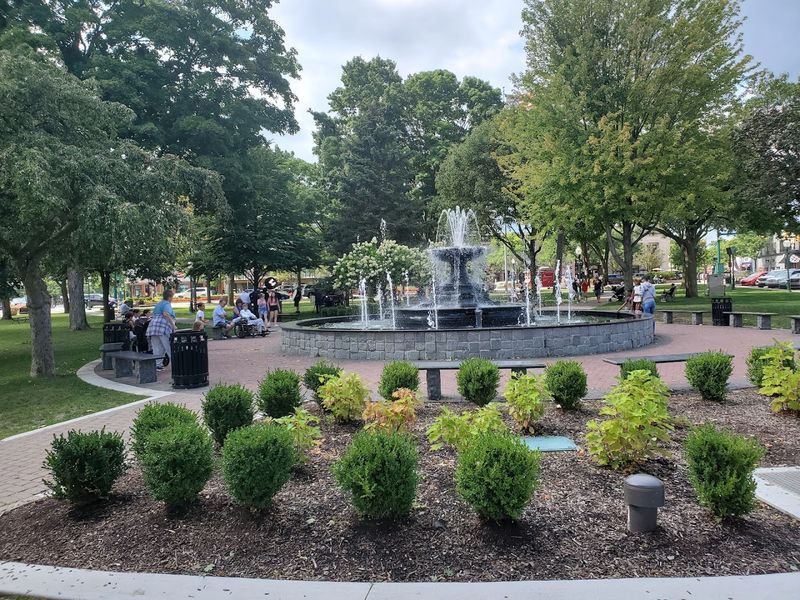
Few downtown areas in Metro Detroit generate as much genuine affection as Plymouth’s Kellogg Park district. The fountain, the festivals, the walkable streets lined with independent shops and restaurants — it all adds up to a community that people fall hard for, fast.
The problem is that everyone else has noticed too, and Plymouth’s desirability has pushed its cost of living well beyond what the average Michigan household can comfortably absorb.
Home prices in Plymouth have climbed consistently, driven by the combination of a charming downtown, highly rated schools, and a location that provides reasonable access to both Detroit and Ann Arbor. Buyers searching for single-family homes in established Plymouth neighborhoods routinely encounter listings in the $350,000 to $550,000 range, and competition for well-priced properties can be fierce.
Inventory stays tight, which keeps prices elevated even when the broader market softens slightly.
Renting in Plymouth isn’t a relief valve either. Apartment options are more limited than in larger nearby cities, and what’s available tends to carry premium pricing that reflects the area’s popularity.
A one-bedroom in a newer building near downtown can run $1,600 or more per month, which is a significant ask for anyone just starting out financially.
Dining and entertainment in Plymouth skew upscale. The restaurant scene is genuinely impressive for a city its size, but a dinner out with a couple of drinks and dessert will cost you.
Weekend festivals and events draw large crowds and add vibrancy, but also reinforce Plymouth’s identity as a destination rather than a hidden gem. Plymouth rewards those who can afford its lifestyle with something truly special.
Just don’t walk in expecting small-town pricing to match that small-town charm.
10. Troy
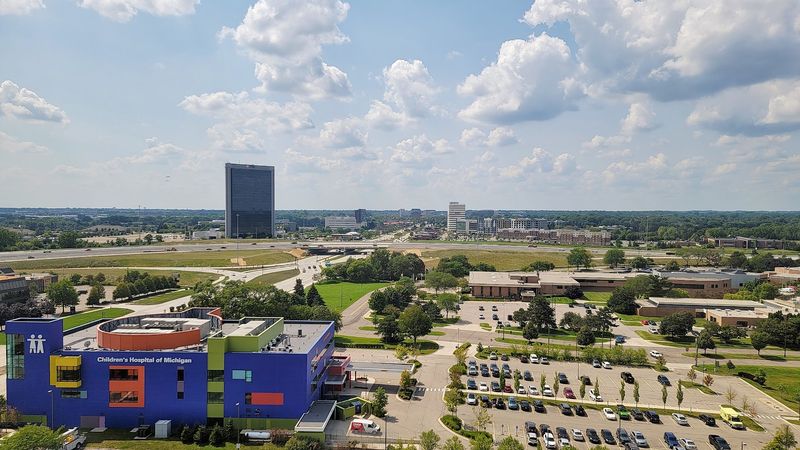
Troy is one of those cities that doesn’t always get mentioned in the same breath as Birmingham or Ann Arbor when people talk about expensive Michigan communities, but it probably should. As the home of one of the most successful regional malls in the country and a major hub for corporate offices and auto industry suppliers, Troy has cultivated a high-income, high-expectation environment that shows up clearly in its real estate market and general cost of living.
Housing in Troy spans a wide spectrum, but the overall average has climbed substantially. Well-maintained subdivisions with good school access — which is essentially all of Troy — regularly list homes above $400,000.
Newer construction and luxury-adjacent neighborhoods push considerably higher. The city draws executives, engineers, and professionals who expect quality, and sellers price accordingly because they can.
The Somerset Collection mall sits at the center of Troy’s identity in many ways, and it’s not exactly a budget shopping destination. Anchor tenants like Neiman Marcus and Saks Fifth Avenue set the tone, and the surrounding restaurant corridor reflects that same upscale orientation.
Even casual dining near the Somerset area trends toward the $20-per-entree range, which adds up quickly for families eating out regularly.
Troy’s public school system is a major draw, consistently earning strong ratings and attracting families who prioritize education. But those school quality ratings are baked into the property values, which means you’re paying for them whether you have kids enrolled or not.
The city is clean, safe, well-managed, and professionally oriented — all genuinely attractive qualities. But if someone tells you Troy is affordable, they’re either working with a very generous definition of that word or haven’t checked a Zillow listing recently.
11. Grand Rapids
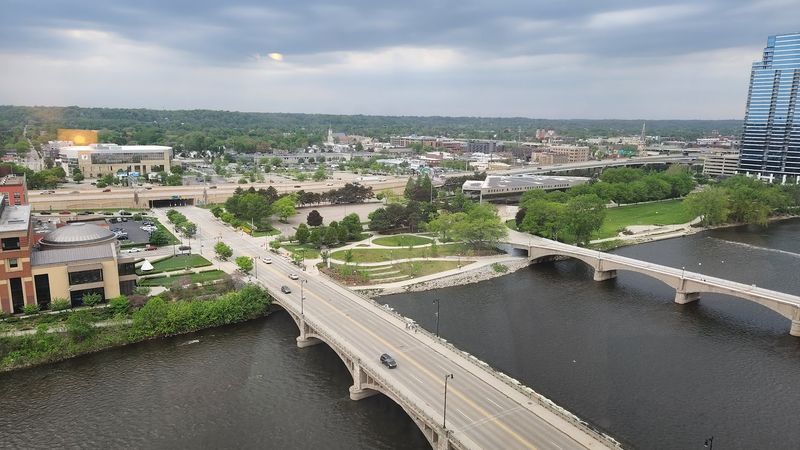
Grand Rapids has been on a serious run. Once overshadowed by Detroit in conversations about Michigan’s economic future, GR has reinvented itself as a thriving, culturally vibrant city with a booming craft beer scene, a growing tech sector, and a downtown that hums with activity on weekdays and weekends alike.
All of that momentum is exciting — and it comes with a price tag that’s grown noticeably heavier over time.
The housing market in Grand Rapids has shifted dramatically from what it looked like even five or six years ago. Neighborhoods like Eastown, Creston, and Heritage Hill that once attracted buyers with modest budgets have seen home prices climb well into the $300,000 and $400,000 range.
New construction on the periphery offers some relief, but demand consistently outpaces supply across most of the metro area. Renters face a similarly competitive market, with average one-bedroom rents climbing steadily past the $1,300 mark.
The restaurant and nightlife scene has matured into something genuinely impressive, but the prices have matured right along with it. Craft cocktails, farm-sourced menus, and curated dining experiences are wonderful — and they’re also $15 drinks and $30 entrees.
Living the full Grand Rapids lifestyle adds up faster than newcomers often anticipate when they’re initially dazzled by the city’s energy.
Grand Rapids still offers better value than coastal metros, and compared to Ann Arbor or Birmingham it can feel relatively reasonable. But within the Michigan context, it has moved firmly into the upper tier of cost.
The city’s growth trajectory shows no signs of reversing, which means anyone sitting on the fence about moving here should probably stop waiting — prices tomorrow will likely be higher than prices today.
12. Farmington Hills
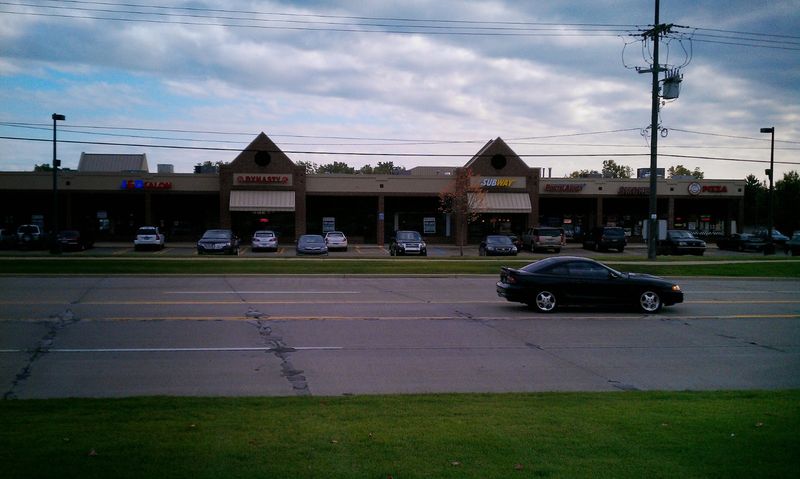
Farmington Hills sits in that comfortable Oakland County zone where everything seems polished, well-maintained, and just a little pricier than you expected. It’s not as flashy as Birmingham or as trendy as Royal Oak, but it has quietly built a reputation as one of Metro Detroit’s most reliably desirable places to live.
That reliability has a financial cost that’s become harder to overlook as the years go on.
The housing stock in Farmington Hills is largely made up of established single-family homes in well-kept subdivisions, and prices reflect both the quality of the homes and the strength of the school district. Buyers routinely encounter listings in the $350,000 to $500,000 range for mid-size homes, and larger properties in premium neighborhoods push well beyond that.
The entry point for getting into this market has risen meaningfully, making it a stretch for many first-time buyers.
Day-to-day expenses in Farmington Hills also reflect its suburban affluence. The city is home to a mix of national retailers, specialty grocers, and dining options that tend toward the mid-to-upscale range.
Running errands and grabbing dinner out regularly isn’t cheap, and the cumulative effect on a monthly budget is real. Utility costs for larger suburban homes add another layer of ongoing expense that catches some newcomers off guard.
Property taxes in Oakland County are not insignificant, and Farmington Hills homeowners feel that burden alongside rising home values. The city does deliver on its promises — good infrastructure, strong schools, low crime, and well-managed city services.
But the era of finding a hidden gem of a deal here has largely passed. Farmington Hills knows what it’s worth, and it prices itself accordingly with very little apology.
13. Lansing
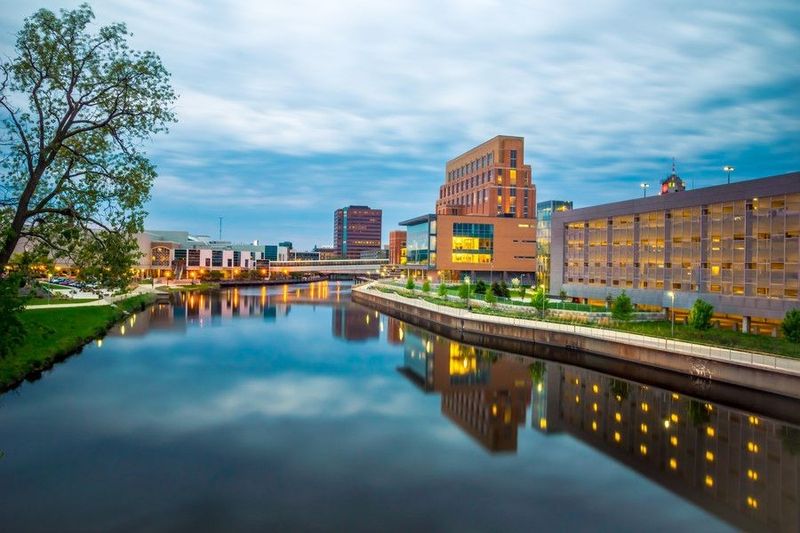
Lansing might surprise you on this list — it’s the state capital, home to Michigan State University nearby, and historically one of Michigan’s more affordable mid-size cities. But something has been shifting in Lansing’s housing and cost landscape that deserves attention, particularly in the city’s most desirable and revitalized neighborhoods.
The gap between old Lansing and new Lansing is becoming financially significant.
Neighborhoods like Old Town, REO Town, and the areas surrounding the Lansing River Trail have attracted investment, new businesses, and a younger demographic eager to be part of the city’s revival. Home prices in these pockets have climbed noticeably, and the renovation of older housing stock has pushed values higher than longtime residents anticipated.
While Lansing overall still offers more affordability than Metro Detroit, the most appealing parts of the city are no longer the bargains they once were.
The restaurant and bar scene in Lansing’s revitalized corridors has grown more sophisticated and more expensive. Independent eateries, craft cocktail bars, and specialty coffee shops have replaced some of the more modest establishments that once defined the area’s character.
That evolution is genuinely positive for the city’s image, but it also means spending more for everyday experiences that used to cost considerably less.
Rental demand in Lansing has been fueled by students, state workers, and healthcare employees who all need housing near the city center. That consistent demand has pushed rents upward even in neighborhoods that were once considered deeply affordable.
Lansing still offers more value than many Michigan communities on this list, but it’s trending in a direction that residents should watch carefully. The window for getting in at a truly budget-friendly price may be narrowing faster than most people realize.
Share this story