Marquette already knows how to make an evening feel memorable with lake views, cold-weather charm, and a downtown food scene that keeps getting more interesting. In the middle of that mix, Lagniappe Cajun Creole Eatery brings Louisiana flavor to Michigan’s Upper Peninsula with a menu full of color, spice, and serious personality.
The room feels lively, the choices run deep, and the plates arrive with the kind of boldness that can change the direction of an entire night out. It is fun without feeling forced and flavorful enough to stand apart in a city with plenty of good options.
For anyone looking for a Michigan meal that feels warm, loud, and impossible to forget, this Marquette favorite makes a strong case.
A downstairs entrance that sets the mood fast
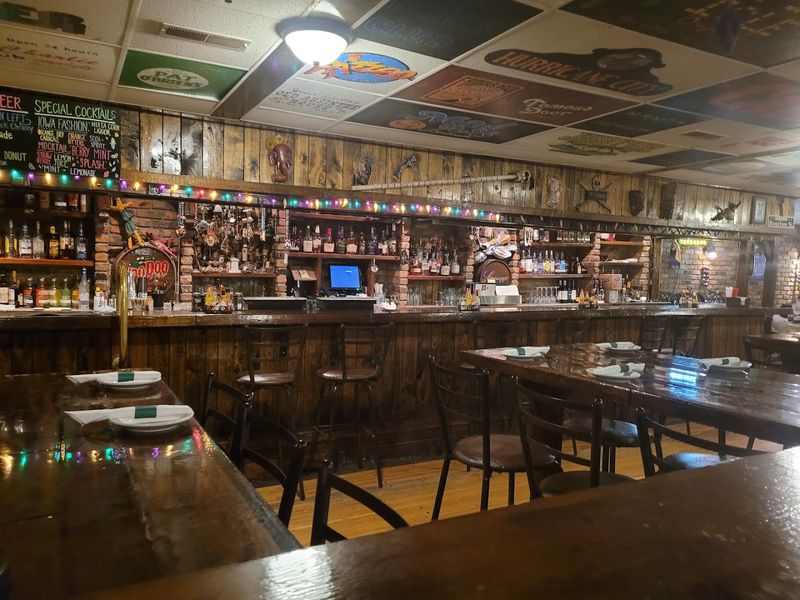
Part of the fun starts before the first bite. Lagniappe Cajun Creole Eatery sits at 145 Jackson Cut Alley in downtown Marquette, and getting there adds a small burst of discovery to the meal.
Instead of a big roadside setup, the restaurant is tucked into a lower-level space that many first-time diners find memorable right away. Stairs, brick, wood, and dimmer lighting create a sense that something special is waiting below street level.
That location matters because it changes the pace. Busy downtown energy stays above, while the dining room below feels more enclosed, more personal, and more focused on the meal in front of you.
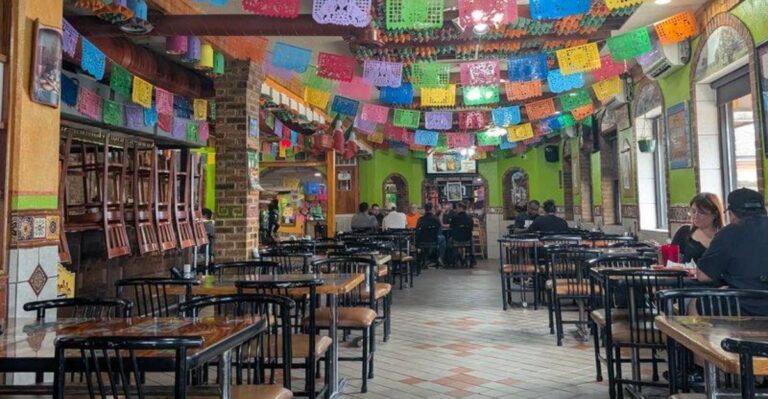
The room is often described as colorful, cozy, and a little quirky, with a New Orleans-inspired spirit that matches the menu. Music also plays a role in shaping the setting, and the place is known for carrying Louisiana flavor into the full experience, not only the kitchen.
Anyone visiting for the first time should pay attention when entering from the front side of the building, because the layout can be less obvious than a standard storefront. A quick look for the host stand after heading downstairs makes the arrival smoother, especially during busy lunch or dinner hours.
Small spaces can feel cramped when a restaurant is popular, but here that tightness also adds energy. Tables, booths, and the low-level setting give the room an intimate rhythm that fits rich food, lively conversation, and the occasional soundtrack of Cajun or blues.
For readers planning a stop, this is a good reminder not to judge the place by the doorway alone. The tucked-away entrance is part of the appeal, and it helps explain why stepping inside can feel like finding a completely different corner of Marquette.
Jambalaya, gumbo, and po boys lead the charge
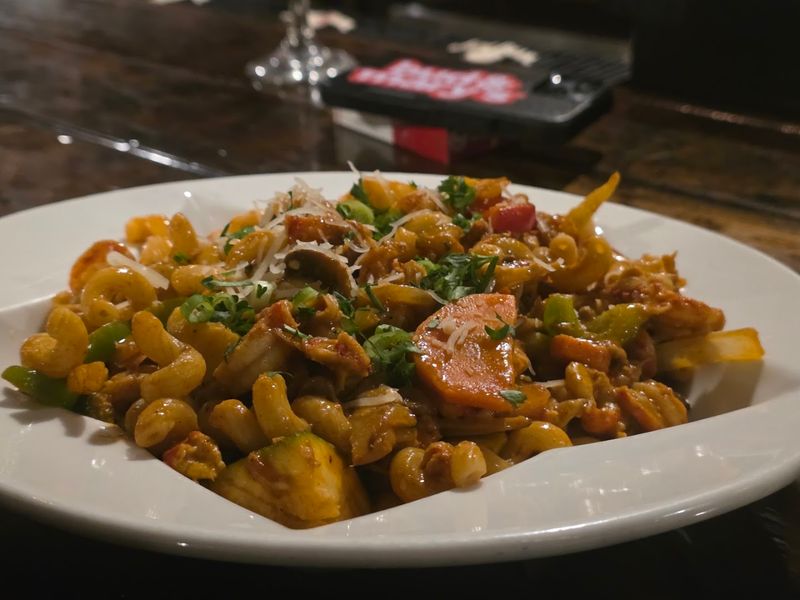
Bold food is the reason to go, and the menu gives Cajun and Creole classics plenty of room to shine. Signature names like jambalaya, gumbo, po boys, red beans and rice, shrimp and grits, and etouffee appear again and again in conversations about the restaurant for good reason.
The appeal is not just variety. It is the way these dishes bring deep color, layered seasoning, and a sense of comfort that stands out in a northern college and lake town.
Jambalaya seems to be one of the most talked-about plates, and large portions make it a smart pick for anyone arriving very hungry. Gumbo also draws attention, especially for diners who want something that leans warm, savory, and spoon-friendly on a cool Marquette day.
Po boys give the menu a different kind of energy. Options like shrimp or fried green tomato BLT offer a hand-held route into the restaurant’s Louisiana-inspired style, which can be helpful for diners who want a less formal or easier-to-share meal.
Then there are the rich comfort dishes that show how broad the kitchen can be. Seafood risotto, crawfish preparations, and shrimp-and-pasta combinations add a more indulgent side to the menu without pulling away from the restaurant’s Southern core.
Planning a first order can be the hardest part because so many items sound tempting at once. A strong approach is to split an appetizer, choose one classic plate like jambalaya or crawfish etouffee, and add a second dish from a different corner of the menu so the table gets contrast.
That strategy works especially well here because the kitchen appears to balance hearty mains with flavorful sauces, seafood choices, and sandwich options. Instead of one-note heat, the menu offers several ways to understand why the plates make such a strong impression.
Heat levels give every plate its own personality
Spice can make or break a Cajun meal, and Lagniappe gives diners a useful amount of control. That detail may sound small, but it changes the experience in a very practical way.
Several diners point to customizable heat levels, which helps the restaurant serve both cautious eaters and serious chile fans without forcing everyone into the same lane. A plate can stay mellow enough for someone who wants flavor first, while another can turn up the fire to the point of a noticeable sweat.
That flexibility matters in a place with such a wide audience. Marquette pulls in locals, college students, road trippers, and Upper Peninsula travelers, so a one-level-fits-all spice approach would leave a lot of people behind.
The better idea is exactly what this restaurant appears to do: let guests decide how far they want to go. One diner might choose a lower level for shrimp and tasso bowtie to catch the sauce, artichokes, and seasoning without too much burn, while another goes much hotter just for the thrill.
Good Cajun cooking is not only about heat anyway. Reviews repeatedly describe strong flavor that is bold but not harsh, and that balance is one reason the menu seems to connect with both regulars and first-timers.
For families or mixed groups, the adjustable spice system is especially helpful. One table can order across the menu without worrying that every dish will land at the same intensity, which makes sharing bites far more fun.
The smartest plan is to be honest about your own spice habits. If medium salsa already feels hot, choose a lower setting and build from there on a future visit; if spicy food is a hobby, ask for a stronger level and enjoy the challenge with a cold drink nearby.
Small starters and sauces make a big case for staying awhile
Sometimes the most convincing part of dinner arrives before the main course. At Lagniappe, appetizers and sides seem to do more than fill time, they show off the kitchen’s range in fast, flavorful bites.
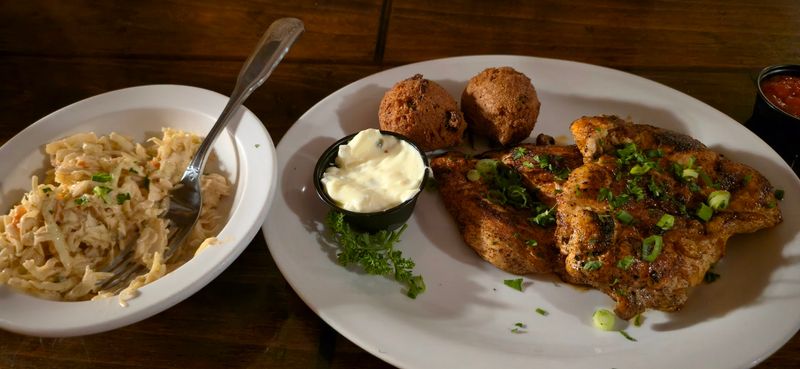
Hush puppies are one example that keeps coming up, often paired with house-made tartar sauce. That pairing says a lot about the restaurant’s style because it takes a familiar starter and gives it extra character through texture and sauce rather than relying on size alone.
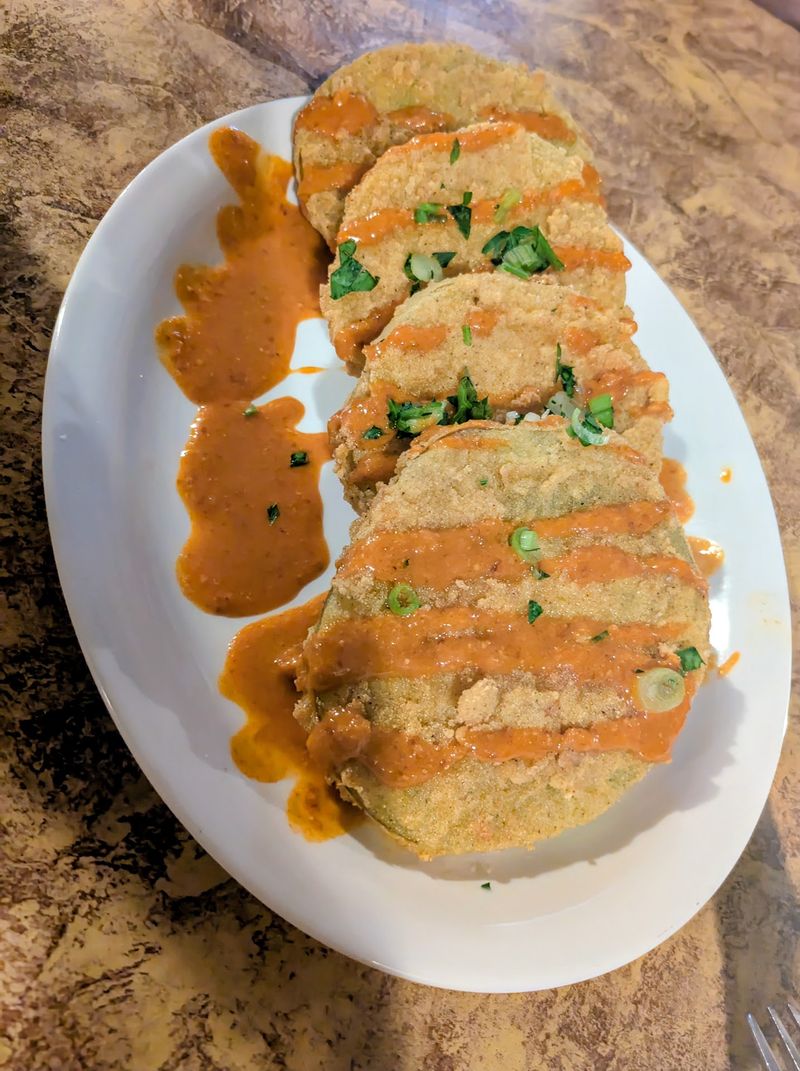
Fried green tomatoes also appear often, and they bring a different kind of Southern appeal. Crisp edges, a bright tomato center, and a sauce on the side can turn a simple starter into a strong opening move for the whole table.
Grit cakes, seafood bisque, mussels, seafood fondue, and even appetizer-style nachos show how broad the front end of the menu can be. Some choices lean rich and creamy, others crisp and snackable, which helps a group order a spread that does not repeat itself.
Sauces seem to matter here more than many casual diners expect. Several dishes are remembered not only for the main ingredient, but for the extra layer added by tartar sauce, creamy seafood finishes, or the kind of spoonable topping that makes bread and fries useful long after the plate looks finished.
That is good news for anyone who likes to sample. Instead of treating starters like filler, the restaurant appears to use them as a preview of the seasoning style waiting in the larger dishes.
A practical move is to arrive with a sharing mindset. Order two or three smaller plates for the table, especially if it is a first visit, then let the appetizers help shape the main order; one crisp bite, one creamy choice, and one sauce-heavy dish create a strong introduction all on their own.
Michigan warmth, Louisiana spirit
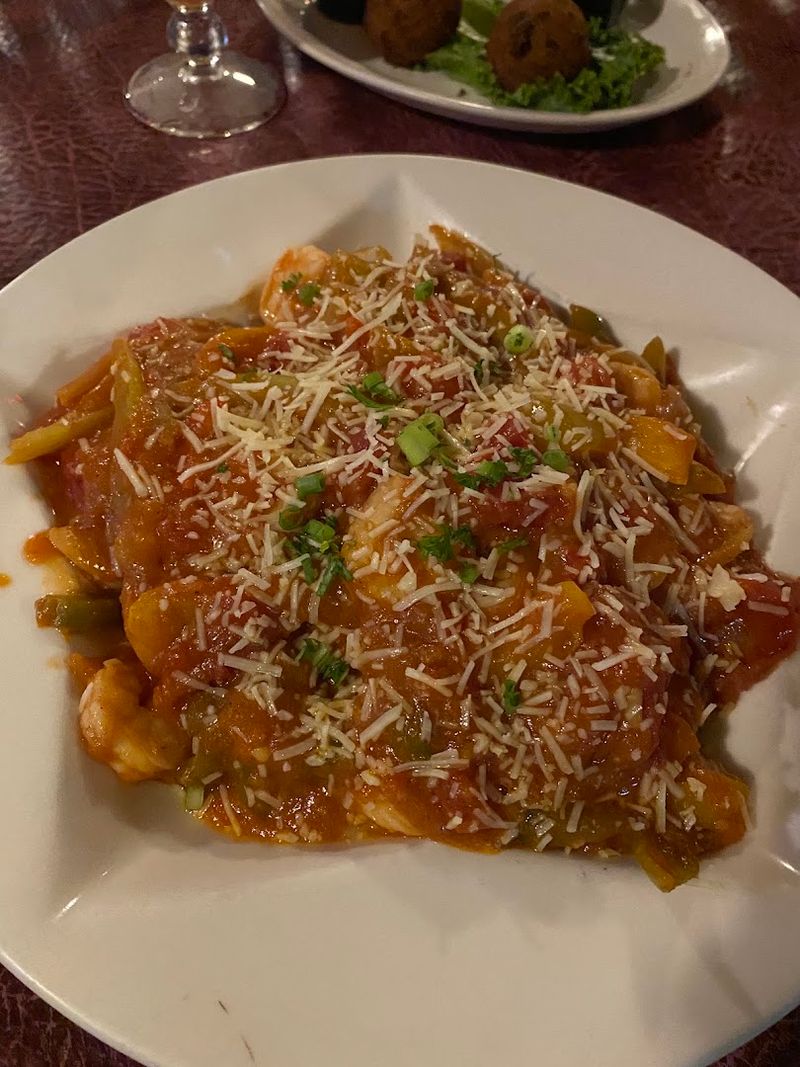
Not every restaurant can blend regional identity with local belonging, but this one seems built around that mix. Lagniappe brings Louisiana-inspired food and music into downtown Marquette while still reading as a place rooted in its own community.
That balance gives the restaurant a special role. It is not trying to be a generic themed stop with a few borrowed menu names; the Cajun and Creole direction runs through the room, the music, the drinks, and the overall pace of dinner.
At the same time, the business is described as a local family place that regulars return to for everyday dinners and special evenings. That matters because neighborhood loyalty cannot be faked, especially in a smaller city where people have plenty of time to decide which restaurants belong in their routine.
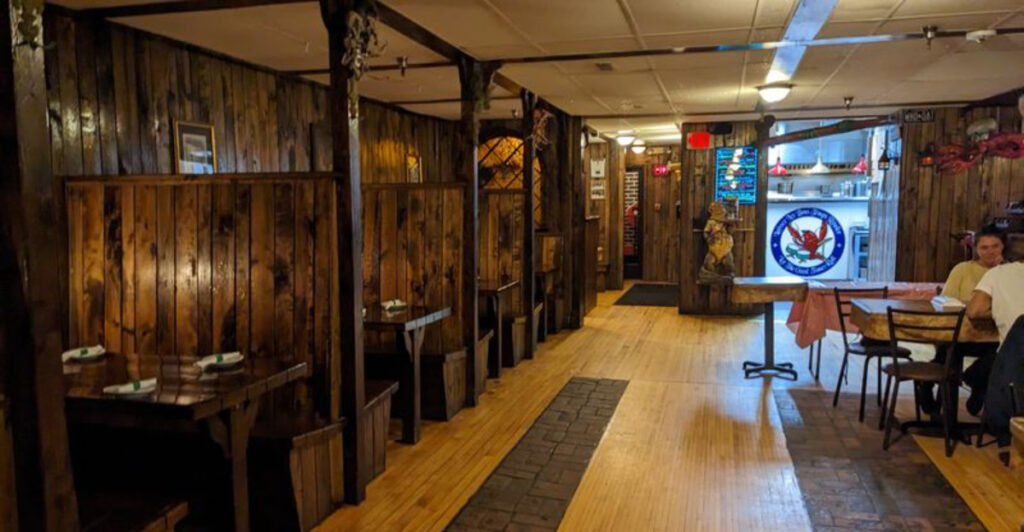
The design helps support that connection. Rustic brick and wood, cozy booths, basement intimacy, and New Orleans accents create a space that can handle a casual lunch, a date night, or a celebratory meal without changing its character.
There is also a practical side to the menu’s local fit. One review notes that alongside Cajun dishes, there are also more approachable choices for diners who may not want to go all-in on seafood, spice, or unfamiliar ingredients.
That makes the restaurant easier for groups. One person can order a classic Louisiana-style plate while another chooses a sandwich, a pasta dish, or a less intense option and still enjoy the same table.
For a Michigan restaurant, that flexibility is smart. Winter weather, student traffic, tourism, and local routines all shape how people dine in Marquette, and Lagniappe appears to meet those patterns with warmth, strong flavor, and enough range to keep both first-timers and regulars interested beyond a single visit.
Live music, cocktails, and Fat Tuesday energy
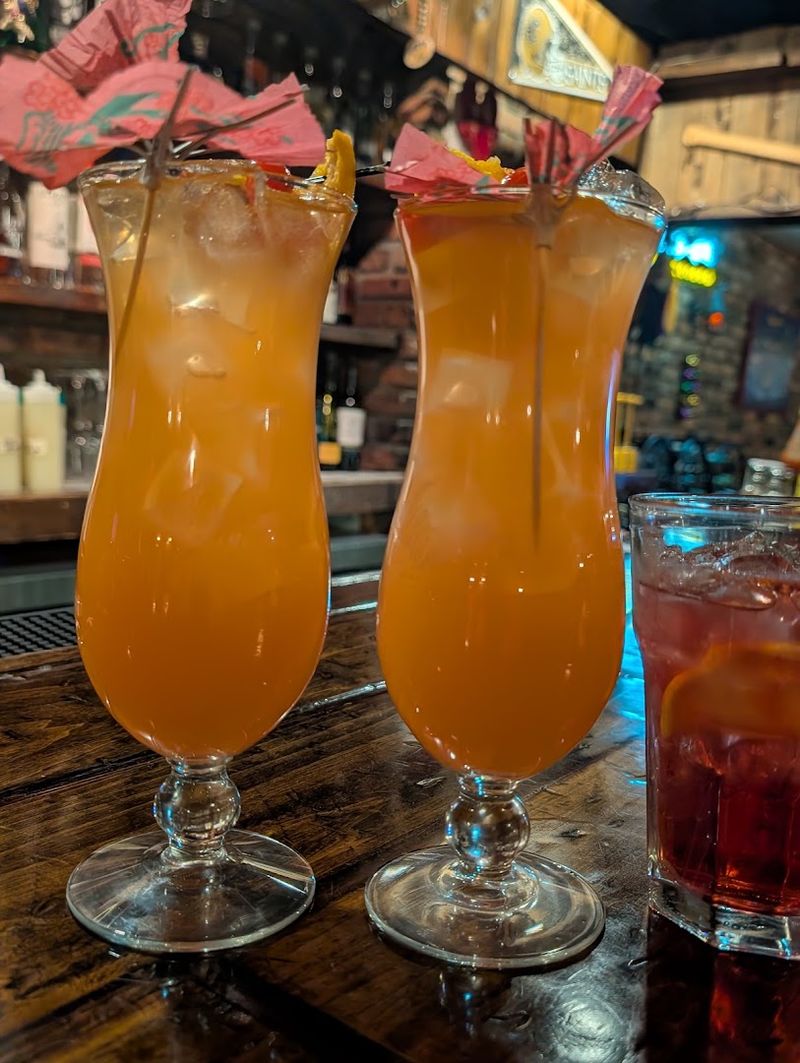
A meal here can stretch beyond dinner and turn into a full night out. Lagniappe is known not only for Cajun plates, but also for cocktails, music, and seasonal moments that add extra movement to the room.
The restaurant description highlights live Cajun and blues tunes, which helps explain why the place carries more than a standard sit-down rhythm. Music changes how long people settle in, how the room sounds between tables, and how the experience lands once the food is gone.
Drinks add another layer. House cocktails and specialty choices appear to be a real part of the appeal, giving the menu an evening-friendly edge that works well with spice, seafood, and richer entrees.
That pairing is useful because Cajun food often benefits from contrast. A cold beer, a bright cocktail, or a spicy mixed drink can cut through creamy sauces and hearty rice dishes while keeping the whole meal lively instead of heavy.
Then there is Fat Tuesday, which stands out as a major example of how the restaurant leans into its theme with confidence. Specials, raw oysters, and live music make that celebration a smart target date for anyone who wants the most energetic version of the place.
Even on a regular night, the entertainment angle gives Lagniappe a little extra identity compared with restaurants that focus only on the plate. In a downtown district where dinner options compete for attention, music and bar energy can be the deciding factor for groups choosing where to spend an evening.
The practical lesson is simple: consider the timing of the visit. Lunch may be better for a quicker food-focused stop, while dinner offers a better shot at the richer, louder, more layered side of the restaurant, especially for anyone hoping to pair a bold entree with a drink and a little soundtrack.
How to plan the best visit in downtown Marquette
Great food can still come with a few logistics, and knowing them ahead of time makes the trip smoother. Lagniappe keeps regular operating hours through most of the week, opening at 11 AM, with later closing on Friday and Saturday, while Sunday and Monday are closed.
That schedule matters more than it first seems. A restaurant with strong local attention, a compact dining room, and a downtown location can fill up quickly, especially on weekends, special event nights, or during busy travel periods in Marquette.
Waiting for a table is part of the story for some diners. The reports do not suggest chaos, but they do make it clear that a little patience may be needed when the room gets packed.
Because the space is smaller, timing can shape the whole evening. Arriving before the main rush may mean faster seating, easier parking, and a calmer chance to study the menu, which is helpful at a restaurant where choosing between po boys, seafood dishes, gumbo, and pasta can take a while.
Downtown access is another plus. Lagniappe sits in a walkable part of Marquette, so it works well as part of a wider evening that might include shopping, a stroll through the area, or a stop for dessert elsewhere after a rich meal.
The basement entrance is also worth remembering for first-timers. If the exterior does not immediately read like a typical streetfront restaurant, do not assume you are in the wrong place; follow the entrance path, head downstairs, and look for the host stand.
For the best overall experience, a midweek dinner or an early weekend arrival may offer the sweet spot. That timing gives the kitchen room to shine, gives diners more breathing room in the smaller space, and lets the memorable food stay at the center of the visit instead of the wait.
Why the plates stand out in a town full of options
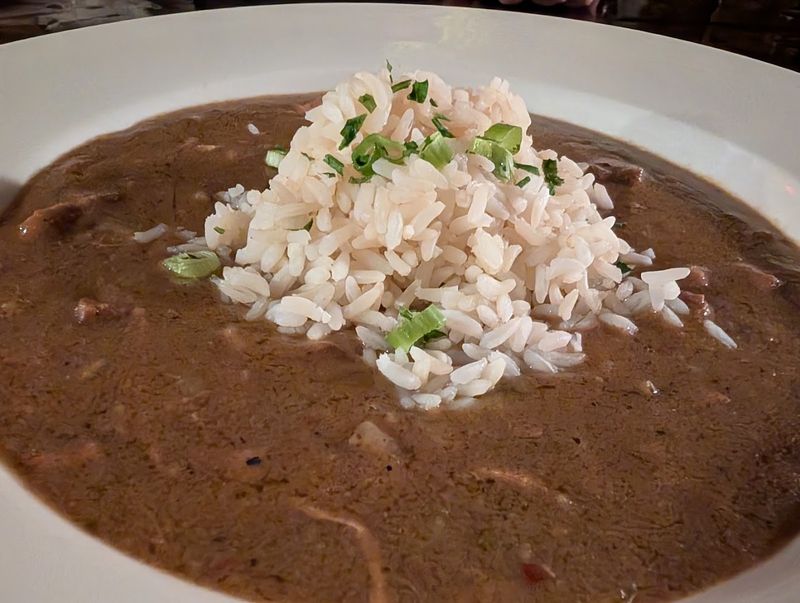
Marquette has no shortage of places to eat, which makes strong distinction even more important. Lagniappe separates itself by offering a style of food that is far less common in the Upper Peninsula while also presenting it in a setting with personality, rhythm, and depth.
The menu does not rely on one star item to carry the whole operation. Instead, its impact comes from a broad lineup of hearty rice dishes, seafood-rich plates, po boys, starters with strong sauces, and adjustable spice that lets different kinds of diners find their lane.
That range is a major reason the restaurant stands out. One table can order hush puppies, fried green tomatoes, jambalaya, seafood risotto, and shrimp and grits, and each dish brings a different texture and mood without breaking the Southern throughline.
The room helps too. A lower-level location, warm rustic details, music, and a New Orleans influence create a dinner setting with more shape than a plain casual restaurant, yet the place still fits into everyday downtown life rather than acting separate from it.
Then there is the simple matter of confidence. Cajun and Creole food needs seasoning, structure, and a willingness to serve bold plates without apology, and that seems to be the restaurant’s clearest strength.
Even the practical trade-offs, like waits during busy times or a compact layout, almost underline the point. Restaurants that offer this kind of specific identity often ask for a little patience because there is no easy substitute nearby.
For readers deciding whether to go, the answer comes down to wanting a meal with more character than routine comfort food. Lagniappe gives downtown Marquette a restaurant where the food is colorful, the choices are wide, and the best order is often the one that arrives with rice, sauce, heat, and enough flavor to reset expectations for dinner in northern Michigan.
Share this story