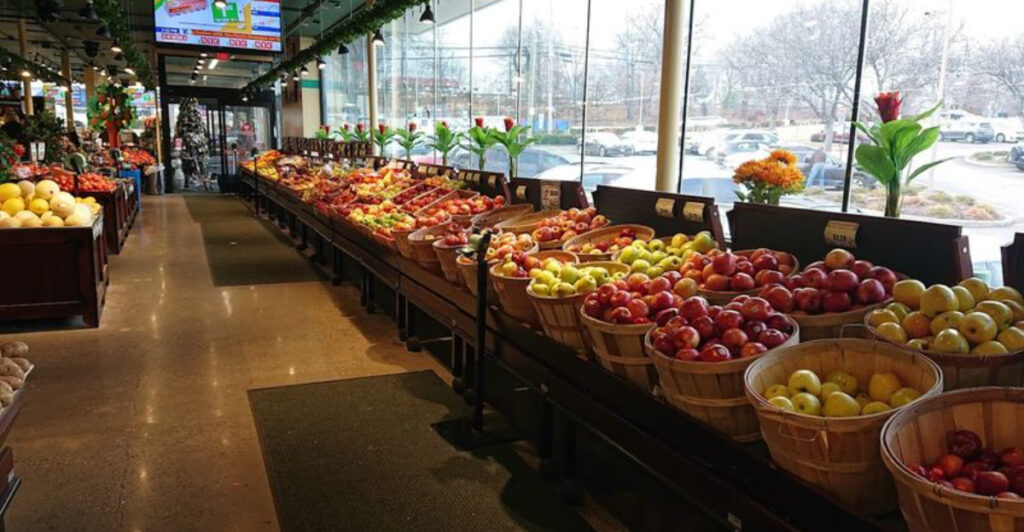
A grocery run on Route 4 usually means traffic lights, turn lanes, and a parking lot that tests your patience before you even touch a shopping cart. Then you walk into NetCost Market in Paramus, and suddenly the errand gets weirdly fun.
There are jars of pickled vegetables lined up like little science experiments, rye breads with real heft, chocolates wrapped in languages you may not read, and a smoked fish counter that makes the whole place feel closer to Brighton Beach than Bergen County.
The market sits at 221 NJ-4 in Paramus and specializes in European, Russian, and international groceries, with departments for bakery, deli, seafood, caviar, imported sweets, meats, cheeses, and prepared foods.
It is not the kind of store where you rush in for milk and leave unchanged. It is the kind where you come in for one thing and somehow leave with kvass, honey, pierogi, and a new snack obsession.
Step Inside Paramus’ Little Corner of Europe
The first thing to know is that NetCost Market is not trying to look like a charming village shop. It is still very much a New Jersey supermarket, parked along busy Route 4 with free parking and the usual Bergen County bustle outside.
That contrast is exactly what makes it fun. One minute you are dealing with Paramus traffic, and the next you are standing in front of shelves filled with imported jars, tins, breads, candies, and drinks that feel far removed from a standard suburban grocery run.
The Paramus location has an interesting backstory, too. Before it became part of the NetCost Market name, the store opened as Gourmanoff, a high-end Eastern European grocery concept tied to Brooklyn’s Brighton Beach food culture.
Its first New Jersey location was described as a 30,000-square-foot specialty market at 221 Route 4, built around prepared foods, fresh seafood, a butcher department, bakery items, smoked fish, caviar, and international candies. That history still shows in the way the store feels.
It is big enough to handle a full grocery trip, but specific enough that it never feels interchangeable. This is the sort of place where shopping slows down naturally.
You pause at the refrigerated cases because there are dumplings, crepes, smoked meats, and salads you do not see everywhere. You linger by the bread because the loaves look built for soup, butter, and serious sandwiches.
You scan the candy aisle because half the labels are unfamiliar, and that is the whole point. For locals, especially anyone in Bergen County, the appeal is not that NetCost is hidden.
It is that it is hiding in plain sight. Route 4 is packed with big-box convenience, but this market gives the stretch a little old-world personality.
It feels practical and slightly theatrical at the same time, which is a very New Jersey combination.
The Imported Aisles Are Made for Curious Shoppers
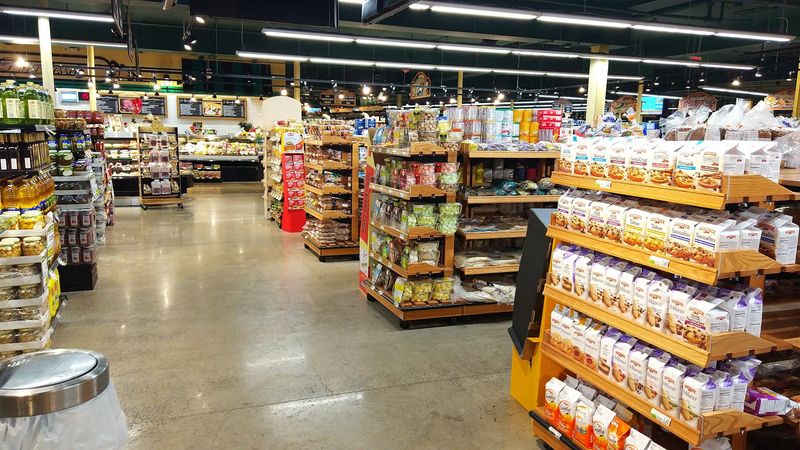
There is a particular joy in picking up a jar when you are only half sure what is inside. At NetCost, that happens a lot.
The imported grocery aisles are packed with the usual staples people come looking for, like pickles, preserves, tea, grains, condiments, chocolates, and pantry goods, but the real fun is in the brands, flavors, and combinations that do not show up at a regular supermarket.
NetCost’s own store page says the Paramus market carries imported items from Europe, Asia, Latin America, North America, and the greater Russian region, including baked goods, chocolates, oils, spices, condiments, marinated goods, smoked fish, caviar, meats, dairy, jams, honey, beverages, beer, and kvass.
It also notes more than 30 varieties of jam and more than 140 varieties of honey. That last detail tells you a lot about the place.
This is not a “one jar of honey next to the peanut butter” situation. This is the kind of store where honey becomes its own category.
The shelves reward curiosity. You might find sunflower halva, fruit preserves with flavors beyond basic strawberry, sharp mustards, mineral waters, Georgian sauces, Polish sweets, Ukrainian pantry staples, or German chocolate that looks too nice to be left behind.
Some labels are in English. Some are not. Either way, the browsing feels low-pressure. You do not need to know exactly what everything is before you buy it.
Part of the fun is grabbing one unfamiliar thing and figuring it out at home. It also helps that these aisles are practical, not just novelty-driven.
You can build a real pantry here. Pickled vegetables can go next to grilled meats.
Dark rye crisps can become an easy snack board. Imported tea and jam can turn a regular breakfast into something more interesting.
The discoveries are not souvenirs. They are things you will actually use.
The Deli Counter Feels Like the Heart of the Market
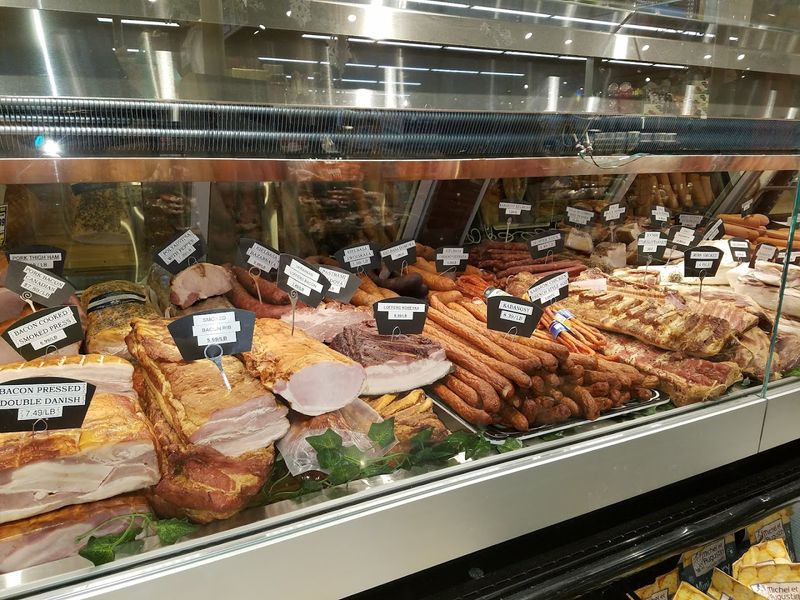
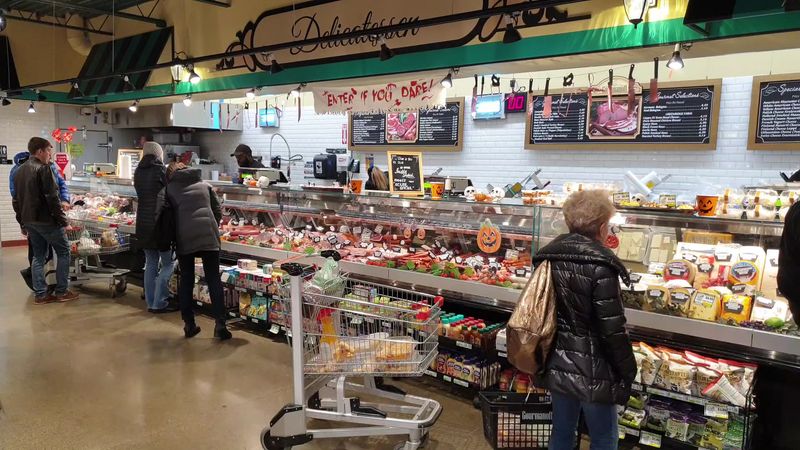
Every good European-style market has a place where people stop pretending they are “just looking.” At NetCost, that place is the deli counter. It has the magnetic pull of sliced meats, sausages, salads, cheeses, and prepared items arranged in a way that makes lunch feel negotiable and dinner feel already halfway handled.
This is where the market’s Eastern European personality comes through most clearly. The original story notes fresh-cut meats such as kabanosy, salami, and Lachsschinken, along with smoked sausages and specialty provisions that are harder to find in everyday grocery stores.
It also points to grab-and-go soups, blintzes, and crepes as part of the deli’s convenience side. That mix is what makes the counter work.
It is not just a place for cold cuts. It is a shortcut to several different meals.
A smart local move is to treat the deli like the beginning of a weekend spread. Start with a smoked sausage or sliced cured meat, add a few salads, pick up dark bread from the bakery, and suddenly you have the kind of no-cooking meal that still feels thoughtful.
If you have family coming over, it is the easiest way to look more prepared than you actually were. There is also a nice sense of abundance here.
American deli counters can feel predictable after a while: turkey, ham, roast beef, Swiss, repeat forever. NetCost’s version feels more layered.
The flavors lean smoky, salty, tangy, and rich. You see meats made for mustard, breads made for butter, and salads that feel substantial enough to anchor a plate.
The wait, if there is one, is part of the rhythm. People are choosing carefully.
They are asking for specific cuts. They are stocking up for real meals, not just grabbing a sandwich filler.
That gives the counter a lived-in feeling, like the store is serving regulars who know exactly what they came for.
Fresh Bread and Old-World Sweets Make the Trip Worth It
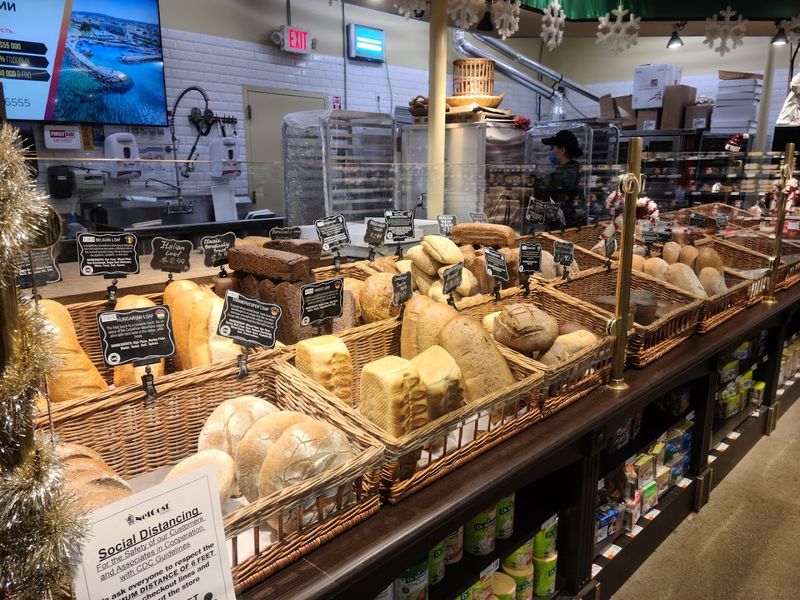
Before you see the bakery section, you may smell it. Fresh bread has a way of making every other grocery decision seem less important, and NetCost leans into that advantage with loaves and pastries that feel central to the store rather than tacked on as an afterthought.
The Paramus location lists fresh bread and bakery as one of its main departments, and the market’s earlier Gourmanoff materials emphasized an in-house artisan bakery focused on Eastern European breads. That matters because bread is not decoration in this kind of market.
It is part of the meal plan. A dense rye loaf can carry smoked fish.
A crusty bread can make a bowl of soup feel complete. A slightly sweet pastry can become the reason your coffee break improves dramatically.
The sweets are just as tempting. European-style cakes and pastries tend to play by different rules than the giant frosting-heavy desserts many shoppers are used to.
You are more likely to find layered textures, nuts, fruit, chocolate, cream, honey, and sponge cakes that feel rich without shouting. The selection can vary, which is part of the charm.
One visit may point you toward a sliceable cake for a family dinner. Another may lead you to cookies, pastries, or something small enough to justify eating in the car.
There is a nice practicality to this section, too. You can walk in with no dessert plan and leave with something that looks like you made an effort.
That is useful in New Jersey, where “I’ll just bring something” often turns into a last-minute stop somewhere on the way. The bakery also softens the whole store.
Between the smoked fish, pickles, meats, caviar, and imported pantry goods, NetCost can feel like a serious food expedition. Then the bread and sweets pull it back into comfort territory.
They remind you that old-world flavor is not always fancy. Sometimes it is just a good loaf, a proper pastry, and the smell of something baked that morning.
The Hot Bar Turns Grocery Shopping Into Lunch Plans
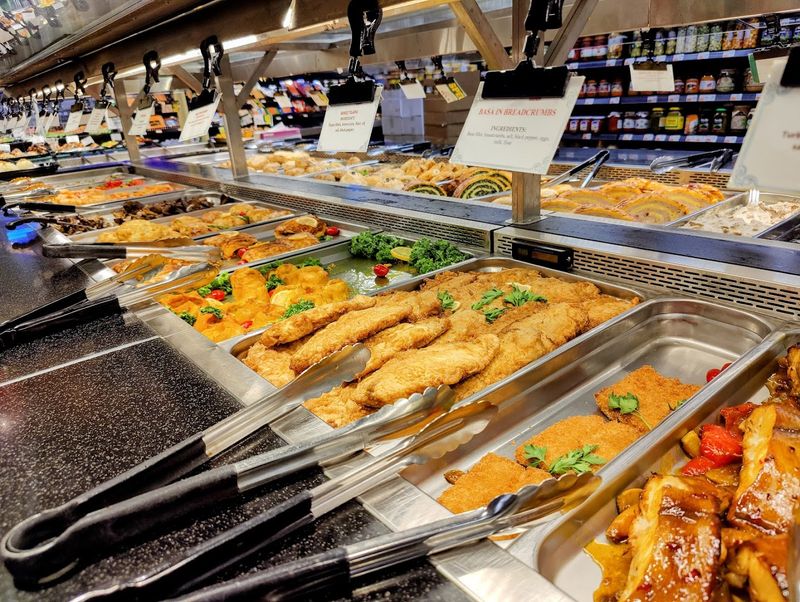
There are grocery stores where the prepared food section feels like an emergency option. NetCost is not one of them.
The hot bar is one of the easiest ways to understand the market’s appeal, because it turns a shopping trip into a meal before you have even made it to the checkout lane. The original story calls out a hot bar serving pilaf, and the store’s official department list includes prepared-food-style offerings alongside its deli, bakery, meat, seafood, and grocery departments.
That tracks with the way this market works. It is built for people who cook from scratch, people who assemble meals from good components, and people who are perfectly happy letting someone else handle lunch.
Pilaf is a smart example because it says a lot without needing a big explanation. It is warm, filling, aromatic, and easy to pair with meats, salads, or pickled vegetables from elsewhere in the store.
Depending on the day, shoppers may also find prepared sides, soups, dumplings, stuffed items, or other ready-to-eat dishes that fit the Eastern European and Central Asian flavors NetCost is known for carrying. This section is especially handy if you are shopping around midday.
You can go in thinking you are buying groceries for later and end up building a lunch from the hot bar, a salad from the deli case, and a drink from the imported beverage aisle. It is not fast food, and it is not a sit-down restaurant.
It lands in that very useful middle zone where you can eat something satisfying without turning the day into a whole production. The prepared foods also help first-timers take chances.
Maybe you are not ready to buy a full bag of unfamiliar dumplings for your freezer. Fine.
Try something hot and ready first. Maybe you have seen pilaf before but never had this style.
Start there. The hot bar makes the market less intimidating because it lets the food introduce itself.
Smoked Fish, Caviar, and Specialty Finds Give It Real European Character
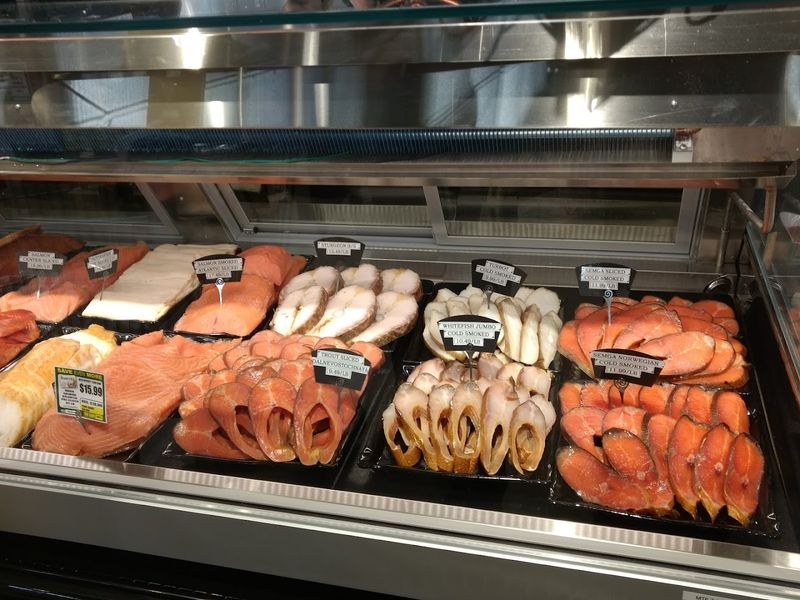
The seafood and specialty cases are where NetCost stops feeling like a fun international grocery store and starts feeling like a serious destination. Smoked fish, caviar, pickled fish, and imported delicacies are not background players here.
They are part of the store’s identity. NetCost’s Paramus page lists caviar and seafood as a main department, along with smoked fish and several caviar varieties, including Russian, black, red, salmon, beluga, and sturgeon.
When the Gourmanoff concept opened in Paramus, it was promoted for its large assortment of caviar, smoked fish, and international candies, as well as seafood and butcher departments. That combination gives the market a slightly celebratory feeling, even if you are only buying groceries for Tuesday.
Smoked fish is one of those foods that can seem old-fashioned until you see it handled with care. It belongs with dark bread, butter, onions, potatoes, pickles, and strong tea.
It can be part of a holiday table or a quiet lunch. At NetCost, it feels connected to a wider food tradition rather than treated like a niche item hiding in one small refrigerated corner.
The caviar selection adds another layer. Not everyone is coming in for beluga or sturgeon, of course, but the fact that those options exist changes the mood of the store.
It tells you this market is comfortable with everyday basics and special-occasion splurges living side by side. You can buy bread and milk, then wander past jars that belong on a New Year’s spread.
That is what gives NetCost its real character. The store does not rely on one showy department.
The experience builds aisle by aisle: pickles, rye bread, smoked meats, hot foods, honey, chocolates, fish, caviar, pastries, and drinks you may need to Google later. It feels specific, lived-in, and full of small surprises, which is exactly why a supermarket on Route 4 can feel like a discovery instead of an errand.
Share this story