New Jersey is not exactly short on surprises, but Walpack Center still manages to feel like a glitch in the map. Tucked deep inside the Delaware Water Gap, this tiny historic village sits in a quiet valley where the roads narrow, the trees close in, and your phone starts acting like it has never heard of a signal before.
That alone is enough to get your attention. Then you arrive and see the old church, the weathered buildings, the wide open stillness, and suddenly it feels like the rest of the state is very far away.
This is not a flashy ghost town built for tourists or a fake spooky stop with gift-shop energy. Walpack Center is the real thing: a place history brushed past, then left behind.
Its silence has a backstory, and the valley around it only adds to the mood. If you like forgotten places with a strange beauty and a lot of New Jersey character, this one gets under your skin fast.
Why Walpack Center Feels Like a Place Time Forgot
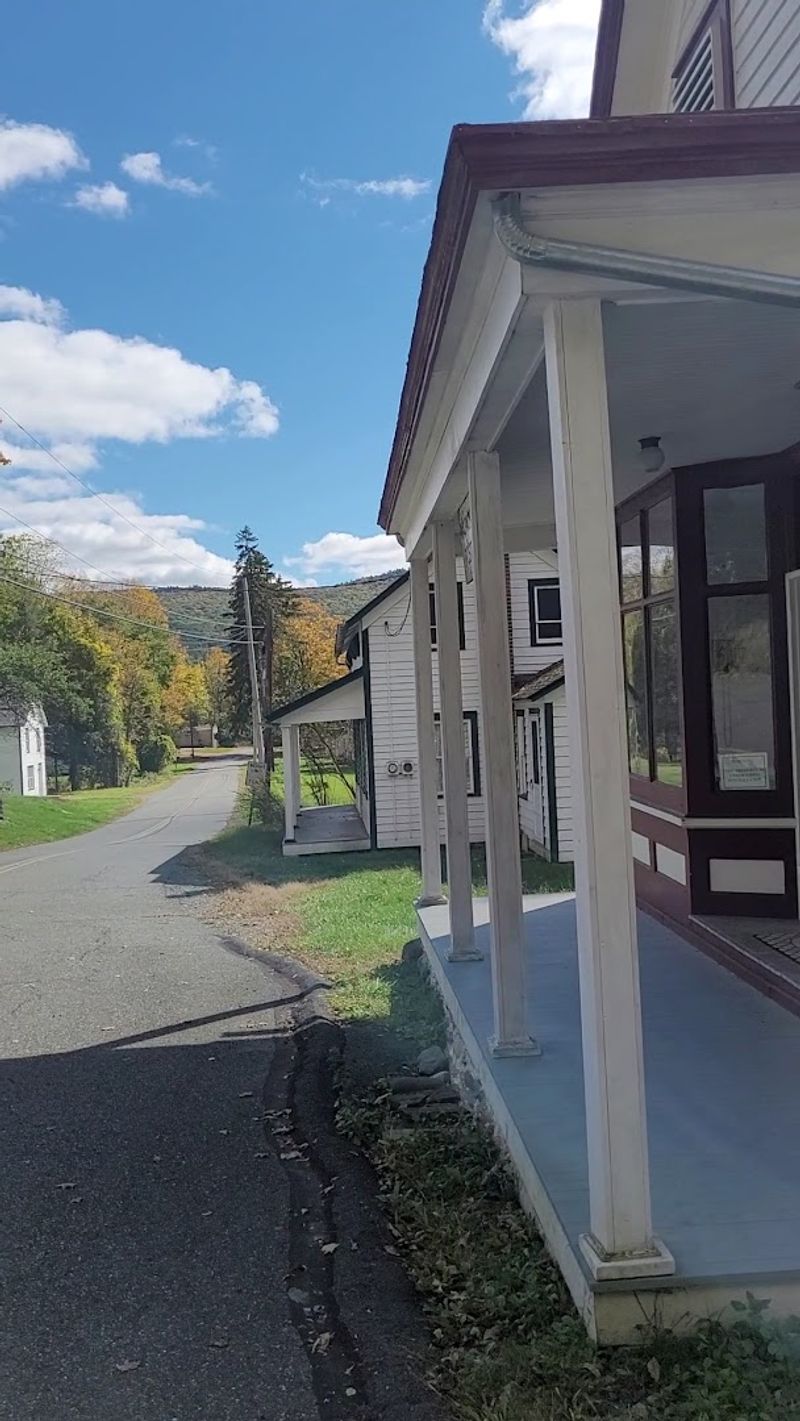
A lot of old places claim to be frozen in time. Walpack Center barely has to try.
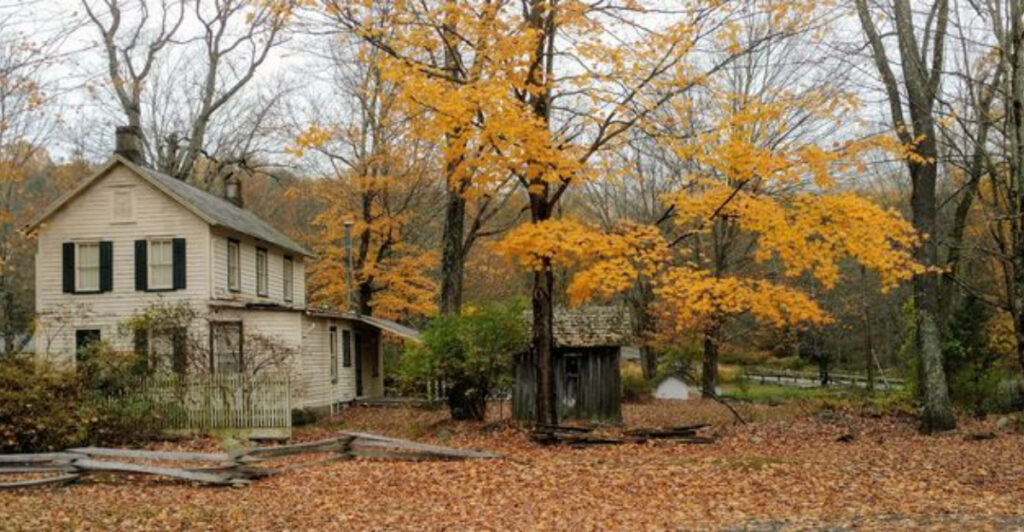
The village feels suspended, not restored into something polished, but left with just enough of itself intact to make you stop and stare. There is a church with white clapboard siding, a few historic buildings, narrow roads, and long stretches of quiet that feel unusual in a state better known for highways, diners, and constant motion.
Part of what makes the place hit so hard is the setting. You do not stumble across Walpack Center while running errands.
You go looking for it. The drive in feels more remote with every bend, and once you get there, the stillness does a lot of the storytelling for free.
No crowds. No neon signs.
No overproduced visitor experience trying to force the mood. Instead, the atmosphere comes from what is missing.
Businesses are gone. Families moved out long ago.
Daily village life faded. What remains is a small cluster of buildings and a strange, almost cinematic calm.
It does not feel staged. It feels paused, which is exactly why it lingers in your mind.
The Valley That Cut Off the Modern World
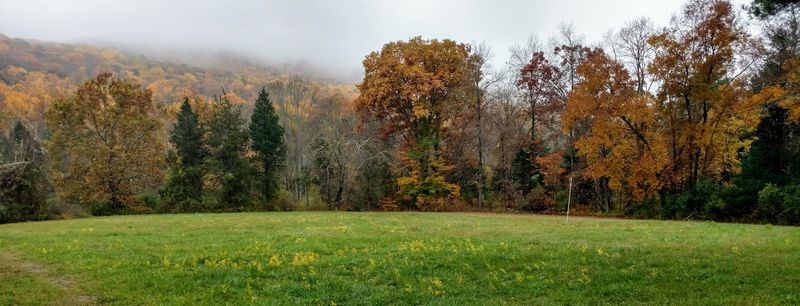
The Flat Brook Valley does not ease you into anything. It pulls you away from the modern rhythm almost immediately.
Roads wind through woods and farmland, hills rise around you, and before long the little conveniences you take for granted start dropping off. GPS gets shaky.
Notifications stop buzzing. Cell service becomes wishful thinking.
In a weird way, that loss of connection is part of the appeal. Most of New Jersey is easy to read at a glance.
Walpack is not. This corner of Sussex County feels deliberately tucked away, as if the landscape decided it wanted some privacy.
The valley is broad and beautiful, but it is also isolating in the best possible sense. You are surrounded by forest, open fields, and old roads that do not seem interested in hurrying you anywhere.
That physical separation changes how the village lands on you. Without the usual digital chatter, every detail gets louder.
Gravel under your shoes. Wind through trees.
A creak from an old building. The silence is not empty.
It is textured. That is a big reason Walpack does not feel like a normal historic stop.
It feels removed, almost protected, by the valley itself.
How a Dam Project Helped Empty an Entire Community
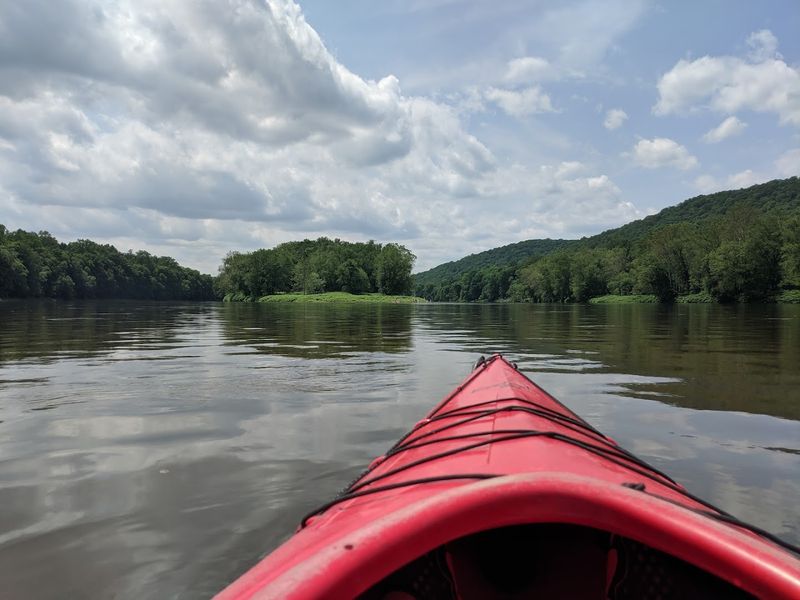
Walpack Center did not fade because people simply lost interest in it. Its decline is tied to one of the strangest what-if stories in modern New Jersey history.
In the 1960s, the federal government moved ahead with plans for the Tocks Island Dam, a massive project that would have created a reservoir along the Delaware River. To make room for it, land across the area was acquired and communities were uprooted.
That changed everything here. Residents left.
Homes and farms were abandoned or absorbed into the project footprint. The idea was that the valley would eventually sit beneath or beside a transformed landscape shaped by the dam.
But the plan ran into opposition, environmental concerns, and years of controversy. In the end, the dam was never built.
So Walpack was left in a strange in-between state. The people were gone, but the grand future that justified their removal never arrived.
What survived was a hollowed-out landscape with bits of the old community still standing. That unfinished story is what gives the village so much of its charge.
It is not just old. It is the remnant of a place disrupted by a plan that never became reality.
What Still Survives in This Quiet Corner of Sussex County
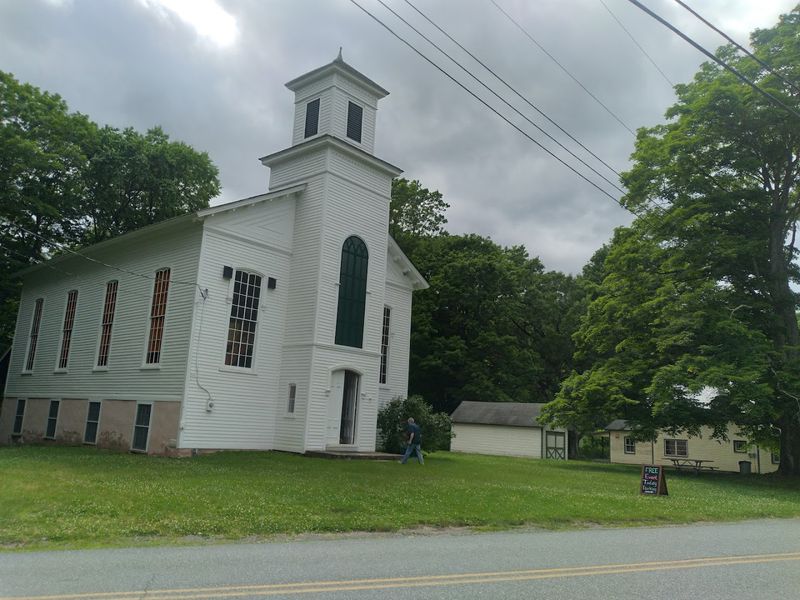
What makes Walpack Center compelling is that it is not just a name on an old map. Pieces of it are still right there in front of you.
The most recognizable landmark is the Walpack Center Church, a simple 19th-century building that looks both sturdy and delicate against the valley backdrop. Nearby, you can spot other remnants of the village core, including structures tied to the area’s school, civic life, and small-town routines.
None of it feels oversized or dramatic. That is part of the charm.
Walpack does not overwhelm you with ruins. It draws you in with details.
A weathered facade. A faded sign.
Old architecture sitting quietly where it always has. You start imagining what ordinary days once looked like here when the post office was active, church gatherings filled the calendar, and neighbors knew exactly who lived down the road.
The surrounding landscape matters just as much as the buildings. Fields and woods frame everything, and the open space around the village gives it a lonely, beautiful kind of breathing room.
The place survives not as a full town, but as a visible outline of one, which somehow makes it more powerful.
The Church Schoolhouse and Post Office That Refuse to Fade
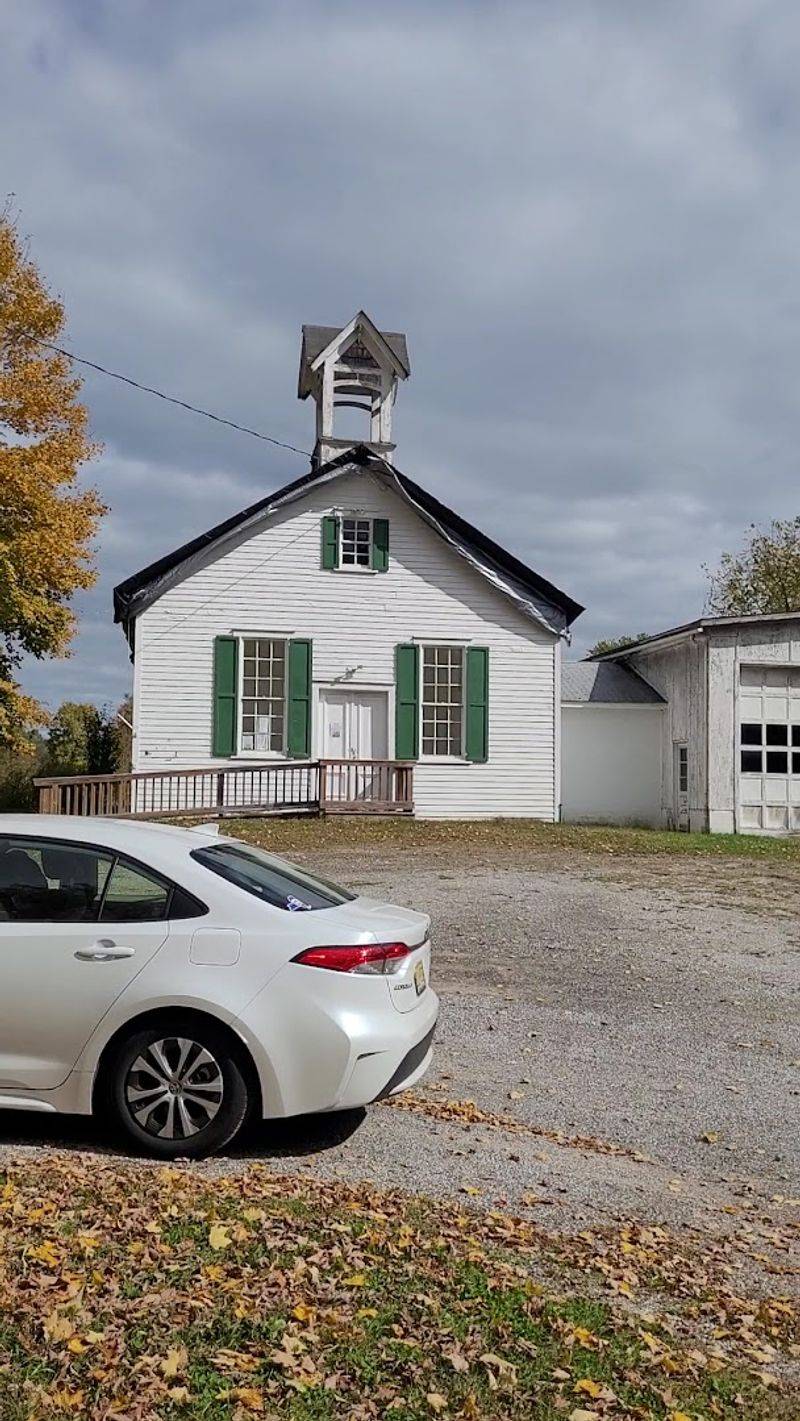
Small villages are built from ordinary places, and Walpack’s most memorable structures are the kinds of buildings that once anchored daily life without much fuss. The church is the star, and for good reason.
It stands in that picture-perfect, slightly uncanny way that makes you reach for your camera even if you told yourself you were just coming for a quick look. It is handsome, humble, and full of presence.
Then there is the old schoolhouse and the former post office, reminders that this was once a functioning community, not just an empty scenic backdrop. Children learned here.
Mail arrived here. News traveled here long before texts, group chats, or anyone complaining about one bar of service.
These buildings were practical once. Now they feel almost symbolic, each one holding a piece of the village’s vanished routine.
What is striking is how legible the past still feels. You do not need a giant interpretive display to understand the basics.
The architecture does the work. The scale of the place does too.
Nothing is abstract. You are looking at the bones of everyday life, and that is often more affecting than any dramatic ruin could ever be.
Why Visiting Walpack Center Feels So Different From Other Historic Sites
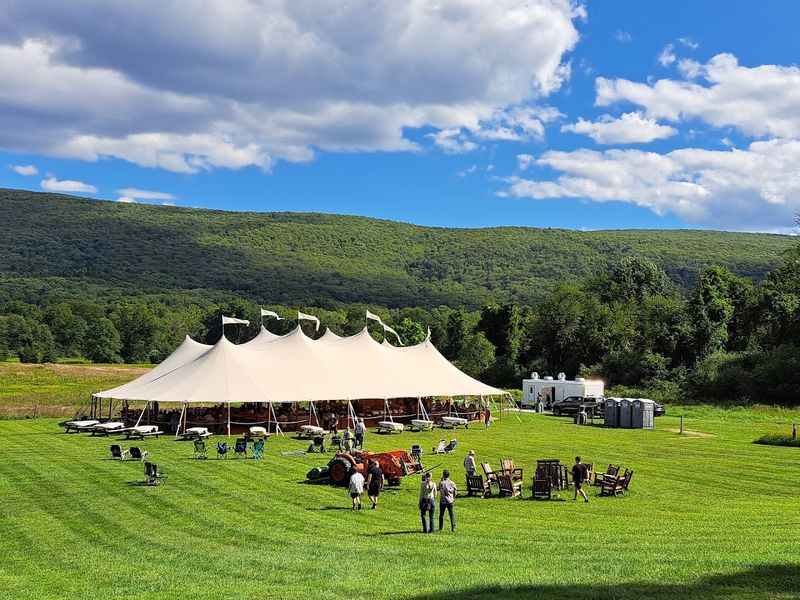
A lot of historic destinations in the region come with a script. Park here.
Read the sign. Shuffle through a rope-lined room.
Stop by the gift shop. Walpack Center is a different animal.
The experience feels looser, quieter, and more atmospheric. You are not being pushed from one attraction to the next.
You are absorbing a place that asks for a little patience and rewards curiosity. That is a big part of why it sticks with people.
The village does not hit you with spectacle. It works slowly.
First comes the remoteness. Then the silence.
Then the odd realization that you are standing in a real New Jersey community that was nearly erased by a future that never happened. That mix gives the place a tension many historic sites simply do not have.
It also helps that the surrounding Delaware Water Gap landscape is doing some heavy lifting. Even the drive feels like part of the experience.
By the time you reach the village, your brain has already shifted gears. Walpack does not feel packaged.
It feels discovered. That difference matters, especially in a state where truly offbeat places can still catch even longtime locals off guard.
The People Working to Keep Walpack’s Story Alive
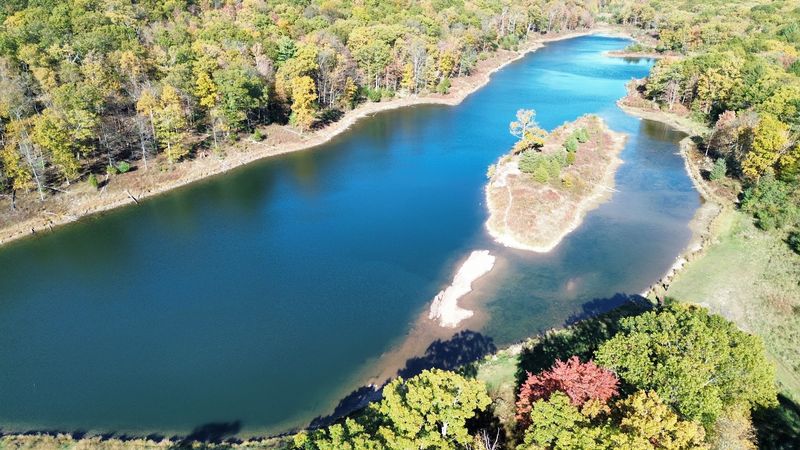
Places like Walpack Center do not stay visible by accident. Even a quiet village in a remote valley needs people who care enough to keep its story from disappearing completely.
Preservation groups, local historians, and park stewards have all played a role in making sure the buildings remain standing and the history behind them stays legible for visitors who make the trip. That work matters because Walpack could have easily slipped into total obscurity.
Once a community is emptied out, memory gets fragile. Buildings decay.
Records scatter. Younger generations grow up with no idea that a place once had its own rhythms, routines, and neighborhood ties.
Keeping Walpack alive means protecting more than wood, paint, and old foundations. It means protecting context.
There is something very Jersey about that effort too. Underneath all the jokes people make about the state, there is a fierce attachment to local history, especially the weird, overlooked, hard-to-categorize corners of it.
Walpack fits that perfectly. It is not grand in scale, but it is rich in story.
The people who keep talking about it are the reason the village still feels like a living memory instead of a forgotten footnote.
What to Know Before You Make the Drive Into the Delaware Water Gap
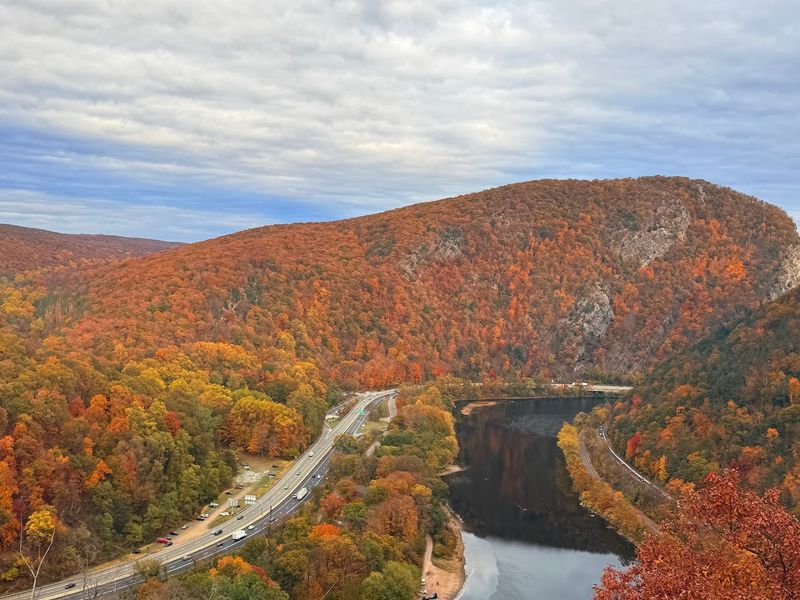
This is the kind of outing that goes better when you lean into its quirks. Walpack Center is remote by New Jersey standards, and that is not an exaggeration.
Roads into the area can feel long and winding, and once you are in the valley, conveniences are limited. This is not the place to assume your phone will rescue bad planning.
Download directions ahead of time, bring water, and treat the trip more like a back-road excursion than a quick pop-in. Timing matters too.
The atmosphere shifts with the season. Fall gives you color and extra drama.
Spring feels fresh and open. Even summer, with all that green pressing in around the roads, adds to the sense that you are entering a hidden pocket of the state.
The mood is the attraction as much as the village itself. Most of all, go in with the right expectations.
Walpack is not big. It is not busy.
It is not built for instant gratification. What it offers is subtler than that.
You go for the stillness, the history, and the strange thrill of finding a place in New Jersey that still feels genuinely far away.
Share this story