Sierra Vista, Arizona, is known as the Hummingbird Capital of the United States, and once you see the sheer number of brilliant birds darting through the desert air, the nickname makes perfect sense. Tucked into the rolling hills of Cochise County, this surprisingly scenic city draws birdwatchers and nature lovers from across the country every year.
More hummingbird species pass through this region than almost anywhere else in North America, turning ordinary walks and backyard feeders into something unforgettable. The experience feels colorful, peaceful, and genuinely unique. If your travel bucket list needs something a little magical, Sierra Vista deserves a very close look.
Where the Desert Starts Feeling Wild Again
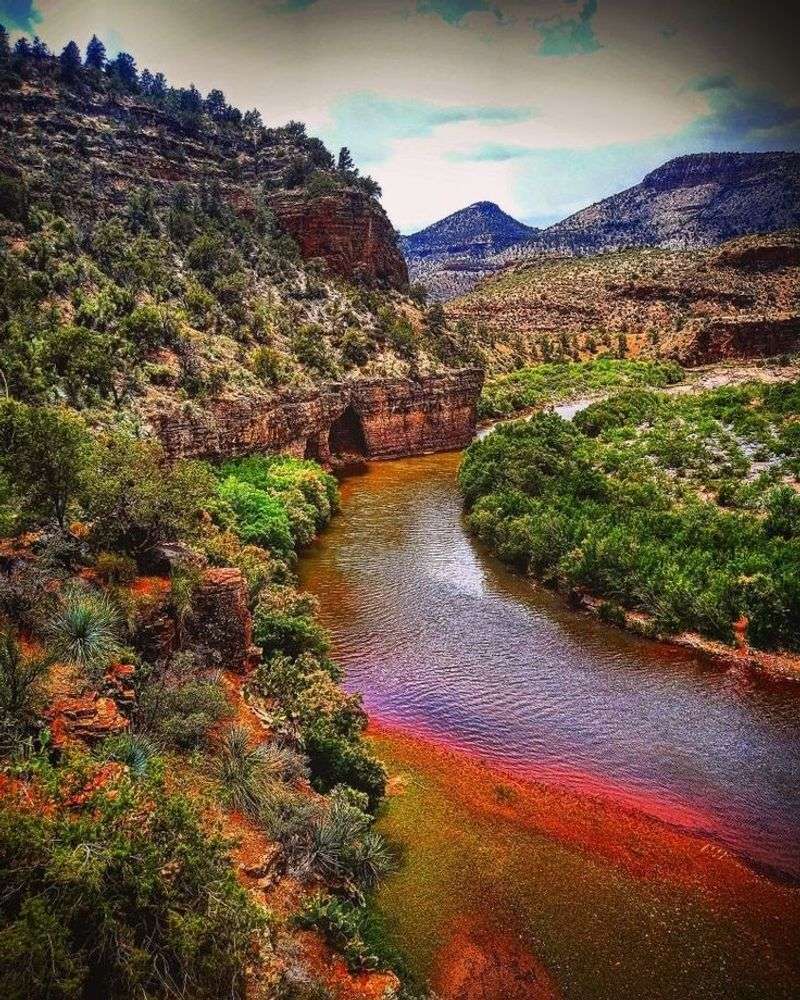
Pull into Sierra Vista for the first time and something immediately feels different. The air is cleaner, the sky is wider, and the mountains that frame the city on the west side look like something out of a painting.
Sitting at roughly 4,600 feet above sea level, Sierra Vista enjoys a milder climate than most Arizona cities, which is one reason it draws so many visitors who expect desert heat but find surprisingly comfortable temperatures instead.
The city itself is home to around 45,000 residents and sits in Cochise County, one of the most biologically diverse counties in the entire country. That biodiversity is not an accident.
The nearby San Pedro River corridor and the Huachuca Mountains create a rare meeting point between the Rocky Mountain and Sierra Madre ecosystems, making this region a magnet for wildlife of all kinds.
What strikes most first-time visitors is how the urban side of Sierra Vista blends quietly into the natural world. There are restaurants, shops, and neighborhoods that feel completely normal, yet five minutes in any direction and you are surrounded by grasslands, canyons, or oak-studded hillsides.
The transition is seamless and honestly kind of thrilling. Hummingbirds are everywhere during the right season, darting between flowering plants like tiny living jewels.
Local residents have feeders hanging from almost every porch, and watching the birds zip past while sipping morning coffee is considered a completely ordinary Tuesday here. For newcomers, it is the kind of everyday scene that makes Sierra Vista instantly memorable.
How Arizona Became America’s Hummingbird Hotspot
Not every city earns a nickname like “Hummingbird Capital of the United States” without a serious story behind it. Sierra Vista’s claim to that title is rooted in geography, ecology, and decades of dedicated conservation work that quietly transformed this corner of Arizona into one of the most important birding destinations on the continent.
The key ingredient is location. Sierra Vista sits at the crossroads of two major migratory flyways, meaning birds traveling between North and Central America funnel through this region in massive numbers.
The nearby San Pedro Riparian National Conservation Area, managed by the Bureau of Land Management, protects one of the last free-flowing desert rivers in the American Southwest. That river corridor acts like a highway for wildlife, and hummingbirds follow it with impressive consistency.
The Huachuca Mountains add another layer to the story. Their elevation creates a range of microclimates, from hot desert scrub at the base to cool pine forests near the peaks.
Different hummingbird species prefer different elevations, so the mountains essentially offer multiple habitats stacked on top of each other within just a few miles.
Local birding organizations and the city government have leaned into this identity over the years, supporting events like the Southwest Wings Birding and Nature Festival, which draws enthusiasts from across the country. Conservation efforts have helped maintain the wild corridors that make hummingbird migration possible in the first place.
The title is not just marketing; Sierra Vista did not manufacture its reputation. The hummingbirds showed up first, and the city simply paid attention.
Watching Hummingbirds Here Feels Almost Unreal
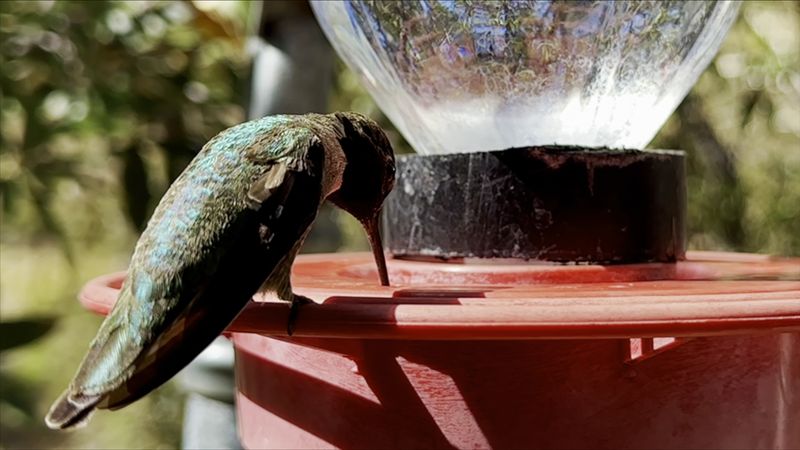
Seeing a hummingbird up close for the first time is a genuinely jaw-dropping experience. These birds move so fast that the naked eye can barely track them, yet when they pause at a feeder or hover near a flower, every detail snaps into focus: the iridescent feathers, the needle-thin beak, the tiny feet barely gripping the perch.
Sierra Vista delivers that moment over and over again.
More than a dozen hummingbird species have been recorded in the greater Sierra Vista area, including some that are rarely seen anywhere else in the United States. The Rivoli’s hummingbird, the Broad-billed hummingbird, the Violet-crowned hummingbird, and the White-eared hummingbird all make appearances here.
For serious birders, a single afternoon at the right feeder station can produce a life list that takes years to match elsewhere.
Ramsey Canyon Preserve, located in the Huachuca Mountains just a short drive from town, is one of the most celebrated hummingbird-watching spots in North America. Managed by The Nature Conservancy, the preserve draws visitors specifically to observe the extraordinary concentration of species that pass through during migration season.
Even casual observers who have never held a pair of binoculars find themselves completely absorbed by the experience. There is something almost hypnotic about watching a bird that weighs less than a penny defend a feeder with the intensity of a much larger creature.
The territorial behavior, the aerial acrobatics, and the constant hum of wings create a sensory experience that photographs can only partially capture. Being there in person is the only way to fully understand what makes Sierra Vista so special for wildlife lovers.
The Landscapes Are Just as Memorable as the Birds
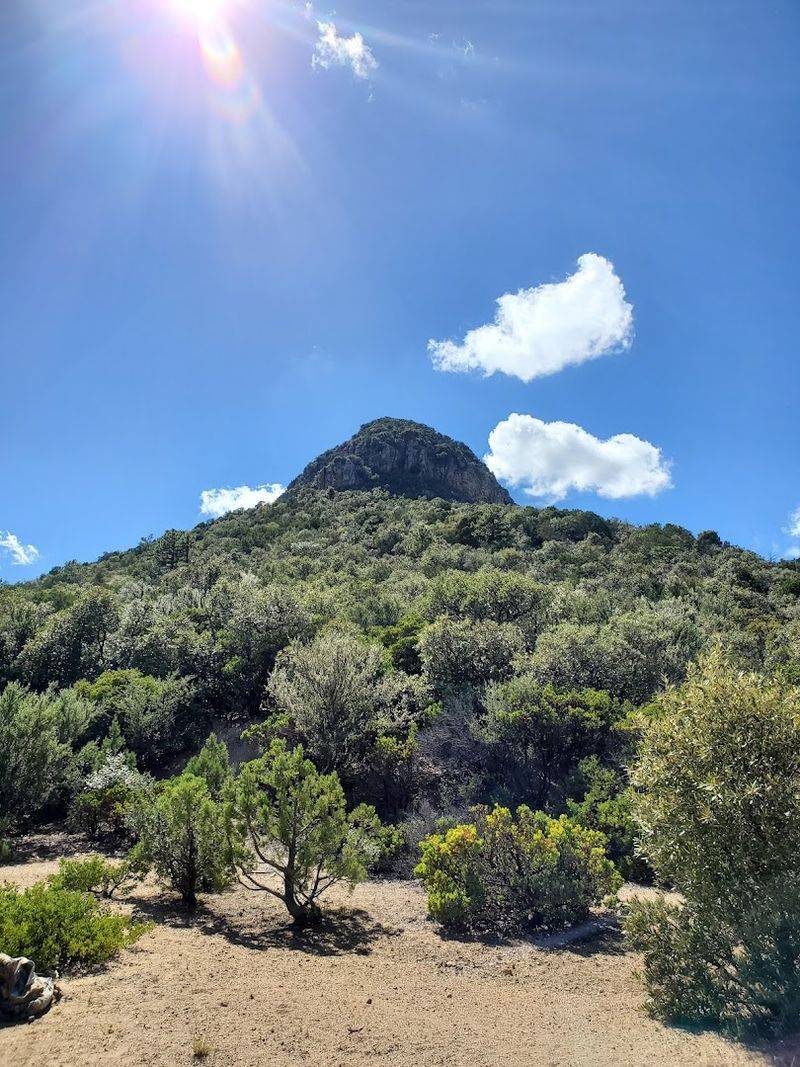
Beyond the birds, Sierra Vista sits inside some of the most visually striking scenery in the American Southwest. The Huachuca Mountains rise dramatically to the west, offering trails that wind through oak woodlands, pine forests, and rocky ridgelines with views that stretch for what feels like forever.
On a clear day, you can see deep into Mexico from the higher elevations, which adds a genuinely cinematic quality to the experience.
Miller Canyon and Carr Canyon are two of the most popular access points into the Huachucas, and both offer a combination of birding and hiking that keeps visitors busy for hours. The canyons are narrow and shaded, with flowing streams during wetter months and a quiet, almost meditative atmosphere that feels completely removed from everyday life.
Wildlife encounters beyond hummingbirds are common here, including white-tailed deer, coatimundis, and an impressive variety of raptors.
To the east, the San Pedro River valley opens up into wide grasslands that feel more like the African savanna than anything most people associate with Arizona. This is one of the most intact grassland ecosystems remaining in the region, and walking through it during golden hour is the kind of experience that stays with you.
The sky above Sierra Vista deserves its own mention. Light pollution is minimal compared to larger cities, which makes stargazing an unexpectedly rewarding activity after the hummingbirds have gone to roost.
The Milky Way appears with startling clarity on moonless nights, and the silence of the surrounding desert amplifies the whole experience in a way that is hard to put into words. Sierra Vista’s landscape rewards every direction you choose to look.
The Best Time To See Sierra Vista at Full Speed
Timing a trip to Sierra Vista can make the difference between a good visit and an absolutely unforgettable one. The peak hummingbird season runs from late July through early September, coinciding almost perfectly with Arizona’s monsoon season.
That might sound counterintuitive, since most people try to avoid rain on vacation, but the monsoon transforms the landscape in ways that dramatically increase both wildlife activity and visual appeal.
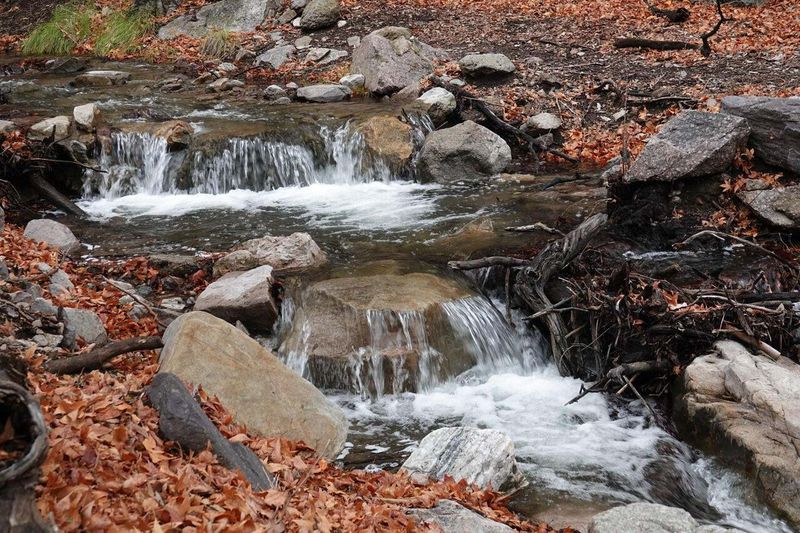
During the monsoon, the surrounding grasslands turn green almost overnight. Wildflowers bloom across the hillsides, streams run through canyons that were dry weeks earlier, and the humidity attracts insects that in turn attract birds in extraordinary numbers.
Hummingbird activity at feeders and natural flower sources peaks during this period, making late July and August the undisputed prime window for birdwatching.
For those who prefer drier conditions, April through June offers excellent birding with fewer crowds and more predictable weather. Spring migration brings a fresh wave of species moving northward, and the cooler temperatures make hiking through the canyons genuinely enjoyable.
Wildflowers are also impressive during this period, though the landscape has a more golden, pre-monsoon look compared to the lush green of summer.
Fall and winter bring their own rewards. Migratory species pass through again in September and October, and the cooler months attract different bird populations that make Sierra Vista interesting year-round.
Winter temperatures in the city itself rarely drop below freezing, and the lower elevations remain comfortable for outdoor activities even in January and February.
Regardless of the season chosen, the Southwest Wings Birding and Nature Festival in August is worth building a trip around if possible. It adds a community energy to the natural spectacle that makes the whole experience feel even more alive.
What To Know Before Planning the Trip
Reaching Sierra Vista takes a bit of planning, but the logistics are straightforward once you know the basics. The nearest major airport is Tucson International Airport, located roughly 75 miles to the northwest.
From there, the drive down Highway 90 takes about an hour and fifteen minutes through open desert and grassland scenery that serves as a fitting preview of what awaits. Some visitors also fly into El Paso International Airport, which is farther but offers competitive fares worth checking.
A personal vehicle is essentially required for getting the most out of Sierra Vista. Public transportation within the city is limited, and the most rewarding destinations, including Ramsey Canyon, Miller Canyon, and the San Pedro Riparian National Conservation Area, are spread out across the surrounding landscape.
Renting a car at the airport is the most practical option for most travelers. Accommodations range from budget-friendly chain hotels near the main commercial corridor on Fry Boulevard to smaller independent options closer to the natural areas.
Booking in advance during peak season, especially around the Southwest Wings Festival in August, is strongly recommended since the town sees a noticeable surge in visitors during that window.
The city itself is easy to navigate, and locals are genuinely welcoming to birders and nature tourists. Many residents are enthusiastic about sharing their favorite spots, and striking up a conversation at a local diner or birding outfitter often leads to insider tips that no travel guide includes.
Binoculars, a field guide to southwestern birds, and sunscreen are the three non-negotiables for any outdoor excursion.
Entrance fees for preserves like Ramsey Canyon are modest, and the San Pedro Conservation Area is free to enter. Sierra Vista rewards visitors who come prepared but does not punish those who show up spontaneously either.
Why Sierra Vista Stays With People Long After They Leave
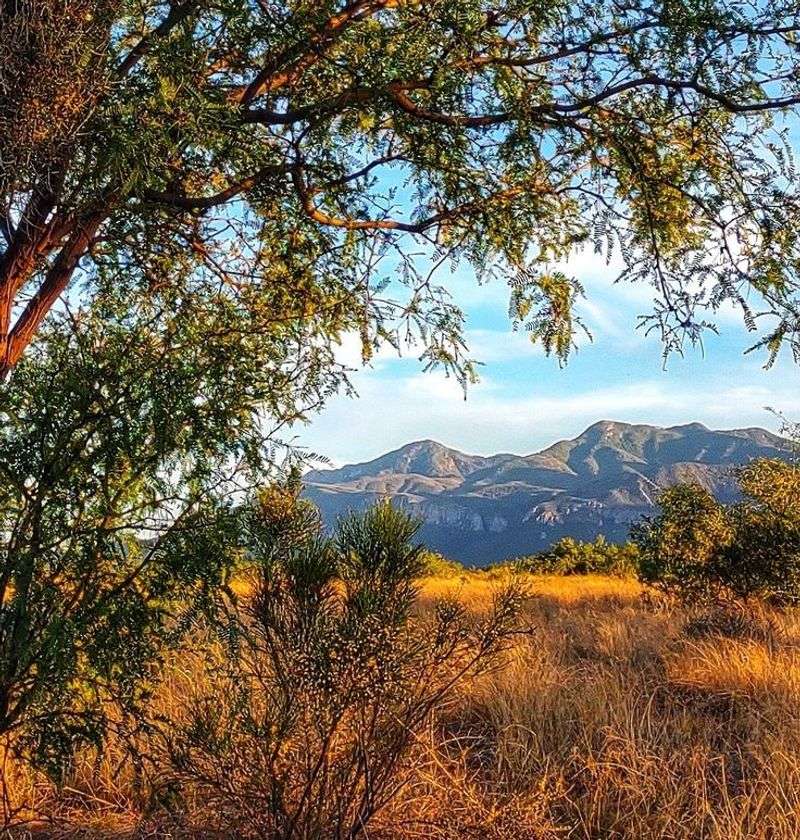
Ask people what they remember most about Sierra Vista and the answers usually sound surprisingly similar. It is rarely a single landmark or attraction.
More often, it is a moment: a hummingbird hovering inches away from a feeder, the silence inside a canyon at sunrise, or the realization that a place this naturally rich still feels uncrowded and unforced compared to many famous outdoor destinations. Part of what makes Sierra Vista stand out is that the experience never feels manufactured for tourists.
The city exists first as a real community surrounded by extraordinary wildlife habitat, and visitors simply get to step into that environment for a few days. The hummingbirds, mountain canyons, grasslands, and migration corridors would still be here regardless of whether anyone turned them into a travel attraction.
The community adds another layer to the experience as well. Fort Huachuca gives the city a grounded, lived-in identity, while local businesses, restaurants, and birding organizations help create an atmosphere that feels welcoming without becoming overly commercialized.
Residents are often eager to share recommendations, especially with visitors who arrive curious about the region’s wildlife and landscapes. For birdwatchers, Sierra Vista has earned near-legendary status because few places in North America offer this concentration of hummingbird species in such accessible settings.
Even travelers who arrive with only casual interest in birds often leave completely absorbed by the experience. Sierra Vista succeeds because it delivers exactly what people hope for: remarkable wildlife, dramatic scenery, and an outdoor experience that still feels calm, authentic, and genuinely connected to the landscape around it.
Share this story