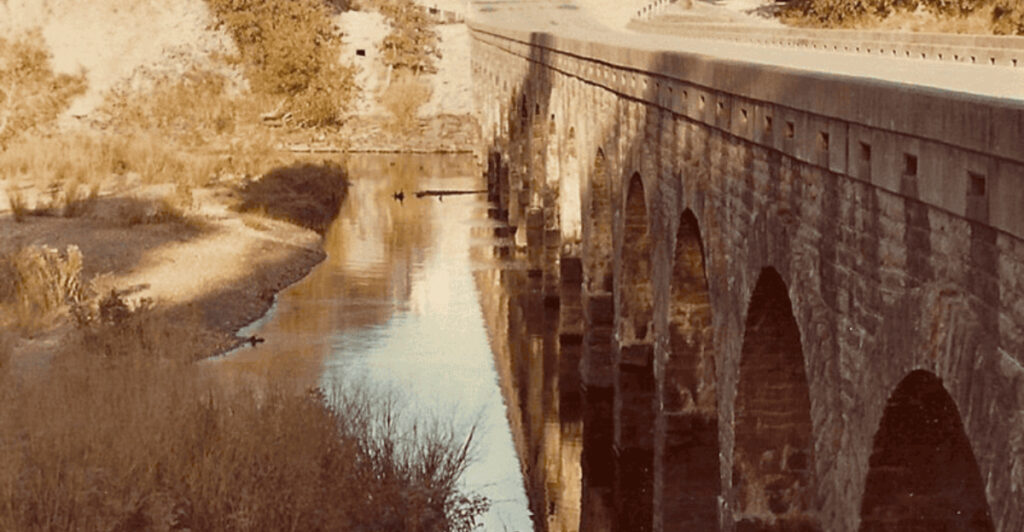
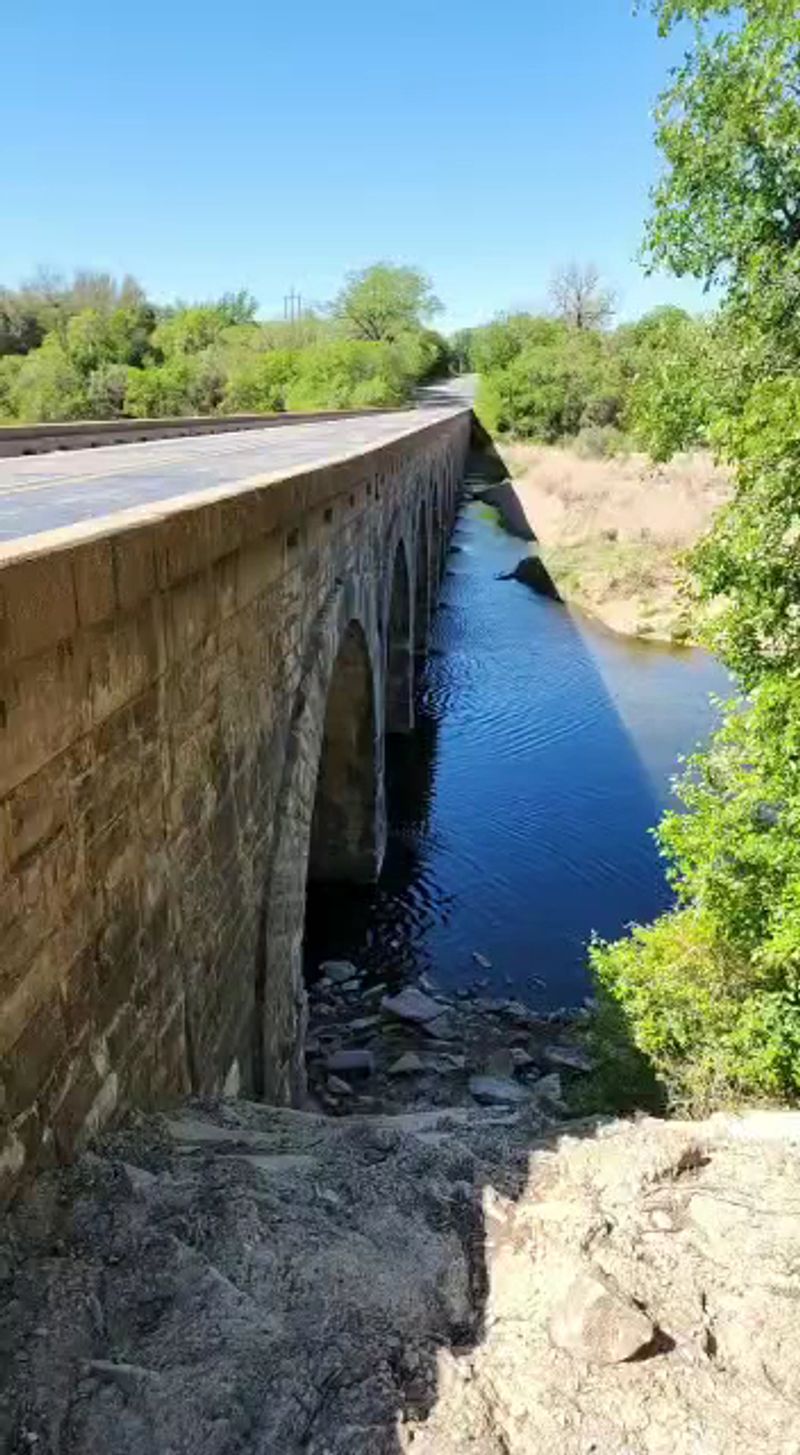
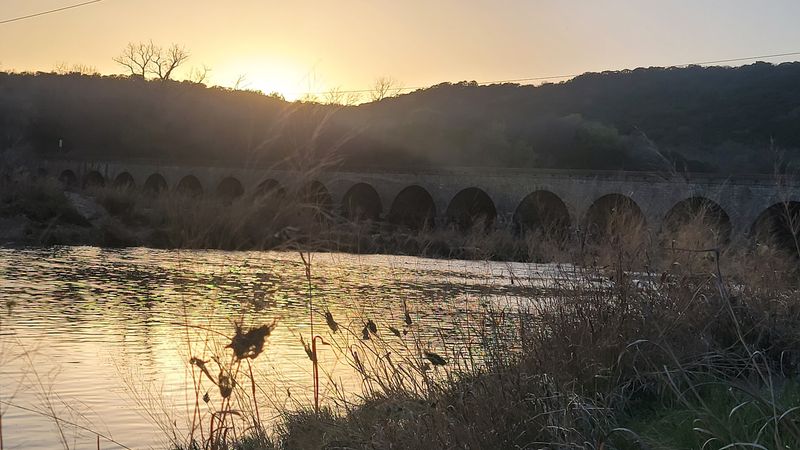
Rising from the rugged landscape near Graford, the Possum Kingdom Stone Arch Bridge stands as a testament to Depression-era craftsmanship and Texas ingenuity. Built in the 1930s as part of a New Deal project, this architectural marvel stretches across the Brazos River with 18 graceful limestone arches that have weathered nearly a century of Texas weather. Today, it’s not just a functional crossing on Highway 16 but a beloved destination for anglers, kayakers, photographers, and history buffs who appreciate its blend of beauty and purpose.
Whether you’re passing through on a motorcycle ride or planning a fishing trip, this bridge offers something special that keeps locals and visitors coming back.
1. A Living Monument to New Deal Engineering
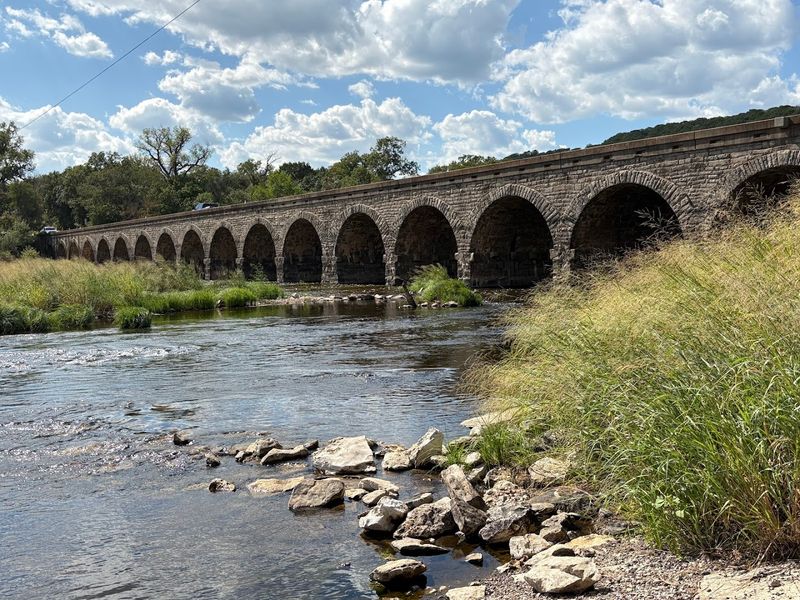
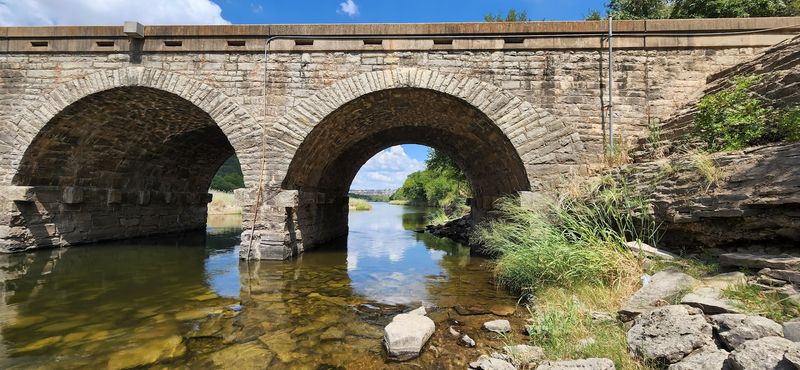
Construction crews during the Great Depression didn’t just build a bridge—they created a masterpiece that would define the region for generations. The Civilian Conservation Corps and Works Progress Administration poured their skills into every limestone block, crafting 18 arches that rise elegantly above the Brazos River. Each arch was carefully positioned to handle the river’s unpredictable flow while creating a visual rhythm that photographers can’t resist.
Walking along the bridge today, you can still see the individual stones fitted together with remarkable precision. No modern concrete slabs here—just honest Texas limestone cut and placed by hand nearly 90 years ago. The craftsmanship shows in how the bridge has survived floods, droughts, and countless vehicles without losing its structural integrity or its charm.
History buffs find this spot particularly fascinating because it represents a specific moment in American history when federal programs employed thousands of Texans. The bridge wasn’t just infrastructure; it was hope during hard times. That legacy adds weight to every visit, making it more than just a pretty backdrop for your Instagram feed.
Standing beneath those arches, you’re literally surrounded by history that’s still doing its job every single day.
2. Prime Fishing Spot With Seasonal Trout Stocking
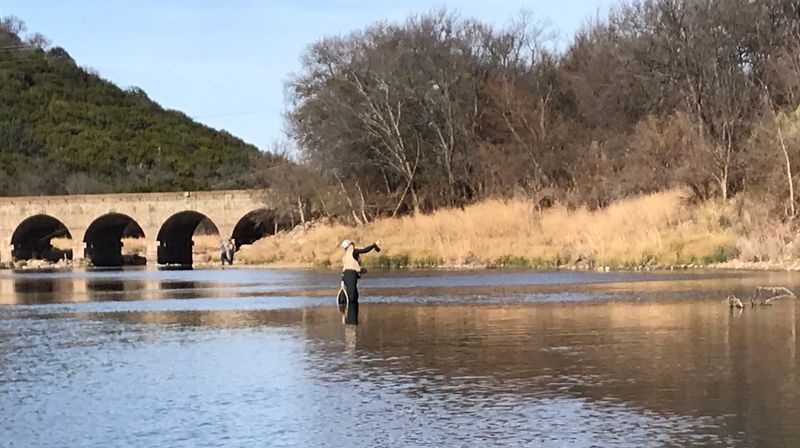
Every winter, something magical happens at this bridge that transforms it into one of North Texas’s hottest fishing destinations. Texas Parks and Wildlife stocks the Brazos River here with rainbow trout, sometimes releasing over a thousand fish in a single morning. Suddenly, this already scenic spot becomes a trout angler’s playground where you can catch fish that normally prefer much colder climates.
Locals know the rhythm well—they’ll be waiting with fly rods and spinning gear the moment stocking trucks arrive. The fishing stays productive throughout the winter months, with trout hanging in the cooler water beneath those limestone arches. Even if you’re not a serious angler, tossing a line here feels special with that historic bridge creating a natural cathedral overhead.
Beyond trout season, the river supports year-round fishing for bass, catfish, and sunfish. Several reviewers mention bringing their kids here for memorable fishing trips, which tells you the access is family-friendly despite some challenging bank areas. The combination of good fishing and stunning scenery makes it worth navigating the slightly tricky shoreline access.
Bring your rod any time of year, but mark your calendar for December through February when those stocked trout turn this historic bridge into fishing heaven.
3. Perfect Launch Point for Brazos River Paddling
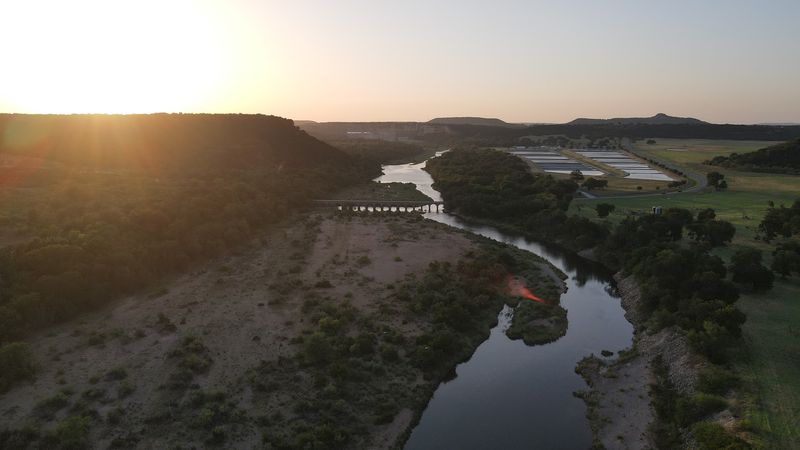
Paddlers have discovered what makes this bridge location so valuable—it’s an ideal put-in spot for exploring the Brazos River by kayak or canoe. The boat ramp here sees steady use from locals who know the river’s moods and visitors eager to experience Texas waterways from a different perspective. Launching beneath those 18 arches adds drama to the start of any float trip.
The river flow varies dramatically depending on recent rainfall and upstream releases, so checking conditions before you go isn’t optional—it’s essential. When water levels cooperate, you’ll find a peaceful paddle with limestone bluffs, wildlife sightings, and that constant Texas sky stretching overhead. The current typically stays manageable for intermediate paddlers, though beginners should choose their timing carefully.
What sets this launch apart from others is the immediate scenery. You’re not paddling through some industrial area or boring flatland—you’re starting your journey under a historic bridge that frames the river like a postcard. Other boaters and fishermen share the water, but the vibe stays friendly and relaxed.
Everyone’s out here for the same reason: to enjoy what the Brazos offers.
Pack your kayak, check the flow rates online, and prepare for a river adventure that begins with architectural beauty and continues with natural Texas landscapes.
4. Accessible Roadside Stop With Big Historical Impact
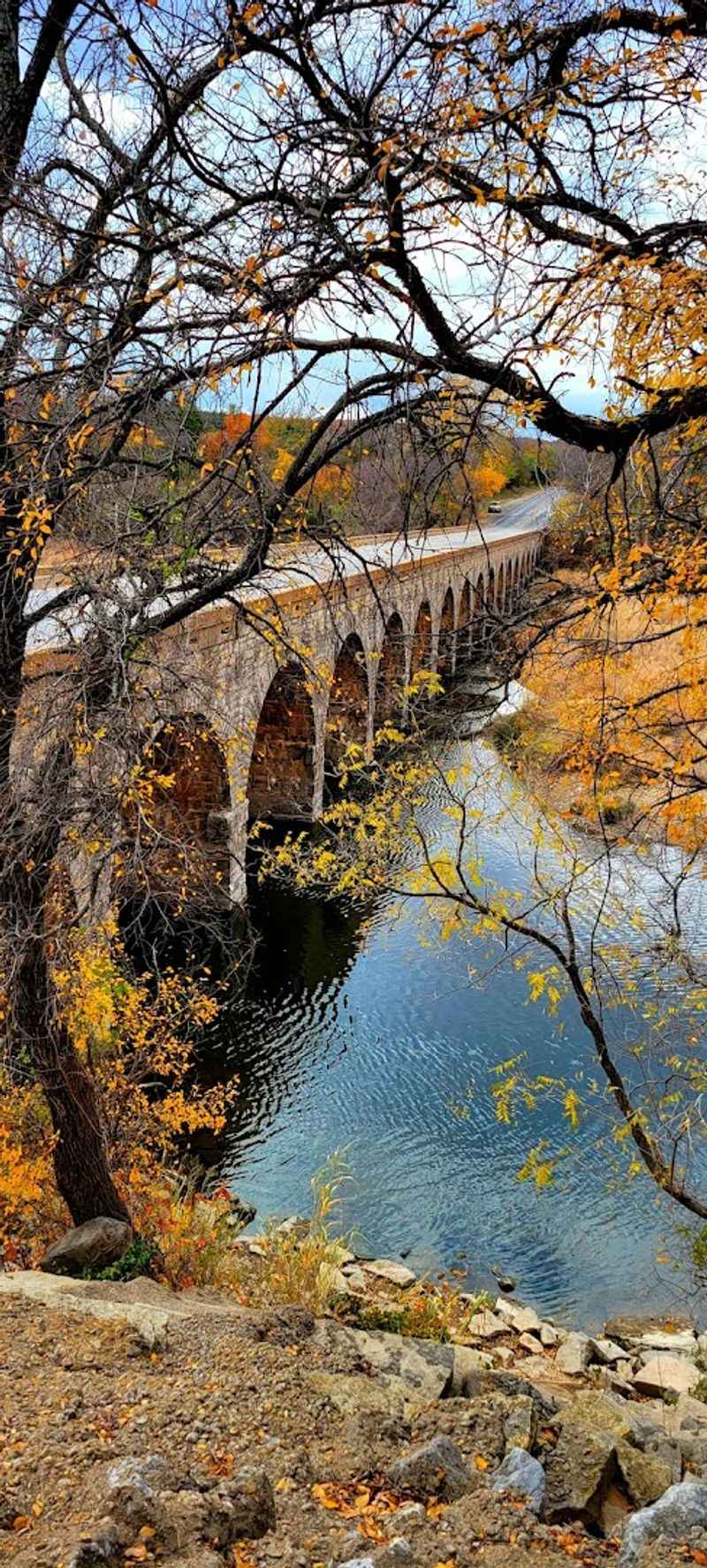
Not every historical site requires a hike or complicated navigation—this one sits right along Highway 16 where you can pull off safely and walk just a few feet to experience Depression-era architecture up close. That accessibility makes it perfect for road trippers, motorcycle enthusiasts, and families who want to stretch their legs without committing to a major detour.
The bridge operates 24 hours because it’s an active roadway, which means you can visit at sunrise, sunset, or any time in between. Early morning light hits those limestone arches beautifully, while golden hour photography here practically shoots itself. Even a quick five-minute stop gives you enough time to snap photos, read the historical marker, and appreciate the engineering that keeps this structure functional nearly a century later.
Motorcyclists particularly love this stretch of Highway 16, and the bridge serves as a natural gathering point or rest stop. The surrounding Palo Pinto County landscape offers that classic Texas Hill Country beauty—rolling pastures, scattered trees, and wide-open skies that remind you why Texas inspires such fierce loyalty from its residents.
Whether you’re passing through or planning a specific visit, the combination of easy access and genuine historical significance makes stopping here a no-brainer for anyone traveling this part of Texas.
5. Swimming Holes Beneath Historic Limestone Arches
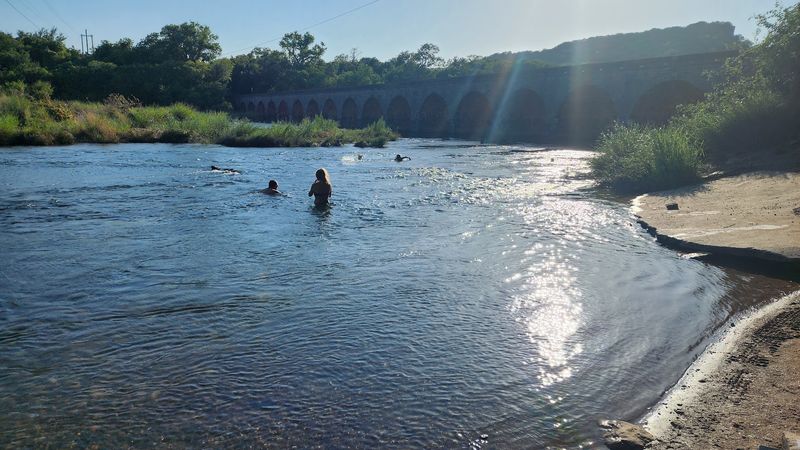
When Texas heat cranks up, locals know where to find relief—in the cool Brazos River water flowing beneath those 18 limestone arches. Swimming here offers something you won’t find at a sterile community pool: natural river current, interesting rock formations, and the unique experience of floating in the shadow of a historic bridge. Several reviewers mention this as a beloved swimming spot, though they’re quick to note that conditions vary.
The river bottom can be rocky and uneven, so water shoes aren’t just recommended—they’re practically required unless you enjoy tiptoeing across sharp stones. Glass and litter occasionally show up on the beach areas, which frustrates regular visitors who remember cleaner times. Still, the swimming itself remains refreshing, especially in those deeper pools where the current slows and the arches create natural shade.
Families return here year after year because the memories stick. There’s something timeless about teaching your kids to swim in the same river where their grandparents might have splashed decades ago. The bridge provides both a landmark for meeting up and a dramatic backdrop that makes ordinary summer days feel more adventurous.
Bring those water shoes, pack out everything you pack in, and enjoy swimming at a spot where history and recreation flow together as smoothly as the Brazos itself.
6. Photographer’s Dream With Natural and Architectural Beauty
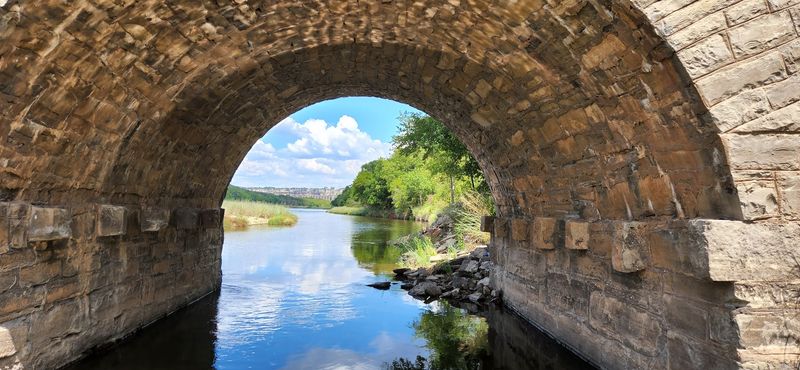
Photography enthusiasts circle this location on their maps because it delivers composition gold—you’ve got historic architecture, flowing water, Texas sky, and natural landscape all converging in one accessible spot. The 18 arches create repeating patterns that lead the eye naturally through the frame, while the limestone texture adds warmth and character that cold concrete could never match.
Sunset shoots here border on unfair—the western light hits those arches at angles that make the limestone practically glow. Photographers catch the bridge from below, from the roadway above, from the riverbanks, and even from kayaks on the water. Each perspective offers something different, which explains why serious shooters return multiple times to capture various conditions and seasons.
Spring brings that explosion of green pastureland that reviewers rave about, creating a lush contrast with the pale limestone. Winter offers bare trees and dramatic skies that emphasize the bridge’s bold lines. Summer and fall each contribute their own color palettes and lighting qualities.
The bridge itself remains constant while everything around it transforms with the seasons.
Whether you’re shooting with a professional camera or just your phone, this location practically guarantees frame-worthy images. The combination of human craftsmanship and natural beauty creates visual interest that keeps working no matter how many times you click the shutter.
7. Year-Round Access to Brazos River Recreation
Unlike state parks with limited hours or seasonal closures, this bridge and the surrounding river access stay available 24/7, 365 days a year. That constant availability means you can fish at dawn, paddle at noon, or photograph stars through the arches at midnight—whatever suits your schedule and mood. The open-access approach reflects Texas’s independent spirit and makes spontaneous visits possible.
Each season transforms the experience completely. Winter brings those stocked trout and cooler temperatures perfect for hiking along the riverbanks. Spring explodes with wildflowers and the greenest pastures you’ll see all year.
Summer calls swimmers and kayakers to the water, while fall offers comfortable weather and fewer crowds for peaceful exploration.
The 4.9-star rating from 67 reviews suggests most visitors leave satisfied regardless of when they show up. That consistency comes from the bridge’s inherent appeal—it’s genuinely beautiful and historically significant whether you visit on a random Tuesday morning or a busy Saturday afternoon. The Brazos River keeps flowing, the limestone keeps standing, and the opportunities for outdoor recreation keep drawing people back.
Planning flexibility is a luxury here. You don’t need reservations, tickets, or special permissions—just show up when you’re ready to experience one of Texas’s most photogenic and historically important river crossings.
8. Family-Friendly Destination With Multigenerational Appeal
Reviewers consistently mention bringing their kids, spending time with family, and creating memories that span generations—which tells you this isn’t just another roadside attraction. Something about the combination of accessible history, natural beauty, and recreational opportunities makes it work for everyone from toddlers to grandparents. Families find activities that engage different ages without requiring everyone to do the same thing simultaneously.
Kids can wade in shallow areas while adults fish nearby. Teenagers might explore the bridge structure and take photos while younger siblings hunt for interesting rocks. Grandparents can sit in the shade of those arches and watch the river flow while sharing stories about their own childhood visits.
The space accommodates different energy levels and interests without feeling cramped or overly structured.
Several reviews specifically mention the bridge as a place that holds cherished memories, suggesting these aren’t just one-time visits but recurring family traditions. That emotional connection transforms a simple bridge into something more meaningful—a gathering place where families reconnect with each other and with the Texas landscape that shaped their heritage.
If you’re looking for a family outing that offers more substance than a crowded amusement park, this bridge delivers history, nature, and recreation in a package that somehow feels both exciting and peaceful at the same time.
9. A Call for Stewardship of This Texas Treasure
Behind the 5-star reviews and beautiful photos, there’s a sobering reality—this beloved spot faces threats from litter, neglect, and the simple wear that comes from heavy use. Multiple reviewers mention trash on the beaches, glass in swimming areas, and a general decline in cleanliness that saddens those who remember better days. One visitor even mentioned coming specifically to pick up garbage, which is both admirable and heartbreaking.
The frustration in some reviews is palpable. Longtime visitors watch as careless behavior chips away at something they hold dear. Fishing isn’t what it used to be, partly due to environmental pressures but also because of how people treat the resource.
The bridge itself stands strong after nearly 90 years, but the surrounding area needs the same care and respect that built those arches in the first place.
Here’s the thing—we can’t just enjoy Texas’s natural and historical treasures without giving back. Pack out everything you bring in. Pick up trash even if it’s not yours.
Teach kids that places like this deserve respect. The bridge survived the Depression, countless floods, and decades of use because people valued it enough to maintain it.
Your visit can contribute to preservation or degradation—the choice shapes what future generations will inherit from our time as stewards of this remarkable Texas landmark.
Share this story