Most record stores ask you to browse. Record Archive practically dares you to explore. Tucked on Rockwood Street in Rochester, this long-running music hub packs vinyl, CDs, cassettes, gifts, gear, and a live-music lounge into one sprawling stop that can easily swallow an afternoon.
Every turn reveals another stack, display, or oddball find competing for your attention. The appeal goes beyond music, too, with enough pop-culture memorabilia and visual clutter to make wandering part of the experience. By the time you leave, there is a good chance you will have discovered something you were not looking for at all.
A Storefront That Opens Into a Maze of Music
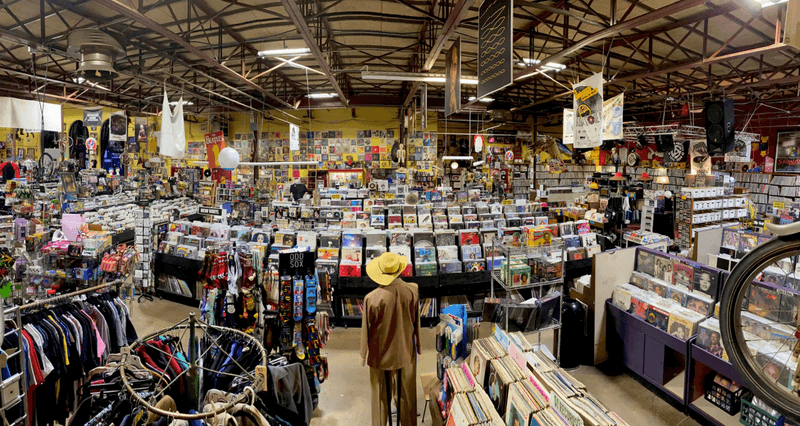
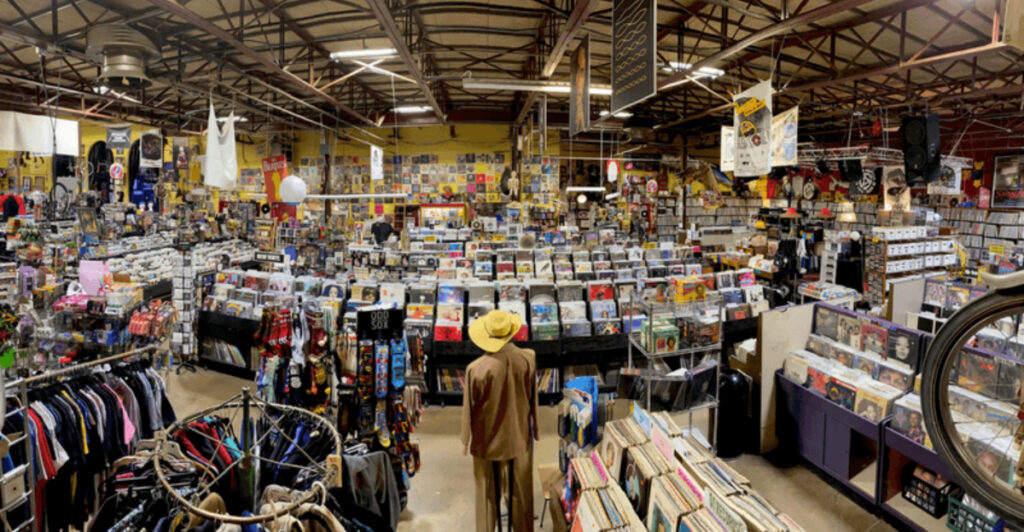
The surprise at Record Archive starts with scale. From the outside, you might expect a solid neighborhood record shop, but inside the layout keeps unfolding in a way that changes your pace almost immediately.
A quick pop-in turns into a slow loop through aisles, corners, display tables, and wall sections that keep revealing more formats and more categories than most music stores attempt to carry.
That sense of abundance matters because it never reads like a cramped warehouse. Even with a huge amount of stock, the store is regularly described as clean, organized, and easy to browse, which is a major difference when you are flipping through records for an hour.
You can move from vinyl to CDs to cassettes, then spot shelves of movies, merch, and audio-related extras without feeling boxed in by clutter.
The room also gives off a highly visual energy. Album art, signs, decorative details, and unexpected retail detours keep the eye moving, so the browsing experience has a rhythm beyond simply hunting for one title.
If you visit with someone who collects differently than you do, that actually helps; one person can head for used vinyl while another gets lost in CDs or gift items, and nobody is stuck waiting by the register.
There is a practical upside to that variety too. Record Archive works for the focused collector chasing a specific pressing, but it also works for the casual visitor who just wants the thrill of discovery without needing specialist knowledge first.
You do not need a list in hand to enjoy the place. The store gives you enough to follow your own curiosity, aisle by aisle, until the rest of Rochester starts to feel very far away.
Where the Collection Gets Seriously Deep
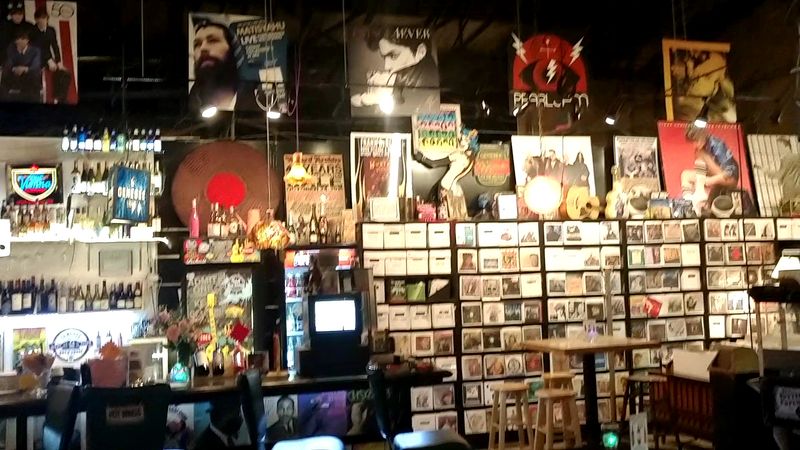
If the first draw is size, the second is depth. Record Archive is the kind of place where multiple music formats still matter at the same time, and that changes the experience in a big way.
Instead of treating vinyl as the whole story, the store keeps CDs, cassettes, DVDs, and concert films in the conversation, which gives the inventory a broader cultural reach than a trend-driven shop built around one format.
That mix makes browsing more interesting because your attention never settles into one routine. You might start by checking new arrivals in vinyl, then drift toward a CD section that rewards patient searching, then notice shelves where older media still has a loyal place.
For anyone who remembers buying music in several eras, that layered stock feels refreshing rather than nostalgic, because it is presented as active inventory, not leftover relics.
The selection also sounds wide enough to support both collectors and everyday listeners. Some visitors go in chasing hard-to-find discs they have been looking for for years, while others pick up a stack of affordable favorites across several formats in one trip.
That balance matters: a store can have rare items, but if everything seems precious or untouchable, the energy gets stiff fast. Here, the appeal is that serious finds live alongside approachable browsing.
You can see why people budget extra time. This is not a place where you glance at a wall, make one choice, and head out.
The stock encourages detours, comparisons, and those small moments when you pull out one title and suddenly remember three more artists you wanted to check. By the time you reach the front again, your mental shopping list has usually changed shape, expanded, and become much more fun than it looked in the parking lot.
The Backroom Twist: Drinks, Stage, and a Different Tempo
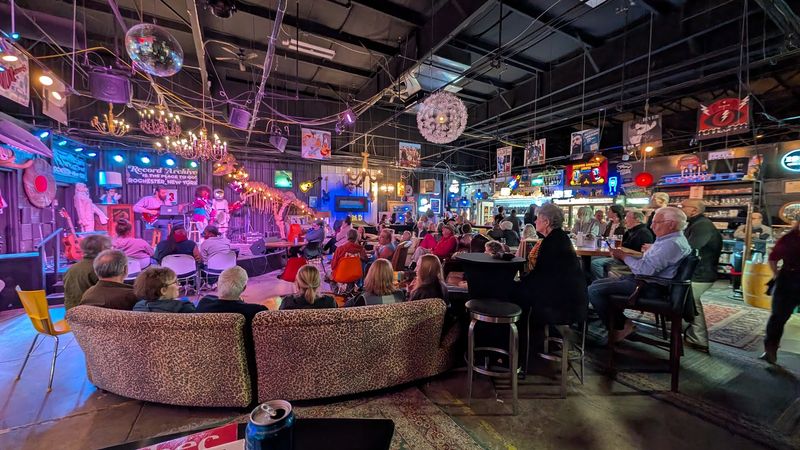
Then the store changes character again. Tucked behind the retail side is the Backroom Lounge, a bar and stage area that pushes Record Archive beyond standard shopping territory and into a more social, event-driven lane.
That shift is a huge part of why the place stands out, because it gives music a live setting instead of leaving it trapped as merchandise on a shelf.
Even if you arrive during a quiet hour, the presence of the lounge changes how the whole building reads. The store is not only about buying albums; it is also built to host listening, gathering, and performance.
Reviews reference bands setting up, acoustic sets, Wednesday events, and a laid-back room where you can hear local music while having a drink, and that combination makes the visit feel less transactional and more like an evening plan waiting to happen.
There is also a nice contrast between the hunt and the hangout. On one side, you are flipping through bins and making careful choices.
On the other, there is space to slow down, meet friends, or catch a set without leaving the property. For travelers who like places with built-in flexibility, that matters.
A visit can begin as shopping, turn into a drink, and end with live music, all without the abrupt reset of changing venues.
The smartest way to think about the Backroom Lounge is as a second heartbeat inside the same address. It widens the audience beyond collectors and gives Rochester locals another reason to return regularly instead of only when they need a specific album.
Plenty of record stores look impressive for twenty minutes. Fewer have the kind of setup that can carry you through an entire afternoon and slide naturally into night.
More Than Vinyl on Rockwood Street
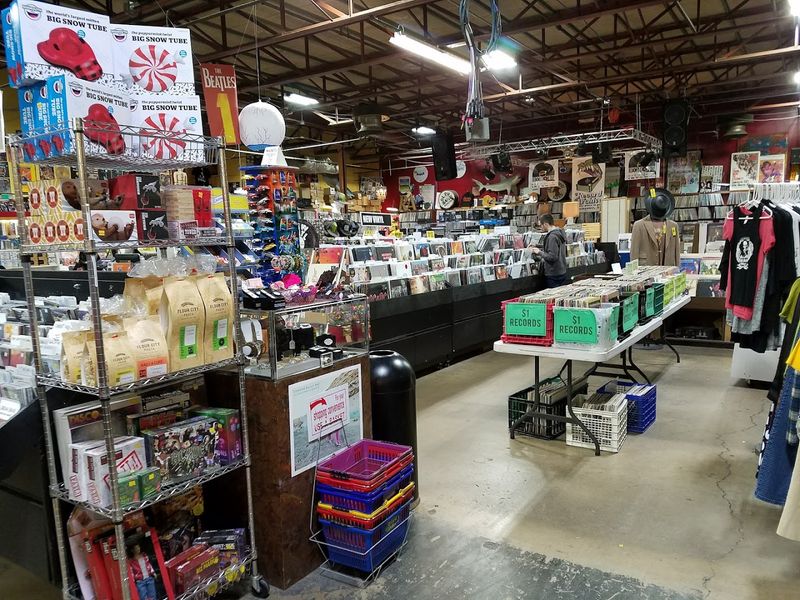
One of the cleverest things about Record Archive is that it never traps itself inside a single definition. Yes, it is a record store first, but the inventory spills into gifts, shirts, stereo equipment, movies, and eclectic merchandise that makes the visit more dynamic than a straight media run.
You are not only scanning spines. You are constantly catching side attractions that broaden the crowd and break up the browsing rhythm.
That matters for two reasons. First, it keeps non-collectors engaged, which is useful if you are visiting with someone whose music habits are lighter than yours.
Second, it gives the store a lived-in local character. Shops with this kind of mix tend to become neighborhood ritual stops because they solve more than one purpose at a time.
You can look for an album, pick up a gift, check out apparel, and still find yourself lingering over a display you did not expect.
The extra merchandise also reinforces the idea that music culture is larger than playback. It includes posters, clothing, home gear, visual identity, and the small objects people use to signal taste.
Record Archive seems to understand that instinct very well. Instead of presenting music fandom as narrow expertise, the store lets it sprawl into everyday life, which makes the space feel active and current rather than museum-like.
Families, casual browsers, and dedicated collectors all get something useful from that setup. A toddler can stay visually occupied by the decor, a serious shopper can remain focused on formats and labels, and someone who came in for a quick look can still leave with a smart souvenir.
That range is hard to fake. It only works when a store has enough confidence to let curiosity roam beyond the obvious bins and still trust the music to hold the center.
Why Record Archive Still Matters in Rochester, New York
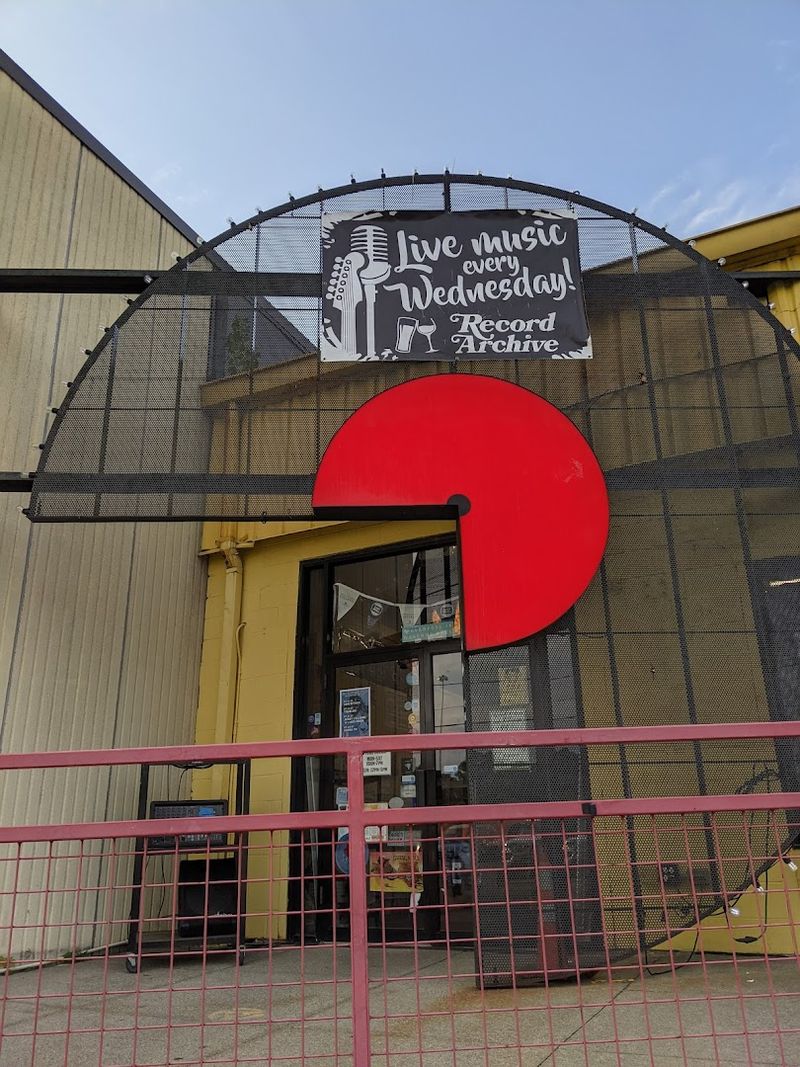
Rochester has no shortage of local pride, and Record Archive fits neatly into that civic vocabulary. It comes up not as a novelty stop, but as an institution – the kind of place longtime residents already know and out-of-town music fans make a point to seek out.
That distinction is important. A store earns that role by staying useful across different generations of listeners, changing formats, and shifts in how people buy media.
There is a broader local story embedded in the address on Rockwood Street. Independent record shops survive by becoming more than retail, and Record Archive appears to have done exactly that through variety, events, and a strong sense of place.
It works as a destination for Rochester residents, a recurring stop for people coming in from Buffalo or farther away, and a memorable entry point for visitors who want one location that says something real about the city’s creative personality.
The store’s hours help shape that role too. Most days open at 10 AM, with Wednesday stretching later into the evening and Sunday running shorter afternoon hours.
That schedule quietly signals flexibility. You can visit as part of a daytime neighborhood plan, or build a midweek outing around a later session when the store and lounge are better suited to lingering.
Plenty of cities have shops that sell records. Fewer have a place that consistently acts as a meeting point between collectors, local performers, gift hunters, and curious first-timers.
Record Archive seems to occupy that intersection comfortably, which is why it reads as more than a commercial stop on a map. In Rochester, New York, it functions like a standing invitation to spend time with music in a physical space that still believes physical spaces matter.
How to Browse Without Getting Overwhelmed
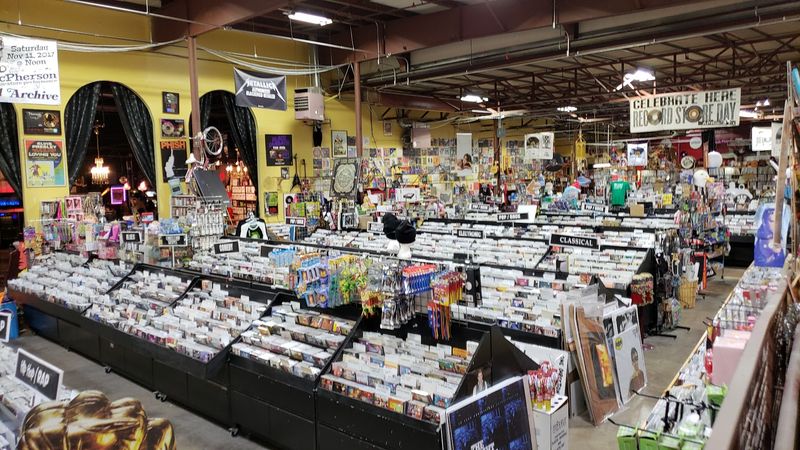
A place this large rewards a little strategy. If you walk into Record Archive expecting a ten-minute errand, the sheer amount of stock can scramble your focus fast, especially if live music is setting up or the lounge is active.
The better move is to treat the visit like an open-ended browse with a few anchor points, not a race to one shelf and back out the door.
Start with the format that matters most to you. If vinyl is the priority, give that section your freshest attention before the side paths start pulling at you.
If you are more of a CD hunter, lean into that early while your eyes are still sharp for alphabetized scanning and tiny spine text. Once you have made one or two purposeful passes, the rest of the store becomes easier to enjoy as discovery instead of distraction.
Timing helps too. Since parking can tighten up and the space clearly draws regular traffic, going earlier in the day may give you a calmer first look, while a later visit can be better if you want the social energy tied to events or the Backroom Lounge.
Wednesday, with later hours, looks especially useful if you prefer not to browse on a clock. Sunday’s shorter window may suit a focused stop, but not a meandering deep dive.
Most of all, give yourself permission to slow down. Record Archive is built for people who like to compare editions, notice cover art, drift toward an unexpected section, and change plans midway through a browse.
That is part of the fun here. The store asks for a little attention and repays it with range. If you arrive ready to wander instead of conquer, the whole place becomes easier to navigate and much harder to leave too soon.
The Kind of Music Stop You Build a Day Around
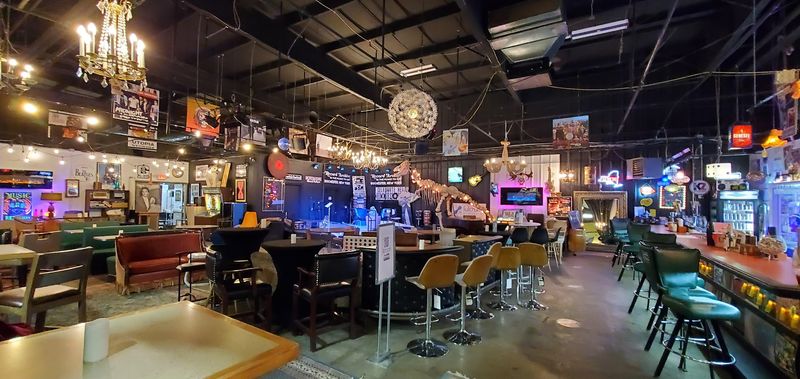
Some places work as a quick recommendation. Record Archive works better as a plan.
It has the size, variety, and built-in entertainment value to shape an afternoon around, especially if you enjoy browsing without rushing and prefer destinations that offer more than one mode of experience. Shopping is only the beginning here.
The place is designed to keep changing shape as you move through it. That versatility is really the key to its appeal. A serious collector can approach it like a proper dig through formats and inventory depth.
A casual music fan can enjoy the visual sweep of album art, merch, and unexpected finds. A group can split up, regroup over drinks, and possibly catch live music in the same building.
Those overlapping uses make the address unusually resilient. It does not depend on one narrow audience or one perfect mood.
There is also a practical advantage to that kind of design. When a shop gives you multiple reasons to stay, the trip feels better justified, especially if you are coming from another part of the region.
You are not betting everything on whether one rare title is in stock. You are visiting a full environment built around music culture, local energy, and the pleasure of spending time in a place that still values in-person discovery.
That is why Record Archive stands out among New York music destinations. Not because it relies on hype, and not because it chases nostalgia as a shortcut, but because it offers scale with personality and variety with purpose.
By the end of a visit, you are not left with one single image. You remember the bins, the lounge, the shelves, the side displays, the movement, the possibility of staying longer. For a true music fan, that is exactly the point.
Share this story