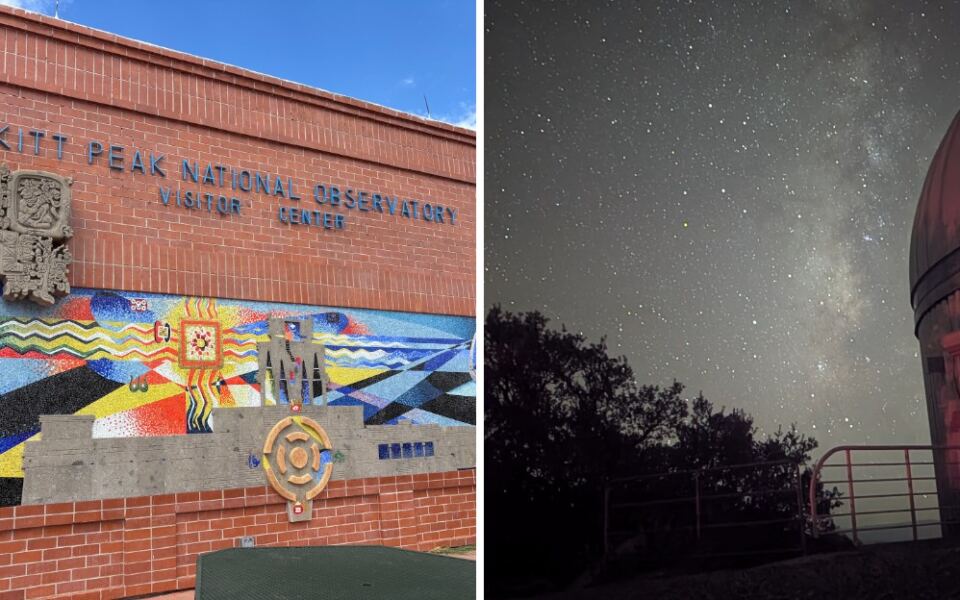
Tucson has plenty of dark corners, but none quite like the one sitting at about 7,000 feet out in the Sonoran Desert. The drive takes roughly 90 minutes from town, and it ends at a mountain covered in more than 20 telescopes. Apollo astronauts once trained up here, and scientists still use the summit to map the universe.
On a clear night, guides hand you binoculars, point out star clusters, and line up telescopes on the craters of the Moon. The sunset alone can make the trip feel worth it. Then the sky goes dark, and things get even better.
This article covers what makes the mountain special, which programs locals talk about most, and the practical details that can save you from a cold, cranky evening. Bring a jacket. You will need it.
1. A Mountain Built for Looking Up
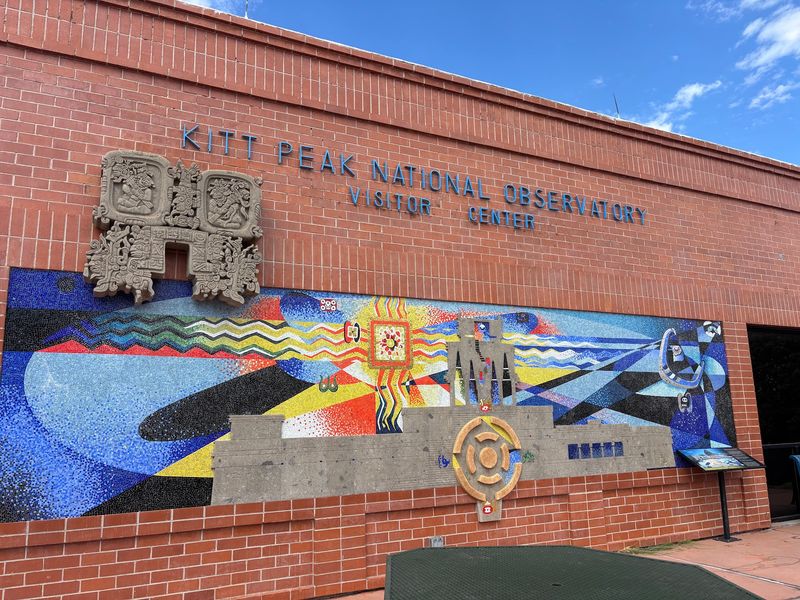
Few road trips out of Tucson end with a mountaintop full of telescope domes. Kitt Peak National Observatory Visitor Center sits at Kitt Peak National Observatory, Tucson, AZ 85634, on an isolated summit roughly 7,000 feet up in the Sonoran Desert of Arizona.
The visitor center is the public doorway to a working research observatory. More than 20 telescopes are spread across the peak, and each one serves a different purpose.
The whole mountain basically acts as a platform for science. Some of that science happens during the day, and a lot of it happens long after the parking lot empties.
For Tucson locals, the appeal is simple. It is a world-famous observatory that sits within a day trip, yet plenty of residents have never made the drive.
The center earns a 4.7-star average across more than 600 Google ratings. Telescopes, knowledgeable guides, and stargazing come up again and again when people talk about it.
So what happens up there, and why do people keep driving back? The answer starts with the mountain’s history.
2. Apollo Astronauts and Dark Matter Discoveries
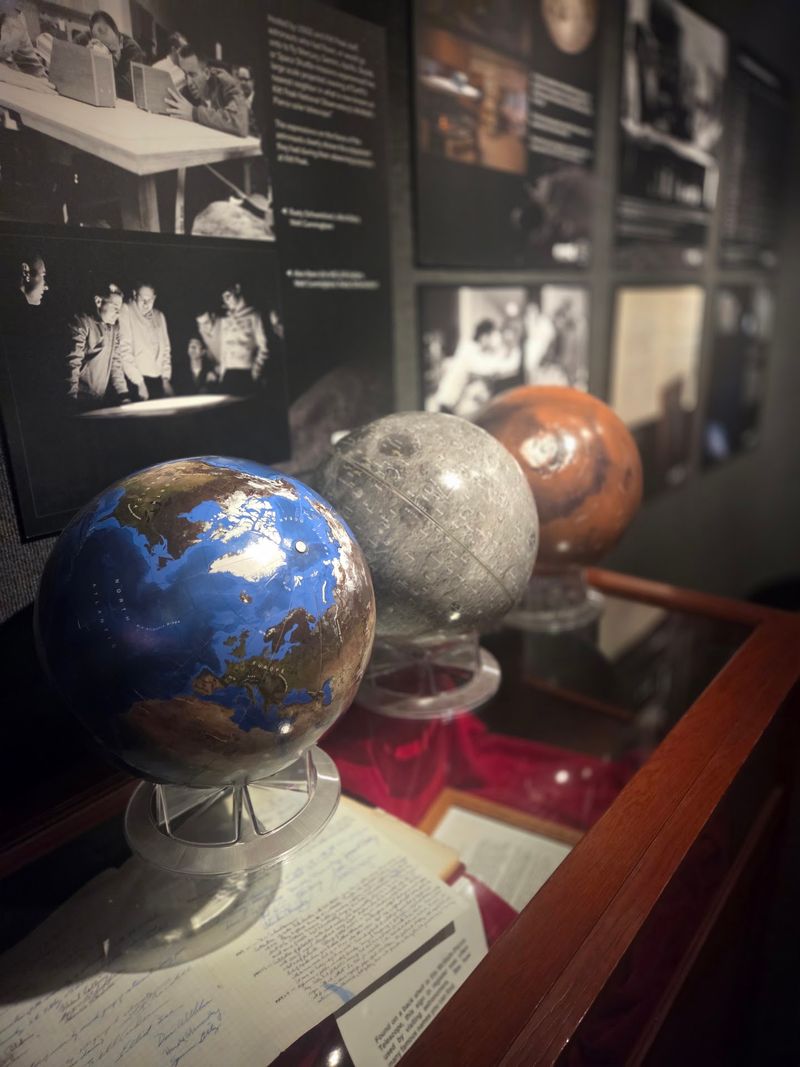
History buffs get a bonus round at Kitt Peak. Apollo astronauts trained here before the Moon landings, and a sun viewing station they once used still stands on the mountain.
Astronomer Vera C. Rubin also worked at Kitt Peak. Her research here helped confirm the existence of dark matter, which reshaped how scientists understand galaxies.
The mountain is not stuck in the past, though. The Dark Energy Spectroscopic Instrument, known as DESI, is used by astronomers worldwide to build a 3D map of the universe.
Guides often open evening programs with a bit of history. That includes the arrangement between the observatory and the Tohono O’odham Nation, on whose land the peak sits.
The observatory also connects to a network of scopes around the world. So the research happening on this one summit plugs into a much bigger picture.
Knowing that backstory makes every dome feel less like a building and more like a chapter in a very long science story.
3. The Winding Drive to 7,000 Feet
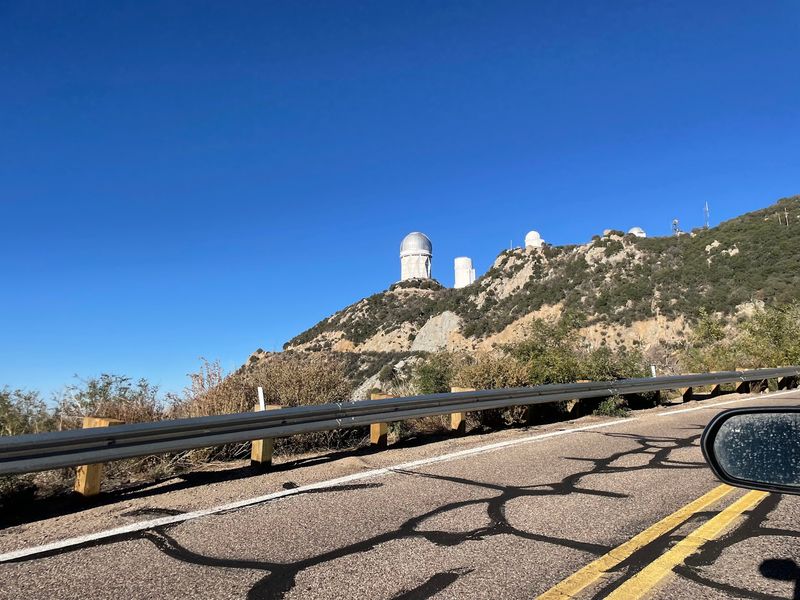
Plan on about 90 minutes from Tucson. The first stretch heads through southwestern Tucson, then the route climbs a steep, winding mountain road to the top.
Nervous drivers can relax a little. The road is well maintained, and many people call it more fun than scary.
The views along the way are a big part of the trip. The desert stretches out below as the switchbacks climb higher.
One quirky tip deserves a spot on your dashboard. Watch for cows on the drive in, since cattle can wander near the road.
Parking at the top is limited, and staff often direct cars during evening programs. Picnic tables sit near the parking area if you arrive early and want a spot to settle in.
Leaving after dark is its own small adventure. Cars often head down as a group at a set time, so headlights do not interfere with the working telescopes.
On foggy nights, staff have even led caravans down the mountain for safety. Patience on the descent is part of the deal.
4. Daytime Telescope Tours
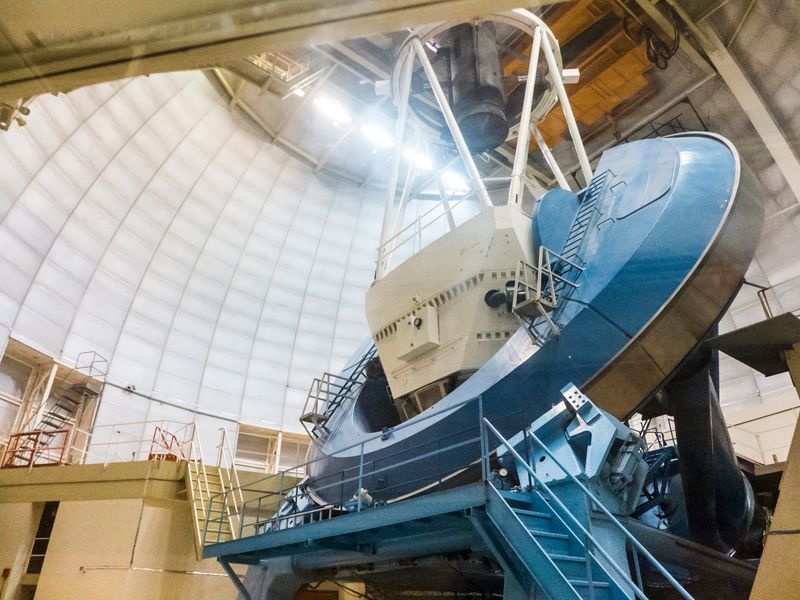
Not a night owl? The daytime side of Kitt Peak still packs plenty of astronomy.
The visitor center opens daily from 9 AM to 4 PM, every day of the week. Inside, interesting displays introduce the science happening on the mountain.
Guided tours are where things get hands-on. A three-telescope daytime tour leads small groups to several of the big instruments with expert docents.
Many of those docents carry deep institutional knowledge. They can explain how each telescope works and why it matters to researchers today.
A solar telescope also gets attention from daytime guests. It offers a way to learn about our closest star without waiting for sunset.
Tours are an extra purchase, so check current options on the official website before you go. Prices and schedules can change with the season.
For families with younger kids, a daytime visit can be an easier first taste. Everyone gets home before bedtime, and nobody has to fight off sleep during a lecture.
5. The Nightly Observing Program
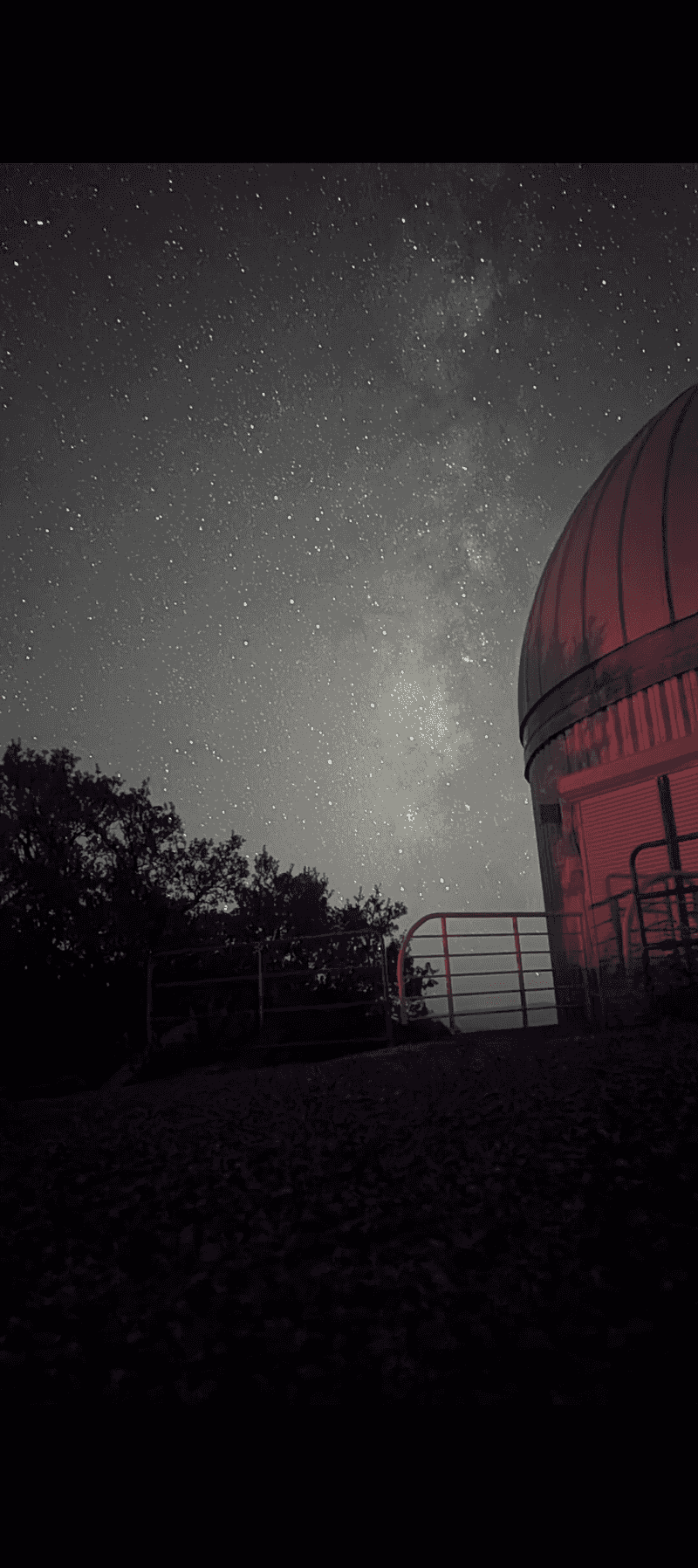
Here is where the Milky Way steals the show. The Nightly Observing Program, often called the NOP, is the evening event that gets the most buzz.
The program runs about four and a half hours on paper. It starts with a light meal and a short video, followed by a walk up the hill to watch the sunset by the domes.
After sunset, guides talk through the telescopes on the property. Then guests split into small groups for the main event.
Groups often rotate through three stations. Binoculars come first, with a guide using a powerful laser pointer to trace constellations.
Next comes the telescope attached to the visitor center. Jupiter, Saturn, nebulae, and distant star clusters have all appeared in the eyepiece.
The patio holds smaller telescopes with big results. The Moon can show sharp craters and mountains, and the M13 globular cluster in Hercules is a crowd favorite.
Some lucky groups even catch the International Space Station crossing overhead. You do not need to know much about space to enjoy any of it.
6. Guides Who Make Galaxies Make Sense
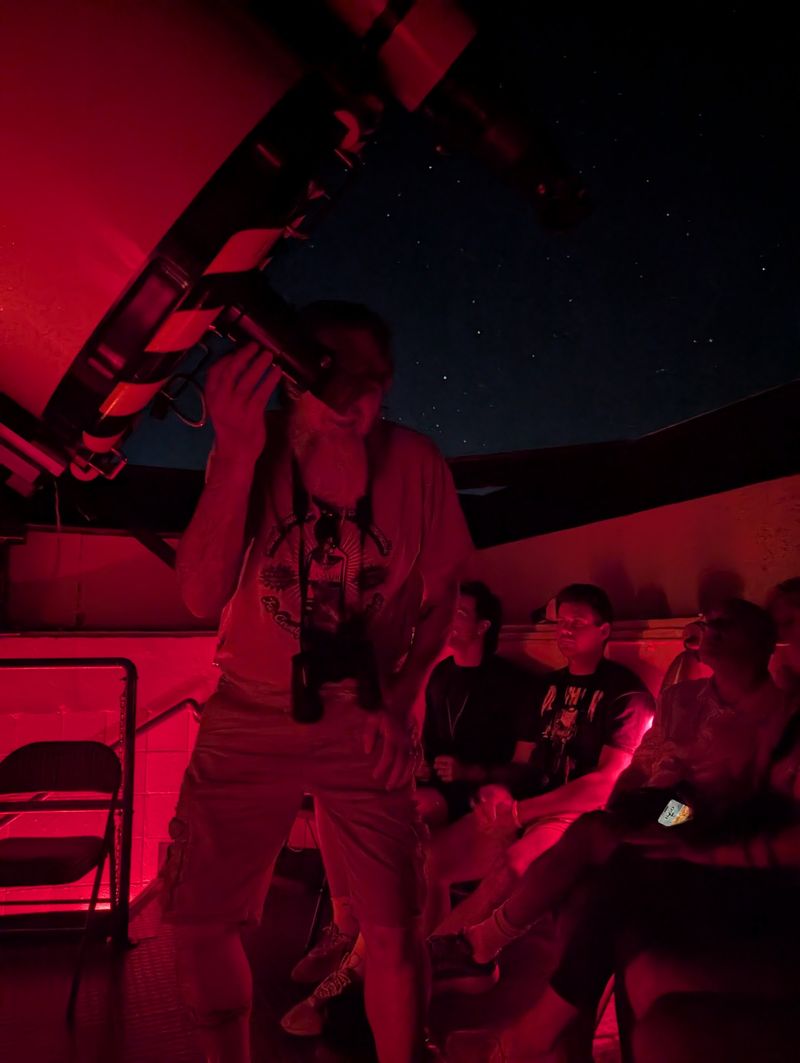
A telescope is only as fun as the person pointing it. At Kitt Peak, the guides get mentioned almost as often as the stars.
Knowledgeable guides and docents are among the most common talking points about the place. People describe them as patient, funny, and genuinely excited about astronomy.
They tend to make tough concepts easy to follow. Topics like how galaxies work or how planets compare in size turn into bite-sized lessons.
Questions are welcome, and guides often answer them one by one. That makes the evening feel more like a conversation than a classroom.
Fair warning, the post-sunset talk about the telescopes can run long for some guests. Younger kids may get restless before the hands-on viewing begins.
Once the binoculars and eyepieces come out, energy usually picks back up. The payoff after a couple of hours of patience is real.
Plenty of guests leave remembering a guide’s enthusiasm as much as any planet. That kind of energy is hard to fake.
7. Small-Group and Overnight Adventures
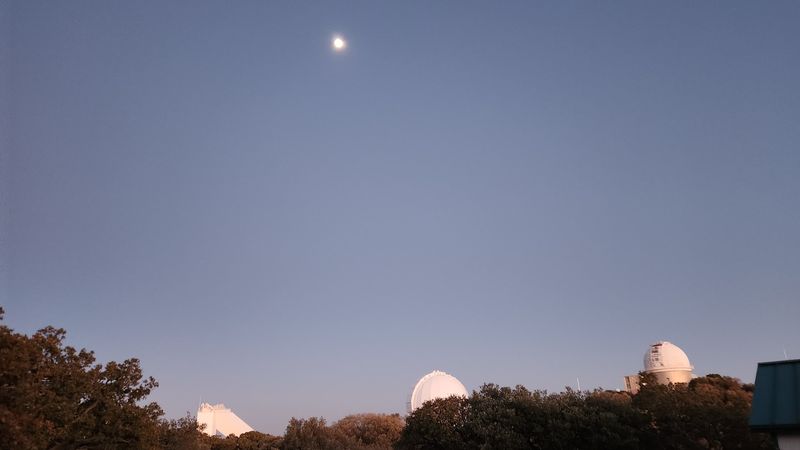
Some stargazers want more scope time and fewer elbows. Kitt Peak offers specialty programs built around smaller groups.
The Magnificent Moon program focuses on lunar viewing and is designed for a limited group size. Group numbers may shift slightly on busy nights, so expectations should stay flexible.
There is also a night hiking tour on paved roads, with a short gravel section near the solar observatory. Sunset from that structure counts as a special treat.
The overnight program is the big leagues. Guests can get tailored time with an astronomer as an observatory roof slides open to reveal the sky.
Naked eye viewing, binoculars, and telescope eyepieces all come into play. Galaxies more than 12 million light years away become part of the night’s lineup.
Lodging is basic and a bit rustic, with working heaters. Evening and morning meals are included.
Since you spend most of the night outside the room, simple accommodations rarely bother anyone. The sky is the real suite.
8. Sunsets Worth the Climb
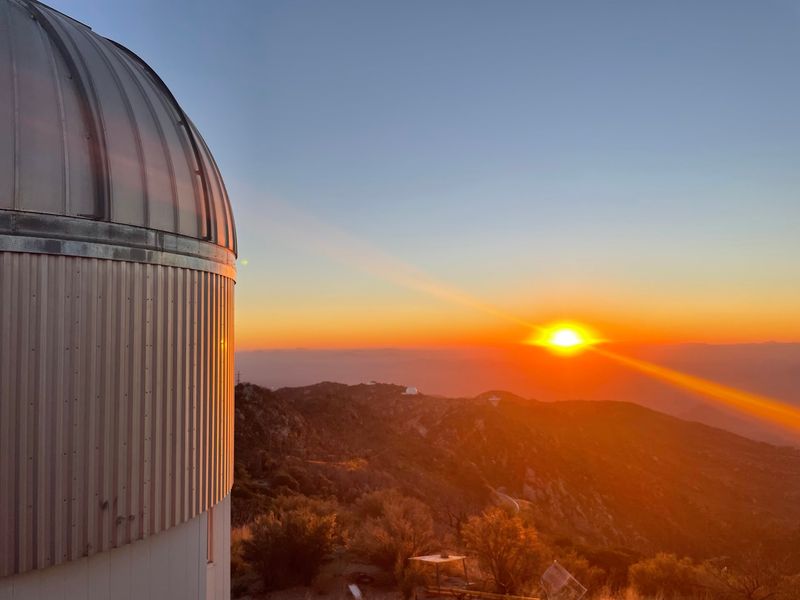
Before the first star appears, the mountain puts on an opening act. Sunset from Kitt Peak shows up in nearly every story about the evening programs.
Guests usually walk up near the telescope domes to watch it. The wide desert horizon gives the show plenty of room.
Even cloudy nights can still deliver a decent sunset. Some groups have caught colorful skies before clouds rolled in over the stars.
Timing matters here. Evening programs start in the late afternoon, so arrive on schedule to avoid missing the best part of the day.
Photographers should bring a camera for this portion. Once darkness falls, white lights and flashes are limited to protect the research telescopes.
The sunset also acts as a natural transition. Daylight science gives way to night sky viewing, and the mood of the group shifts with it.
Many people head down the mountain saying the sunset alone made the drive worth it. The stars are just the encore.
9. Cold Nights, Clouds, and Other Catches
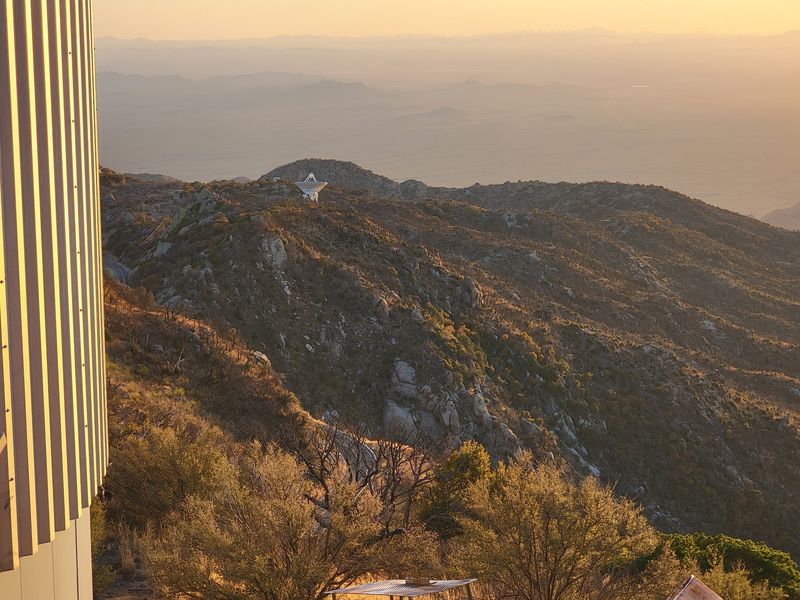
Shorts in Tucson, parka on the peak. Temperatures can fall into the 50s with a chilly breeze even when the valley sits in the 90s.
Hats and gloves are smart even in May. Long pants and a hoodie are the bare minimum, and a down jacket is not overkill.
Summer brings a perk for locals. Crowds can be smaller, which may mean more time at the eyepiece and a break from the basin heat.
Weather is the biggest wild card. Clouds, wind, fog, and even snow can cancel telescope viewing.
Staff often fill cloudy nights with educational talks and facility tours. Some guests have received a rain check to return on a clear night.
Moon phase matters too. A bright Moon can wash out fainter stars, so a new moon is the best bet for the Milky Way.
Expect easy walking at elevation. A meal is provided on evening programs, and you can pack something extra for the picnic tables.
10. Is Kitt Peak Worth the Drive?
For curious Tucson and Phoenix locals, the short answer leans yes. Kitt Peak blends real science, sweeping views, and hands-on telescope time in one trip.
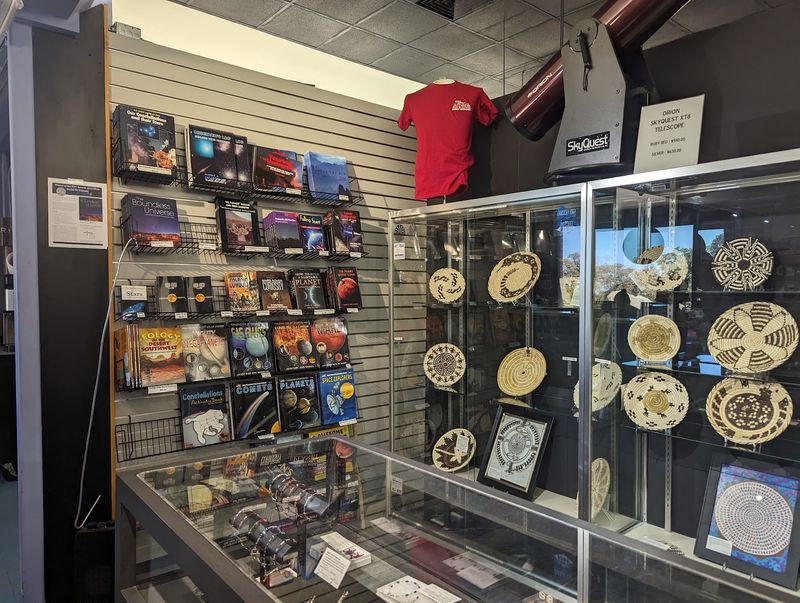
The visitor center is open daily from 9 AM to 4 PM. Its gift shop sells posters, shirts, hats, bumper stickers, and magnets for anyone who wants a souvenir.
Evening and specialty programs require tickets. Check visitkittpeak.org for current prices, dates, and availability before planning the trip.
Science fans and first-time stargazers tend to get the most out of it. Kids who love space usually do great, while very young children may struggle with the longer talks.
Picking a clear night near a new moon gives the best shot at that Milky Way view. Dressing warm keeps the evening fun instead of frosty.
Plenty of residents drive past the turnoff for years without stopping. Those who finally go often start planning a return visit before they reach the bottom of the mountain.
The galaxy is out there every night. Kitt Peak just hands you a better seat.
Share this story