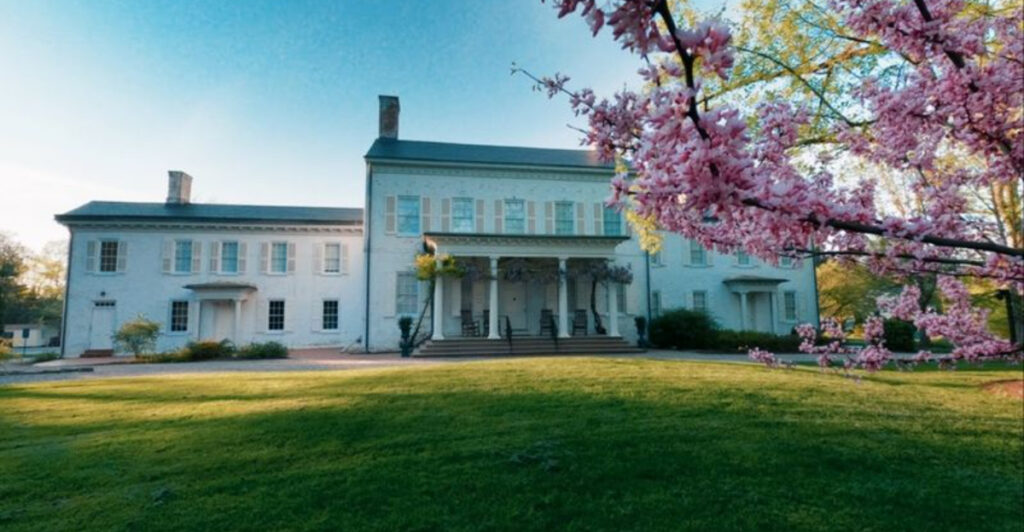
Princeton has no shortage of historic addresses, but Morven has a different kind of pull. This is not one of those places where you shuffle through a few formal rooms, read a plaque, and leave with only a vague sense that important people once stood there.
Morven feels layered. It began as the home of Richard Stockton, one of New Jersey’s signers of the Declaration of Independence, then evolved through war, fire, political life, and decades as the state’s governor’s mansion before becoming the museum visitors see today.
The setting helps, too. Tucked just off Stockton Street, a short stroll from downtown Princeton, it has the kind of stately presence that makes you slow down before you even reach the front door.
But what makes Morven memorable is that it no longer tells just one polished Founding Father story. It opens up the bigger, messier, more interesting history of New Jersey through the people who lived, worked, governed, and labored there over centuries.
Why Morven Is One of New Jersey’s Most Remarkable Historic Homes
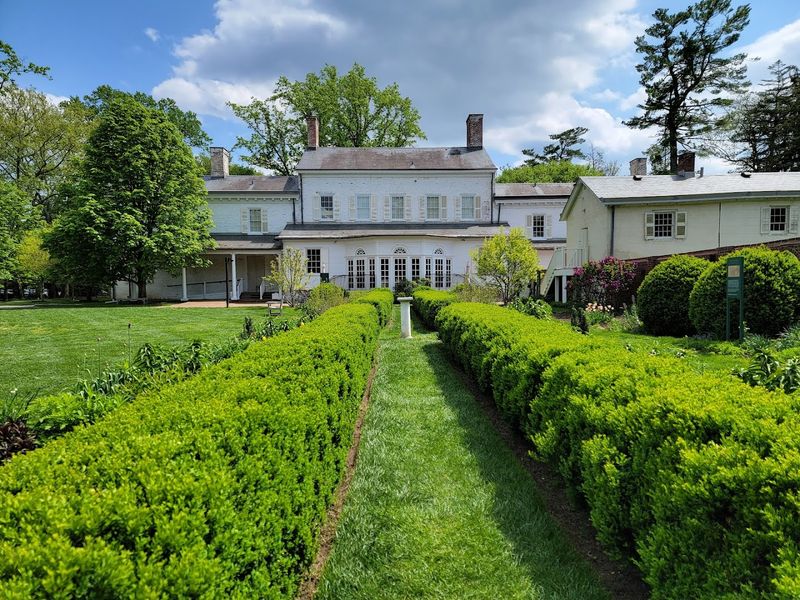
Some historic houses impress you with size. Others win on furniture, wallpaper, or the age of the floorboards.
Morven stands out because it has done several jobs in one lifetime and somehow still feels coherent.
It began as an 18th-century home tied to Richard Stockton and his family, later served as the official residence of New Jersey governors, and now functions as a museum that treats the house itself as part artifact, part witness, part argument about whose stories matter in public history.
That is a rare combination. The building is also a National Historic Landmark, a designation the National Park Service reserves for places that represent an outstanding part of American history and culture.
In New Jersey, where major stories often get overshadowed by Philadelphia and New York, that matters. Morven quietly reminds you that the state was not just a corridor between bigger cities.
It was a place where political ideas, wartime disruption, and state identity all took shape in very real rooms. The house has endured fires, alterations, and changing uses, yet the site still carries visible traces of its Georgian roots.
Even the name has a literary streak. Annis Boudinot Stockton, a noted poet and Richard Stockton’s wife, named Morven after the house was rebuilt following a fire in 1758.
That detail tells you something immediately: this was never just a stiff political residence. It was a home shaped by family, ambition, taste, and the social world of colonial Princeton.
Today the museum leans into that complexity. Instead of freezing Morven as a tidy shrine to one famous man, it uses the house to tell a much broader New Jersey story, which is exactly why it lands so strongly with visitors.
The Revolutionary Story Behind Richard Stockton’s Princeton Estate
Long before Morven became a museum stop on a Princeton day trip, it was the home of Richard Stockton, a lawyer, judge, and prominent New Jerseyan who signed the Declaration of Independence. He was born at Morven in 1730, and the estate remained closely bound to his life until his death in 1781.
That alone gives the place serious historical weight, but the Revolutionary-era story is more textured than a simple patriotic headline. Stockton was part of the colonial elite, educated at the College of New Jersey, later Princeton University, and widely regarded as one of the stronger legal minds in the Middle Colonies.
He moved in the kind of circles where politics, law, land, and influence overlapped constantly. Morven was not some remote farmhouse where history happened by accident.
It sat in Princeton, a town that became deeply entangled in the Revolutionary era. The house was damaged by fire during the war, and its story also includes facts that deserve equal space: like many Founding Fathers, Stockton enslaved people, including Cesar, Houghton, and Marcus Marsh.
Morven’s own interpretation now says that plainly, which gives the site more credibility than places that still try to sand down every hard edge. There is another strong New Jersey angle here too.
In 1783, when the Continental Congress met in Princeton, Morven became the official residence of Elias Boudinot, Stockton’s brother-in-law and then president of Congress. So this was not just the home of a signer.
It also sat near the center of the young nation’s political activity at a moment when Princeton briefly mattered on the national stage in a very direct way. That is the kind of detail that makes Morven feel less like a side note and more like a front-row seat to early America.
How Morven Became More Than Just a Founding Father’s Home
Plenty of old houses get trapped inside their original fame. Morven could have stayed frozen as the Richard Stockton house and called it a day.
Instead, its later chapters are a big part of what makes it worth visiting now. After its early life as the Stockton family home, the property continued to evolve, and in the modern era it became closely associated with state leadership as New Jersey’s first governor’s mansion.
That role lasted until 1982, when Drumthwacket became the official governor’s residence. By the time Morven opened as a museum in 2004, the site already carried layers of political and domestic history far beyond the Revolutionary period.
What is especially interesting is how the museum has changed its own storytelling. For years, places like this often centered the predictable cast of powerful men and formal milestones.
Morven has shifted away from that narrower model. Its current exhibitions explicitly broaden the picture to include women, children, enslaved people, immigrant servants, and later employees who lived and worked on the property.
That change matters because it turns Morven from a polished biography into a fuller social history of New Jersey. It also makes the experience sharper and more human.
Visitors are not just asked to admire what happened in the house. They are asked to think about who made that life possible, who was left out of earlier versions of the story, and how power looked from different rooms in the same building.
That approach gives Morven a more modern voice without stripping away the historic atmosphere people come for in the first place. In other words, it still has the old-house charm, but it no longer pretends that charm is the whole point.
That balance is one of the museum’s best qualities.
What You’ll See Inside This Beautiful Princeton Museum
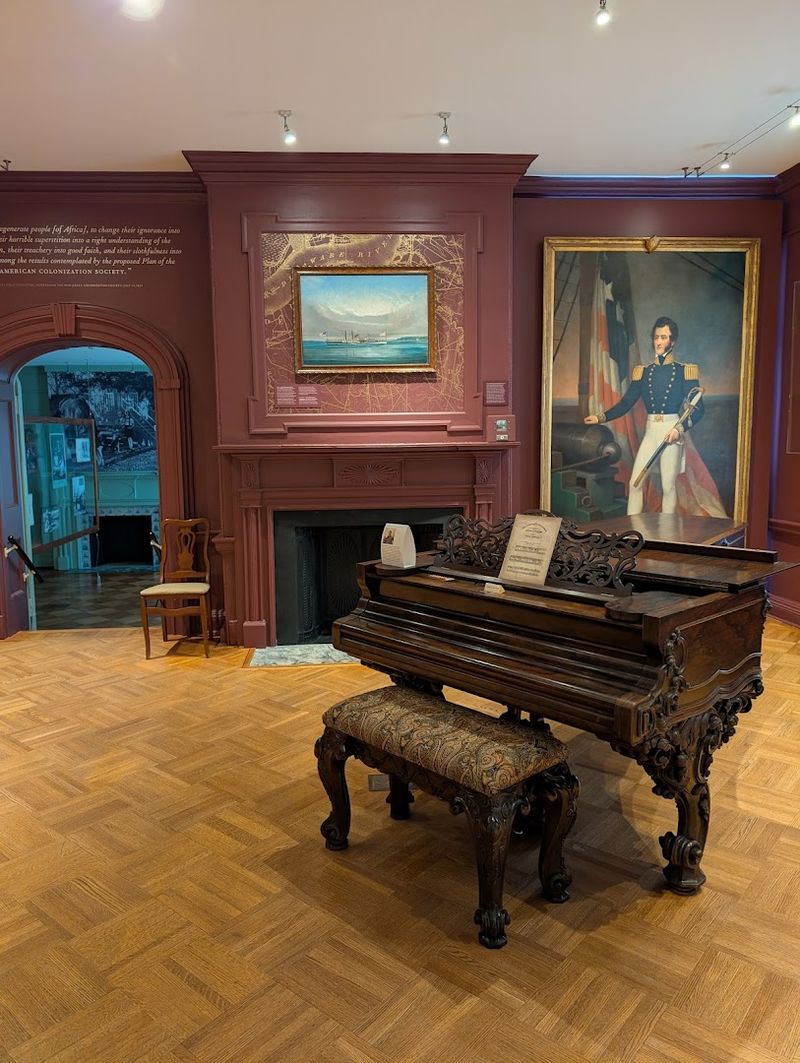
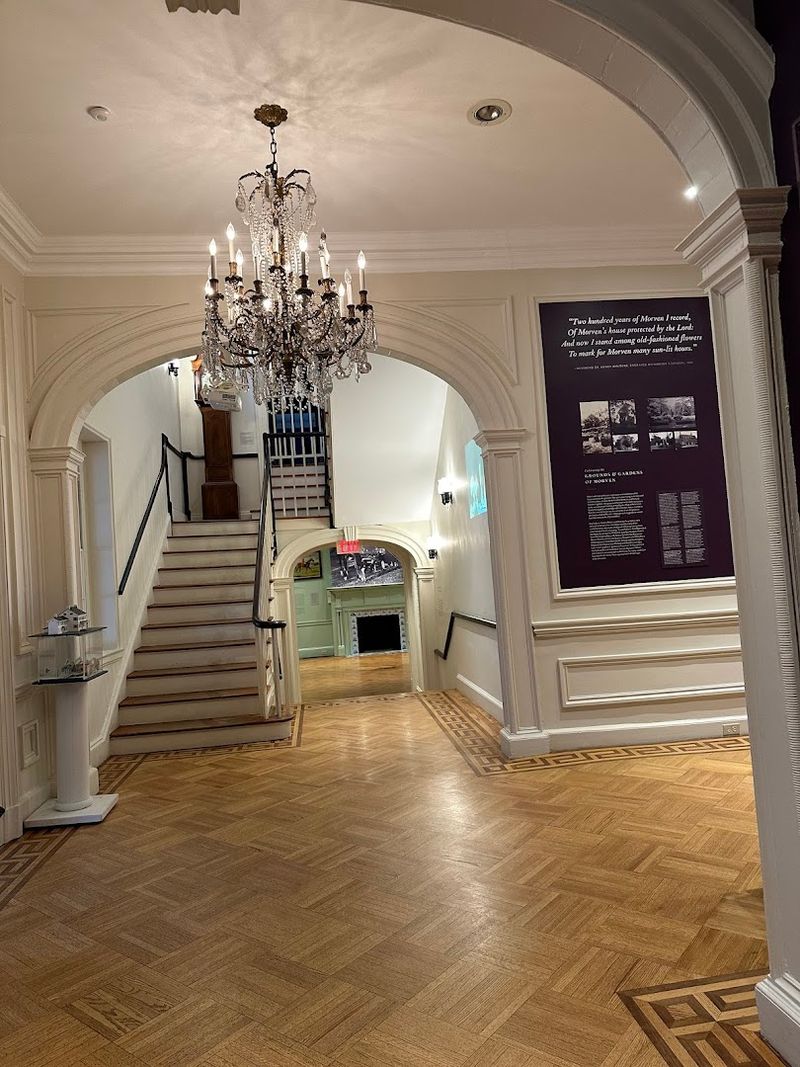
The best way to think about Morven’s interior is as a house museum that refuses to be sleepy. Yes, you will get the architectural grace, the elegant rooms, and the sense of moving through a place that has hosted generations of influential residents.
But the museum experience is not built around passive admiration alone. The permanent exhibition, “Historic Morven: A Window Into America’s Past,” uses the house to connect visitors with more than 200 years of New Jersey and American history.
That scope gives the rooms more energy than you might expect. Instead of each space functioning like a preserved backdrop, the galleries work to reveal how different eras and different residents shaped the property.
Depending on what is on view, you may also encounter changing exhibitions that explore politics, decorative arts, identity, and untold stories linked to the site.
One especially notable recent exhibition, “Morven Revealed,” pushes beyond the familiar famous names and looks at the everyday lives, labor, and overlooked perspectives that existed around them.
That is where the museum really earns its keep. It still gives you the visual pleasure of a historic Princeton mansion, but it also asks better questions.
Who had authority here? Who worked behind the scenes?
Who appears in the old narratives, and who had to be put back in later? Even small details start carrying more weight when you move through the house with those questions in mind.
The effect is subtle but powerful. You are not simply standing in a beautiful old home.
You are reading the place almost room by room, with the museum guiding you toward the stories earlier generations might have skipped. For visitors who want both atmosphere and substance, that is a strong combination.
The Gardens, Grounds, and Quiet Charm That Make Morven Worth the Trip
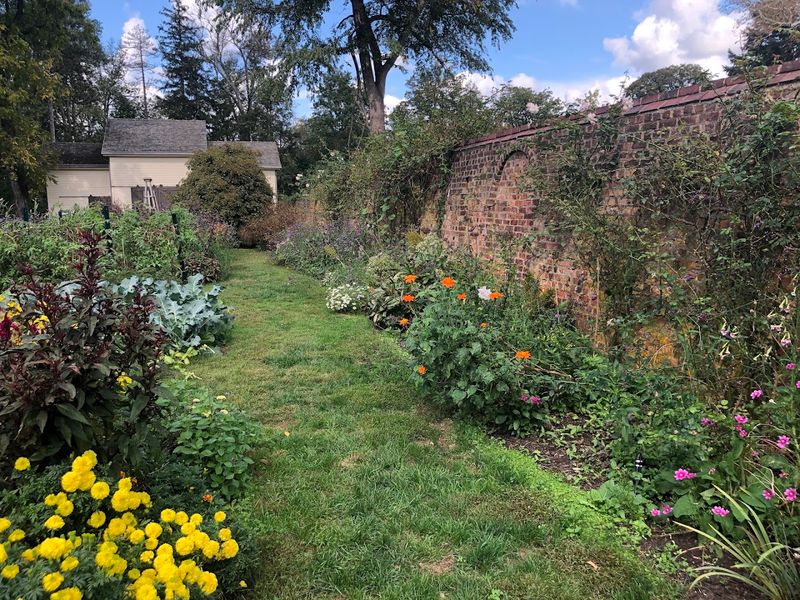
Step outside and Morven changes tempo in the best way. The house holds your attention indoors, but the grounds are what make the visit breathe.
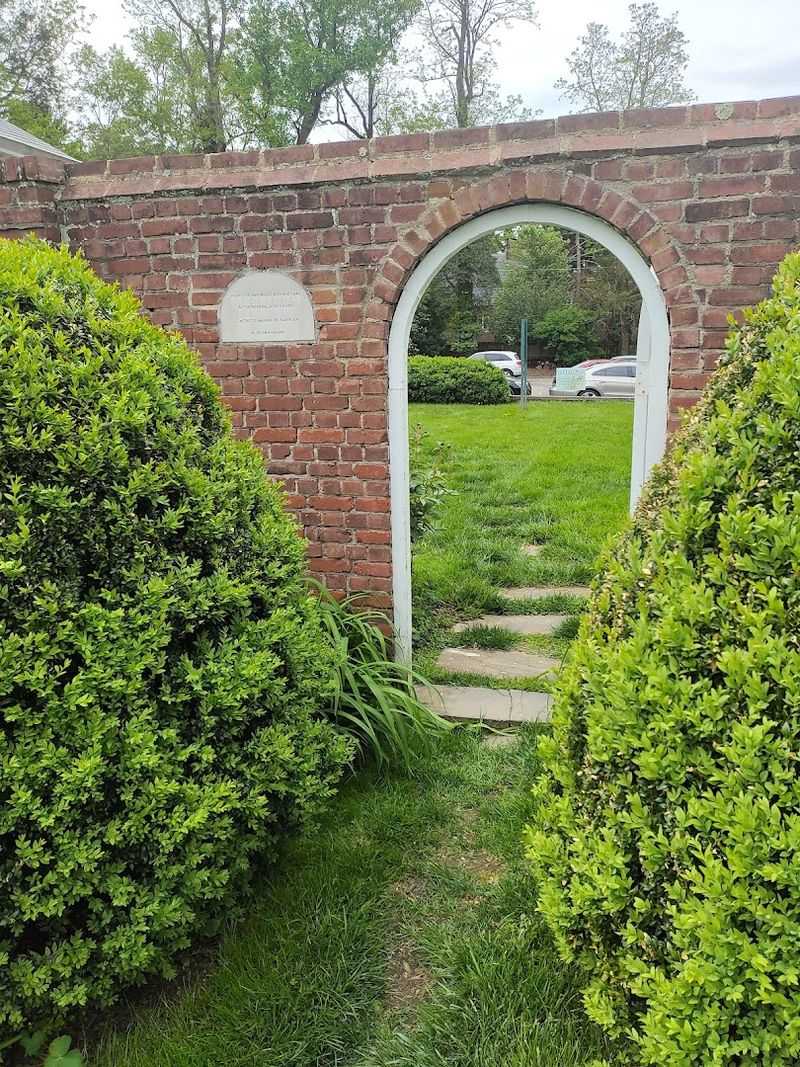
The museum sits on five acres, and the landscape is not treated as an afterthought. It is interpreted as part of the site’s long history, which means the garden works both as a lovely place to wander and as another way into the story of Morven itself.
One of the most memorable details is the line of catalpa trees recalling the thirteen Richard Stockton once planted there before the American Revolution.
It is the kind of touch that could feel gimmicky elsewhere, but here it lands as a pleasing piece of continuity between the estate’s earliest years and the present-day museum.
There are benches, tucked-away tables, and interpretive signs throughout the grounds, so the space invites lingering rather than rushing. That matters in Princeton, where a lot of visitors try to cram too much into one afternoon.
Morven rewards a slower pace. You can walk the gardens, look back at the house, and get that satisfying sense of being close to downtown while still feeling removed from the usual street bustle.
The practical perk is strong too: the garden is open daily from sunrise to sunset and free to the public, which makes it one of the nicer low-key historic strolls in central Jersey. On a pleasant day, this is exactly the kind of place where locals look unexpectedly smart for knowing about it.
Not flashy. Not overrun.
Just graceful, accessible, and rooted in the landscape of Princeton in a way that feels genuine rather than staged for postcards.
Why This New Jersey Landmark Still Feels So Relevant Today
Historic homes usually survive on one promise: come see where something important once happened. Morven offers a better one.
It asks what that past still means in New Jersey right now. Its relevance starts with the obvious facts.
This was the home of a Declaration signer, later the state’s first governor’s mansion, and now a museum devoted to public history in one of the most symbolically loaded towns in the state.
But the stronger reason it still matters is the museum’s willingness to present history as unfinished business rather than sealed-off nostalgia.
Morven’s own interpretation acknowledges slavery at the site, expands attention beyond famous male residents, and uses exhibitions and public programming to connect ideas like citizenship, power, memory, and belonging to present-day audiences.
That is a much more useful approach than treating the house as a shrine to powdered wigs and perfect speeches.
It also fits New Jersey especially well. This is a state that often gets flattened into stereotypes or commuter geography, when in reality its political, cultural, and Revolutionary history is dense, influential, and full of contradiction.
Morven reflects that complexity in a way that feels accessible to regular visitors, not just history buffs. It is also easy to fold into a real day out.
You can pair it with downtown Princeton, the university area, or another nearby historic stop without turning the visit into a major production. That makes the museum feel present in local life rather than isolated from it.
The result is a landmark that still has gravitas, but does not feel trapped behind glass. It speaks in a contemporary voice while keeping one foot firmly planted in the 18th century.
That is not easy to pull off, and Morven does it better than most.
Share this story