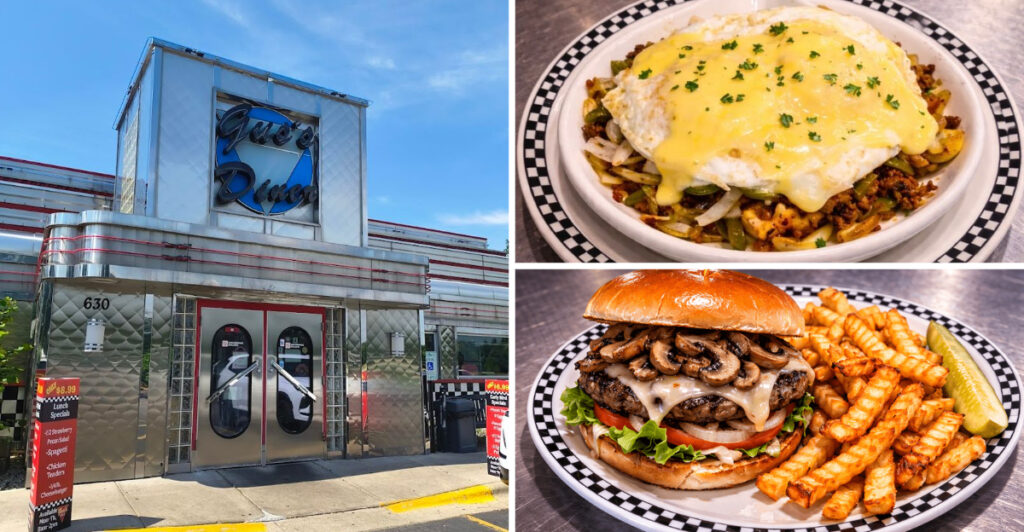
Chrome, jukeboxes, pie, and breakfast at hours when most places are still dark – Gus’s Diner in Sun Prairie knows exactly what kind of craving it is built to answer. This is the sort of Wisconsin restaurant that turns a simple meal into a full scene, with retro styling up front and hearty plates backing it up.
If you want a place where comfort food still comes in generous portions and the room has real personality, this diner deserves a close look. The atmosphere may grab your attention first, but it is the steady stream of pancakes, burgers, omelets, and homemade desserts that gives the place its staying power.
The Chrome Beacon on Westmount Drive
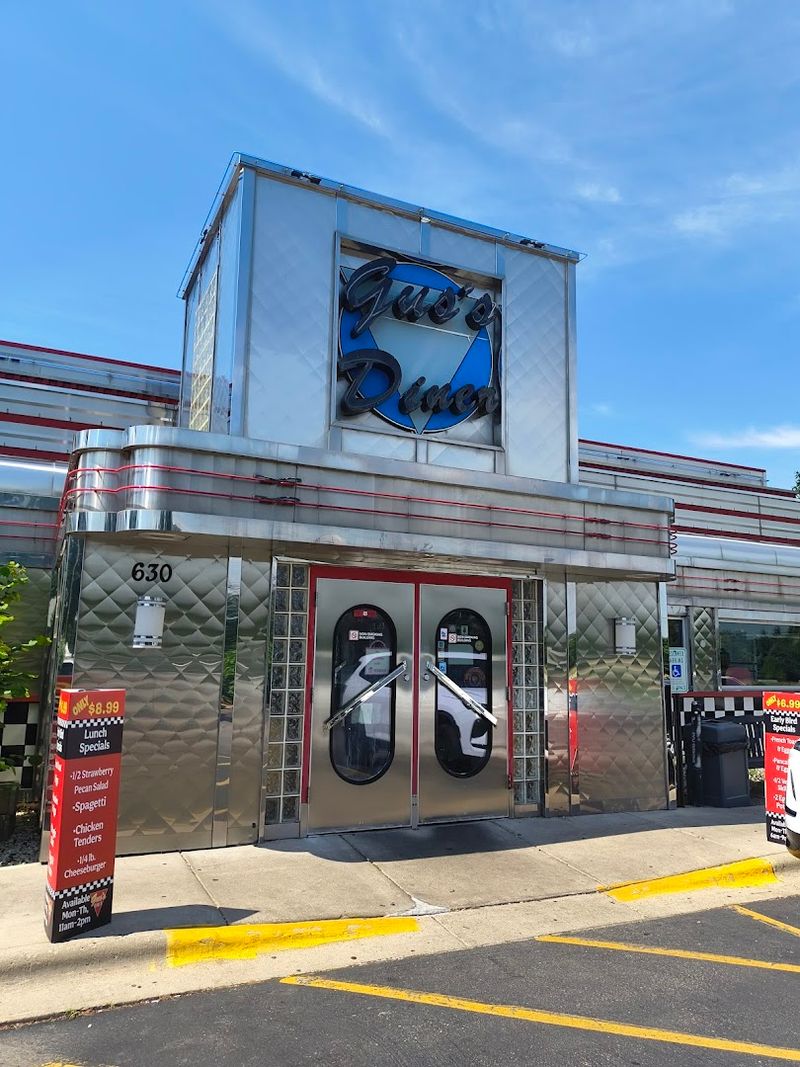
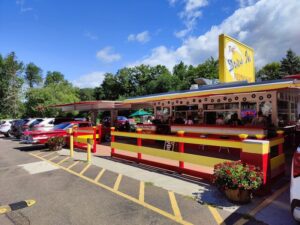
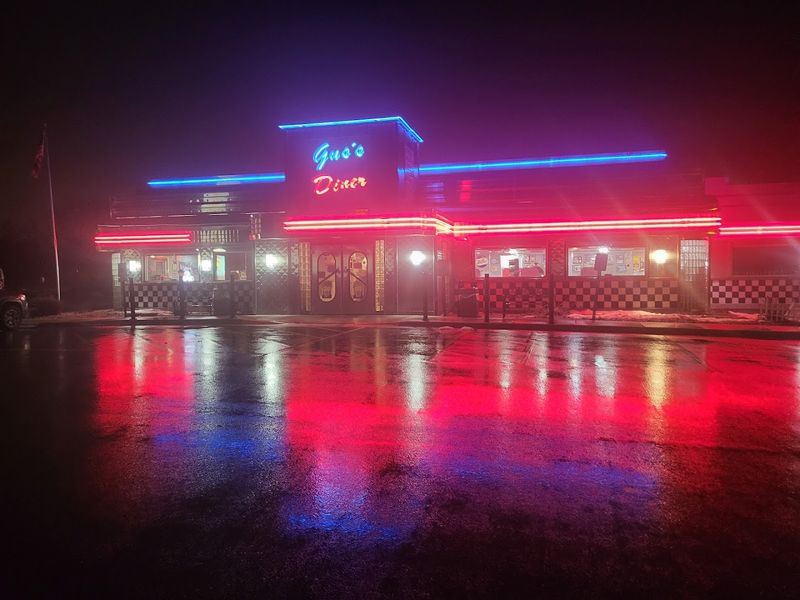
On a stretch of Sun Prairie that could easily blur into everyday errands, Gus’s Diner snaps the eye awake. The chrome exterior gives it a bright, polished look that leans fully into classic roadside Americana without feeling staged or gimmicky.
Instead of hiding its theme inside, the building announces it right away, letting you know this is a place that wants dinner, breakfast, and a little visual fun to share the same address.
That exterior matters because diners live or die on anticipation. Before a menu ever lands on the table, Gus’s has already set a tone with reflective metal, retro lines, and a silhouette that stands apart from the standard boxy restaurant format around it.
In a town full of practical stops, that sparkle gives the place a destination quality, especially when the light catches the facade and turns a routine meal into a small event.
Step closer and the promise gets clearer. Large windows keep the restaurant from feeling closed off, and they also hint at the bustle inside, where booths, counters, and movement create the kind of scene people usually hope to stumble upon by accident.
This one does not need accidental discovery. It sits there confidently, almost daring anyone who loves old-school diners to keep driving.
Sun Prairie is close enough to Madison to pull in travelers, commuters, and locals looking for an easy meal with character, and Gus’s seems built for exactly that mix. It has the visual language of a highway-era diner, yet it operates as a daily-use neighborhood restaurant with broad hours and approachable prices.
That combination gives the building more than curb appeal. It makes the first glance feel like the opening line of a meal you already want to finish.
Breakfast All Day, and Plates That Mean Business
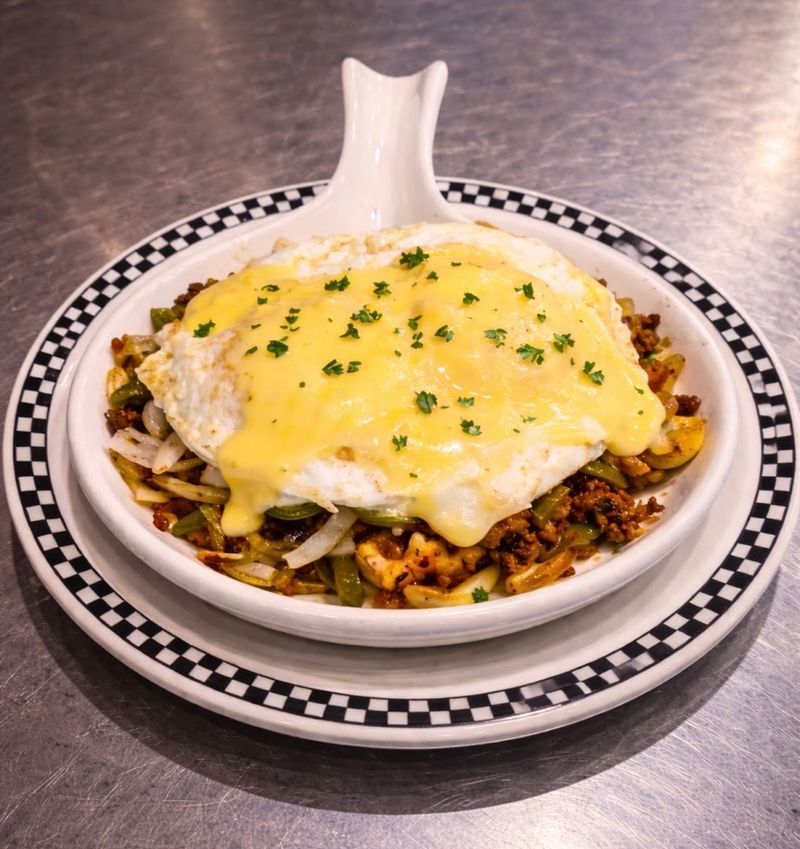
The menu at Gus’s Diner appears to understand one basic truth: comfort food should never make you choose between timing and appetite. Breakfast is a major draw here, and the long operating hours make that especially appealing when the craving hits well past the usual morning window.
Omelets, skillets, pancakes, French toast, eggs, and hash browns anchor the experience with the kind of familiar range that lets every table head in a different direction without anybody settling.
Portion size comes up for good reason. Plates are regularly described as generous, and that scale changes the rhythm of the meal in a useful way.
A skillet looks less like a side thought and more like the main event, while a breakfast special with toast, eggs, meat, and extras can turn a quick stop into a full sit-down reset before the rest of the day starts moving again.
There are also signs that Gus’s pays attention to flexibility, not only abundance. One detail that stands out is the option for a half breakfast skillet, which is exactly the kind of practical diner move that keeps a big menu from becoming overwhelming.
It says a lot about how the place works: sizable food, yes, but also some awareness that not every guest wants the largest possible plate just because it is available.
Coffee matters in a diner, and so does pace. The room is known for moving quickly during busy stretches, which makes those breakfast standards even more effective because they arrive in the setting where they make the most sense – hot, filling, and without unnecessary delay.
At Gus’s, breakfast is not treated like a decorative nod to tradition. It is one of the central reasons the restaurant keeps pulling people through the door from early morning onward.
Jukeboxes, Booths, and the Wisconsin Time Capsule Effect
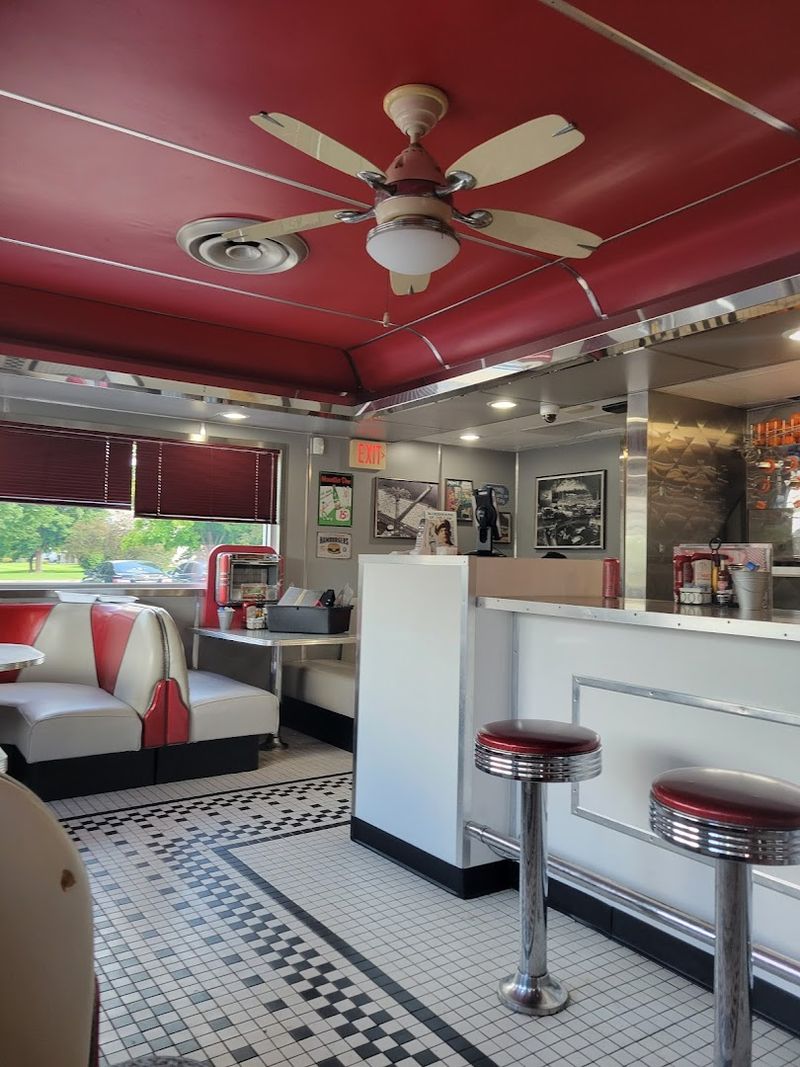
Inside Gus’s Diner, the retro concept keeps going, but the most effective part is how usable it all is. This is not a museum piece roped off for admiration from a distance.
Booth jukeboxes, chrome details, and classic diner styling are folded into a working restaurant where coffee gets topped off, plates land fast, and families settle in without feeling like they have to perform nostalgia on cue.
The jukebox detail is especially smart because it gives the room an immediate point of personality. Even for diners who barely touch the controls, seeing that familiar setup at the table does a lot of work.
It connects the decor to an experience rather than leaving it as background wallpaper, and it turns an ordinary booth into a scene that feels a little more playful, a little more transportive, and a lot more distinct than chain dining rooms built to be forgotten.
Just as important, the place appears well maintained. Several accounts point to a clean dining room and clean restrooms, which might sound like basic expectations, yet in a large, busy diner they become part of the restaurant’s credibility.
Retro style can easily tip into worn-out if upkeep slips. Here, the visual throwback lands better because the room sounds cared for, not merely old-fashioned.
That creates an appealing contrast. The design points backward to mid-century diner culture, but the functionality stays rooted in present-day convenience.
Families can order a kids’ pancake while someone else gets a full burger plate, travelers can stop in without deciphering an overly clever concept, and locals can return because the room is comfortable enough for repetition. In Wisconsin, where diners still hold real social value, Gus’s turns nostalgia into something practical: a setting that adds energy to the meal instead of distracting from it.
Where the Menu Gets Broader Than Expected
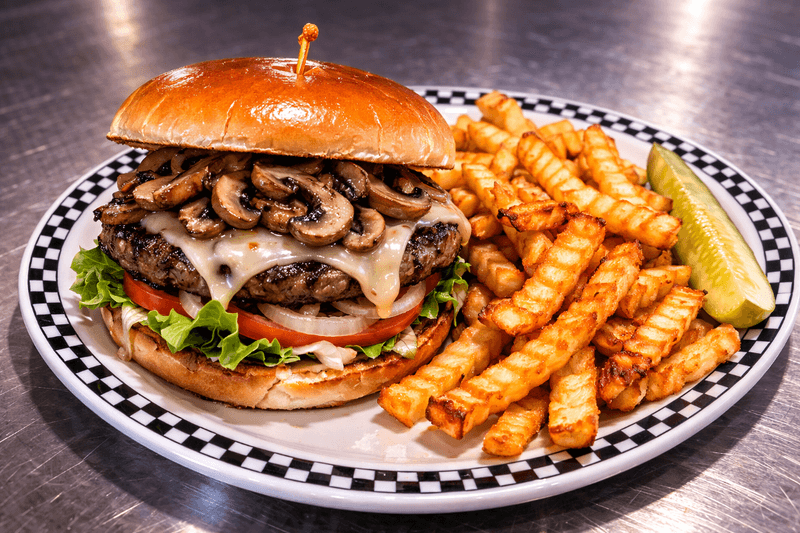
Plenty of retro diners lean hard on the look and then deliver a menu that barely escapes breakfast and burgers. Gus’s Diner appears to take the opposite route.
The menu is repeatedly described as large, and the dishes tied to it suggest a restaurant that stretches well beyond the usual shorthand of eggs, toast, and a patty melt. That wider range matters because it changes who the place works for and when it fits into the day.
Burgers clearly have a strong place here, including options like a curd burger that sound especially fitting for Wisconsin. There are also fish fry orders, catfish dinners, country fried steak, chopped steak, ribs, shrimp Alfredo, Greek omelets, soups, salads, sandwiches, and breakfast combinations that land with old-school abundance.
A menu like that can serve a family with wildly different cravings, which is one reason diners remain useful in a way narrower concepts often are not.
Soup and pie deserve their own spotlight. House-made or homemade-tasting soups come up often enough to feel central rather than incidental, with chicken dumpling, chowder, broccoli cheddar, and vegetable beef all drawing attention.
Pie does the same kind of work at the sweet end of the meal, giving Gus’s one of those diner signatures that instantly broadens the occasion. Lunch can slide into dessert without anyone needing much persuasion.
Then there are the shakes, another category that suits the room perfectly. Blueberry and banana have both made appearances, and even reading those flavors against the chrome-and-jukebox setting makes the place sound complete in a very specific diner way.
Gus’s does not rely on one single specialty to build its identity. Instead, it succeeds by giving comfort food enough range to feel generous, practical, and a little indulgent all at once.
The Engine Room: Fast Service in a Big, Busy House
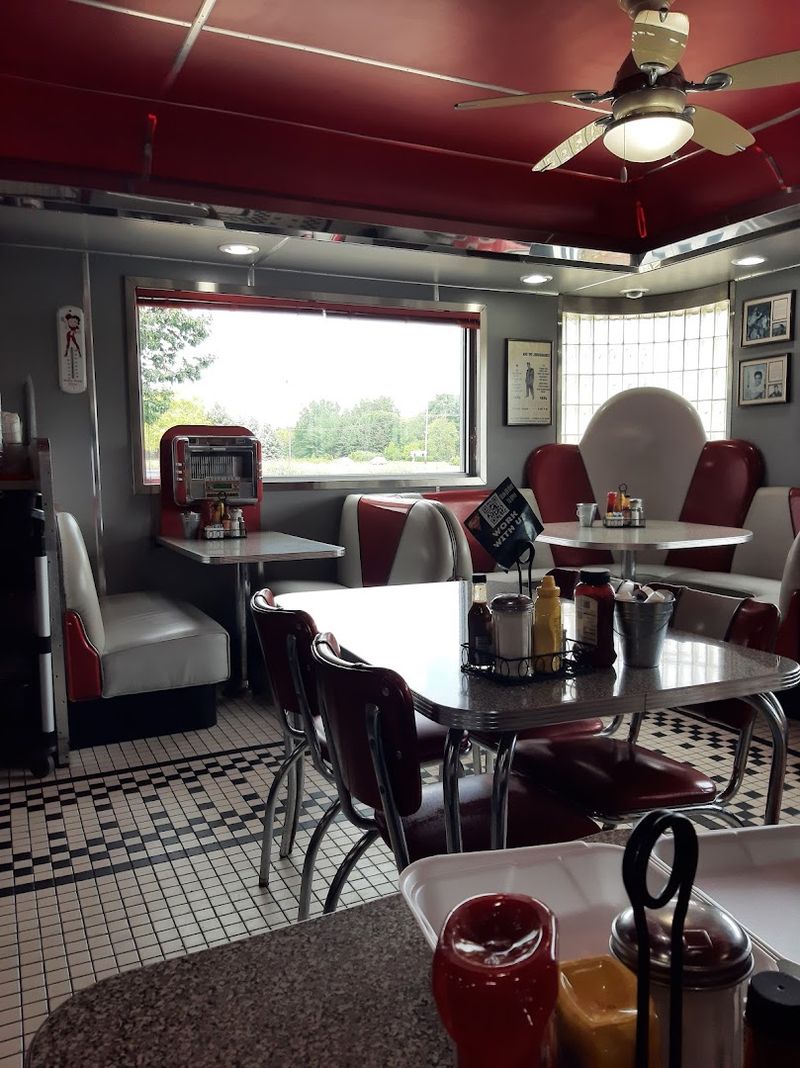
One of the more revealing things about Gus’s Diner is not decorative at all. It is the scale of the operation.
This is described as a large restaurant, often busy, with a staff moving quickly enough to keep breakfast and lunch rushes under control. In a diner format, that kind of coordinated motion is not background noise.
It is part of the whole appeal, because a place serving broad comfort-food menus only works when the floor and kitchen can keep pace.
At its best, that pace creates a particular kind of energy. Coffee keeps circulating, requests get handled without long pauses, and tables turn over while still allowing the room to feel welcoming rather than rushed.
A well-run diner has a visual rhythm all its own: servers threading between booths, plates arriving hot, conversations layered under the clink of silverware, and a sense that everyone knows their role. Gus’s seems to operate in that tradition.
That does not mean every single interaction is flawless, and it would be unrealistic to suggest otherwise for any restaurant with this much traffic. Still, the broader pattern points toward quick, friendly, attentive service that many diners notice as part of the experience rather than an afterthought.
Individual servers are remembered by name in a way that usually signals consistency and presence, not just speed for speed’s sake.
There is also something reassuring about seeing a retro diner function efficiently in the present tense. Nostalgia alone cannot refill coffee, manage full sections, or keep hot food moving to large tables.
The operational side has to be strong. At Gus’s, that practical competence appears to support everything else, from early breakfast runs to post-event meals and casual lunch stops.
The chrome may catch your eye first, but service is what keeps a big room from losing its spark once the orders start flying.
How to Do Gus’s Right in Sun Prairie, Wisconsin
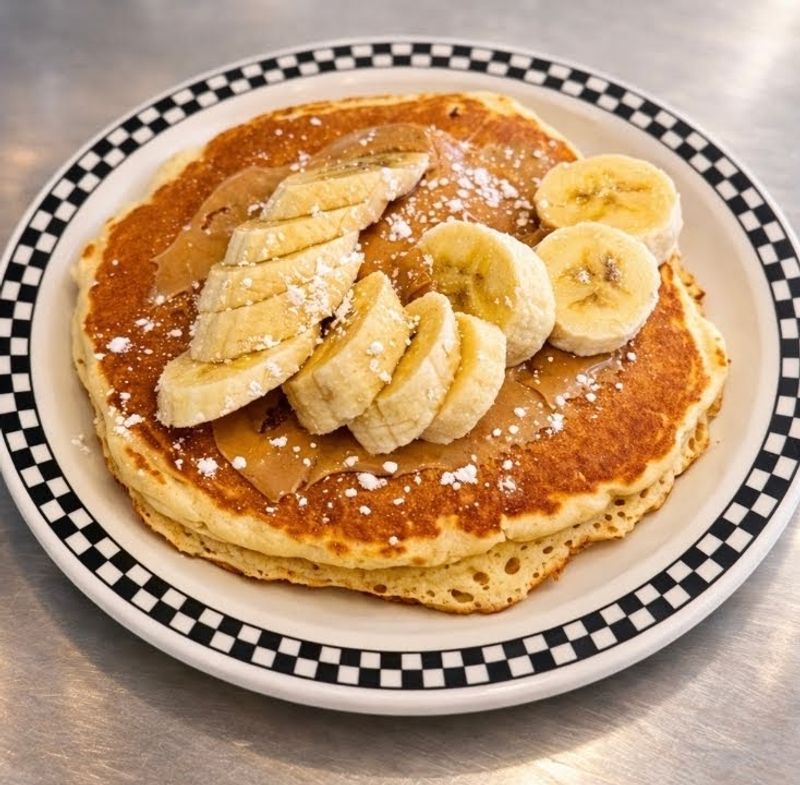
The best way to approach Gus’s Diner is to treat it like a flexible comfort-food headquarters instead of saving it for one narrowly defined meal. Since it opens at 6 AM every day and stays open into the evening, the restaurant fits several different moods.
Early breakfast works if you want the classic diner rhythm at its purest, while lunch and dinner let the broader menu show off burgers, fish, soups, and heartier entrees.
If the goal is the full experience, breakfast is still the strongest starting point. That is when the endless appeal of coffee, eggs, hash browns, pancakes, and booth seating lines up most naturally with the room’s jukebox nostalgia.
A skillet, omelet, or diner special makes sense here, especially if you want the kind of meal that can carry you for hours. This is also a smart time to notice the building itself, since morning light tends to flatter chrome in a way few restaurant exteriors can match.
For a later visit, the move changes. Wisconsin staples like a fish fry or a burger paired with soup lean into the restaurant’s comfort-food range without forcing an all-day breakfast decision, though that option remains part of the charm.
Leaving room for pie is wise. At a place known for generous portions, dessert is easiest to enjoy if it is planned from the beginning instead of negotiated after the plate clears.
Timing matters too. A well-liked diner with broad hours, affordable pricing, and a large menu will naturally attract a crowd, especially around breakfast and lunch.
That can be part of the appeal if you enjoy lively dining rooms, but it also means a little patience or strategic timing can improve the visit. Go hungry, order confidently, and let the meal be unhurried enough to include coffee, conversation, and one extra thing you did not originally plan on ordering.
Why Gus’s Still Hits the Comfort Food Sweet Spot
Gus’s Diner stands out because it understands that comfort food is bigger than a recipe. It is about access, scale, setting, and the small details that make a meal easier to want on an ordinary day.
This place has the visual confidence of a classic diner, the practical hours of a neighborhood standby, and a menu broad enough to handle breakfast cravings, burger runs, soup weather, and pie detours without stretching its identity thin.
There is also a useful lack of pretense in the overall package. Nothing about the concept suggests reinvention for its own sake.
Instead, Gus’s leans into what people actually come to diners for: hot food, familiar choices, quick service, a little personality at the table, and portions that respect appetite. In an era when many restaurants chase novelty first, that straightforwardness is not boring.
It is increasingly rare, and it gives the place an edge that trendier rooms cannot easily replicate. The Sun Prairie location helps, too.
Close enough to Madison to catch travelers and day-trippers, but rooted in its own local routine, the diner functions as both a destination and a regular stop.
That dual identity is hard to fake. A restaurant either earns repeat visits through reliability or it does not, and diners especially depend on that steady return traffic to become part of local life rather than just a photo stop with milkshakes.
If you are looking for the kind of Wisconsin restaurant where retro styling is only the opening act, Gus’s makes a convincing case.
The chrome gets you there, but the staying power comes from breakfast at useful hours, a menu with real depth, soup and pie that invite extra ordering, and a room built for lively, everyday use.
Comfort food still reigns here because the diner never treats comfort like a gimmick. It treats it like the whole job.
Share this story