In an age of supermarkets and online shopping, there is something special about a place where buying fresh goods is still rooted in tradition. The oldest public market in America continues to welcome shoppers beneath a historic Pennsylvania stone roof dating to 1860, blending everyday commerce with centuries of history.
Vendors still fill the market with local produce, baked goods, meats, and handmade products, creating an atmosphere that feels both timeless and lively. For visitors, it is more than a place to shop—it is a chance to experience a piece of Pennsylvania’s past that remains very much alive today.
1. America’s oldest public market legacy
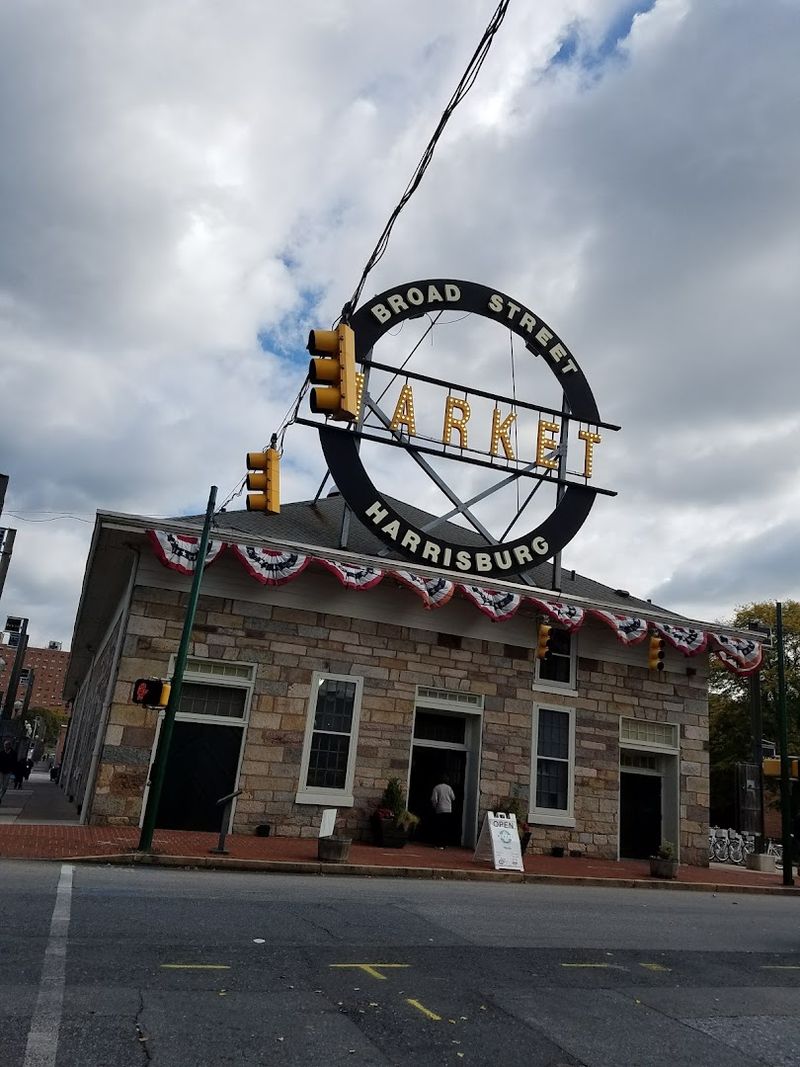
Broad Street Market is not just another place to grab lunch.
When you walk in, you are stepping into a living piece of American history that still serves the daily needs of a real city.
That combination is what makes this market feel special from the first few minutes.
You are not looking at a recreated attraction or a polished tourist set.
This is a working public market in Harrisburg where people come for coffee, prepared food, baked treats, produce, and conversation.
The age of the place gives it weight, but the steady movement of regulars keeps it grounded in the present.
I think that is why Broad Street Market stays with you.
It connects the romance of history with the ordinary pleasure of buying something good to eat.
In a country full of places that preserve the past behind glass, this one still lets you taste it.
2. The 1860 stone roof and market architecture
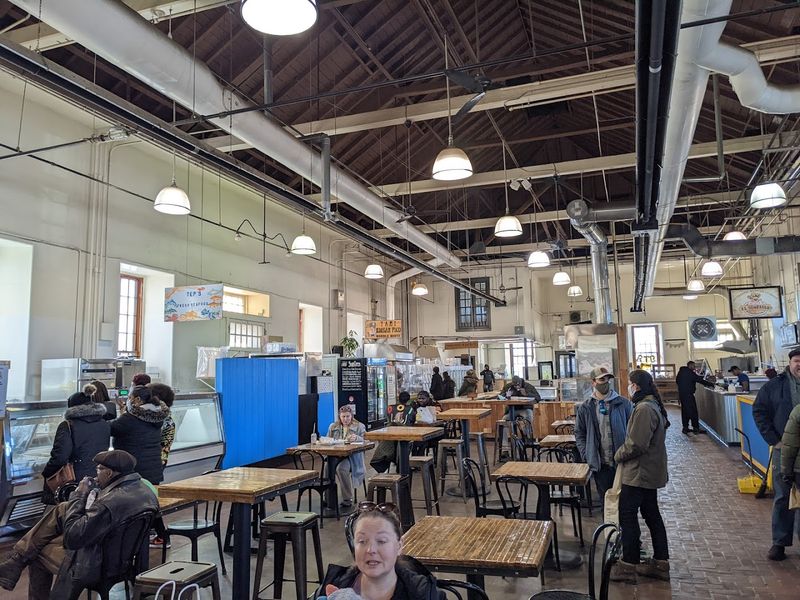
One of the most memorable parts of Broad Street Market is the historic stone building dating to 1860.
Its sturdy Pennsylvania character gives the market a sense of permanence, like it was built to outlast trends and keep serving the neighborhood no matter what changed around it.
You can feel that resilience before you even choose what to eat.
Inside, the old structure adds atmosphere that newer food halls simply cannot manufacture.
The walls and roof suggest generations of shoppers, workers, and vendors who have passed through for everyday errands and special cravings alike.
That age does not make the market feel stiff or untouchable.
Instead, it creates a backdrop that makes every sandwich, coffee, and dessert feel a little more rooted.
If you love places where architecture tells part of the story, Broad Street Market delivers.
The stone building is not decoration.
It is part of the reason the market still feels honest, local, and deeply Pennsylvanian today.
3. A market shaped by resilience
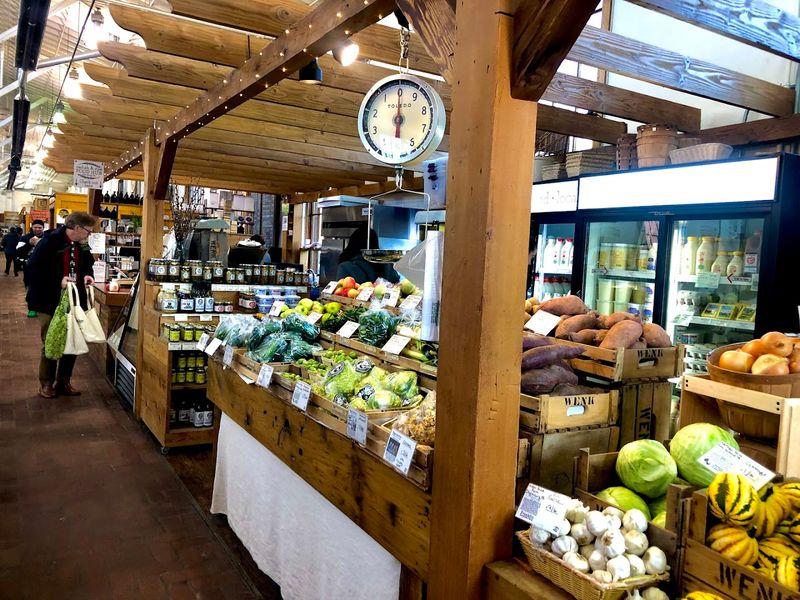
Broad Street Market is in a transitional chapter, and that matters when you visit.
Recent reviews and owner responses make it clear the market is still rebuilding after a fire, with a temporary setup standing in for part of the older experience.
Even so, the place continues to operate with energy, and that persistence says a lot about its role in Harrisburg.
You can sense both loss and determination here.
Some visitors remember a fuller mix of vendors from earlier years, while others are simply happy to find the market still active, serving food, drinks, and a place to gather.
The market’s team has said growth and reconstruction are moving toward a fuller experience by spring 2027.
That context does not weaken the visit.
If anything, it gives it more meaning.
When you spend money here, you are not just buying lunch.
You are supporting a historic public space working hard to rebuild its future in plain sight.
4. A world of food in one Harrisburg stop
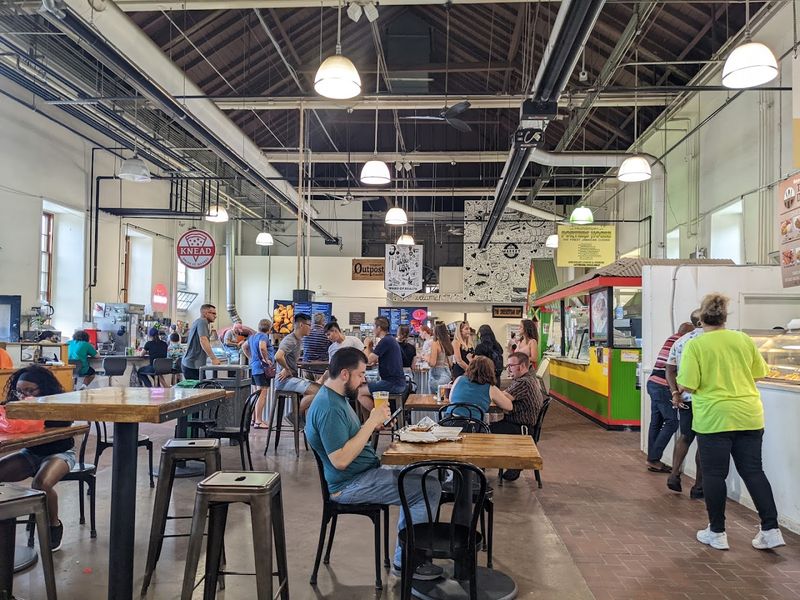
The biggest surprise for many first-time visitors is how global the food selection feels.
Reviews mention everything from Thai dishes and Korean noodles to Jamaican plates, cheesesteaks, coffee, desserts, beer, and more.
Instead of one narrow market identity, Broad Street Market gives you a broad edible snapshot of the city around it.
That variety changes the whole mood of the visit.
You are not locked into one style of meal, and if you arrive with friends, everyone can order from a different stall and still eat together.
It feels casual, social, and a little adventurous, especially if you like wandering until one aroma wins.
I like that the market is not trying to be overly curated or precious.
It feels more like a democratic food hall with historic bones, where local favorites and cultural flavors share the same floor.
For Harrisburg, that mix makes Broad Street Market feel both welcoming and genuinely alive.
5. What the atmosphere feels like
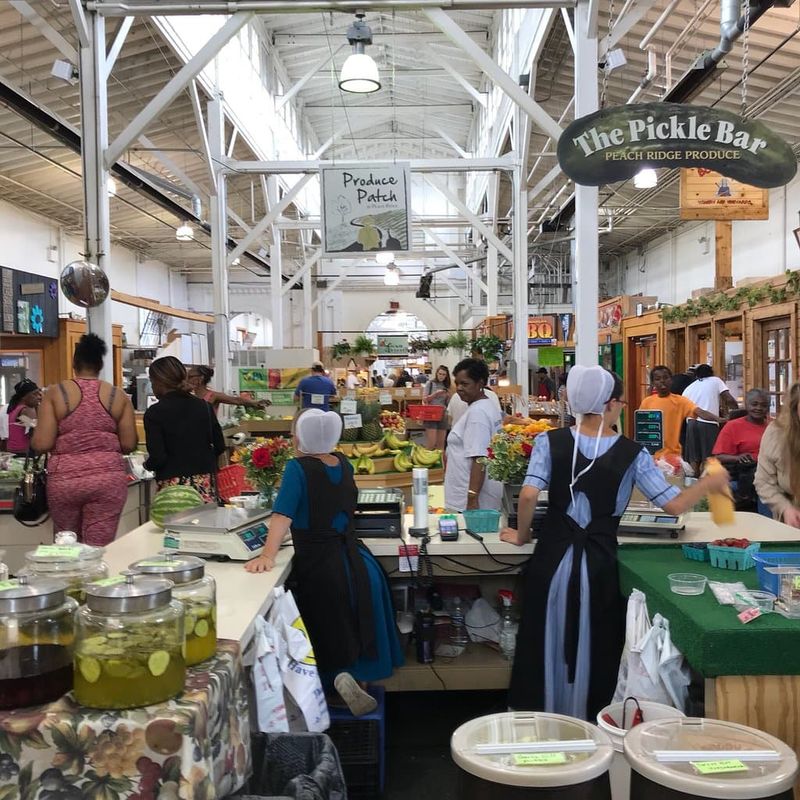
Broad Street Market feels busy in a way that is more communal than chaotic, especially when you arrive at the right time.
People order from separate vendors, carry trays to shared tables, and settle into a common rhythm of eating, chatting, and people watching.
That setup makes the market feel less formal than a restaurant and more like a neighborhood meeting place.
Several reviews describe indoor and outdoor seating, standing tables, and a generally easygoing layout.
You might catch it buzzing with lunch crowds, or you might arrive later and find open tables and a calmer pace.
Either way, the atmosphere seems built around flexibility rather than fuss.
There are a few tradeoffs, and visitors mention heat, crowds, and the occasional challenge of navigating busy aisles.
Still, those details often come with beloved public markets.
If you enjoy places with motion, noise, and personality, Broad Street Market gives you a full sensory experience that feels distinctly local.
6. When to visit and what to expect
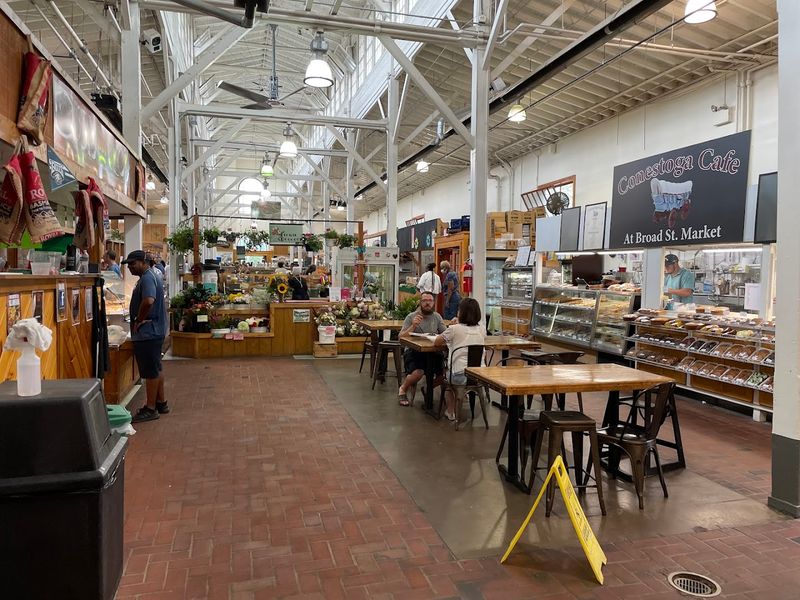
Planning your timing matters at Broad Street Market.
The market is closed on Monday, Tuesday, and Sunday, then opens from 7 AM to 6 PM Wednesday through Saturday.
That schedule means you should treat it as a midweek or weekend destination rather than an everyday fallback.
Reviews suggest the experience can shift depending on when you show up.
Early in the day, not every vendor may be open yet, but you may get easier seating and a quieter atmosphere.
Later visits can feel livelier, though you may also encounter more crowds, longer lines, and the classic challenge of deciding too late between multiple tempting meals.
If you want the broadest possible selection, arriving during active midday hours on an open day is probably the safest bet.
If you prefer space and less noise, a morning visit may suit you better.
Either way, checking the official website before you go is a smart move during this rebuilding period.
7. Parking, access, and practical details
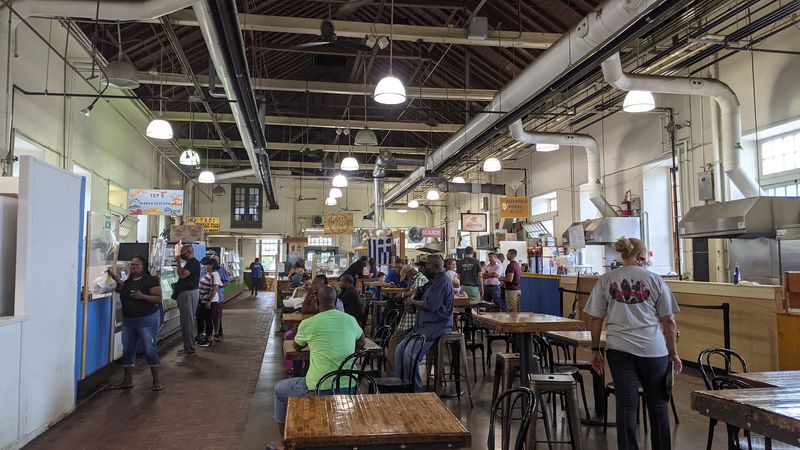
Broad Street Market is located at 1233 N 3rd St in Harrisburg, right in a neighborhood setting that feels connected to everyday city life.
That makes it convenient, but it also means parking can sometimes be part of the adventure.
Several visitors note that parking exists in and around the area, though finding the ideal spot may require patience on busier days.
Accessibility appears to be one of the market’s strengths.
One reviewer specifically mentioned easy wheelchair access, which is important in a historic site that still serves a wide public.
Once inside, the shared seating and open circulation help keep the experience approachable, even when it gets busy.
The practical side of Broad Street Market is part of its appeal.
It is not hidden away or designed only for tourists.
It functions as a real community place with regular hours, active foot traffic, and enough nearby convenience to make a casual stop realistic if you are exploring Harrisburg.
8. The foods people talk about most
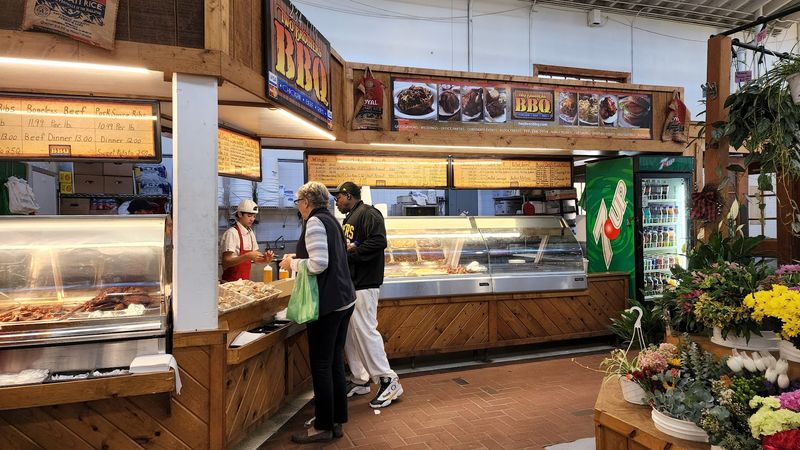
Broad Street Market inspires the kind of reviews that make you hungry on the spot.
People rave about Thai wings, japchae, kimchi noodles, jerk chicken, cheesesteaks, pretzel wrapped hot dogs, whoopie pies, pozole, cortados, and Amish pretzels.
That range tells you a lot about the market’s strength: there is no single signature dish because the experience is built on discovery.
You can arrive with a plan and still end up changing your mind three times.
One person goes for coffee and leaves thinking about noodles, while another comes for lunch and gets distracted by dessert or a drink stall.
The market rewards curiosity, especially if you are willing to sample something outside your usual order.
What stands out most is how personal the recommendations feel.
People remember specific bites, not just general quality.
That is usually a sign that vendors are serving food with distinct character, and it is exactly the kind of detail that turns a good market into a destination.
9. More than a farmers’ market label
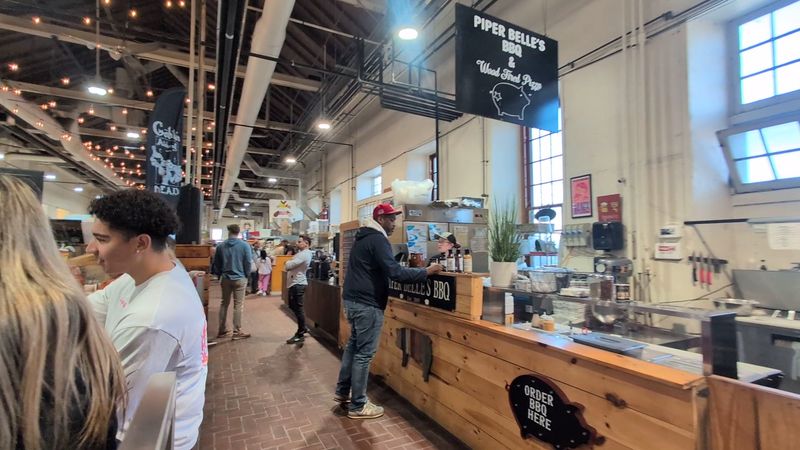
Although Broad Street Market is officially a farmers’ market, several visitors point out that the current experience feels more like a collection of food stalls and specialty vendors.
That is not necessarily a criticism if you arrive with the right expectations.
Instead of picturing rows of fresh farm produce only, think of a hybrid public market where prepared foods currently play a major role.
This distinction matters because labels shape how satisfied people feel.
If you expect a traditional produce heavy market, the present vendor mix may seem limited.
If you come ready for international dishes, coffee, desserts, drinks, and a social meal, you are more likely to understand why so many people still recommend it.
I think the best approach is to let Broad Street Market define itself on arrival.
Public markets evolve with the communities around them, and this one is clearly in transition.
What remains constant is its role as a shared local space where food brings people together.
10. Why locals treat it like a third space
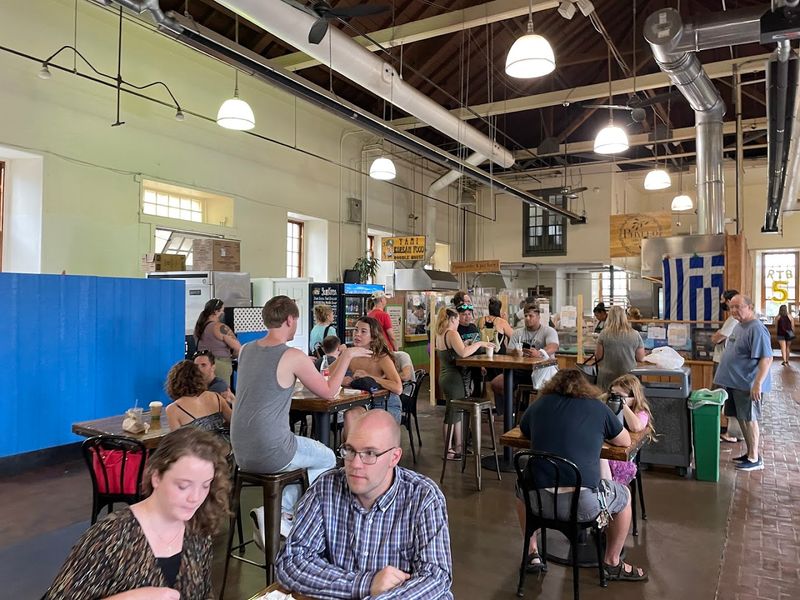
One of the most revealing comments about Broad Street Market describes it as a great third space for the community.
That phrase fits.
The market is not just somewhere to buy food and leave.
It is also somewhere to linger, meet people, catch up over coffee, or share a meal without the pressure of a formal restaurant.
That role becomes more important in a city where truly public indoor gathering places can be limited.
Families, travelers, workers, and weekend visitors all seem to find room here.
Even reviews with complaints often acknowledge the market’s value as a social environment, which says a lot about the emotional place it holds in Harrisburg.
You can feel that community function in the shared tables, the regulars, and the vendor variety.
Broad Street Market works because it offers choices while still keeping everyone in one common space.
In the best way, it feels like the city sitting down together for lunch and making time for one another.
11. A must visit for travelers in Harrisburg
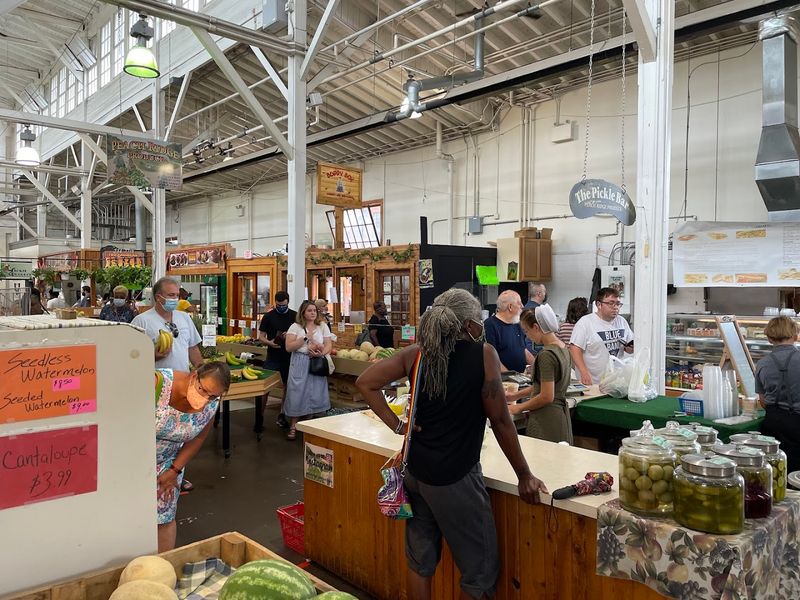
If you are visiting Harrisburg and have time for only one food centered stop, Broad Street Market makes a strong case for itself.
Review after review calls it a must visit, especially for travelers who enjoy public markets and want something more local than a chain restaurant corridor.
It gives you a quick read on the city’s tastes, personality, and neighborhood energy.
The market also works well because it is flexible.
You can make it a full meal, a coffee break, or a casual wander with a snack in hand.
If you are traveling with people who like different foods, the multi vendor setup solves that familiar debate before it starts.
What I appreciate most is that Broad Street Market does not feel manufactured for visitors.
Tourists are welcome, but the place still belongs to locals first.
That balance gives the experience credibility.
You are not just seeing Harrisburg perform itself.
You are stepping into a place where the city actually eats.
12. The future of Broad Street Market
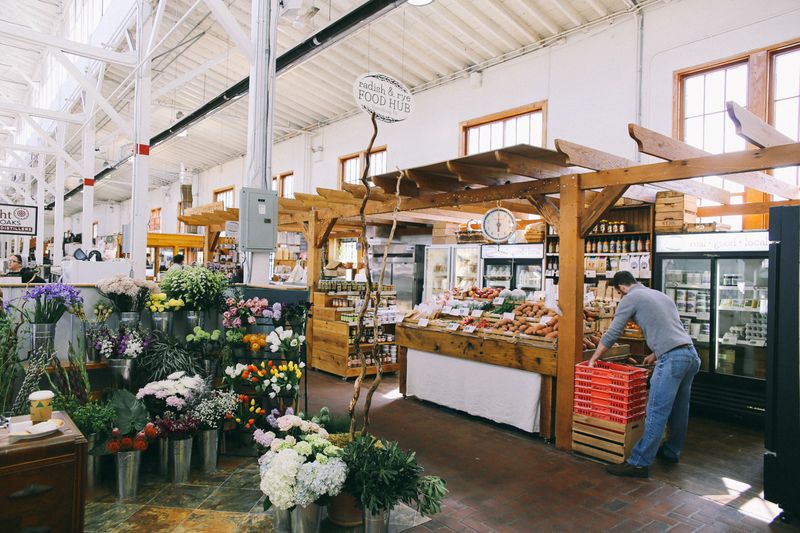
Broad Street Market already carries the authority of age, but its story is not finished.
Owner responses point toward continued growth, reconstruction, and a more complete market experience by spring 2027.
That means today’s visit comes with a sense of witnessing a landmark in motion rather than a site frozen in its best years.
There is something compelling about that.
Historic places often survive because communities choose them again and again, even after setbacks.
Broad Street Market seems to be in exactly that kind of moment, where support from visitors and locals can help shape what the next chapter looks like.
If you go now, you will see a market balancing heritage with recovery.
If you return later, you may see an even fuller version of the same beloved institution.
Either way, the appeal is clear.
Broad Street Market still matters to Harrisburg, and that ongoing relevance may be the strongest proof of its lasting value.
Share this story