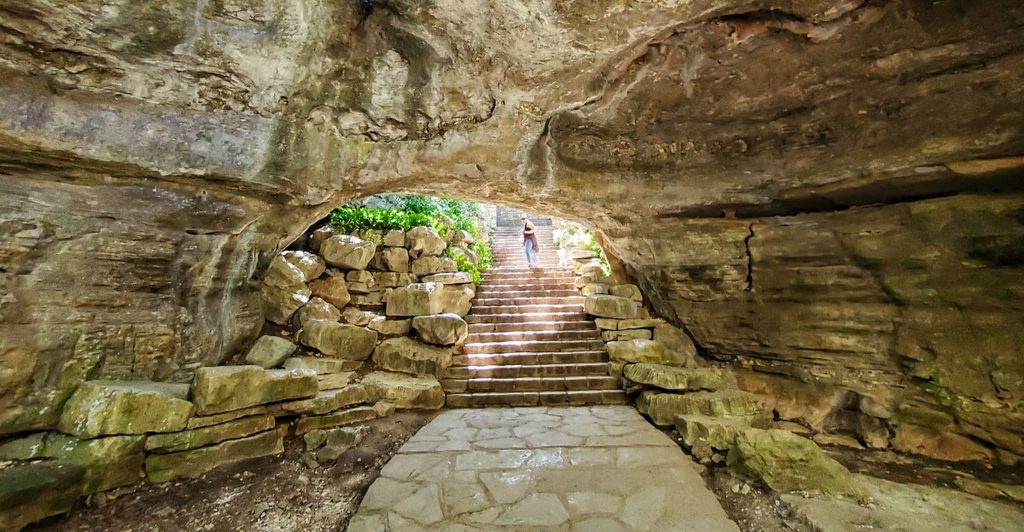
Beneath the rolling hills of Burnet County lies one of Texas Hill Country’s most unexpected adventures. Longhorn Cavern State Park hides a massive underground world carved by ancient rivers over millions of years, creating formations and passageways unlike anything you’ll find in typical limestone caves. From speakeasy hideouts to sleeping bats and glowing rock formations, this 90-minute guided journey takes you deep into Texas geology and Wild West history all at once.
1. A River-Carved Wonder Unlike Traditional Caves
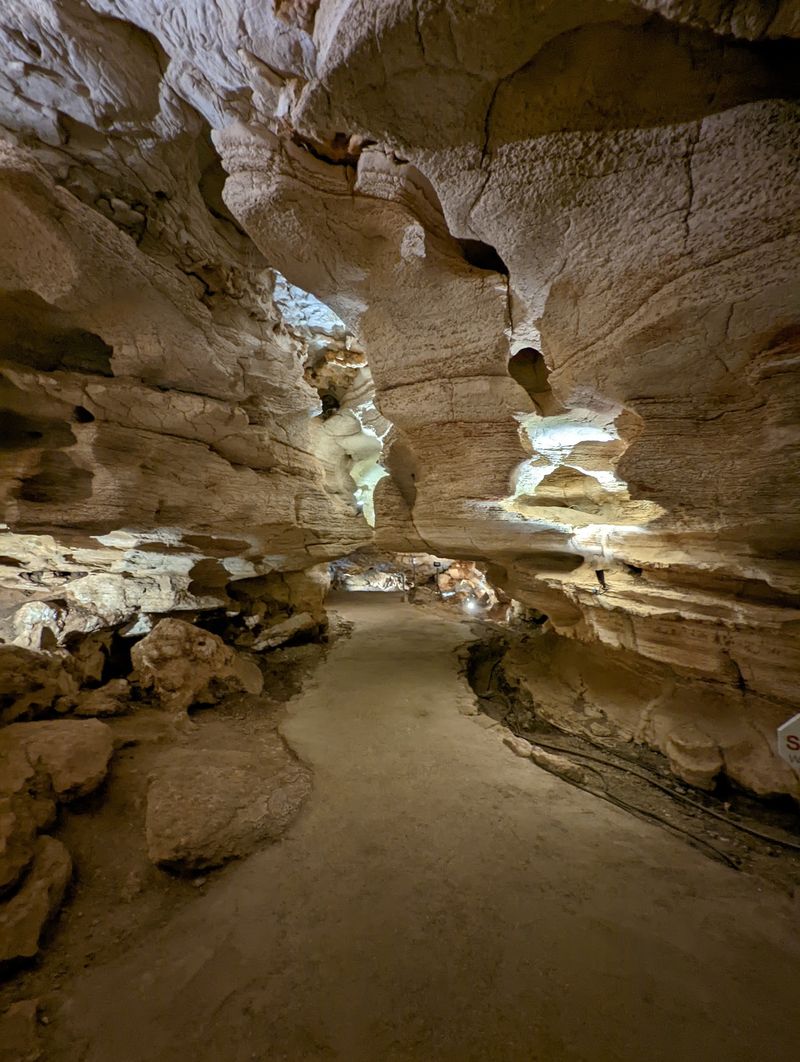
Most Texas caves show off dramatic stalactites dripping from ceilings like stone icicles. Longhorn Cavern took a completely different path to formation. Instead of water slowly depositing minerals, a powerful underground river blasted through softer limestone millions of years ago, carving out smooth, flowing passages that look more like frozen rapids than typical cave rooms.
The result? You’ll walk through tunnels with swirling patterns etched into walls and ceilings that tell the story of ancient water flow. Some passages stretch wide enough to host entire tour groups, while others require a quick duck-and-weave.
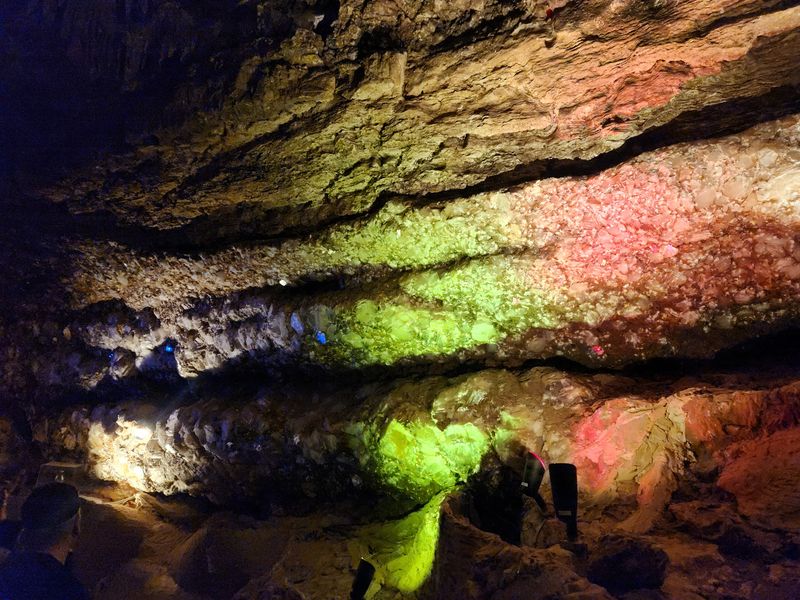
The rock itself displays stunning colors ranging from creamy whites to rich oranges and browns, all natural pigments left behind by different mineral deposits.
What makes this geological quirk special is how rare river-formed caves actually are. While drip caves take hundreds of thousands of years to grow their formations drop by drop, this cavern was essentially power-washed into existence by prehistoric waterways. Tour guides love pointing out the smooth, rounded edges that prove water once rushed through these very passages.
The cave maintains a constant 68-degree temperature year-round, making it the perfect escape from brutal Texas summers. During your tour, you’ll cover about a mile of easy walking with just 52 steps total, so families with young kids and older visitors handle it without much trouble. The park keeps the pathways well-lit and maintains non-slip mats in potentially slick areas for safety.
2. Tour Guides Who Make Geology Hilarious
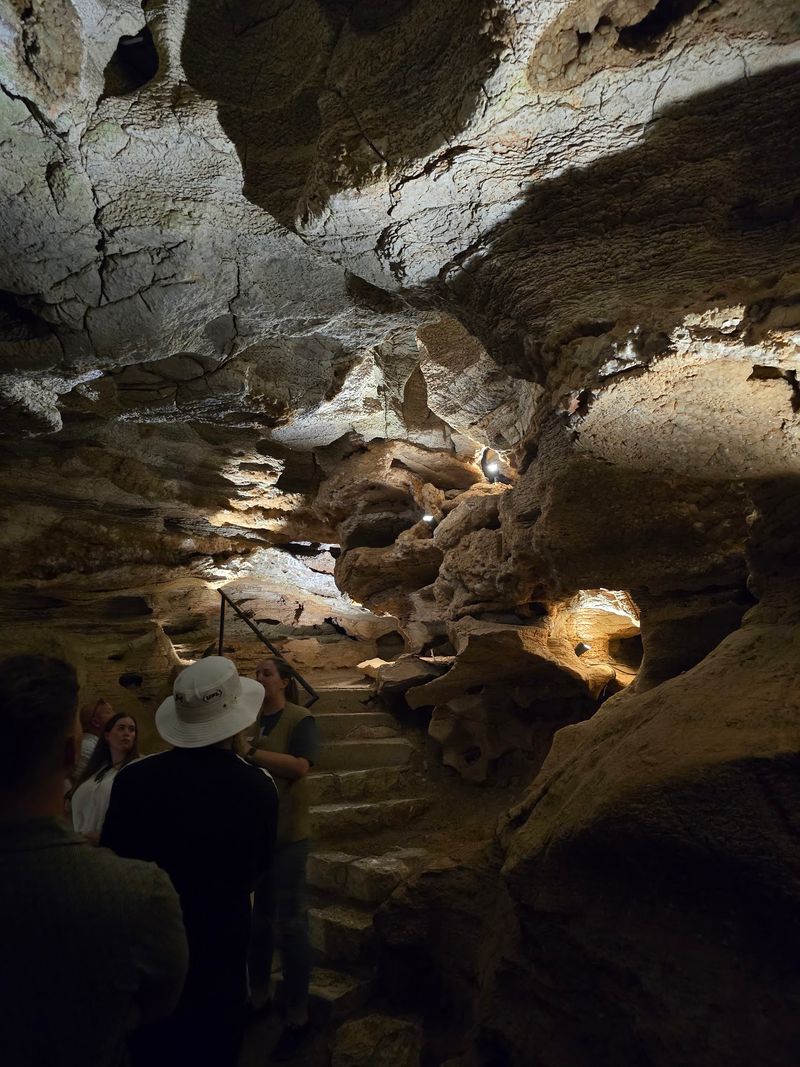
Forget boring lectures about sedimentary rock layers. Longhorn Cavern’s tour guides have mastered the art of mixing stand-up comedy with actual science, turning what could be a dry geology lesson into genuine entertainment. Names like CJ, Jessica, Jim, Eryn, and Tanner pop up repeatedly in visitor reviews, each bringing their own flavor of dad jokes and infectious enthusiasm to every tour.
These guides aren’t state employees but rather passionate cave lovers who genuinely want you to understand why this place rocks (pun absolutely intended). They’ll crack jokes about stalactites versus stalagmites, point out formations that look like famous faces, and share wild historical tales about outlaws and speakeasies with the same energy as your favorite podcast host. One guide reportedly goes by both CJ and Carlos just to keep things interesting.
The knowledge runs deep too. Every question gets answered immediately, from “how much oxygen is down here?” to complex queries about mineral composition and formation timelines. Guides use blacklights to demonstrate living rock growth, orchestrate total darkness experiences (with permission), and make sure everyone spots the tiny sleeping bats tucked against cave ceilings.
Tour groups typically spend 90 minutes underground, but it never feels rushed. Guides give you breathing room to take photos, catch your breath, and simply absorb the underground atmosphere. Since they work for tips rather than state salaries, visitors consistently mention leaving generous gratuities for guides who transform a simple cave walk into an unforgettable experience worth talking about for months.
3. The Secret Speakeasy Hidden Underground
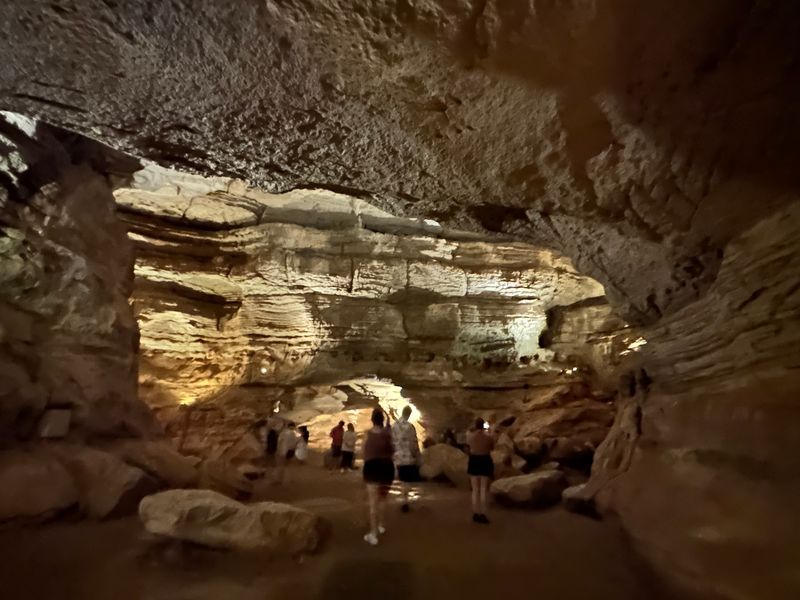
During the Roaring Twenties when Prohibition made alcohol illegal across America, creative Texans turned Longhorn Cavern into the ultimate hidden bar. Imagine descending into the earth to enjoy bootleg whiskey in a natural limestone lounge where federal agents would never think to look. The constant cool temperature kept drinks perfectly chilled without ice, and the remote location meant revelers could party without disturbing neighbors or attracting unwanted law enforcement attention.
Tour guides love sharing stories about this wild chapter in the cave’s history. The natural acoustics made it ideal for jazz bands, whose music would echo through the stone chambers creating an otherworldly concert experience. Smugglers could move illegal liquor through the various passages, and the multiple entrances provided easy escape routes if raids ever happened.
Today you can still visit the chamber that once hosted these underground parties. The space feels surprisingly spacious and comfortable, making it easy to picture well-dressed 1920s patrons clinking glasses and dancing to live music. It’s one of those historical details that makes Texas history feel more interesting than any textbook version.
Beyond the speakeasy era, the cave served various purposes throughout history. Native Americans used it for shelter thousands of years ago. Confederate soldiers allegedly stored gunpowder here during the Civil War.
Outlaws found it perfect for hiding stolen goods and themselves.
Each layer of human history adds depth to the geological story, creating a timeline that stretches from prehistoric rivers to Jazz Age rebellion and beyond into modern conservation efforts.
4. Tiny Tricolored Bats Sleeping Overhead
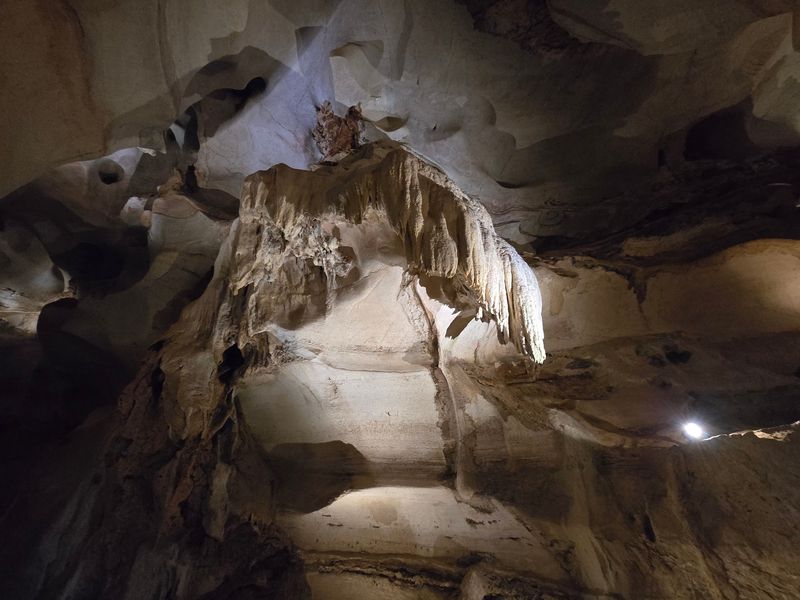
Look up during your tour and you might spot something adorable clinging to the ceiling. Tricolored bats, each barely bigger than your thumb, roost throughout the cavern in small groups. These tiny mammals weigh less than a quarter and measure only three inches long, making them some of the smallest bats in North America.
They’re so small that tour guides joke you could practically touch them, though obviously nobody should.
Unlike the massive bat colonies that pour out of other Texas caves at sunset, Longhorn’s bat population stays relatively modest and quiet. You’ll typically see them sleeping peacefully during daytime tours, hanging upside down in their classic bat pose. Their fur shows three distinct color bands (hence the name), though you’ll need decent eyesight or a camera zoom to appreciate the detail from a respectful distance.
Tour guides take bat conservation seriously, keeping voices reasonably quiet near roosting areas and educating visitors about why these creatures matter. Bats eat enormous quantities of insects, including mosquitoes and agricultural pests, making them valuable allies for Texas farmers and anyone who enjoys outdoor activities without getting devoured by bugs. A single bat can consume thousands of insects in one night.
The cave provides ideal bat habitat with its stable temperature, humidity levels, and protection from predators. Seeing these little guys adds an extra dimension to your tour beyond just rocks and history. Kids especially get excited spotting wildlife, and it’s a great opportunity to teach respect for creatures that often get unfairly villainized in movies and Halloween decorations.
5. Living Rock That Actually Grows
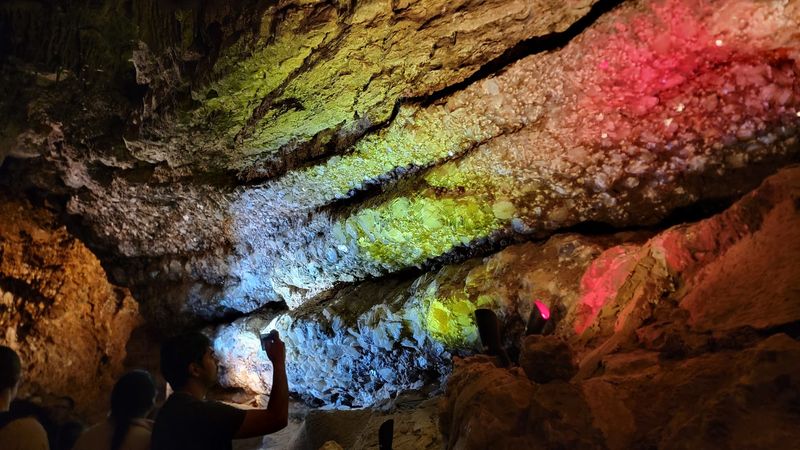
Here’s something that blows visitors’ minds: parts of this cave are still actively growing. Tour guides pull out blacklights during certain stops to demonstrate which rock formations are “living,” meaning they’re still accumulating new mineral deposits. Under ultraviolet light, actively growing calcite glows with an eerie fluorescence that looks almost alien, revealing which areas still receive enough moisture and mineral-rich water to continue developing.
The science behind this phenomenon involves water seeping through limestone layers above the cave, picking up dissolved calcium carbonate along the way. When that mineral-loaded water reaches the cave and evaporates, it leaves behind tiny deposits that gradually build up over centuries. It’s the same process that creates stalactites and stalagmites in other caves, just happening much more slowly here due to the drier conditions.
This demonstration helps visitors understand that caves aren’t static museum pieces but dynamic environments that continue changing, albeit at a pace too slow for humans to notice during a single visit. What looks like solid, unchanging rock is actually still evolving, growing molecule by molecule, year after year. Some formations might add only a fraction of an inch per century.
The blacklight reveal also highlights why touching cave formations is such a big no-no. Oils from human skin can block the mineral deposition process, essentially killing that section of living rock. Tour guides emphasize the “look but don’t touch” rule not as arbitrary bossiness but as genuine conservation necessary to preserve these formations for future generations. It’s a powerful reminder that our actions have long-lasting consequences.
6. The Total Darkness Experience
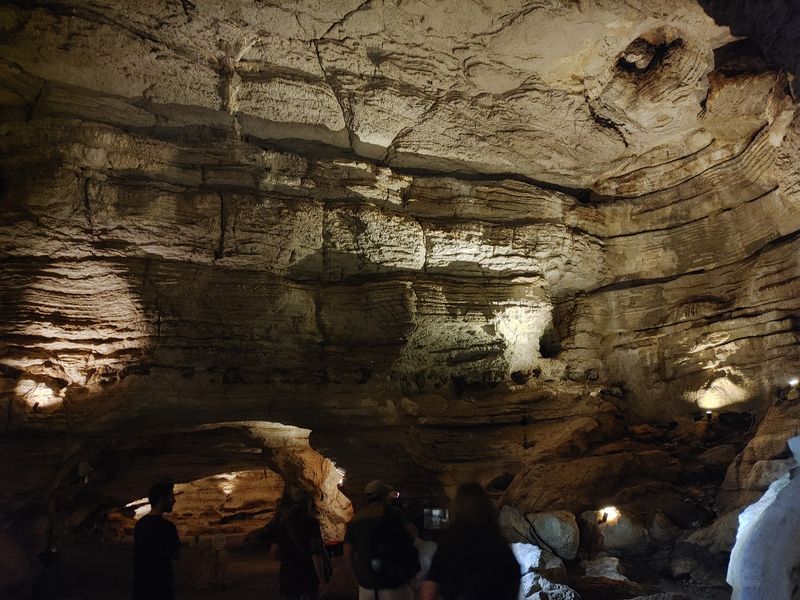
At some point during most tours, your guide will ask permission to turn off all the lights. If everyone agrees (and most groups do), you’ll experience something increasingly rare in our modern world: absolute, complete darkness. Not the dim darkness of a bedroom at night with streetlights filtering through curtains, but genuine pitch-black nothingness where you literally cannot see your hand touching your nose.
The experience only lasts a minute or two, but it’s profoundly disorienting in the best possible way. Your other senses immediately heighten as your brain struggles to compensate for the total absence of visual input. You become aware of every small sound, the cool air moving through passages, the presence of people standing near you.
Some visitors report a slight vertigo or the sensation that the space around them has either expanded infinitely or shrunk to nothing.
This demonstration serves a historical purpose too. Tour guides use it to help you understand what the Civilian Conservation Corps workers experienced in the 1930s when they first explored and developed the cave for public tours. Those workers navigated these passages with only primitive lanterns and flashlights, clearing debris, installing walkways, and mapping chambers while working in conditions that would make modern safety inspectors faint.
When the lights snap back on, there’s usually nervous laughter and excited chatter as everyone’s eyes readjust. Kids find it simultaneously scary and thrilling, while adults often describe it as meditative or humbling. It’s one of those simple experiences that creates a lasting memory and appreciation for both modern lighting technology and the courage of early cave explorers.
7. CCC Architecture Built to Last Centuries
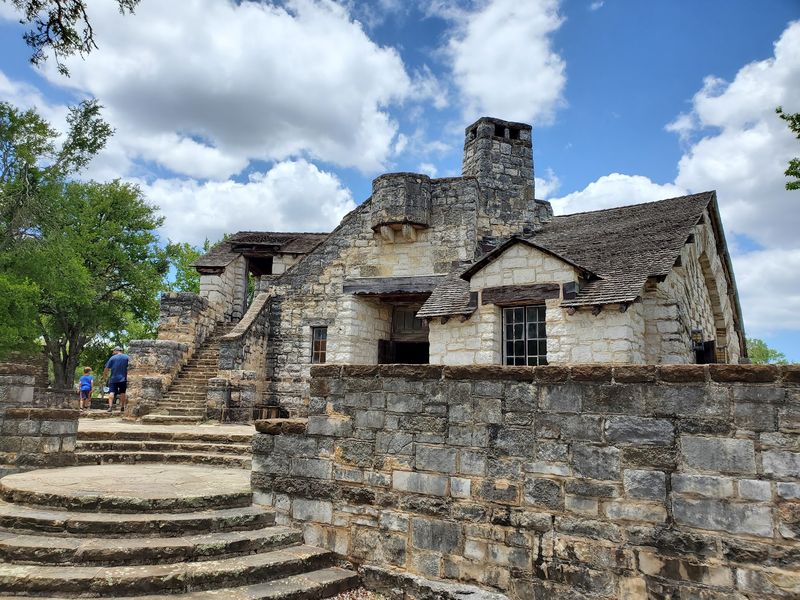
Before you even enter the cave, take time to appreciate the remarkable buildings surrounding you. During the Great Depression, Franklin Roosevelt’s Civilian Conservation Corps sent young men to remote areas to build parks and infrastructure while providing jobs and hope during economically desperate times. At Longhorn Cavern, these workers created structures so sturdy and well-crafted that they look ready to outlast most modern construction by several centuries.
The stonework alone deserves serious admiration. Hand-cut limestone blocks fit together with precision that would make contemporary masons jealous, creating walls that have weathered Texas weather for nearly a century without significant deterioration. The observation tower stands as a testament to both engineering skill and artistic vision, offering panoramic views of the surrounding Hill Country that make the climb absolutely worthwhile.
Inside the visitor center where you purchase tickets, you’ll find architecture that blends function with rustic charm. High ceilings, natural materials, and thoughtful design create spaces that feel welcoming rather than institutional. These buildings serve modern purposes while maintaining their historical character, housing the gift shop, educational displays, and restroom facilities that consistently earn praise for cleanliness in visitor reviews.
The CCC workers also did extensive work inside the cave itself, installing the walkways, lighting systems, and safety features that allow thousands of visitors to explore safely each year. They cleared tons of debris, built stairs, and created pathways that make the cave accessible to families with young children and older visitors who might struggle with more challenging terrain. Their labor transformed a wild cave into a public treasure while preserving its natural beauty.
8. Geode Cracking and Gemstone Mining Adventures
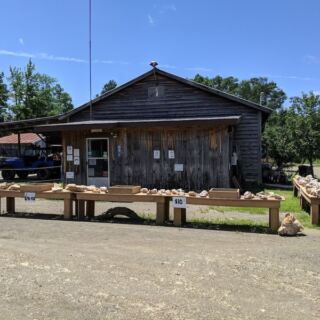
After your underground adventure, head to the gift shop for some hands-on geological fun. The geode cracking station lets you choose your own rock, place it in a special cracker, and pull the lever to split it open and reveal the crystal-lined interior. It’s basically a geological lottery where you never know exactly what treasures you’ll find until that rock cracks apart.
Kids absolutely love this activity, but plenty of adults admit to getting just as excited when their geode reveals a hollow cavity sparkling with amethyst, quartz, or calcite crystals. The staff helps you select a geode and operates the cracking equipment safely, then helps you identify what minerals you’ve discovered. It’s a perfect souvenir that you actively participated in creating rather than just purchasing off a shelf.
Gemstone mining offers another option for hands-on exploration. You purchase a bag of mining rough (sand and gravel mixed with various gemstones and minerals), then sift through it using water and screens to discover what’s hidden inside. The process mimics real prospecting techniques and teaches basic geology concepts while keeping kids engaged and entertained.
Most bags contain a guaranteed mix of stones, so everyone finds something worthwhile.
These activities provide excellent options if you arrive early for your scheduled cave tour or if younger family members need something to do while others explore gift shop merchandise. The staff running these stations clearly enjoy sharing their knowledge about rocks and minerals, answering questions about where different stones come from and how they formed. It extends the educational component of your visit beyond the cave itself while adding an interactive element that enhances the overall experience.
Share this story