Some landscapes look unreal until you step into them and feel the wind lift the sand at your feet. Bruneau Dunes State Park turns every direction into a postcard, from shimmering lakes to a towering dune that dares you to climb it.
Come for the thrill of sandboarding and stay for the Milky Way blazing over silent ridgelines. If you want a day that feels like a vacation and an adventure, this is where Idaho shines.
1. Climb The Tallest Dune
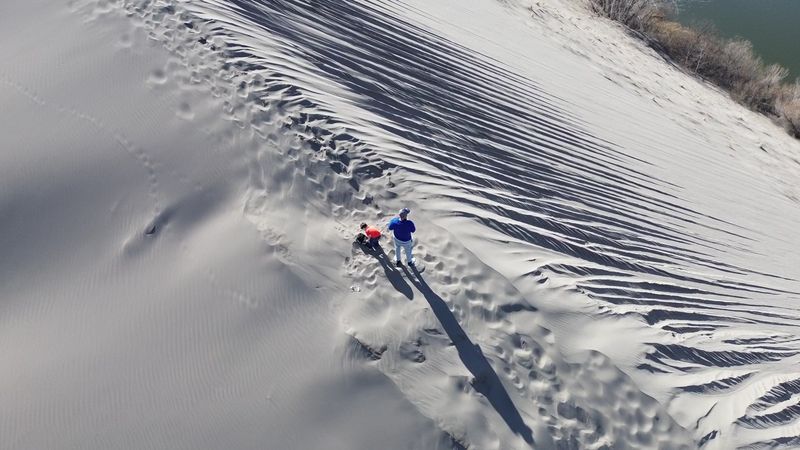
Stand at the base of North America’s tallest single-structured sand dune and you feel the scale immediately.
The slope rises like a golden wave, its ridge etched by wind and footprints that hint at effort and reward.
Each step sinks, but the panorama waiting on top keeps you moving.
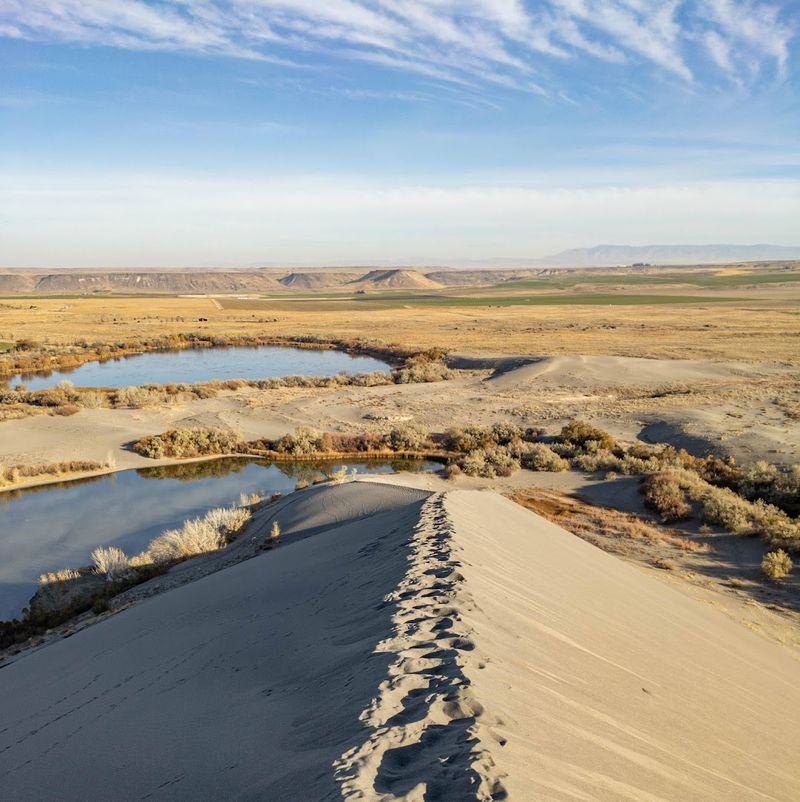
From the summit, you take in crescent ponds, sagebrush flats, and distant Owyhee peaks that look painted into the sky.
Sunset drapes the dunes in peach light, and morning reveals crisp ripples that photograph beautifully.
Bring water, start early or after dinner, and pace yourself by following existing tracks.
On windy days the sand stings, so check forecasts and consider sunglasses or a buff.
The climb is a workout, but the descent is a joy, with soft sand cushioning each stride.
If you love a challenge, aim for the high crest; if you want a sampler, start with the smaller dune across the lake.
2. Sandboarding And Sled Rentals
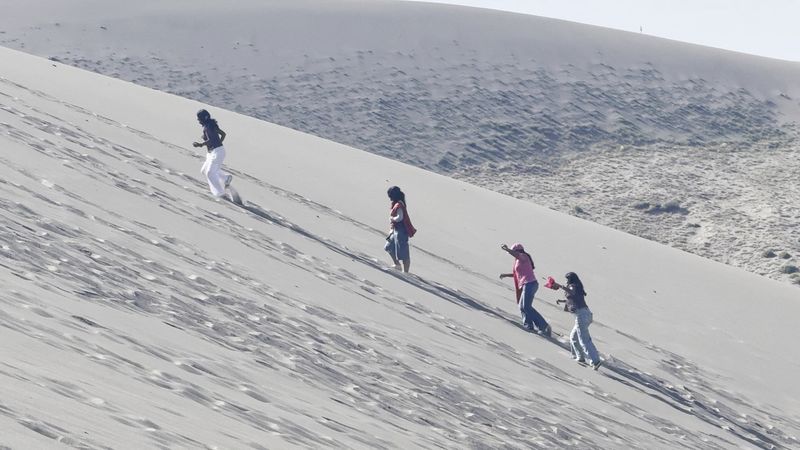
At the visitor center, staff rent sand sleds and boards when temperatures are safe, and they happily share quick tips.
Wax the base, point downhill, and commit; half measures just dig a trench.
You can also bring your own gear or even sturdy cardboard for a playful first ride.
The small dune is perfect for dialing in balance and speed before tackling the giant.
Afternoons get hot, so plan morning laps or wait for that golden hour window.
Helmets are smart for kids, and gloves keep fingers from getting scuffed while carrying boards uphill.
Expect to hike for every drop, because there is no lift service here, only grit and laughter.
Watch for wind, mind other riders, and keep extra water in your pack.
After a few runs, you will find a rhythm that feels like surfing a sunlit sea, complete with cheers at the bottom.
It is exhausting and exhilarating in the best possible way.
3. Stargazing And The Observatory
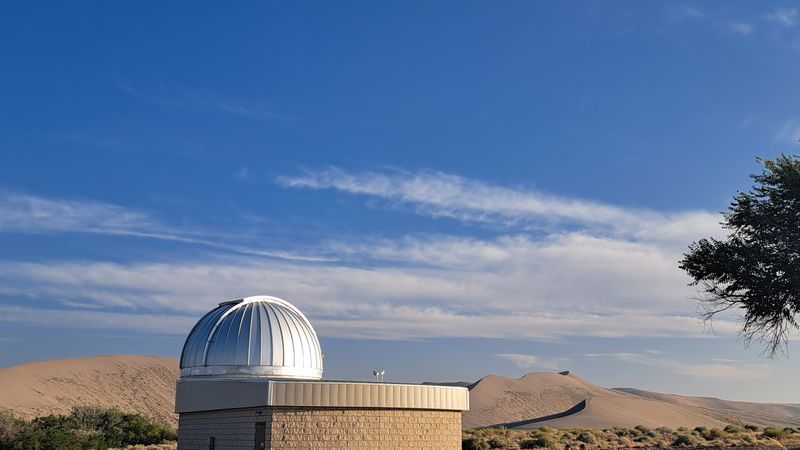
When darkness falls, Bruneau Dunes becomes a theater for the universe.
The on-site observatory hosts weekend programs with powerful telescopes and friendly interpreters who help you trace constellations.
Even without a program, the park’s low light pollution rewards you with the Milky Way arcing over the dunes.
Pack a red flashlight, a warm layer, and patience for truly dark adaptation.
Arrive before dusk, stake a spot out of the wind, and let your eyes adjust while the sky slowly blooms.
If you have a tripod, long exposures will turn faint smudges into crisp star fields.
On calm nights, dune reflections ripple in the lakes, creating double constellations you will not forget.
Summer brings meteors, spring brings clarity, and fall often offers steady, cool air.
Check the park’s calendar for observatory dates, and remember that Sunday nights may be dark but sometimes quiet.
Bring bug spray because mosquitoes rise right after sunset too.
4. Camping Under Big Skies
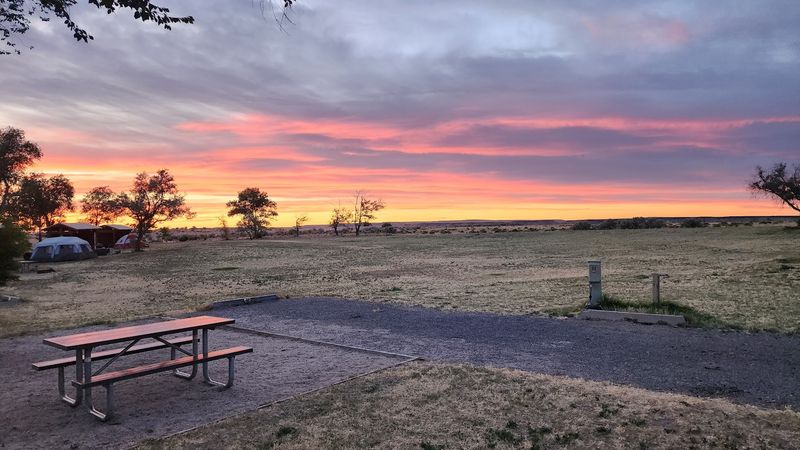
Staying the night lets you slow down and feel the desert rhythm.
Two main campgrounds offer water and electric at many sites, plus convenient dump stations for RVs.
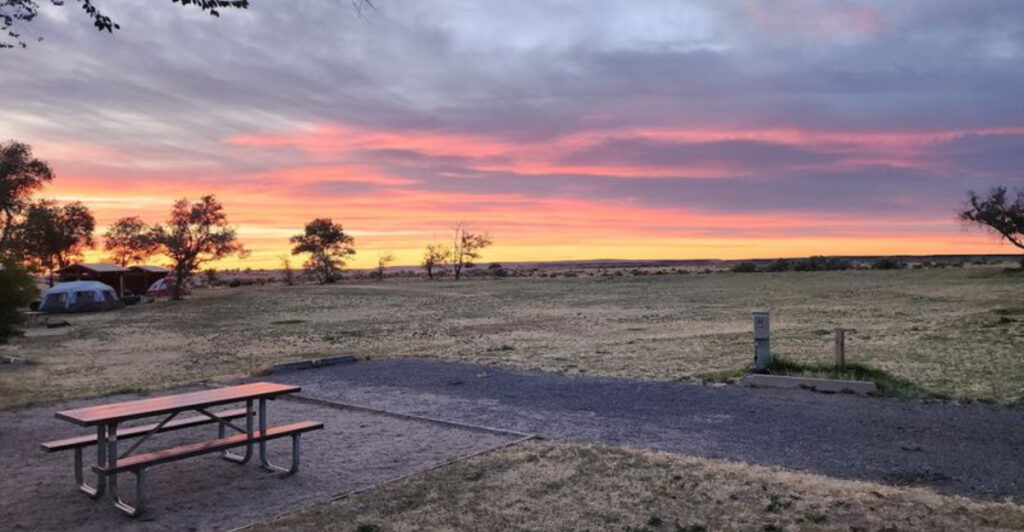
Sites are spacious, though shade is limited, so portable canopies and early arrivals make a big difference.
Eagle Cove sits near the water, while Broken Wheel spreads out under big sky.
Quiet hours keep evenings peaceful, but wind can rattle tents, so stake well and park smart.
Expect coyotes yipping, pronghorn at dusk, and a canopy of stars that will pull you from your chair.
Reserve ahead for weekends, watch the forecast, and pack bug protection for lakeside sites.
There are cabins, too, which sell out quickly during prime stargazing season.
If full hookups are essential, consider day tripping instead, but if you can adapt, a night here feels like stepping into a quiet planetarium.
Senior discounts help stretch your camping budget.
Book early online.
5. Lakes, Paddling, And Reflections
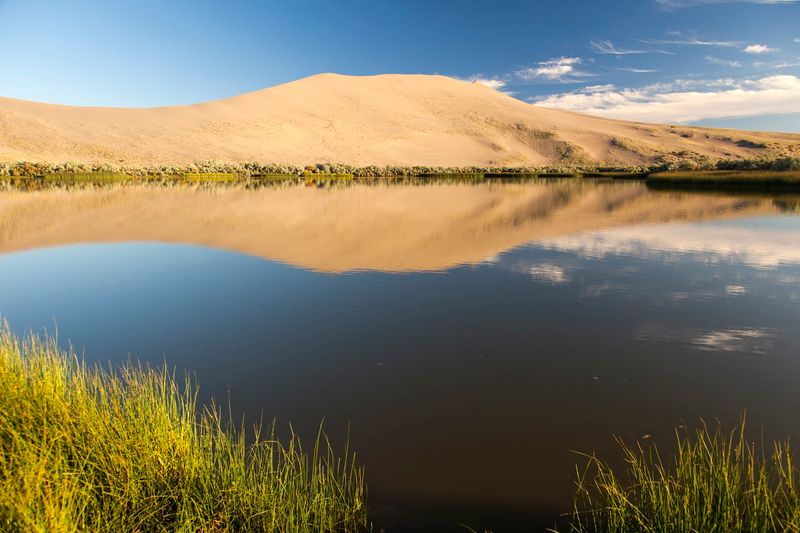
Two small lakes nestle against the dunes, their calm surfaces mirroring clouds and ripples.
Paddle boards and kayaks work beautifully on quiet mornings before the wind wakes up.
Swimming is not ideal, but a lazy shoreline float in summer feels wonderfully cooling after a dune climb.
Anglers cast for bass and bluegill from shaded pockets, while photographers catch glints of reflected dune light.
Packs of swallows skim the water like tiny kites.
If you bring a dog, remember hot sand rules midday, and paws appreciate booties plus lots of shade breaks.
Mosquitoes can swarm near still water at dusk, so time your visit and carry repellent.
A light breeze helps, longer sleeves help more, and moving away from vegetation helps most.
Sit quietly and the lake becomes a stage where reflections double every color, and your postcard view finally breathes.
Please pack out every wrapper and micro trash you bring.
Leave no trace.
6. Sunrise And Sunset Hikes
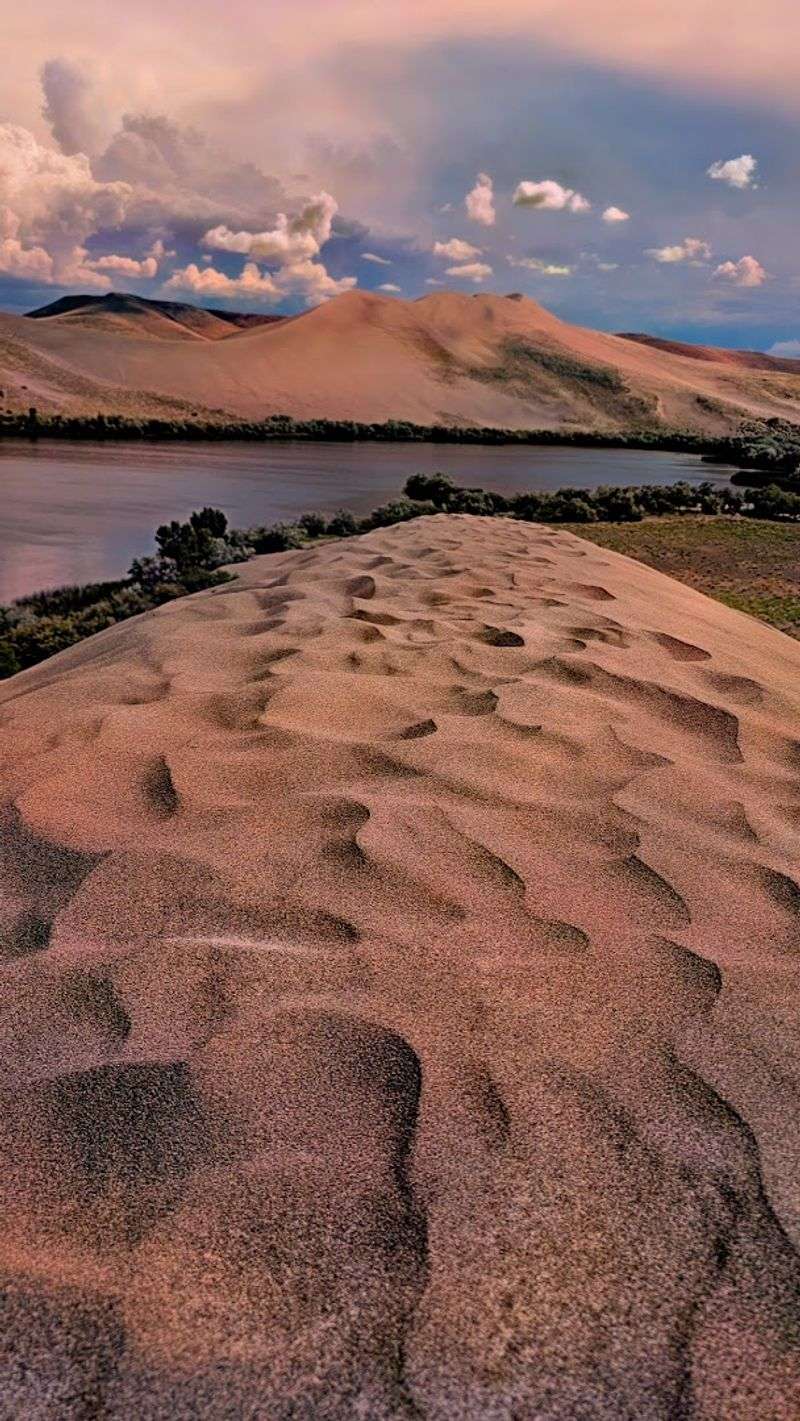
Beyond the big climb, looping trails circle the lakes and weave through sagebrush.
Early light paints ripples with long purple shadows, and late light glows honey gold.
Put on gaiters if you have them, because fine grains sneak into socks and make even easy miles feel longer.
Sunrise rewards you with cool sand and solitude, while sunset fills the amphitheater with families and quiet cheers.
Both times are lovely for photos, especially if clouds hang on the horizon.
Carry a paper map from the visitor center and watch for limited signage at minor junctions.
If recent rain has firmed the surface, walking feels easier and the windblown shapes look freshly sculpted.
After storms, look for ripples repaired by nature overnight.
Step gently, share the ridge, and give space to slower hikers so everyone can savor that improbable ocean of sand in peace.
Bring plenty of water even on cool days.
Hats help, too.
7. Wildlife, Safety, And Respect
Desert life thrives here if you slow down and watch.
You might spot pronghorn skimming the flats, coyotes trotting at dusk, or harmless gopher snakes warming on pavement.
Keep distance, use a zoom lens, and let wild rhythms continue without your interference.
At night, ultraviolet flashlights reveal tiny scorpions glowing like neon comma marks across the sand.
It is a magical sight when treated respectfully.
Step with care, wear closed shoes, and remember that most encounters end with a skitter and a disappearing tail.
Mosquitoes swarm near water after sunset, so long sleeves and repellent are your best friends.
Carry tweezers for cactus spines, plus a small first aid kit in your daypack.
With a bit of preparation, the park’s creatures become neighbors you can admire rather than worries you fear.
Give any snakes space, and never handle wildlife or feed begging creatures.
Pack out fish line and trash to protect birds, please.
8. Weather And Seasonal Timing
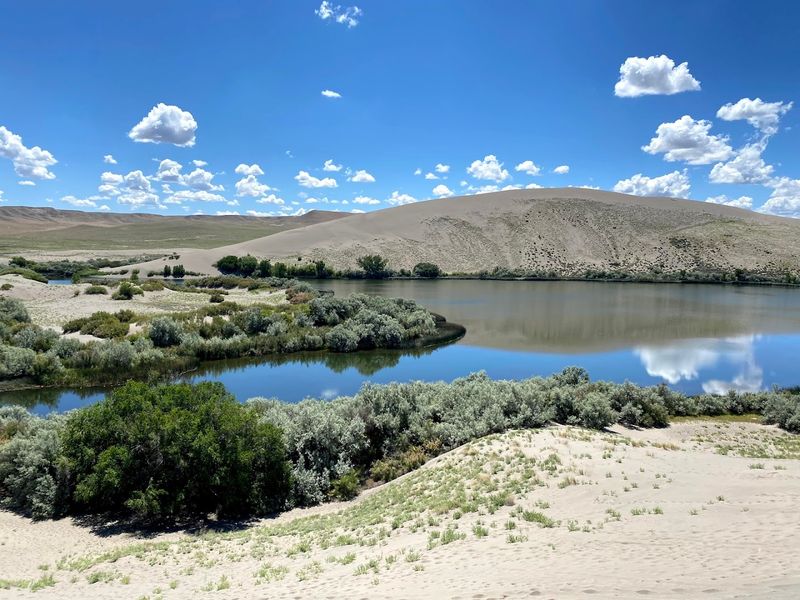
This landscape changes character with the seasons, and timing shapes your experience.
Spring brings mild days and clear nights, while fall adds steadier air for telescopes.
Summer heat can be fierce by midday, turning sand into a skillet that challenges paws and bare ankles.
Plan climbs for early morning or the evening window, and check wind forecasts before committing to higher ridges.
After rain, the surface firms and hiking eases.
During an extended drought, expect looser footing and more intense afternoon thermals that whip sand off the crests.
Always carry extra water, a brimmed hat, and lip balm with sunscreen.
Winter is quiet and lovely, with hoarfrost sometimes tracing ripple edges and the Owyhees dusted white.
Bring microspikes only if icy roads are likely, but still pack layers and hot drinks.
Whichever season you choose, the light will surprise you, and your photos will look like postcards.
Check road conditions on the park website.
9. Easy Day Trip Logistics
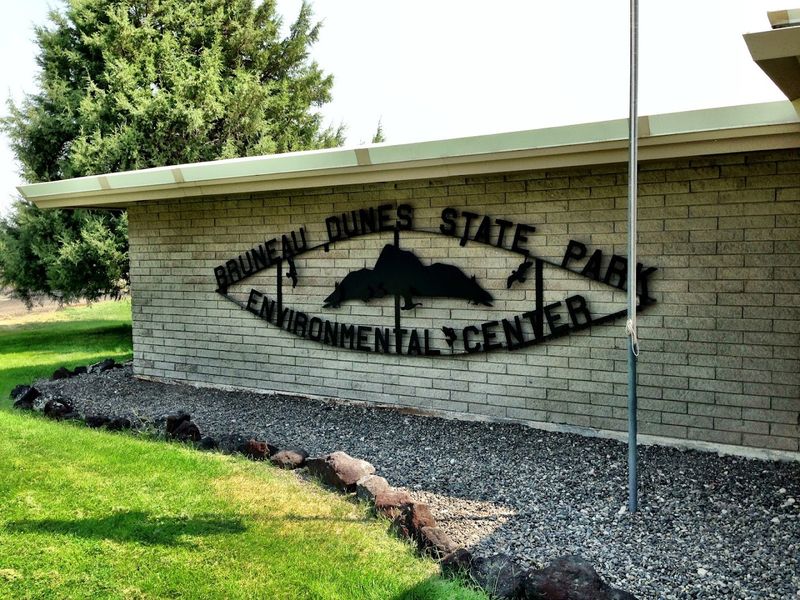
From Boise, it is an easy day trip past Mountain Home to the park entrance.
Expect a modest day-use fee at the self-pay booth or visitor center.
The scenic road ends beneath the dune amphitheater, with picnic tables, restrooms at key hubs, and plenty of open sky.
Stop at the visitor center for maps, natural history displays, and friendly rangers who answer real world questions.
You can rent sand sleds, buy souvenirs, and learn what programs are running that weekend.
The human sundial out front makes a nerdy, delightful photo stop.
Cell service can be surprisingly good, but downloads are slow during busy weekends.
Bring cash just in case, and top off your tank before leaving town.
With a little planning, you will be sledding, stargazing, and toasting a sunset faster than you can say dunes.
Check observatory schedules ahead and note that Sundays may be dark.
Boats need life jackets.
Share this story