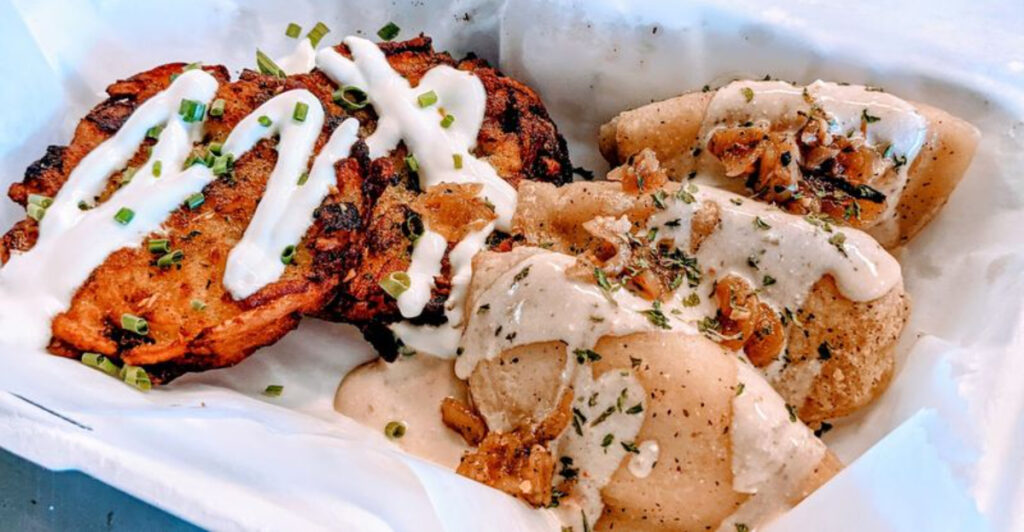
Michigan’s pierogi trail feels like comfort food with a passport, shaped by old-school kitchens, family traditions, and a new generation of dumpling lovers keeping the craving alive. Across these 14 stops, the humble pierogi takes on all kinds of personality, from classic potato-and-cheese pockets to smoky fillings, crisp edges, buttery onions, and unexpected twists worth slowing down for.
Some places feel like neighborhood legends, while others bring fresh energy to a dish rooted in memory. Follow this route for the flavors, the local details, and the little stories that turn a simple pierogi stop into a reason to plan the next one.
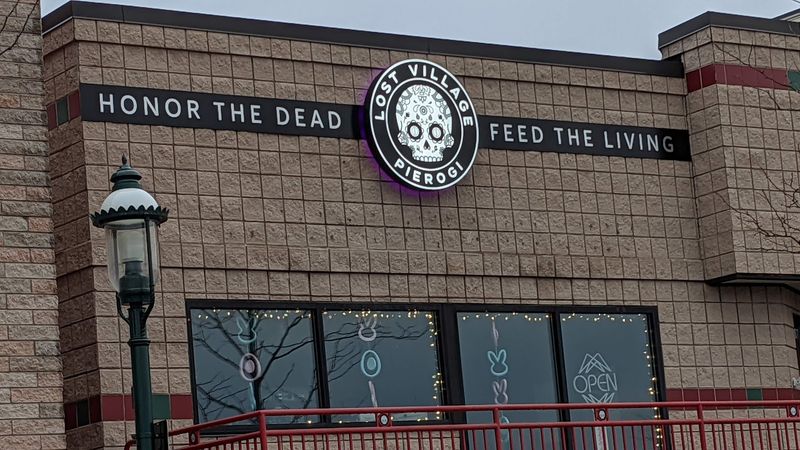
1. Lost Village Pierogi — Petoskey
A Petoskey pierogi stop comes with its own kind of northern Michigan mood. Cold lake air, downtown walks, and quiet views make a warm dumpling feel even more satisfying, especially when the filling leans hearty and the edges pick up a little color in the pan.
Lost Village Pierogi fits that setting with a handmade, small-batch spirit that feels more personal than polished.
The appeal here is not about dressing pierogi up until they stop looking familiar. It is about giving them enough care that simple fillings feel worth slowing down for.
Potato, cheese, onion, mushroom, sauerkraut, or seasonal-style combinations all work best when the dough has the right balance: tender enough to feel homemade, strong enough to hold the filling, and sturdy enough to survive a little browning without splitting. That is the texture people remember after the plate is gone.
This kind of pierogi also travels well in spirit. Petoskey is the sort of town where takeout can become part of the day, especially if the plan includes a walk near the water or a quiet meal back at a rental, cabin, or kitchen table.
A frozen or take-home pierogi option carries that same comfort into a later meal, when butter, onions, and a hot pan can bring the whole thing back to life.
The best approach is to keep the pairing simple. Sour cream adds coolness, onions bring sweetness, and a sharper side helps balance the richness.
Lost Village Pierogi works because it gives a familiar dish a lakeside detour, turning a humble dumpling into the kind of stop that feels right after fresh air and a long northern view.
2. Polish Village Cafe — Hamtramck
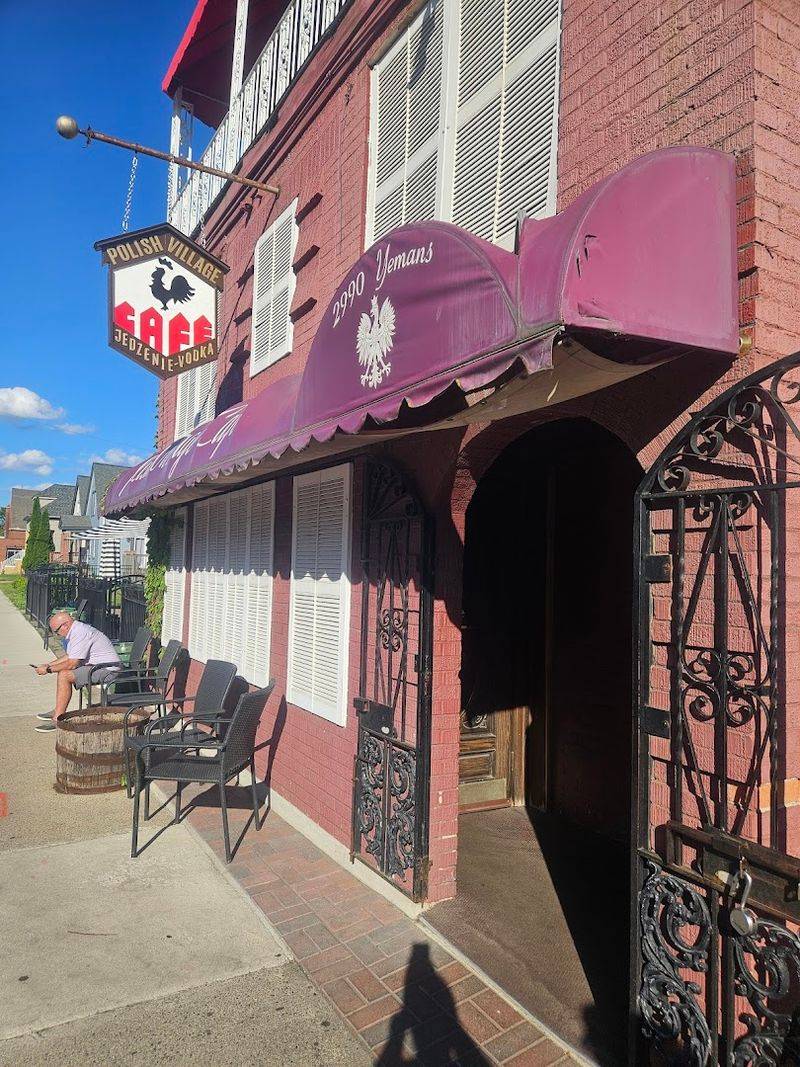
In Hamtramck, pierogi do not feel like a novelty. They feel like part of the city’s language, and Polish Village Cafe speaks that language fluently.
Set inside one of Michigan’s most recognizable Polish food communities, the cafe gives pierogi the kind of setting they deserve: warm plates, busy tables, sour cream on the side, and a menu filled with dishes that make the whole meal feel rooted rather than random.
The pierogi here stay close to tradition. Potato and cheese, kraut, sweet cheese, and mixed options bring the familiar comfort people expect, while pan-frying adds the texture that turns soft dumplings into something more layered.
The outside catches a little crispness, the dough stays tender, and the filling settles into that creamy, savory center that makes the first forkful feel immediately familiar.
What makes the experience stronger is everything around the pierogi. Kielbasa, stuffed cabbage, potato pancakes, soups, kraut, and other Polish standards help build the kind of meal where the dumplings are not alone on the plate.
They become part of a larger comfort-food rhythm: rich, tangy, buttery, salty, and balanced by little resets of cabbage, pickle, or sour cream.
The room itself matters, too. Polish Village Cafe has the feel of a place where food is not treated like a trend.
It is steady, busy, and comfortable in its own identity. Plates move with purpose, tables turn, and the smell of browned dough and old-school cooking does plenty of convincing before the first bite.
For anyone tracing Michigan’s pierogi map, this stop feels essential. It is not trying to reinvent the dumpling.
It is showing why the classic version still holds up.
3. Babcia’s Corner / Bap Goodness — Traverse City
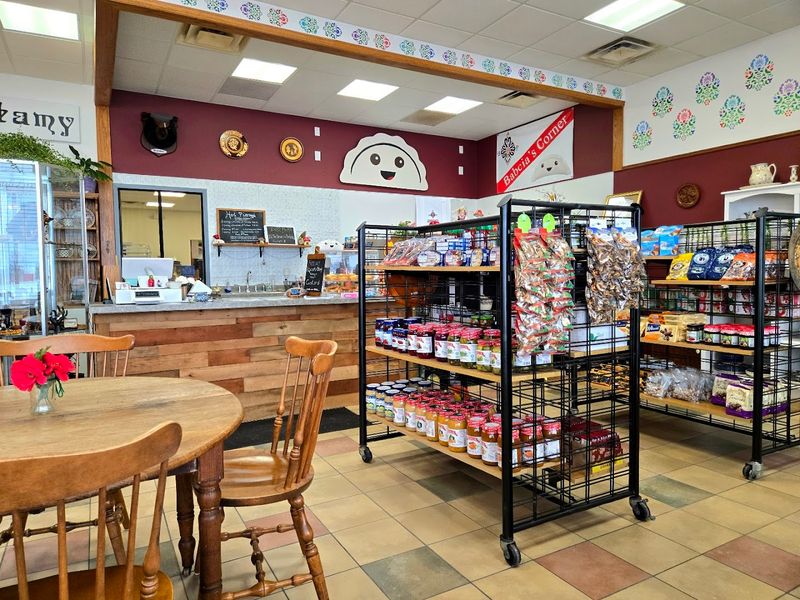
There is something especially charming about finding traditional handmade pierogi in Traverse City, a place more often linked with cherries, wine trails, lakeside weekends, and polished northern Michigan food stops. Babcia’s Corner, home of Babcia’s Amazing Pierogi and connected with Bap Goodness, adds a different kind of comfort to that landscape.
It brings Polish market warmth into a town where the food scene already rewards small, thoughtful discoveries.
The name sets the tone. “Babcia” points straight to grandmotherly cooking, and the food follows that emotional thread. Pierogi here are framed around family tradition, handmade technique, Polish staples, and ingredients chosen with care.
That matters because pierogi rely so heavily on texture. The dough has to feel soft without falling apart, the filling has to be clear without turning heavy, and the finished dumpling has to taste like someone paid attention before it ever reached the pan.
This is the kind of stop where simple choices can be the most satisfying. Potato and cheese gives the classic creamy comfort.
Mushroom brings earthiness. Sauerkraut adds tang and keeps the richness from settling too heavily.
A mixed order makes sense when curiosity wins, especially because pierogi are made for comparison. One filling shows off the dough; another shows off seasoning; another reminds you why onions and sour cream have stayed in the conversation for so long.
The market-style side gives the place extra usefulness. Frozen pierogi, Polish grocery items, and take-home options make it possible to stretch the stop beyond one meal.
That feels right for Traverse City, where visitors often want something local to carry back with them.
Babcia’s Corner turns pierogi into both a meal and a keepsake, warm enough for lunch and practical enough to save for later.
4. Pietrzyk Pierogi — Detroit
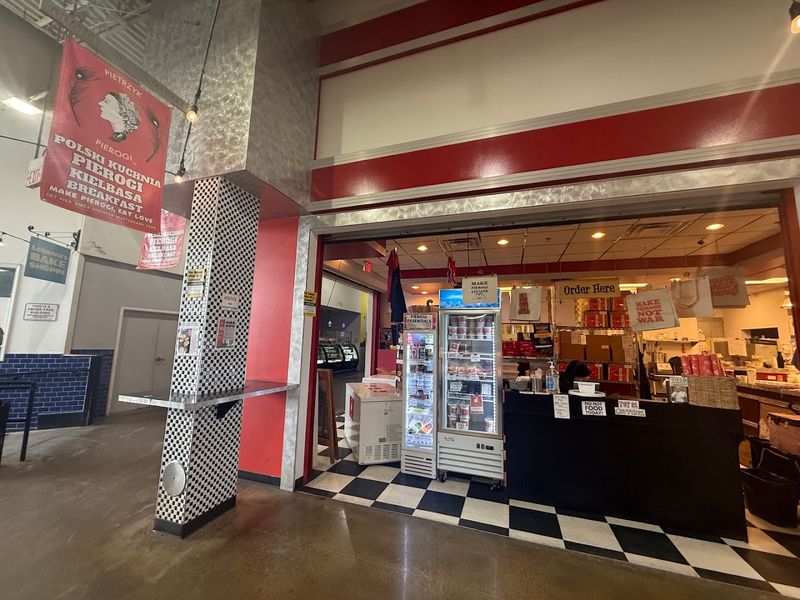
Detroit gives Pietrzyk Pierogi the right kind of backdrop: energetic, inventive, proud of tradition, but never afraid to put its own stamp on the plate. This Eastern Market-area maker has built a name around handmade pierogi that respect Polish roots while still leaving room for personality.
The result feels city-ready, not museum-piece traditional.
The dough is where the conversation starts. A good pierogi needs seams that hold, edges that feel intentional, and a body that can take boiling, browning, or reheating without losing its shape.
Pietrzyk’s strength is in making the dumpling feel crafted rather than factory-perfect. Each piece carries that handmade quality, where the fold matters and the filling feels tucked in with purpose.
The menu supports both traditionalists and curious eaters. Classic potato-forward options sit comfortably beside more creative choices, giving the stop a playful range without cutting the dish loose from its heritage.
That balance is important. Pierogi can handle invention, but only if the dough and filling still work together.
A bold filling needs restraint around it. A creamy one needs a little contrast.
A richer bite benefits from onion, relish, sour cream, or something sharp enough to reset the palate.
The Eastern Market energy helps, too. Pierogi feel different when they are connected to a food district built around vendors, shopping, weekend crowds, and people wandering with bags in hand.
A few dumplings can become a snack, a meal, or something to take home for later.
Pietrzyk Pierogi stands out because it treats tradition as a living thing. The flavors can be classic or playful, but the best bites still come back to the same point: soft dough, clear filling, and a Detroit maker having fun with a very old comfort food.
5. St. Ladislaus Aid Society — Grand Rapids
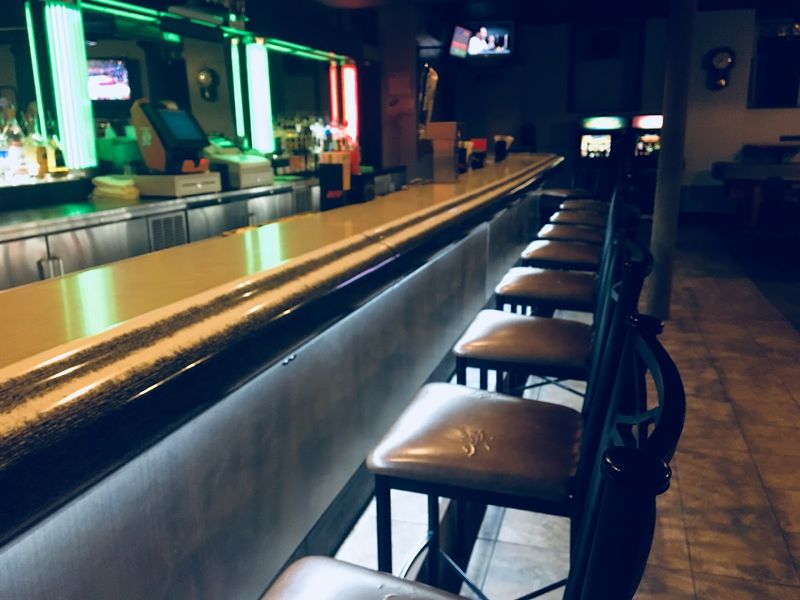
Community halls have a different relationship with pierogi than restaurants do. At St. Ladislaus Aid Society in Grand Rapids, the dish belongs to a larger rhythm of Polish heritage, neighborhood gathering, events, fish fries, fundraisers, and social nights where the food is only part of what brings people through the door.
That context gives the pierogi a deeper kind of flavor.
This is not the place to expect delicate restaurant plating or a dramatic garnish trail across the plate. The appeal is more direct and more communal.
Pierogi in a hall setting are made to feed people well, move through a crowd, and hold their texture while plates, conversations, and drinks all travel at once. The dough needs enough chew to stay intact.
The filling needs to be familiar enough to please a wide table. The serving style needs to be practical because the point is fellowship as much as food.
That practicality is part of the charm. Butter, onions, sour cream, and traditional fillings make sense here because they support the social nature of the meal.
Potato and cheese, kraut, or other familiar options do not need heavy reinvention. They need warmth, consistency, and enough comfort to make someone consider a second helping.
St. Ladislaus also represents a Grand Rapids food story that is easy to overlook from the outside. The city’s Polish and Lithuanian halls have long helped preserve cultural traditions through events and community meals.
A pierogi stop in this setting feels less like checking off a restaurant and more like stepping into a living local habit.
The best way to approach it is with the right expectations. Watch for event schedules, go when food is being served, and let the simplicity do its work. The plate may be humble, but the tradition behind it is anything but small.
6. The Little Pierogi & Crepe Kitchen — Wyandotte
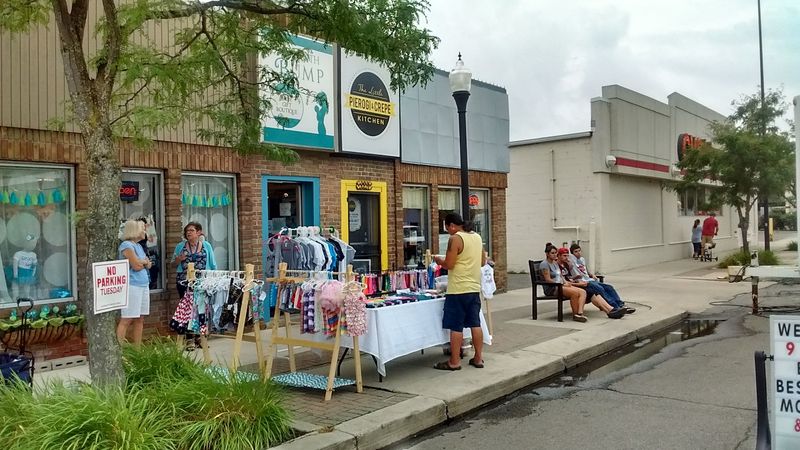
A small Wyandotte kitchen that serves both pierogi and crepes already has a playful sense of balance built into the name. The Little Pierogi & Crepe Kitchen brings savory and sweet together under one roof, giving Downriver diners a stop that can feel like lunch, comfort food, dessert, or all three if the appetite is persuasive enough.
The pierogi side carries the heart of the place. Handmade and homemade language follows this shop closely, and the menu has been known for both traditional and nontraditional combinations.
That range gives the dumplings personality. Classic fillings offer the soft, familiar comfort people expect, while more creative versions let the kitchen stretch without losing the basic pleasure of dough wrapped around something warm and satisfying.
Texture matters because pierogi and crepes both depend on delicate handling. Pierogi need enough structure to hold their fillings and enough tenderness to avoid feeling heavy.
Crepes require a lighter touch, thin and flexible enough to fold around sweet or savory additions. Having both on the menu makes the kitchen feel more nimble than a standard comfort-food stop.
The best meal here can move in stages. Start savory, with pierogi that lean buttery, cheesy, earthy, or tangy.
Then let a crepe finish the visit with sweetness, fruit, chocolate, cream, or whatever direction feels right that day. That contrast keeps the experience from feeling too rich in one direction.
The shop’s downtown Wyandotte setting helps the mood. It feels like the kind of place that fits a casual walk, a lunch break, or a relaxed stop with someone who wants options.
The Little Pierogi & Crepe Kitchen earns attention by making tradition feel light on its feet, pairing handmade comfort with a little café-style charm.
7. Irena’s Pastry & Bistro — Sterling Heights

Sterling Heights has plenty of Eastern European food roots, and Irena’s Pastry & Bistro fits naturally into that landscape. The name suggests sweets first, but the menu reaches into Polish comfort with pierogi, soups, stuffed cabbage, potato pancakes, kielbasa, pastries, cakes, and other familiar staples.
That mix gives the place a softer, more bistro-like personality than a barebones dumpling counter.
Pierogi here benefit from the pastry side of the house. Even when the dish is savory and traditional, a kitchen that understands dough and filling has a natural advantage.
The dumpling shell should feel tender but not fragile, with enough body to hold potato, cheese, sauerkraut, or other classic fillings. When warmed properly and paired with sour cream, onions, or a simple side, the pierogi land as comfort food with a little extra polish.
The broader menu helps create a fuller meal. Dill pickle soup, cabbage soup, stuffed cabbage, potato pancakes, sausage, and Polish plates give the pierogi context, especially if the goal is to taste more than one part of the kitchen.
A plate of dumplings can be the center, but a bowl of soup or a pastry afterward can change the rhythm completely.
Irena’s also works for people who like food that feels homemade without being too plain. The bistro setting adds a bit of care to the experience, while the pastry case and dessert options make it easy for the visit to stretch beyond one savory plate.
This stop stands out because it bridges two kinds of comfort: the soft warmth of Polish cooking and the small pleasure of a bakery visit. A pierogi lunch followed by something sweet feels like a natural progression rather than an indulgence too far.
8. Srodek’s Campau Quality Sausage — Hamtramck / Sterling Heights
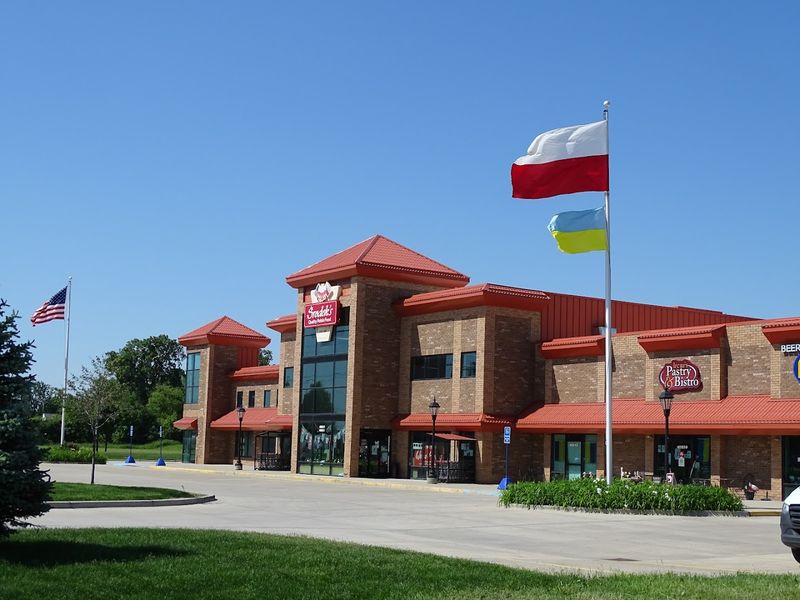
Some pierogi stops make the most sense when you think beyond the plate and imagine the whole spread. Srodek’s Campau Quality Sausage has that kind of presence, with Hamtramck and Sterling Heights locations rooted in Polish and European food traditions.
The market is known for sausages, smoked meats, deli goods, Polish groceries, and pierogi that fit naturally beside kielbasa, kraut, mustard, and everything else a proper comfort-food table needs.
The pierogi here carry a practical, take-home appeal. They are available in multiple varieties, including familiar potato and cheese styles along with more playful options such as chili cheese coney and spinach artichoke.
That range makes Srodek’s useful for both traditional dinners and casual gatherings where people want something a little different without abandoning the dumpling format.
Texture becomes especially important when pierogi are part of a larger meal. They need to stand up beside smoked sausage, grilled meats, sauerkraut, horseradish, and rich sides without disappearing.
A sturdy dough, creamy filling, and crisped finish in the pan can hold their own against the deeper flavors of cured and smoked proteins.
The market setting changes the experience in a good way. Instead of sitting down for one finished plate, shoppers can build the meal piece by piece.
A dozen pierogi, a ring of kielbasa, mustard, kraut, pickles, and maybe something sweet can turn one stop into a full Polish-inspired spread at home.
Srodek’s belongs on a pierogi trail because it shows how flexible the dish can be. Pierogi are not only restaurant food.
They are freezer food, holiday food, backyard food, family-table food, and the kind of thing that makes a simple dinner feel more generous than planned.
9. Christine’s Cuisine — Ferndale
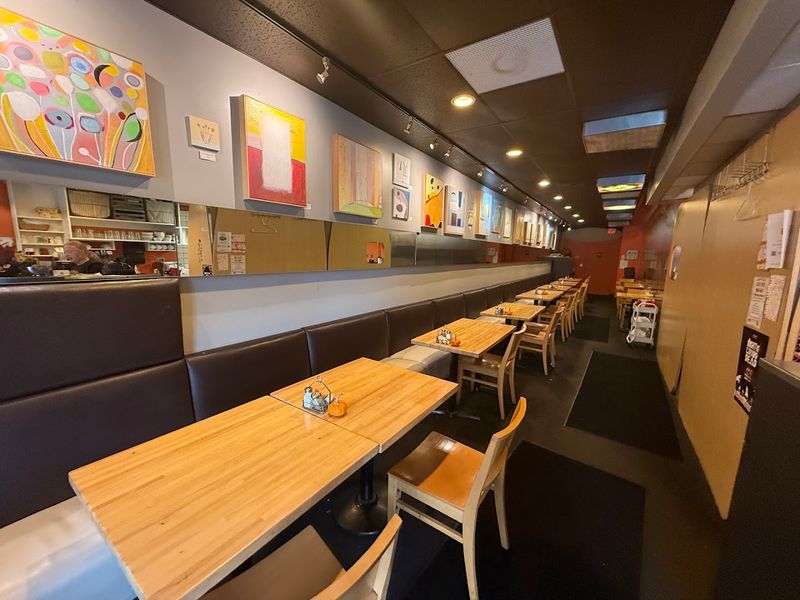
Ferndale gives Christine’s Cuisine the right kind of neighborhood backdrop: casual, busy, and open to comfort food with a little range. The restaurant’s menu reaches across Eastern European and homestyle territory, with pierogi, potato pancakes, stroganoff, sausage, sauerkraut, salads, and other filling plates sharing space.
That makes the pierogi feel like part of a broader kitchen identity rather than a one-item attraction.
The dumplings work best when treated as comfort with contrast. A creamy potato or cheese filling needs something sharp nearby.
Sauerkraut brings tang. Sour cream cools the bite.
Onions add sweetness and texture. A side salad or cabbage element can keep the richness from becoming too heavy, especially if the order turns into a full plate rather than a quick sample.
Christine’s has the advantage of being a sit-down restaurant with enough menu variety for mixed appetites. Someone can come for pierogi, someone else can lean toward a heartier entrée, and the table still feels like it belongs to the same meal.
That flexibility matters in a neighborhood place, where regulars may want comfort one night and something lighter the next.
The style is approachable rather than overly precious. Pierogi here do not need to be treated like rare objects.
They are meant to be eaten hot, paired with practical sides, and enjoyed as part of a meal that feels familiar even if every dish is not from the same exact tradition. That is often how the best neighborhood restaurants work.
Christine’s Cuisine adds value to this trail because it gives pierogi a Ferndale setting: relaxed, useful, filling, and easy to fold into a casual lunch or dinner. It is a stop where tradition shares the table with everyday comfort, and that combination has its own quiet pull.
10. People’s Pierogi Collective — Detroit / Eastern Market
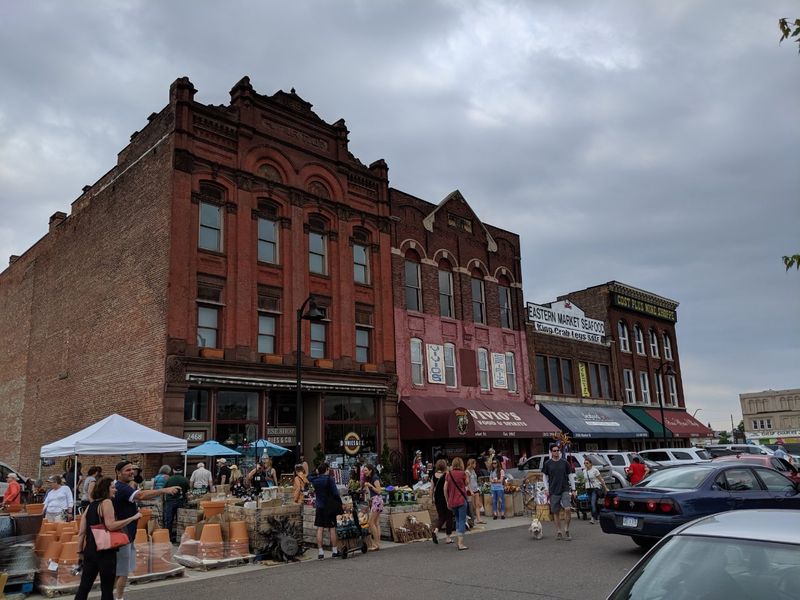
At Eastern Market, pierogi take on a different kind of energy. People’s Pierogi Collective fits into the movement of the market itself, where shoppers, vendors, bags of produce, coffee cups, flowers, meat counters, and prepared food all overlap in one busy Detroit rhythm.
A pierogi stop here feels less like a formal meal and more like something found while the day is already in motion.
The appeal is variety and immediacy. People’s Pierogi is associated with homemade pierogi, smoked Polish sausage, and multiple flavors that move from traditional grandmother-style fillings into more urban, playful Detroit combinations.
That range makes sense in a market setting, where sampling is part of the fun and people are often eating with one hand while planning the next stop.
Texture can vary by filling and finish, but the best bites bring that classic contrast: a soft interior, a little chew from the dough, and enough browning or crispness to keep the dumpling from feeling too gentle. Richer pierogi benefit from a sharp condiment or a bite of sausage.
A more vegetable-forward filling can use sour cream or butter to round it out.
The setting does plenty of work. Eating pierogi at Eastern Market means the food comes with noise, foot traffic, and the sense that the city is moving around the plate.
It is not polished dining, and it should not be. The charm is in the pickup, the wrapper, the quick bite, and the possibility of taking frozen pierogi home for later.
People’s Pierogi Collective makes the trail feel alive because it places tradition inside one of Detroit’s busiest food spaces. The dumplings become both snack and souvenir, made for the market moment and the kitchen at home.
11. Country Smoke House — Almont

Country Smoke House brings pierogi into meat-lover territory, which changes the whole mood of the stop. This Almont market is best known for smoked meats, sausage, jerky, wild game products, brats, snack sticks, kielbasa, and hearty provisions, so pierogi here feel less like a delicate appetizer and more like part of a serious country spread.
The pairing makes sense immediately. Pierogi have the soft, starchy comfort that smoked meats need beside them.
Sausage brings salt, smoke, snap, and fat; pierogi bring chew, creaminess, and a calmer base for all that intensity. Together, they create the kind of meal that feels built for a road trip, cabin weekend, backyard table, or freezer stock-up before a busy week.
Country Smoke House offers pierogi in multiple flavors, including traditional and more varied options, with packages designed for cooking at home. That shifts the experience from restaurant plate to pantry possibility.
Instead of eating one order and leaving, shoppers can bring home enough to build several meals. A pan of pierogi with buttered onions, sliced kielbasa, mustard, kraut, or a vinegar-forward slaw can feel both simple and deeply satisfying.
The key is balance. Pierogi this hearty need something sharp nearby so the meal does not become too rich.
Pickles, sauerkraut, mustard, cabbage, or a crisp salad can cut through the smoke and starch while keeping the comfort intact.
This stop gives the trail a rural, smokehouse edge. It proves pierogi do not have to stay inside a Polish restaurant to make sense.
In Almont, they become part of a bigger table of meat, smoke, salt, and home-cooked satisfaction, the kind of food that feels ready for hungry people and long drives.
12. Dobre Pierogi — Shelby Township
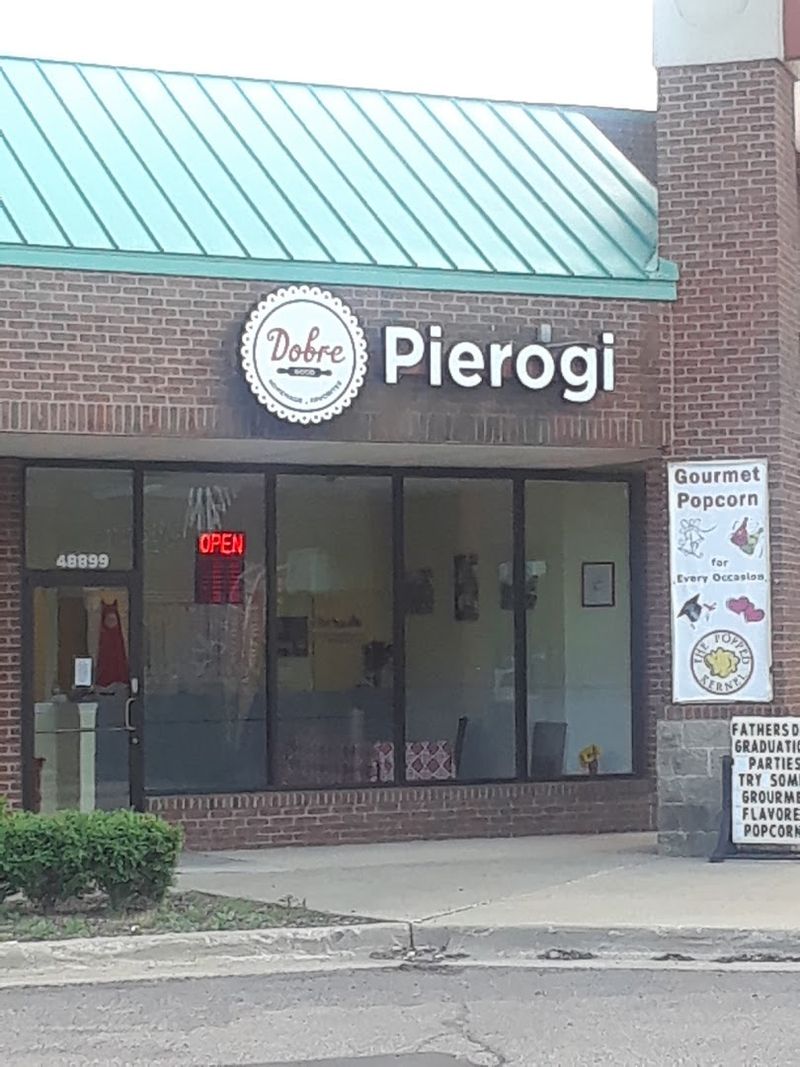
A focused pierogi shop has a certain clarity to it. Dobre Pierogi in Shelby Township knows exactly what it is offering: handmade, made-from-scratch pierogi in a variety of traditional and playful fillings.
That directness gives the stop its appeal. There is no need to sort through a long menu of unrelated dishes before finding the reason to be there.
The varieties cover familiar ground and then move outward. Potato cheddar, potato onion, sauerkraut, sweet farmer’s cheese, spinach feta, kraut and kielbasa, cheeseburger, and spicy breakfast all show how flexible pierogi can be without losing their identity.
The classic fillings provide the soft, old-school comfort people expect, while the newer options add just enough surprise to keep a tasting order interesting.
Because the shop works by the dozen and pickup-style ordering, the experience feels practical as well as satisfying. These are pierogi meant to go home, fill a freezer, feed a family, or become the centerpiece of a quick dinner when butter and onions are all the extra help needed.
That makes Dobre feel less like a restaurant stop and more like a pantry upgrade.
Texture remains the quiet test. A good take-home pierogi has to cook well, hold its seam, and keep the filling clear after reheating or pan-frying.
When the dough browns lightly and the center stays creamy, the whole plate comes together with very little effort.
Dobre adds a suburban, family-owned note to the Michigan pierogi trail. It is not about atmosphere or spectacle.
It is about reliable handmade dumplings, enough flavors to keep the freezer interesting, and the pleasure of turning a simple home meal into something warmer than expected.
13. Polonia Restaurant — Hamtramck
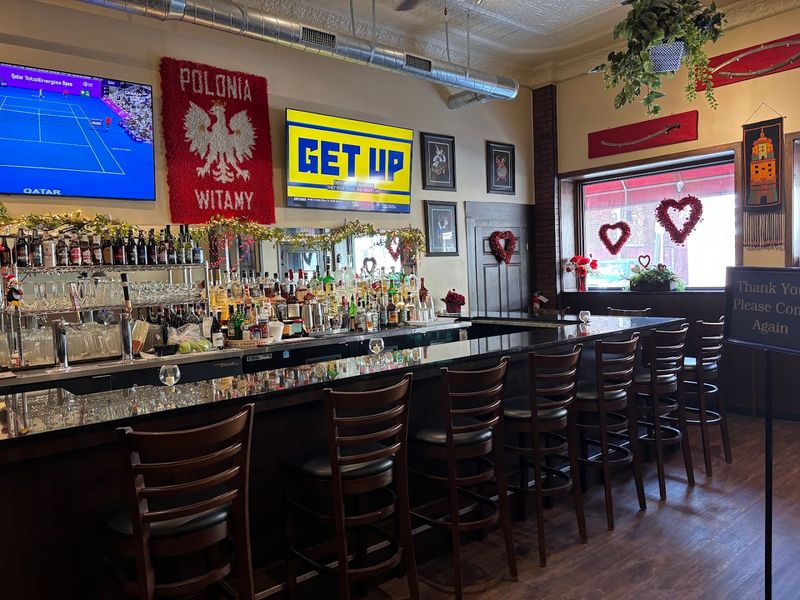
Polonia Restaurant gives pierogi the sit-down treatment in one of Michigan’s most important Polish food neighborhoods. Located on Yemans Street in Hamtramck, it has long been connected to traditional Polish and Eastern European cooking, with a menu that includes pierogi, stuffed cabbage, soups, kielbasa, schnitzel, city chicken, potato pancakes, and other comfort-heavy dishes.
That wider menu gives the dumplings a proper setting.
The pierogi here are best understood as part of a full Polish meal. They can stand alone, but they become more interesting beside cabbage, sausage, soup, potatoes, or a combination plate that lets several traditions share one table.
Potato and cheese brings the creamy center many people expect. Sauerkraut adds tang.
A little sour cream softens the edges, while onions add sweetness and texture.
The room’s old-world character helps the food feel grounded. This is not a quick market counter or a freezer-stock stop.
It is a place to sit, compare plates, and let the meal unfold at a calmer pace. That matters because pierogi are not only about the filling.
They are about the way the plate settles into the table, the way sides support the bite, and the way comfort food invites conversation instead of rushing it.
Polonia also works well for people who want to explore beyond pierogi without leaving the same culinary world. Dill pickle soup, stuffed cabbage, kielbasa, and potato pancakes can all change the shape of the meal while keeping it connected.
This Hamtramck stop brings depth to the trail because it shows pierogi inside a fuller restaurant tradition. The dumplings are important, but they are even better when surrounded by the flavors, pace, and warmth of a proper Polish dinner.
14. St. Stanislaus Aid Society / Little Hall — Grand Rapids
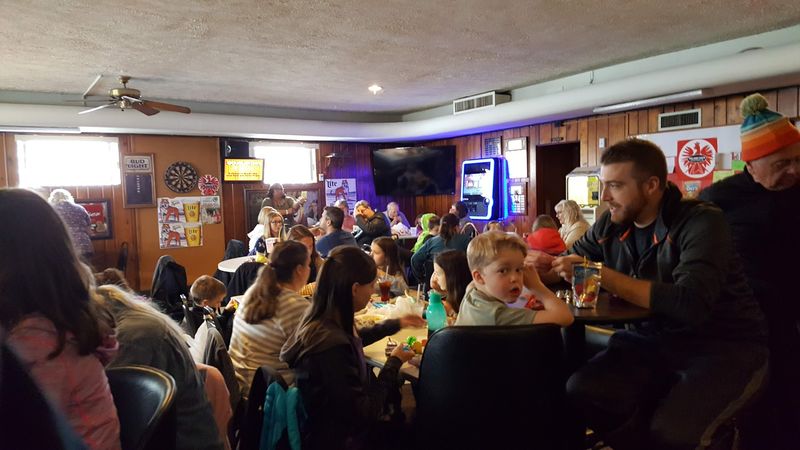
Little Hall in Grand Rapids brings pierogi into the heart of community food culture. St. Stanislaus Aid Society is not a standard restaurant built around daily table service.
It is a Polish hall, a gathering place, and a reminder that some of the best traditional food survives because communities keep making room for it. That makes its pierogi story different from a shop or bistro, and that difference is exactly the point.
Here, the food is tied to events, heritage, and shared tables. The official hall presence highlights Polish food, beverages, community spirit, and traditional dishes throughout the year, including pierogi and kielbasa.
In that setting, pierogi are not plated for quiet admiration. They are made to feed people, support gatherings, and carry a tradition through another event, another dinner, another busy room.
The style naturally leans straightforward. Dough needs enough strength to hold up under service.
Fillings need to be familiar and satisfying. Sides are there to support the plate rather than compete with it.
Butter, onions, sour cream, kielbasa, cabbage, or other hall-style accompaniments all make sense because the meal is built for comfort and fellowship.
What makes this stop meaningful is the atmosphere behind the food. Long tables, volunteers, event calendars, regulars, visitors, and the sound of a room filling up all change the way a pierogi tastes.
It becomes less about chasing the most inventive filling and more about understanding why the dish remains part of the community.
Little Hall closes the trail on a fitting note. Michigan’s pierogi culture is not only found in restaurants and markets.
It lives in halls like this, where the dumplings are simple, the purpose is clear, and the tradition keeps showing up on the plate.
Share this story