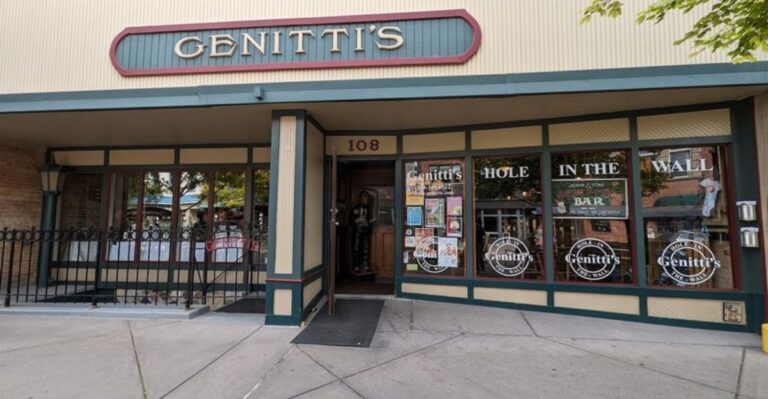
Magic has a way of hiding in plain sight in downtown Ann Arbor, Michigan. Along the baseboards of shops, restaurants, galleries, and everyday buildings, tiny wooden doors invite curious passersby to slow down, look closer, and wonder what might be tucked just beyond them.
Known as the Ann Arbor Fairy Doors, these miniature portals are only a few inches tall, but they have turned ordinary city sidewalks into a playful scavenger hunt filled with surprise and charm. Local artist Jonathan Wright began the tradition in the early 2000s, and over time, the little doors have become one of Michigan’s most delightful urban art experiences.
Whether you are exploring with kids, visiting for the first time, or simply letting your imagination lead the way, finding these tiny gems makes Ann Arbor feel genuinely magical.
The Original Fairy Door at Peaceable Kingdom
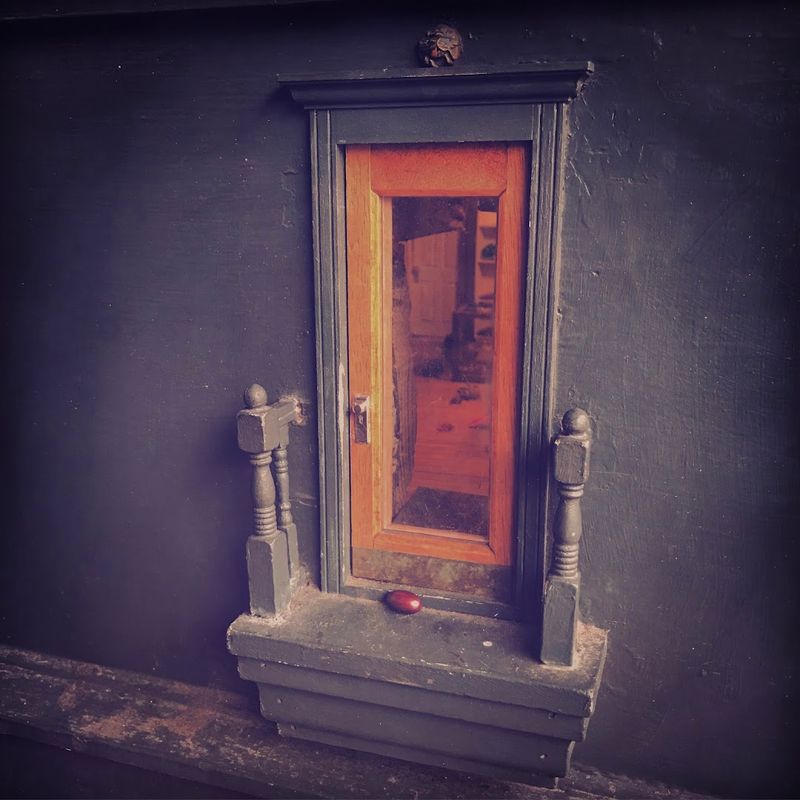
Every legend has a starting point, and for Ann Arbor’s fairy doors, it all began at Peaceable Kingdom. This beloved toy and gift shop on South University Avenue is widely credited as the home of the very first fairy door installed by local artist Jonathan Wright.
The door appeared quietly, almost as if the fairies themselves had moved in overnight.
Wright, a musician and artist with a gift for playful storytelling, created the doors as a way to spark imagination in the people who passed by every day. He believed that a tiny door at the bottom of a wall could make someone stop, smile, and wonder — and he was absolutely right.
Peaceable Kingdom became ground zero for what would eventually turn into a citywide treasure hunt.
The shop itself is worth a visit on its own. It carries an eclectic mix of games, toys, books, and gifts that feel carefully chosen rather than mass-produced.
Finding the fairy door tucked into the shop’s interior adds a layer of discovery to the whole experience. Keep your eyes low and your expectations high.
Locals say the door has been updated and refreshed over the years, with tiny accessories like furniture, welcome mats, and miniature decorations appearing around it. Some believe the fairies rearrange things from time to time — which, honestly, nobody can fully disprove.
Visiting this original door is the perfect first stop on any fairy door tour of the city.
If you’re bringing kids along, this is a guaranteed hit. Watching a child crouch down and peer at a tiny door with wide, wondering eyes is one of those small moments that sticks with you long after the trip is over.
The Fairy Door at Sweetwaters Coffee and Tea

Sweetwaters Coffee and Tea is already one of Ann Arbor’s most beloved local hangouts, known for its rich drinks, relaxed atmosphere, and loyal following of University of Michigan students and downtown regulars. But somewhere near the floor, past the coffee cups and conversation, a tiny door quietly steals the show.
The fairy door at Sweetwaters adds an extra reason to linger a little longer over your latte. Nestled near the baseboard in the cozy interior, it fits perfectly into the shop’s warm, artsy vibe.
The handcrafted details on the door — tiny hinges, a delicate knob, sometimes a miniature seasonal decoration — make it feel like genuine fairy craftsmanship rather than a novelty prop.
Part of what makes this location so fun is the contrast. You’re surrounded by the buzz of espresso machines, the smell of fresh-brewed coffee, and the chatter of people on laptops, and then suddenly — there it is.
A two-inch door suggesting an entirely different world exists just behind the wall. It’s the kind of thing that makes you look twice and then grin.
Sweetwaters has multiple locations around Ann Arbor, but the fairy door experience is specific to certain spots, so it pays to do a little exploring. The downtown location on Liberty Street tends to draw the most foot traffic and is a natural stop on any self-guided fairy door walking tour of the city.
Regulars sometimes leave tiny notes or drawings near the door, creating an informal community of fairy believers. Whether you consider yourself a believer or just an appreciator of clever public art, this stop delivers something genuinely memorable.
Grab a drink, find the door, and take a moment to appreciate the small magic hiding in plain sight.
The Fairy Door on Main Street
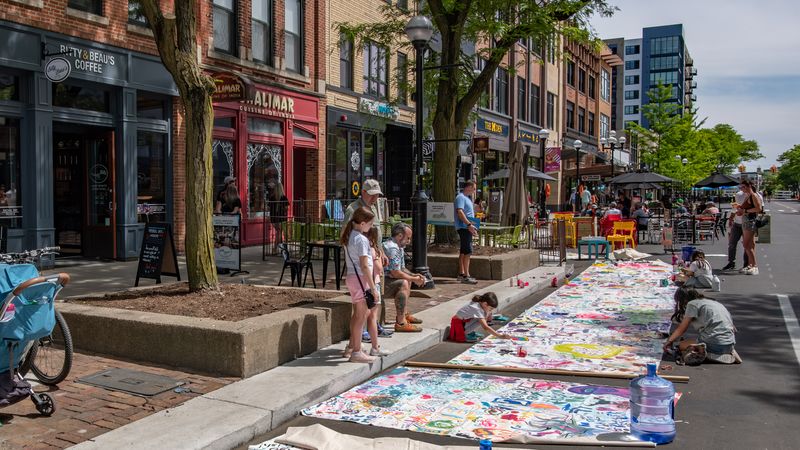
Main Street in Ann Arbor is already one of Michigan’s most vibrant and walkable stretches of city life. Lined with restaurants, boutiques, and gathering spots, it hums with energy from morning coffee runs to late-night dinners.
Somewhere along this lively corridor, a fairy door waits patiently for anyone paying close enough attention to find it.
The fairy doors along and near Main Street represent something special about Ann Arbor’s character. This is a city that takes its arts seriously — it’s home to the famous Ann Arbor Art Fair, a thriving music scene, and a deep appreciation for creativity in all its forms.
Tucking tiny handmade doors into the architecture of everyday buildings is exactly the kind of thing this town does without apology.
Spotting a fairy door on a busy street like Main requires you to slow down and shift your perspective — literally. You have to look lower than you normally would, past storefronts and signage, toward the spots where walls meet floors and buildings meet sidewalks.
That shift in attention is part of the point. Ann Arbor rewards the curious.
The Main Street area also benefits from easy public parking and a walkable layout, making it a practical base for a broader fairy door exploration. From here, you can branch out toward Liberty Street, South University, and other neighborhoods where more doors have been spotted over the years.
Local reviews of the area describe it as full of energy, with friendly people and a festive atmosphere that changes with the seasons — from holiday lights in winter to outdoor dining in summer. Adding a fairy door hunt to your Main Street visit turns a great afternoon into an unforgettable one.
Keep your eyes close to the ground and your camera ready.
The Fairy Door at the Ark

The Ark is one of Ann Arbor’s most treasured cultural institutions — a nonprofit music venue that has been hosting folk, roots, and acoustic performances since 1965. It’s the kind of place where the floors creak with history and every show feels personal.
So it makes perfect sense that a fairy door found its way into this storied space.
Fairy doors and music venues might seem like an unlikely pairing, but inside the Ark, it feels completely natural. The venue has always celebrated artistry, storytelling, and the kind of magic that happens when people gather to listen.
A tiny door suggesting that fairies might also be fans of live music fits right in with the Ark’s spirit of wonder and community.
Finding the fairy door here requires a visit to the venue itself, which is reason enough to check the calendar for upcoming shows. The Ark hosts hundreds of performances each year across a wide range of genres, and even a quiet weeknight show there tends to feel special.
The fairy door is a bonus discovery for those who arrive early and explore the space before the music starts.
Jonathan Wright, the artist behind the original fairy doors, has deep roots in Ann Arbor’s music and arts community. His connection to spaces like the Ark makes the presence of a fairy door there feel intentional and heartfelt rather than random.
It’s a small nod to the idea that creativity lives in every corner of the city — sometimes literally.
For anyone who loves both music and hidden art, the Ark is a must-visit stop on the fairy door circuit. The combination of world-class acoustic performances and a tiny magical door makes for an evening that’s hard to top anywhere else in Michigan.
The Fairy Door at Selo/Shevel Gallery
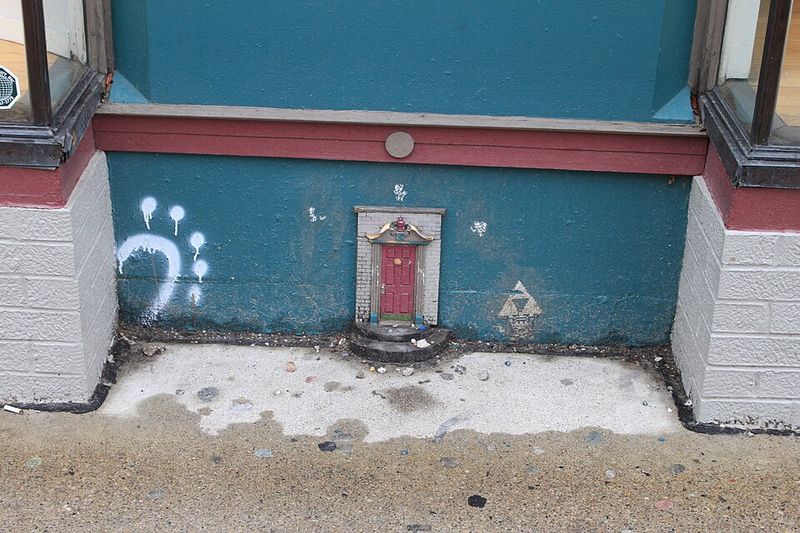
Art galleries are spaces built around the idea that small things can carry enormous meaning. So it tracks perfectly that Selo/Shevel Gallery — a respected fine art gallery in downtown Ann Arbor — is also home to one of the city’s most talked-about fairy doors.
Here, the tiny door becomes part of the gallery experience itself.
Walking into an art gallery already puts you in the mindset of looking carefully and noticing details. The fairy door at Selo/Shevel rewards that mindset completely.
It’s installed with the same care and intention as the artwork hanging on the walls above it, and in many ways, it is artwork — a small-scale sculpture that invites viewers to consider scale, imagination, and the boundary between the real and the fantastical.
The gallery has long supported local artists and featured works that reflect the creative energy of Ann Arbor and the broader Michigan arts scene. Having a fairy door as part of the space is consistent with that mission.
It signals that art isn’t just something framed on a wall — it can be a tiny door at the bottom of one, too.
Visitors who make time to visit Selo/Shevel often describe it as one of Ann Arbor’s quieter cultural gems — a place to slow down and engage with original work in a thoughtful setting. Adding the fairy door hunt to a gallery visit creates a layered experience that appeals to both serious art appreciators and casual explorers.
For families with younger kids who might find a traditional gallery visit challenging to sustain interest through, the fairy door provides a perfect anchor. It gives kids a concrete goal — find the door — while adults take in the full scope of the gallery.
Everyone leaves with something to talk about on the drive home.
The Fairy Door Map and Self-Guided Walking Tour
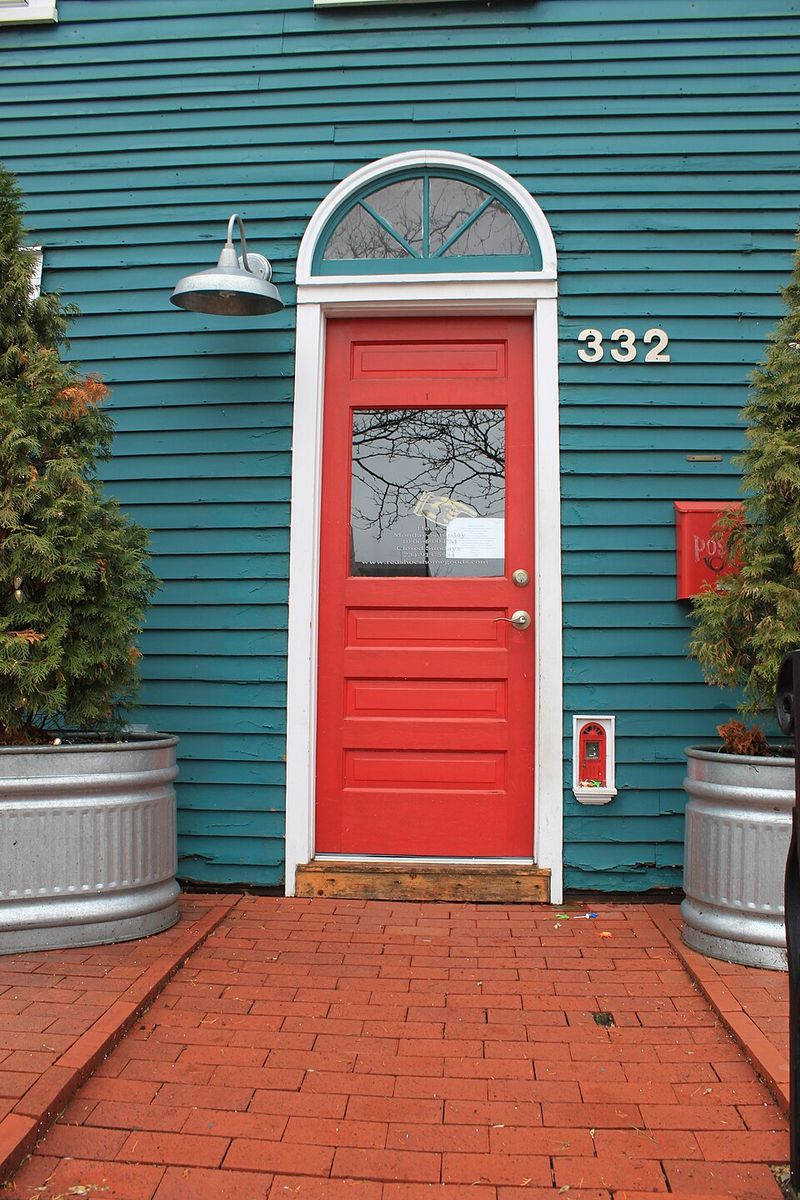
One of the best ways to experience Ann Arbor’s fairy doors is to approach them like a real adventure — with a map in hand and no rush to get anywhere fast. Over the years, locals and visitors have compiled unofficial guides and walking routes that connect the known fairy door locations across downtown, making it easy to turn the search into a full afternoon activity.
The self-guided fairy door walking tour typically covers several blocks of the city’s most walkable areas, including South University, Liberty Street, Main Street, and the surrounding side streets. Each stop offers something different — a different shop, a different neighborhood vibe, and a different door with its own personality and tiny decorative details.
No two doors look exactly alike.
Ann Arbor is an exceptionally walkable city, and the fairy door tour takes full advantage of that. Public parking is available throughout downtown, and once you’re on foot, the distances between doors are manageable even for younger kids or anyone who prefers a leisurely pace.
Most people complete the main loop in two to three hours with plenty of time for coffee and snack breaks along the way.
Online communities of fairy door enthusiasts have sprung up around the Ann Arbor doors, with photos, tips, and lively debates about whether certain doors have been moved or updated. Some participants treat the search with almost detective-level seriousness, cataloging each door’s features and comparing notes with others who’ve made the trip.
Bringing a journal or sketchbook to document what you find at each stop adds another dimension to the experience. Drawing or writing about each door — its location, its details, what it made you feel — turns the tour into something creative and personal.
Ann Arbor has a way of doing that to people.
The Fairy Door Community and Jonathan Wright’s Legacy
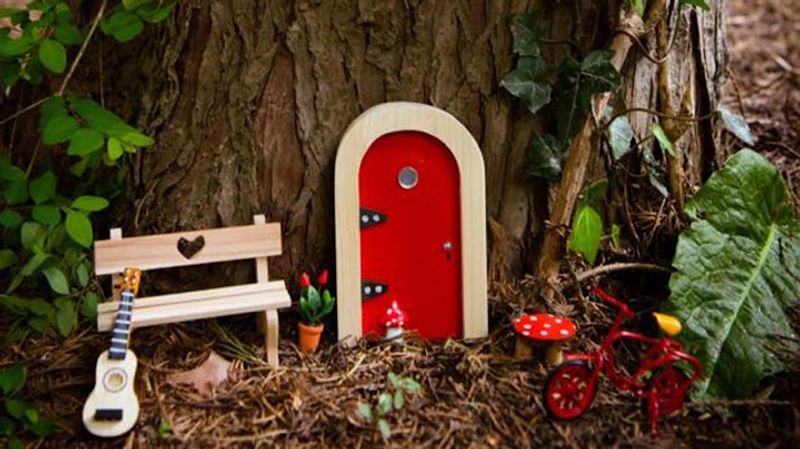
Behind every great local tradition is someone who cared enough to start it. For Ann Arbor’s fairy doors, that person is Jonathan Wright — a musician, artist, and Ann Arbor native whose small wooden doors have brought an outsized amount of joy to the city.
Wright began installing the doors in the early 2000s, originally as a playful gift to his own children and the community around them.
What started as a personal creative gesture grew into something much larger than Wright likely anticipated. The doors caught on quickly, with businesses requesting their own, curious visitors seeking them out, and local media picking up the story.
Before long, the fairy doors had become one of Ann Arbor’s most recognizable and beloved cultural quirks — the kind of thing that gets mentioned in travel guides and shared endlessly on social media.
Wright has spoken publicly about the philosophy behind the doors — the idea that wonder shouldn’t be reserved for children, and that a city willing to leave space for imagination is a healthier, more connected place. Each door is handcrafted with care, often featuring tiny details like hinges, knobs, mail slots, and seasonal decorations that change over time.
The craftsmanship is genuine and reflects real artistic investment.
The community that has grown around the doors is part of the legacy too. Teachers bring students on fairy door field trips.
Families return year after year to check on their favorite doors. Artists in other cities have been inspired to create their own versions.
Ann Arbor started something that has quietly spread its wings far beyond Michigan.
Wright’s work is a reminder that public art doesn’t have to be monumental to be meaningful. Sometimes the most lasting impression comes from the smallest gesture — a two-inch door that makes a grown adult stop, crouch down, and believe, just for a second, in something wonderful.
Share this story