Michigan parks can hold a lot more than trails, picnic tables, and pretty views. Across the state, historic buildings, towering pines, old travel routes, and shoreline landmarks reveal stories about the people who worked, traveled, and built lives here generations ago.
The appeal comes from seeing familiar scenery with a little more context, because a simple weekend drive can quickly turn into a walk through Michigan history. Some stops tell stories through preserved structures, while others let the landscape do most of the talking.
If you like outings with scenery and something meaningful to discover along the way, these historic Michigan parks are worth a closer look.
1. A Stagecoach Pause at Cambridge Junction Historic State Park
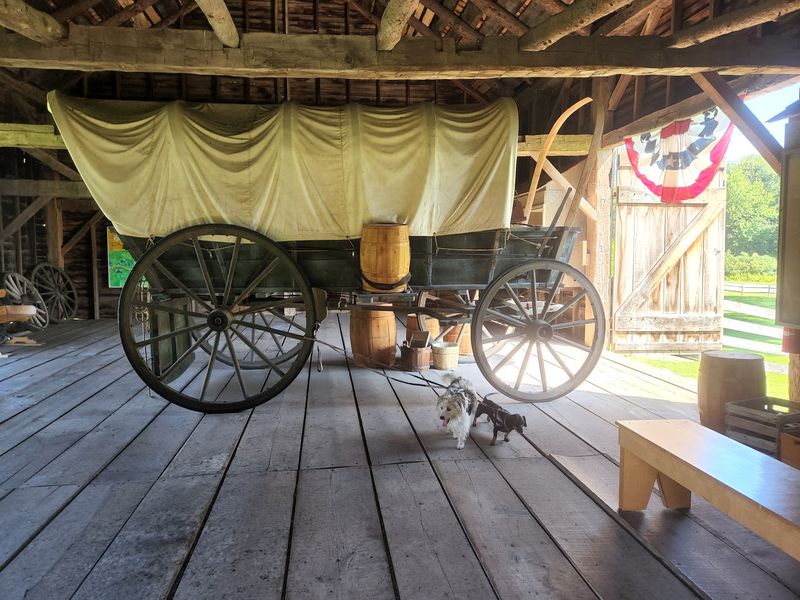
Before a roadside stop meant coffee and a gas pump, travelers needed somewhere to rest their horses and themselves. Cambridge Junction Historic State Park offers a way to picture that slower kind of trip.
Its stagecoach story connects a quiet Michigan stop with the busy business of moving people, mail, and news before cars ruled the roads.
Stand near the historic buildings and imagine planning a journey around daylight, weather, and the condition of the route. A short distance on today’s highway might once have taken serious effort.
Horses needed care, luggage took up space, and a late arrival could change the whole day. That practical side of travel makes the site more interesting than a quick photo might suggest.
Give yourself time to read any signs available during your visit. Look closely at doorways, building placement, and the space around the structures.
Where might a tired passenger have entered? How would supplies have arrived?
Questions like these help you notice details without pretending you know exactly what happened on a particular afternoon. If buildings or programs are closed, the grounds can still help you understand the setting.
This stop works especially well when your drive includes other historic places in southern Michigan. Pair it with a picnic and let younger passengers compare stagecoach travel with the car ride they just made.
Ask them what they would pack if every extra bag mattered. Check current access and any tour information before leaving home, since historic sites may have limited hours.
Then slow down on arrival. Cambridge Junction rewards a few careful minutes more than a rushed dash from the parking area.
You may leave with a new respect for the ordinary travel problems that shaped Michigan’s early roads and the communities built beside them. A simple map can add context: trace your modern route, then consider how stops helped make longer journeys possible for everyone aboard.
2. Iron and Everyday Life at Fayette Historic State Park
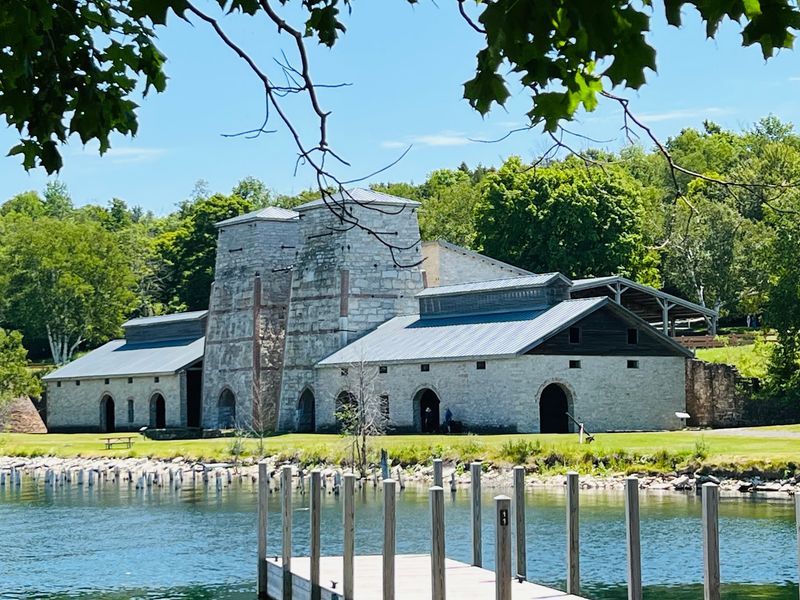
Iron did not appear at a furnace by magic. At Fayette Historic State Park, the remains of an industrial town make you think about the many hands needed to produce it.
The setting beside Lake Michigan is striking, but the bigger story is the community that grew around demanding work. Homes, shared spaces, and industrial structures belonged to the same daily routine.
Start with the visitor information if it is open, then follow the marked paths through the historic area. Instead of trying to see every corner at once, choose one building or ruin and ask what job it served.
Ironmaking needed fuel, raw material, workers, and transportation. Once you connect those needs, the town’s layout begins to make sense.
The shoreline was useful, not merely pretty.
Life here was not only about the furnace. Families needed meals, schooling, supplies, and time away from work.
That is a good thought to carry as you pass the former town spaces. Children may enjoy spotting differences between an old company town and their own neighborhood.
Adults can consider how closely a family’s plans depended on the success of one industry.
Wear sturdy shoes because exploring a historic town involves more walking than a single overlook suggests. Stay on permitted routes and leave artifacts, stones, and structures untouched.
Bring water, and check current access before driving into the Garden Peninsula area. If time allows, pause where you can view the town and water together.
From there, the location’s practical advantages become easier to understand. Fayette makes a useful weekend stop because you can connect a large Michigan industry to small choices made every day: where to live, how to get supplies, and when to head home after a shift.
Read the site signs at an easy pace, and let each building answer a different question about work.
3. Where the State Park Story Began at Interlochen
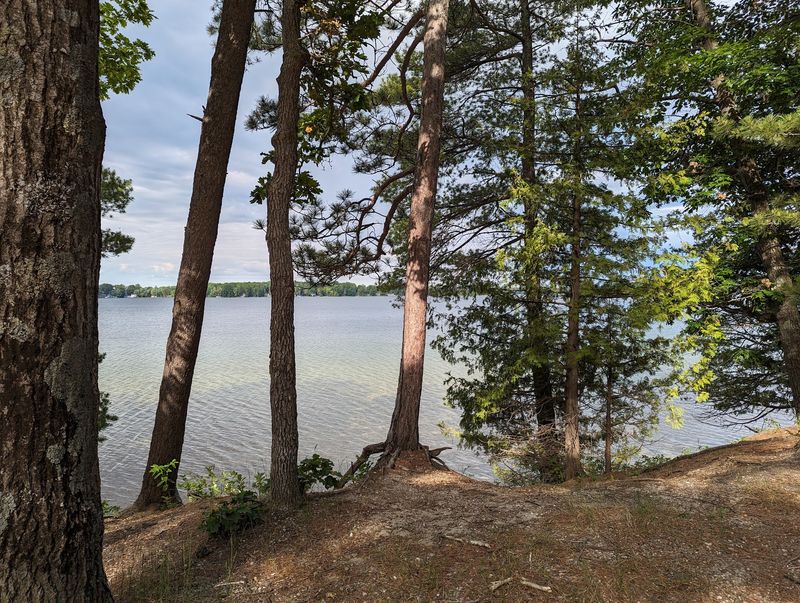
Michigan’s first state park makes a surprisingly simple point: saving a place for public use changes what future families can enjoy. Interlochen State Park is tied to that beginning.
Rather than looking for a grand monument, pay attention to the trees, lake access, and shared outdoor spaces. Those everyday features are the heart of the story.
Early park planning asked a practical question. What should happen to land that many people might enjoy, not just those who owned it?
At Interlochen, protecting a wooded setting helped establish a model for recreation in Michigan. Today, a weekend visit can include a walk, a lakeside pause, or time at a campsite.
The activities may be familiar, but the decision to make room for them has a history.
If you are driving with children, turn the stop into a quick observation game. Ask them to find signs of care for the park: marked paths, places to gather waste, protected trees, or rules that keep busy areas usable.
Then ask what the shoreline might be like without shared access. You do not need a formal history lesson to start a useful conversation about public land.
Check current entry rules, swimming conditions, and campground information before you arrive. Summer weekends can be busy, so a quieter hour may give you more space to explore.
Bring water shoes only if your planned activity calls for them, and keep to designated areas near the water. Interlochen fits neatly into a northern Michigan drive because the history does not demand a long tour.
Take a short walk, read the posted information, and notice how many small choices support a pleasant visit. The park’s firsts matter, but its clearest lesson is still visible: a shared place stays welcoming when people use it with care.
That idea can travel with you to every park after this stop.
4. A Light for Lake Huron at Tawas Point
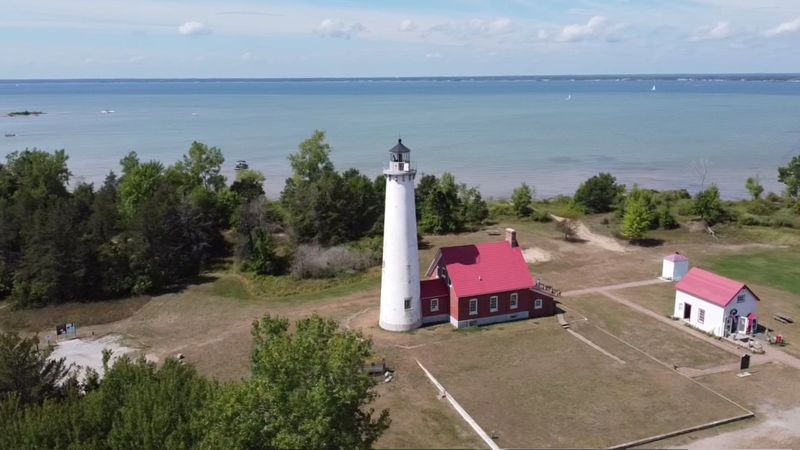
A lighthouse is a useful reminder that a beautiful view could once be a risky route. At Tawas Point State Park, the light’s history gives the shoreline a second role.
Ships moving along Lake Huron depended on clear guidance near land. You can enjoy the beach today while also thinking about the work of keeping travel safer on the water.
Begin by looking at the shape of the point from a permitted path. Land and water meet in a way that helps explain why navigation mattered here.
A captain could not simply follow the shore without watching for changes in depth and direction. The lighthouse was part of a larger system of signals, careful observation, and human responsibility.
It makes more sense when you picture a working vessel offshore rather than a postcard scene.
If tours or interpretive displays are available, check their current schedule before your visit. Access to historic buildings can change, and a closed door should stay closed.
Even from outside, you can study the tower and nearby structures. Ask younger travelers what a keeper might need during a storm, or how sailors would find their way without a phone screen.
The answers can lead to good conversations about older technology.
Bring a layer for the breeze, even when inland temperatures seem warm. Bird activity and beach conditions may affect where you can walk, so follow posted guidance and give wildlife space.
Save enough time for both the historic area and the water’s edge; rushing from one to the other misses the connection between them. Tawas Point shows how a park can protect recreation and a record of difficult work at once.
Before getting back in the car, look across the lake one more time and imagine navigation as a task measured in visibility, patience, and trust. That shift in view is the best souvenir here.
5. Tall Pines, Big Decisions at Hartwick Pines
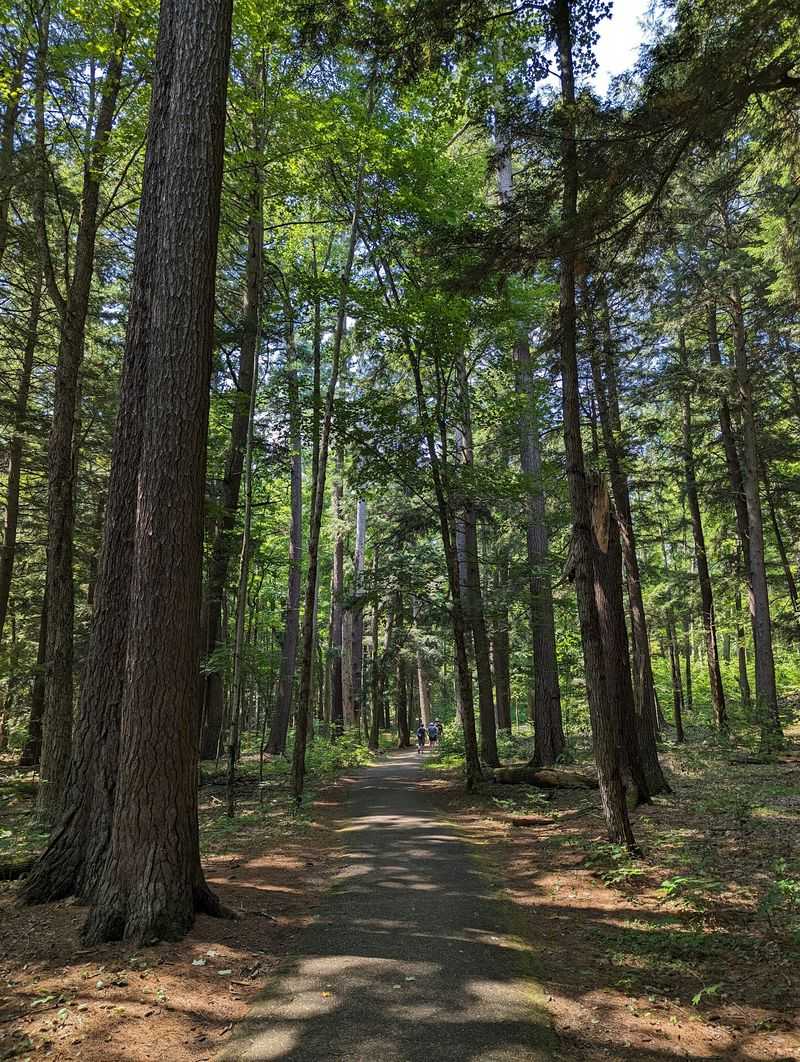
Look up before you look at a trail map. The towering old growth trees at Hartwick Pines State Park give you a sense of the forests that once covered much more of Michigan.
Their size is impressive, but their survival tells the stronger story. Logging transformed the region, and places like this help you compare what was cut with what remained.
A walk beneath the pines works best at an unhurried pace. Notice the light at ground level, the fallen wood, and how different tree sizes share the forest.
A living woodland is more complicated than a row of tall trunks. If interpretive materials are available, use them to connect the trees around you with the history of timber work.
Logs became useful products, yet cutting them also changed habitats and landscapes.
The park’s logging history offers a good chance to discuss tradeoffs without turning the visit into a lecture. Homes and businesses needed wood.
Workers needed wages. Forests needed time to recover, and some stands would not return to their earlier form quickly.
Ask your travel group which parts of those choices still matter today. Responsible use of resources is easier to understand when you can stand beside an old tree.
Wear comfortable walking shoes and check trail conditions before setting out. Stay on marked paths so roots and forest ground cover are protected.
If you have limited time, choose a manageable route rather than trying to cover every mile. Watch for signs explaining past work, and leave enough quiet time to hear wind moving through the canopy.
Hartwick Pines is a useful stop for anyone who has seen lumber trucks on Michigan roads but never connected them to a longer history. Here, industry and conservation are part of the same conversation.
The trees do not need a dramatic introduction; their height gets your attention, and their story gives you a reason to linger.
6. Frontier Life at Fort Wilkins Historic State Park
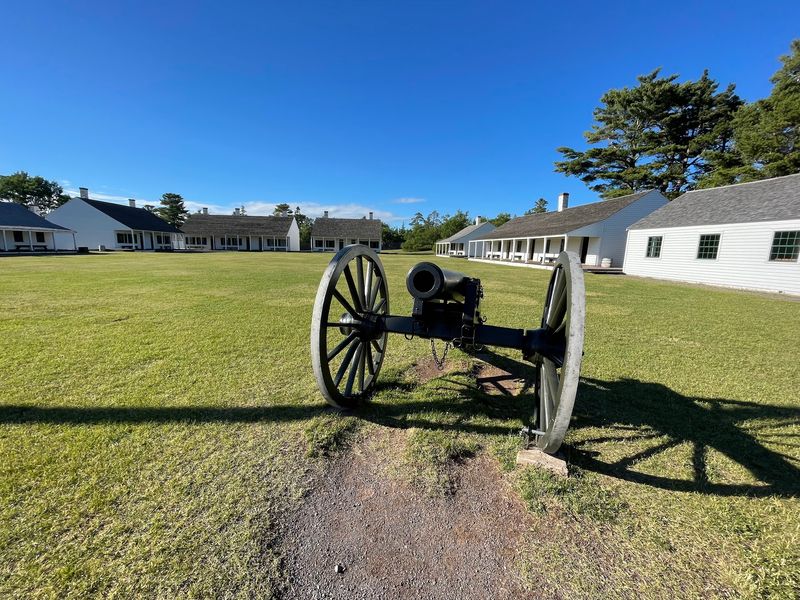
A soldier posted far from a large town had more to worry about than standing guard. Fort Wilkins Historic State Park helps you picture daily life at a frontier military outpost near Copper Harbor.
The buildings and grounds invite questions about food, shelter, supplies, and communication. Those ordinary needs make the fort’s history easier to grasp than a long list of dates.
As you walk, look for clues about how people used each space. Where would meals be prepared?
Which areas were meant for work, rest, or storage? A remote post depended on planning, especially when weather and distance could slow deliveries.
The fort also belongs to a broader story about the region’s nineteenth century copper activity and the changes that brought more newcomers to the area.
Interpretation at historic sites can reveal more than one perspective. Military records tell part of a story, while the experiences of Indigenous communities and other people in the region also matter.
Read available signs with that wider picture in mind. If a staff member offers a program, ask a specific question about daily routines or the purpose of a building.
A small detail may stay with you longer than a broad timeline.
Check seasonal hours before making the drive, since access to historic structures and programs may vary. Pack for cooler weather than you expect, especially near Lake Superior.
Give yourself enough time to walk the grounds without hurrying between doors. Children can compare their own morning routines with those of someone living at an isolated fort.
What would be easy, and what would take far more work? Fort Wilkins adds a human scale to a Copper Harbor outing.
After seeing the post, the surrounding distance and rugged setting become part of the story, not just scenery along the road. That is a useful way to understand why a frontier assignment required steady habits and plenty of preparation.
7. An Island with Layers at Mackinac Island State Park
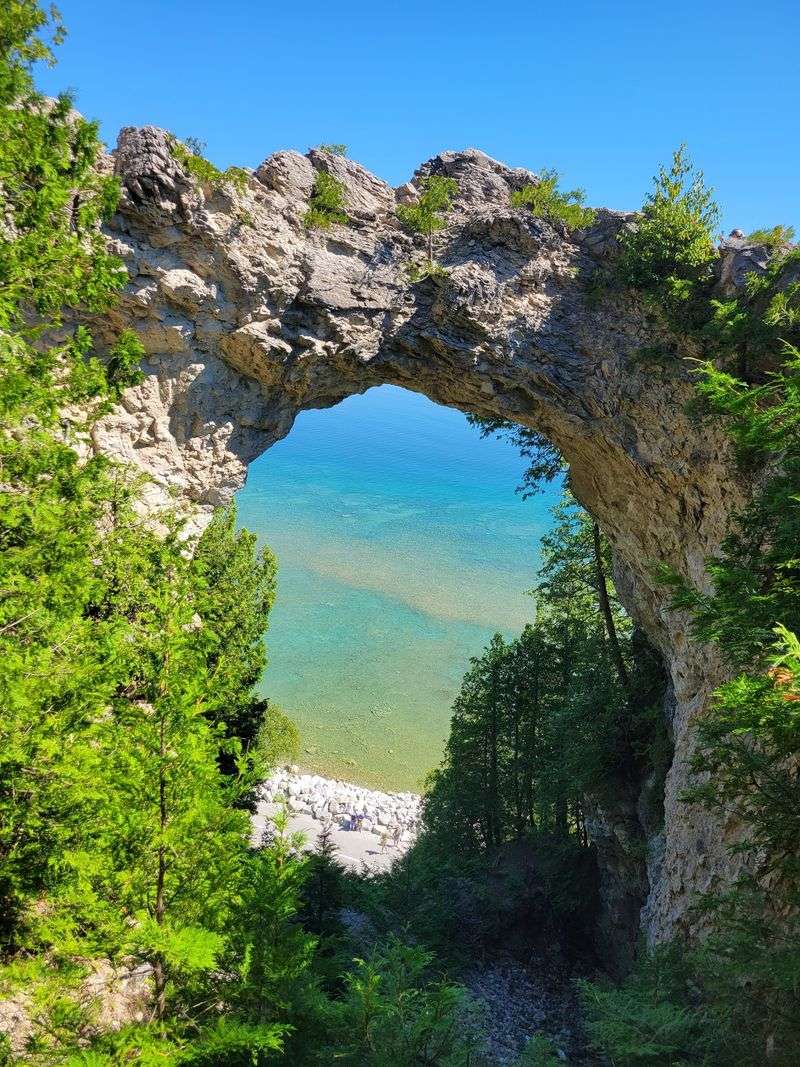
Leave the car behind, and the pace of a Mackinac Island visit changes at once. Mackinac Island State Park brings together trails, historic fort sites, and views of the Straits.
It is easy to spend the day chasing one more viewpoint, but the island’s history deserves a little room in the plan. Defense, trade, travel, and tourism have all shaped this place.
Start by deciding which historic sites you want to see and how much walking or cycling your group can manage. Distances can seem smaller on a map than they do on a busy afternoon.
Check current admission and tour details for fort sites, since they may be managed separately from general park access. Then leave time to explore the surrounding parkland.
The landscape helps explain why positions overlooking the water mattered.
History here is layered rather than tidy. Forts can tell you about military plans, but the island also has a much longer Indigenous history.
Look for interpretation that discusses different communities and periods instead of treating a single building as the whole story. As you move between stops, notice how the high ground, shoreline, and routes across the island affect your sense of distance.
Geography shaped decisions long before anyone planned a vacation itinerary.
Bring water and comfortable shoes, and be ready to share paths with other travelers. Follow rules for bicycles and horses, and give yourself extra time near crowded areas.
If you have children along, ask them to pick one clue at each stop: a view, a building feature, or a sign that explains a past use. Comparing those clues at the end of the day makes the visit stick.
Mackinac Island rewards a flexible schedule. See a fort, take a quieter path, and let the island’s different stories meet without forcing them into one neat chapter.
8. Seedlings and Service at North Higgins Lake
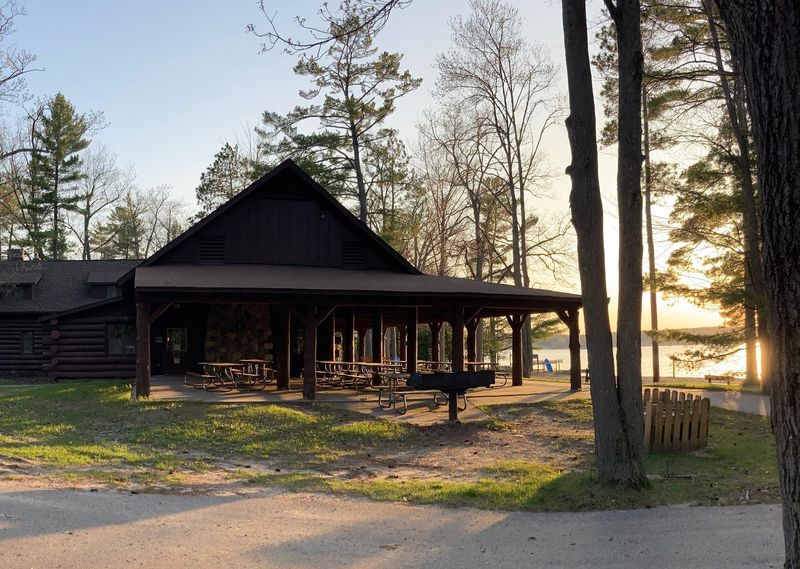
Not every park story starts with a fort or a lighthouse. At North Higgins Lake State Park, tree nursery history points to patient work that might be easy to overlook.
Growing young trees takes planning, space, and care long before a forest looks impressive. The park’s connection to Civilian Conservation Corps crews adds another chapter about hands on public work.
During the Great Depression, CCC projects across the country gave young men jobs while supporting conservation and park improvements. At this park, nursery and crew history offers a way to think about what happens before a mature woodland takes shape.
Seedlings need a place to grow. Workers need tools and routines.
Planting also reflects choices about how damaged or heavily used land should be managed.
Look for current exhibits or signs that explain the local nursery story, and read them before heading straight to the lake. If an interpretive building is open, its schedule may provide a useful starting point.
Ask children how long they think a small tree takes to become tall enough to shade a picnic table. Then compare that slow timeline with a single day’s work.
The contrast makes conservation less abstract.
After exploring the history, enjoy the park as a park. Follow designated trails, check conditions before entering the water, and keep food scraps out of natural areas.
Those small habits connect neatly to the work earlier crews put into public land. Before your drive, confirm current hours for any historic displays you hope to see.
You do not need to turn the outing into homework; one sign, one good question, and a short walk can change how you see the surrounding trees. North Higgins Lake makes a strong stop because its legacy is still growing.
The next time you pass a patch of young pines, you may notice the planning behind it rather than seeing only a future forest.
9. Follow the Water at Wolcott Mill Metropark
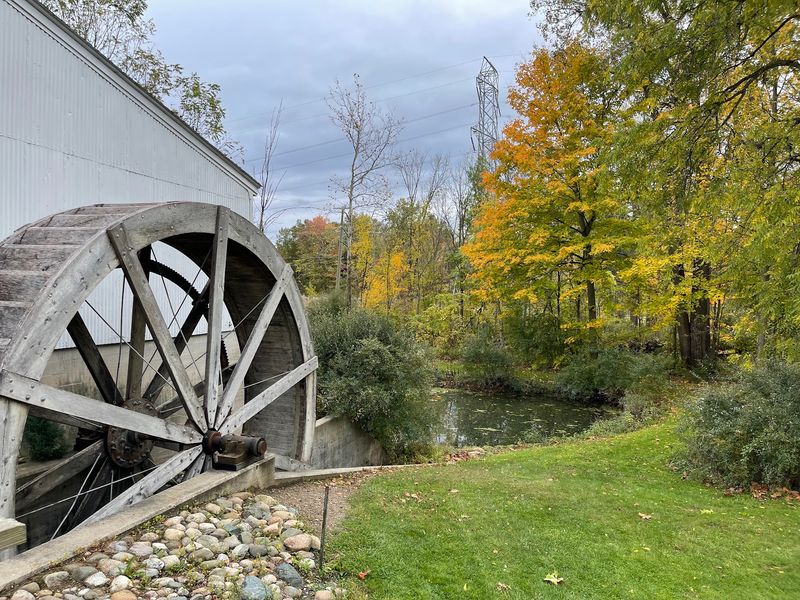
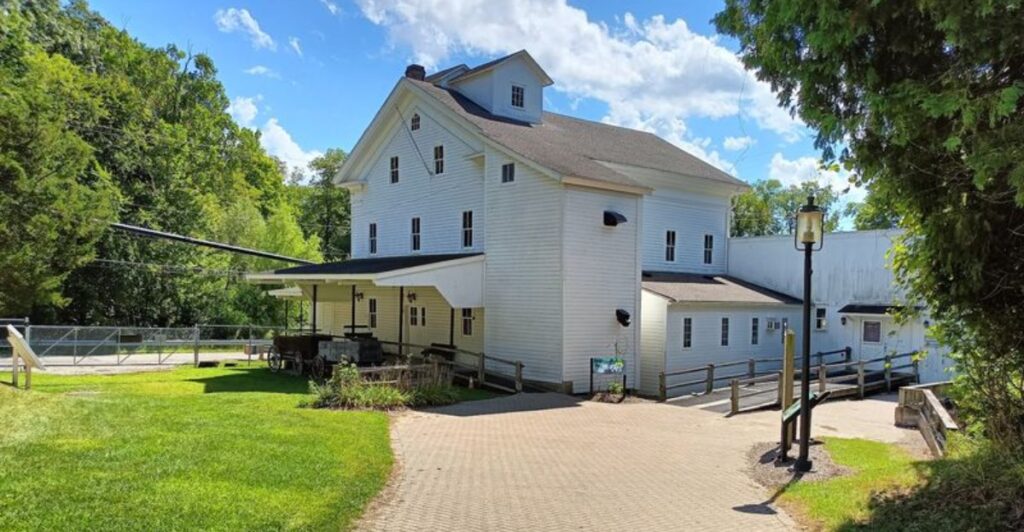
Flour on a kitchen shelf has a long backstory. Wolcott Mill Metropark lets you trace part of it through a historic mill and the landscape around it.
A mill needed more than a building: it relied on water, nearby farms, transportation, and people who knew how to keep equipment running. Once you think about those connections, the site becomes a lesson in everyday problem solving.
Start outside and study where the mill sits in relation to the water. That placement was a working choice, not a decorative one.
Energy had to be captured and put to use before modern power was widely available. If mill tours or demonstrations are offered on your visit, check the schedule and follow staff guidance.
Watching or hearing about the process can make an old structure much easier to understand.
A good question for children is simple: what steps stand between grain growing in a field and bread appearing on a table? Let them list the jobs, tools, and trips they can imagine.
Then see which parts of that chain the mill helps explain. You can also look for evidence of repairs and continued care.
Keeping a historic building useful for learning takes work of its own.
Plan your stop around current metropark entry information and mill hours. Some features may be available only at certain times, so do not assume you can enter every building whenever the grounds are open.
Wear shoes suited to walking outdoors, and leave enough room in your schedule for nearby paths if conditions allow. Wolcott Mill fits a weekend drive because the subject is familiar even when the machinery is not.
Most of us eat food made from grain; fewer of us consider the people and power once needed to process it close to home. Here, following the water is a good first step toward understanding the whole operation.
10. Shoreline Signals at Ludington State Park
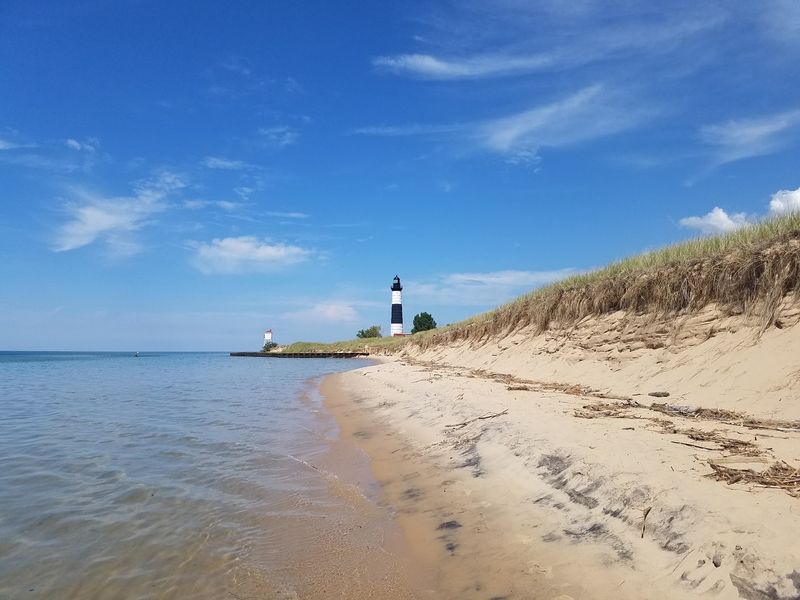
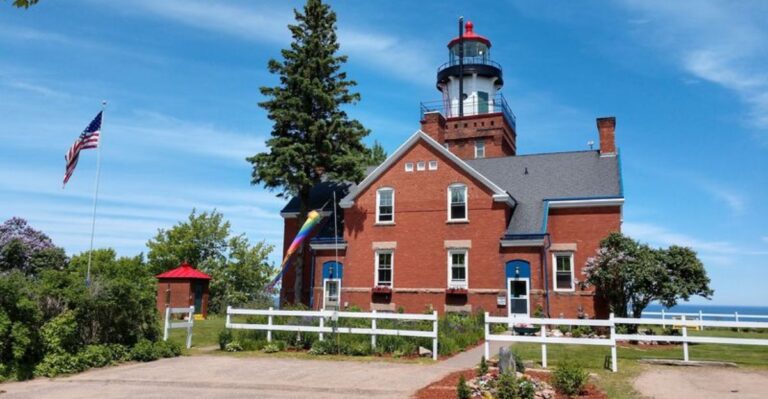
Sand underfoot and a lighthouse ahead make a fine combination, but the walk has a serious history behind it. Ludington State Park connects outdoor recreation with Michigan’s maritime past, especially through Big Sable Point Lighthouse.
Along this stretch of Lake Michigan, a light helped sailors identify their position and respond to a shoreline that could be difficult to read in poor conditions.
Plan the lighthouse outing as a real walk, not a quick stop beside the car. Check current route, distance, access, and tour information before you set out.
Bring water, sun protection, and footwear you can comfortably use on sand or other trail surfaces. Weather can change your plans, so keep an eye on conditions and turn back if your group needs a shorter day.
On the way, notice the dunes, plants, and open water. They are not separate from the maritime story.
Wind and waves shape the shore, while changing visibility can complicate travel on the lake. Imagine trying to pick out land from a vessel after dark, using only the signals available at the time.
That simple thought gives the lighthouse a purpose beyond its place in a photograph.
When you reach a viewing spot, take a moment to consider the workers behind the light. Equipment needed attention, and the task did not disappear when the weather turned unpleasant.
If interpretive materials or tours are available, let them guide the details rather than guessing about particular events. Respect barriers around sensitive areas and stay on marked routes to protect dune vegetation.
Families can make the return walk easier by choosing a few things to spot on the way back: a change in the sand, a bird at a safe distance, or a new view of the tower. At Ludington, the journey to the landmark helps explain why it was needed in the first place.
11. Watch the Straits Tell Their Story
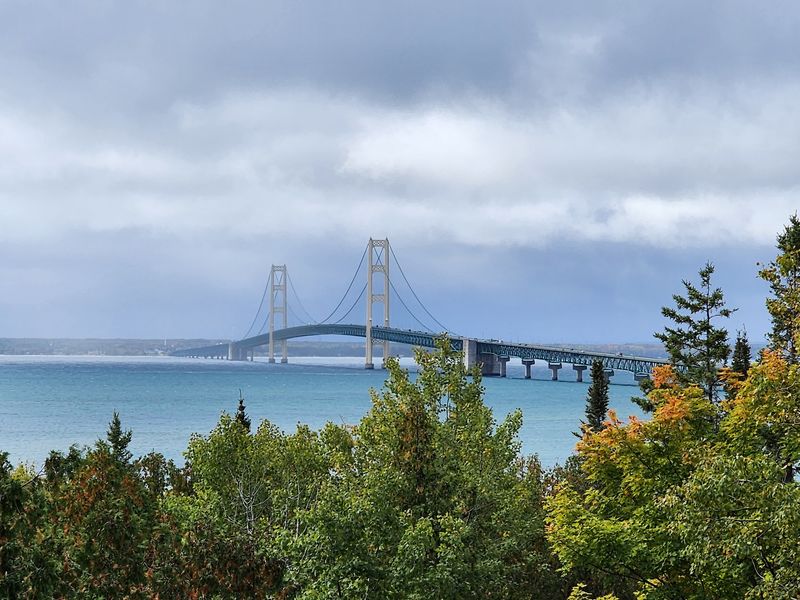
One glance across the water can explain why the Straits of Mackinac mattered long before the bridge existed. At Straits State Park, you have a place to watch a narrow connection between two Great Lakes.
The moving water, nearby land, and modern crossing all point to a long history of travel. People have used this region in many ways, and each period has left a different story to consider.
Begin at a safe public viewing area and take your time with the map. Find Lakes Michigan and Huron, then notice how the straits connect them.
Water routes helped people move, trade, and communicate. Later changes in transportation did not erase that geography; they added new ways to cross it.
The bridge makes the change easy to see, but it is only one part of a much older picture.
Keep Indigenous history in mind as you learn about the region. The Straits have significance that reaches well beyond modern roads and vacation plans.
Look for reliable park interpretation or local museum information if you want more detail about the communities connected to the area. Children can compare travel choices across time: a watercraft, a vessel, or a car.
Ask which choice depends most on weather and which one still requires careful planning.
Check current park access and viewpoints before your drive, since conditions and facilities can change. Bring a wind layer; open water can make a mild day seem cooler.
Follow posted rules near the shoreline, and do not climb barriers for a better picture. Straits State Park works well as a pause between longer drives because the lesson begins as soon as you stop.
Look out, locate the crossing, and ask who traveled here before the road beneath your wheels was built. You will leave with a clearer sense of how geography can shape history without needing to read a long timeline.
Share this story