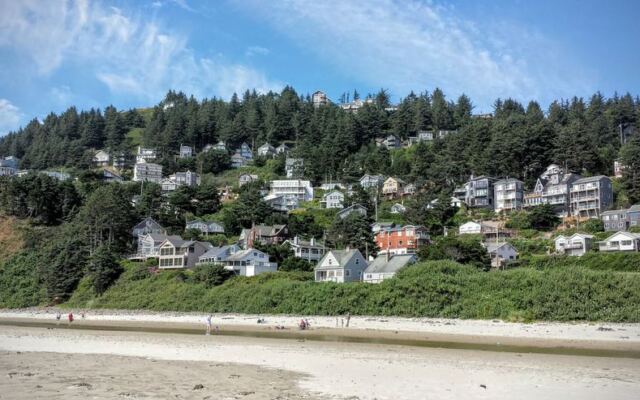
Some Oregon beach towns fill up so fast on summer weekends that finding a parking spot feels like winning a small prize. A few still move at a slower pace, and one of them sits on a quiet stretch of the Tillamook County coast. It has no traffic lights, no city hall, and a population smaller than many high school graduating classes.
Keep reading to learn where it is, what makes it different, and how to plan a visit that respects the place locals hope will stay just the way it is.
A Dot on the Map Called Oceanside
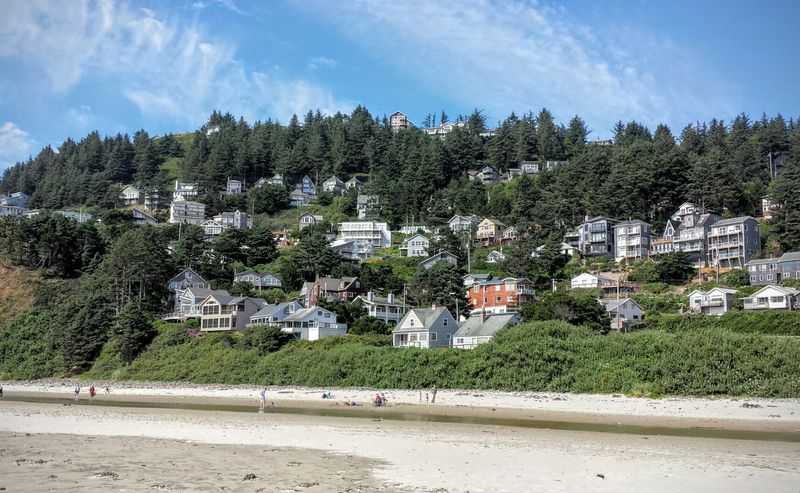
Blink on the drive up the coast and the turnoff could slip right past. Oceanside is a small coastal community in Tillamook County, with the mailing location of Oregon 97141, USA.
It is officially a census-designated place and an unincorporated community. That means it has no city government of its own, which fits its low-key personality.
The town sits just north of Netarts, its neighbor along the same stretch of shoreline. Both share the 97141 area, and both lean toward the quiet side of coastal life.
For travelers used to busy resort strips, the scale here can be surprising. There is no long row of chain hotels or giant parking garages.
Instead, the community feels like a place people live in first and visit second. That simple fact shapes everything else about a trip here.
The rest of this story looks at why that matters, from the tiny population to the road that ends right in town. Each piece helps explain why open sand is still possible here.
Three Hundred Sixty-Six Neighbors
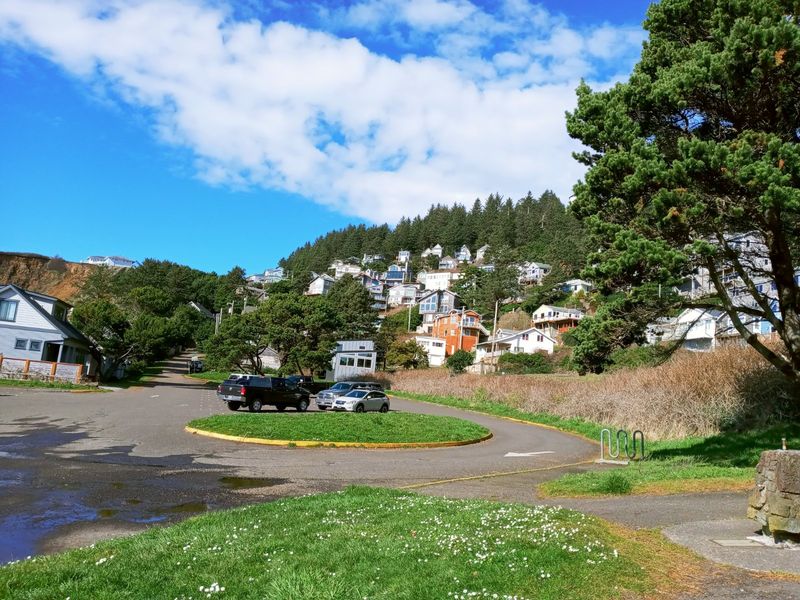
Here is a number worth remembering: 366. As of the 2020 census, that was the entire population of Oceanside.
To put it plainly, the whole town could fit inside a modest school auditorium. That small headcount is a big part of the appeal.
Fewer residents mean fewer cars, fewer businesses, and less of the year-round bustle found in bigger coastal cities. The pace stays steady rather than frantic.
Small numbers also mean the community is easy to change. A few new developments or a surge of crowds can shift the feel of a place like this quickly.
Oregonians who have watched familiar beach spots grow crowded know that story well. Some favorite towns from childhood now require early alarms just to snag a parking space.
Oceanside offers a reminder of what the coast used to feel like for many families. It is a working example of a place that has stayed small.
Treating it with care is part of the deal. Visitors who keep that in mind help make sure the next generation finds the same quiet shoreline.
Where Route 131 Runs Out of Road
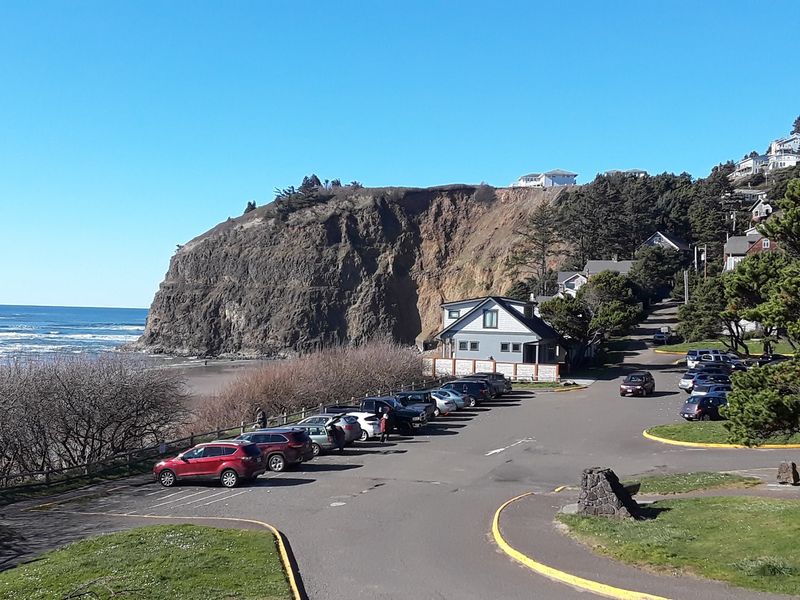
Roads usually lead somewhere bigger. Oregon Route 131 does the opposite, ending its northern run right in Oceanside.
The highway’s northern terminus is in the community, so this is literally where the route stops. There is no through traffic barreling toward the next major city.
That detail matters more than it sounds. Towns at the end of a road tend to see only people who meant to come.
Drivers heading through Tillamook County can reach the area by following Route 131 toward the coast. The trip passes by Netarts before arriving in Oceanside.
Because the road does not continue onward as a main corridor, the town avoids the steady stream of passing cars that crowds other beach communities. Call it a dead end with a lively upside.
Plan to arrive with a full tank and any supplies already packed. A small unincorporated town is not the place to expect big stores on every corner.
Once parked, the end of the road starts to feel more like the beginning of a slower afternoon.
Unincorporated and Proud of It
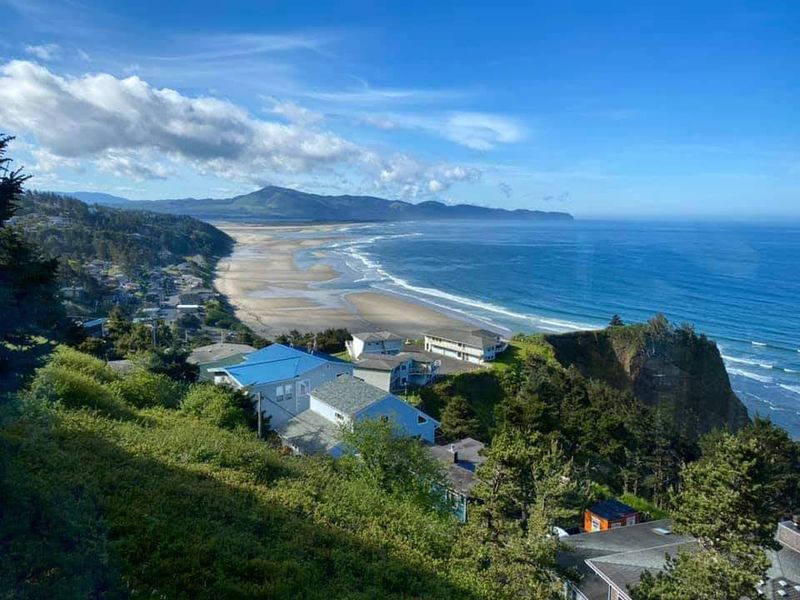
No mayor, no city council, no town limits sign with a founding date. Oceanside runs as an unincorporated community, with Tillamook County handling local governance.
Many visitors never think about that kind of detail. Yet it helps explain why the place looks and acts differently from incorporated beach cities.
Without a city government chasing tourism dollars, there is less pressure to build big attractions. The community has stayed more residential than resort.
The census-designated place label is mostly a way of counting people. It draws a boundary for statistics, not for a downtown business district.
For travelers, the practical takeaway is simple. Expect a neighborhood, not an amusement strip.
That arrangement also places extra responsibility on everyone who shows up. Picking up trash, parking only in legal spots, and keeping noise down go a long way in a town this size.
Local character survives when guests act like neighbors. In a place with no city hall, good manners do a surprising amount of governing.
Room on the Sand
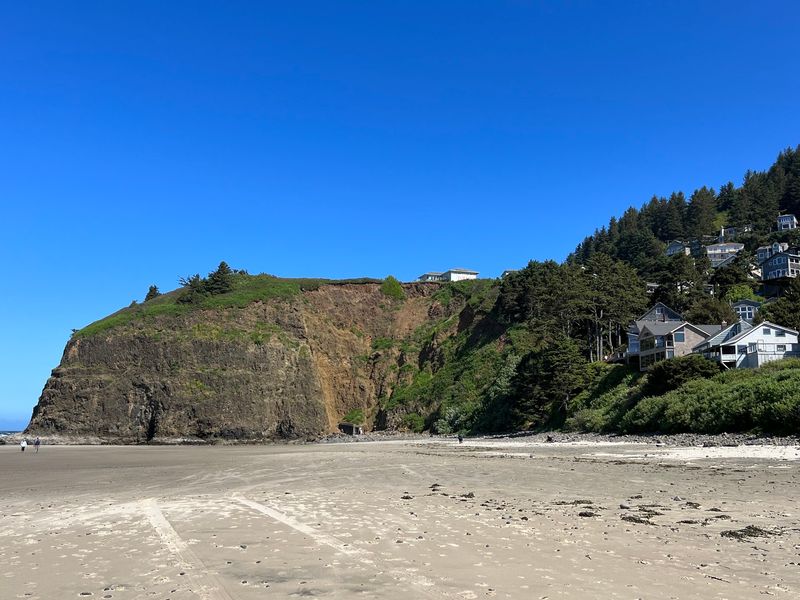
Space is the real luxury on the Oregon coast these days. In a town of a few hundred residents, the beach rarely has to absorb resort-size crowds.
That is the heart of the promise in this article’s title. Fewer people living nearby and no through highway traffic add up to more open sand.
It is a place for long walks, quiet reading, or simply sitting and watching the tide do its job. No elaborate itinerary required.
Of course, holiday weekends and sunny summer days can still draw a crowd anywhere on the coast. Timing a visit for weekdays or the shoulder seasons improves the odds of solitude.
Oregon’s beaches are public, which is one of the state’s proudest traditions. Smaller towns like Oceanside show what that access looks like without the elbow-to-elbow scene.
Keep an eye on tide charts and conditions before heading out. The Pacific is not known for patience, and staying aware keeps a beach day relaxed.
Empty sand is a gift. It stays that way only as long as people leave it as clean as they found it.
The Parking Puzzle, Mostly Solved
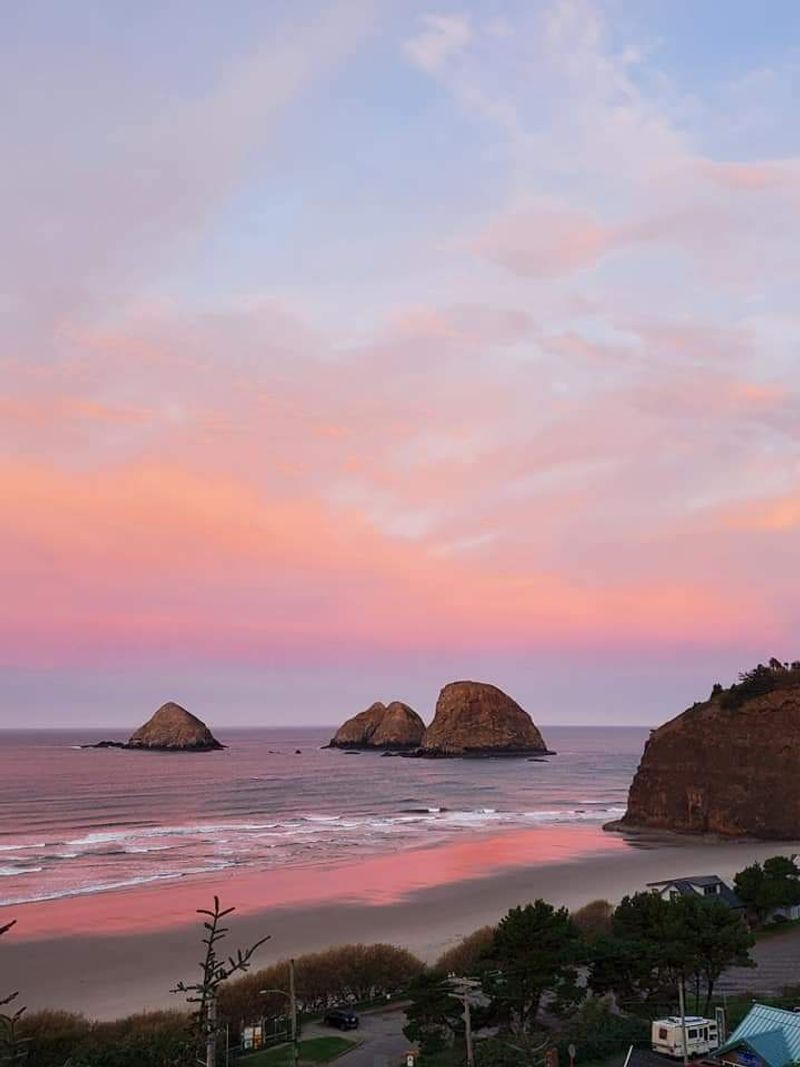
Circling a lot for twenty minutes is a coastal tradition nobody asked for. Oceanside tends to spare drivers that particular ritual.
The reason is mostly math. A small town at the end of a state route simply does not see the volume of cars that larger beach cities handle.
That said, space is limited because the town itself is small. Parking areas are not sprawling, so arriving earlier on busy days still makes sense.
Respecting residential streets matters here more than anywhere. Driveways, private lots, and narrow roads belong to people who live in town year-round.
Visitors who park legally and courteously help keep relations friendly. A few careless cars can turn neighbors against tourism fast.
Carpooling is another easy win. Fewer vehicles means more spots for everyone and less strain on a community not built for crowds.
In short, parking here is less of a contest and more of a courtesy. Treat it that way, and the easy arrivals should continue for years.
Next Door to Netarts
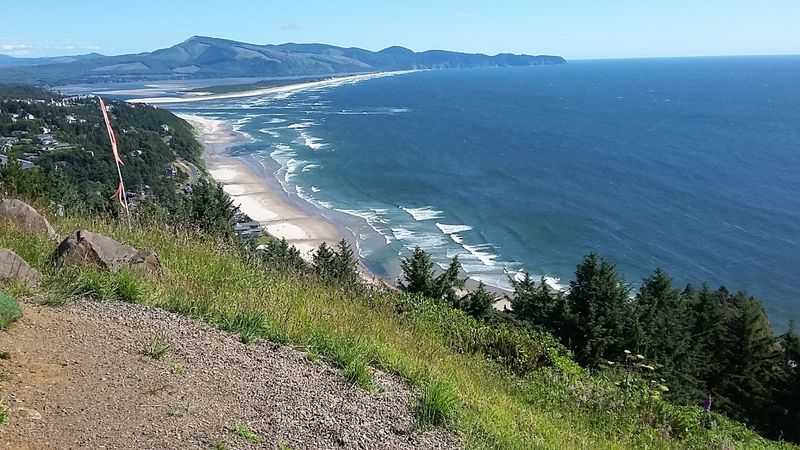
Every quiet town needs a good neighbor. For Oceanside, that neighbor is Netarts, located just to the south.
The two communities sit close together along the Tillamook County shoreline. Route 131 links them, so a visit to one naturally passes through the other.
Pairing the two makes for an easygoing day trip. Travelers can explore both small communities without long drives in between.
Each keeps its own identity, though both share that unhurried coastal pace. Neither tries to compete with the larger tourist hubs elsewhere on the coast.
For anyone mapping a route, the order is simple. Head along Route 131, reach Netarts, then continue a little farther to where the highway ends in Oceanside.
Having two small towns side by side gives visitors a bit more flexibility. If one stretch of shoreline feels busy, the other may be quieter that day.
Think of the pair as a set. Together they offer a slice of coast that still feels like a well-kept secret.
Who Will Love It Here
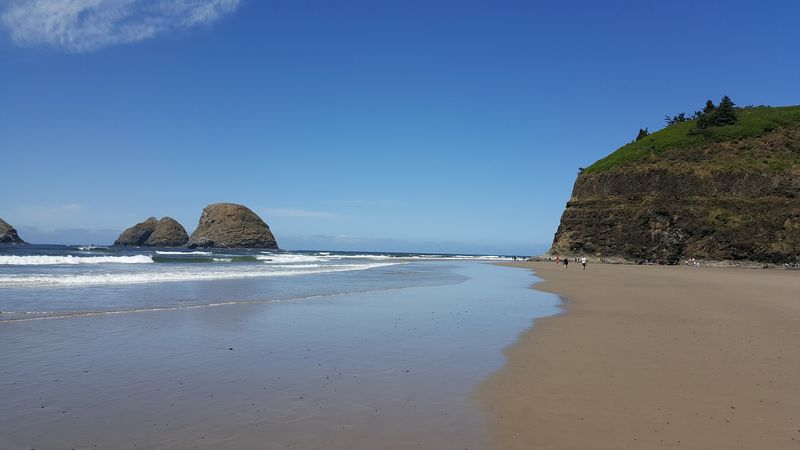
Not every traveler wants the same beach. Oceanside suits a particular kind of person, and knowing that ahead of time saves disappointment.
Quiet seekers will feel right at home. So will anyone who wants a long walk without dodging crowds or a peaceful afternoon away from busy attractions.
Families who prefer simple beach time over arcades and souvenir rows may also find it refreshing. The entertainment here is the shoreline itself.
Photographers and nature lovers often appreciate places with fewer people in the frame. Open sand makes for cleaner views.
On the other hand, travelers hoping for a long list of shops, nightlife, or big-name attractions may want a larger coastal city. A town of 366 people is not built for that.
There is no shame in either preference. The coast has room for busy hubs and quiet hamlets alike.
Matching the trip to the town is the smartest move. For the right visitor, this little place delivers exactly what the bigger beaches cannot.
Timing a Visit Wisely
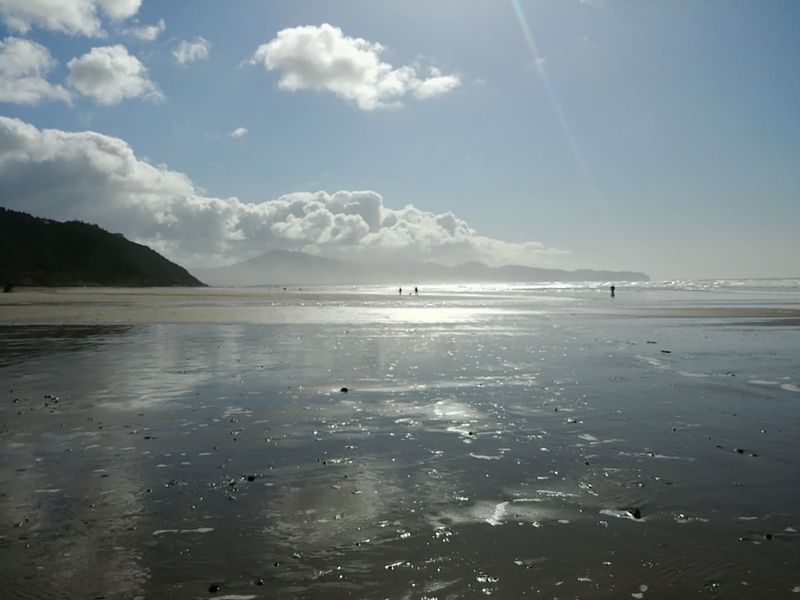
Calendars can make or break a beach day. Even a small town can feel busier on peak summer weekends and holidays.
Weekdays tend to be the best bet for open space. Fewer road trippers are out, and the community returns to its natural rhythm.
Shoulder seasons can also be rewarding for people who pack layers. The Oregon coast is famous for changeable weather, so a rain jacket belongs in every trunk.
Checking forecasts and tide tables before leaving home is a smart habit. Conditions on the Pacific can shift quickly.
Early mornings often bring a calmer scene. Arriving before midday also helps with parking on busier days.
Because Oceanside is small, there is no detailed schedule of hours or admission to plan around. The beach is the main event, and it is open to the public under Oregon’s beach access tradition.
A little planning goes a long way. The reward is a stretch of coast that feels like it was saved just for the visit.
Keeping a Small Town Small
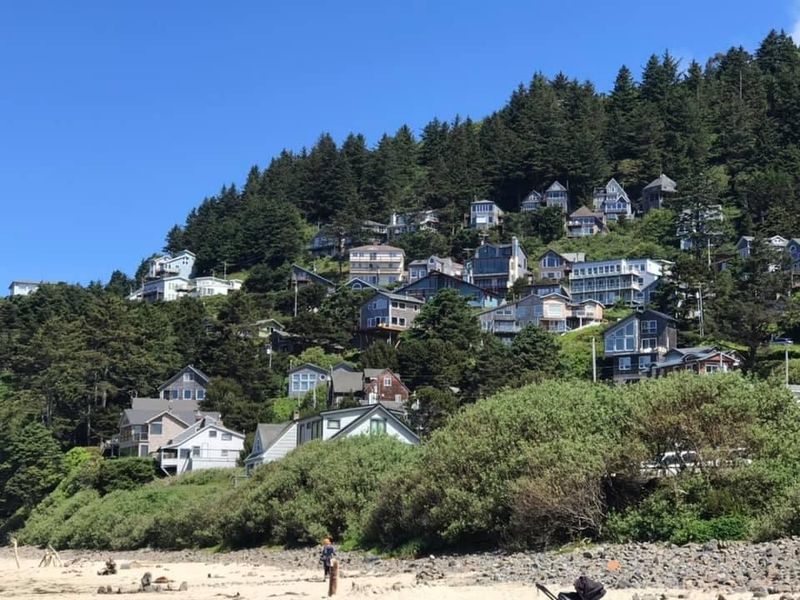
Places like this do not stay quiet by accident. They stay that way because residents and visitors both treat them with care.
Oregon has seen plenty of beloved spots change as crowds grow and costs rise. A town of a few hundred people is especially sensitive to those shifts.
Simple habits help. Pack out all trash, stay off private property, and keep pets under control on the sand.
Spending money thoughtfully also matters. Supporting whatever local businesses operate nearby, rather than bringing everything from far away, helps the community hold on.
Sharing the town online is tempting, too. Doing it responsibly, with reminders about courtesy and parking rules, protects the quiet that made it special.
Preservation is not only about historic buildings or old landmarks. It can also mean protecting the feel of a peaceful beach community.
Every visitor gets a small vote in what Oceanside becomes. Leaving it unchanged is the kindest choice on the ballot.
The Case for the Quiet End of the Road
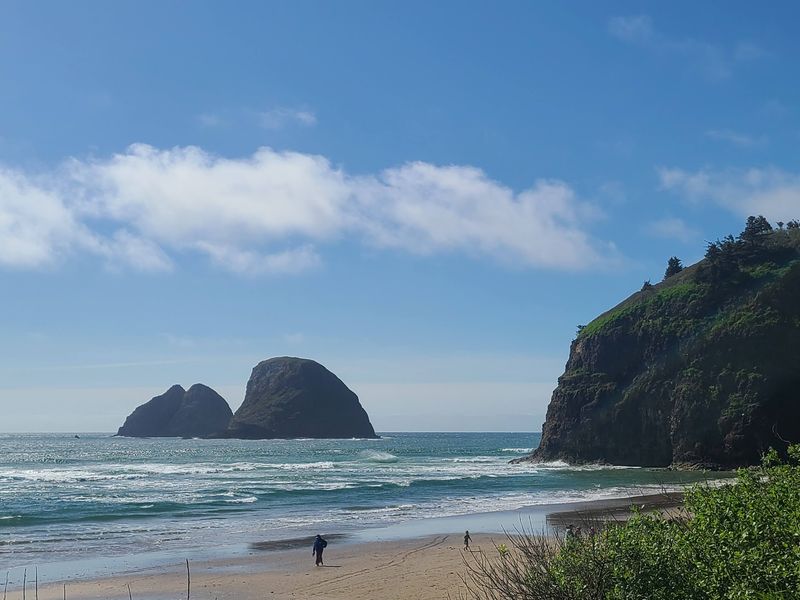
Bigger is not always better on the Oregon coast. Sometimes the best beach is the one at the end of a road that most traffic never reaches.
Oceanside offers a short list of strengths, and each one is real. It has a tiny population, no through highway, and a neighborly setting next to Netarts.
Those facts add up to something rare these days. Parking is often manageable, and the sand has room to breathe.
It will not suit everyone, and it does not try to. Travelers wanting nonstop entertainment can find it elsewhere.
For those who value calm, simple beach time, the trip down Route 131 is worth the effort. The payoff is space, quiet, and a reminder of how the coast used to feel.
Go on a weekday, park with care, and leave nothing behind. Small steps like those keep a small town small.
The road may end here, but the appeal clearly does not.
Share this story