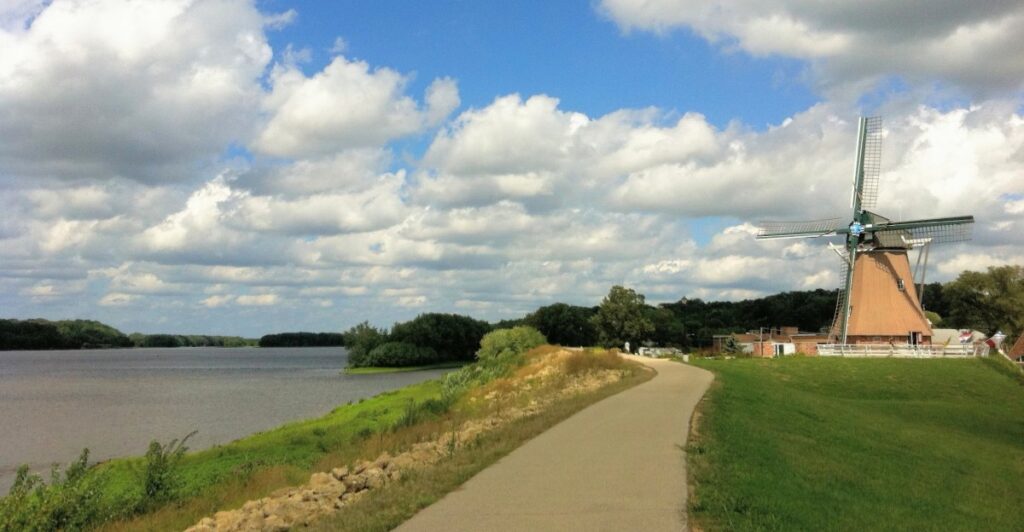
A Dutch windmill turning beside the Mississippi River is not something most travelers expect to find in small-town Illinois. Yet that is part of the charm waiting in Fulton, a community of fewer than 4,000 people where Dutch heritage, riverfront scenery, and an easygoing downtown come together.
The town has earned recognition for its cheerful small-town appeal, but visitors do not need an award to notice what makes it special. Walking trails follow the river, local landmarks celebrate Fulton’s roots, and the pace encourages lingering rather than rushing. Spend a little time exploring, and this overlooked Illinois town makes its happy reputation easy to understand.
A Real Dutch Windmill on the Mississippi
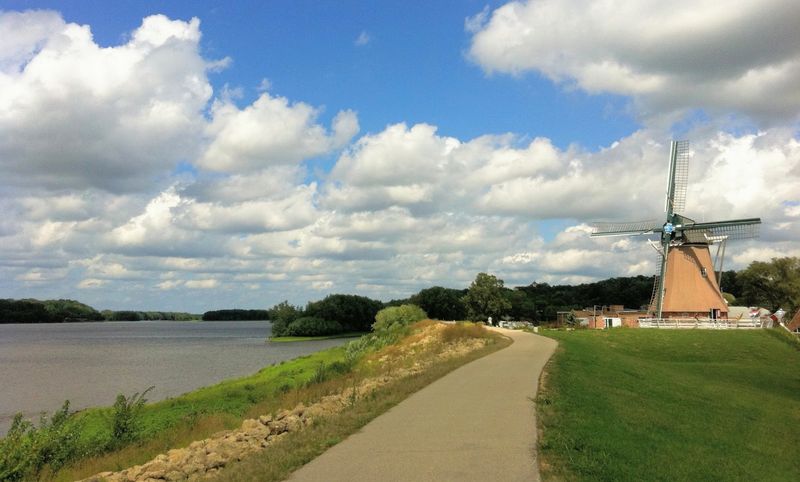
Picture driving into a small Midwestern town and spotting a towering Dutch windmill, its four giant sails cutting slow circles against the sky. In Fulton, that is not a daydream. It is the first thing many travelers notice, and it sets the tone for everything else in town.
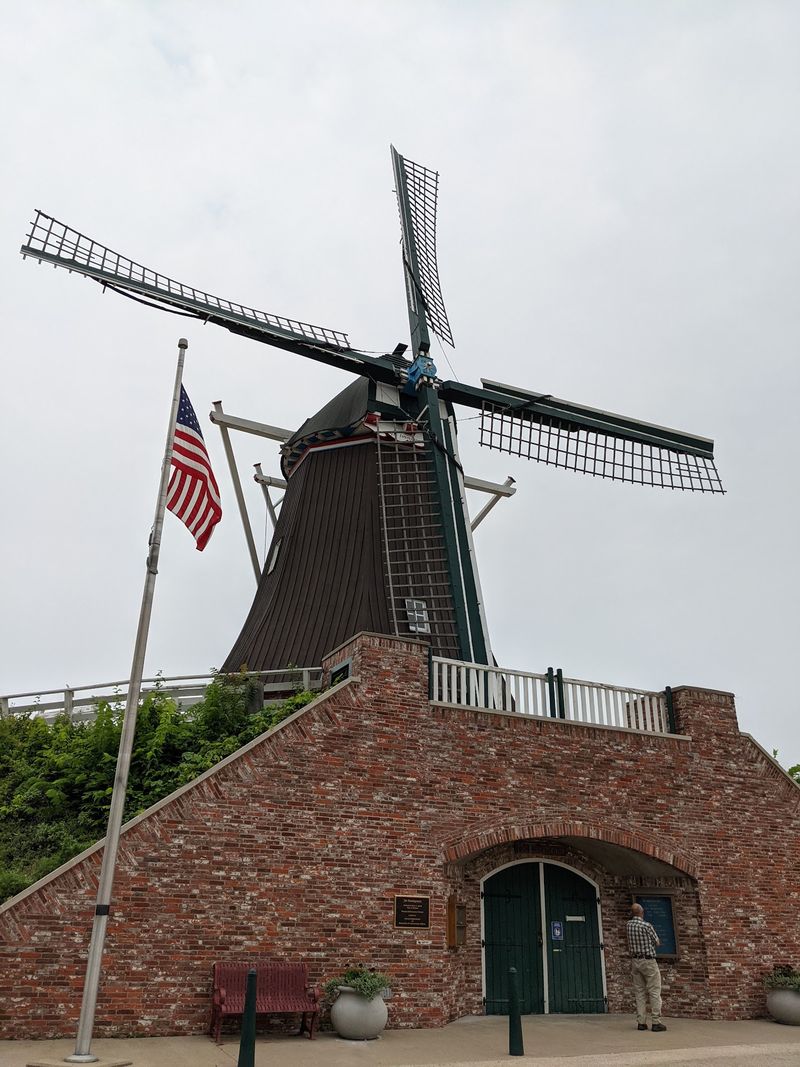
The windmill is called De Immigrant, and it stands on the flood control dike right beside the Mississippi River. Parts of it were built in the Netherlands by Dutch craftsmen, then shipped across the ocean and put together in Fulton. It was dedicated in 2000, and it is a working mill, which means it can actually grind grain using wind power.
Size is the big surprise here. The mill rises around 90 feet from the base to the tip of its top sail, so it is taller than most buildings in town. Up close, you can see the heavy wooden gears, the brick base, and the canvas on the sails. When the wind picks up, the whole structure creaks and hums.
Guided tours are usually offered during the warmer months. Climbing inside lets you see how the miller controls the sails and turns the cap to face the wind. Kids tend to love the stairs and the view from the stage deck, which wraps around the mill partway up.
Flour ground at the mill has been sold to visitors in the past, so ask about it at the visitor area. A bag of stone-ground flour makes a fun and useful souvenir, and it beats another fridge magnet.
Bring a camera and walk to the top of the dike nearby. From there, you can line up the windmill with the river and the long Iowa shoreline in a single shot. Sunset is the best time, when the sails glow orange and the water turns gold behind them.
Wooden Shoes, Tulips, and Dutch Days in Illinois
Clop, clop, clop. If you hear that sound echoing down the street in early May, you have probably arrived during Dutch Days, Fulton’s biggest party of the year.
The festival celebrates the many families with Dutch roots who settled in the area generations ago. Their heritage is still part of daily life, and once a year the whole town leans into it with gusto. Locals dress in colorful traditional outfits, white caps, and wide skirts, and many wear real wooden shoes called klompen.
One of the classic traditions is street scrubbing. Volunteers grab brooms and buckets and scrub the pavement before the parade, just like old Dutch towns did to keep things spotless. It looks silly at first, but it is also a cheerful reminder of how much the community cares about its streets.
Dancers in klompen perform folk routines that take serious practice. The shoes are heavy and stiff, so keeping time while stomping and spinning is harder than it looks. Watching a group of teenagers pull it off in sync is a highlight for many families.
Food is a big deal, too. Expect Dutch treats such as poffertjes, which are tiny fluffy pancakes, plus pastries filled with almond paste. Stands usually sell out of favorites, so show up early if you have your eye on something specific.
Spring timing also brings tulips. Fulton plants beds of bright blooms around town, and the colors usually peak close to the festival weekend. Weather in May can swing from chilly to warm, so pack a light jacket.
Plan to park a few blocks away and walk in. Streets near the parade route fill up fast, and strolling past the front yards lets you see how many homes decorate with flags and tulips of their own.
Rolling Along the Great River Trail
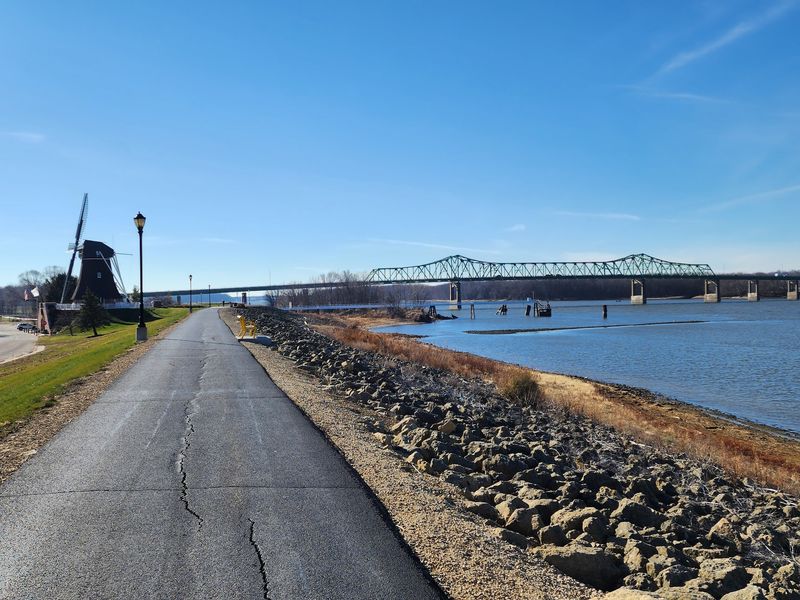
Happiness research often points to the same simple ingredient: spending time outside and moving your body. Fulton makes that easy, because the Great River Trail passes right through town.
This paved path stretches roughly 60 miles along the Illinois side of the Mississippi, linking Rock Island up through communities like Albany and Fulton toward Savanna. Most of it is flat, which is good news for casual riders, young kids on training wheels, and anyone who does not want to huff up hills.
Near Fulton, the trail hugs the river in places, so you get wide views of barges sliding by and herons standing still in the shallows. Other stretches run past farm fields and shady patches of woods. The mix keeps a ride interesting even if you only go a few miles.
Start near the windmill and head in whichever direction fits your energy level. A short out-and-back ride of five or six miles is plenty for families. Stronger cyclists can push north toward Thomson, where the trail continues through prairie and river bottoms.
Walkers and runners use the path too, especially in the early morning. Keep to the right, ring a bell or call out before passing, and give dog walkers room. Those small habits keep the trail friendly for everyone.
Pack water and a snack, since there are long stretches without shops. Bug spray helps in summer, when mosquitoes rise from the backwaters. Sunscreen matters as well, because the river reflects sunlight and some sections have little shade.
Fall is a standout season for riding. Cooler air makes long miles feel easier, and the trees along the bluffs and islands turn shades of red and gold. Bring a light layer and plan to finish before the sun drops behind the Iowa bluffs.
Riverfront Views Where Barges Steal the Show
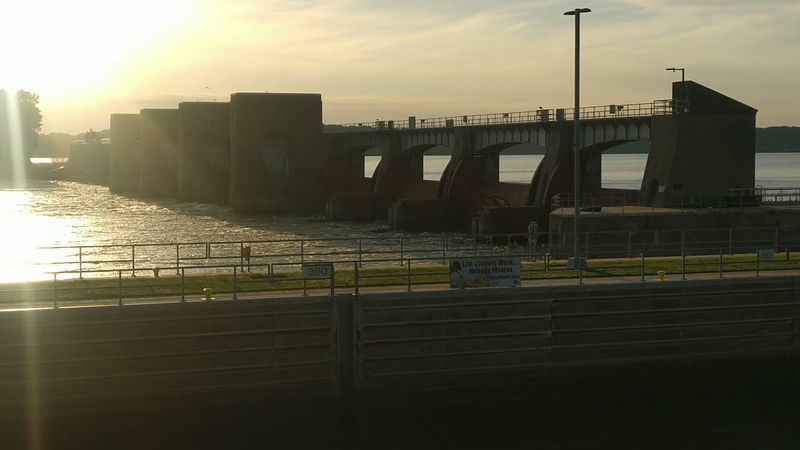
Few things slow a busy brain like watching a towboat push a dozen barges up the Mississippi at walking speed. Fulton has front-row seats for this everyday parade.
The town sits just across the river from Clinton, Iowa, and the water here is wide and busy. Lock and Dam 13 sits a short drive north of town, and it is one of the best places in the area to see how river traffic works. Boats line up, gates open and close, and the water level rises or falls to carry them through.
Watching a lock operate is surprisingly fun for all ages. Kids usually want to count the barges, while grown-ups end up wondering how the pilots steer something longer than two football fields. There is no rush, so bring a folding chair and settle in.
Winter brings a different kind of show. Bald eagles gather near open water by the locks and dams because fish are easier to catch there. On cold, clear mornings, you might spot several perched in trees or swooping low over the river. Binoculars make a huge difference.
Back in town, the riverfront area near the windmill gives easy access to the water. Benches and grassy spots offer views of the bridges heading into Iowa. Clinton’s lights twinkle across the river after dark, which makes an evening stroll pretty special.
Fishing is popular along the shore and in nearby backwaters. Anglers go after catfish, walleye, and bluegill, depending on the season. Anyone 16 or older will need an Illinois fishing license, which you can buy before your trip.
Keep an eye on the weather and river levels. Spring floods can close some low areas, but the dike was built to protect the town, and the views from the top stay open.
From Ferry Crossings to a Tight-Knit Small City
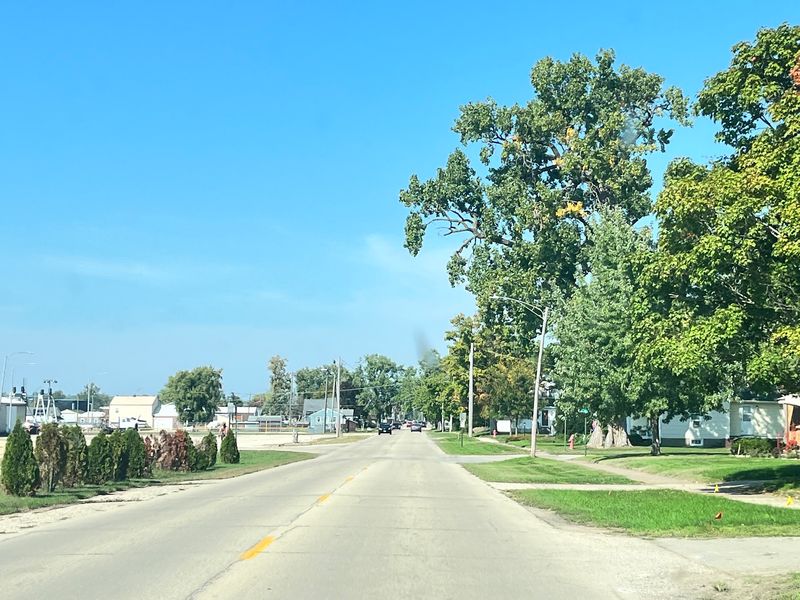
Long before bridges spanned the water, people crossed the Mississippi here by ferry. Fulton grew up in the mid-1800s as a river town, and its location made it a natural meeting point for travelers, farmers, and traders.
Railroads arrived soon after, and the town became a stop for goods heading east and west. Lumber floated down the river in huge rafts, and mills along the water kept workers busy. You can still sense that working history in the older brick buildings downtown.
Dutch immigrants were a big part of the story. Many families moved to the region from the Netherlands, bringing their churches, recipes, and habits of hard work. Their great-grandchildren still live here, which helps explain why the windmill and Dutch Days mean so much locally.
To learn more, stop by the Fulton Heritage Canal Museum or the Martin House Museum, an 1855 home that shows how a family lived in early Fulton. Small museums like these are run with plenty of volunteer care, so the details feel personal. Check opening days before you go, since hours are limited.
History also explains Fulton’s friendly feel. In a city of around 3,600 people, neighbors tend to know each other, and it is common to see the same faces at school games, church suppers, and the hardware store. That kind of connection is one big reason small towns score well on happiness lists.
Walking downtown gives you a quick lesson. Look up at the old storefronts, notice dates carved into buildings, and peek into shops that have served families for years. Many owners are happy to share a story or two if you ask.
Bring cash for small purchases, just in case. Then wander a side street or two, where tidy homes and big shade trees fill out the picture.
Planning a Weekend in Fulton Without the Guesswork
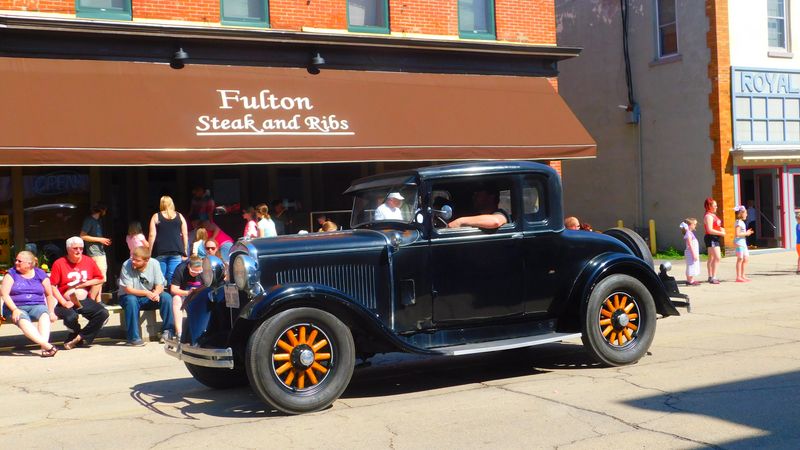
Good news first: Fulton is easy to reach and easy to explore. It sits in Whiteside County in northwest Illinois, about 45 minutes north of the Quad Cities and roughly two and a half hours west of Chicago by car.
Driving is the way to go, since public transit options are limited. Once you arrive, most sights near the riverfront and downtown are close together, so you can park once and walk. Bikes are handy if you want to cover more ground on the trail.
Timing shapes your trip more than anything. Late spring brings tulips and Dutch Days, summer offers long trail days and outdoor events, and fall is perfect for crisp riding. Winter is quiet, but eagle watching along the river can be excellent from December through February.
Lodging in Fulton itself is limited, so many visitors stay across the river in Clinton, Iowa, where hotel choices are wider. The bridge crossing takes just a few minutes. Book early for festival weekends, when rooms nearby fill quickly.
For meals, Fulton has local diners, pizza spots, and casual places where portions are generous and prices stay reasonable. Breakfast at a small-town cafe is a smart way to start the day and pick up local tips about what is happening that weekend.
A sample plan could look like this. Spend a morning touring the windmill, ride part of the Great River Trail before lunch, then visit a museum in the afternoon. Wrap up with dinner and a sunset walk on the dike.
Pack comfortable shoes, layers for changing river breezes, and a reusable water bottle. Check museum and windmill hours ahead of time, because they can change by season. With a loose schedule, two days is plenty to see the highlights without feeling rushed.
Why a Small River City Beats Bigger Places on Happiness
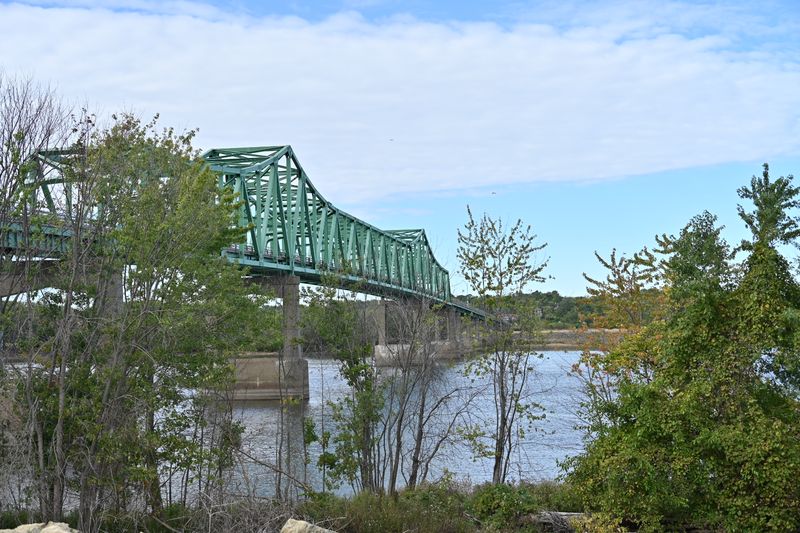
Big cities have skyscrapers and endless restaurants. Fulton has something harder to build: a daily life that runs at a calmer pace, with nature, history, and neighbors all within a few minutes.
Happiness rankings usually look at things like commute times, cost of living, safety, community ties, and access to outdoor spaces. Fulton checks many of those boxes. Short drives, affordable homes, and a trail beside a giant river add up to less stress and more free time.
Community pride is easy to spot. Volunteers run the windmill tours, plant the tulips, and staff festivals. Residents who pitch in like that tend to feel connected, and that sense of belonging is one of the strongest predictors of happiness in research about well-being.
Size helps, too. A town of a few thousand people is small enough that kids can bike to a friend’s house and adults bump into people they know at the grocery store. Yet Clinton sits just across the bridge, and the Quad Cities are not far, so shopping and medical care remain within reach.
Visitors pick up on this quickly. Drivers wave, shop owners chat, and nobody seems to be sprinting anywhere. The river itself sets the rhythm, steady and unhurried, with barges taking their sweet time.
Fulton is not flashy, and that is the point. It shows how a place can feel content without huge attractions or crowds. A windmill, a trail, a festival, and a lot of neighborly effort carry it far.
Spend a day here, and you might start thinking about your own routines. Maybe it is time for more evening walks, more waving at neighbors, and more slow moments by the water. Fulton makes a pretty convincing case for all three.