Some hikes in New York are easy strolls past benches and snack stands. This one comes with white cliffs, sky blue lakes, and the occasional rattlesnake sunning itself near the trail.
Hikers here still watch their footing on the ledges, the way people have for generations on this rugged ridge in the Hudson Valley. The payoff is huge, with waterfalls, wide old carriage roads, and views that stretch toward the Catskills.
A small parking fee covers the whole day, and families with toddlers share the same lot as serious climbers. In the sections ahead, you will find the best trails, the famous falls, the tricky scrambles, and the timing tricks that help you skip the long parking line.
Read on before you lace up your boots, because a little planning makes this park far more fun.
1. A Ridge-Top Preserve in Ulster County
High on the Shawangunk Ridge, a wild stretch of rock and forest has kept its old-school character. Minnewaska State Park Preserve sits at 5281 Route 44-55, Kerhonkson, NY 12446, in the Hudson Valley region of Upstate New York.
The park is known for waterfalls, three sky lakes, and about 25 miles of footpaths. Those paths welcome hikers and bikers, and the cliffs draw rock climbers too.
Locals often call this area the Gunks, a nickname for the Shawangunk Mountains. Many New Yorkers drive past it on the Thruway for years before finally pulling off to explore.
For a lot of people in the city and the Capital Region, the trip runs around an hour and a half each way. That makes it a solid day trip without needing an overnight stay.
The park earns a 4.8 star score from thousands of people, which says plenty about its staying power. It is the kind of place New Yorkers return to season after season.
What makes it special is the mix. Flat, gentle walks sit right beside steep, rocky scrambles, so nearly everyone can find a path that fits.
And yes, the ledges keep hikers alert in more ways than one.
2. Rattlesnakes, Ledges, and a Healthy Dose of Respect
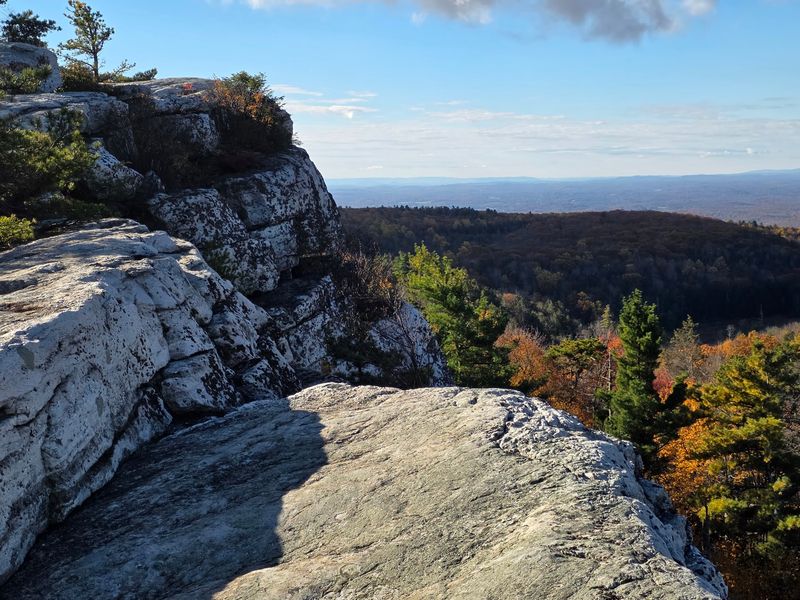
Here is the headline detail that surprises newcomers. Rattlesnakes are still spotted in this park, and some families count a sighting as a bonus of the day.
That does not mean the trails are scary. It simply means hikers keep their eyes on the ground, especially on the sunny rock ledges.
The park also has more natural hazards than many others in the tri-state area. Steep cliffs and uneven drops call for slow, careful steps.
One stretch that demands patience is the descent from Castle Point on the Scenic Trail. Hikers often pause there to plan exactly where each foot goes next.
Rain adds another twist. Wet rocks on trails like Rainbow Falls can turn slick, so checking the forecast before heading out is smart.
Good boots, a slower pace, and staying on marked paths go a long way. Keep a respectful distance from any wildlife you meet.
That old-fashioned caution is part of the charm. It is a reminder that this corner of New York is still wild enough to keep everyone humble.
3. Lake Minnewaska and Its White Cliff Frame
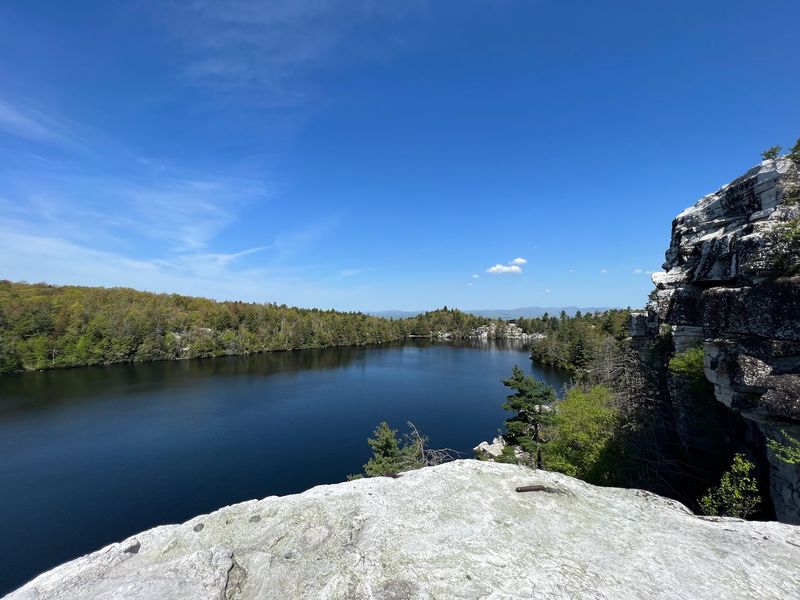
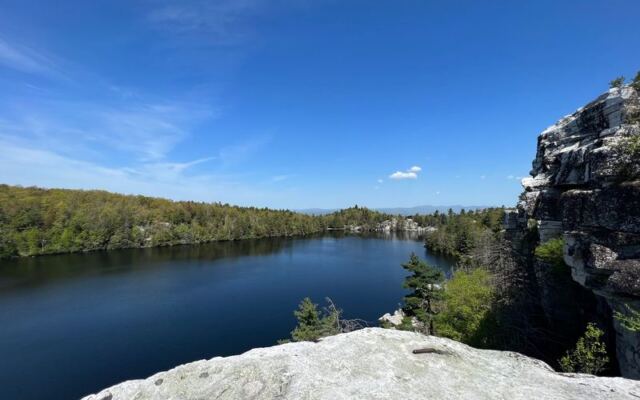
Ask almost anyone about the park, and the lake comes up first. Lake Minnewaska sits ringed by white, powdery cliff faces that make it one of the most photographed spots on the ridge.
The water is known for its clear, deep blue color. Against the pale quartz rock, it makes for striking photos.
A main carriage road loops around the lake. The walk is easy and takes roughly an hour, so it suits nearly every skill level.
The visitor center sits close by. From there, a short walk leads out to views of the lake and its cliff walls.
Staff at the visitor center often suggest walking around the lake and stopping at the viewpoints. It is a great plan when time is short or the weather looks shaky.
Minnewaska Lake Beach is another spot people mention often. It is a popular gathering place for families during the warmer months.
Dog owners love this loop as well. It is calm, scenic, and simple enough to repeat again and again without getting old.
4. Awosting Falls, the Short Walk With a Big Reward
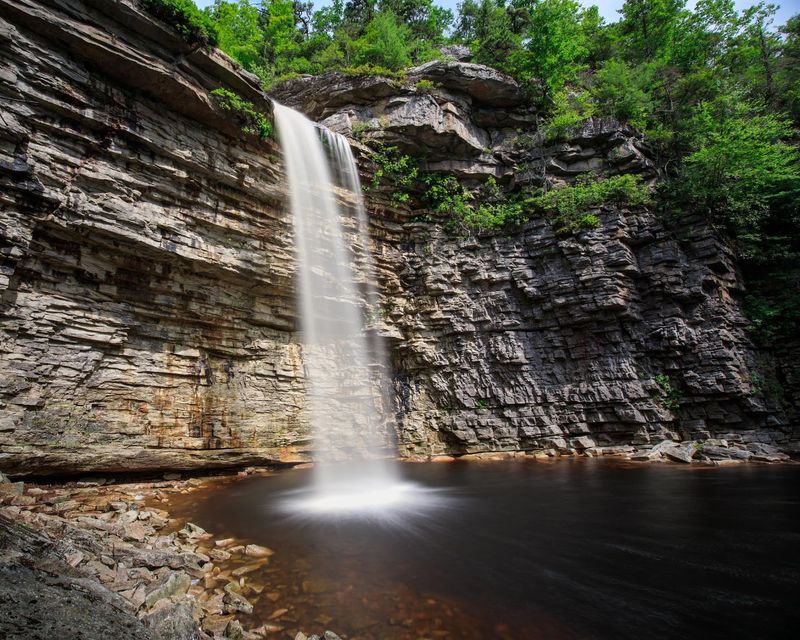
Waterfalls are the most talked about feature in the whole park, and Awosting Falls leads the pack. It is often called the highlight of a visit.
The walk is short, around a mile round trip. Most of it is flat, except for the section that drops from the top of the falls to the bottom.
Timing matters here. After a week of heavy rain, the falls tend to run strong and impressive.
The route follows a wide carriage road, so it works well for families and casual walkers. Strollers of patience and small legs can manage it.
Photographers tend to linger at the base. There is plenty of room to set up a shot and take in the scene.
Plenty of people pair the falls with a lake visit. It makes a satisfying half day without a single steep climb.
Short trip, big payoff, and no summit sweat required.
5. Gertrude’s Nose and the Millbrook Mountain Loop
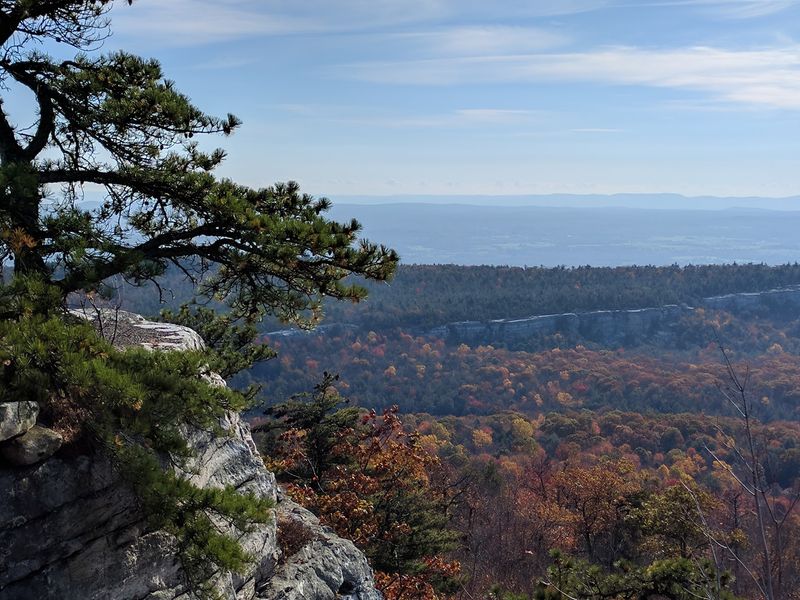
A trail with a name like Gertrude’s Nose has to be memorable, and this one delivers. It is one of the park’s rugged, technical hikes, and many call it more scenic than the longer gravel routes.
A popular choice is the Gertrude’s Nose and Millbrook Mountain Loop. It can feel fairly tough for anyone not used to hiking.
Expect a couple of water crossings and a steep incline. The first half tends to be the hard part, and the second half levels out.
Much of the trail is shaded, which helps on warm days. Some hikers finish in about four hours with plenty of breaks.
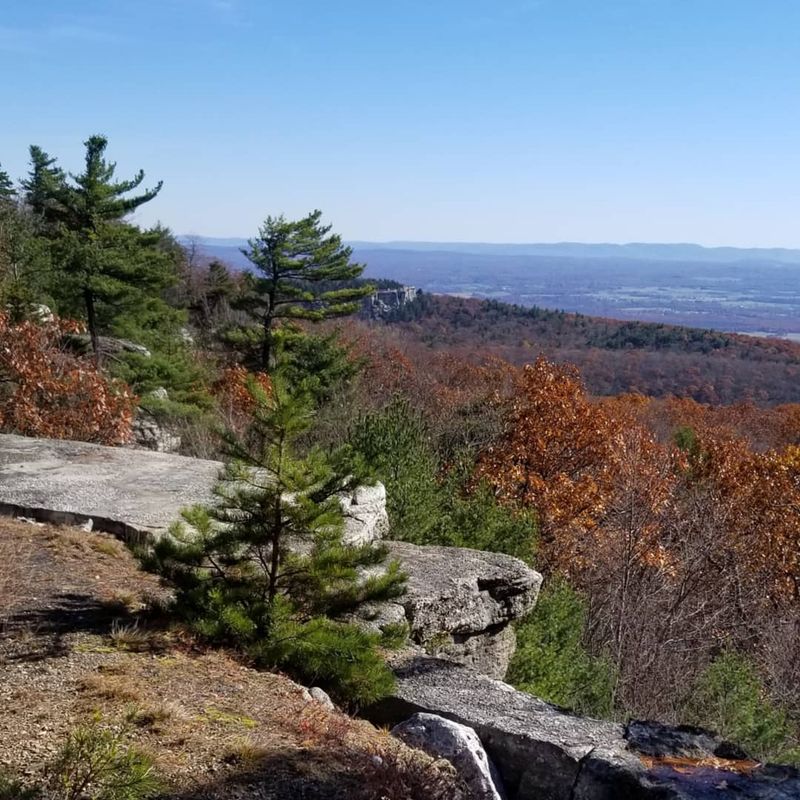
The views along the ledges are the main prize. Hikers get wide looks over the valley and toward the Catskills.
This is also where watching your step really counts. The rock edges are dramatic, and careful footing is part of the routine.
Pack water, start early, and give yourself time to enjoy the nose with a view.
6. Castle Point and Its Sprawling Lookout
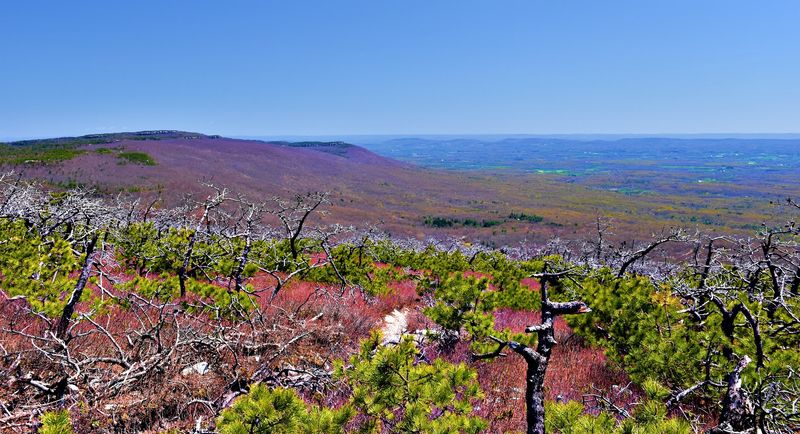
Some views are worth every step uphill, and Castle Point ranks near the top of that list. The lookout is wide open, with sightlines stretching for miles in almost every direction.
One well-known route is the Castle Point loop of around 8.7 miles. It can start from the Awosting parking lot and follow the Mossy Glen Trail with yellow blazes.
From there, hikers climb Blueberry Run, marked in blue, which is a steady incline. Then the Scenic Trail drops down the cliff, followed by the Rainbow Falls Trail and the Lower Awosting Carriageway.
Another option starts from the Upper Parking Lot. Some of that route follows gravel carriage roads, which feel easier but less exciting.
The round trip can take around five hours. On quieter days, hikers might pass only a handful of other people.
Rainbow Falls along the way gets mixed feelings. It depends a lot on recent weather.
Still, the view from the top is the star here, and it rarely disappoints.
7. Carriage Roads Built for Easy Miles
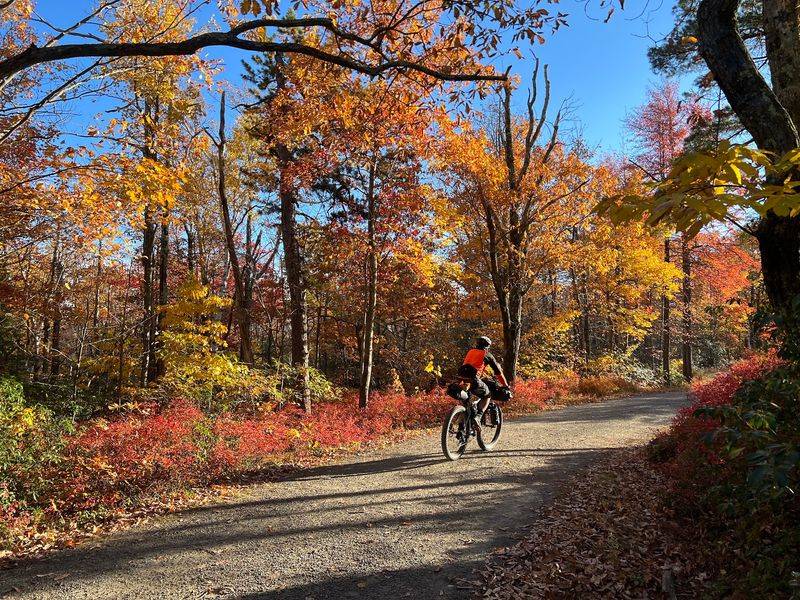
Not every great day out needs a scramble. The park’s wide carriage roads offer a gentler way to explore.
These gravel paths are completely flat in many spots. They suit walking, jogging, and biking alike.
Because the gravel is easy to follow, getting lost is unlikely. Even on the mountain trails, the clear surface helps hikers stay on track.
Families with small kids find these roads especially handy. One family shared that their three and a half year old walked an entire trail without being carried.
The same parking lot can launch a short stroll or a much longer outing. That flexibility lets groups with different energy levels share one trip.
Some hikers find the long gravel stretches a bit repetitive. Others jog the downhill parts to keep things lively.
Either way, these roads keep the park welcoming to people who just want a peaceful walk in the woods.
8. Ice Caves and the Lemon Squeeze
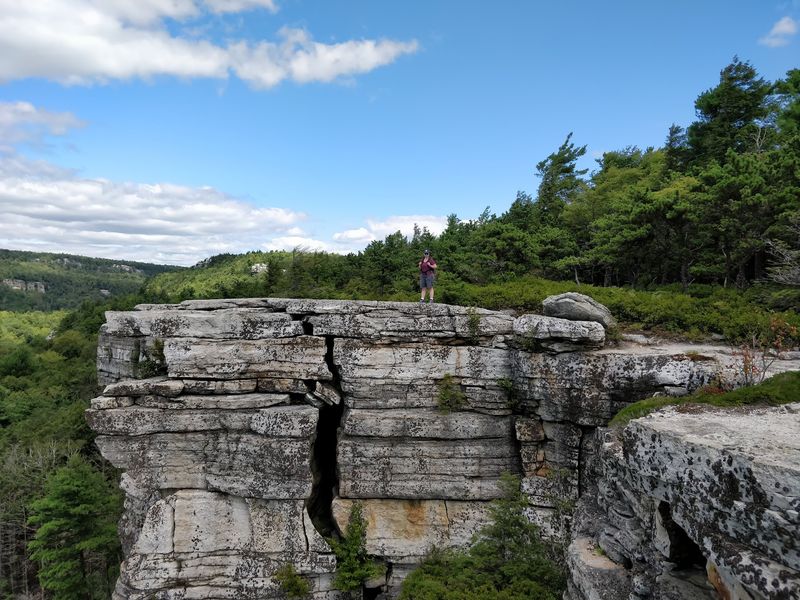
Ready for something a little different? The ice caves are one of the park’s more adventurous attractions.
Hikers head there to explore rocky passages and boulder fields. It is a change of pace from the open carriage roads.
Staff can be a big help in planning. Park staff have been known to share helpful tips about the ice caves and the Lemon Squeeze.
The Lemon Squeeze is a tight, rocky section that lives up to its name. Asking for advice before attempting it is a good idea.
Getting clear directions matters here. Missing a turn can mean coming back another day to finish the route.
The trails leading there are well marked and maintained. That makes the adventure feel exciting rather than confusing.
Bring patience, flexible plans, and a willingness to squeeze through.
9. Trail Signs That Do the Thinking
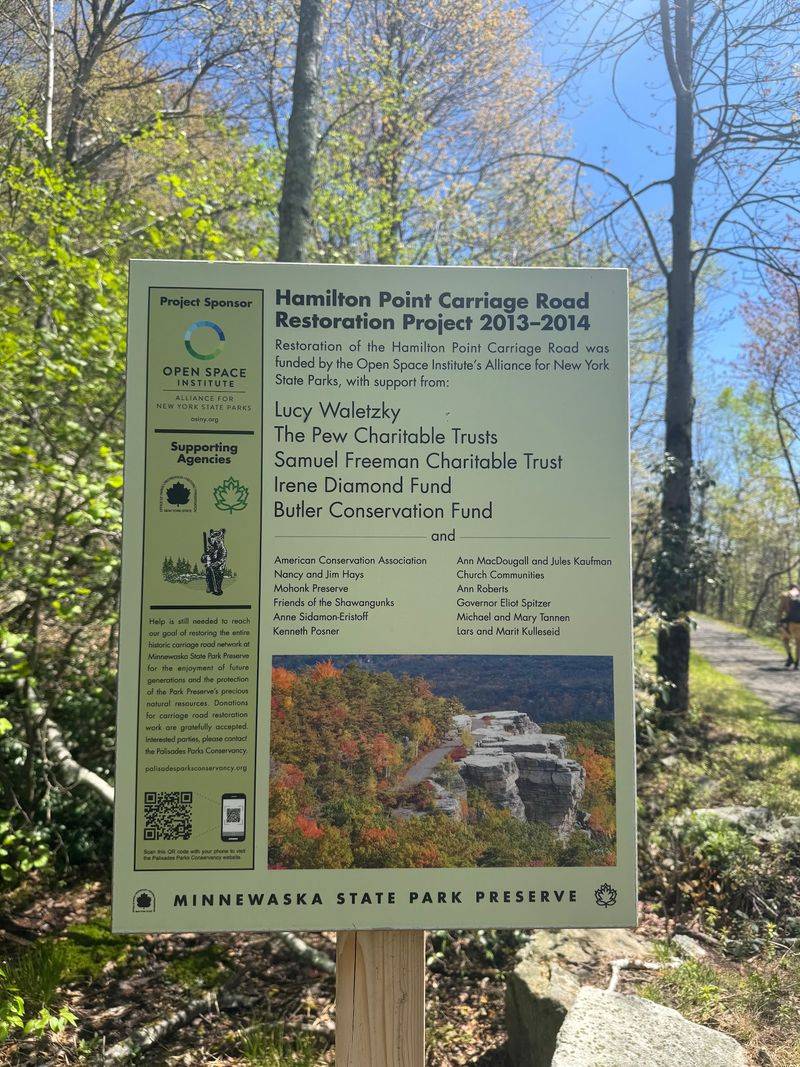
Few parks get this much praise for their signs. The trail blazes at Minnewaska are often called some of the best around.
Each official trail has a sign with its name and a map of the nearby area. Many also show a grade profile, so hikers can see the climbs and drops ahead.
The signs share basic facts as well. Taking a moment to read them pays off before choosing a route.
Restrooms near the parking areas are another plus. Some lack plumbing, but they tend to be kept clean.
The visitor center is known for being clean and organized. It is a good first stop for maps and trail advice.
Overall, the park feels well run and easy to navigate. That kind of care is a big part of why people keep coming back.
Good planning starts at the signpost, and here the signposts do half the work.
10. Fall Foliage and the Early Bird Rule
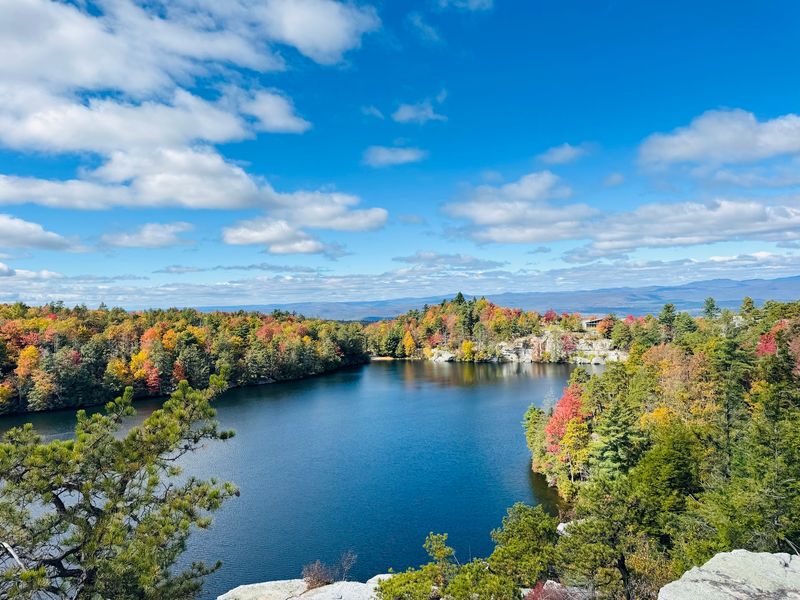
Autumn turns this ridge into one of the most popular stops in the state. The mountains fill with red, orange, and gold, and the lake views get even more photogenic.
That popularity comes with a catch. During peak foliage, the parking lots fill fast.
Entrance signs have warned of waits of an hour and a half. Some people end up waiting closer to 30 or 35 minutes, but planning ahead still helps.
Arriving around 9 am, right at opening, is the common advice. Later arrivals often face longer lines.
Nice weekends draw big crowds in other seasons too. An early start means calmer trails and an easier time finding a spot.
Late October can be quieter once peak color passes. The leaves may still look lovely with fewer cars around.
Beat the crowd, and the colors feel like your own private show.
11. Hours, Fees, and a Fair Verdict
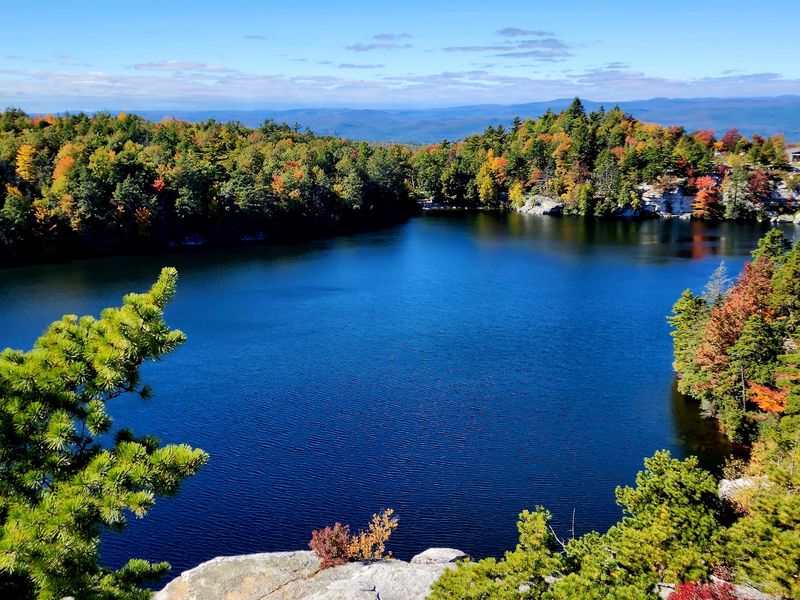
Practical details keep a good trip from turning into a long wait. The park is open daily from 9 am to 5 pm.
Parking costs $10 per car. Weekend reservations are required, so booking ahead is essential.
Dogs are welcome, and many owners call the lake loop a favorite walk. Keep pets close on the ledges for everyone’s safety.
The park suits families, photographers, casual walkers, climbers, and serious hikers. Few places let such different groups enjoy the same day so easily.
Wildlife adds to the experience. Hikers have spotted black vultures, newts, and the occasional rattlesnake.
In a world of quick fixes and crowded attractions, this ridge still asks people to slow down and pay attention. That old-fashioned respect for the land is part of what makes it feel timeless.
Reserve that weekend spot, pack sturdy shoes, and let the ledges teach you their patient pace.
Share this story