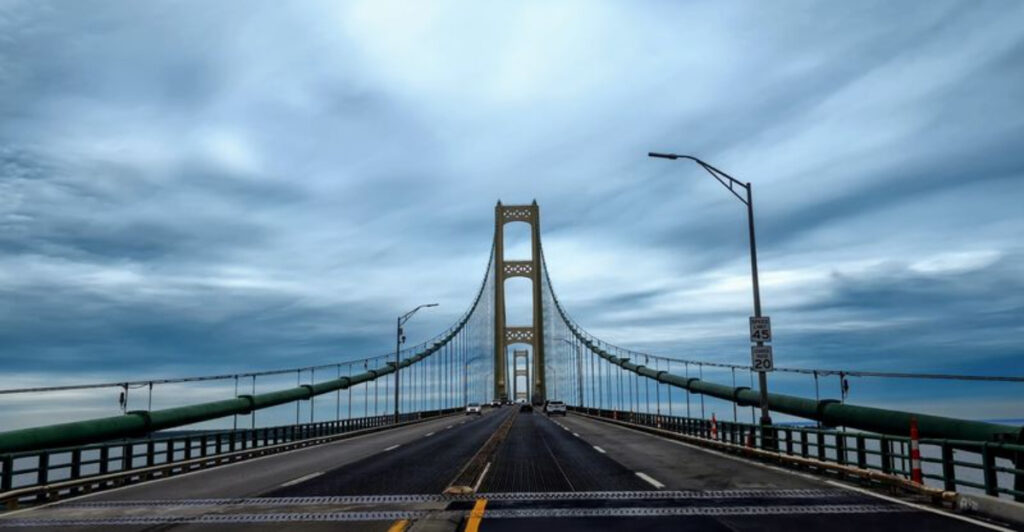
Michigan is not just a state—it is a way of life that comes with its own rules, rituals, and completely unspoken agreements that every local already understands. If you have spent any real time around Michiganders, you have probably noticed a few habits that take a moment to decode, and some that never quite make sense until you have lived here yourself.
From using a raised hand as a substitute for a road atlas to developing genuine emotional attachments to bridge crossings, the people of Michigan operate by their own playbook. Here are the habits and customs that make outsiders do a double take—and that Michiganders would never dream of changing.
1. Use Their Hand as a Map and Expect Everyone to Follow Along
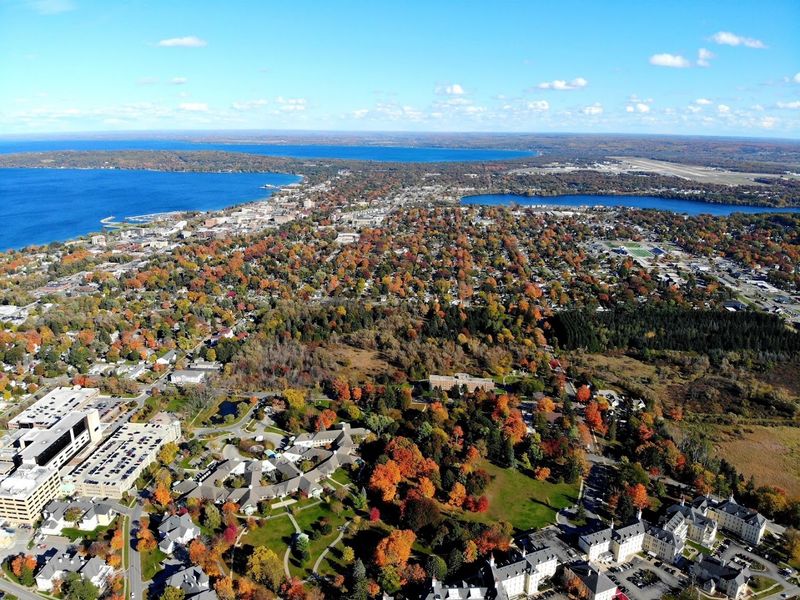
Raise a hand in front of any Michigander while asking where they grew up, and there is a very good chance you will receive a palm as an answer. The Lower Peninsula of Michigan looks remarkably like a mitten, and residents have been using that happy coincidence as a navigational tool for generations.
For the uninitiated, watching a stranger extend their hand and point confidently to a spot near the pinky knuckle can feel genuinely disorienting.
The system, once decoded, is surprisingly efficient. Tapping the center of the palm represents mid-Michigan, pointing near the thumb indicates the Thumb region around Port Huron and Saginaw Bay, and gesturing toward the tip of the middle finger places you somewhere in the northern Lower Peninsula.
Every knuckle, crease, and fingertip has meaning, and most Michiganders can navigate the entire state without touching a single map app or printed atlas.
What makes outsiders visibly confused is the absolute confidence that accompanies the gesture. There is no preface, no recognition that the other person might not be carrying the same mental cartography.
The hand goes up, a spot is identified, and the conversation moves forward as though satellite coordinates were just transmitted to a GPS device.
For people relocating to Michigan from other states, the moment they first encounter the hand map often becomes a story they tell for years. There is something genuinely charming about an entire population carrying a geographic shortcut in their right hand at all times.
It also serves as an unofficial identification system—when two people from Michigan meet far from home and one raises their palm, the other immediately understands, an unspoken bond forms on the spot, and the conversation that follows tends to last a very long time.
2. Call Almost Every Northern Getaway Going Up North
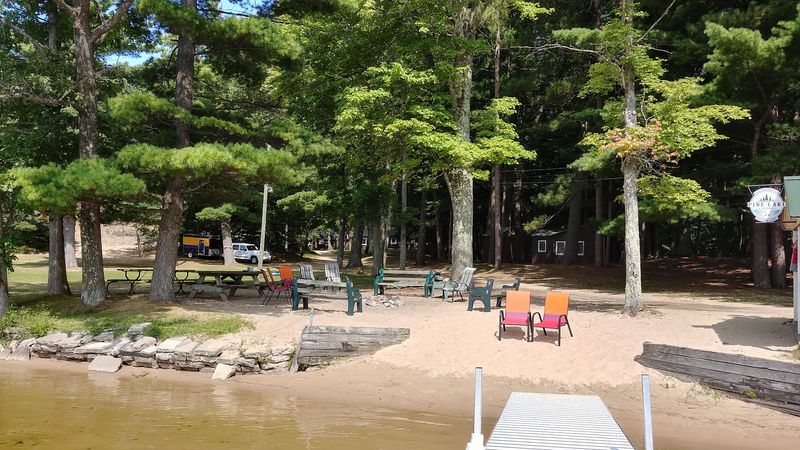
Two small words carry more collective meaning in Michigan than almost anything else in the seasonal vocabulary: up north. Whether someone is heading to a lakefront cabin near Traverse City, a campground outside Gaylord, a rented cottage somewhere in Roscommon County, or a friend’s family property tucked deep in the woods, the destination gets described with those same two words.
Outsiders who ask for a specific town, county, or address are often left with nothing but a relaxed shrug and a knowing smile.
The phrase is less a location than a state of mind. It means leaving behind traffic, noise, and routine in exchange for pine trees, lake air, and slower mornings.
The phrase carries a whole emotional package—nostalgia, anticipation, and the specific kind of contentment that comes with knowing the summer trip you have been planning since February is finally happening. For many Michigan families, it is the defining event of the entire year.
What confuses transplants is how flexible the term actually is. What counts as up north depends entirely on where you live.
Detroiters might consider anything north of Flint to qualify, while someone from Saginaw might not feel like they have truly arrived until the cell service gets spotty and the last chain restaurant disappears from the roadside. There are no official boundaries, no agreed-upon cutoff, and somehow that ambiguity is exactly how everyone prefers it.
Generations of Michigan families have followed the same unofficial rituals: the same exits off I-75, the same gas station stops, the same moment when the trees close in and the sky seems wider. Telling someone you are going up north is not a failure to plan—it is the fullest possible description of what the trip actually means.
Anyone who has spent a summer in Michigan already understands every single word of it.
3. Treat the Upper Peninsula Like a Completely Different World
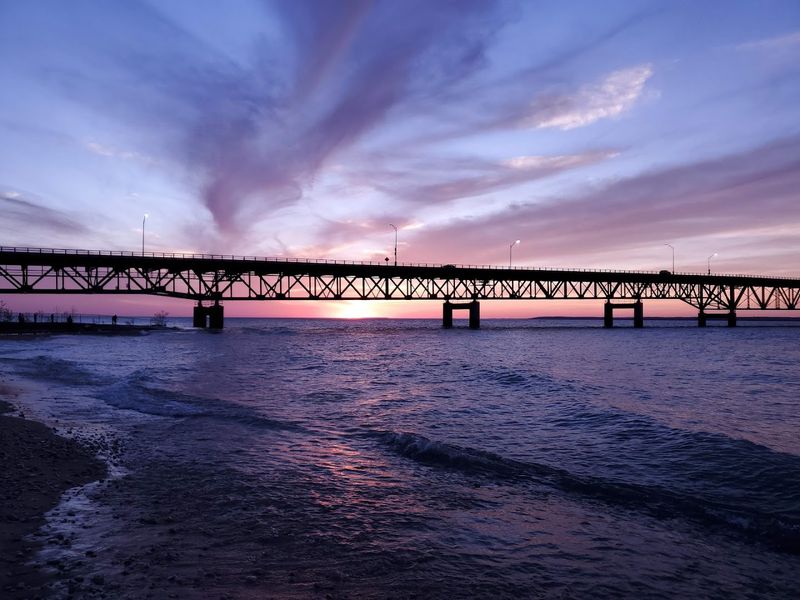
Crossing the Mackinac Bridge from the Lower Peninsula into the Upper Peninsula can feel less like entering a different part of the same state and more like stepping into a separate country. The U.P. has its own dialect, its own foods, its own landscape of waterfalls, dense forests, and snowfall totals that seem almost fictional, and its own residents—Yoopers—who take no small amount of pride in how distinct their world actually is from everything south of the bridge.
Lower Peninsula residents who make the journey north often return talking about it for months. They come back with stories about enormous lakes, pasties picked up from roadside shops, wildlife spotted along two-lane highways, and snowbanks that still dwarfed their cars well into late spring.
The Upper Peninsula covers a large portion of Michigan’s total land area but holds only a small fraction of its population, which gives the region a genuinely remote and unhurried character that is increasingly hard to find anywhere.
Outsiders sometimes struggle to understand why the two halves of Michigan feel so culturally different. The geographic separation created by the Straits of Mackinac meant the U.P. developed largely on its own terms for much of its history, shaped by mining, logging, Finnish and Cornish immigrant communities, brutal winters, and an independence that never quite faded.
The bridge connected the two peninsulas in 1957, but it could not fully close the cultural gap—and most Yoopers are perfectly content with that.
There have even been lighthearted movements over the years about the U.P. becoming its own state, sometimes called Superior. Most people in the Lower Peninsula laugh at the idea, and most Yoopers consider it with at least a little genuine interest.
The attachment each side feels toward its own identity is real and deeply rooted, and for Michiganders from either peninsula, the U.P. is something to be experienced slowly rather than simply visited.
4. Turn a Coney Dog Order Into a Fiercely Local Debate
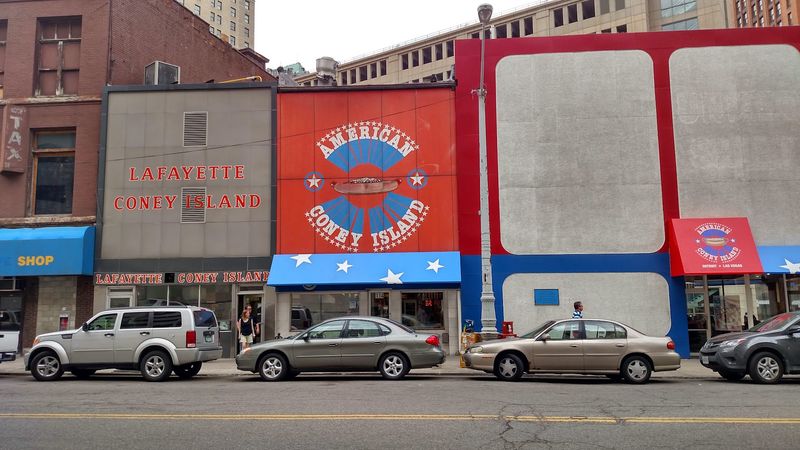
Walking into a coney island restaurant in Michigan and simply ordering a hot dog is a missed opportunity of spectacular proportions. The coney dog—a steamed hot dog in a soft bun, topped with a meat-based chili sauce, yellow mustard, and diced onions—is one of the state’s most fiercely beloved foods.
But what makes the experience truly Michiganian is not the dog itself. It is the passionate, sometimes very loud discussion about exactly where you got it that immediately follows.
In Detroit, the debate centers on two restaurants that have sat side by side on Lafayette Boulevard for decades: American Coney Island and Lafayette Coney Island. Regulars on each side defend their preference with the kind of certainty usually reserved for much larger life decisions.
The differences are subtle—sauce consistency, bun softness, the precise ratio of mustard to onion—but to devoted fans, those details are absolutely everything and always have been.
Beyond Detroit, the coney landscape shifts considerably. Flint has its own style, featuring a thicker, beanless meat sauce with a flavor profile that differs noticeably from the Detroit version.
Jackson has its own tradition as well, with some locals insisting their city deserves credit for popularizing the coney in Michigan. Every region has its loyalists, and mentioning the wrong coney style in the wrong city can earn you a look that lasts the rest of the meal.
For an outsider, the whole thing can seem wildly out of proportion for a hot dog. Understanding the coney debate is key to understanding how Michiganders relate to food—not as something casual, but as something local, specific, and deeply personal.
The coney dog is not just a quick lunch. It is a flag planted in regional soil, a declaration of exactly where you come from and what your family ate on Friday nights when you were growing up.
5. Feel Genuinely Emotional While Crossing the Mackinac Bridge
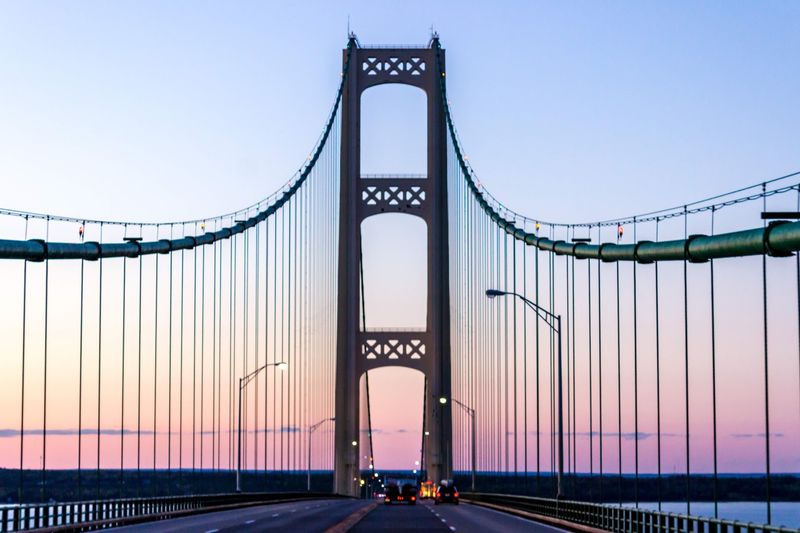
Somewhere around the moment the Mackinac Bridge appears on the horizon, something shifts inside a Michigan car. Cameras come out.
Voices get louder. Someone in the back seat leans forward to see through the windshield, and the person driving has already launched into a full speech about just how impressive the bridge actually is.
The Mackinac Bridge stretches nearly five miles across the Straits of Mackinac, connecting the Lower and Upper Peninsulas in a way that still inspires genuine wonder after decades of routine crossings.
For outsiders riding along, the reaction of their Michigan companions can seem a little intense for a piece of infrastructure. But for people who grew up making this crossing, it marks something real.
It signals the official start of the trip north, the moment the everyday world gets left behind. The toll booth, the slight sway of the roadway in the wind, the enormous green towers overhead—all of it is etched into the memory of anyone who has crossed it more than once.
The bridge opened in November 1957 after years of construction and remains one of the longest suspension bridges in the Western Hemisphere. Every Labor Day weekend, thousands of people participate in the Mackinac Bridge Walk, crossing on foot from one peninsula to the other.
It is a tradition that draws enormous crowds from across the state and beyond, but for Michiganders it carries extra weight—a reminder of something that once seemed impossible and became a permanent point of collective pride.
People who move to Michigan from other states often notice this phenomenon during their very first crossing. Their Michigander companions do not treat it like infrastructure.
They treat it like an arrival. Photos are taken, stories are shared, and someone almost always mentions that the bridge sways slightly in the wind—which is completely normal and entirely by design—whether or not the newcomer finds that particular detail comforting.
6. Maintain Extremely Specific Pride in Their Particular Corner of the State
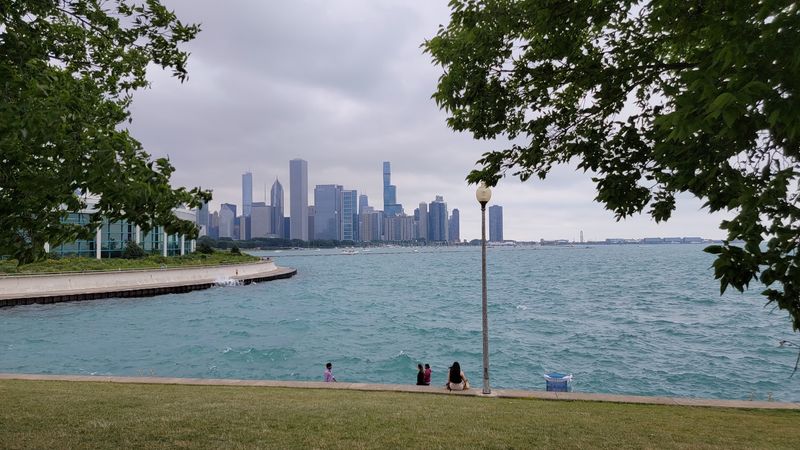
Michigan pride rarely stays broad for long. Give a local two minutes, and “I’m from Michigan” will quickly become “I’m from West Michigan,” “I’m Downriver,” “I grew up in the Thumb,” or “I’m from the U.P., not near Detroit.”
Those distinctions matter.
Each part of the state has its own rhythm, landscape, food habits, accents, and local rivalries. West Michigan residents point toward Lake Michigan beaches, Dutch heritage, and a deeply established craft beer scene.
Metro Detroiters carry the energy of a major industrial region shaped by cars, music, sports, and generations of immigration.
People from the Thumb often talk about open farmland, small towns, and water on three sides. Northern Michigan residents know the difference between a tourist town in July and the same place after the crowds disappear.
Yoopers have an identity so distinct that calling the Upper Peninsula “northern Michigan” can immediately reveal that someone is not from around there.
Even smaller areas develop strong loyalties. Someone from Grand Rapids may speak about the city differently from someone raised along the lakeshore.
Ann Arbor, Lansing, Flint, Kalamazoo, Marquette, Traverse City, and the Detroit suburbs all come with their own assumptions about what Michigan life looks like.
Outsiders sometimes find this level of geographic precision excessive. Michiganders see it as necessary context.
Where you are from can explain which lake you visited as a child, what kind of winter you consider normal, which sports teams you defend, and whether “going downtown” means Detroit, Grand Rapids, or a two-block business district with one traffic light.
The pride is not always loud. Sometimes it appears as a correction, a local recommendation, or a slight pause when someone describes the entire state as though it were one uniform place.
Michigan may look like two peninsulas on a map, but locals know it contains dozens of smaller worlds—and nearly everyone believes theirs deserves more attention.
7. Navigate Roads So Rough They Become Part of the Local Experience
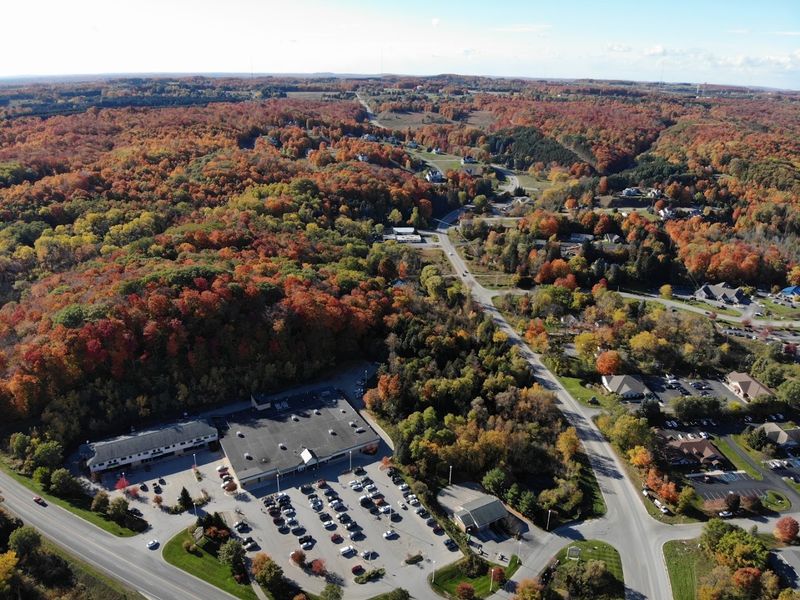
Spring in Michigan brings warmer air, melting snow, and the annual discovery that several roads did not survive winter with their dignity intact.
Potholes emerge fast. Some are shallow enough to ignore.
Others inspire immediate lane changes, sharp braking, and language that should not be repeated in front of children. By March, experienced drivers have memorized which streets require caution and which routes should be avoided entirely.
Newcomers may assume this is ordinary road damage. Michiganders know the problem is more complicated.
Freeze-thaw cycles are especially hard on pavement. Water enters cracks, freezes, expands, and gradually breaks the surface apart.
Add heavy traffic, snowplows, road salt, and long winters, and the result can be a driving experience that feels less like transportation and more like a low-speed obstacle course.
Residents adapt with remarkable speed. They learn to recognize a dangerous patch by the movement of the car ahead.
They know when to follow the tire tracks of someone who clearly drives the route every day. They also develop the reflex of apologizing to the vehicle after hitting a pothole hard enough to shake the cup holders.
Road conditions become a shared language. Coworkers compare alternate routes.
Neighbors warn one another about fresh damage. Local news reports track repairs, closures, and particularly troublesome stretches.
A perfectly smooth road can feel so unusual that drivers mention it out loud.
The humor is constant because the alternative is replacing another tire without laughing about it. Potholes are blamed for ruined alignments, loose hubcaps, rattling dashboards, and every mysterious noise that appears after winter.
Visitors may see cracked pavement. Locals see landmarks, hazards, shortcuts, and a detailed mental map of where not to place the passenger-side wheel.
Michigan drivers do not simply use the roads. They study them, endure them, and occasionally celebrate when one finally gets repaved.
8. Spend Every Possible Summer Moment at “The Lake”
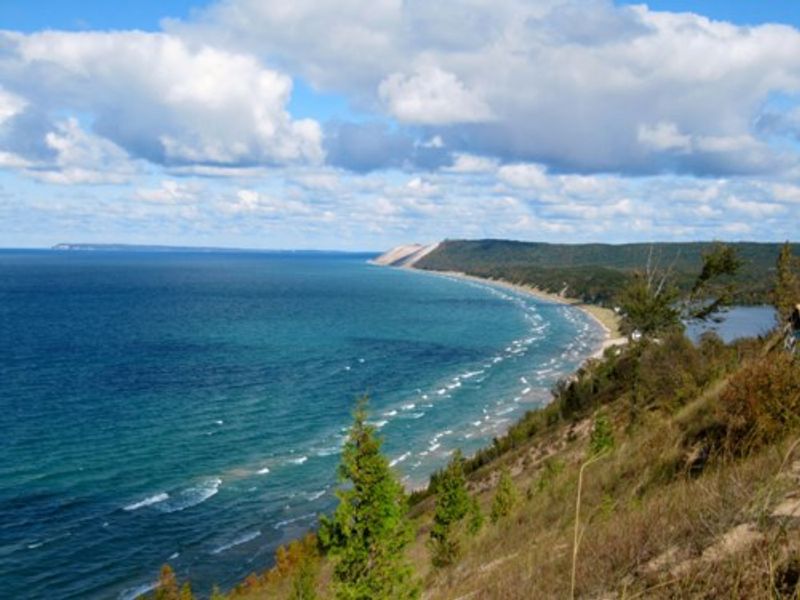
The moment Michigan gets a genuinely warm, sunny weekend, plans begin shifting toward water.
It does not have to be Lake Michigan, Lake Huron, Lake Superior, or one of the other Great Lakes. An inland lake, river beach, public swimming area, family cottage, marina, or friend’s dock will do just fine.
What matters is getting outside before the weather changes its mind.
Michiganders approach summer with urgency because the season never feels long enough.
After months of cold, gray skies, slush, and unpredictable spring weather, a clear July afternoon carries real value. People leave work and head straight for the beach.
Weekends fill with boating, fishing, tubing, grilling, swimming, and sitting in folding chairs while claiming they are about to do something more active.
The phrase “the lake” often arrives without a name. Families and friend groups already know which one is being discussed.
It may be the same place they have visited for decades, complete with familiar cabins, favorite swimming spots, and the gas station where everyone stops for ice.
A Michigan lake day tends to be informal. Coolers appear.
Towels multiply. Someone forgets sunscreen.
Another person insists the water is warm before entering it with visible hesitation. Children stay in until their lips turn blue, while adults claim they are only sitting on the dock for a minute and remain there all afternoon.
Outsiders may treat lake time as a vacation activity. For many Michiganders, it is simply what summer is for.
The water shapes the state’s geography, tourism, recreation, and everyday identity. Even people who do not own boats or cottages usually have a beach, park, or shoreline they consider their place.
That is why locals make the most of every usable day. September is always closer than it seems, and nobody wants to realize they wasted the best Saturday of the season indoors.
9. Eat a Pasty Like They Possess Valuable Regional Knowledge
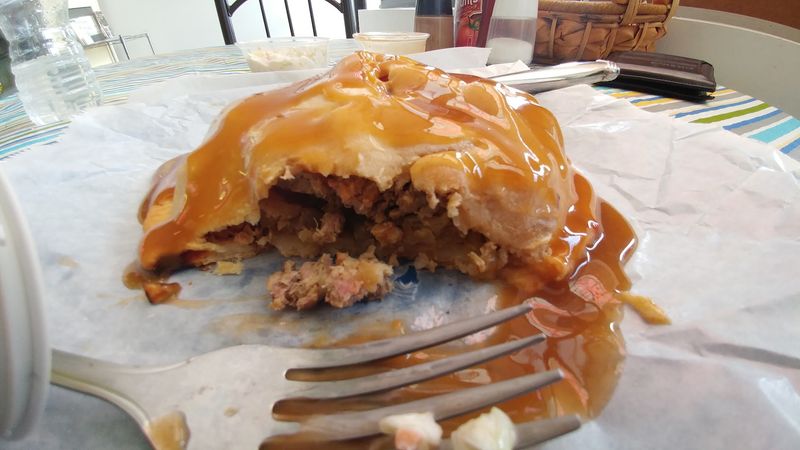
A pasty looks simple until someone in Michigan asks what you plan to put on it.
That question can divide a table.
The dish is most strongly associated with the Upper Peninsula, where Cornish immigrants brought their tradition of hand-held meat pies during the mining era. The sturdy crust and dense filling made pasties practical for workers who needed a portable meal that could hold up during a long shift underground.
Traditional versions commonly include beef, potatoes, onions, and rutabaga, though recipes vary across families, bakeries, and towns. That variation is where the confidence—and the arguments—begin.
Some people consider rutabaga essential. Others prefer carrots or a simpler filling.
One person reaches for gravy while another insists ketchup is the proper choice. Residents with a favorite pasty shop may listen politely to recommendations before returning to the place they have trusted for years.
To outsiders, the level of commitment can feel excessive for what appears to be a baked meat pie.
Michiganders understand that the pasty is tied to the U.P.’s mining history, immigrant communities, and practical food traditions. It is not a novelty created for tourists, even though visitors now seek it out along highways and in small-town shops across the peninsula.
The food also fits the landscape. A warm pasty makes sense after a long drive, a winter outing, or a day spent exploring waterfalls and forest roads.
It is filling, portable, and designed to satisfy rather than decorate a plate.
That straightforwardness is part of its appeal.
Locals do not need the pasty to become trendy, modern, or reinvented. They already know what it is supposed to do.
The satisfied confidence comes from eating something deeply connected to place while watching someone else wonder whether ketchup or gravy will cause the smaller argument.
10. Defend Detroit With a Ferocity That Catches Outsiders Off Guard
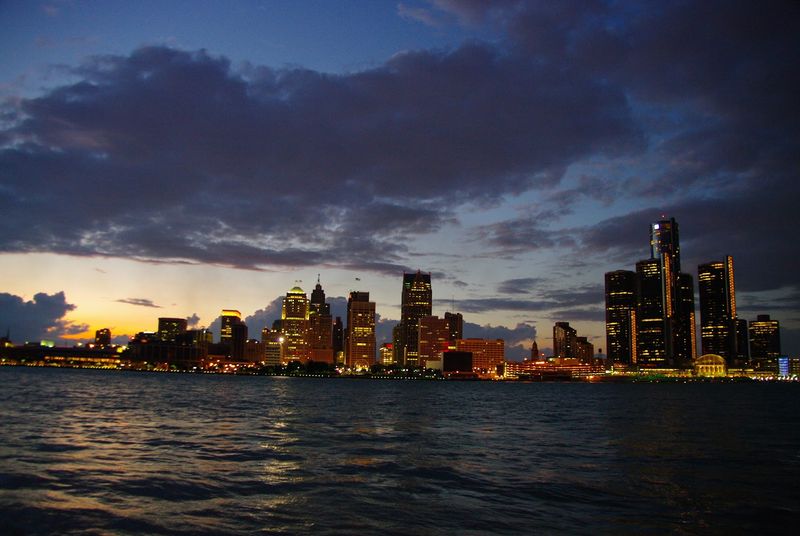
Michiganders will criticize Detroit all day long—until someone from outside the state tries it.
Then the defense begins.
Locals may complain about construction, traffic, parking, sports disappointments, and every inconvenience connected to a major city. Those complaints come from familiarity.
They are entirely different from reducing Detroit to a few outdated stereotypes gathered from national headlines.
The city’s influence on American culture is too large for that.
Detroit helped shape the automobile industry, Motown, techno, labor history, architecture, professional sports, and generations of food, art, and entrepreneurship. Its neighborhoods hold histories that do not fit neatly into a single story of decline or recovery.
People with connections to the city understand those contradictions. They know Detroit has faced serious challenges.
They also know it contains long-established communities, major cultural institutions, family-run businesses, historic buildings, crowded festivals, and restaurants that have remained important for decades.
That is why outsiders who speak about the city as though nothing valuable exists there tend to receive an immediate correction.
For many Michigan families, Detroit is personal. Parents and grandparents worked in its plants, attended its churches, listened to music in its clubs, or traveled downtown for games, parades, weddings, and celebrations.
The city’s history is tied to their own.
The protectiveness can appear suddenly. One minute, a Michigander is complaining about the Lions or a closed freeway exit.
The next, that same person is explaining Detroit’s musical legacy, defending the Eastern Market, naming architectural landmarks, and insisting that the visitor has not eaten in the right places.
It is not blind loyalty. It is resistance to lazy judgment.
Detroit does not need to be treated as perfect. Michiganders simply expect it to be treated as real—a complicated, influential, living city rather than a punchline left over from another decade.
11. Treat the Automobile as Part of Michigan’s Identity
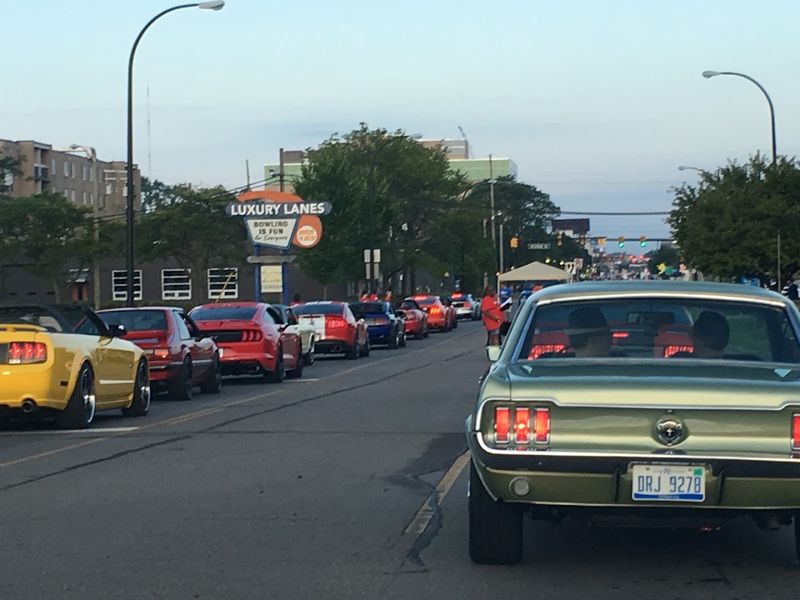
In Michigan, asking what someone drives can lead to a much longer conversation than expected.
The answer may involve brand loyalty, a family connection to an assembly plant, a relative who worked for a supplier, or an old disagreement about which company built better trucks. A vehicle is rarely just a machine when the auto industry has shaped so much of the state’s economy and culture.
Detroit’s connection to automobile manufacturing is globally recognized, but the industry’s reach extends far beyond the city.
Factories, engineering centers, dealerships, parts suppliers, design studios, and related businesses have supported communities throughout the state. Generations of families built careers around vehicles, whether they worked on assembly lines, designed components, managed plants, transported parts, or sold the finished product.
That history still influences everyday preferences.
Some Michiganders remain fiercely loyal to one American automaker. Others remember which company employed their parents during difficult years.
Certain households have driven the same brand for decades, not because they compared every specification, but because switching would feel strangely disloyal.
Car culture also fills the warmer months. Classic vehicles appear at local shows, cruise nights, festivals, and parking lots where owners happily discuss restoration details with complete strangers.
The Woodward Dream Cruise turns a major suburban roadway into a rolling celebration of automotive history.
Even residents who cannot identify an engine by sight usually absorb some of the language. Model years, factories, recalls, layoffs, and new production announcements often become regular news rather than distant business stories.
Outsiders may interpret a debate about vehicles as simple consumer preference. In Michigan, it can involve work, identity, family history, local economics, and nostalgia all at once.
Not every Michigander is a car expert, and not everyone feels attached to the industry. Still, the automobile occupies a unique place in the state’s story.
Elsewhere, a car may describe someone’s commute. Here, it can explain where their family came from.
12. Survive Winter With an Almost Suspicious Level of Calm
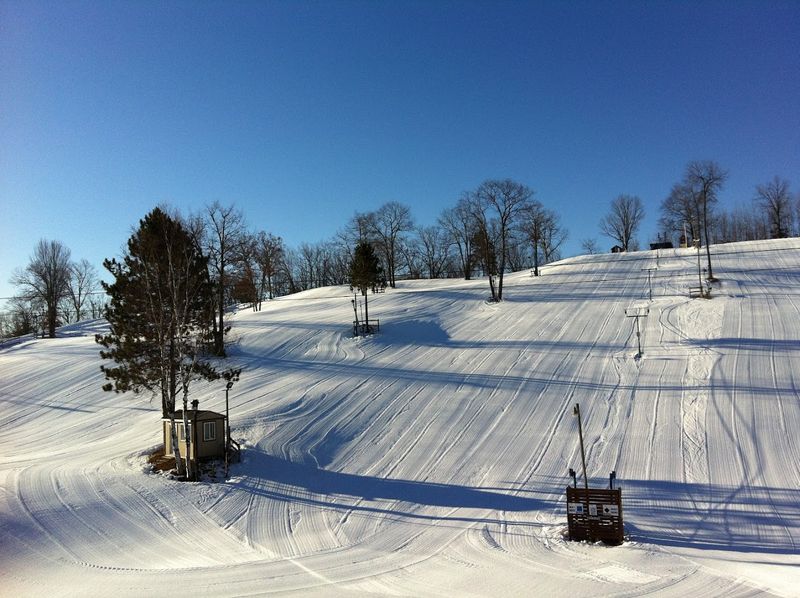
A winter storm warning can appear on a Michigan forecast, and the first reaction is often not panic.
It is logistics.
Residents check when the snow is expected, whether the wind will create drifting, and how early they need to leave in the morning. Then they locate the scraper, make sure the gloves are still in the car, and continue with the day.
To outsiders, this calm can look reckless. Most of the time, it is simply routine built through repetition.
Michigan winters vary dramatically across the state. Communities near the Great Lakes can receive intense lake-effect snow, while another area sees only a few inches.
The Upper Peninsula may be dealing with deep accumulation while parts of southern Michigan face freezing rain, slush, or rapidly changing road conditions.
Locals learn that the statewide forecast never tells the whole story.
They also develop habits that require little thought. Boots stay near the door.
Cars carry brushes and emergency supplies. People lift windshield wipers before a storm, leave extra distance on icy roads, and know that a wet-looking bridge may be far more slippery than the pavement around it.
After heavy snow, the routine starts early. Driveways are shoveled.
Sidewalks are cleared. Cars disappear beneath clouds of powder as people brush them off before work.
Conversations revolve around whether the roads are “actually bad” or merely “not great.”
That distinction may be meaningless to visitors, but Michiganders understand it perfectly.
The stoicism does not mean locals enjoy every minute. Winter complaints begin early and gain intensity by February.
Everyone becomes tired of gray skies, dirty snowbanks, frozen locks, and scraping ice in the dark.
Still, suggesting that Michiganders cannot handle winter is a quick way to make them defensive.
They may hate the cold, but they know how to function in it. That stubborn competence is part practicality, part pride, and part refusal to let six inches of snow cancel an ordinary Tuesday.
Share this story