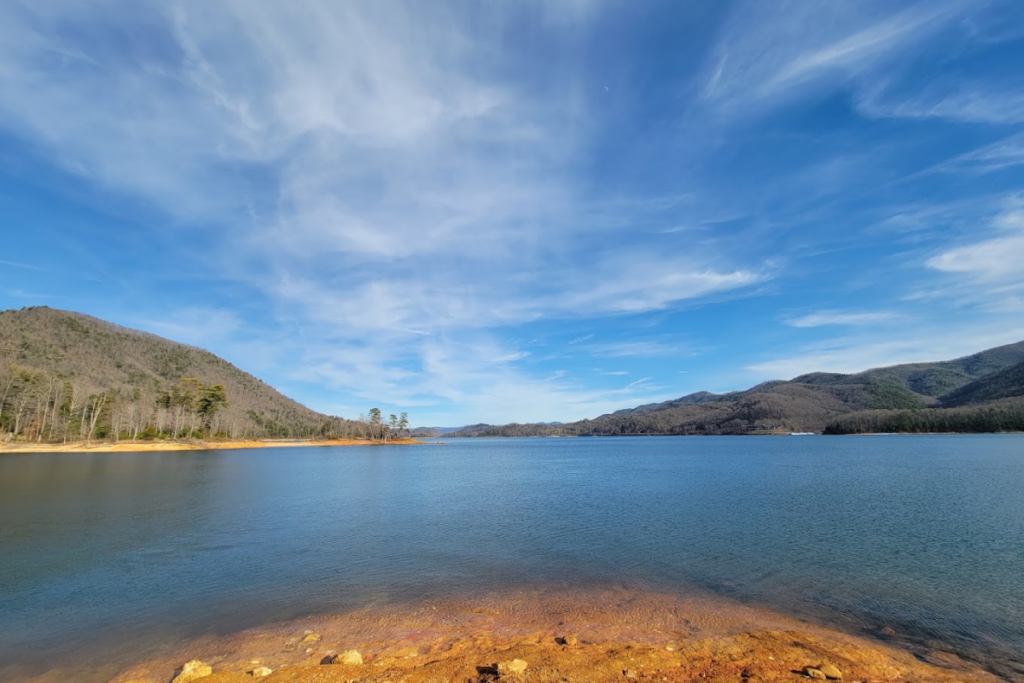
Watauga Lake sits peacefully in the mountains of East Tennessee, surrounded by forests and ridges that draw boaters, kayakers, and hikers year-round. But beneath those calm, clean waters lies something most visitors never think about: an entire town that once thrived in the valley.
Old Butler, Tennessee, disappeared under the lake in 1948 when the Tennessee Valley Authority built Watauga Dam, and the story of how and why this community vanished still captures the imagination of locals and history lovers alike.
The Tennessee Town That Disappeared Beneath Watauga Lake
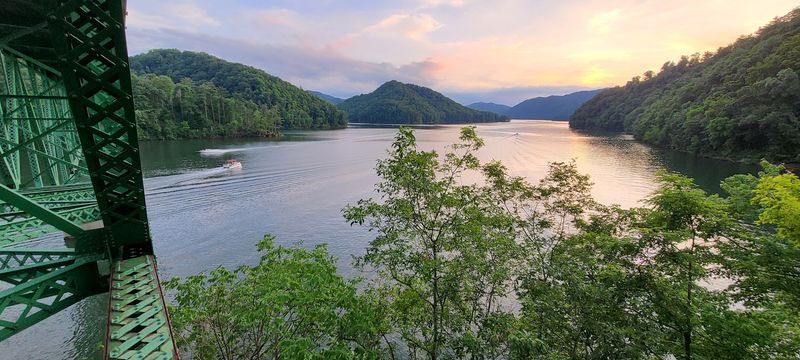
Old Butler wasn’t just any mountain town. Nestled in a fertile valley along the Watauga River, it served as the county seat of Johnson County for over a century.
Families had lived there for generations, building homes, churches, schools, and businesses that anchored the community.
When the Tennessee Valley Authority announced plans to build a dam in the 1940s, residents learned their entire town would end up underwater. The dam would create a massive reservoir for flood control and hydroelectric power, but it meant Old Butler had to go.
Every building, every road, every grave would soon rest beneath hundreds of feet of water.
The town officially drowned in 1948 when the dam gates closed and the valley began to fill. Within months, the lake swallowed homes where children had grown up, the courthouse where legal matters had been settled, and Main Street where neighbors had shopped and gathered.
What had been a bustling county seat became a submerged ghost town.
Today, boaters cruise over what used to be downtown Old Butler without realizing it. The lake stretches for miles, its surface reflecting the same mountains that once framed the town. But underneath, the foundations and remnants of that lost community remain frozen in time, hidden from view but not forgotten.
The story of Old Butler reminds us that progress sometimes demands sacrifice. The dam brought electricity and jobs to the region, but it also erased a town and the way of life its residents had known.
That bittersweet legacy still resonates with people who remember the stories their grandparents told about life before the water came.
What Old Butler Was Like Before the Water Came
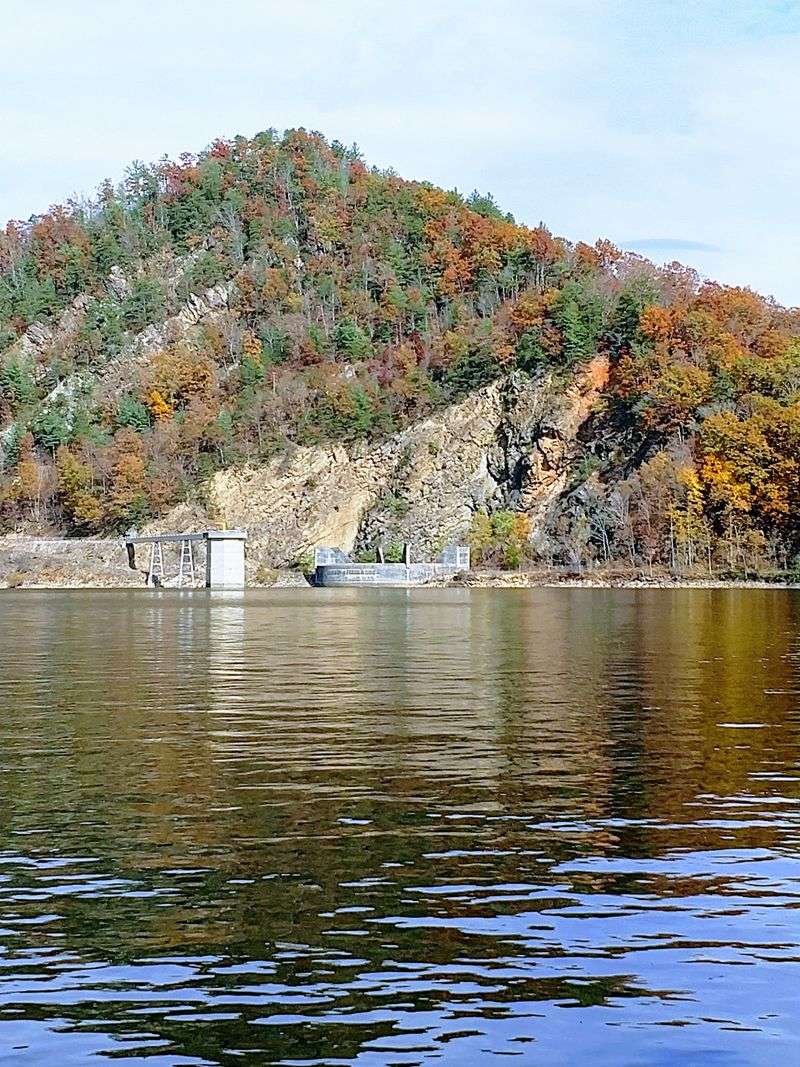
Picture a town where everyone knew everyone else by name. Old Butler thrived as a tight-knit community where families gathered at church on Sundays, kids walked to school together, and farmers brought their goods to market on Saturdays.
The courthouse stood as the town’s centerpiece, a symbol of civic pride and local government. Main Street buzzed with activity most days. General stores sold everything from flour and sugar to fabric and tools.
A hotel welcomed travelers passing through the mountains. Doctors, lawyers, and merchants kept offices in town, serving not just Butler residents but families from surrounding valleys who came to conduct business at the county seat.
Churches anchored the spiritual life of the community, with congregations that had worshiped together for decades. Schools educated children in small, crowded classrooms where teachers knew every student and their parents.
Cemeteries on the hillsides held generations of families, their headstones marking the passage of time and the deep roots people had in this place.
Life moved at a slower pace than it does today. Families grew gardens, raised livestock, and relied on each other during hard times. The Watauga River provided water, recreation, and a transportation route. Mountains surrounding the valley offered timber, game, and a sense of protection from the outside world.
But by the 1940s, the federal government saw this valley differently. They saw potential for a dam that could control flooding downstream, generate electricity for the region, and support the nation’s growing energy needs.
For Old Butler’s residents, this meant their entire way of life was about to change forever, whether they wanted it to or not.
Why the Entire Community Had to Be Relocated
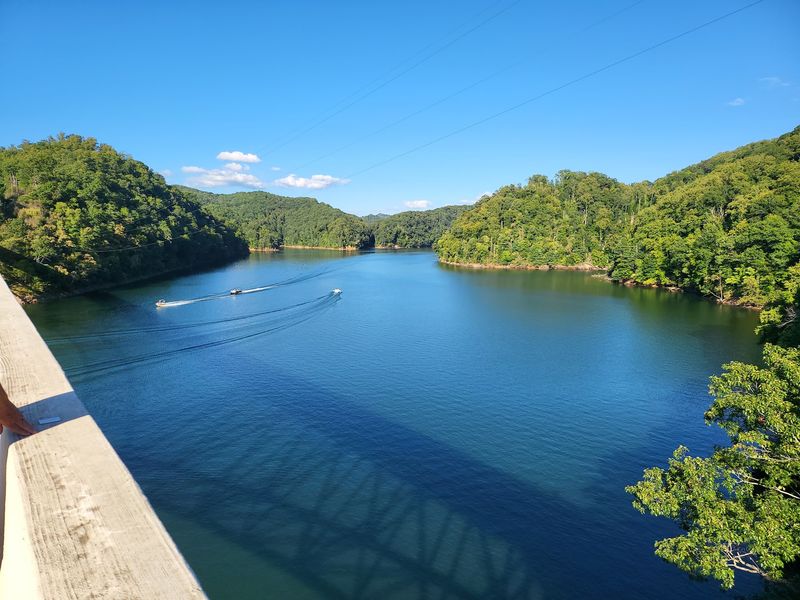
The Tennessee Valley Authority had a mission after its creation in the 1930s: transform the South through flood control, electricity generation, and economic development. The Watauga River valley offered an ideal location for a dam that could serve all three purposes.
Unfortunately for Old Butler, the town sat right in the middle of where the reservoir would form.
When TVA announced the project, residents faced an impossible choice. They could fight the government’s power of eminent domain and lose anyway, or they could cooperate and try to get fair compensation for their property.
Most chose the latter, though it didn’t make leaving any easier.
Families had to abandon homes their grandparents had built. Business owners closed shops that had served the community for generations.
Churches dismantled their buildings board by board, hoping to rebuild elsewhere. Even the dead couldn’t stay, as families exhumed graves and moved their ancestors to cemeteries on higher ground.
The relocation process stretched over several years in the mid-1940s. TVA purchased land, appraised properties, and paid residents for what they were losing.
Some people moved to the new town of Butler, built on higher ground a few miles away. Others scattered to different communities across East Tennessee and beyond, breaking apart social networks that had existed for over a century.
The emotional toll was enormous. People grieved not just for lost property but for a way of life that could never be recreated.
The new Butler had modern amenities and better roads, but it lacked the history and sense of place that made Old Butler special. Entire family histories had been rooted in that valley, and now those connections existed only in memory and underwater ruins.
How Watauga Dam Changed This Mountain Valley Forever
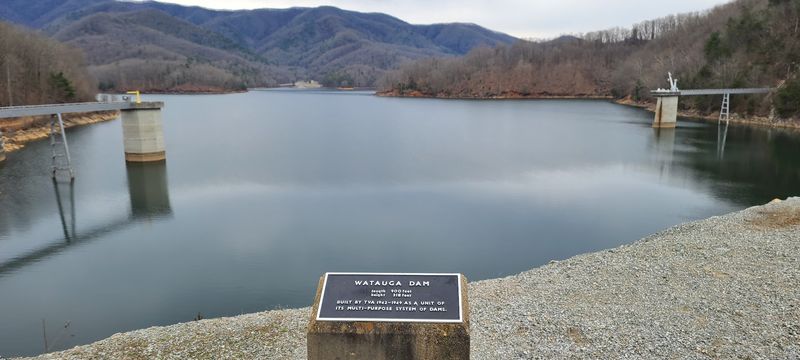
Watauga Dam rises 318 feet above the riverbed, creating one of Tennessee’s deepest and most scenic lakes. When construction finished in 1948, the reservoir began filling with water that would eventually cover 6,430 acres and stretch for 16 miles through mountain valleys.
The transformation happened faster than many expected.
Where Old Butler once stood, water now reaches depths of over 300 feet in some spots. The river that had flowed freely for thousands of years became a controlled reservoir managed for power generation and flood control.
The dam’s turbines began producing electricity for homes and businesses across the region, fulfilling TVA’s promise of bringing modern power to rural Appalachia.
The lake changed more than just the landscape. It altered how people in surrounding communities made their livings and spent their time.
Farming gave way to recreation as the area became a destination for boating, fishing, and camping. Marinas opened to serve visitors. Vacation homes appeared along the shoreline. The economy shifted from agriculture to tourism and recreation.
Cherokee National Forest surrounds much of the lake, preserving the mountain scenery that makes Watauga so beautiful. The Appalachian Trail crosses near the lake, bringing hikers who often stop to admire the water and mountains.
Wildlife thrives in the forest and along the shore, creating a natural paradise that attracts nature lovers from across the Southeast.
The dam delivered on its promises of flood control and electricity, but it came at a cost that’s still debated today. Was it worth sacrificing an entire town?
Supporters point to the economic benefits and thousands of people who enjoy the lake. Critics note that communities like Old Butler can never be replaced once they’re gone. Both perspectives hold truth in this complicated story.
What Still Remains Beneath the Lake Today
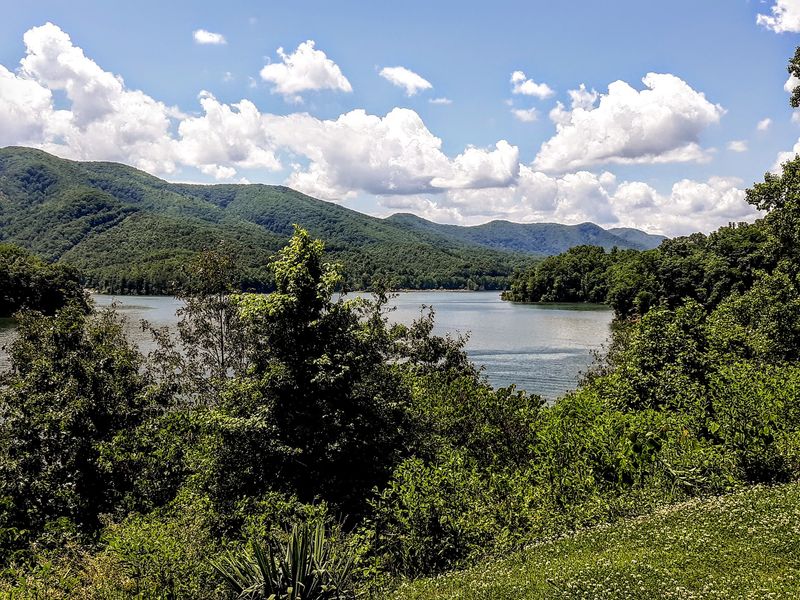
Most of Old Butler’s buildings were demolished before the water rose, but not everything could be removed. Foundations, roads, and other structures remain on the lake bottom, creating an underwater archaeological site that fascinates divers and historians.
The cold, deep water has preserved some materials surprisingly well over the decades.
Stone foundations from homes and commercial buildings still mark where structures once stood. Concrete slabs show where sidewalks connected different parts of town.
Old roads that once carried horse-drawn wagons and early automobiles now serve as paths for fish swimming through the ruins.
The old cemetery sites where graves couldn’t be moved or were missed during relocation also rest beneath the surface. While most bodies were exhumed and reburied on higher ground, some headstones and grave markers remain underwater.
These silent memorials remind us of the generations who lived and died in Old Butler.
Trees that grew in the valley before flooding still stand underwater in some areas, their trunks and branches creating habitat for fish and other aquatic life. These submerged forests give the lake an eerie quality when water levels drop enough to reveal them.
Divers who explore these areas describe a haunting beauty in the preserved remnants of the pre-dam landscape.
The cold water temperature, which stays around 50 degrees even in summer at greater depths, has slowed decay and kept some materials intact. Metal objects, pottery fragments, and other artifacts occasionally surface when storms or low water expose them.
These discoveries provide tangible connections to the lost town and the people who once called it home, keeping history alive in unexpected ways.
When Low Water Reveals Pieces of the Town’s Past
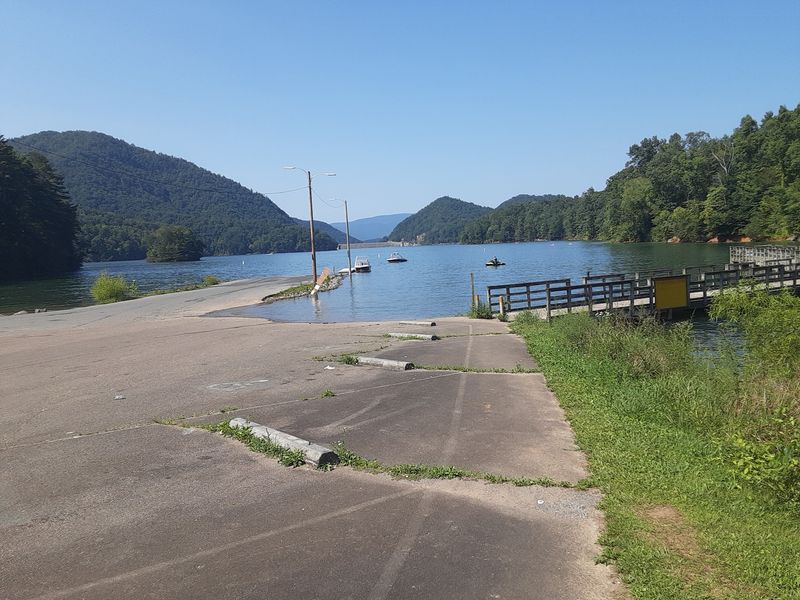
Watauga Lake’s water level fluctuates throughout the year based on rainfall, dam operations, and seasonal demand for electricity. During drought years or when TVA draws down the reservoir for maintenance, the receding water sometimes exposes parts of Old Butler that normally stay hidden.
These rare glimpses into the past draw crowds of curious visitors.
Old foundations emerge from the mud like ghosts of buildings long gone. Stone walls that once supported homes and businesses stand exposed to sunlight for the first time in decades.
Roads and sidewalks reappear, showing where people once walked and drove through their daily routines.
Local historians and curious residents flock to these sites when word spreads that ruins have surfaced. They photograph the remains, take measurements, and try to identify what buildings once stood in specific locations.
Older residents who remember Old Butler or heard stories from their parents can sometimes point out where the courthouse stood, where Main Street ran, or where their family’s home used to be.
Artifacts turn up during these low-water periods too. People find old bottles, pottery pieces, tools, and other everyday items that got left behind or lost during the relocation.
These objects provide tangible connections to the lives people lived before the flood. Some collectors seek out these artifacts, though technically removing them from the lakebed isn’t allowed.
The exposed ruins don’t last long. When water levels rise again, the lake swallows Old Butler once more, hiding it from view until the next drought or drawdown.
This cycle of revealing and concealing keeps the town’s story alive, reminding each new generation about the community that sacrificed everything for progress and the greater good.
Why the Story of Old Butler Still Fascinates Tennessee Today
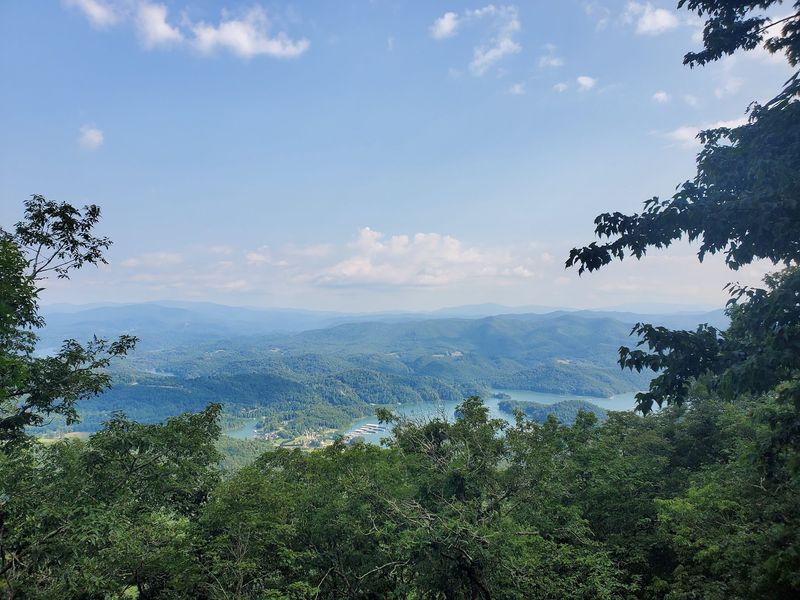
Something about a drowned town captures people’s imagination in ways other historical events don’t. Maybe it’s the dramatic nature of an entire community disappearing underwater, or perhaps it’s the bittersweet combination of progress and loss.
Whatever the reason, Old Butler’s story continues to fascinate Tennesseans and visitors decades after the lake formed.
The tale touches on themes that resonate across generations. It raises questions about the balance between individual rights and collective benefit, the price of progress, and what we owe to communities that get displaced for the greater good.
These aren’t simple questions with easy answers, which makes the story worth revisiting and discussing.
For people with family connections to Old Butler, the submerged town represents a lost heritage they’re trying to preserve through stories, photographs, and memories passed down through generations. Genealogy researchers seek information about ancestors who lived there.
Historical societies work to document what life was like before the dam changed everything.
What exactly lies beneath the surface? What would we find if we could explore the entire town site? Could we learn something new about how people lived in Appalachia during the early 20th century?
These questions keep people interested and engaged with the story.
Watauga Lake itself contributes to keeping the story alive. The beautiful mountain setting attracts thousands of visitors every year who come to boat, fish, swim, and camp.
When they learn about Old Butler, it adds depth to their experience and makes them think about the lake differently. They’re not just enjoying a recreational resource anymore but floating above a piece of Tennessee history that deserves to be remembered and honored.