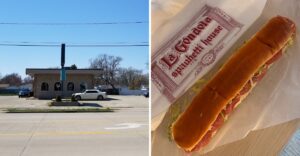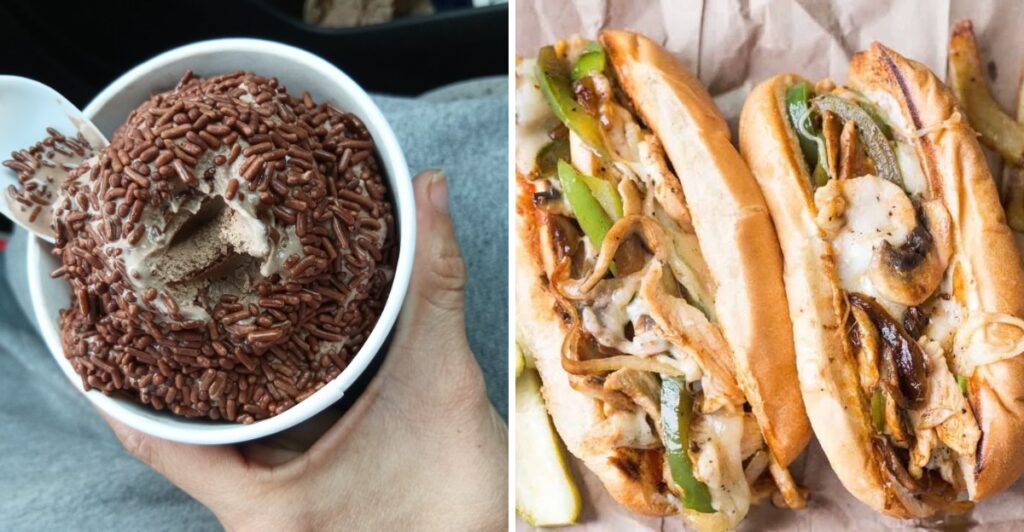
Order a milkshake in Massachusetts and you might get milk and syrup with zero ice cream. The thick, ice cream version has its own name here.
It’s called a frappe, and nobody blinks.
That one word is just the start. Chocolate sprinkles go by jimmies.
A pasta dish with ground beef somehow ended up called chop suey. And the state’s official dessert is a cake that calls itself a pie.
I love how these words feel completely normal at home. Then you cross a state line, and suddenly you’re explaining yourself to a confused cashier.
So I got curious about the stories behind ten of these sayings and found actual places where you can order every one of them. No translator needed, although a little Massachusetts food vocabulary might come in handy.
Ready to see how many you already speak fluently?
1. Frappe
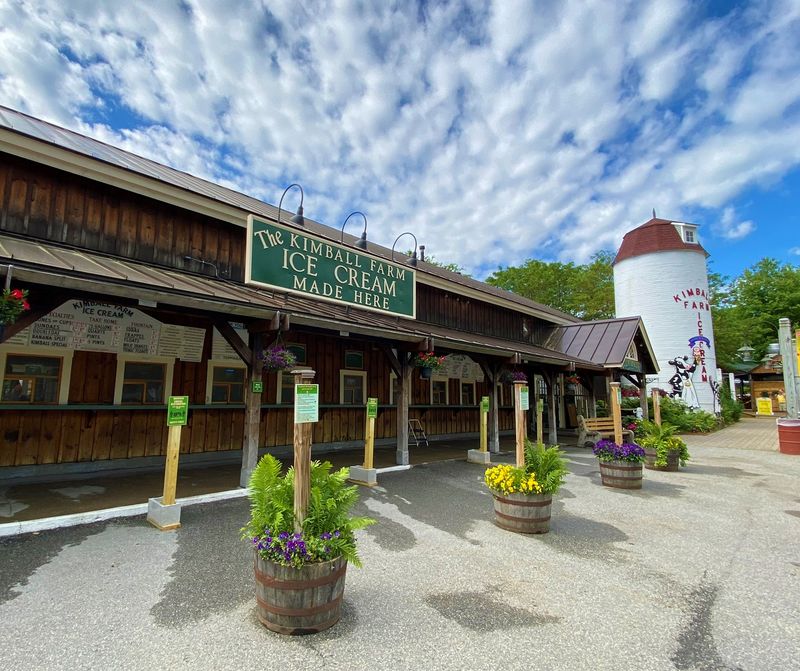
Ask for a milkshake at Kimball Farm and you may be confused by the menu. The thick, ice cream drink you want is listed as a frappe.
Around Massachusetts, a frappe means ice cream, milk, and syrup blended together. A milkshake, in the old local sense, is usually just milk and syrup with no ice cream at all.
Travel a few states away and the word flips. Say frappe there, and people might think you want an icy coffee drink.
Kimball Farm in Westford started as an ice cream stand in 1939. That’s a lot of years of practice with scoops and blenders.
The menu lets you build your frappe the way you like it. Syrup choices include vanilla, chocolate, coffee, mocha, and strawberry.
Thickness is also up to you, which is a smart touch. There’s an Extra Thick Frappe for anyone who likes a real straw workout.
Want something a little old-school? Kimball Farm also offers a Malted Frappe, which adds that toasty malt flavor some people adore.
Coffee frappes deserve a special mention in this state. Coffee is a classic flavor choice around here, and it’s right there on the syrup list.
Timing matters if you’re planning a trip. Kimball Farm’s Country Store and Café opens at 6:30 a.m. on weekdays and 7:00 a.m. on weekends, while its ice cream service follows separate hours.
Here’s a handy tip for travelers leaving the Bay State. Order a milkshake with ice cream elsewhere, or simply describe what you want.
Back home, though, you can relax and use the word you grew up with. Frappe it is.
2. Jimmies
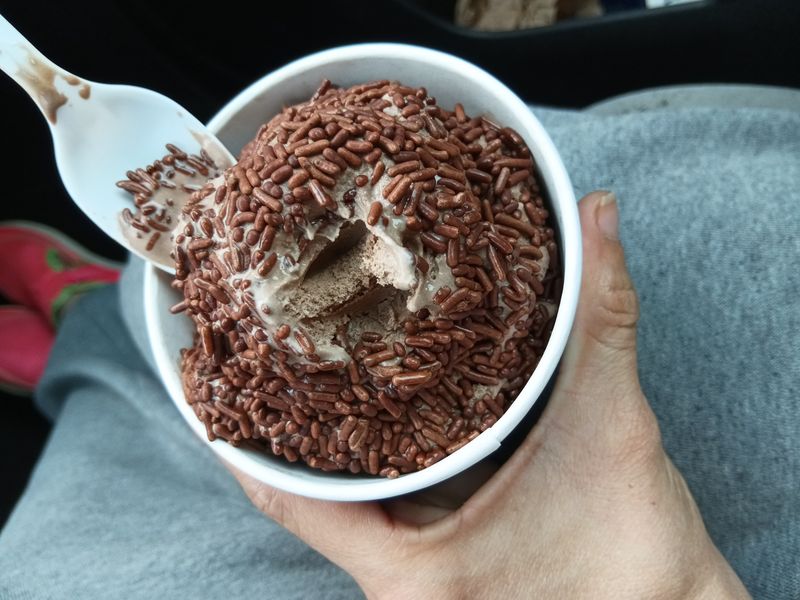
Chocolate sprinkles get a nickname in New England, and it sounds like a guy you’d meet at a cookout. Locals call them jimmies.
Rainbow ones usually stay plain old sprinkles. So asking for jimmies tells the scooper you want the chocolate kind.
Where did the name come from? Nobody knows for sure, and the theories are half the fun.
One idea links the word to the Just Born candy company. Another connects it to the Jimmy Fund, a famous Boston-area charity.
Neither story is fully proven. That mystery hasn’t stopped anyone from shaking a big spoonful onto a cone.
For a shop that leans into the name, look at Tom and Jimmys of Middleboro. Former Mayor Tom Hoye and Jim Gracia founded it in 2008.
Yes, a former mayor helped open an ice cream shop. That’s the kind of town fact you’ll want to share at dinner.
Their menu features The Jimmy Sundae, and it is not a small idea. You get three scoops of your choice, plus strawberries, marshmallow, and hot fudge.
Banana, whipped cream, and a cherry finish it off. Bring a friend, or bring serious ambition.
The shop is open year-round, which matters in this region. Winter ice cream cravings are real, and you won’t have to wait for June.
Planning to order outside New England? Ask for chocolate sprinkles to avoid a blank stare.
Say jimmies in Ohio, and someone might ask which Jimmy you mean. In Massachusetts, the scooper just reaches for the right jar.
3. Grinder
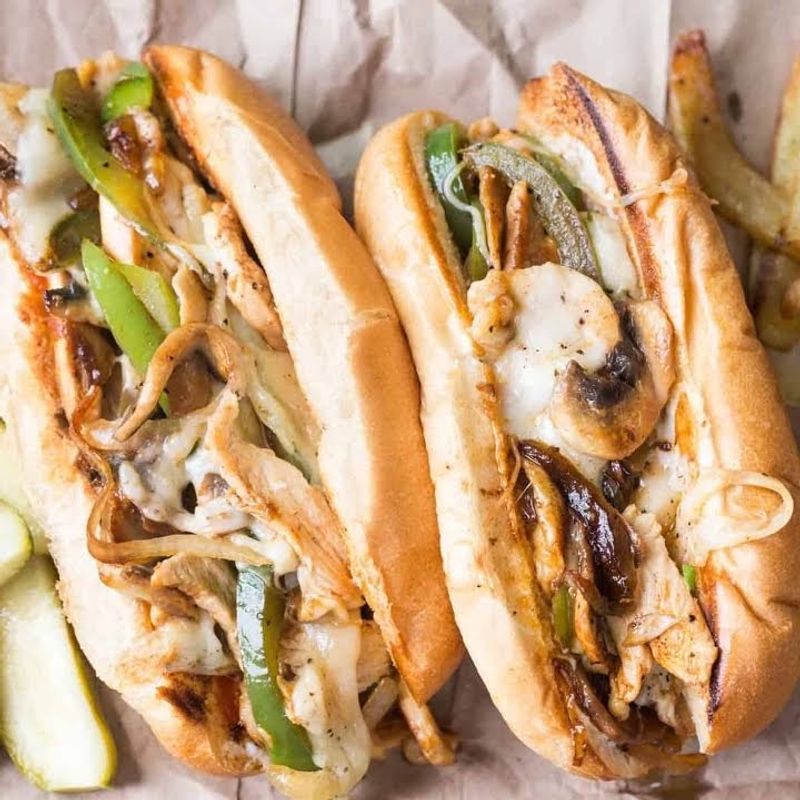
A sandwich with a name that sounds like a power tool? Only in New England would that feel normal.
A grinder is what many folks here call a sub. It’s a long roll packed with meats, cheeses, and vegetables.
The name has a couple of popular origin stories. One says you had to grind your teeth through tough Italian bread.
Another points to Italian dock workers who were nicknamed grinders. They reportedly ate these hearty sandwiches often.
Either way, the word stuck in parts of Massachusetts. Head south or west and you’ll hear sub, hoagie, or hero instead.
Milano’s Delicatessen in East Boston has been at this since 1967. The deli proudly mentions serving show-stopping grinders since that year.
Funny enough, the menu lists them as subs. So the place knows both words, which makes it perfect for confused visitors.
The Italian Cold Cut Sub comes with four layers. That number alone should tell you this isn’t a light snack.
Craving something hot instead? The Steak Bomb Sub is another popular pick, and it’s a very Boston-area name in its own right.
Hours run 9:00 a.m. to 5:00 p.m. Sunday through Thursday.
On Friday and Saturday, the deli stays open until 7:00 p.m.
That later weekend window is handy for an early dinner. Grab one, and maybe plan to share.
Outside the state, asking for a grinder could get you a puzzled look. Inside East Boston, it gets you lunch.
4. Chowda
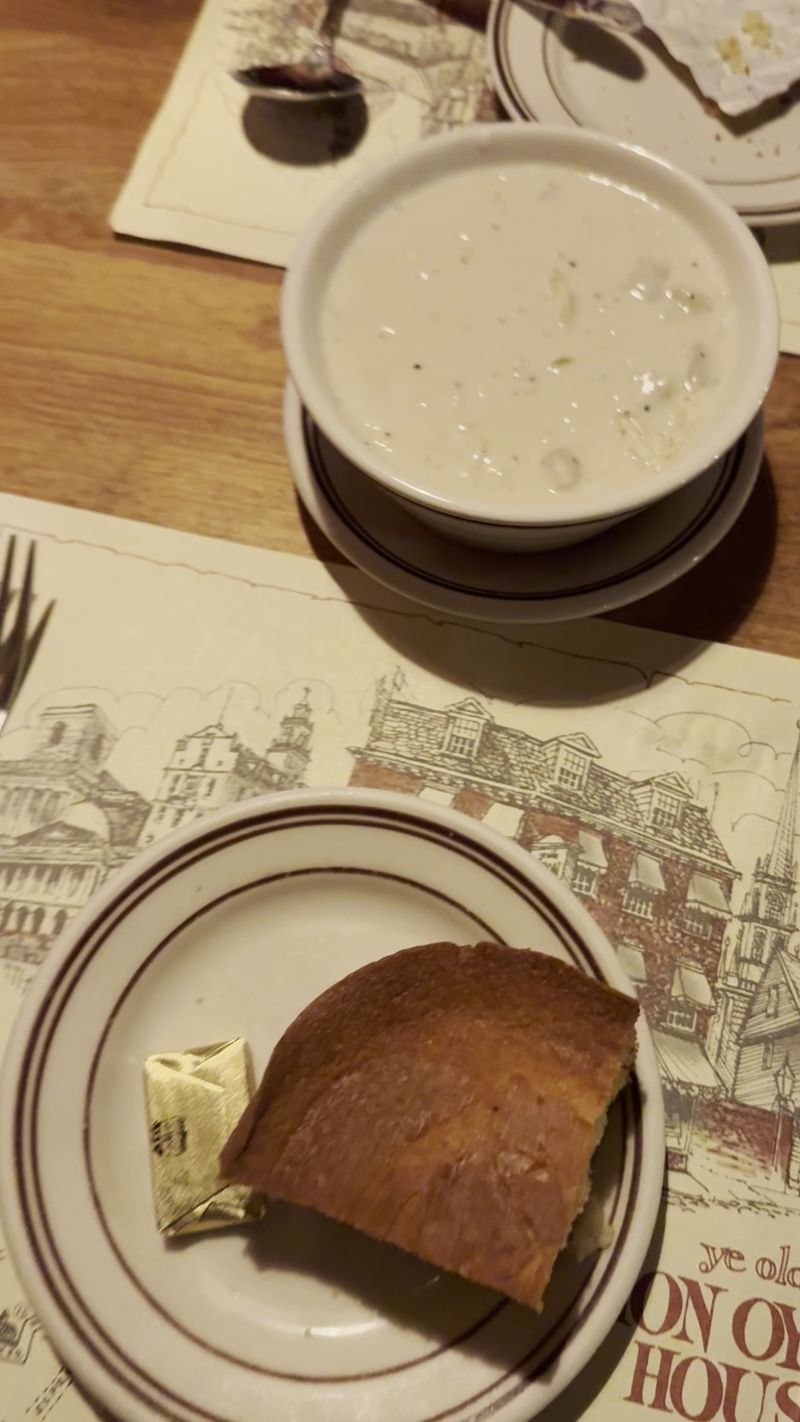
Drop the R and add an ah, and you’ve got the most famous soup accent in America. Around Boston, clam chowder often comes out as chowda.
The soup itself is creamy and filling. It typically features clams, potatoes, salt pork, and onions.
That creamy base sets it apart from other regional styles. Some versions elsewhere use tomatoes, which can spark friendly arguments here.
For the history lover, Union Oyster House is the place to start. It opened in 1826 and is recognized as the nation’s oldest continuously operating restaurant.
Let that sink in for a second. People were eating there before the Civil War.
Clam chowder was already a well-known dish at the restaurant by 1836. So the chowda tradition here runs deep.
Today the menu calls it World Famous Clam Chowder. That’s a bold name, but nearly two centuries of serving it helps back up the swagger.
Hungry for more than soup? The restaurant also serves Boston Baked Beans as a side.
There’s a Shore Dinner too, with steamers or mussels plus lobster. That’s a full tour of New England seafood in one meal.
The location sits near some of Boston’s best-known historic sites. It’s an easy stop while exploring downtown.
Fun tip for your next road trip out of state. You can say chowda anywhere, but only some folks will smile and nod.
Back in Boston, the word is practically part of the recipe. Just don’t ask for the red kind.
5. Scrod
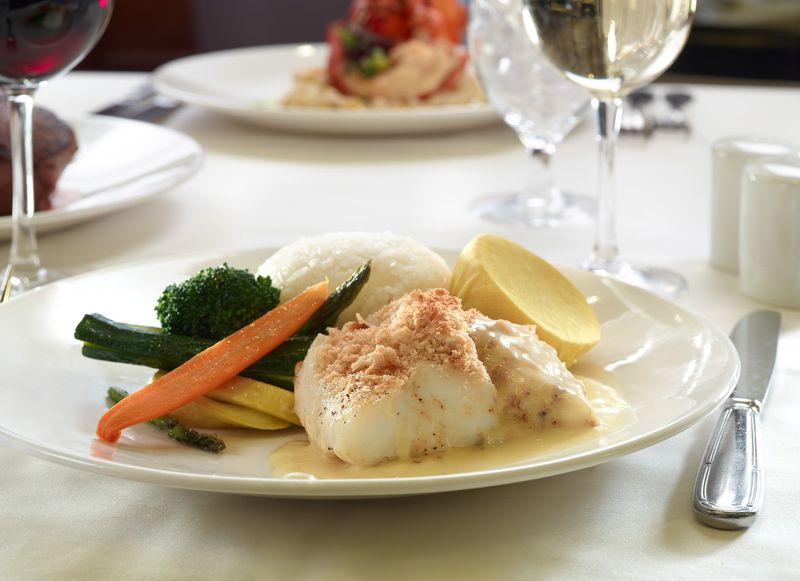
Here’s a fish you won’t find swimming in the ocean under that name. Scrod isn’t a species at all.
In New England, scrod means a fresh, small white fish. It’s commonly young cod, haddock, or pollock.
Sometimes you’ll see it spelled schrod. Same idea, extra letter.
The classic method is simple. The fish is split, lightly salted, and broiled.
Outside the region, ordering scrod can lead to confusion. Many diners elsewhere expect a menu to name the exact fish.
So where did Boston Scrod begin? The Omni Parker House is often cited as its birthplace.
Reports say the dish and the term were invented there in 1906. That makes this one of the state’s most famous restaurant inventions.
Parker’s Restaurant inside the hotel still serves Baked Boston Scrod. The menu calls it a Parker House tradition since 1906.
It comes with coarse cracker crumbs and jasmine rice. A lemon beurre blanc ties it together.
Those cracker crumbs give it a very New England feel. Crackers show up in plenty of classic regional seafood dishes.
Plan your visit around the restaurant’s schedule. Parker’s is open for brunch and lunch.
Here’s a fun way to see it. You’re eating a dish in the same building where its name was born.
Not many words come with a home address. Scrod does.
6. Fluffernutter
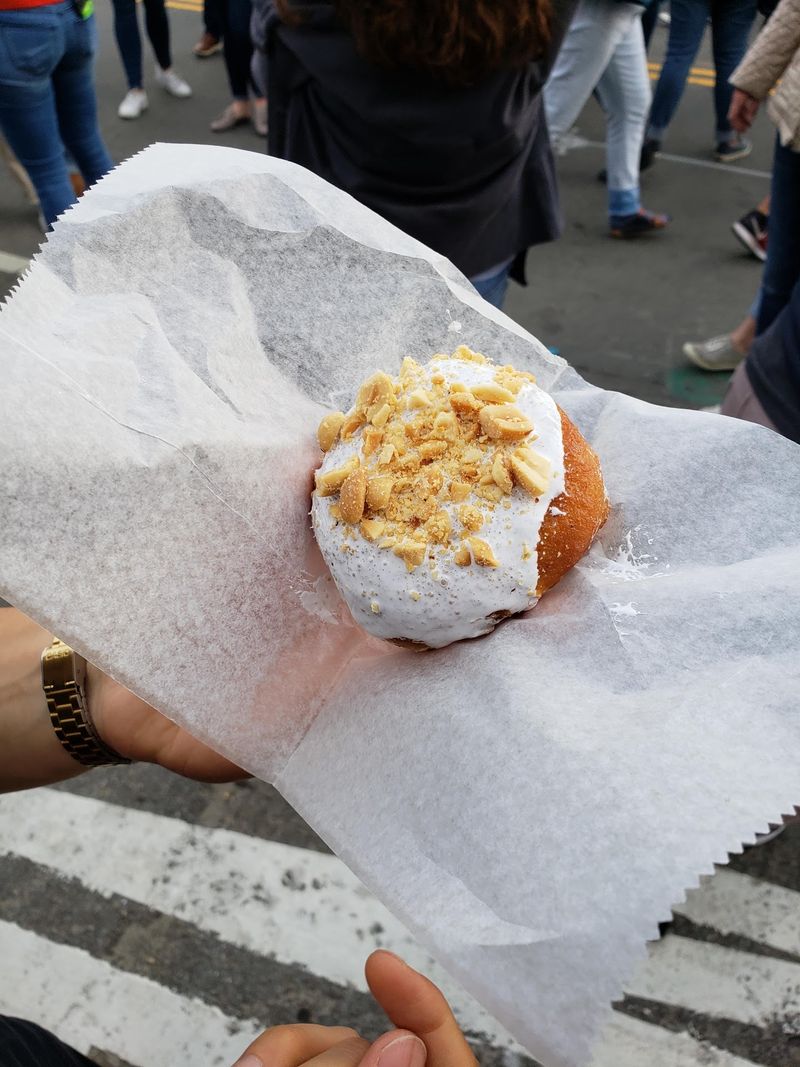
Massachusetts has a famous sandwich that’s sticky, sweet, and deeply tied to local history. The Fluffernutter has even inspired efforts to make it the state’s official sandwich.
It’s peanut butter and Marshmallow Fluff between slices of bread. Simple, gooey, and a little silly.
Fluff itself has local roots. It was invented in Somerville in 1917 by Archibald Query.
Say Fluffernutter in plenty of other places and you’ll get questions. Some people have never heard of marshmallow spread on a sandwich.
Here, though, the word is famous enough to inspire a whole festival. It’s called What the Fluff?
A Tribute to Union Square Innovation.
The event celebrates Fluff right where the story started. Activities stretch across Union Square, including the plaza, Bow Street, and Somerville Avenue.
Expect Fluff-inspired food and plenty of vendors selling related treats. Organizers promise fluffalicious feasts, which might be the best phrase on any event page.
The 2026 festival took place on September 19 in Somerville’s Union Square. Keep an eye on the organizers’ announcements for future dates.
Because it’s yearly, you won’t find it running every weekend. Planning ahead is the key here.
Want to make the sandwich at home first? Spread peanut butter on one slice and Fluff on the other.
Then press them together and try not to make a mess. Good luck with that part.
It’s a sandwich that makes grownups feel like kids again. And it’s a great conversation starter outside the state.
7. Steamers
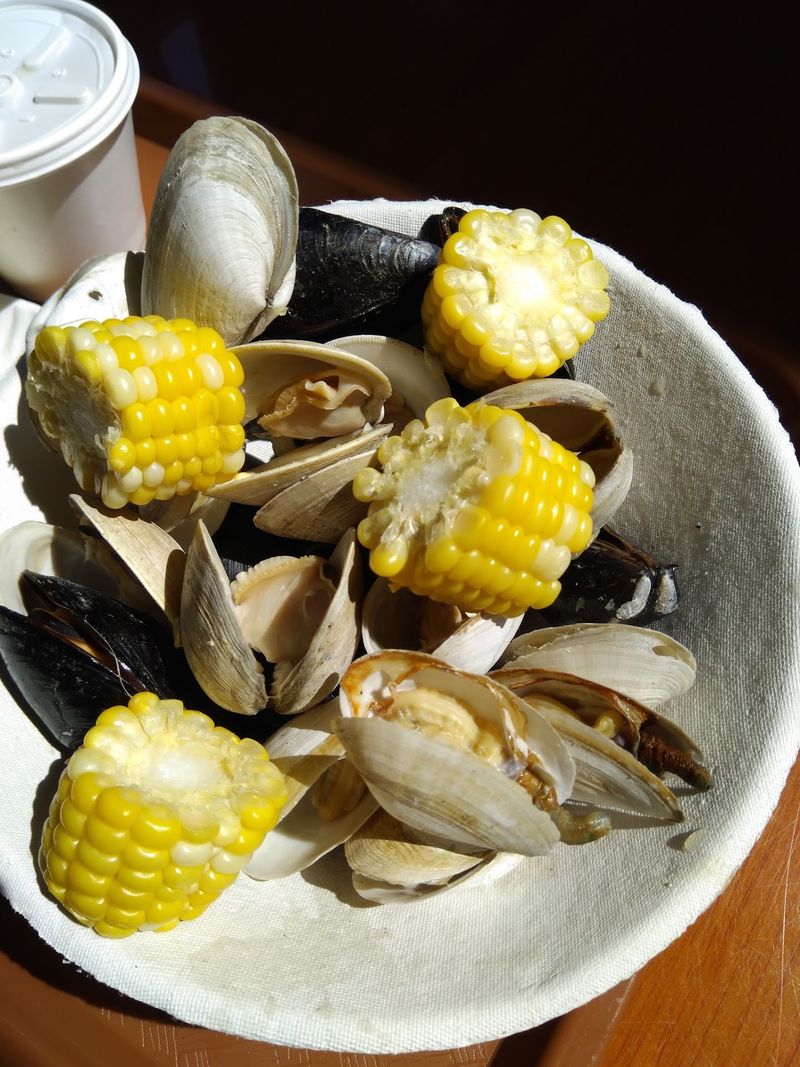
Ordering steamers sounds like you’re asking for a plate of hot towels. On Cape Cod, you’ll get a pile of clams.
Steamers are steamed soft-shell clams. They usually come with broth for rinsing and melted butter for dipping.
That rinsing step surprises first-timers. You swish each clam in the broth to wash off any sand before the butter.
The shells are thin and delicate. The flavor is often described as sweet and lightly briny.
Elsewhere in the country, steamed clams might mean a different kind. So the word steamers can lead to mix-ups.
PJ’s Family Restaurant in Wellfleet makes it easy. Its menu lists Native Steamers by name.
You get 1.5 pounds of soft shell clams. Butter and broth come on the side, just like tradition calls for.
That’s a hefty portion for one person. Splitting with a friend might be a smart move.
PJ’s is a casual, family-friendly spot known for seafood. It’s a relaxed place to try the ritual for the first time.
One heads-up for planning. The restaurant operates seasonally, so check before driving out.
Wellfleet sits out on the Outer Cape. A trip there pairs nicely with a beach day.
Quick eating tip: pull off the thin skin on the neck before you dip. Then enjoy one of the messiest, most fun meals in Massachusetts.
8. Boston Cream Pie
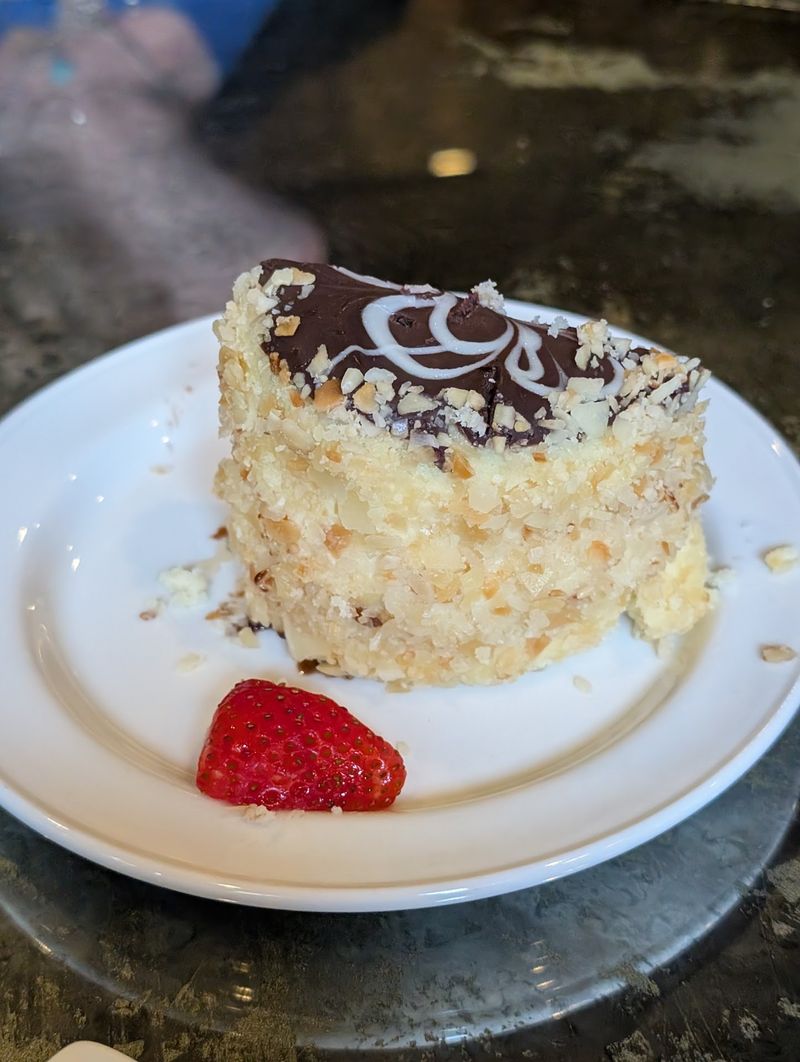
Call it a pie, slice it like a cake, and nobody in Boston will correct you. That’s the charm of this famous dessert.
Boston Cream Pie is technically a cake. It has sponge cake layers with custard in the middle and a shiny chocolate top.
Visitors sometimes expect a crust. Then a fluffy cake shows up, and the jokes begin.
Why call it pie, then? Back in the day, the line between cakes and pies was blurrier, and the name simply stuck.
The dessert was created at the Parker House Hotel in 1856. A French chef named Sanzian gets the credit.
In 1996, it became the official state dessert of Massachusetts. Not bad for a cake with an identity mix-up.
Yes, this is the same hotel that gave the world Boston Scrod. One building, two famous food names.
Parker’s Restaurant still serves the Original Boston Cream Pie. It’s described as a moist cake with creamy custard and rich chocolate ganache.
Sometimes it comes with almonds. That little crunch adds a nice contrast to the soft layers.
Since Parker’s serves brunch and lunch, plan your treat for earlier in the day. Dessert at lunch counts as a valid life choice.
Eating the original in its birthplace feels like a mini history lesson. A delicious one.
Outside the state, you might need to explain that you mean a cake. Inside Boston, just ask for a slice.
9. American Chop Suey
No noodles from takeout boxes here. American Chop Suey is a New England comfort dish with a very confusing name.
It’s macaroni, ground beef, and tomato sauce mixed together. Many families serve it at home, and diners love it too.
Outside the region, people might call something similar goulash. Say American Chop Suey in Texas, and someone may hand you a Chinese menu.
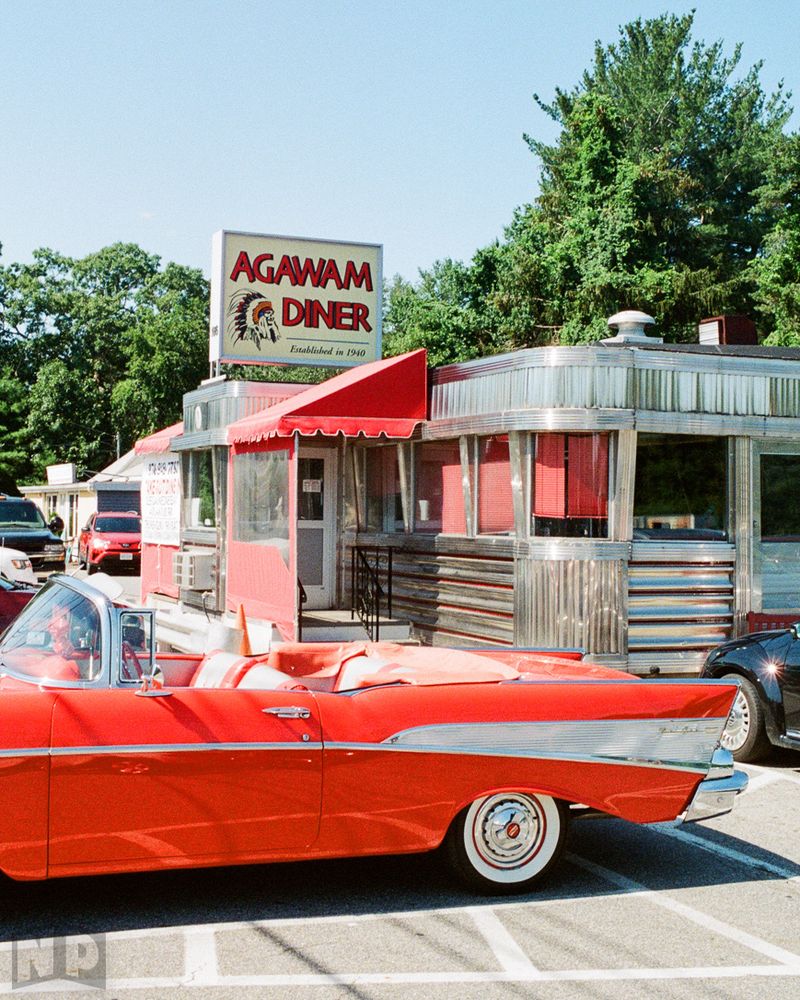
For a classic setting, head to the Agawam Diner in Rowley. The diner car was built in 1954.
It moved to its current spot in 1970. In 1999, it landed on the National Register of Historic Places.
So you’re eating comfort food inside an official piece of history. That’s a fun bonus with your lunch.
American Chop Suey is among the Agawam Diner’s rotating Tuesday specials, although it isn’t necessarily served every week.
It’s been described as curly macaroni swathed in a luscious tomato and ground-beef ragout. That description alone could make you hungry.
Timing your visit matters with a special like this. If American Chop Suey is your main goal, call ahead to confirm it’s on the Tuesday menu.
The diner is open daily, so other days still offer plenty. You’ll just need a different plan for your plate.
Rowley sits on the North Shore, an easy drive from several coastal towns. It works well as a road trip stop.
Want to make it at home? Brown beef, add sauce and cooked macaroni, and stir until it feels like childhood.
10. Bulkie Roll
Ask for your sandwich on a bulkie outside New England, and the deli worker may freeze. Back home, it’s one of the most normal requests around.
A bulkie roll is a sandwich roll that’s bigger and firmer than a regular hamburger bun. It has a slightly crisp crust and a plain white inside.
It’s similar to a Kaiser roll. The big difference is that bulkies are less sweet.
The name has an interesting backstory. It likely comes from the Yiddish words bulke or bilke, which mean a small roll.
That sturdy build makes it great for breakfast sandwiches. Eggs, cheese, and other fillings won’t turn it soggy too fast.
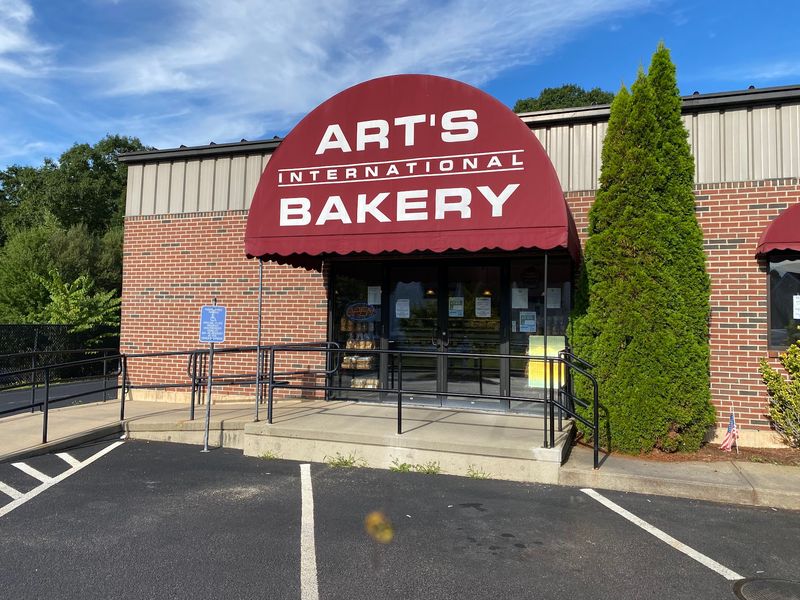
Art’s International Bakery in Raynham has been baking since 1977. Its menu lists Bulkie rolls right in the Rolls section.
There’s an Egg Bulkie option too. That version gives you a little twist on the classic.
Buying a bag at a bakery opens up plenty of ideas. Burgers, deli sandwiches, and egg sandwiches all work well.
Toasting one lightly brings out the crust. Butter on a warm bulkie is a simple snack worth trying.
Moving away from Massachusetts? You might miss these more than you expect.
Elsewhere, try asking for a Kaiser roll as the closest match. It won’t be quite the same, but it’ll get you close.
Here in the Bay State, though, bulkie is the word. Say it with confidence, and lunch is on its way.
Share this story