Tennessee might not have ocean coastline, but it sure makes up for it with some seriously huge lakes that’ll make you forget you’re landlocked. From sprawling reservoirs created by the Tennessee Valley Authority to massive bodies of water stretching across multiple counties, these lakes offer endless horizons and waves that can rival coastal destinations. Whether you’re looking to boat, fish, swim, or just soak in stunning waterfront views, Tennessee’s largest lakes deliver an ocean-sized adventure right in the heart of the South.
1. Kentucky Lake
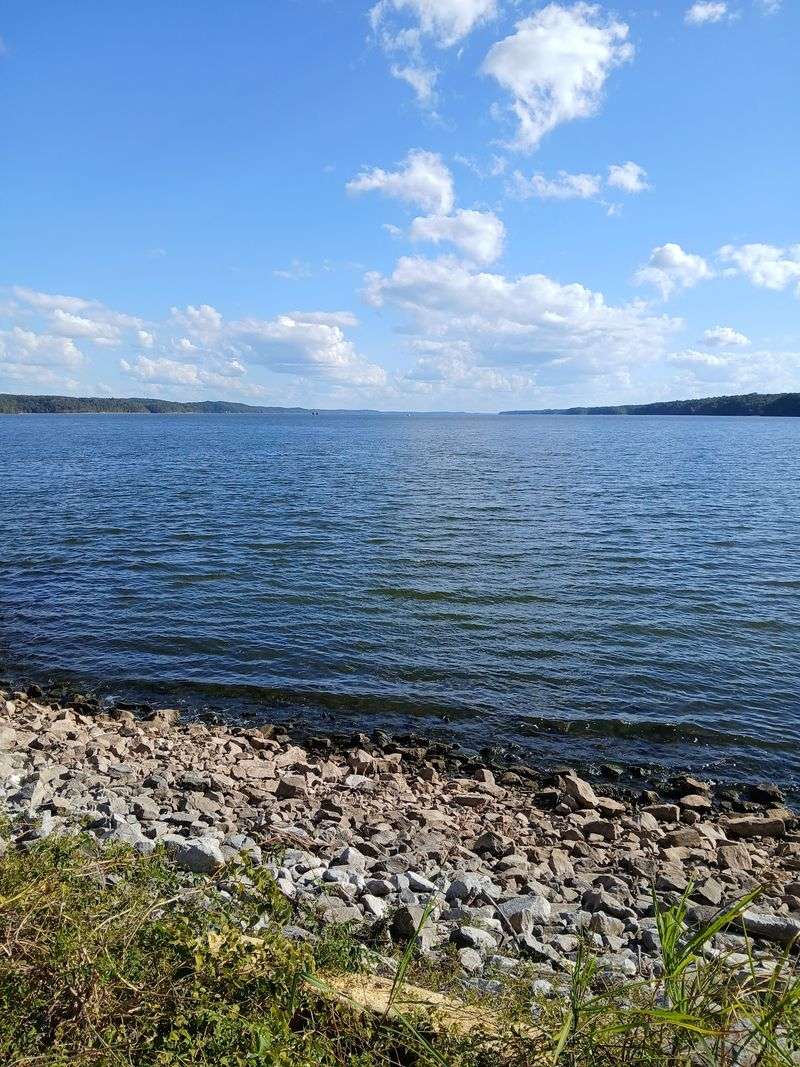
Stretching over 160,000 acres across western Tennessee and into Kentucky, this massive reservoir holds the title as one of the largest man-made lakes in the entire eastern United States. Created by Kentucky Dam on the Tennessee River back in 1944, the sheer size of this water wonderland can genuinely trick your eyes into thinking you’ve stumbled upon a freshwater sea. On breezy days, you’ll see whitecaps rolling across the surface just like ocean waves.
The lake runs for about 184 miles, offering more shoreline than you could explore in a dozen weekends. Anglers flock here year-round chasing trophy bass, crappie, and catfish, while boaters cruise open waters that feel limitless. Marinas dot the coastline, and lakeside towns like Paris Landing have become beloved vacation spots for families seeking that beach-town vibe without the salt.
What really sets Kentucky Lake apart is how it connects to its neighbor, Lake Barkley, through a narrow canal. This creates a unique peninsula called Land Between the Lakes, a 170,000-acre national recreation area packed with camping, hiking, and wildlife viewing opportunities. You can spend entire days on the water without seeing the same cove twice.
Summer brings out pontoon boats, jet skis, and sailboats by the hundreds, transforming the lake into a bustling waterway. Yet even with all that activity, there’s always a quiet inlet or sandy beach waiting to be discovered. The sunsets here paint the sky in brilliant oranges and purples, reflecting off the water in ways that make you pause and just appreciate the moment.
2. Norris Lake
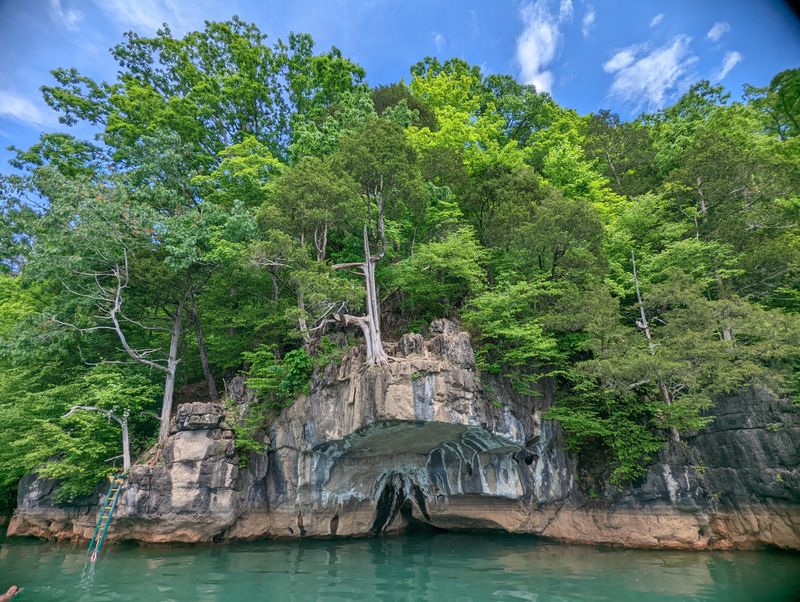
Tucked into the foothills of the Appalachian Mountains in East Tennessee, Norris Lake boasts some of the clearest, cleanest water you’ll find anywhere in the state. This 34,000-acre gem was actually the very first project completed by the Tennessee Valley Authority back in 1936, making it a historic landmark as much as a recreational paradise. The water here stays remarkably pristine because of strict environmental protections and the lake’s deep, cold nature.
With over 800 miles of shoreline weaving through Anderson and Campbell Counties, Norris offers endless nooks and crannies to explore by boat or kayak. The lake reaches depths of nearly 210 feet in some spots, creating that deep blue-green color that almost looks tropical on sunny days. Limestone cliffs rise dramatically from the water in certain areas, giving the landscape a rugged, almost coastal feel.
Houseboat rentals have become wildly popular here, letting visitors anchor in secluded coves and wake up surrounded by mountain views and mirror-smooth water. Fishing enthusiasts target striped bass, walleye, and muskie, with the cool depths providing perfect habitat for these species. The lake never feels overcrowded, even during peak summer months, because there’s simply so much space to spread out.
Several marinas and public access points make getting on the water easy, whether you’re launching your own boat or renting one for the day. The surrounding Norris Dam State Park offers hiking trails, campgrounds, and picnic areas for those who want to enjoy the lake from land. When autumn arrives, the forested hillsides explode in fall colors, creating reflections on the water that look like abstract paintings.
3. Chickamauga Lake
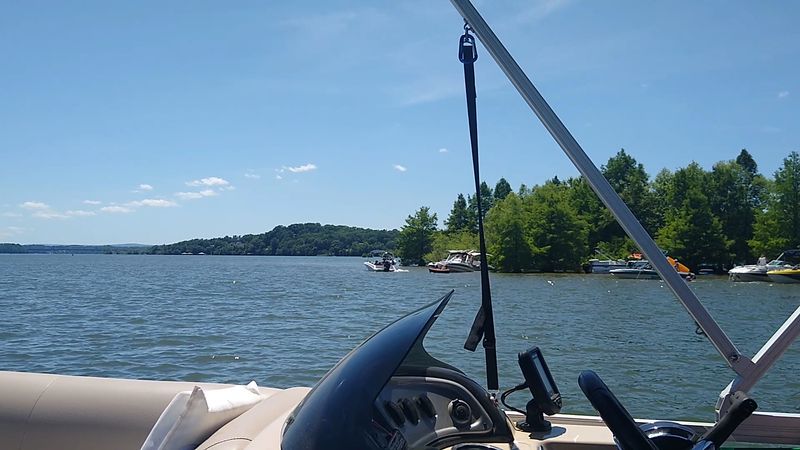
Running through the heart of Chattanooga and stretching nearly 60 miles upstream along the Tennessee River, Chickamauga Lake covers roughly 36,000 acres of water that feels almost endless when you’re out on it. The lake was formed in 1940 by Chickamauga Dam, and it quickly became a hotspot for both recreation and some of the best bass fishing in the entire Southeast. Professional fishing tournaments regularly choose this lake because it consistently produces massive catches.
The width of Chickamauga varies dramatically, from narrow river-like sections to broad expanses over a mile wide that can develop serious chop on windy days. Boaters need to respect the size and power of this lake, especially when weather rolls in quickly off the surrounding ridges. The open water sections genuinely feel oceanic, with horizons stretching far beyond what you’d expect from a landlocked state.
Multiple public boat ramps and marinas provide easy access, and the lake stays busy throughout the warmer months with everything from bass boats to pontoons to sailboats. Water skiing and wakeboarding are popular activities, with plenty of room to open up the throttle without worrying about crowding other boaters. The lake also supports healthy populations of catfish, crappie, and sauger for anglers who prefer variety.
Chattanooga’s waterfront has been beautifully developed with parks, walking trails, and attractions that take full advantage of the lakefront location. You can kayak right through downtown, passing under historic bridges and alongside modern developments. The combination of urban amenities and wild, open water creates a unique experience you won’t find at more remote Tennessee lakes.
4. Watts Bar Lake
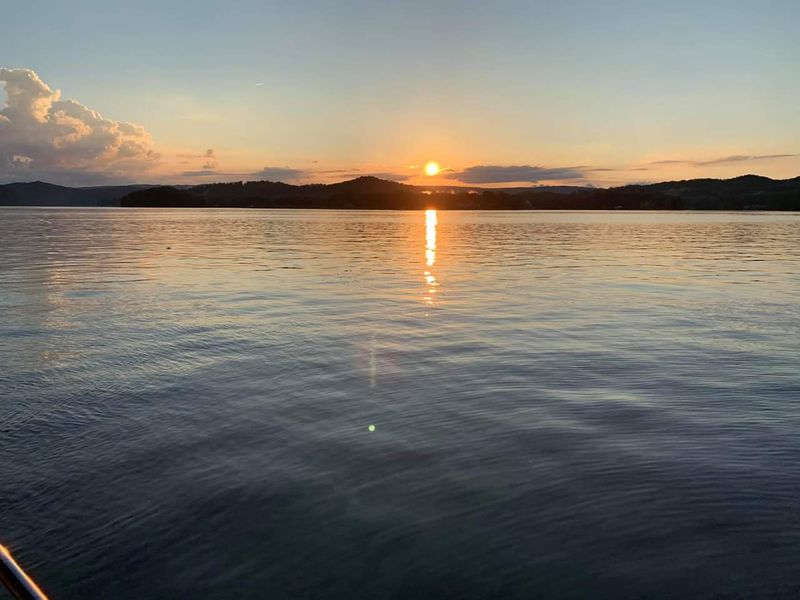
Spanning about 39,000 acres between Chattanooga and Knoxville, Watts Bar Lake serves as a crucial link in the Tennessee River chain of reservoirs. Created in 1942 by Watts Bar Dam, this lake stretches for roughly 72 miles and features some of the most diverse shoreline scenery in the state. From steep bluffs to gentle coves to wide-open bays, the landscape constantly changes as you cruise along.
The lake’s massive size means you can find your own slice of paradise even on the busiest summer weekends. Hundreds of small islands dot the surface, creating natural navigation challenges and hidden anchorages perfect for a quiet afternoon. The water depth varies significantly, with the main channel maintaining depths suitable for large vessels while shallow areas near the edges provide excellent fishing habitat.
Spring brings spawning bass into the shallows, making Watts Bar a magnet for tournament anglers and weekend fishing enthusiasts alike. The lake also holds healthy populations of striped bass, catfish, and various panfish species. Water quality remains good throughout most of the year, though the lake can experience some algae growth during hot summer months in quieter coves.
Several state parks and wildlife management areas border the lake, offering camping, hiking, and wildlife viewing opportunities beyond the water activities. The town of Spring City sits right on the lake and provides a charming small-town atmosphere with local restaurants and shops within walking distance of the water. Houseboats, sailboats, and fishing vessels all share the water harmoniously, with enough space that conflicts rarely arise between different user groups.
5. Cherokee Reservoir
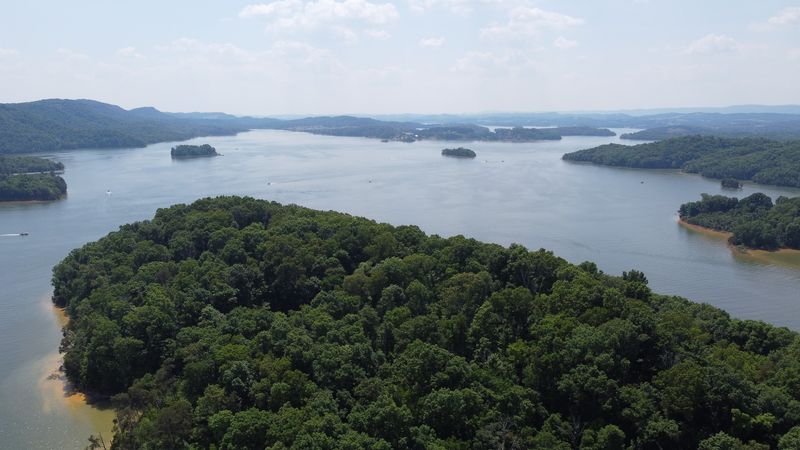
Nestled in the shadow of the Great Smoky Mountains in East Tennessee, Cherokee Reservoir covers approximately 30,300 acres and offers some of the most picturesque lake scenery in the region. The lake was created in 1941 by Cherokee Dam on the Holston River, and the surrounding mountain landscape gives it a distinctly different character from the flatter western Tennessee lakes. On clear days, you can see mountain ridges rising in the distance while you’re out on the water.
The reservoir reaches depths of over 150 feet in some areas, creating that deep, mysterious blue color that looks almost oceanic under the right light. The main body of the lake opens up wide enough that you can’t see across it in some sections, especially when morning mist rises off the surface. Boaters love the combination of protected coves for calm-water activities and open stretches perfect for high-speed runs.
Fishing here targets primarily largemouth and smallmouth bass, with the rocky structure and clear water creating ideal conditions for these species. Crappie fishing also draws crowds during spring spawning season, when fish move into shallow brush and around dock pilings. The lake’s proximity to Knoxville makes it a popular weekend getaway, but the size ensures you can always find uncrowded spots.
Cherokee Lake has developed a reputation for excellent striper fishing, with the Tennessee Wildlife Resources Agency regularly stocking the lake to maintain healthy populations. Multiple marinas offer boat rentals, supplies, and waterfront dining options. The surrounding Cherokee National Forest provides endless hiking trails and camping opportunities, making this area perfect for extended outdoor vacations that combine water and mountain adventures in one trip.
6. Douglas Lake
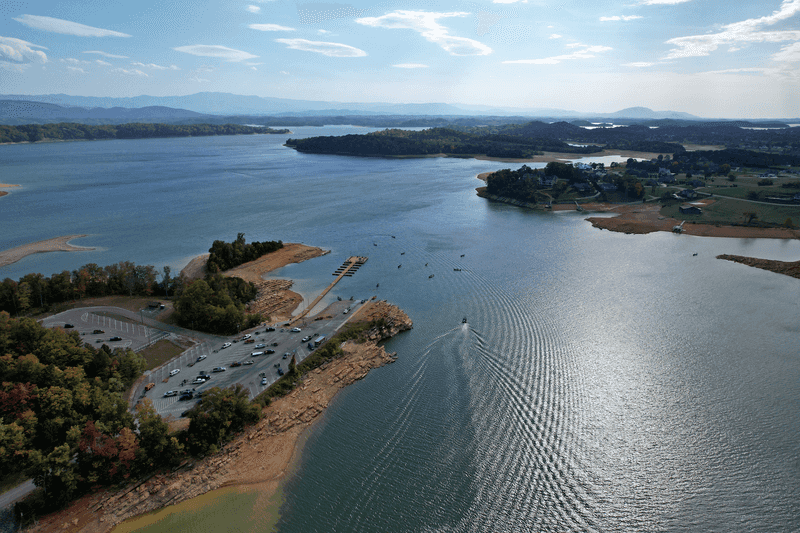
Covering roughly 30,400 acres in the foothills of East Tennessee, Douglas Lake was formed in 1943 by Douglas Dam on the French Broad River. What makes this lake particularly interesting is how dramatically the water levels fluctuate throughout the year for flood control and power generation purposes. During summer, the lake fills to capacity, creating a massive playground for boaters and water sports enthusiasts that rivals any coastal destination in sheer size.
The French Broad River valley creates a unique shape for this reservoir, with long, winding arms that stretch into multiple counties. When water levels are high, you can explore countless coves and inlets that feel completely isolated from civilization. The surrounding mountains create stunning backdrops for photography, especially during sunrise and sunset when the light paints everything in warm, golden tones.
Bass fishing remains the primary draw for anglers, but Douglas Lake also holds good populations of crappie, catfish, and various rough fish species. The lake’s fertility produces abundant forage, which in turn supports larger predator fish. Tournament anglers appreciate the variety of structure available, from rocky points to submerged timber to grass beds in the shallower areas.
Several excellent marinas provide full-service facilities, including boat rentals, fuel, and convenience stores stocked with everything you might need for a day on the water. The nearby town of Dandridge, Tennessee’s second-oldest town, offers charming shops and restaurants worth exploring before or after your lake adventures. Camping options range from primitive sites in national forest land to full-service RV parks with all the amenities, giving visitors flexibility in how they want to experience this massive lake.
7. Pickwick Lake
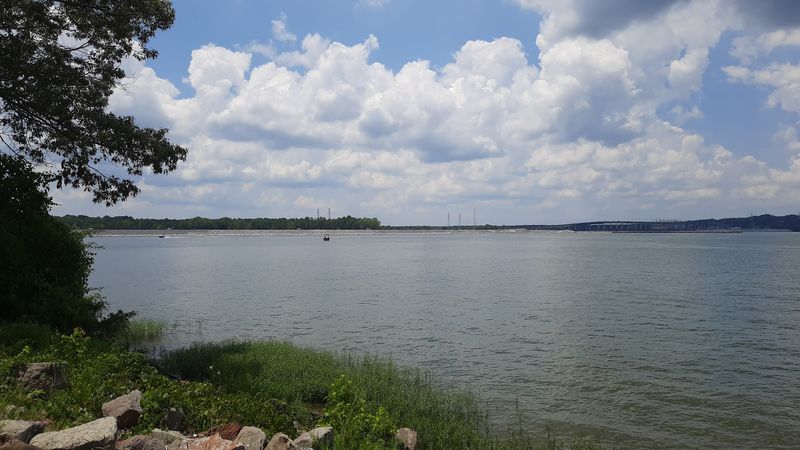
Straddling the Tennessee, Alabama, and Mississippi state lines, Pickwick Lake encompasses about 43,100 acres of water that genuinely feels like an inland sea. Created in 1938 by Pickwick Landing Dam on the Tennessee River, this reservoir has developed a legendary reputation among bass anglers and has hosted numerous national fishing championships. The lake’s combination of deep channels, rocky structure, and abundant vegetation creates perfect habitat for trophy-sized fish.
The main lake stretches over 50 miles long and reaches widths that can make opposite shores barely visible on hazy days. When winds pick up, waves can build to surprising heights, creating conditions that demand respect from boaters. The western portion of the lake, where it widens considerably, offers the most ocean-like experience, with endless horizons and deep blue water that seems to go on forever.
Pickwick Landing State Park sits right on the lake and provides excellent facilities including a golf course, inn, restaurant, and full-service marina. The park’s beach area draws families during summer months, offering a sandy shoreline that feels remarkably like a coastal beach. Swimming, sunbathing, and building sandcastles become favorite activities for kids who might otherwise never experience beach life.
Smallmouth bass fishing here ranks among the best in the nation, with the rocky shoals and clear water providing ideal conditions. The lake also supports excellent populations of catfish, crappie, and striped bass. Multiple public boat ramps ensure easy access, and the surrounding area offers plenty of lodging options from rustic cabins to modern hotels, making Pickwick a destination that can accommodate any style of vacation or fishing trip.
8. Center Hill Lake
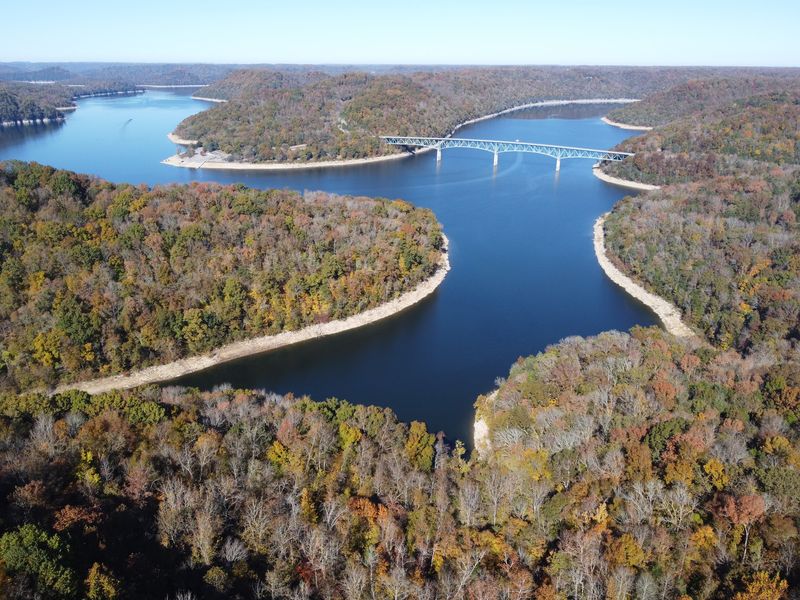
Hidden in the rolling hills of Middle Tennessee, Center Hill Lake covers approximately 18,220 acres but feels much larger thanks to its incredibly deep, clear water and dramatic topography. Created in 1948 by Center Hill Dam on the Caney Fork River, this lake reaches depths exceeding 200 feet in some areas, creating that mysterious deep-blue color typically associated with mountain lakes or ocean waters. The steep hillsides plunging into the water add to the almost fjord-like atmosphere.
With over 415 miles of shoreline winding through the hills, Center Hill offers endless exploration opportunities for boaters willing to venture into its many arms and coves. The lake maintains excellent water quality year-round, making it popular for swimming, diving, and all water sports. Cliff jumping has become a favorite activity at certain known spots, though caution is always advised given the depths and potential hazards.
Fishing here targets primarily smallmouth bass, walleye, and trout, with the cold, deep water supporting species that struggle in warmer Tennessee lakes. The Tennessee Wildlife Resources Agency stocks rainbow and brown trout in the tailwaters below the dam, creating a unique fishery that draws fly anglers from across the region. Striped bass and hybrid stripers also thrive in the main lake, providing exciting action for anglers who know where to find them.
Edgar Evins State Park offers camping, hiking, and lake access on the eastern shore, while multiple marinas around the lake provide boat rentals and supplies. The surrounding area remains relatively undeveloped compared to some Tennessee lakes, preserving a wild, natural feel that many visitors appreciate. Houseboat rentals let you anchor in secluded coves and enjoy multiple days of solitude surrounded by pristine water and forested hillsides.
9. Dale Hollow Lake
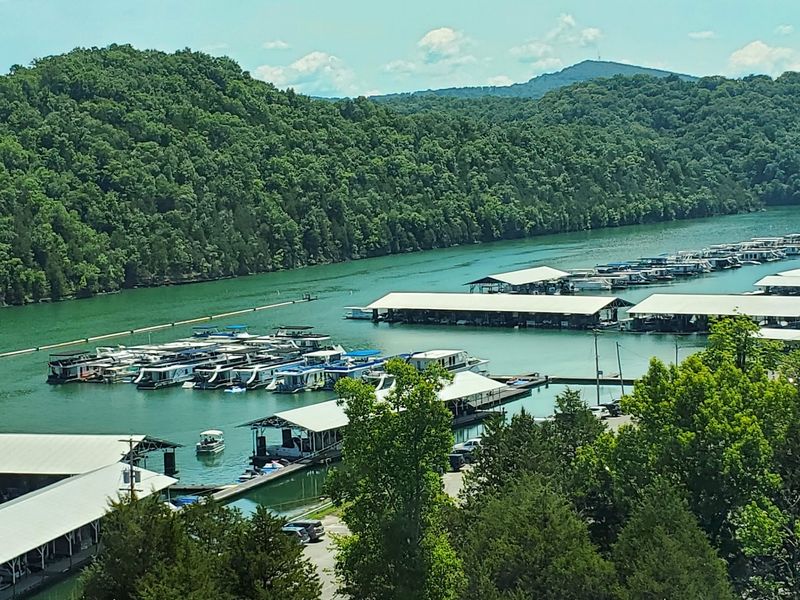
Straddling the Tennessee-Kentucky border in the northern Cumberland Plateau region, Dale Hollow Lake covers about 27,700 acres and consistently ranks as one of the cleanest, clearest lakes in the entire United States. Created in 1943 by Dale Hollow Dam on the Obey River, this reservoir maintains remarkable water clarity, with visibility often extending 20 feet or more below the surface. The water takes on Caribbean-like turquoise and emerald hues in shallow areas that seem impossible for a landlocked Tennessee lake.
The lake’s exceptional clarity comes from strict environmental protections, minimal development along the shoreline, and the deep, cold nature of the water itself. Depths exceed 130 feet in the main channel, creating temperature stratification that keeps the water cool even during hot summer months. This makes Dale Hollow a favorite destination for swimmers and divers who want to escape the heat while enjoying almost tropical-looking water.
Smallmouth bass fishing here achieved legendary status when the world-record smallmouth was caught from Dale Hollow back in 1955, a record that stood for decades. Today, anglers still pursue trophy smallmouths along with walleye, muskie, and trout in the tailwaters. The rocky structure and clear water create challenging but rewarding fishing conditions that separate casual anglers from serious students of the sport.
Houseboating has become hugely popular on Dale Hollow, with numerous rental companies offering vessels ranging from basic to luxurious. The lake’s many coves and inlets provide perfect anchorages where you can spend peaceful nights surrounded by stars and the gentle lapping of waves. Dale Hollow Lake State Park in Kentucky and multiple Tennessee access points ensure easy entry to this stunning water wonderland.
10. Old Hickory Lake
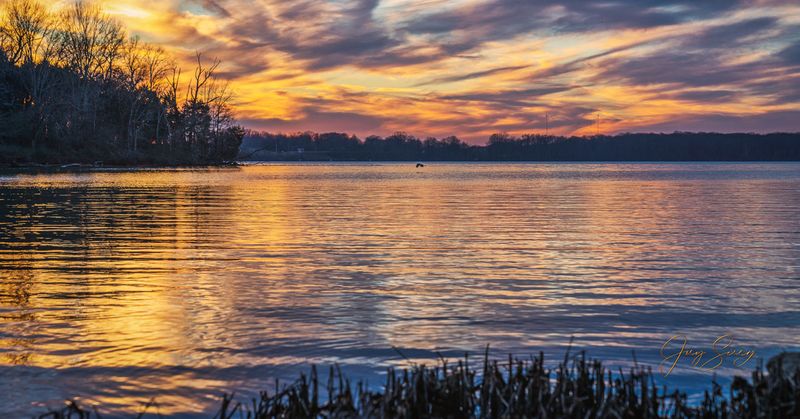
Just northeast of Nashville, Old Hickory Lake sprawls across approximately 22,500 acres, offering big-city residents easy access to serious water recreation without leaving the metro area. Created in 1954 by Old Hickory Dam on the Cumberland River, this reservoir stretches for about 97 miles and features a main body wide enough to develop ocean-like conditions when winds pick up. The proximity to Nashville means the lake sees heavy use, but the sheer size ensures there’s room for everyone.
The lake’s location in Middle Tennessee gives it a different character from the mountain-backed East Tennessee reservoirs. Gentler, rolling hills surround most of the shoreline, with mix of forests, farmland, and residential development visible from the water. Several marinas cater to the boating crowd, offering everything from basic launch services to full-service facilities with restaurants, ship stores, and repair services.
Bass fishing remains incredibly popular, with both largemouth and spotted bass providing action throughout the year. The lake also holds excellent populations of crappie, catfish, and sauger, giving anglers plenty of options depending on the season and their preferences. Professional fishing tournaments regularly use Old Hickory, drawn by the quality fishery and convenient location near major highways and accommodations.
Multiple parks and recreation areas dot the shoreline, providing picnic facilities, swimming beaches, and hiking trails for those who want to enjoy the lake without a boat. The combination of urban convenience and genuine big-water experience makes Old Hickory unique among Tennessee lakes. Summer weekends bring out huge flotillas of pleasure boats, jet skis, and sailboats, transforming sections of the lake into floating parties that last from dawn until well past sunset when city lights begin twinkling in the distance.
Share this story