Stretching for over 1,200 miles along the Rio Grande, this border region is far more than a simple line on a map. Tucked into its vast and often rugged landscape are small towns rich with history, culture, and traditions that feel worlds apart from the rest of the state. From ghost town festivals and vibrant local markets to centuries-old missions and family-run eateries, these remote communities preserve stories shaped by generations of cross-border life.
With influences from both Texas and Mexico, and framed by wide desert horizons, they offer a rare glimpse into a way of life that continues to thrive far from the spotlight.
1. Terlingua
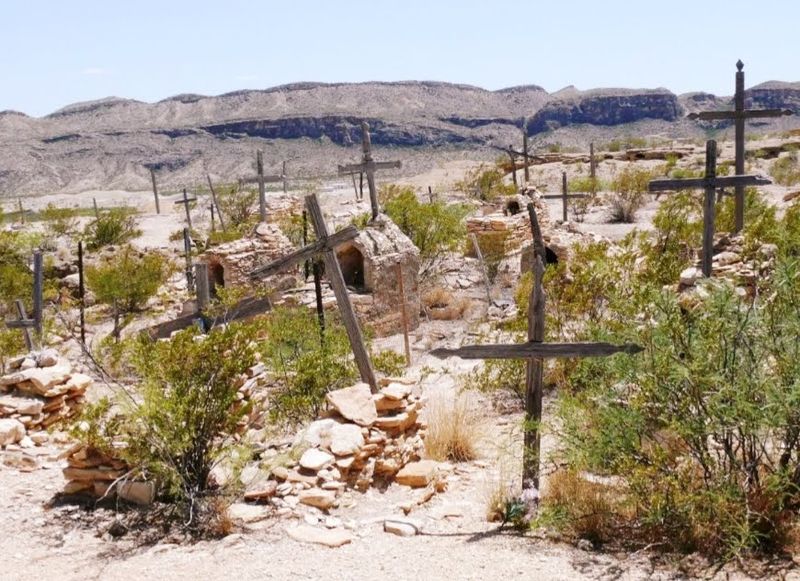
Once a thriving mercury mining hub, Terlingua now sits half-abandoned in the Chihuahuan Desert, but don’t let the ghost town label fool you. Artists, river guides, and folks seeking solitude have breathed new life into the crumbling adobe walls. The annual chili cook-off every November draws thousands, turning this dusty outpost into a raucous celebration of Texas quirk.
Walking through Terlingua feels like stepping onto a movie set. Old mining equipment rusts under the relentless sun, while newer establishments like the Starlight Theatre serve cold beer and live music in a restored building that’s seen better days but refuses to quit. The cemetery on the hill tells stories of miners and families who carved out lives in one of the most unforgiving landscapes imaginable.
What makes Terlingua truly special is its proximity to Big Bend National Park and the Rio Grande. You can float the river in the morning, explore ancient pictographs by afternoon, and catch a meteor shower at night under some of the darkest skies in North America. The lack of light pollution makes stargazing here absolutely unforgettable.
Local culture thrives in unexpected ways. Spanish and English mix freely in conversations at the porch store, where you might meet a sculptor from Austin or a fourth-generation rancher. Folks here value independence and creativity, building lives that don’t fit conventional molds.
The desert shapes everything, from the art sold in tiny galleries to the stories swapped over campfires when the temperature finally drops after sunset.
2. Presidio
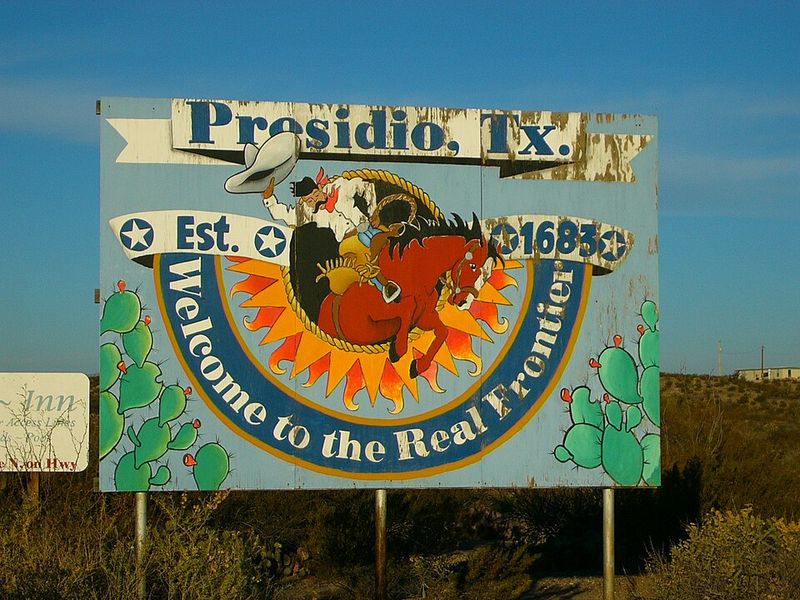
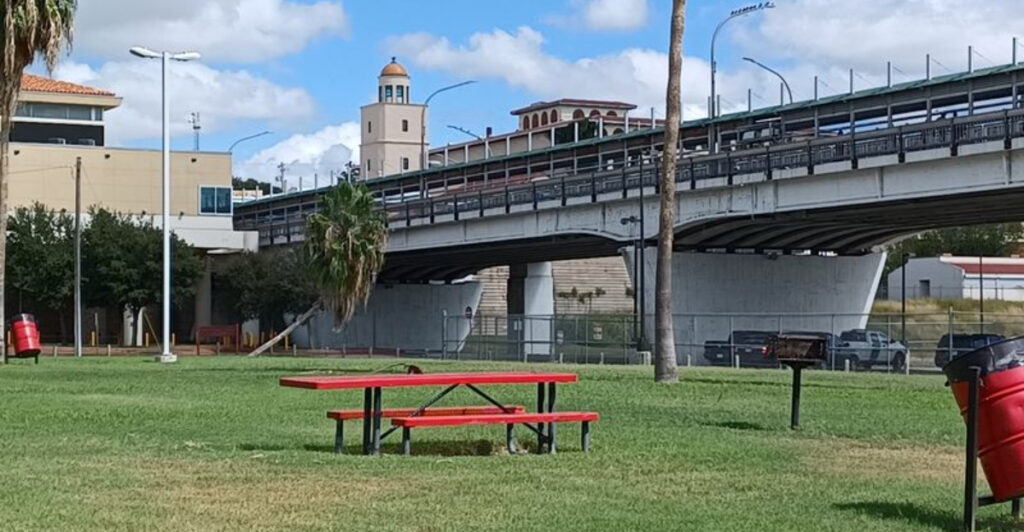
Presidio holds the title of hottest town in Texas, regularly breaking temperature records that make national news. But heat hasn’t stopped people from calling this place home for centuries. The town sits directly across from Ojinaga, Mexico, connected by an international bridge that sees constant traffic of families, workers, and goods flowing both directions.
Fort Leaton State Historic Site preserves a massive adobe trading post from the 1840s, its thick walls and cool interior rooms offering relief from the blazing sun. The fort tells stories of frontier commerce, when traders moved goods between Mexico and the United States along routes that predated both nations. Walking through its restored rooms, you can almost hear the Spanish and English negotiations that once filled these spaces.
Agriculture defines much of Presidio’s economy today. The Rio Grande provides irrigation for onion fields and other crops, creating green patches in an otherwise brown landscape. Mexican and Anglo farming traditions blend here, with knowledge passed down through generations about what grows best in alkaline soil and extreme heat.
The cultural connection to Ojinaga runs deep. Many Presidio residents have family on both sides of the border, crossing regularly for quinceañeras, funerals, shopping, and Sunday dinners. This isn’t a theoretical border relationship you read about in textbooks.
It’s lived daily by people who consider the river a meeting point rather than a dividing line. Local restaurants serve authentic border cuisine that reflects this blend, dishes you won’t find in San Antonio or Houston because they belong specifically to this stretch of the Rio Grande.
3. Marfa
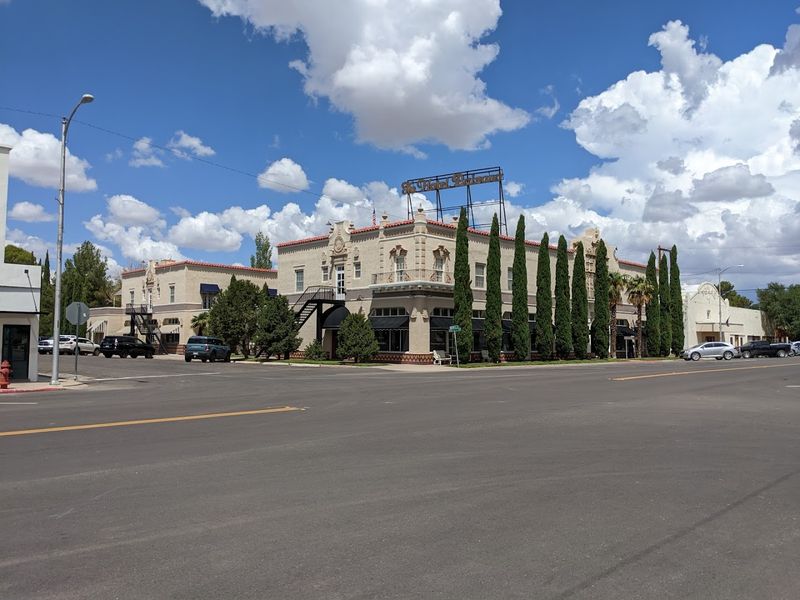
This tiny ranching town transformed into an unlikely art destination after minimalist sculptor Donald Judd moved here in the 1970s and started buying up buildings. Today, art galleries occupy former storefronts, and you’re as likely to encounter a New York gallerist as a working cowboy at the local coffee shop.
The Chinati Foundation displays massive installations across former military buildings and desert land. Judd’s concrete boxes and Dan Flavin’s fluorescent light pieces challenge visitors to reconsider what art can be and where it belongs. But Marfa isn’t just about high art.
The Marfa Lights, mysterious glowing orbs that appear in the distance on certain nights, have sparked speculation and drawn curious visitors for over a century.
Despite the art world attention, Marfa maintains its small-town character. Friday night football games still pack the stands, and ranching remains vital to the local economy. The tension between old Marfa and new Marfa creates interesting dynamics.
Some longtime residents resent rising property values and the influx of outsiders, while others appreciate the economic opportunities art tourism brings.
Food Shark serves Mediterranean food from a truck that’s become a pilgrimage site for foodies traveling through West Texas. The Paisano Hotel, where the cast of “Giant” stayed during filming, still operates with vintage charm intact. Local boutiques sell everything from cowboy boots to contemporary ceramics.
This cultural mashup feels strange at first, but it works because both sides generally respect what the other brings to the community, creating something genuinely unique along the border.
4. Del Rio
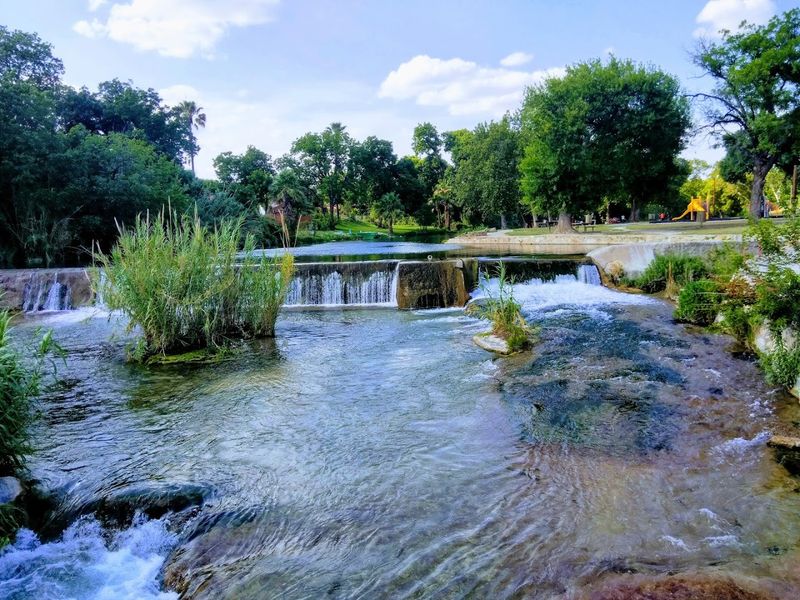
Del Rio started as a farming community where San Felipe Creek provided reliable water in an otherwise dry region. That same creek still flows through town, creating a green corridor that locals treasure. The city sits at the edge of Amistad Reservoir, a massive lake formed by damming the Rio Grande that’s become a haven for bass fishing and water sports.
Laughlin Air Force Base brings a military presence that shapes local culture and economy. You’ll see young pilots in training around town, adding another layer to Del Rio’s already diverse population. The base has been here since World War II, creating generations of families with military connections to the area.
Val Verde Winery, established in 1883, claims to be Texas’s oldest operating winery. The stone building and ancient vines represent Italian immigrant traditions that took root along the border. Tasting their wines feels like drinking history, varieties that have adapted to harsh conditions and survived when other Texas wineries failed.
The connection to Ciudad Acuña across the border remains strong. Del Rio residents cross regularly for dental work, restaurants, and shopping, while Acuña residents come north for groceries and other goods. This cross-border relationship isn’t always smooth, affected by policy changes and economic shifts on both sides.
But personal relationships often transcend political tensions, with families and friendships spanning the river regardless of what’s happening at the federal level. Local festivals celebrate this binational identity, with music, food, and traditions from both cultures mixing freely in ways that feel natural rather than forced because they’ve evolved organically over more than a century of shared history.
5. Ysleta
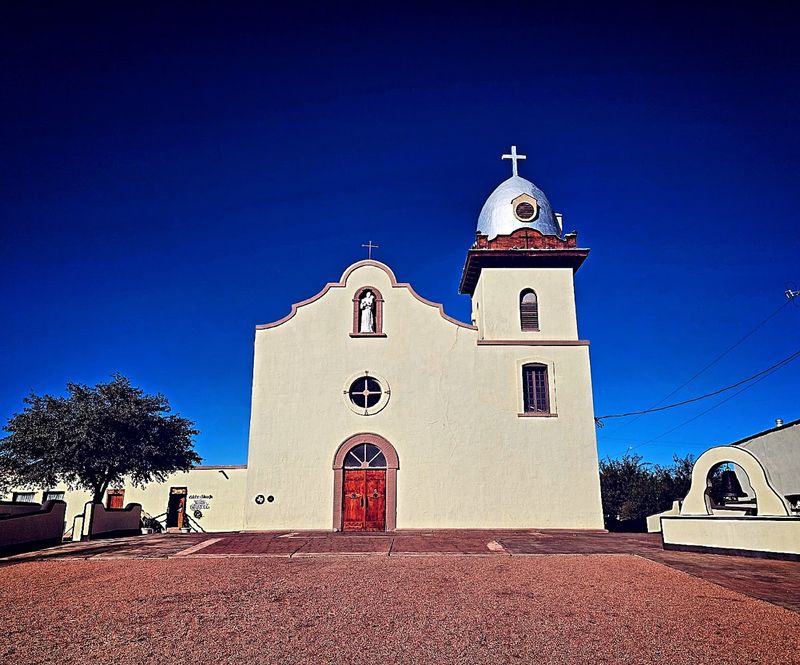
Founded in 1682, Ysleta is widely recognized as the oldest community in Texas, established by Spanish missionaries and Tigua Indians fleeing New Mexico during the Pueblo Revolt. The Ysleta Mission still stands, its thick adobe walls and simple bell tower representing centuries of continuous worship. This isn’t a restored tourist attraction.
People still attend Mass here, continuing traditions that predate Texas statehood by more than 150 years.
The Tigua people, also known as the Ysleta del Sur Pueblo, maintain their tribal identity despite centuries of pressure to assimilate. Their cultural center teaches traditional pottery, bread-making, and dances that connect present generations to ancestors who made that long walk from New Mexico. Watching a traditional dance performance here carries weight because it represents survival against serious odds.
Ysleta exists within El Paso’s boundaries now, but it retains a distinct identity. Older residents remember when this area felt more separate, before urban sprawl connected everything. The neighborhood’s character differs from downtown El Paso, with lower buildings, more space, and a pace that reflects its origins as a farming community rather than a modern city.
Local restaurants serve food that reflects the area’s long history. You’ll find dishes with roots in both Spanish colonial cooking and indigenous traditions, combinations that developed over generations. The tortillas taste different here, made with techniques passed down through families that have lived in the same area for centuries.
Small details like this matter because they represent cultural continuity in a world that often values novelty over tradition. Ysleta reminds visitors that Texas’s border culture didn’t start recently but has deep roots that continue shaping daily life.
6. Laredo
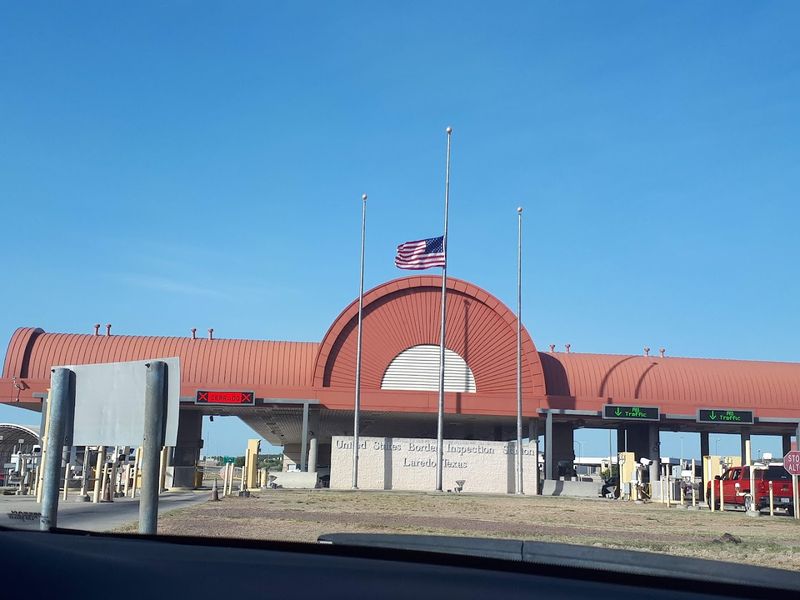
Life in Laredo moves differently, fueled by the nonstop exchange of goods and people across four bridges connecting it to Nuevo Laredo. Trucks loaded with goods from Mexico’s interior rumble through town headed north, while others carry American products south. This trade defines Laredo’s economy and character in ways outsiders often don’t fully appreciate until they spend time here.
The downtown historic district preserves buildings from Laredo’s days as a major stop on trade routes. San Agustin Plaza hosts events throughout the year, including the massive Washington’s Birthday Celebration each February. This month-long party includes parades, a carnival, and the famous Jalapeño Festival, drawing visitors from both sides of the border for festivities that celebrate both American patriotism and Mexican heritage without seeing any contradiction in that combination.
Spanish dominates many conversations here, even among families that have lived in Texas for generations. Code-switching between English and Spanish happens naturally, sometimes within a single sentence. This bilingual reality frustrates some outsiders but feels completely normal to locals who’ve never known anything different.
The language blend reflects cultural priorities that don’t always align with expectations from other parts of Texas.
Food in Laredo deserves special attention. Tacos here taste different than anywhere else, with flavors that reflect the city’s specific position on the border. Small taco stands serve breakfast tacos that locals swear by, each place with devoted followers who argue passionately about whose barbacoa or chicharrón is superior.
These debates matter because they’re really about identity and belonging, about knowing which family has been serving the same recipes for forty years and why that history connects to your own family’s story in this border city.
7. Eagle Pass
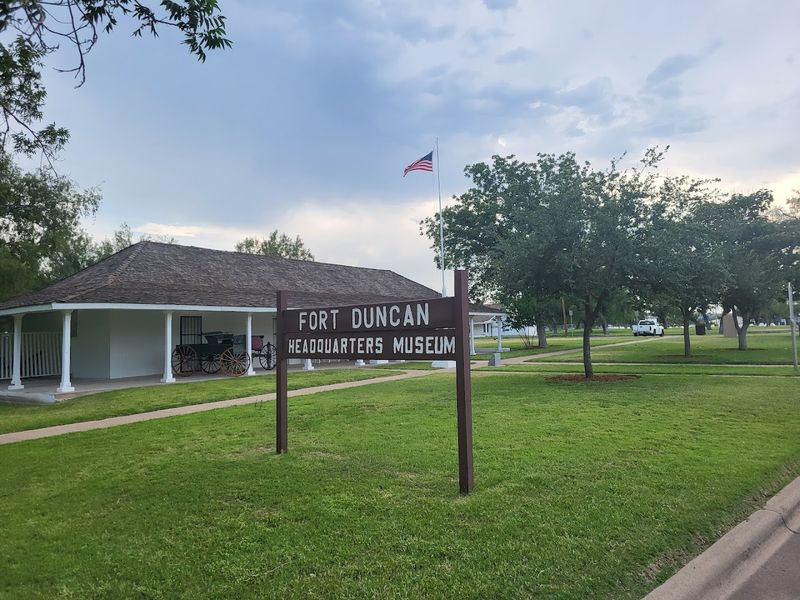
Eagle Pass sits across from Piedras Negras, Mexico, connected by bridges that carry both vehicles and pedestrians between the two cities. The relationship between these communities runs deeper than most international partnerships, with families, businesses, and cultural traditions intertwined across the river. Many Eagle Pass residents were born in Piedras Negras or have close relatives there, making the border feel more like a neighborhood boundary than an international divide.
Fort Duncan Museum preserves military buildings from the mid-1800s when the U.S. Army maintained a presence here. The fort’s history includes famous figures like Robert E.
Lee, who served here before the Civil War. Walking the grounds provides perspective on how military priorities shaped border development and relationships with Mexico and indigenous peoples who called this region home long before either nation existed.
The Kickapoo Traditional Tribe maintains a reservation near Eagle Pass, adding another cultural dimension to the area. The tribe’s history includes migration from the Great Lakes region through Mexico and eventually to Texas, creating a unique identity that blends influences from multiple regions and both sides of the border. Their presence reminds visitors that border culture includes more than just Mexican-American relationships.
Eagle Pass doesn’t attract many tourists, which means the culture here exists for locals rather than visitors. Restaurants serve regulars who eat the same dishes weekly, and conversations at coffee shops continue threads from previous days. The Fourth of July celebration includes fireworks visible from both sides of the river, with families in Piedras Negras watching the same show as Eagle Pass residents.
Small moments like this reveal how border communities create their own normal, finding ways to maintain connections that make sense locally even when they complicate national narratives about borders and security.
8. Boquillas
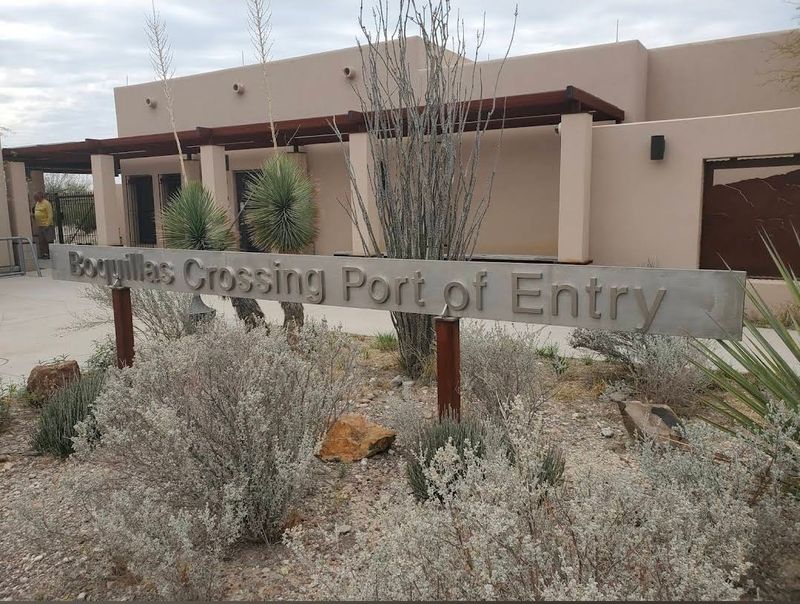
Boquillas del Carmen sits in Mexico, but its story connects intimately to Big Bend National Park and the Texas border. For years, visitors could easily cross the Rio Grande to visit this tiny village, eating lunch and buying handmade crafts before rowing back to the U.S. side. Security concerns closed the crossing after 2001, cutting off Boquillas from much of its tourism income and leaving the village struggling.
The crossing reopened in 2013, though with more formal procedures than the casual boat rides of earlier decades. Now visitors go through immigration processing on both sides, but the trip remains worthwhile. Boquillas offers a glimpse of rural Mexican life largely unchanged by modern development.
Families still make their living through small-scale ranching, handcrafts, and the modest tourism that Big Bend visitors provide.
Crossing to Boquillas requires either wading the shallow river or paying a small fee for a boat ride. The village itself consists of dirt streets, simple homes, and a few restaurants serving authentic Mexican food. There’s no pretense here, no attempt to create a tourist experience beyond welcoming visitors and offering what the community has always offered: hospitality, good food, and handmade items like walking sticks and wire scorpions that craftspeople create during slow seasons.
The relationship between Big Bend and Boquillas represents a different kind of border connection than what exists in larger cities. It’s smaller, more personal, and more fragile. When the crossing closed, both sides felt the loss because relationships had developed over decades.
Now that it’s reopened, those connections are rebuilding, though they’ll never quite match the casual ease of earlier times. Still, visiting Boquillas offers something rare: a chance to experience border crossing as a human exchange rather than just a political or economic transaction.
9. Roma
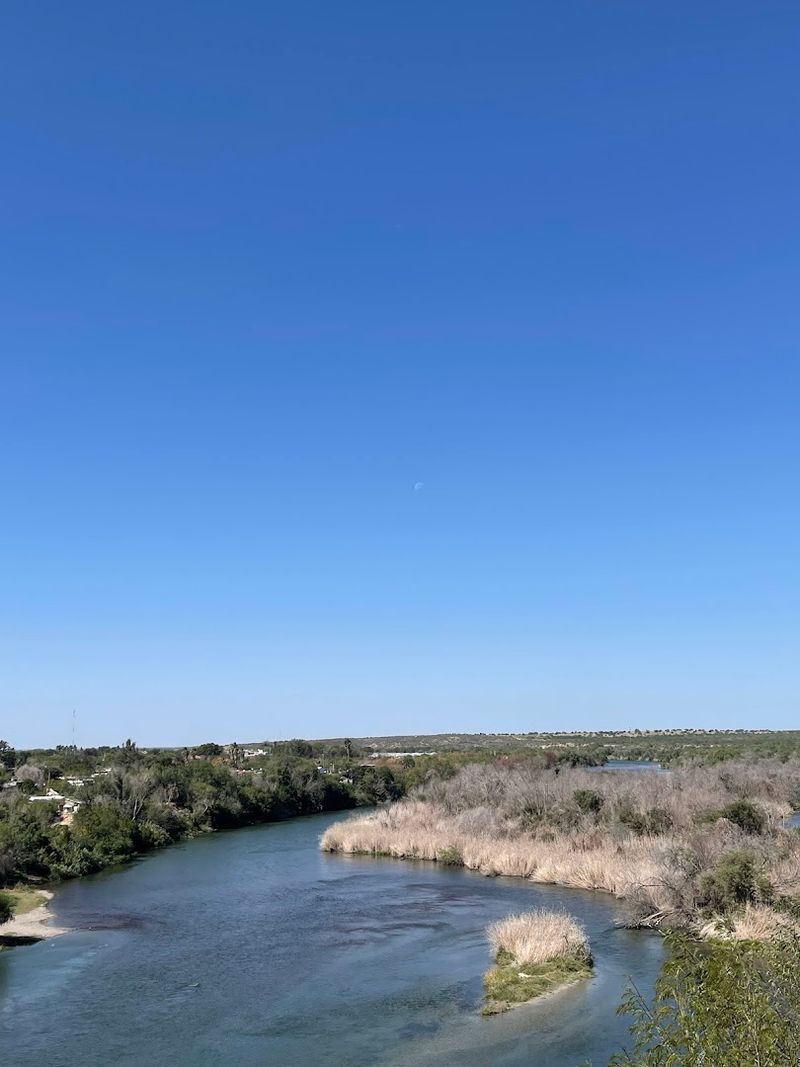
With its cinematic charm, Roma looks straight out of a film—and it actually is, having appeared in movies like Babel. The town’s historic district preserves buildings from the late 1800s, when Roma served as a major riverboat port. Standing on the bluffs above the Rio Grande, you can imagine steamboats arriving with goods from the Gulf of Mexico, though those days ended when railroads made river transport obsolete.
The Roma Bluffs provide dramatic views across the river into Mexico, with the town of Miguel Alemán visible on the opposite bank. This vantage point makes clear how the Rio Grande functions as both barrier and connection. You can see people going about daily business on both sides, lives that parallel each other despite the international boundary running between them.
Our Lady of Refuge Church dominates the skyline, its towers visible from miles away. Built in the 1850s, the church represents the strong Catholic identity that defines much of Roma’s culture. Religious festivals bring the community together throughout the year, with traditions that blend Mexican and Texan Catholic practices into something specific to this location.
Roma’s economy struggled after losing its importance as a port, and the town never fully recovered that early prosperity. But this economic reality helped preserve historic buildings that might have been demolished elsewhere for new development. Walking through Roma feels like time travel, not because it’s a recreated tourist attraction, but because economic circumstances froze certain aspects of the town in an earlier era.
Local families maintain connections across the border that go back generations, with some owning property on both sides and many having relatives in Miguel Alemán who they visit regularly despite increased border security making those trips more complicated than they once were.
10. Candelaria
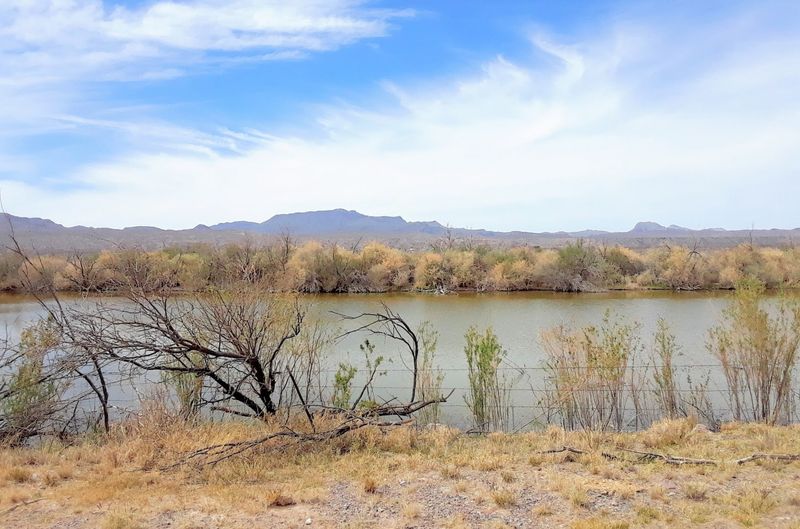
Candelaria might be Texas’s most isolated border community, sitting at the end of a long dirt road in Presidio County where the Rio Grande cuts through desert emptiness. Fewer than fifty people live here, making it more of an extended family compound than a traditional town. Getting here requires determination and a vehicle that can handle rough roads, but that remoteness is exactly what draws certain visitors.
The village consists of a few scattered buildings, a small store, and homes built from whatever materials were available when the desert gave up something useful. There’s no pretense in Candelaria, no attempt to be quaint or appeal to tourists. People live here because they choose this life, accepting isolation in exchange for freedom from the complications that come with more populated places.
Across the river sits San Antonio del Bravo, Mexico, equally small and remote. The international boundary matters less here than in cities with formal ports of entry and regular patrols. Historically, residents on both sides crossed freely, helping each other with emergencies and sharing resources when needed.
Modern border enforcement has complicated these neighborly relationships, creating tensions between official policy and practical reality in a place where the nearest help might be hours away.
Candelaria attracts river runners floating the Rio Grande through this section, offering one of the few places to resupply or camp along long stretches of empty canyon. The store sells basics and cold drinks, serving as a lifeline for paddlers who’ve been on the river for days. Conversations with locals reveal a different perspective on border life, one focused on survival and self-reliance rather than politics or economics.
The desert shapes everything here, from daily routines to long-term plans, reminding everyone that nature remains the most powerful force regardless of what nations try to impose on the landscape.
Share this story