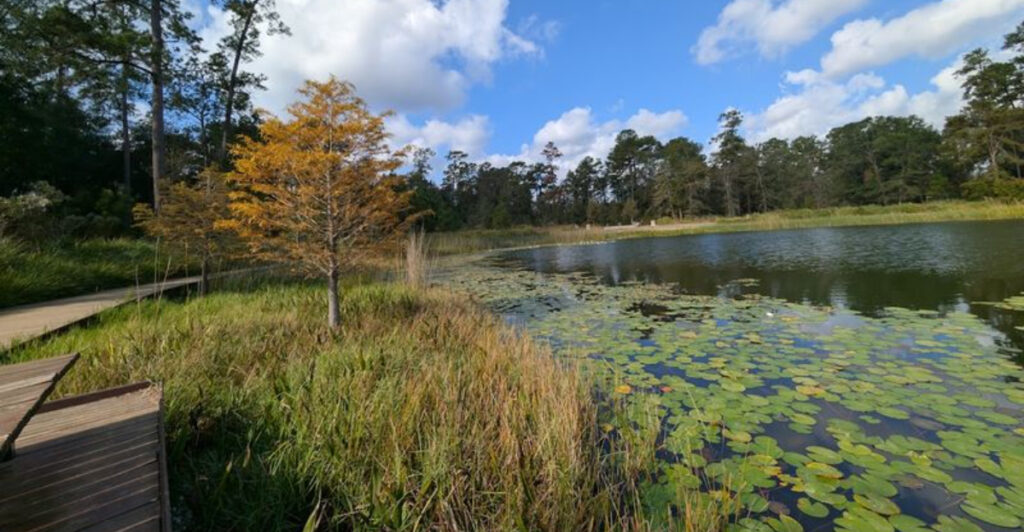
Texas isn’t just about rugged wilderness and challenging mountain climbs. Scattered throughout the state are gorgeous trails perfect for anyone seeking peaceful walks without steep hills or rocky terrain. Whether you’re looking to enjoy wildflowers in spring, spot wildlife near water, or simply stretch your legs in beautiful surroundings, these paths offer accessibility and stunning scenery in equal measure.
1. June Hill Pape Riverwalk Trail (Bastrop)
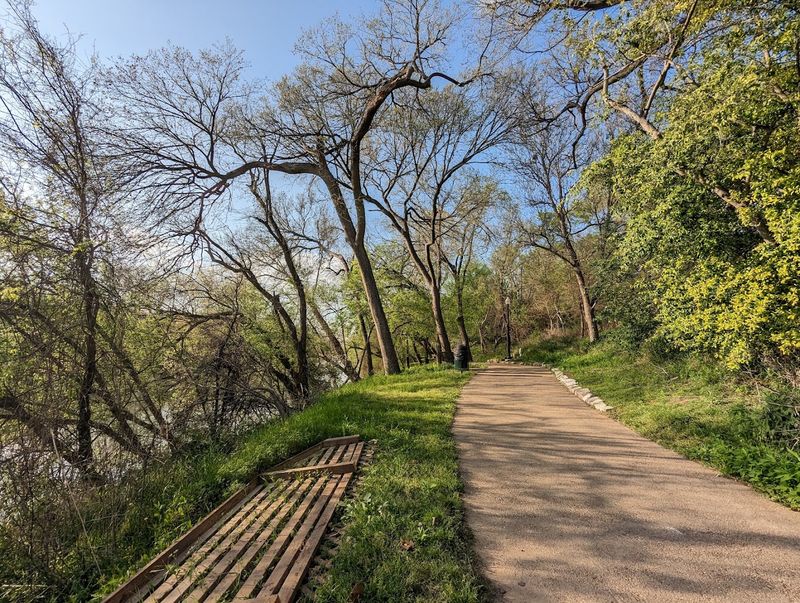
Bastrop’s riverside gem winds gently alongside the Colorado River, offering one of the most accessible outdoor experiences in Central Texas. The paved surface stays smooth and level throughout, making it perfect for walkers using canes, wheelchairs, or simply preferring stable footing. Shade from towering cypress and oak trees keeps temperatures comfortable even during warmer months.
What makes this trail special is how it balances natural beauty with thoughtful design. Benches appear frequently along the route, positioned to capture the best river views and provide rest spots every few hundred feet. The entire loop measures just under a mile, but you can turn back at any point without missing the scenery since both directions offer equally stunning perspectives.
Wildlife watching adds another dimension to your visit. Turtles sunbathe on logs near the water’s edge, and various bird species call the riverside home year-round. Herons often stand motionless in the shallows, while smaller songbirds flit between branches overhead.
The trailhead includes ample parking with designated accessible spaces close to the path entrance. Clean restroom facilities sit nearby, and the entire area receives regular maintenance to keep surfaces clear of debris. Locals appreciate how the trail never feels crowded, even on pleasant weekend mornings.
Spring brings wildflowers to the grassy areas bordering the path, while fall transforms the tree canopy into warm golds and oranges. Summer mornings offer the coolest walking conditions, with river breezes providing natural air conditioning. Winter remains mild enough for comfortable strolls most days.
Families often bring multiple generations here because everyone can enjoy the same path at their own pace. The flat terrain means conversations flow easily without anyone getting winded, and the loop design lets faster walkers complete extra circuits while others rest. Photography enthusiasts find endless subjects, from reflections in the calm river water to interesting bark patterns on ancient trees.
2. Clay Family Eastern Glades (Houston)
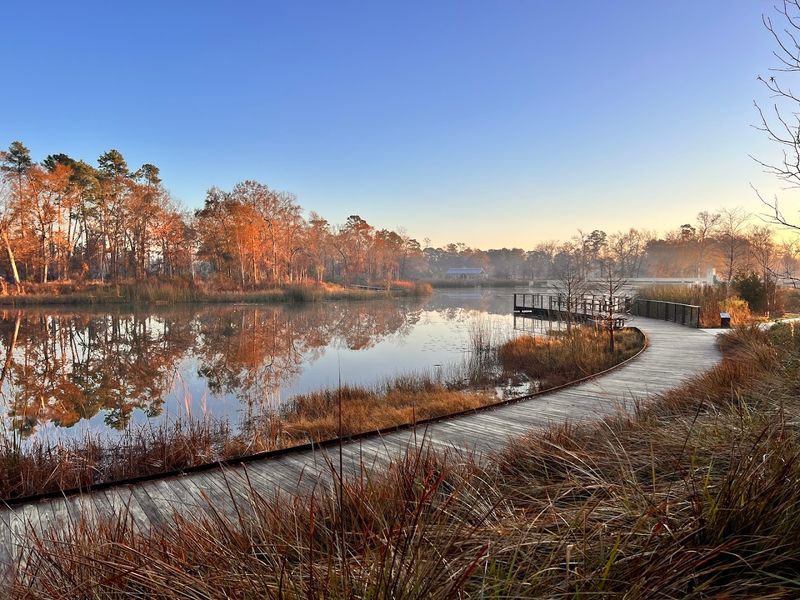
Right in the heart of Hermann Park, this beautifully designed green space reimagines what urban trails can be. The paths here were specifically created with accessibility in mind, featuring wide, smooth surfaces that accommodate everyone from parents with strollers to seniors with mobility aids. Unlike many city parks, the terrain stays consistently flat without surprise dips or rises.
The Eastern Glades feels more like a series of connected outdoor rooms than a traditional trail. Each area offers different scenery, from open lawns perfect for people-watching to shaded groves where you can escape Houston’s famous heat. Water features add soothing sounds and visual interest without requiring any climbing or navigating around obstacles.
One standout feature is how the design encourages lingering rather than just passing through. Comfortable seating areas dot the landscape, often positioned near attractive focal points like flowering trees or small ponds. You’ll notice thoughtful details everywhere, from the spacing of benches to the way paths curve gently to reveal new views.
The connection to the rest of Hermann Park means you can easily combine your walk with other activities. The nearby Japanese Garden entrance sits just a short stroll away, and several cafes within walking distance offer refreshment options. Parking areas with accessible spaces border multiple entry points, so you can choose the closest approach to your preferred section.
Seasonal changes bring different experiences throughout the year. Spring showcases azaleas and other flowering shrubs in full bloom, while summer evenings draw families for picnics on the lawns. Fall weather makes midday walks particularly pleasant, and winter’s mild temperatures rarely interfere with outdoor plans.
Local seniors have embraced this space as a regular gathering spot. You’ll often see walking groups making their daily rounds or friends meeting for casual outdoor visits. The combination of easy terrain, beautiful surroundings, and convenient urban location makes it a go-to destination for gentle exercise and fresh air.
3. Spring Creek Nature Trail (Richardson)
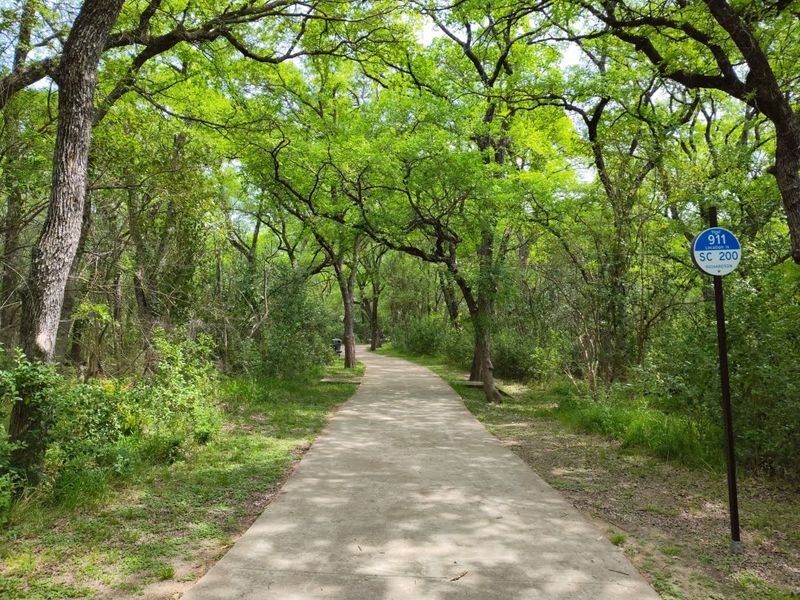
Richardson’s natural treasure follows Spring Creek through a surprisingly lush corridor that feels miles away from suburban surroundings. The packed earth trail stays relatively firm except after heavy rains, and the gentle grade rarely challenges even cautious walkers. Massive pecan and oak trees form a canopy overhead, creating a tunnel effect that filters sunlight into dancing patterns on the path.
Creek crossings happen via sturdy bridges rather than stepping stones, keeping your feet dry while offering perfect spots to pause and watch the water flow below. During spring and after rains, the creek runs with energy, but even in drier months, pools remain where you might spot fish or turtles. The sound of moving water accompanies much of the walk, adding to the peaceful atmosphere.
Trail markers appear regularly, though the path itself is straightforward enough that getting lost isn’t a concern. Multiple entry points mean you can customize your walk length, starting from different parking areas depending on how far you want to venture. The most popular section runs about a mile between two access points, offering a satisfying loop option.
Birdwatchers bring binoculars here year-round because the creek habitat attracts diverse species. Cardinals and blue jays are common sightings, while patient observers might catch glimpses of woodpeckers or even the occasional hawk. Spring migration brings even more variety, making early morning walks particularly rewarding for nature enthusiasts.
The trail maintains its natural character without feeling wild or overgrown. Regular maintenance keeps the path clear of major obstacles, though exposed roots and occasional rocks require basic attention to footing. Benches appear at scenic overlooks, positioned where the creek view is especially pretty or where the forest opens into small clearings.
Temperature regulation is a major advantage here. The dense tree cover keeps summer heat manageable, often running several degrees cooler than surrounding areas. This microclimate extends the comfortable walking season and makes midday visits feasible even during warmer months when exposed trails would be uncomfortable.
4. Stillhouse Hollow Nature Preserve (Austin)
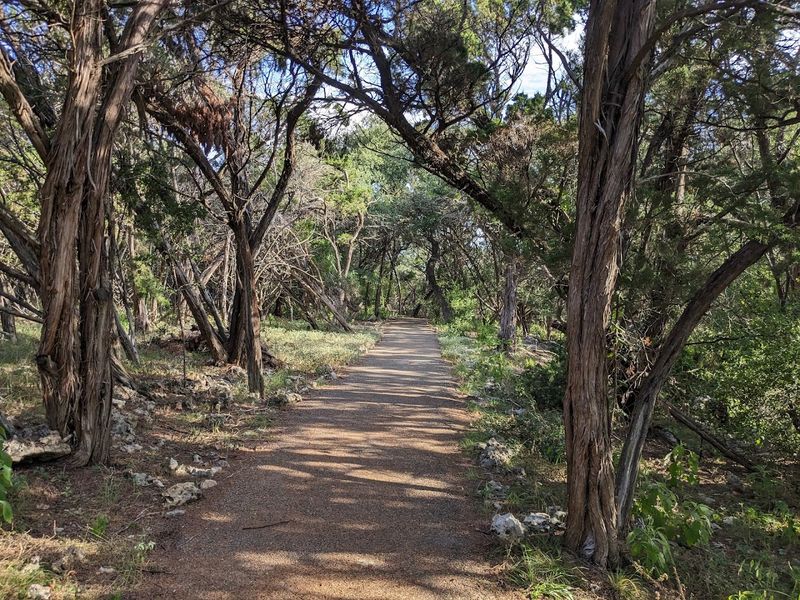
Tucked into northwest Austin, this preserve protects a slice of Hill Country habitat right in the city limits. The main trail loops through limestone outcroppings and native grasslands, offering geology lessons alongside nature appreciation. Crushed granite surfaces provide stable footing that drains well, staying walkable even shortly after rain when other trails turn muddy.
Educational signage adds context to your walk without overwhelming the experience. You’ll learn about the plants thriving in this ecosystem, from drought-tolerant wildflowers to the stubborn juniper trees that characterize Central Texas landscapes. The preserve’s commitment to native species means you’re seeing authentic Hill Country vegetation, not imported ornamentals.
Distance options suit different energy levels and time constraints. The shortest loop takes about twenty minutes at a leisurely pace, while connecting trails extend the walk for those wanting more. Clear junction markers prevent confusion, and the relatively compact area means you’re never far from the trailhead even if you explore multiple paths.
Elevation changes exist but remain gentle, with the trail designers clearly considering accessibility when routing the path. Where slopes do occur, they’re gradual enough that most walkers handle them without difficulty. Handrails aren’t necessary, but the terrain never feels treacherous or requires scrambling over rocks.
Wildlife sightings happen regularly despite the urban location. Rabbits dart across the trail, lizards sun themselves on warm rocks, and butterflies visit the wildflowers throughout warmer months. Deer tracks in soft soil prove larger animals visit during quieter hours, though daytime visitors more commonly encounter smaller creatures.
Parking sits immediately adjacent to the trailhead, eliminating long walks just to reach the starting point. The small lot reflects the preserve’s intimate scale—this isn’t a destination that draws huge crowds, which many visitors consider an advantage. You can often complete your entire walk without encountering more than a handful of other people, even on pleasant weekend mornings when larger parks feel congested.
5. Fredericksburg Nature Center (Fredericksburg)
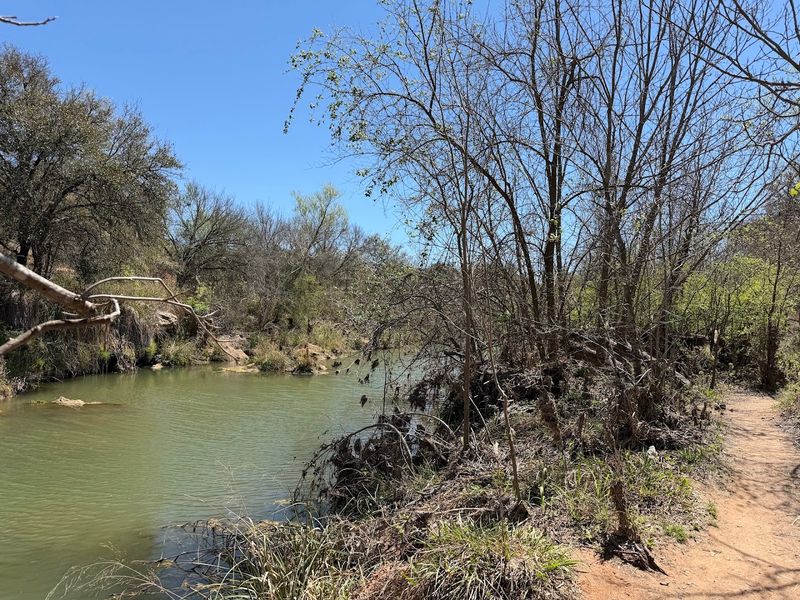
This Hill Country sanctuary combines education with easy outdoor access just minutes from downtown Fredericksburg. Multiple short trails wind through different habitat types, from riparian areas along a seasonal creek to upland sections showcasing classic Hill Country vegetation. Each trail stays under a mile, making it simple to explore several in a single visit without overexertion.
The nature center building itself offers climate-controlled respite, clean restrooms, and knowledgeable staff who can recommend trails based on current conditions and your interests. Exhibits inside provide context for what you’ll see outside, covering everything from local geology to the animals sharing this ecosystem. Starting or ending your walk with a quick museum visit enriches the entire experience.
Trail surfaces vary but remain manageable, with the most accessible paths featuring packed gravel that stays firm underfoot. Wooden boardwalks protect sensitive areas while providing easy passage across spots that might otherwise be muddy or uneven. Benches appear frequently, often positioned near interpretive signs that explain nearby plants or ecological processes.
Spring transforms this landscape into a wildflower showcase. Bluebonnets, Indian paintbrush, and dozens of other species carpet the ground in colorful displays that draw photographers and nature lovers from across the region. The center times its guided walks to peak bloom periods, offering expert-led tours that reveal details you might otherwise miss.
Shade availability changes with the seasons and specific trail sections. Some paths wind through juniper groves offering consistent cover, while others cross more open terrain where sun protection becomes important. The relatively short distances mean you’re never far from shade or the air-conditioned visitor center, making it easy to manage temperature comfort.
Bird activity peaks during morning hours, making early visits particularly rewarding for anyone interested in avian life. The center maintains feeding stations visible from certain trails, attracting species that might otherwise stay hidden in the vegetation. Patient observers often see multiple species during a single walk, from tiny hummingbirds to larger hawks riding thermals overhead.
6. Buffalo Bend Nature Park (Houston)
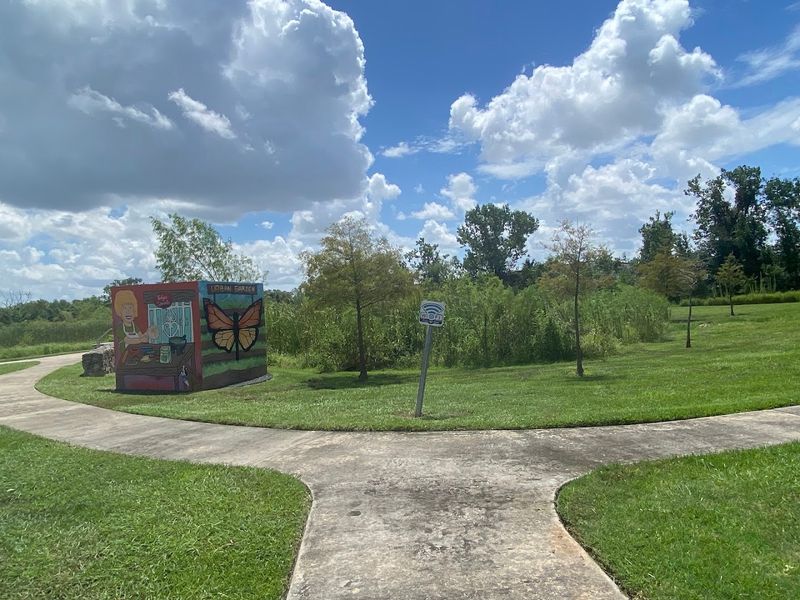
Missouri City’s hidden gem preserves coastal prairie habitat increasingly rare in the Houston area. Elevated boardwalks carry you over wetland areas, providing up-close views of marsh plants and wildlife without muddy boots or difficult terrain. The engineering here impresses—these aren’t flimsy wooden planks but substantial structures with handrails and gentle grades suitable for wheelchairs and walkers.
Water dominates the landscape, from open ponds to meandering channels lined with cattails and other wetland vegetation. Observation platforms extend over the water at strategic points, offering places to rest while scanning for turtles, fish, or the numerous bird species attracted to this habitat. Bring binoculars if you have them, as wildlife often appears at distances where details emerge better with magnification.
The park’s design recognizes that not everyone wants or needs a long hike. A main loop covers about a mile with minimal elevation change, but multiple shortcuts allow customizing your route. Excellent signage at trail junctions shows distances and difficulty levels, making it easy to plan your walk based on how you’re feeling that day.
Educational components enhance the experience without overwhelming it. Interpretive signs explain wetland ecology, identify common plants, and describe the park’s role in flood management and water quality. You’ll gain appreciation for how these seemingly wild spaces actually provide crucial environmental services to surrounding communities.
Seasonal changes are dramatic here because wetland habitats respond quickly to rainfall and temperature shifts. Spring brings migrating birds and blooming aquatic plants, while summer showcases lush green growth. Fall migration creates another peak period for bird diversity, and even winter offers pleasant walking weather with fewer insects and clear views through leafless vegetation.
Parking areas include accessible spaces near the main trailhead, and the visitor center provides restrooms and water fountains. The park sees steady use without feeling crowded, as the trail system spreads visitors across multiple paths. Local residents have adopted this as a regular walking destination, appreciating how the boardwalk construction keeps the route accessible regardless of recent weather.
7. Riverwalk: Theo Pkwy Trailhead (San Antonio)
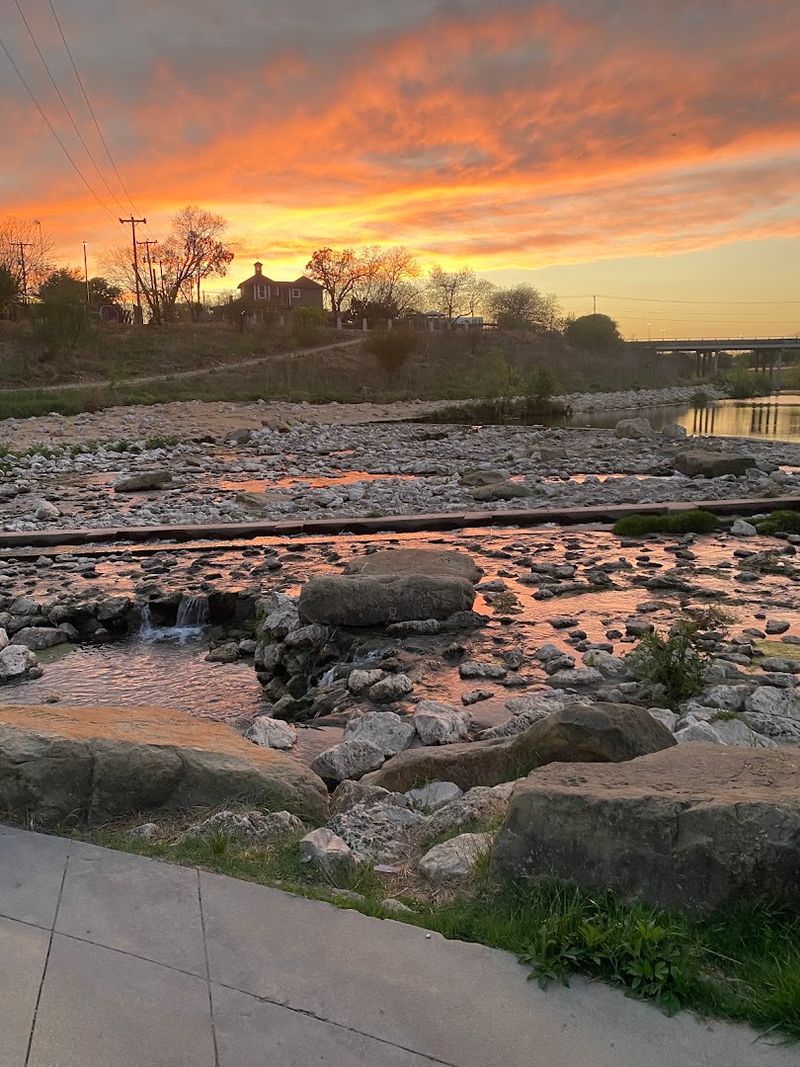
San Antonio’s famous Riverwalk extends far beyond the downtown tourist section, and the Theo Parkway access point reveals a completely different character. Here the path follows the San Antonio River through quieter neighborhoods where locals walk dogs, jog, or simply enjoy the waterside setting. Pavement stays smooth and level, maintained for easy rolling or walking without obstacles.
Shade trees line much of this section, their branches meeting overhead to create natural cooling even during summer heat. The river flows steadily beside the path, its presence both visual and audible as water moves around rocks and under bridges. Ducks paddle in calmer sections, and you might spot herons fishing in the shallows during quieter hours.
Distance flexibility is a major advantage. The trail extends for miles in both directions from the Theo Parkway access, but you can walk as far as you like before turning back. No loop pressure exists—simply stroll until you’re ready to reverse course.
Distance markers help track your progress if you’re building endurance or monitoring how far you typically walk.
The atmosphere differs markedly from downtown’s commercial energy. This section feels residential and relaxed, with occasional street crossings providing the only interruptions to your riverside journey. Cyclists use the path too, but the width accommodates everyone comfortably, and the pace generally stays casual rather than competitive.
Benches appear regularly, often positioned where the river view opens up or shade is particularly good. These aren’t afterthoughts but thoughtfully placed rest spots that enhance the walking experience. You’ll see people pausing to watch the water, read on their phones, or simply sit in pleasant surroundings.
Access to nearby amenities adds practical appeal. Parking at the Theo Parkway trailhead includes accessible spaces, and the surrounding area offers restaurants and shops within short driving distance. This makes it easy to combine your walk with other errands or meet friends for lunch after exercising.
The trail itself stays open year-round, with mild San Antonio winters making it usable even in months when northern trails close.
8. Houston Arboretum & Nature Center (Houston)
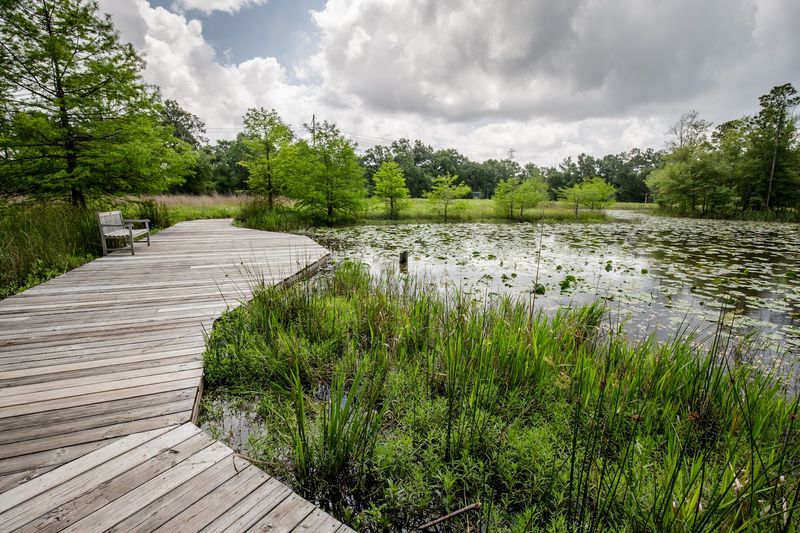
Memorial Park’s nature sanctuary offers five miles of trails through surprisingly diverse habitats, all within Houston city limits. Wooden boardwalks and packed earth paths wind through forest, pond edges, and meadow areas, each section revealing different plants and wildlife. Trail loops of varying lengths let you choose your distance, with the shortest options covering just half a mile while longer routes extend the experience for those wanting more.
What sets this location apart is the genuine wilderness feeling despite the urban setting. Dense forest canopy blocks out surrounding development, and the only sounds you’ll hear are birds, rustling leaves, and perhaps other visitors passing quietly. The arboretum’s commitment to native plants means everything you see belongs here naturally, creating authentic Texas ecosystems rather than landscaped gardens.
Trail surfaces receive regular attention, keeping them clear of major obstacles while maintaining their natural character. Boardwalk sections cross wet areas and protect tree roots, providing stable footing where the ground might otherwise be uneven. These elevated sections also offer interesting perspectives, bringing you eye-level with vegetation you’d normally view from above or below.
The visitor center serves as an excellent starting point, offering trail maps, current wildlife sighting reports, and knowledgeable staff who can answer questions. Clean restrooms and water fountains make this a comfortable destination for longer visits. The center’s exhibits provide context about Houston’s native ecosystems, helping you understand what you’re seeing on the trails.
Wildlife encounters happen frequently enough to feel special without being guaranteed. Turtles sun on logs in the ponds, while squirrels and rabbits are common trail companions. Bird diversity impresses, with woodpeckers drumming on dead trees and songbirds calling from the canopy.
Patient observers sometimes spot less common creatures like armadillos rooting through leaf litter.
Seasonal changes affect both temperature and scenery. Summer’s heat makes early morning or evening walks most comfortable, while spring and fall offer ideal conditions nearly any time of day. Winter remains mild enough for pleasant outings, with the bonus of fewer insects and clearer views through deciduous trees that have dropped their leaves.
9. Johnson Creek Greenbelt (Austin)
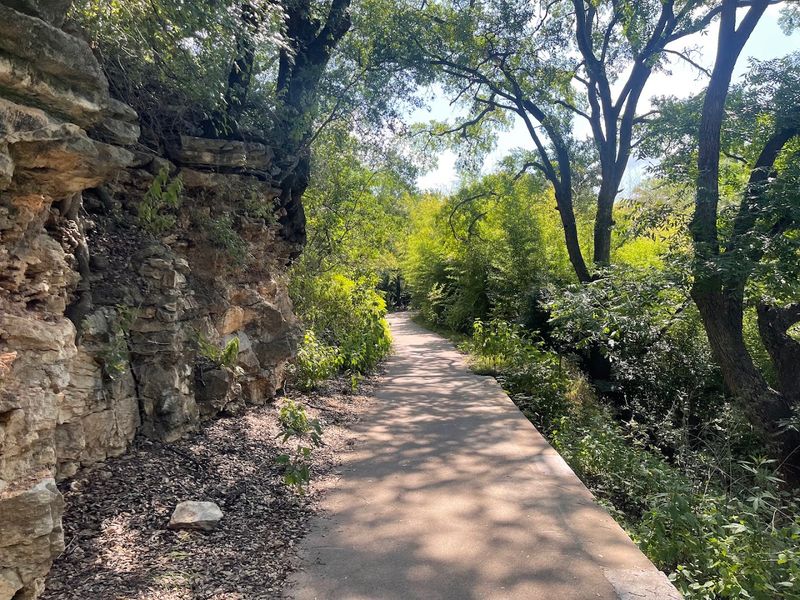
Northwest Austin’s greenbelt preserves a creek corridor that provides both recreation and natural beauty in a rapidly developing area. The trail follows Johnson Creek through neighborhoods, but dense vegetation creates a buffer that makes the walk feel removed from surrounding homes. Pavement covers most of the main path, though connecting trails offer packed dirt alternatives for those preferring natural surfaces.
Creek access points appear regularly, where short spur trails lead down to the water’s edge. These spots are perfect for pausing to watch the current, spot fish in clear pools, or simply enjoy the sound of flowing water. The creek itself varies with rainfall—sometimes a trickle, other times a robust flow—but it rarely goes completely dry even during summer months.
The greenbelt’s linear design means you can start from multiple access points depending on where you’re coming from or how far you want to walk. Each neighborhood entry includes parking, though spaces can fill on pleasant weekend mornings when locals flock to the trail. The most popular section runs about two miles, but shorter out-and-back walks work perfectly fine since the scenery rewards attention in both directions.
Shade coverage varies along the route. Some sections tunnel through heavy tree cover where temperature drops noticeably, while others open to sun exposure where you’ll want a hat during warmer months. This variety actually works well, as you can warm up or cool down by adjusting your position along the trail.
Local residents treat this greenbelt as an extension of their outdoor living space. You’ll see people walking before work, meeting friends for social strolls, or bringing visiting family members to experience Austin’s trail culture. The casual, regular-user vibe makes newcomers feel welcome rather than like tourists in someone else’s space.
Wildlife adapts remarkably well to the semi-urban setting. Squirrels are abundant, rabbits appear during quieter hours, and bird diversity surprises those who pay attention. The creek habitat attracts species you might not see in drier areas, from water-loving plants to the insects and animals that depend on them.
The greenbelt serves as a genuine wildlife corridor, not just a human recreation space.
10. Southern Walnut Creek Trail (Austin)
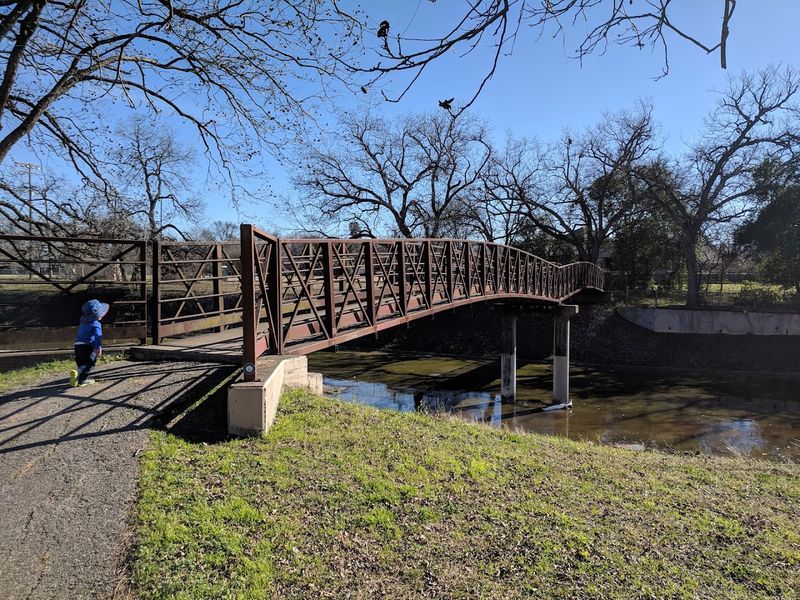
Southeast Austin’s trail gem follows Walnut Creek through a surprisingly natural setting considering its location within city limits. Smooth pavement makes this one of the most accessible options in the area, with the surface quality maintained consistently throughout its length. The trail stays relatively flat, with only gentle grades where it rises to cross side drainages or meet neighborhood access points.
Creek views form the centerpiece of this walk. The path runs close enough to the water that you’ll hear it flowing and can easily spot wildlife along the banks. Limestone outcroppings appear periodically, adding geological interest and creating small cascades when water levels are high.
During drier periods, exposed rocks become sunbathing spots for turtles that slip into the water when walkers approach.
Distance options accommodate different needs and energy levels. The main trail extends several miles, but you don’t need to walk the entire length to enjoy it. Simply go as far as feels comfortable, then turn back—the creek scenery works equally well in both directions.
Some regular users have favorite turnaround points where a particular tree, rock formation, or water view creates a natural destination.
Shade from mature trees keeps temperatures manageable during most of the year. The canopy doesn’t completely block sun, but it filters enough light to prevent the trail from becoming uncomfortably hot even during summer. This makes midday walks feasible when more exposed trails would require early morning or evening timing.
The trail connects to Austin’s broader trail network, but you don’t need to navigate complex systems to enjoy this section. It functions perfectly well as a standalone destination, with clear entry points and straightforward routing. Parking areas include accessible spaces, and the surrounding neighborhoods offer additional amenities within short driving distances.
Regular users appreciate how the trail balances accessibility with natural beauty. You’re not walking through a manicured park but rather alongside a living creek ecosystem. The maintenance keeps the path safe and clear without sanitizing the environment, allowing the creek corridor to function as genuine urban wildlife habitat while providing recreation opportunities for people of all mobility levels.
Share this story