West Texas stretches out like a wrinkled blanket of rust-colored earth, dotted with towns that feel plucked from science fiction. The Big Bend region and surrounding desert landscapes host communities where the sky swallows you whole and the rocks glow colors you didn’t know existed. These remote outposts offer something rare in modern America: true isolation mixed with landscapes so strange they challenge your sense of what Earth should look like.
1. Terlingua
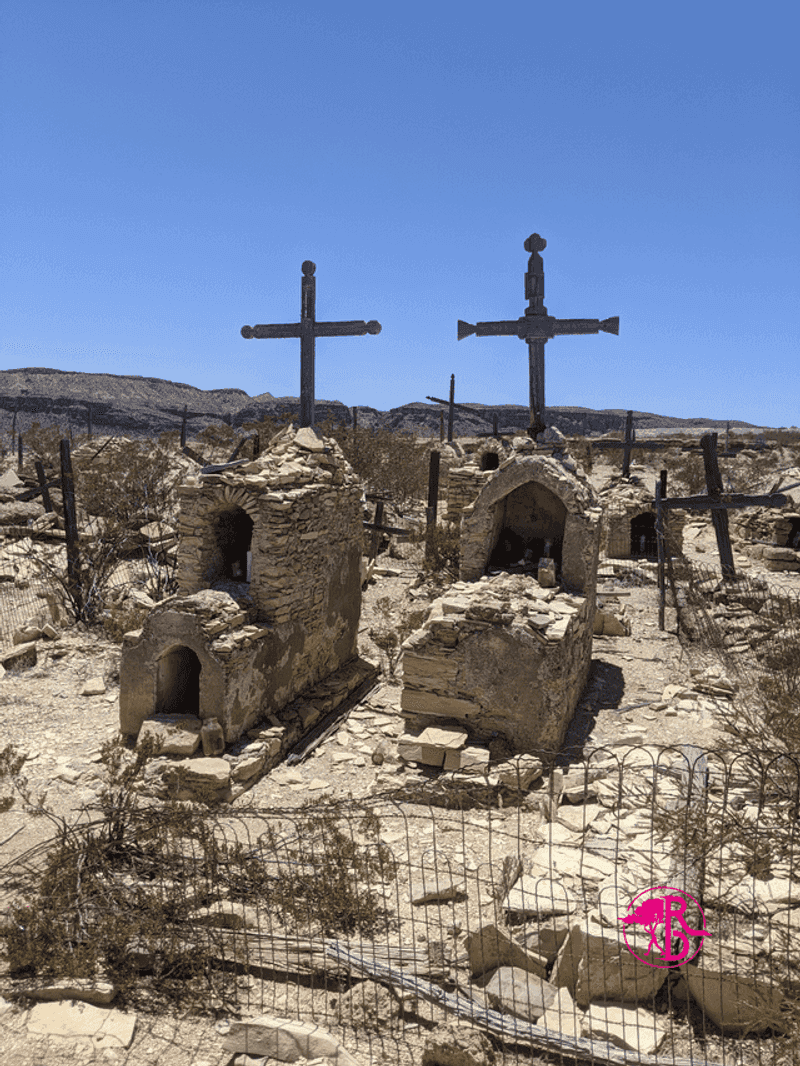
Ghost town vibes meet stargazing paradise in this former mercury mining hub that refuses to stay dead. Crumbling adobe walls stand alongside quirky galleries and a legendary chili cook-off site that draws thousands each November. The population hovers around 60 year-round, but the spirit runs deep among those who’ve chosen this dusty corner as home.
Rusted mining equipment dots the landscape like abstract sculptures, telling stories of boom times that ended decades ago. The Starlight Theatre serves cold beer in a building that’s seen more history than most Texas museums. Local characters include artists, river guides, and folks who simply couldn’t stomach city life anymore.
Nights here deliver darkness so complete you can see the Milky Way’s architecture with naked eyes. The nearby Chisos Mountains rise like purple sentinels against sunsets that paint the sky in shades of tangerine and magenta. This isn’t a place for convenience seekers—the nearest grocery store requires serious planning.
Big Bend National Park sits just down the road, making this an ideal base camp for desert exploration. The Rio Grande carves through canyons within hiking distance, offering slots so narrow you can touch both walls. Summer temperatures regularly crack 100 degrees, but winter brings perfect weather for wandering among the ruins.
Something about the isolation attracts creative souls and adventurers who thrive on solitude. The landscape feels Martian when dust devils dance across the flats during dry season. You’ll either fall completely in love with Terlingua’s weird energy or flee back to air conditioning—there’s rarely middle ground here.
2. Fort Davis
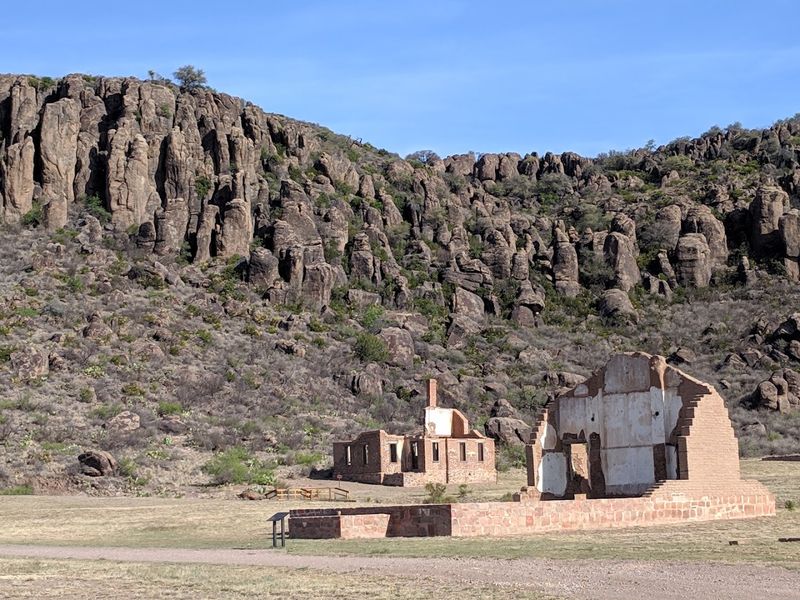
Mountains rise unexpectedly from the desert floor here, creating an oasis that hosted soldiers, astronomers, and now travelers seeking elevation. The town sits at 5,050 feet, delivering cooler temperatures that feel like a gift when the lowlands bake. Victorian homes line quiet streets where speed limits seem almost unnecessary.
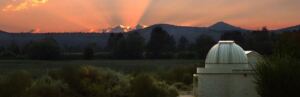
McDonald Observatory crowns nearby Mount Locke, housing some of the most powerful telescopes in North America. Star parties happen regularly, letting visitors peer at galaxies millions of light-years distant. The surrounding Davis Mountains look nothing like typical Texas—think ponderosa pines and rocky peaks instead of cacti and flatlands.
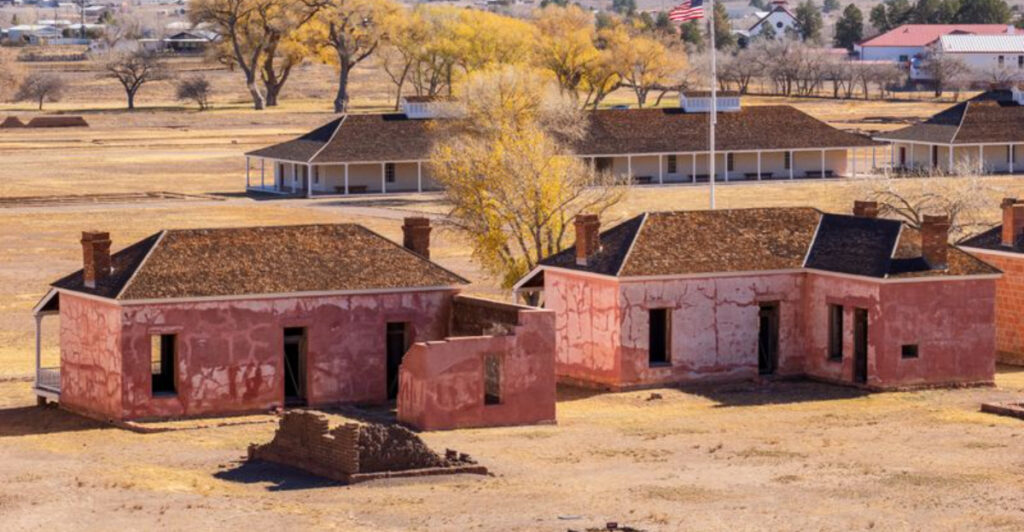
Historic Fort Davis National Historic Site preserves buildings from the frontier military post established in 1854. Costumed interpreters bring history alive during summer months, demonstrating what soldier life entailed on this remote outpost. The fort’s limestone structures glow golden during late afternoon light, creating photo opportunities that don’t require filters.
Downtown offers antique shops, local cafes, and the kind of browsing that requires no agenda. The Indian Lodge inside Davis Mountains State Park provides accommodations built by the Civilian Conservation Corps during the 1930s. Its pueblo-style architecture blends seamlessly with the surrounding landscape.
Hiking trails wind through terrain that shifts from desert scrub to pine forest within miles. Wildlife includes black bears, mountain lions, and the Montezuma quail with its clown-face markings. The climate here differs dramatically from the rest of West Texas—you might need a jacket even in summer once the sun drops.
This town attracts retirees, scientists, and anyone tired of humidity and crowds. The pace moves slow enough to actually notice details like bird calls and cloud formations.
3. Presidio
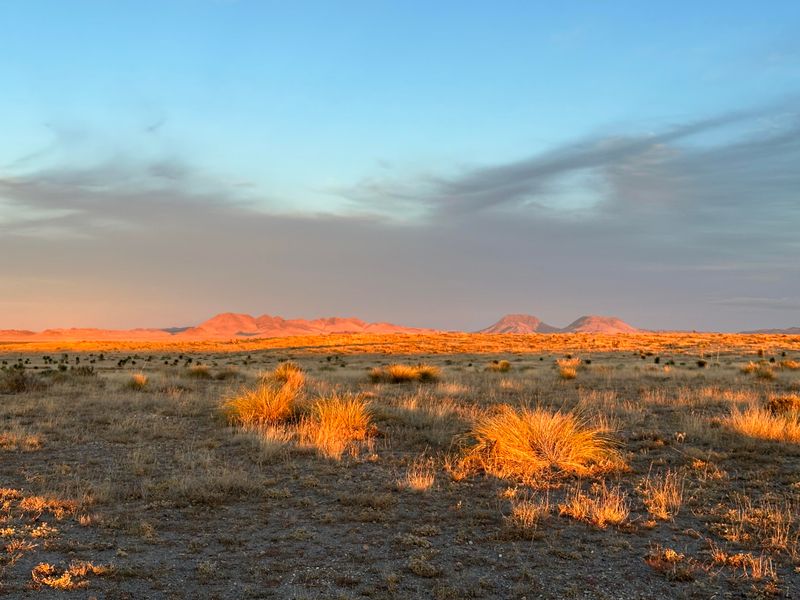
America’s hottest town according to weather records holds that title without apology or air quotes. Summer days routinely exceed 110 degrees, turning the landscape into a shimmering mirage of heat waves and survival. The Rio Grande flows past town, separating Texas from Ojinaga, Mexico, in a border relationship that predates modern politics by centuries.
Population sits around 4,000, with deep roots in both Mexican and American cultures that blend seamlessly. Spanish dominates conversations in local shops where proprietors know their customers by name. The pace here moves at a rhythm dictated by temperature rather than clocks.
Fort Leaton State Historic Site preserves a massive adobe trading post built in 1848, its thick walls offering lessons in desert architecture. The structure stayed cool before electricity existed, using thermal mass and strategic window placement. Walking through its rooms feels like time travel to an era when this region operated as a crossroads for traders and travelers.
Surrounding landscape looks lunar—vast stretches of creosote bush, ocotillo, and dirt in shades ranging from rust to pale tan. The Chinati Mountains rise to the north, their peaks catching light in ways that shift throughout the day. When rare rains arrive, the desert explodes with wildflowers that seem impossible given the harsh conditions.
Local agriculture thrives despite the heat, with onions growing particularly sweet in the mineral-rich soil. The nearby Chinati Hot Springs offers soaking pools that bubble up naturally from underground. Border crossings here feel relaxed compared to major checkpoints, though all standard rules apply.
Living here requires acceptance of extreme conditions and distance from typical amenities. The nearest major city sits hours away across empty highways. Yet something about the isolation and heat creates a community bond that’s hard to find elsewhere.
4. Marfa
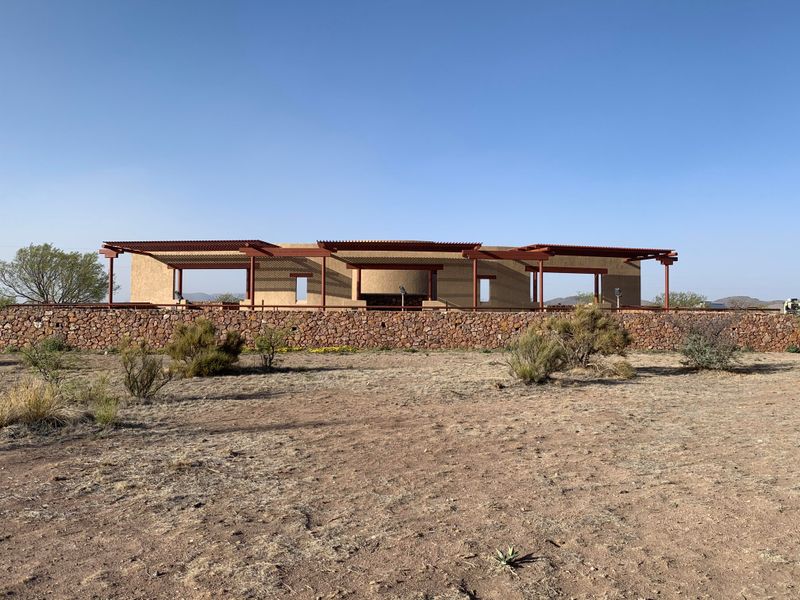
Art world darlings and ranchers coexist in this high-desert town that’s become synonymous with cool minimalism. Donald Judd arrived in the 1970s and transformed abandoned military buildings into permanent art installations that draw international visitors. The population barely tops 1,700, yet the cultural influence punches way above that weight class.
Gallery openings happen alongside cattle auctions in a juxtaposition that defines the local character. The Chinati Foundation sprawls across hundreds of acres, displaying large-scale works that interact with the landscape and light. Viewing Judd’s concrete boxes arranged in former artillery sheds creates an almost religious experience for art enthusiasts.
Downtown features boutique hotels, upscale restaurants, and shops selling goods that wouldn’t look out of place in Brooklyn or Los Angeles. Yet drive five minutes in any direction and you’re back in classic ranch country where pickup trucks outnumber sedans ten to one. This cultural collision creates friction and fascination in equal measure.
The mysterious Marfa Lights phenomenon has puzzled observers since the 1880s—unexplained glowing orbs that appear on the horizon at night. A designated viewing area lets you watch for them, though explanations range from atmospheric reflections to car headlights to something more supernatural. Seeing them yourself becomes a sort of pilgrimage.
Prada Marfa sits 37 miles northwest, a permanent sculpture resembling a luxury boutique standing alone in the desert. It’s never been open for business, existing purely as art commentary on consumerism and isolation. The installation has become one of Texas’s most photographed roadside attractions.
Weather here swings wildly between seasons—brutal cold in winter, pleasant springs, scorching summers, and crisp autumns. The landscape feels vast and empty, with horizons stretching so far you can watch weather systems approach for hours. Either you’ll find Marfa pretentious or transcendent, rarely anything between those extremes.
5. Balmorhea
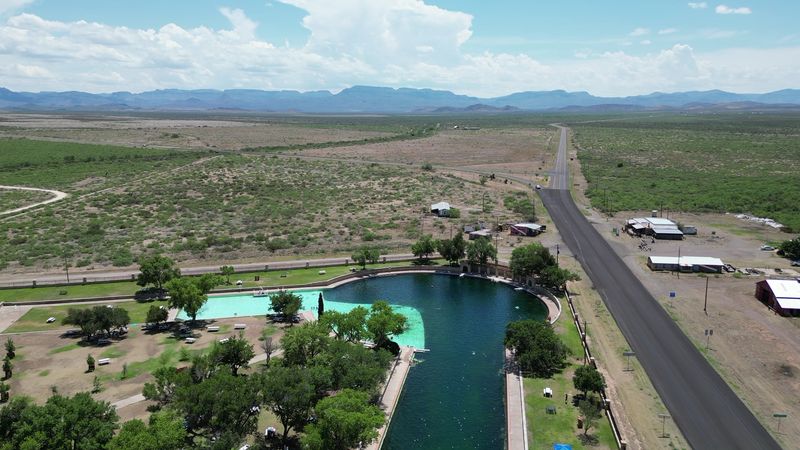
A natural spring gushes 15 million gallons daily, creating an oasis that feels impossible in this arid landscape. Balmorhea State Park centers on a massive swimming pool fed by San Solomon Springs, where water stays a constant 72-76 degrees year-round. The pool stretches 1.75 acres, large enough that scuba divers use it for certification courses.
Water clarity rivals the Caribbean—you can see every detail of the bottom from the surface. Native fish species including the endangered Comanche Springs pupfish dart through underwater grasses. Snorkeling here reveals an ecosystem that’s survived since the last ice age, adapted to these specific spring conditions.
The town itself barely registers as a blip, with population under 500 and services limited to basics. Most visitors come solely for the springs, spending days floating in water that feels like a cool embrace against the desert heat. The Civilian Conservation Corps built the pool and surrounding facilities during the 1930s using native stone and timeless design.
Surrounding landscape offers nothing but scrub brush and distant mountains, making the springs feel even more miraculous. Camping facilities let you stay overnight, waking to sunrise over water so still it mirrors the sky perfectly. Early morning visits before crowds arrive offer the most peaceful experience.
Local legend says the springs were sacred to indigenous peoples who recognized their life-giving power. Modern visitors develop similar reverence after experiencing the contrast between the pool’s lushness and the surrounding desert’s harshness. The water supports endangered species found nowhere else on Earth.
Summer weekends draw crowds from across Texas, but weekdays remain relatively quiet. The park limits daily visitors to protect the delicate ecosystem. Floating here while staring at endless blue sky creates a meditative state that’s hard to replicate elsewhere in Texas.
6. Van Horn
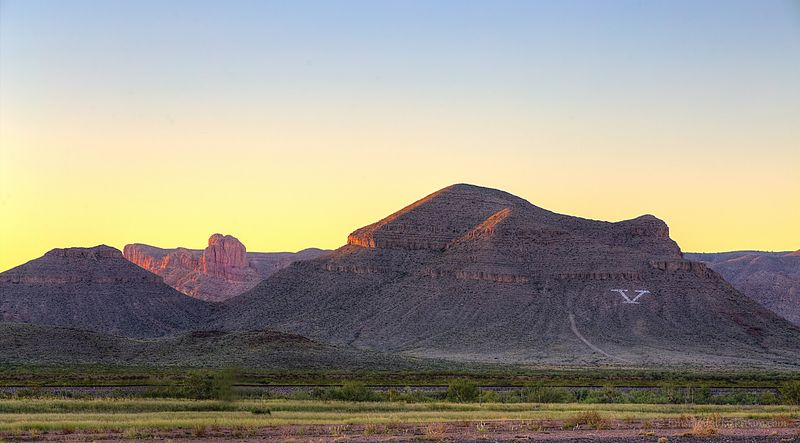
Interstate 10 slices through town, making this a natural stopping point between El Paso and everywhere else. The population hovers around 2,000, with most businesses catering to travelers needing gas, food, or a bed. Yet something about the location—surrounded by three mountain ranges with nothing but space between them—gives the place an otherworldly quality.
Mountains rise in every direction: the Apaches to the south, the Van Horns to the west, and the Sierra Diablos to the north. Each range displays different geology and colors that shift with the sun’s angle. Early morning light turns them purple and pink, while midday bleaches them almost white.
The town serves as gateway to Guadalupe Mountains National Park, about 65 miles east. Most people treat Van Horn as a pit stop, but staying overnight reveals a quieter side once the highway traffic fades. Stars emerge so bright they cast shadows, and the silence feels almost physical.
Clark Hotel downtown dates to 1901 and still operates, offering glimpses of frontier-era hospitality. Local restaurants serve standard road food, nothing fancy, but the portions satisfy travelers who’ve been driving for hours. A few antique shops and historical markers provide mild diversion for those with time to kill.
Summers here punish anyone without air conditioning, with temperatures regularly hitting triple digits. Winters bring surprising cold and occasional snow that transforms the desert landscape. Spring wildflowers carpet the valleys when rainfall cooperates, painting the normally brown earth in yellows and purples.
Blue Origin’s Launch Site One sits nearby, where Jeff Bezos’s space company tests rockets and launches paying customers toward the edge of space. Seeing a rocket rise from the desert adds to the area’s alien atmosphere. The contrast between cutting-edge space technology and this humble highway town creates cognitive dissonance that somehow fits the West Texas vibe.
7. Marathon
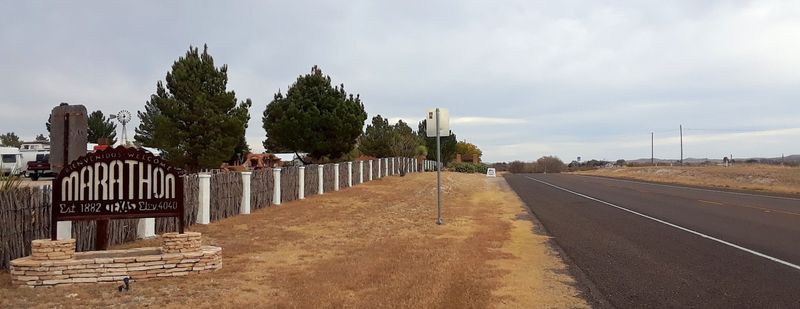
Ranching built this town, and ranching still defines it despite the trickle of tourists discovering its charms. The Gage Hotel anchors downtown, a restored 1927 property that offers luxury in a setting where cattle outnumber people dramatically. Population stays under 500, ensuring you’ll recognize the same faces after a day or two.
Big Bend National Park’s north entrance sits just 40 miles south, making Marathon a logical base camp for park exploration. The town offers better dining and lodging options than anything inside the park boundaries. Post Park Road 4, a scenic drive connecting Marathon to the park, delivers landscapes that look computer-generated in their starkness.
The Marathon Basin surrounds town, a vast depression rimmed by distant mountains that create a sense of being in a giant bowl. Geologists love this area for exposed rock layers that tell millions of years of Earth’s history. Volcanic dikes rise like walls from the flatlands, leftover from ancient eruptions.
Local artists have established galleries showcasing work inspired by the harsh beauty surrounding them. The community supports a surprising cultural scene given its tiny size. Eve’s Garden offers upscale dining in an adobe building that stays cool through thermal mass rather than excessive air conditioning.
Marathon hosts an annual ultramarathon that attracts masochistic runners who enjoy suffering through desert heat. The race route winds through scenery so spectacular it almost distracts from the physical punishment. Locals turn out to support runners with enthusiasm that reveals the town’s generous spirit.
Living here means accepting isolation and limited services as tradeoffs for space and silence. The nearest Walmart sits over an hour away. Yet residents seem content with this arrangement, having chosen landscape and community over convenience.
Sunrises here paint the surrounding mountains in colors that photographs never quite capture accurately, requiring direct observation to fully appreciate.
8. Alpine
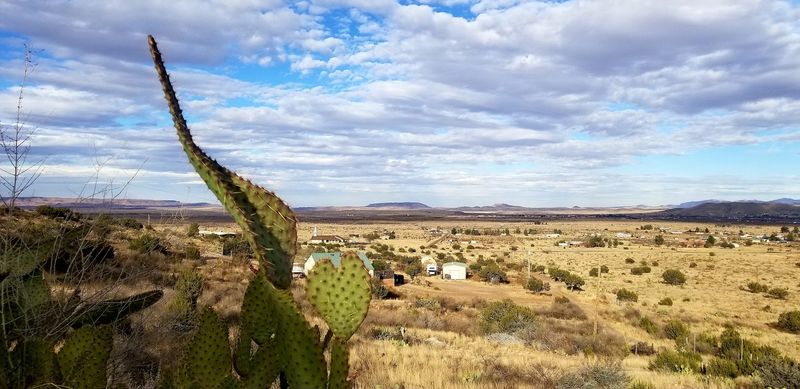
Sul Ross State University gives this town of 6,000 an energy lacking in similar-sized West Texas communities. Students bring youth and activity to streets that might otherwise feel sleepy. The university’s location at 4,500 feet elevation provides relief from lowland heat and supports an academic atmosphere focused on ranching, education, and regional studies.
Downtown Alpine features actual traffic lights and multiple blocks of businesses—luxuries in this part of Texas. Art galleries, brewpubs, and restaurants cater to both locals and the steady stream of Big Bend visitors passing through. The Museum of the Big Bend on campus houses collections covering regional history, art, and natural science.
Mountains surround the town on all sides, with the Davis Mountains to the north offering hiking and scenic drives. The landscape shifts between grasslands, desert scrub, and rocky peaks depending on elevation. Pronghorn antelope graze in valleys visible from town, their tan bodies blending with the earth.
Railroad history runs deep here—the town grew as a water stop for steam locomotives crossing the desert. The historic Antlers Hotel and other buildings downtown preserve architecture from that era. Murals painted on building walls depict scenes from local history and wildlife.
Alpine serves as the retail and medical hub for a vast surrounding area where ranches sprawl across thousands of acres. Locals drive here from an hour away for shopping that city dwellers take for granted. This regional importance gives the town a stability and permanence lacking in pure tourist destinations.
The annual Cowboy Poetry Gathering celebrates ranching culture through verse and music that’s simultaneously corny and genuinely moving. Performers share work that captures the isolation, beauty, and hardship of desert ranching life. Sul Ross’s rodeo team competes nationally, keeping cowboy traditions alive among the college crowd.
Weather here offers four distinct seasons, with winter cold enough for occasional snow and summer hot but bearable compared to lower elevations. The combination of university culture and ranching heritage creates an interesting demographic mix rarely found in rural America.
9. Lajitas
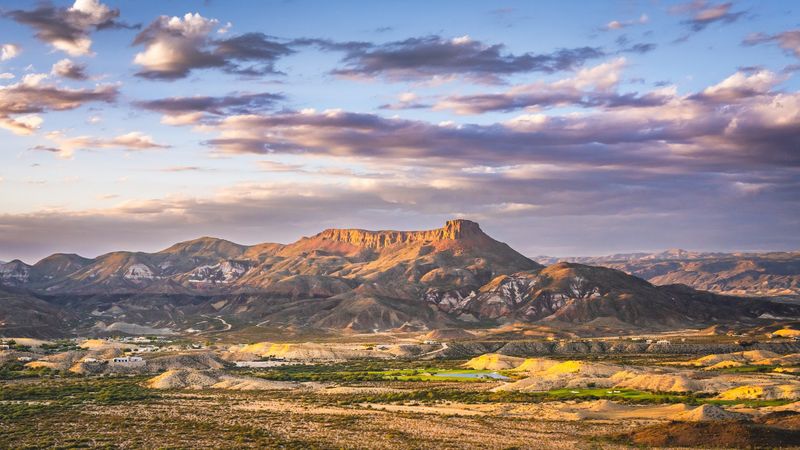
A beer-drinking goat once served as mayor here, which tells you most of what you need to know about the town’s quirky character. Lajitas Golf Resort dominates the landscape, offering upscale accommodations and an 18-hole course carved from Chihuahuan Desert terrain. The resort’s existence in such a remote location feels like someone’s fever dream made real.
The Rio Grande flows past town, marking the border with Mexico in a stretch where the river runs shallow and calm. Canoe and raft trips launch from here, floating through canyons where civilization disappears completely. Cross-border smuggling has deep roots in this area, though modern times have brought increased security.
Old Lajitas preserves buildings from the settlement’s trading post days, including structures that housed cavalry troops stationed here. The contrast between historic adobe ruins and the modern resort creates jarring transitions. You can literally walk from a luxury spa to a crumbling frontier outpost in five minutes.
Desert surrounding the resort stretches in all directions, broken only by distant mountains and the green ribbon of the Rio Grande. Wildlife includes javelinas, roadrunners, and occasional mountain lions that wander down from the high country. Sunrise turns the landscape shades of pink and orange that seem too vivid to be natural.
The golf course qualifies as possibly the most remote in Texas, requiring serious commitment to reach. Playing here means dealing with extreme heat, high winds, and balls that roll forever on hardpan fairways. Yet the scenery makes every frustrating shot worthwhile.
Lajitas sits at the western entrance to Big Bend Ranch State Park, Texas’s largest state park covering over 300,000 acres. The park offers backcountry hiking and camping for those seeking solitude beyond what even Big Bend National Park provides. Few visitors make it this far west, leaving vast landscapes nearly empty.
The town’s isolation and quirky history attract people who find humor in absurdity. That a goat mayor seems perfectly reasonable here says everything about West Texas’s relationship with convention.
10. Study Butte
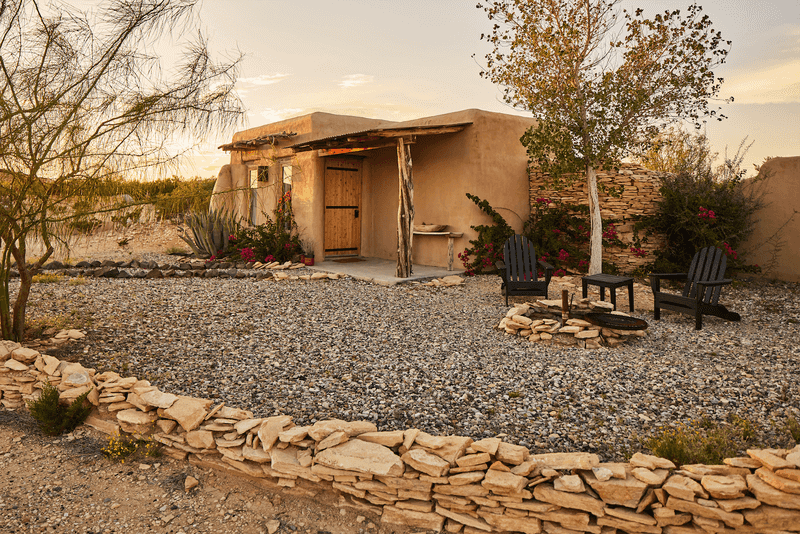
Cinnabar mining put this place on the map, and the abandoned processing plant still stands as a rusting monument to boom-and-bust economics. The town name rhymes with “buddy,” not “butte,” which trips up most first-time visitors. Population barely reaches 100, with most residents serving tourists heading to nearby Big Bend National Park.
The old mining structures create an apocalyptic landscape where metal buildings slowly surrender to desert conditions. Rusted equipment, collapsing walls, and scattered debris tell stories of workers who extracted mercury ore under brutal conditions. Photographers love the textures and colors of decay against blue sky and brown earth.
Study Butte sits just three miles from the park’s western entrance, making it a convenient if spartan base camp. Lodging options range from basic motels to RV parks, with amenities matching the remote location. Gas stations here charge premium prices reflecting the distance from suppliers.
Terlingua Ghost Town lies next door, and the two communities blur together in ways that confuse even locals. Study Butte offers slightly more services and newer construction. The Starlight Theatre technically sits in Terlingua but serves as the social center for both places.
Hiking trails wind through hills surrounding town, passing through desert vegetation that looks dead until you examine it closely. Ocotillo, lechuguilla, and creosote bush all employ survival strategies for extreme aridity. Spring rains trigger blooming periods when the landscape briefly explodes with color.
Living here means accepting dust, heat, and isolation as daily realities. Residents develop a specific personality type—independent, resourceful, and comfortable with solitude. The nearest grocery store requires planning, and Amazon deliveries take their sweet time reaching this corner of Texas.
Big Bend’s proximity makes Study Butte valuable despite its rough edges. Watching the Chisos Mountains glow during sunset from town rivals any view inside the park itself. The sense of existing at civilization’s edge attracts people who’ve grown tired of suburbs, traffic, and neighbors who live too close.
Share this story