Tennessee is packed with natural beauty that rivals destinations anywhere in the country, and the best part is you don’t need to spend hours in the car to experience it. From cascading waterfalls to mountain overlooks, the state offers stunning scenery that’s surprisingly accessible for visitors of all ages and fitness levels.
Whether you’re planning a quick afternoon escape or a leisurely weekend adventure, these easily reachable spots prove that incredible views are closer than you think.
1. Cummins Falls State Park – Cookeville
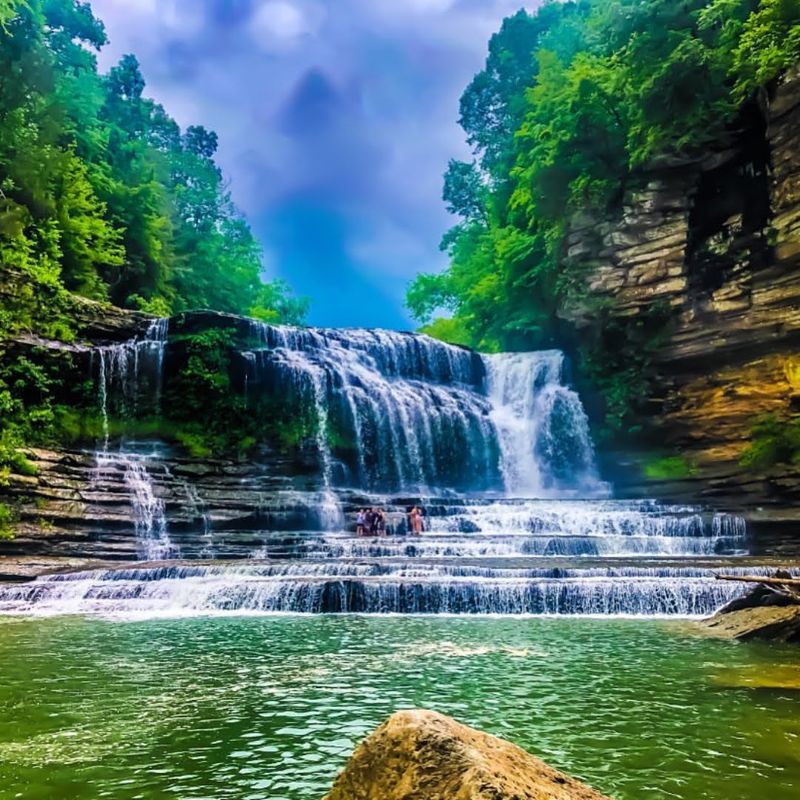
Just off Interstate 40 near Cookeville, Cummins Falls rewards visitors with one of Tennessee’s most photogenic waterfalls after a moderate hike that feels more like an adventure than a workout. The 75-foot cascade tumbles over layered rock formations into a deep swimming hole that becomes a natural gathering spot during warm months.
Families wade in the shallows while more adventurous swimmers dive from boulders worn smooth by centuries of flowing water.
The trail to the falls stretches about 1.5 miles roundtrip, winding through hardwood forests and crossing the Blackburn Fork State Scenic River multiple times. You’ll get your feet wet even before reaching the main attraction, which adds to the experience rather than detracting from it.
Park rangers recommend wearing water shoes with good grip since the rocks can be slippery.
What makes this spot special is how the gorge walls create a natural amphitheater around the falls, amplifying the sound of rushing water and creating pockets of cool air even on hot summer days. Sunlight filters through the tree canopy at different angles throughout the day, constantly changing the way the water sparkles.
Early morning visits offer the best lighting for photos and smaller crowds.
The park implemented a reservation system during peak season to protect the natural environment, so planning ahead is essential for summer weekends. Off-season visits bring different rewards, including fall colors reflected in the pools and ice formations clinging to the rocks in winter.
Spring runoff makes the falls most dramatic but also more dangerous for swimming.
2. Burgess Falls State Park – Sparta
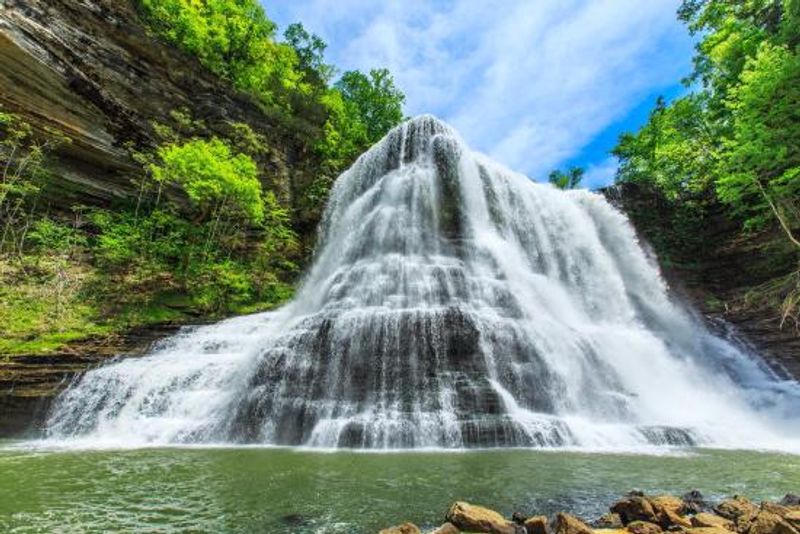
Hidden between Nashville and Knoxville, Burgess Falls delivers four distinct waterfalls along a single paved trail that makes spectacular views accessible to almost everyone. The final cascade drops 136 feet into a narrow gorge, creating a thunderous display of water power that you can hear long before the overlook comes into view.
Mist rises from the plunge pool below, catching sunlight and creating rainbows on clear afternoons.
The main trail follows the Falling Water River downstream for just under a mile, passing three smaller falls before reaching the grand finale. Each waterfall has its own character, from gentle cascades perfect for photographs to more powerful drops that showcase the river’s erosive force.
Benches positioned at strategic viewpoints let you pause and soak in the scenery without rushing.
What sets Burgess Falls apart is how the geology creates such dramatic drops in a relatively short distance. The river descends more than 250 feet through layered limestone and shale, carving deep pools and creating natural sculptures in the rock.
Observation platforms built into the cliffsides provide safe viewing angles that highlight the scale of the main falls.
Spring brings the highest water volume and most impressive displays, though the falls run year-round thanks to the river’s substantial watershed. Autumn transforms the surrounding forest into a tapestry of reds and golds that frame the white water beautifully.
Winter visits can reveal ice formations clinging to the gorge walls, adding another dimension to the landscape.
3. Rock Island State Park – Rock Island
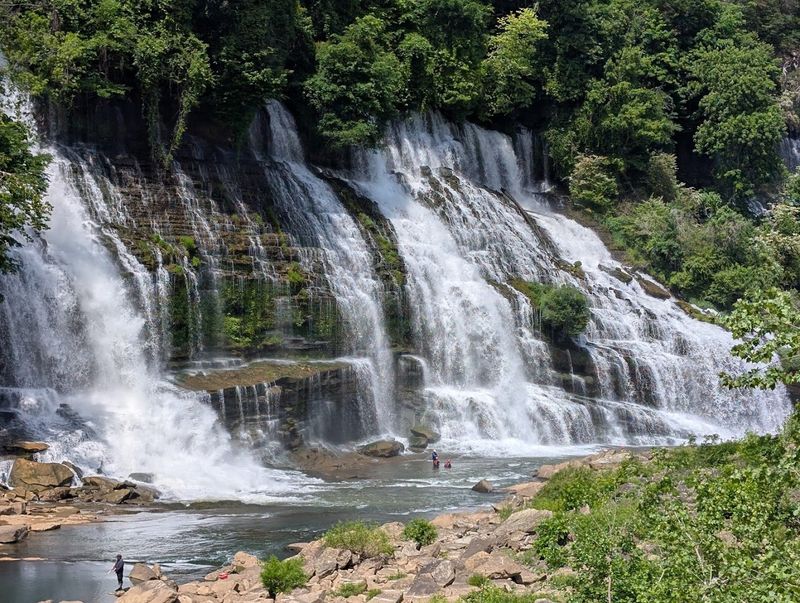
Where the Caney Fork, Collins, and Rocky rivers converge, Rock Island State Park showcases the raw power of water meeting ancient bedrock. The Great Falls area features dramatic spillways and natural cascades that have shaped this landscape for millennia, creating swimming holes, cliff diving spots, and scenic overlooks all within easy walking distance of parking areas.
History and nature intertwine here, with remnants of old mills and dams telling stories of industrial ambition.
Twin Falls serves as the park’s signature feature, where two channels of water plunge side by side into a deep pool popular with experienced swimmers and cliff jumpers. The surrounding rock formations create natural amphitheater seating for spectators who prefer to keep their feet dry.
Water levels fluctuate based on dam releases upstream, so the scene changes from visit to visit.
Multiple trail options let you customize your experience based on time and energy levels. Some overlooks require only a short walk from the parking area, while longer loops explore the river gorges and offer solitude away from the main attractions.
The geology here is particularly fascinating, with water-carved potholes and smooth rock faces that reveal millions of years of erosion.
Summer weekends draw crowds of locals who know this as one of Middle Tennessee’s best swimming spots, but weekday visits or early mornings provide more peaceful experiences. The park’s developed areas include picnic facilities and restrooms, making it family-friendly while still maintaining a wild character.
Fall and spring offer comfortable temperatures for hiking without the summer crowds.
4. Fall Creek Falls State Park – Spencer
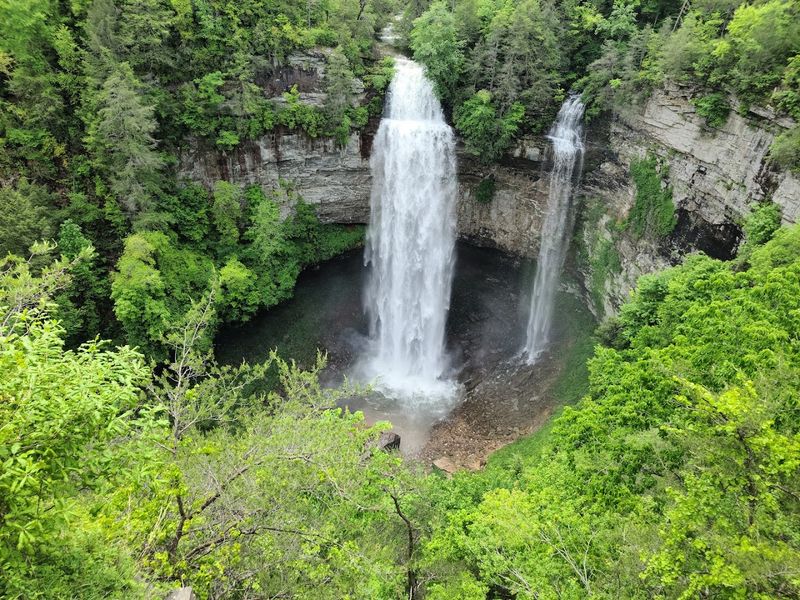
Claiming the title of highest waterfall east of the Rocky Mountains, Fall Creek Falls drops 256 feet into a misty gorge that feels worlds away from civilization despite being less than two hours from Nashville or Chattanooga. The main overlook provides an unobstructed view of the entire cascade from a sturdy platform that juts out over the gorge, letting you feel the power of the falls without making a difficult hike.
Spray from the plunge pool below drifts up even to the viewing area on windy days.
This park actually contains five major waterfalls, each with its own trail and character, but Fall Creek Falls itself justifies the trip alone. The sheer drop creates a curtain of water that catches light differently throughout the day, appearing almost ethereal in morning fog and brilliant white against dark rock in afternoon sun.
Photographers return repeatedly trying to capture the perfect shot as conditions constantly change.
Beyond the waterfalls, the park encompasses over 26,000 acres of Cumberland Plateau wilderness with gorges, caves, and rock formations that reward exploration. Paved paths lead to several overlooks, making the most dramatic views accessible to visitors using wheelchairs or strollers.
More adventurous trails descend into the gorges, offering different perspectives on the waterfalls from below.
The park’s size means you can find solitude even during busy weekends by venturing to less-visited waterfalls or exploring the backcountry trails. Spring wildflowers blanket the forest floor, while autumn colors create stunning contrasts with the white water.
A nature center and inn provide amenities without detracting from the wild character.
5. Lookout Mountain – Chattanooga
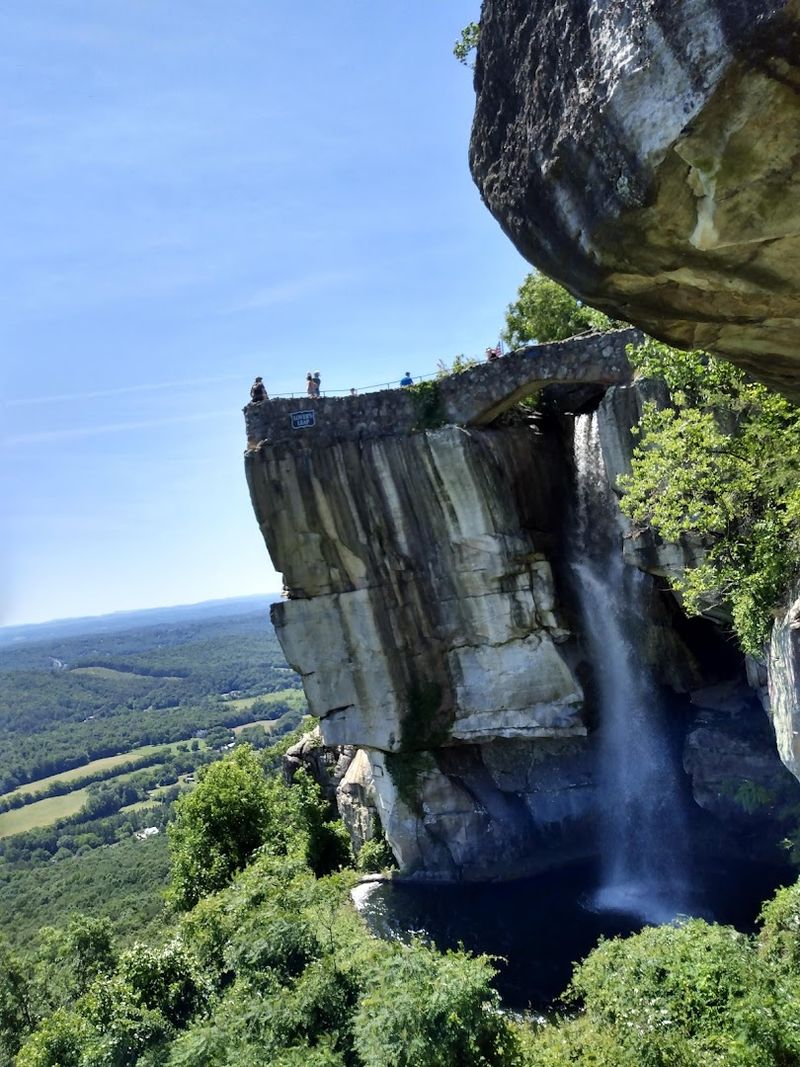
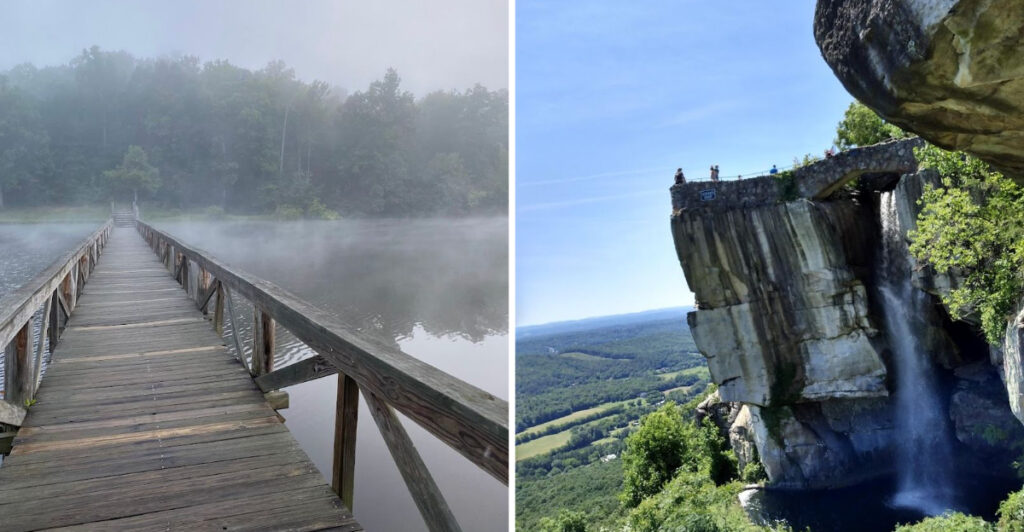
Rising dramatically above Chattanooga, Lookout Mountain offers the rare opportunity to see seven states from a single vantage point without breaking a sweat. Rock City’s famous overlook sits at the mountain’s peak, where massive rock formations create natural viewing platforms that have attracted visitors for generations.
The mountain’s strategic location at a bend in the Tennessee River creates panoramic views that stretch for miles in every direction.
Getting to the top requires nothing more strenuous than a short walk from parking areas, making these world-class views accessible to everyone. The Incline Railway provides an alternative approach, climbing the steep mountainside at angles that seem impossible while offering changing perspectives on the valley below.
Both routes deliver you to elevations where the air feels cooler and the city noise fades away.
Point Park preserves Civil War history alongside natural beauty, with monuments and cannons positioned at overlooks where soldiers once fought for control of this strategic height. The views help explain why armies battled so fiercely for this ground, as controlling the mountain meant controlling the valley and river below.
Interpretive signs tell these stories without overwhelming the natural setting.
Sunset transforms the valley into a canvas of changing colors as city lights begin to twinkle below, creating a different kind of spectacular view. The mountain’s elevation moderates summer heat, making it a popular escape when valley temperatures soar.
Multiple attractions cluster near the summit, but the views themselves remain the main draw, proving that sometimes the simplest experiences are the most memorable.
6. Roan Mountain State Park – Roan Mountain
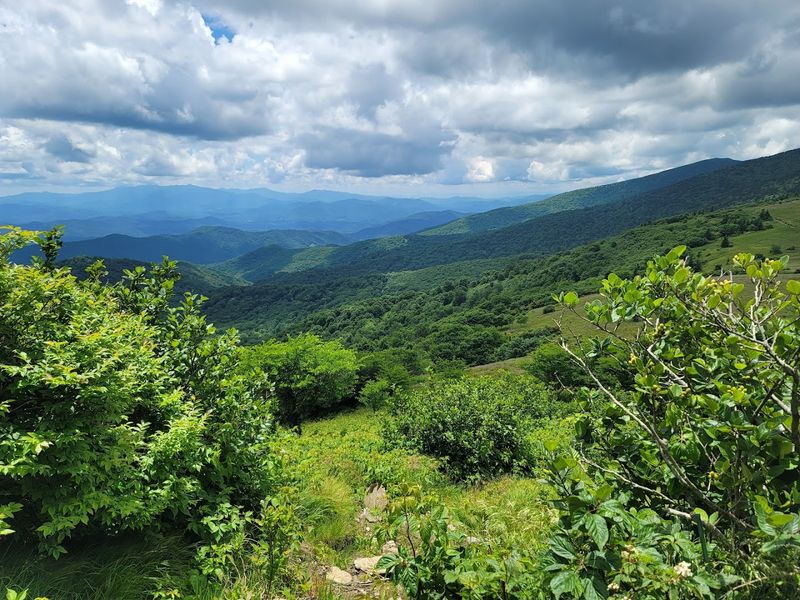
Straddling the Tennessee-North Carolina border, Roan Mountain reaches elevations where Southern hardwood forests give way to grassy balds and heath gardens that create an almost alpine atmosphere. The famous rhododendron gardens bloom in mid-June, covering entire mountainsides with pink and purple flowers that attract visitors from across the country.
Even without blooms, the open balds provide 360-degree views that rival anything in the Appalachians.
A paved road climbs most of the way up the mountain, delivering visitors to parking areas where short trails lead to the best viewpoints. The balds themselves feel like natural observation decks, with nothing blocking the views in any direction and grasses that ripple in the wind like ocean waves.
On clear days, the panorama includes layers of mountain ridges fading into blue distance.
The park’s lower elevations feature traditional forest hiking trails and a developed campground, but the real magic happens up high where the environment changes dramatically. Temperature drops noticeably as you climb, and weather can shift quickly, adding an element of mountain adventure without requiring technical skills.
The open terrain makes this one of the few places in Tennessee where you can experience true alpine-style hiking.
Beyond rhododendron season, autumn brings spectacular color changes as the balds transform into gold and rust tones. Winter occasionally dusts the summit with snow, creating scenes more reminiscent of New England than the South.
The mountain’s height captures weather systems moving through, so fog and clouds add drama to the views, sometimes limiting visibility but creating their own haunting beauty.
7. Frozen Head State Park – Wartburg
Tucked into the Cumberland Mountains west of Knoxville, Frozen Head State Park takes its name from the mountain peak that often sports a white cap of ice and snow while surrounding valleys remain green. The park protects some of Tennessee’s most rugged wilderness, with trails climbing through old-growth forests to overlooks that reveal the true scale of the Cumberland Plateau.
Getting to the views requires more effort here than at some parks, but the rewards match the investment.
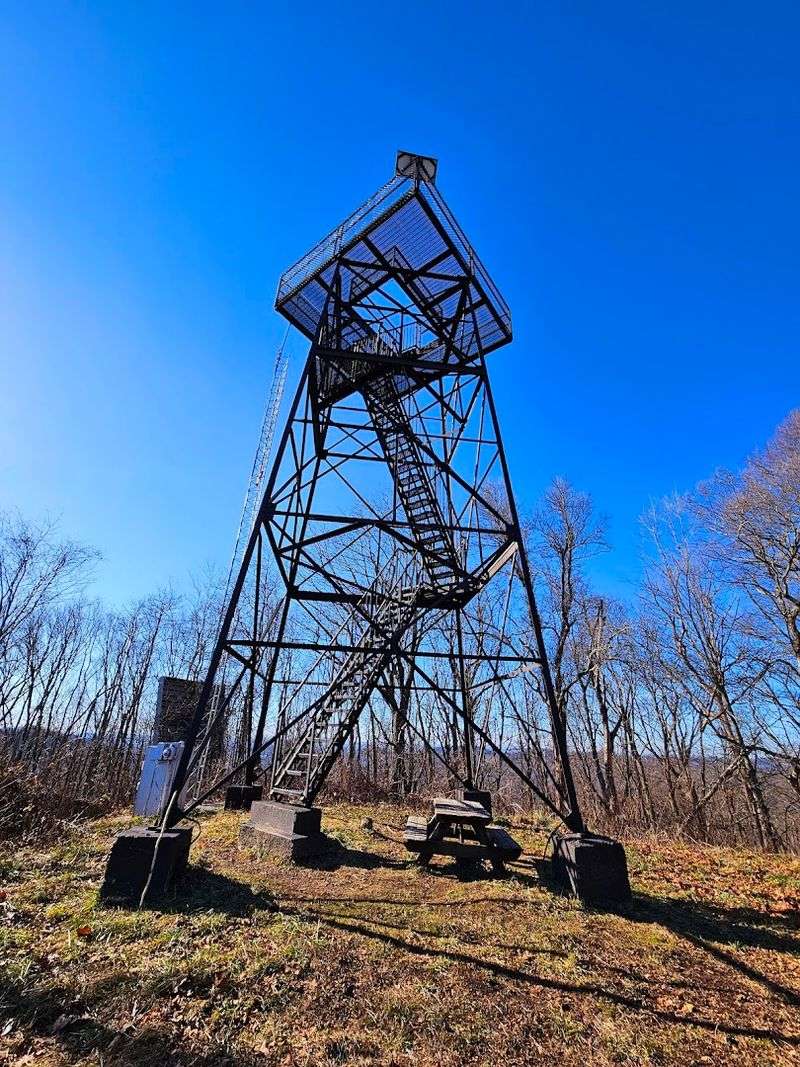
The Lookout Tower Trail climbs steadily for about 3.5 miles to a fire tower that extends views in every direction above the tree canopy. From this vantage point, ridges march toward the horizon in waves of blue and green, demonstrating why early settlers found these mountains so daunting.
The tower itself adds extra elevation, making you feel suspended above the forest canopy.
Multiple trail options let you choose your adventure, from gentle nature walks along streams to challenging climbs that test your endurance. Waterfalls hide in the hollows, and rock formations create natural sculptures throughout the park.
The relative obscurity of Frozen Head means you’ll likely share the trails with only a few other hikers even on nice weekends.
Spring brings wildflowers and rushing water, while fall transforms the hardwood forests into a spectacular display that peaks later here than at lower elevations. The park’s name proves accurate in winter when the highest peaks regularly collect snow and ice.
Summer offers the most reliable hiking conditions, though afternoon thunderstorms can roll through quickly in the mountains.
8. Big Ridge State Park – Maynardville
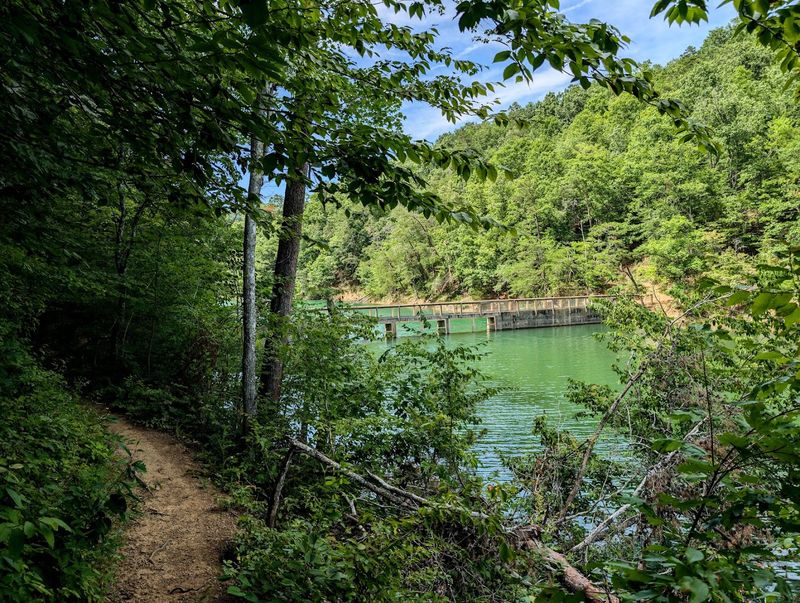
Northeast of Knoxville, Big Ridge State Park wraps around a peninsula jutting into Norris Lake, creating a landscape where water views appear around every bend in the trail. The ridges here aren’t particularly high, but they provide excellent vantage points over the lake’s many coves and inlets.
Tree-covered slopes descend to the water’s edge, and the lake itself reflects sky and forest like a giant mirror.
Several overlooks require only short walks from parking areas or the campground, making this an ideal spot for families with young children or anyone seeking beautiful scenery without strenuous hiking. The lake was created in the 1930s by the Tennessee Valley Authority, and the resulting reservoir drowned valleys to create a shoreline measured in hundreds of miles.
Big Ridge captures some of the prettiest sections of this shoreline.
Trail systems wind through forests of oak, hickory, and pine, occasionally opening onto ridge-top clearings where the lake spreads out below. The water’s blue contrasts beautifully with green forests in summer and provides a stunning backdrop for fall colors.
Spring brings dogwoods and redbuds that add white and pink accents to the landscape.
The park’s relatively low elevation means comfortable hiking conditions for much of the year, and the lake moderates temperature extremes. Swimming beaches and boat launches add recreational options beyond hiking, though the views alone justify a visit.
Early morning often brings fog that hovers over the water, creating mysterious scenes as it burns off with sunrise. Sunset views across the lake rank among East Tennessee’s finest.
9. Paris Landing State Park – Buchanan
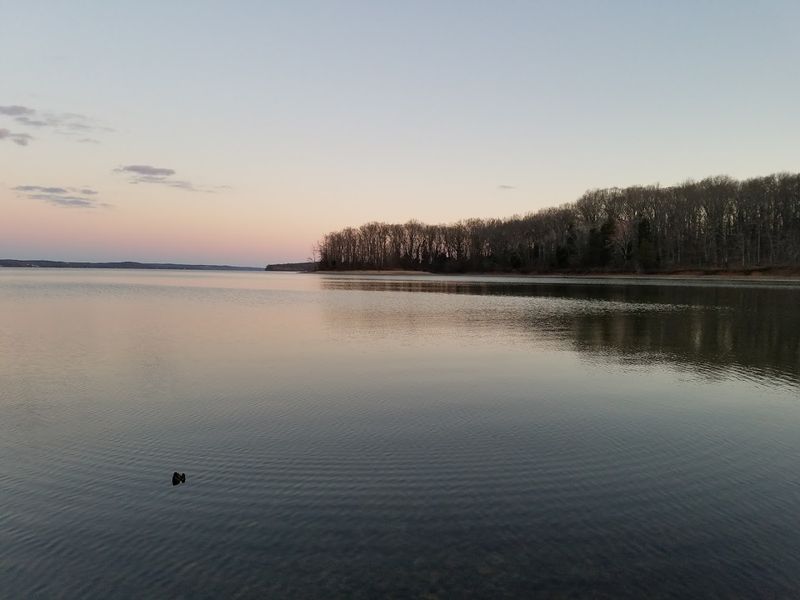
On the western shore of Kentucky Lake, Paris Landing State Park offers something different from Tennessee’s mountain parks: vast water views that stretch to distant horizons. Kentucky Lake ranks as one of the largest man-made lakes in the eastern United States, and from Paris Landing’s shoreline overlooks, the water seems to extend forever.
Sunsets here paint the sky and water in colors that change by the minute.
The park’s location in West Tennessee means different geography than the state’s more famous eastern regions, with gentler topography and wider skies. Overlooks along the shoreline require minimal walking, making spectacular lake views accessible to everyone.
The scale of the water creates a sense of openness that feels almost oceanic, especially when waves kick up on windy days.
A golf course and inn provide developed amenities, but natural areas preserve the shoreline’s character with forests coming right down to the water’s edge. Trails wind through these woods, occasionally opening onto small beaches or rocky points that offer different perspectives on the lake.
Birdwatching can be excellent here, particularly during migration seasons when waterfowl use the lake as a rest stop.
The lake’s size means weather patterns play across the water in visible ways, with storms approaching from miles away and creating dramatic skies. Summer brings recreational boaters and swimmers, while quieter seasons offer more contemplative experiences.
Spring water levels fluctuate with dam operations and rainfall, constantly changing the shoreline’s appearance. The flat light of winter creates subtle color palettes that photographers appreciate, and the lack of mountain shadows means golden hour lasts longer here than in East Tennessee.
10. Natchez Trace State Park – Wildersville
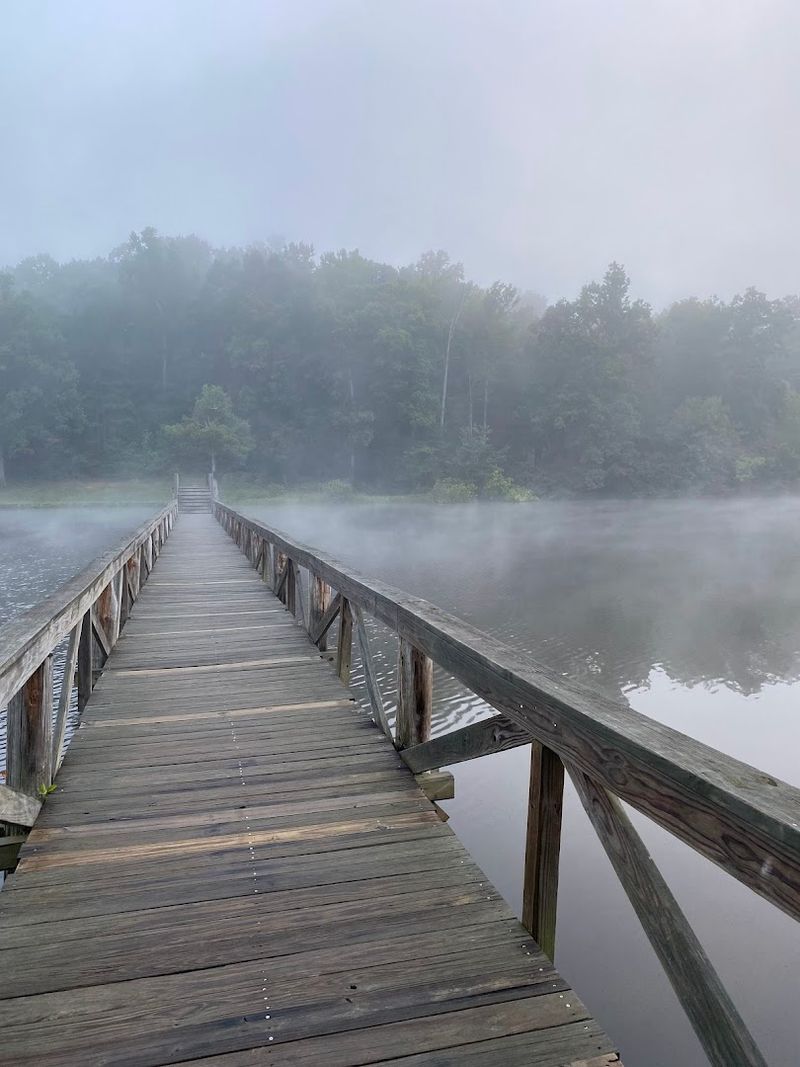
In the rolling hills of West Tennessee, Natchez Trace State Park encompasses four lakes surrounded by forests that feel far removed from nearby towns despite easy access. Pin Oak Lodge sits on a bluff overlooking one of these lakes, providing views that change with seasons and time of day.
The landscape here represents a different side of Tennessee, with bottomland hardwoods and open water creating habitats distinct from the state’s mountain regions.
Multiple trails explore the park’s 48,000 acres, leading to lake overlooks, creek valleys, and ridge-top clearings. The lakes themselves were created by damming small streams, resulting in irregular shorelines with coves and inlets that create constantly changing views as you walk.
Cypress trees grow in the shallows, adding character and providing habitat for wading birds.
What makes this park special for view-seekers is the combination of water and forest, with reflections doubling the visual impact of seasonal changes. Fall colors reflect perfectly in still water on calm mornings, while summer’s green canopy provides shade and frames water views.
The relatively flat terrain means easy walking, though the park’s size offers plenty of distance for those seeking solitude.
The park’s location along the historic Natchez Trace route adds human history to natural beauty, with interpretive signs explaining how this path connected Nashville to Mississippi for centuries. Modern visitors come for recreation rather than transportation, but the sense of following an ancient route adds depth to the experience.
Wildlife viewing can be excellent, particularly for bird species that prefer lake and wetland habitats. Spring wildflowers carpet the forest floor before tree leaves fully emerge.
Share this story