Ever wonder how your favorite whiskey gets its smoky flavor or how a cast-iron skillet goes from molten metal to kitchen essential? Tennessee offers something most states can’t match: the chance to watch skilled craftspeople and modern manufacturers create amazing products from start to finish. From world-famous distilleries to family-run pottery studios, these spots open their doors so you can see, smell, and experience the magic of making things by hand and machine.
Whether you’re a curious kid, a foodie, or just someone who loves seeing how stuff works, these Tennessee destinations turn ordinary factory tours into unforgettable adventures.
1. Ole Smoky Distillery “The Holler” – Gatlinburg
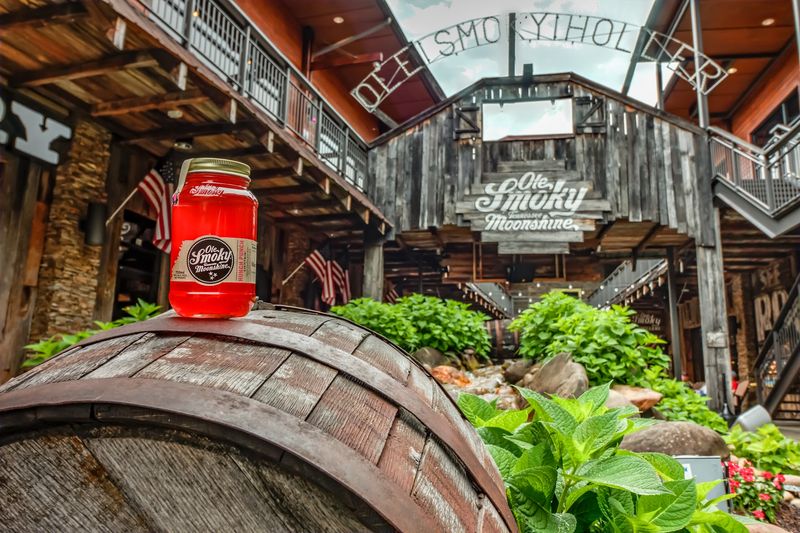
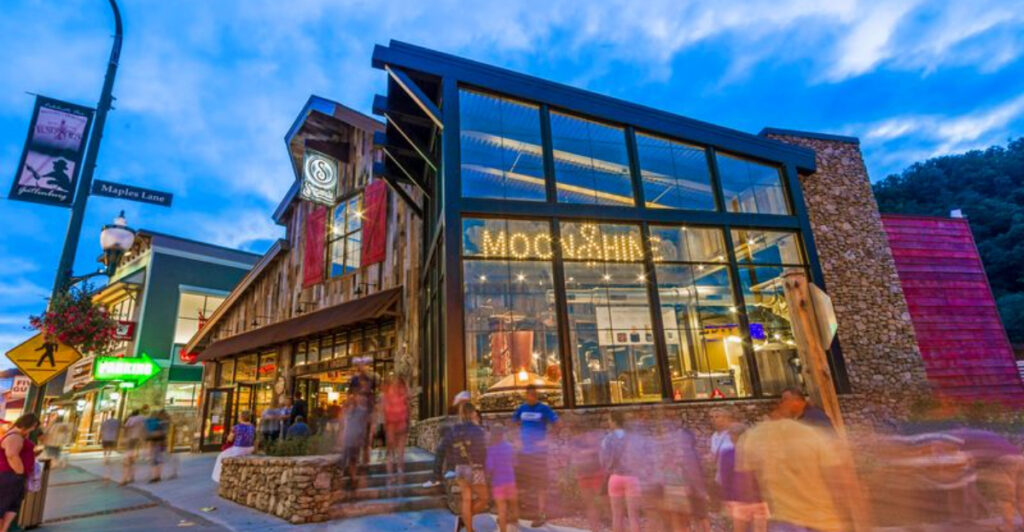
Walking into Ole Smoky feels less like entering a factory and more like stepping into a mountain party where moonshine flows and banjo music fills the air. The massive facility in downtown Gatlinburg welcomes over a million visitors each year, making it one of the most-visited distilleries in America. You’ll watch as corn, sugar, and water transform into clear, potent moonshine using both traditional methods and modern equipment.
The copper stills gleam under warehouse lights while staff members explain each step of the distilling process. What makes this place special isn’t just the production you witness but the atmosphere surrounding it. Free samples let adults taste flavors ranging from classic white lightning to creative concoctions like banana pudding and butter pecan.
Kids can enjoy the lively environment and learn about Appalachian history without feeling left out.
The Holler operates multiple production lines simultaneously, so there’s always something happening. You might see workers filling mason jars by hand, labeling bottles, or testing new flavor batches. The open layout means you’re never far from the action, and staff members happily answer questions about ingredients, fermentation times, and what makes Tennessee moonshine different from other spirits.
Unlike stuffy museum-style tours, Ole Smoky encourages wandering, tasting, and soaking up the energetic vibe. Live music performances happen regularly, creating a festival feeling that makes learning about distillation genuinely fun. The combination of authentic craftsmanship and entertainment makes this Gatlinburg landmark a must-visit for anyone curious about how mountain traditions meet modern production.
2. Jack Daniel Distillery – Lynchburg
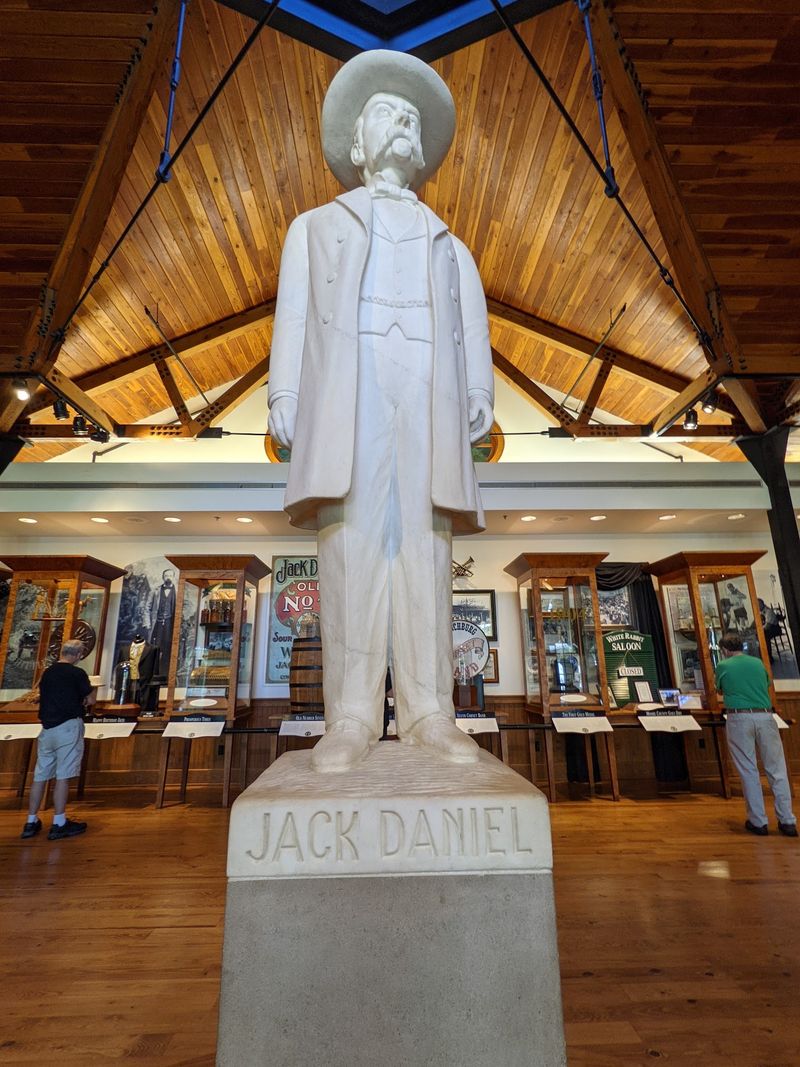
Tucked into a dry county where you ironically can’t buy the whiskey they make, Jack Daniel’s offers one of America’s most iconic distillery experiences. The Lynchburg facility has been producing Old No. 7 since 1866, and watching their unique charcoal-mellowing process feels like witnessing liquid history. Every drop of Jack Daniel’s passes through ten feet of sugar maple charcoal before aging, and seeing those towering charcoal vats up close explains why this Tennessee whiskey tastes different from Kentucky bourbon.
Your journey starts at Cave Spring, where iron-free water bubbles up at a constant 56 degrees year-round. This limestone-filtered water gives Jack Daniel’s its distinctive character, and tasting it straight from the source connects you to the brand’s origins. Guides share stories about Jasper Newton “Jack” Daniel himself, who stood barely five feet tall but built a whiskey empire that conquered the world.
The rickyard tour reveals endless rows of charred oak barrels stacked in warehouses, aging whiskey for years while Tennessee’s temperature swings work their magic. You’ll learn why barrel location matters, how wood affects flavor, and what “angel’s share” means when whiskey evaporates into the air. The bottling facility showcases modern automation alongside quality-control workers who ensure every bottle meets exacting standards.
What strikes visitors most is how traditional methods blend with cutting-edge technology. Hand-made charcoal burns alongside computer-monitored fermentation tanks. The distillery employs hundreds of locals, many from families who’ve worked there for generations, creating a community atmosphere that makes the tour feel personal rather than corporate.
3. Bush’s Visitor Center – Chestnut Hill
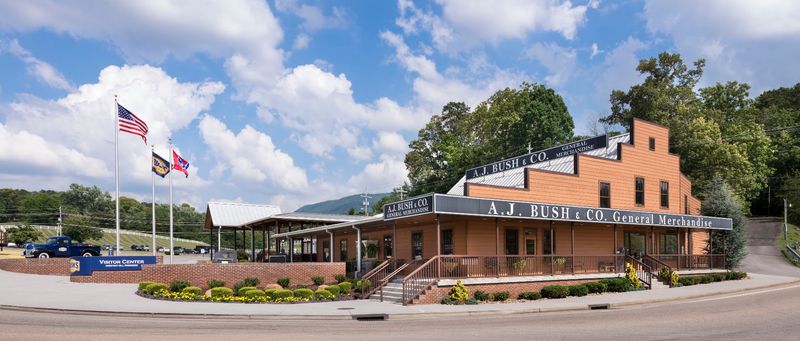
Duke the golden retriever might be the brand’s spokesdog, but the real star at Bush’s Visitor Center is watching millions of beans get sorted, seasoned, and sealed into cans. Located in the tiny community of Chestnut Hill, this family-owned company opens its doors to show exactly how their famous baked beans go from field to table. The self-guided museum portion features vintage advertisements, family history, and interactive displays, but the production viewing area steals the show.
Massive windows overlook the canning facility where beans zoom past on conveyor belts at dizzying speeds. Machines sort beans by size and quality, rejecting any that don’t meet standards with mechanical precision. You’ll see industrial cookers mixing secret sauce recipes, filling machines portioning exact amounts into cans, and labeling equipment working faster than your eyes can follow.
The sheer scale amazes visitors who’ve only seen beans in grocery store aisles.
A theater presentation explains the Bush family’s journey from a small Tennessee cannery in 1908 to producing beans for millions of American dinner tables. The story includes struggles through the Great Depression, innovations in canning technology, and the decision to stay family-owned when corporate buyouts tempted. Kids especially love the hands-on exhibits where they can match bean varieties, design their own can labels, and learn about nutrition.
The General Store at the exit offers exclusive Bush’s merchandise and bean varieties you won’t find elsewhere. Free bean samples let you taste limited editions and seasonal flavors. The whole experience takes maybe an hour, making it perfect for families traveling through East Tennessee who want a quick, educational stop that won’t bore younger travelers.
4. Lodge Factory Store – South Pittsburg
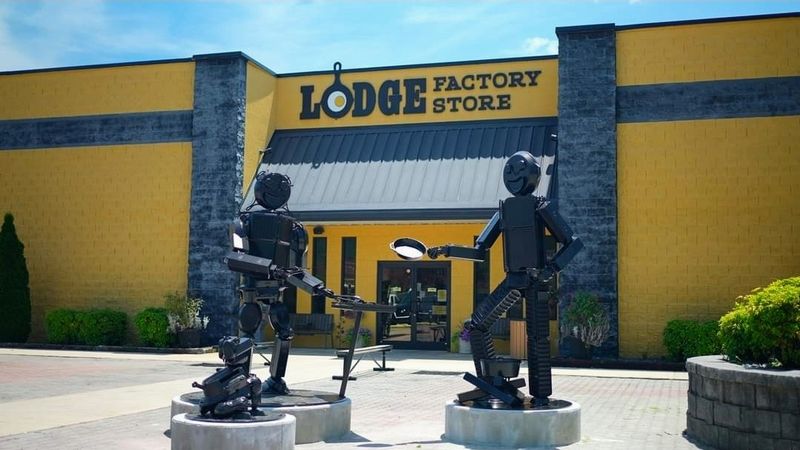
Molten iron glowing orange-hot gets poured into sand molds, creating skillets that’ll outlive their owners by generations. Lodge Manufacturing has been casting iron cookware in South Pittsburg since 1896, making them America’s oldest family-owned cookware foundry still in operation. The factory tour reveals a process that’s barely changed in over a century, though modern safety equipment and quality controls have improved working conditions dramatically.
You’ll watch foundry workers in protective gear handle 2,800-degree molten iron like choreographed dancers, pouring precise amounts into molds with practiced confidence. The heat radiating from the foundry floor is intense even from the observation area, giving you serious respect for the people who do this work daily. After cooling, molds break open to reveal rough castings that look nothing like finished products yet.
The grinding and finishing area shows how those rough pieces transform into smooth cooking surfaces. Giant grinding wheels spin against cast iron, throwing sparks while shaping pans to exact specifications. Workers inspect every piece by hand, rejecting any with flaws that machines might miss.
The seasoning process coats each pan with vegetable oil before high-heat baking, creating that black, naturally non-stick surface Lodge is famous for.
What makes this tour special is seeing American manufacturing thriving in a small Southern town when so many factories have closed or moved overseas. Lodge employs hundreds of local workers, many representing multiple generations of the same families. The factory store offers seconds and discounted items with minor cosmetic flaws that don’t affect performance, letting visitors score deals on premium cookware while supporting domestic manufacturing.
5. Sugarlands Distilling Company – Gatlinburg
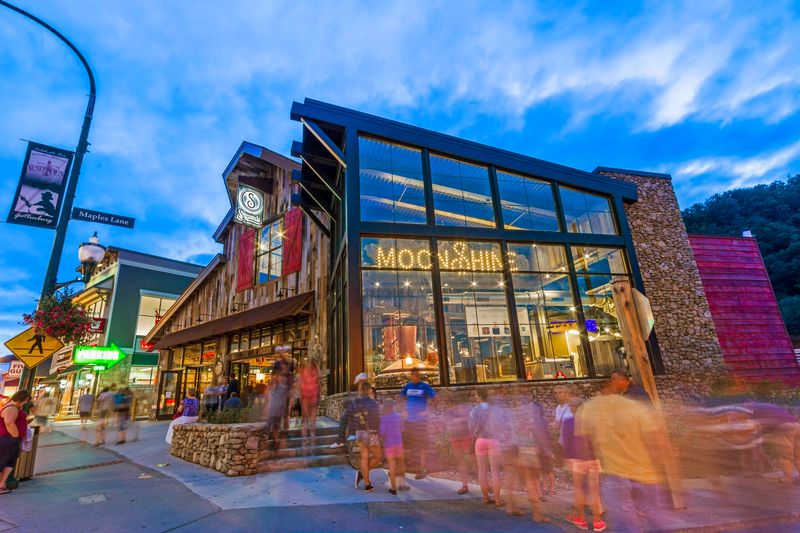
Fruit-flavored moonshine might sound like a modern invention, but Sugarlands proves that Appalachian moonshiners have been experimenting with flavors for generations. This Gatlinburg distillery partners with actual former moonshiners, turning their illegal recipes into legal, award-winning spirits. Watching production here means seeing how wild blackberries, ripe peaches, and pure cane sugar become smooth sippin’ shine that’s nothing like the harsh white lightning of legend.
The distillery’s copper pot stills dominate the production floor, their curved necks reaching toward the ceiling like metallic swans. Staff members explain how temperature control during distillation affects flavor and alcohol content, making what seems like simple heating and cooling into genuine science. The fermentation tanks bubble with active yeast converting sugars into alcohol, and the sweet smell fills the building with an aroma somewhere between bakery and brewery.
Sugarlands distinguishes itself by celebrating the colorful characters who created their recipes. Popcorn Sutton, Jim Tom Hedrick, and other legendary moonshiners have signature flavors bearing their names and likenesses. Video displays share their stories, turning outlaws into folk heroes while explaining the cultural importance of moonshining in Appalachian history.
The tasting bar offers samples of everything from traditional clear corn whiskey to dessert-like cream liqueurs.
Live bluegrass music often accompanies your visit, with local musicians picking guitars and banjos near the tasting area. The combination of authentic mountain music, real moonshine heritage, and visible production creates an experience that feels genuinely rooted in Tennessee culture rather than manufactured for tourists. You leave understanding why mountain people risked jail to make shine and why their descendants now proudly share those recipes legally.
6. Old Forge Distillery – Pigeon Forge
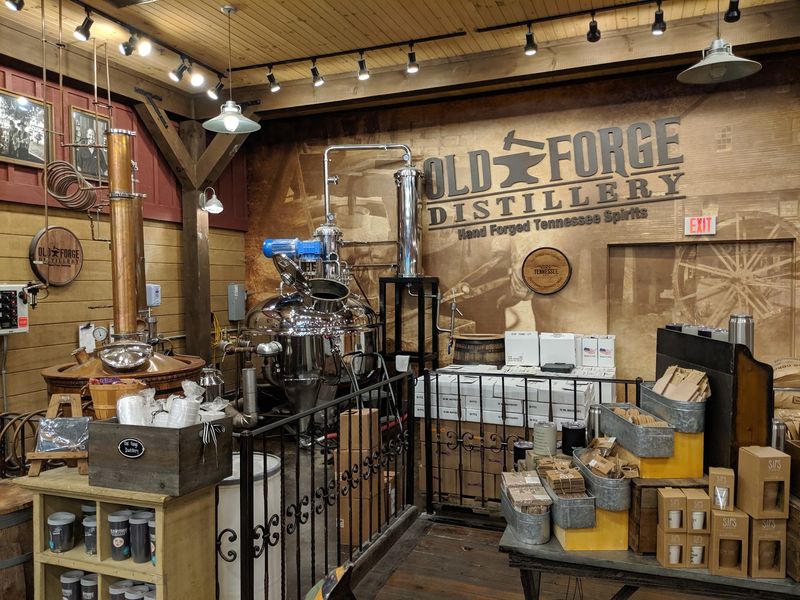
Small-batch whiskey production happens right on the Pigeon Forge Parkway, where tourists can watch grain become golden Tennessee whiskey in a facility that values quality over quantity. Old Forge keeps production deliberately limited, allowing them to monitor every barrel personally and maintain standards that mass production can’t match. The intimate size means you’re watching real craftspeople work rather than observing automated assembly lines from a distance.
The mashing process starts your tour, where grains get mixed with hot water to convert starches into fermentable sugars. The sweet, bready smell fills the air as workers stir massive tuns, checking temperatures and consistency with tools that haven’t changed much in two centuries. Fermentation tanks bubble with active yeast, and staff members explain how different yeast strains create different flavor profiles in the finished product.
Copper stills gleam under careful lighting, their traditional pot-still design favoring flavor complexity over production speed. You’ll see the distiller making real-time decisions about cutting heads and tails, keeping only the heart of the run for aging. This selective process is why small-batch whiskey costs more but tastes noticeably different from mass-produced brands.
The barrel room houses aging whiskey in charred oak, and guides explain how Tennessee’s temperature fluctuations push whiskey in and out of the wood, extracting flavor and color.
What sets Old Forge apart is their willingness to experiment. Limited-edition releases might feature unusual grain bills, different barrel finishes, or creative aging techniques. Tasting flights let you compare standard releases against experimental batches, turning your visit into an education about how subtle changes affect final flavor.
The staff’s passion for their craft shows in how enthusiastically they discuss fermentation science, barrel selection, and distillation techniques.
7. The Old Mill – Pigeon Forge
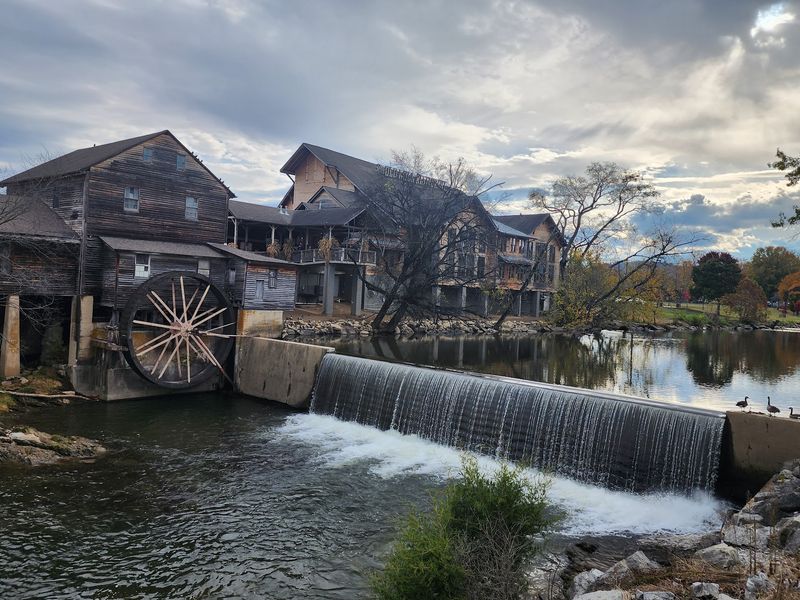
A massive water wheel turns beside the Little Pigeon River, powering stone grinding wheels that have been milling corn into meal since 1830. The Old Mill represents one of the few working grist mills left in Tennessee, using water power and gravity to grind grains exactly as settlers did nearly two centuries ago. Standing inside while the building rumbles with mechanical energy from rushing water feels like time traveling to an era before electricity transformed manufacturing.
The miller adjusts the gap between massive French buhr stones, controlling how fine the cornmeal grinds while explaining how different settings produce different textures. Whole corn kernels pour into the hopper, disappear between spinning stones, and emerge as golden meal that still feels warm from friction. The process is mesmerizing in its simplicity and effectiveness, proving that older technologies sometimes work better than modern replacements for specific tasks.
Besides cornmeal, the mill produces whole wheat flour, grits, pancake mixes, and other grain products sold in the attached general store. Everything gets ground on-site using the same methods that fed Appalachian families for generations. The building itself is a work of craftsmanship, with hand-hewn beams, wooden gears, and engineering that has survived floods, wars, and economic changes while remaining functional.
The surrounding complex includes shops and restaurants, but the mill itself remains the heart of the operation. Watching grain become flour connects visitors to fundamental human activities that modern grocery shopping has made invisible. Kids especially love seeing how something as basic as cornbread starts as whole kernels transformed by water, stone, and time into the ingredients their grandmothers used for baking.
8. Pigeon River Pottery – Pigeon Forge
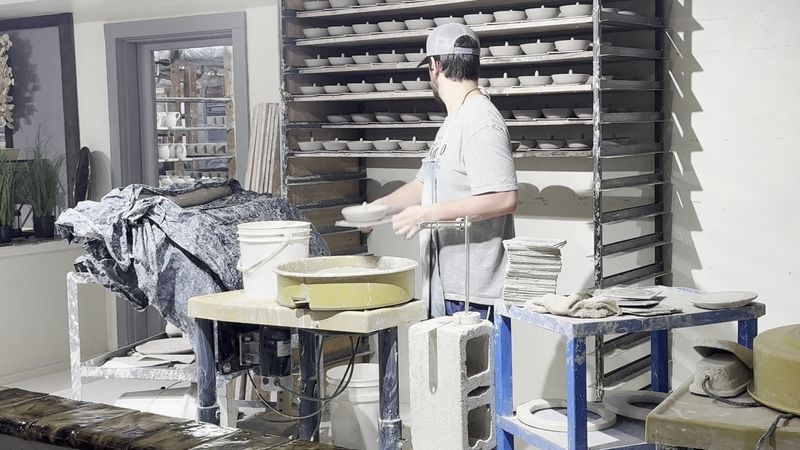
Clay spins on a potter’s wheel, rising and shaping under skilled hands that make forming a perfect bowl look effortless. Pigeon River Pottery invites visitors into their working studio where local artisans create functional stoneware and decorative pieces using traditional techniques. Unlike watching massive factories, this intimate setting lets you see individual creativity and craftsmanship, where each piece emerges unique from the potter’s vision and touch.
The throwing process mesmerizes viewers as centered clay transforms from shapeless lumps into symmetrical bowls, mugs, and vases within minutes. Potters explain how water lubricates the clay, how pressure controls wall thickness, and why centering the clay properly determines whether a piece succeeds or collapses. You’ll see trimming tools shape foot rings, handles get attached with slip, and decorative techniques like sgraffito scratch designs into leather-hard clay.
The glazing area showcases shelves filled with colorful liquids that look nothing like the finished surfaces they’ll create after firing. Artists dip, pour, and brush glazes onto bisque-fired pottery while explaining how kiln temperatures transform dull coatings into glossy, food-safe finishes. Chemical reactions during firing create colors and effects that can’t be fully predicted, making every kiln opening exciting even for experienced potters.
What makes pottery demonstrations special is the accessibility of the craft. Unlike distilling or metalworking, pottery doesn’t require expensive equipment or dangerous processes, so watching inspires many visitors to try it themselves. The attached shop sells finished pieces at prices that reflect handmade quality without being prohibitively expensive.
You can purchase a mug thrown and glazed by the same person who just demonstrated their process, creating a connection between maker and user that mass production destroys.
9. Alewine Pottery – Gatlinburg
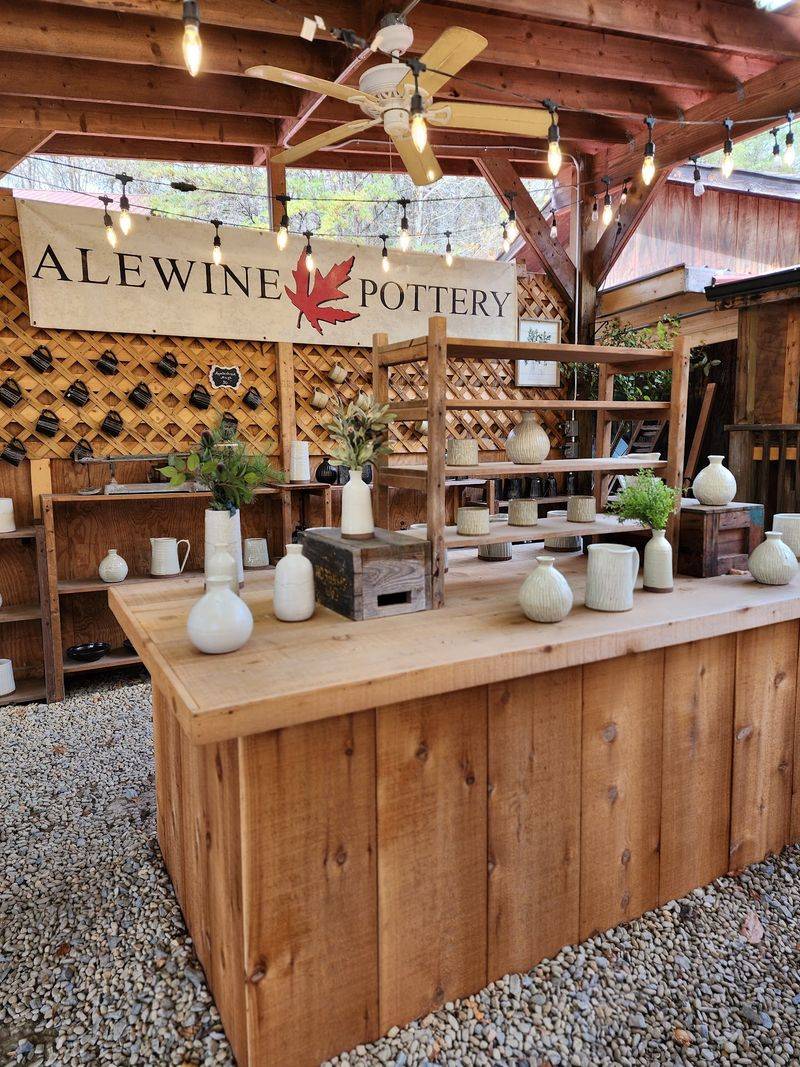
Mountain-inspired designs decorate functional pottery created by artists who’ve been perfecting their craft in Gatlinburg for decades. Alewine Pottery combines Appalachian artistic traditions with contemporary techniques, producing pieces that work as everyday dishes while looking beautiful enough for display. The studio’s open layout means you’re watching artists work at their natural pace rather than performing demonstrations, giving you honest insight into the patience and skill pottery requires.
Each potter develops signature styles and favorite forms, so you might see one artist specializing in large serving bowls while another focuses on delicate tea sets. The wheel work happens in focused silence broken by occasional conversation, with artists checking measurements, evaluating symmetry, and making tiny adjustments that separate amateur work from professional quality. Watching multiple potters work simultaneously shows how individual techniques and personal preferences create variety within shared traditions.
The painting and decorating stage reveals where Smoky Mountain inspiration becomes visible. Artists hand-paint bears, wildflowers, mountain scenes, and abstract patterns onto bisque pottery using oxide stains and underglazes. The precision required for detailed work becomes obvious as you watch brushes create fine lines and shading on curved surfaces.
Some pieces get carved with texture or stamped with patterns before painting, adding dimensional interest to finished work.
Alewine’s commitment to functional pottery means everything you see being made is designed for actual use, not just decoration. Mugs fit comfortably in hands, plates stack efficiently, and casserole dishes withstand oven temperatures. This practical focus connects modern pottery to its historical roots as essential household items.
The gallery displays finished work organized by artist, letting you follow a piece from wet clay on the wheel to glazed completion on the shelf, understanding the hours of work between those two states.
10. Historic Collinsville – Southside
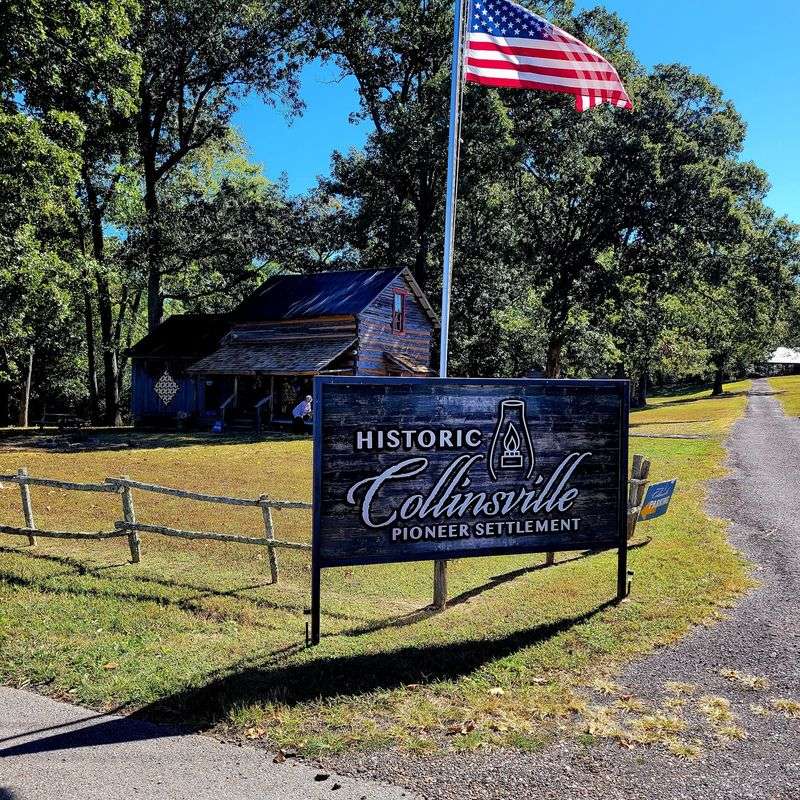
Step into a recreated 1800s pioneer village where craftspeople demonstrate skills that built Appalachian communities before factories existed. Historic Collinsville preserves traditional crafts through live demonstrations of blacksmithing, weaving, candle making, soap production, and other essential pioneer skills. Unlike museums with static displays, this living history site lets you watch, ask questions, and sometimes participate in creating products using methods passed down through generations.
The blacksmith shop rings with hammer strikes as smiths heat iron cherry-red in coal forges before shaping it into hooks, hinges, and tools on anvils. Sparks fly with each hammer blow, and the smell of hot metal and coal smoke fills the air. Watching a skilled blacksmith transform a straight bar into a decorative scroll or useful implement reveals why metalworking was considered almost magical by those who couldn’t do it themselves.
The weaving cabin features floor looms where weavers create cloth from yarn using patterns that produce everything from simple linens to complex coverlets. The rhythmic clacking of the loom and the shuttle passing through separated threads becomes hypnotic as rows of fabric slowly grow. Weavers explain how different fiber preparations, thread counts, and patterns affect the finished cloth’s warmth, durability, and appearance.
Other demonstrations might include candle dipping, where wicks get repeatedly dunked in hot tallow or beeswax to build up layers, or soap making using lye and animal fats rendered on-site. The village shows how pioneer families produced nearly everything they needed rather than buying manufactured goods. Children especially benefit from seeing how much work went into creating items they take for granted, like a simple candle or bar of soap.
The hands-on nature of many demonstrations makes history tangible rather than abstract.
Share this story