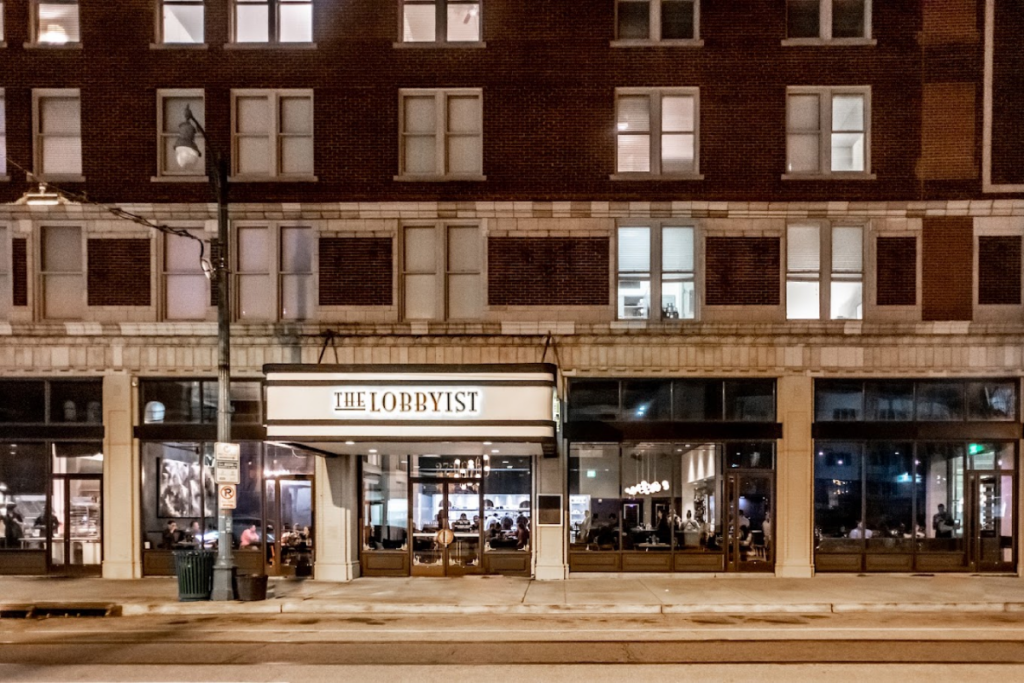
Tennessee’s food scene has grown far beyond barbecue and hot chicken. Across the state, a new generation of chefs is redefining what it means to dine out, blending global techniques with local ingredients and creating experiences that feel both cutting-edge and rooted in place.
From intimate chef counters in Nashville to creative bistros in smaller college towns, these restaurants prove that modern dining in Tennessee is about more than just what’s on the plate.
1. The Catbird Seat, Nashville
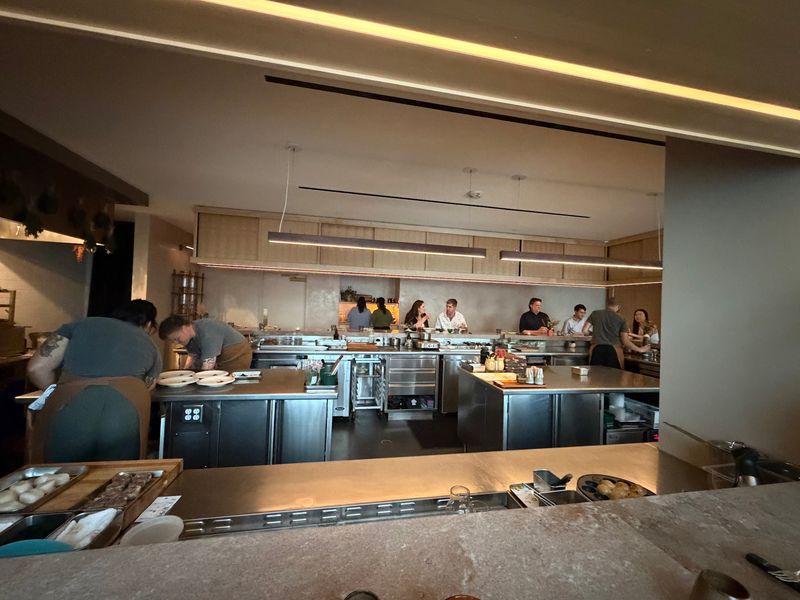
Walking into The Catbird Seat feels less like entering a restaurant and more like stepping behind the curtain of a culinary theater. The entire dining room wraps around a U-shaped counter where chefs work inches from your seat, plating intricate courses while explaining each element with genuine enthusiasm.
It’s the kind of place where dinner becomes a conversation, and you leave knowing more about food than when you arrived.
The menu changes constantly, driven by what’s in season and what inspires the kitchen that week. You might encounter smoked trout paired with pickled ramps, or duck prepared three ways on a single plate, each technique highlighting a different flavor profile.
The creativity here doesn’t feel forced or overly complicated. Instead, every dish seems to tell a story about ingredients, technique, and the chef’s personal vision of what modern cooking can be.
What makes The Catbird Seat especially memorable is how it balances precision with warmth. Fine dining can sometimes feel stiff or intimidating, but this space manages to stay relaxed even while delivering courses that look like edible art.
The chefs chat with diners, answer questions, and occasionally adjust dishes based on individual preferences or dietary needs.
Reservations book up weeks in advance, so planning ahead is essential. The tasting menu format means you’re committing to a full evening, typically lasting two to three hours with multiple courses.
It’s not a quick meal, but that’s entirely the point. This is dining as an event, a chance to slow down and pay attention to flavors, textures, and techniques you might otherwise miss.
For anyone skeptical about whether Tennessee can compete with coastal fine dining scenes, The Catbird Seat offers a convincing argument. The talent, ambition, and execution here match what you’d find in much larger cities, but with a distinctly Nashville energy that keeps things approachable.
It’s proof that modern dining doesn’t require pretense, just skill, creativity, and a genuine love for great food served with intention.
2. The Lobbyist, Memphis
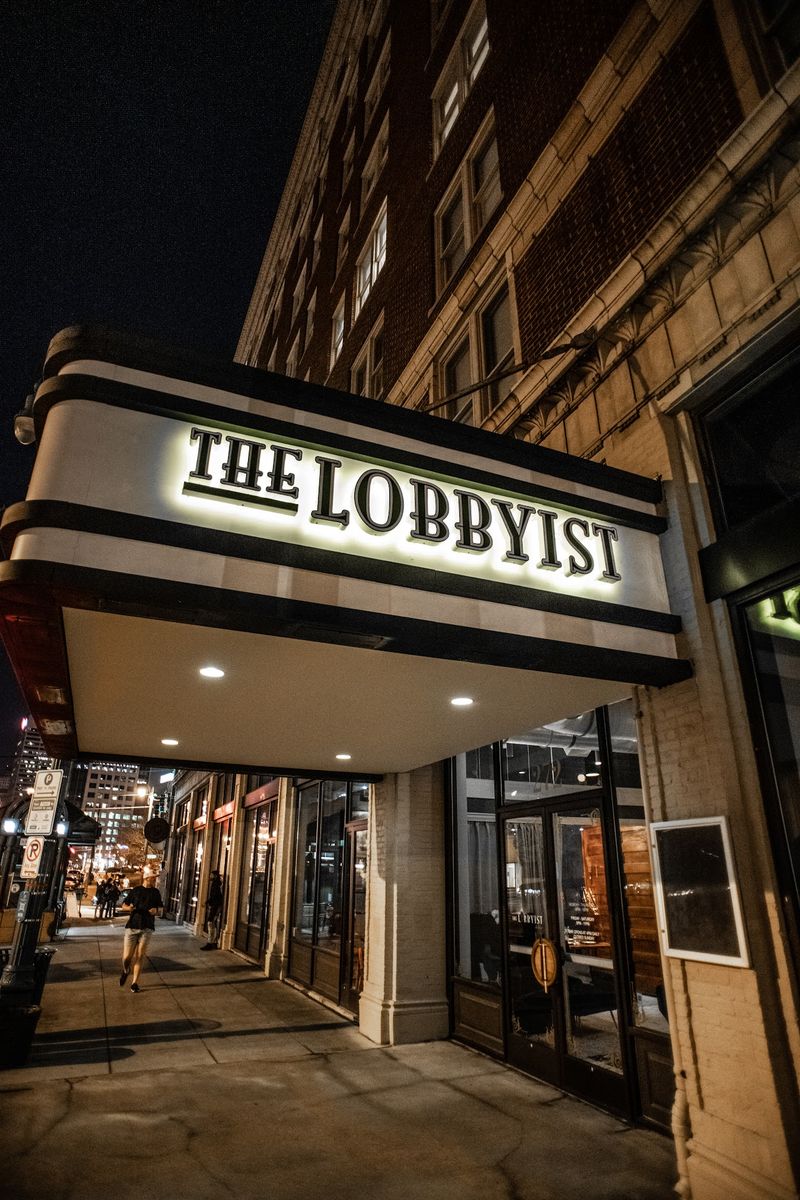
Memphis has long been known for barbecue and soul food, but The Lobbyist proves the city’s dining scene has expanded into far more adventurous territory. This spot takes familiar ingredients and reimagines them through a global lens, creating dishes that feel both surprising and somehow completely natural.
One bite might remind you of Southeast Asia, the next of the Mediterranean, but everything stays grounded in quality ingredients and thoughtful technique.
The menu reads like a passport, with influences borrowed from cuisines around the world. You might find Korean-inspired short ribs next to North African-spiced vegetables, or a pasta dish that nods to Italy while incorporating unexpected local touches.
The kitchen isn’t trying to be authentic to any single tradition. Instead, it’s playing with flavors and combinations that simply taste good together, regardless of their geographic origins.
What keeps The Lobbyist from feeling gimmicky is the restraint. Dishes aren’t loaded with every spice or technique the chefs know.
Each plate shows clear decision-making, with just enough complexity to keep things interesting without overwhelming your palate. The portions are generous without being excessive, and the presentation strikes a balance between polished and approachable.
The atmosphere matches the food’s philosophy: elevated but not stuffy. The dining room feels contemporary and comfortable, with enough buzz to create energy but not so much noise that conversation becomes difficult.
Service staff know the menu inside and out, offering genuine recommendations rather than just reciting specials. They’re happy to explain unfamiliar ingredients or suggest wine pairings without making anyone feel uninformed.
For West Tennessee residents tired of driving to Nashville for innovative dining, The Lobbyist delivers exactly what’s been missing. It’s proof that Memphis can hold its own in the modern restaurant landscape, offering creative cooking that respects ingredients while pushing boundaries.
Whether you’re a local looking for something different or a visitor wanting to see beyond the city’s classic barbecue joints, this restaurant shows how Memphis is evolving while staying true to its love of bold, satisfying flavors.
3. J.C. Holdway, Knoxville
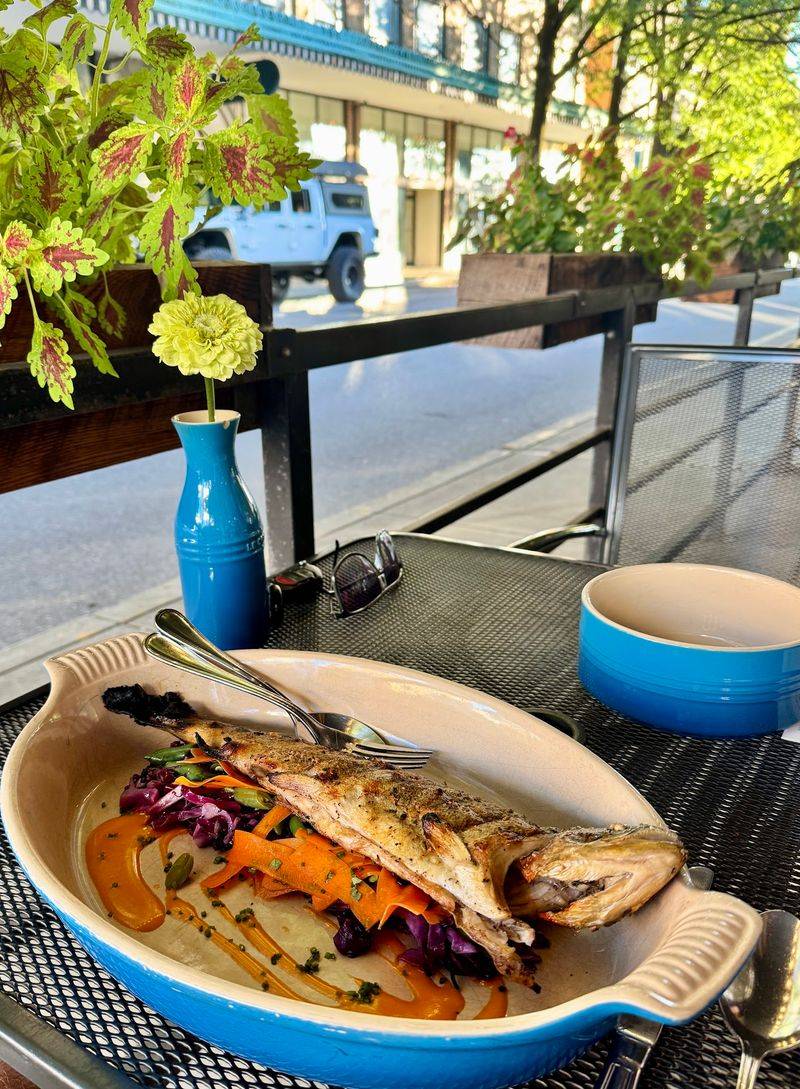
Fire changes everything. At J.C. Holdway, flames aren’t just a cooking method but the foundation of an entire culinary philosophy. The open hearth dominates the kitchen, and nearly every dish passes through it at some point, picking up layers of smoke and char that add depth without overpowering the natural flavors of local ingredients.
It’s Appalachian cooking reimagined for a modern audience, honoring tradition while refusing to be bound by it.
Chef Joseph Holdway sources obsessively from nearby farms and purveyors, building menus around what’s available each season. Spring might bring ramps and morels, while fall showcases root vegetables and game.
The cooking techniques vary, but the wood-fired element remains constant, adding a distinctive character that sets this restaurant apart from typical farm-to-table concepts. A simple trout becomes something extraordinary when kissed by hickory smoke, and vegetables take on new dimensions after roasting over live coals.
The space itself feels like a natural extension of the food. Exposed brick, reclaimed wood, and industrial touches create an atmosphere that’s polished but unpretentious.
You could wear jeans or dress up, and either choice would feel appropriate. The energy stays lively without tipping into chaotic, and the open kitchen lets you watch the culinary choreography unfold throughout your meal.
Service strikes that difficult balance between knowledgeable and relaxed. Servers understand the ingredients, preparation methods, and flavor profiles well enough to guide diners through unfamiliar territory, but they never lecture or condescend.
If you’re curious about a particular technique or ingredient source, they’ll happily share details. If you just want to enjoy your meal without a full education, that works too.
What makes J.C. Holdway especially important for Tennessee’s dining landscape is how it proves regional cooking can be both contemporary and deeply rooted.
There’s no need to choose between honoring Appalachian food traditions and pushing culinary boundaries. This restaurant does both simultaneously, creating dishes that feel innovative while still tasting unmistakably like they belong in East Tennessee.
It’s modern dining that actually means something beyond just pretty plating and exotic ingredients.
4. Easy Bistro & Bar, Chattanooga
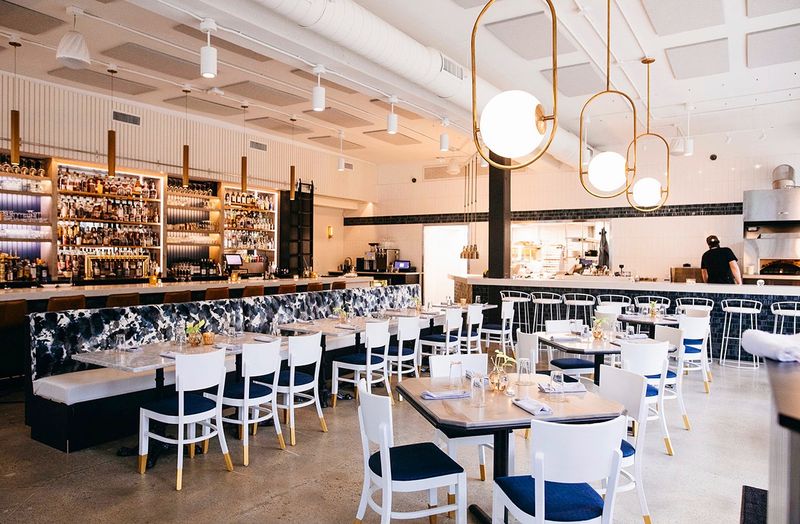
Some restaurants try too hard to impress. Easy Bistro & Bar takes the opposite approach, letting its historic setting and thoughtful menu speak for themselves without unnecessary flourishes.
The space occupies a beautifully restored building with soaring ceilings and architectural details that tell stories of Chattanooga’s past, but the vibe remains approachable rather than precious. You feel the history without being overwhelmed by it.
French bistro classics form the menu’s backbone, but the kitchen doesn’t limit itself to strict authenticity. Steaks are perfectly seared and simply prepared, letting quality beef shine without complicated sauces.
Seafood gets similar treatment, with preparations that enhance rather than mask natural flavors. The wine list leans heavily French, as you’d expect, but includes enough variety to satisfy different palates and budgets.
What distinguishes Easy Bistro from countless other French-inspired restaurants is the execution. Techniques are solid, timing is precise, and plates arrive at the proper temperature.
These might sound like basic expectations, but consistency at this level requires skill and attention that many restaurants struggle to maintain. A perfectly cooked duck breast or a properly emulsified sauce might not seem revolutionary, but they’re increasingly rare in an era of shortcuts and trends.
The atmosphere shifts throughout the day and week. Weeknight dinners feel intimate and conversation-focused, while weekend evenings bring more energy and a livelier bar scene.
The space adapts well to both moods without feeling schizophrenic. Whether you’re planning a quiet date night or celebrating with friends, the restaurant accommodates without forcing you into a specific experience.
For Chattanooga, Easy Bistro represents a maturation of the city’s dining scene. It’s not trying to be Nashville or Atlanta.
Instead, it offers the kind of sophisticated, well-executed cooking that cities of any size should support. The combination of French technique, quality ingredients, and a stunning historic setting creates something that feels both special and sustainable.
This isn’t a restaurant chasing trends or relying on gimmicks. It’s simply good food served well in a beautiful space, which turns out to be exactly what modern dining should be.
5. Etch, Franklin
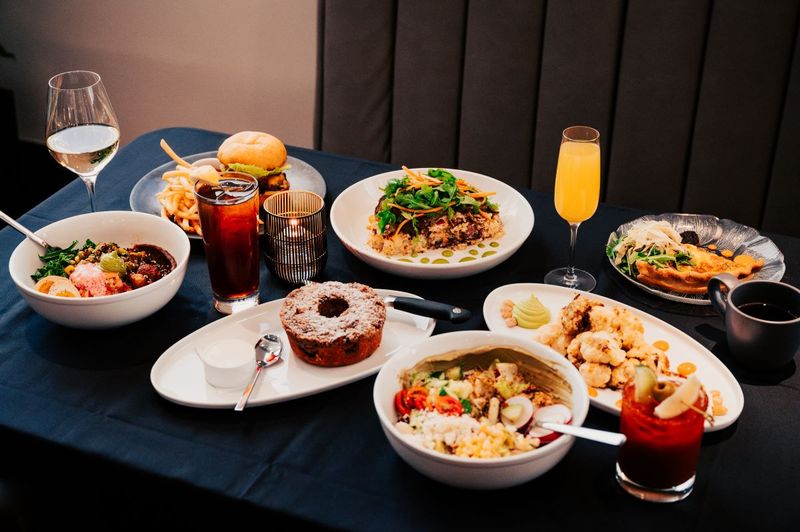
Chef Deb Paquette has built a career on defying expectations, and Etch serves as her most complete expression of that philosophy. The restaurant’s name hints at the careful, deliberate way dishes are composed, each element placed with purpose rather than piled on for effect.
Walking in, you immediately notice the modern aesthetic: clean lines, thoughtful lighting, and a design that feels current without chasing fleeting trends.
The menu roams the globe with confidence, pulling techniques and flavor combinations from cuisines that rarely share the same plate. You might encounter Indian spices paired with local pork, or Japanese preparation methods applied to Southern vegetables.
What could easily become culinary chaos instead feels intentional and balanced, with each dish demonstrating clear thinking about how flavors interact and build on each other.
Paquette’s cooking style favors bold, distinct flavors over subtlety. Dishes announce themselves rather than whisper, but they never shout so loudly that you can’t taste individual components.
A curry might pack serious heat, but you’ll still detect the sweetness of caramelized onions or the brightness of fresh herbs. The kitchen understands that bold doesn’t mean one-dimensional, and complexity can coexist with approachability.
Service matches the food’s energy level, with staff who seem genuinely enthusiastic about the menu rather than just reciting descriptions. They’ll steer you toward dishes that match your preferences and aren’t shy about warning when something pushes boundaries you might not enjoy.
That honesty creates trust, making it easier to take chances on unfamiliar combinations.
Franklin’s proximity to Nashville means it often gets overlooked in favor of the bigger city’s restaurant scene, but Etch proves that excellent modern dining doesn’t require a downtown address. The restaurant attracts both locals and visitors willing to venture slightly south, creating a diverse crowd that keeps the energy varied and interesting.
Reservations are recommended, especially on weekends, but walk-ins can usually snag bar seats where the full menu is available.
What makes Etch particularly relevant to this list is how completely it embodies modern dining principles. Global inspiration, local execution, creative plating, and an atmosphere that feels contemporary without being cold.
If you’re trying to understand what modern American restaurants are about in 2024, this is an excellent case study that happens to serve delicious food.
6. Judith, Sewanee
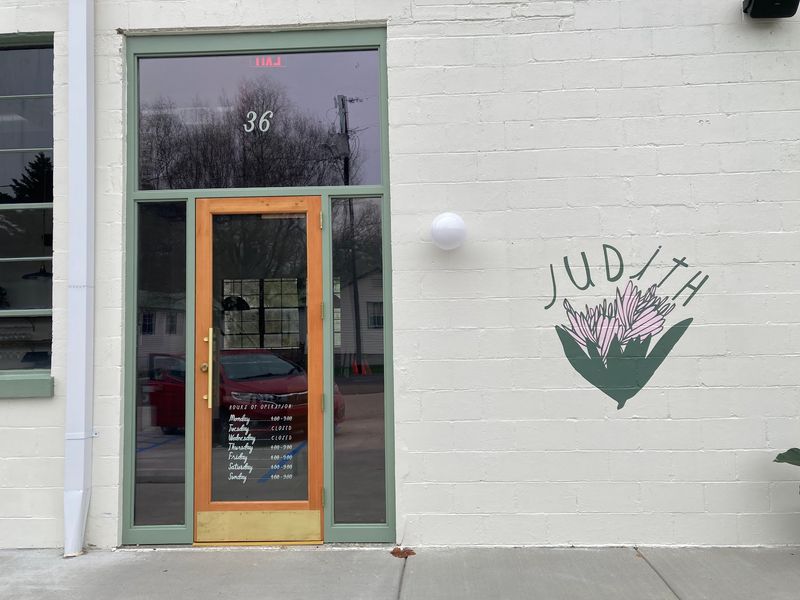
Finding a restaurant like Judith in a small college town feels like discovering a secret. Sewanee isn’t where you’d expect elevated dining, which makes the experience even more satisfying.
The industrial aesthetic, all exposed brick and metal fixtures, contrasts sharply with the quaint mountain town outside, creating a space that feels transported from a much larger city.
Oysters anchor the menu, offered raw or prepared in various styles that showcase the kitchen’s range. The selection changes based on availability, with servers able to describe each variety’s flavor profile and origin.
Beyond shellfish, the pasta program deserves attention. Noodles are made in-house, and sauces demonstrate real technique rather than relying on cream and cheese to do all the work.
The cocktail list shows similar ambition, with drinks that incorporate house-made syrups, fresh juices, and unexpected ingredients. Bartenders know their craft and can improvise based on preferences if the printed menu doesn’t appeal.
Wine selections lean toward natural and small-production bottles, the kind you won’t find at chain restaurants or typical wine shops.
What’s remarkable about Judith is how it maintains high standards without the customer base or foot traffic that usually supports such efforts. Sewanee’s population is tiny, swelling only during the academic year when students return.
Yet the restaurant operates year-round, suggesting a dedication to the work itself rather than just chasing maximum profits. That commitment shows in the consistency of execution and the care taken with even simple preparations.
The crowd skews younger during school terms, with university students mixing with professors and visiting parents. In summer, locals and regional visitors dominate, creating a different but equally pleasant atmosphere.
The space handles both demographics well, feeling relaxed enough for casual meals but polished enough for celebrations.
For anyone exploring Tennessee beyond the major cities, Judith represents the kind of pleasant surprise that makes travel rewarding. It’s proof that talented chefs and ambitious restaurateurs can thrive outside urban centers, building something special even when conventional wisdom suggests it can’t be done.
The food would impress in Nashville or Memphis, but somehow tastes even better in the mountain air of Sewanee, where expectations are lower and the achievement feels that much more impressive.
7. Skillet Junction, Jackson
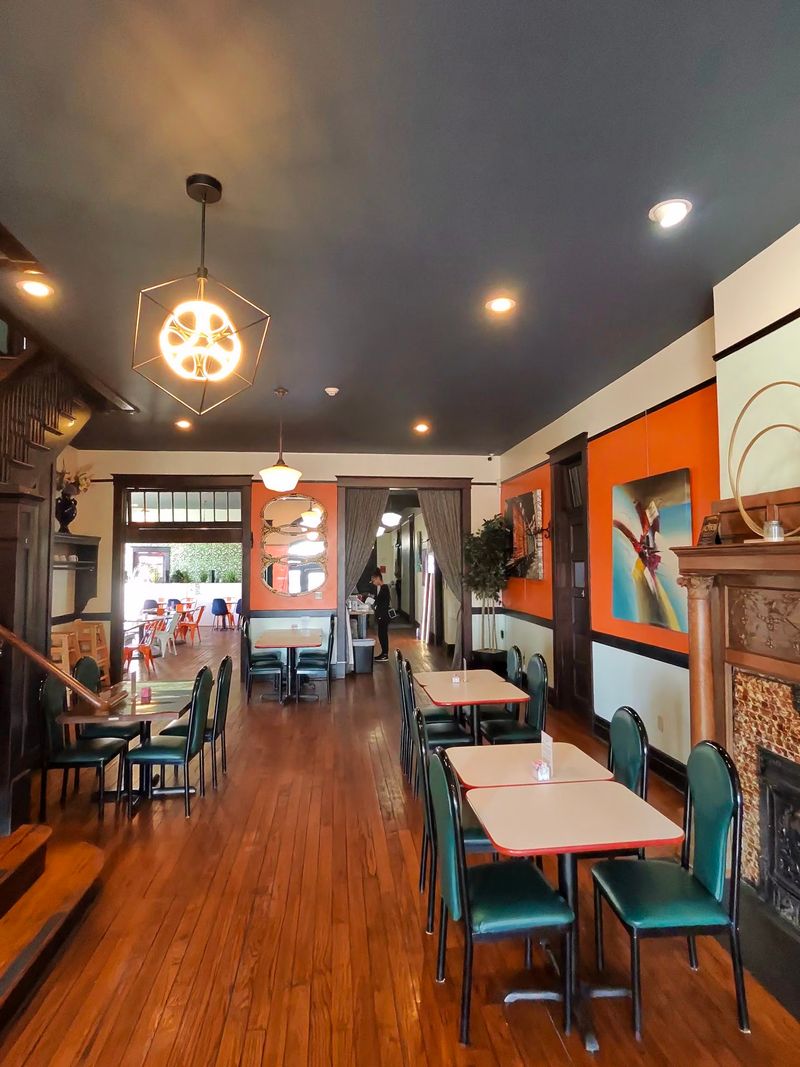
Brunch in West Tennessee just got a serious upgrade. Skillet Junction takes the most indulgent meal of the week and pushes it into genuinely creative territory, serving dishes that make you rethink what breakfast food can be.
Crawfish mac and cheese for brunch? Fried lobster deviled eggs before noon? These aren’t gimmicks but thoughtful combinations that actually work, balancing richness with brightness in ways that wake up your palate rather than overwhelming it.
The kitchen clearly enjoys playing with Southern comfort food traditions, taking familiar concepts and adding unexpected twists. Biscuits might arrive with unconventional toppings, or classic eggs Benedict could feature proteins you’ve never seen in that context.
The creativity never undermines the fundamentals. Eggs are still properly cooked, bread is fresh and well-made, and coffee is strong and hot.
Jackson doesn’t get much attention in Tennessee food conversations, usually overshadowed by Memphis to the west and Nashville to the east. Skillet Junction gives the city something worth talking about, a destination restaurant that can hold its own against anything in larger markets.
The space feels modern and energetic without trying too hard, with a casual atmosphere that welcomes everyone from families to solo diners nursing coffee and reading the paper.
Service moves at a comfortable pace, understanding that brunch is meant to be leisurely. Servers check in regularly without hovering, keeping coffee cups filled and clearing plates promptly.
The kitchen timing is impressive, with hot food arriving hot and cold components properly chilled, details that sound basic but require real coordination during busy weekend rushes.
Portions are generous without being absurd. You’ll leave satisfied but not uncomfortably stuffed, which is harder to achieve than it sounds.
Prices remain reasonable, especially considering the quality of ingredients and the creativity of preparations. This isn’t cheap diner food, but it’s not trying to be. Instead, it occupies that sweet spot where value and quality intersect.
For West Tennessee residents seeking modern dining experiences closer to home, Skillet Junction proves you don’t need to drive hours for something interesting. The restaurant demonstrates that creativity, quality ingredients, and skilled execution can thrive anywhere there’s a chef willing to take chances and a community ready to support them.
It’s exactly the kind of place that makes regional food scenes richer and more diverse.
8. Briza, Memphis
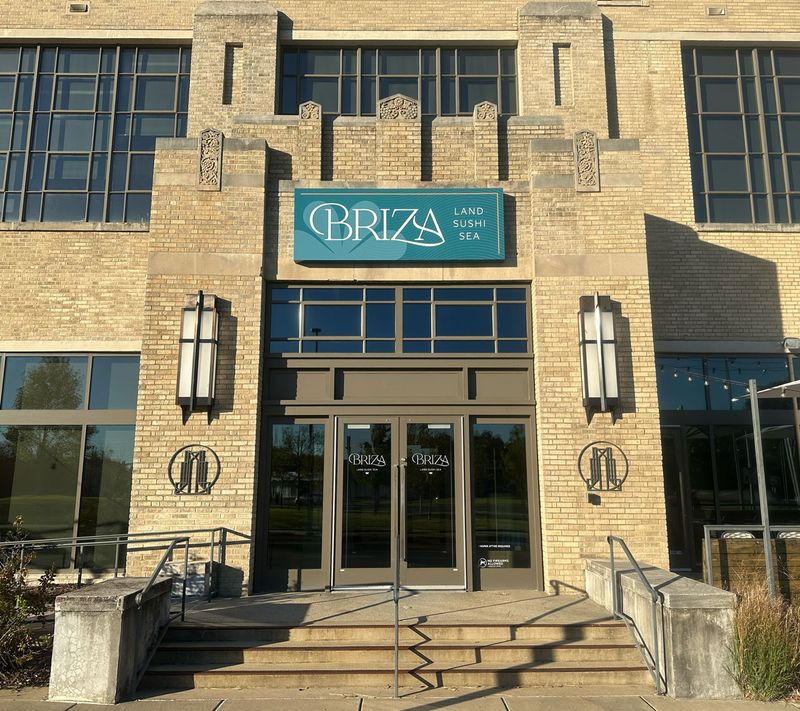
Crosstown Concourse transformed a massive old Sears distribution center into a vertical urban village, and Briza stands as one of the development’s culinary anchors. The restaurant combines inventive sushi with wood-fired seafood and steaks, an ambitious range that could easily feel scattered.
Instead, the kitchen pulls it off with confidence, demonstrating versatility without sacrificing quality in any category.
The sushi program goes beyond typical California rolls and spicy tuna, offering creative combinations that incorporate unexpected ingredients and techniques. Traditional preparations are available for purists, but the more adventurous options show where the kitchen’s real interests lie.
Wood-fired items benefit from careful timing and temperature control, with fish arriving perfectly cooked and steaks developing proper crusts while staying tender inside.
Tuna tartare gets special mention as a standout dish, with fresh fish cut to ideal size and dressed with complementary flavors that enhance rather than mask the seafood’s natural taste. The presentation is Instagram-ready without being overly fussy, showing that food can look beautiful and still be designed primarily for eating rather than photographing.
The space itself contributes significantly to the experience. High ceilings and abundant natural light create an airy, open feeling that contrasts with many dimly lit modern restaurants.
The polished design feels sophisticated without being cold, and the acoustics manage to control noise even when the dining room fills up. It’s the kind of space that works equally well for business dinners, date nights, or celebrations with friends.
Being located in Crosstown Concourse means Briza benefits from the development’s overall energy and foot traffic. You can arrive early and explore the building’s art installations, shops, and other attractions before dinner.
After the meal, the rooftop offers views of the Memphis skyline, weather permitting. The restaurant becomes part of a larger experience rather than standing alone.
For Memphis, Briza represents the city’s ongoing evolution beyond its traditional culinary identity. The food respects local preferences for bold flavors and generous portions while incorporating techniques and presentations associated with coastal fine dining.
It’s proof that Memphis can support multiple types of restaurants simultaneously, from classic barbecue joints to contemporary seafood concepts, without one diminishing the other. The diversity strengthens the overall dining scene and gives residents more reasons to explore their own city.
9. Lilou Brasserie, Knoxville
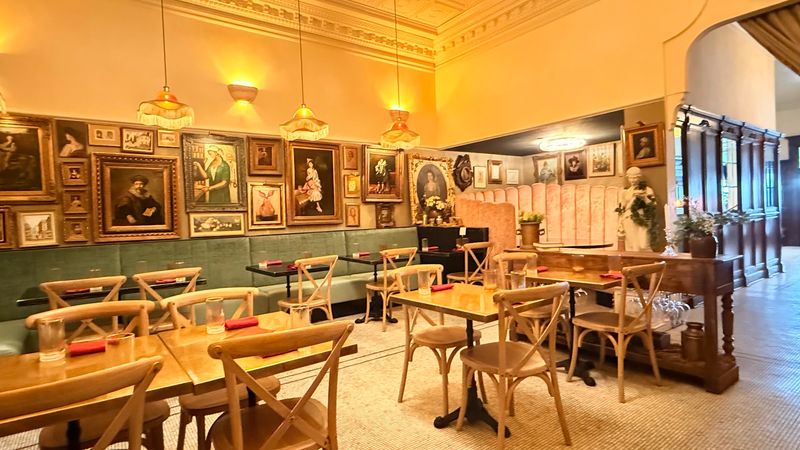
French cooking never really goes out of style, but it does evolve. Lilou Brasserie takes classic brasserie dishes and interprets them through a contemporary lens, maintaining the soul of French cuisine while updating techniques and presentations for modern palates.
The result feels both familiar and fresh, comforting and exciting in equal measure.
The menu reads like a greatest hits of French cooking, but execution reveals the kitchen’s modern sensibilities. Coq au vin might arrive with a lighter sauce than tradition demands, or steak frites could feature a more interesting cut than the standard hanger.
These aren’t radical departures but thoughtful updates that acknowledge how dining preferences have shifted while respecting the original dishes’ integrity.
Wine selections naturally emphasize French regions, with enough depth to satisfy serious enthusiasts but also approachable options for casual drinkers. The staff knows the list well and can suggest pairings that enhance your meal without pushing the most expensive bottles.
The atmosphere strikes that difficult brasserie balance between lively and refined. Tables are close enough to create energy but spaced sufficiently to allow private conversations.
The noise level stays animated without becoming overwhelming, and the lighting is bright enough to see your food clearly without harsh glare. These details matter more than they might seem, creating an environment where you can actually relax and enjoy your meal.
For Knoxville, Lilou Brasserie fills an important niche. The city has strong Southern and Appalachian food traditions, but sometimes you want something different without driving to Nashville.
This restaurant provides that option, offering sophisticated French-inspired cooking that would impress in any city. The location in Knoxville also helps balance this list, ensuring East Tennessee gets proper representation beyond just J.C. Holdway.
Service reflects French hospitality traditions adapted for American expectations. Servers are attentive and knowledgeable without being overbearing, checking in regularly but not interrupting conversations.
They understand the menu thoroughly and can describe preparations in detail when asked. The pacing feels natural, with courses arriving at intervals that allow conversation between plates without leaving you waiting impatiently.
What makes Lilou especially relevant to modern dining conversations is how it demonstrates that contemporary cooking doesn’t require abandoning tradition. The restaurant proves you can honor French culinary heritage while still feeling current and relevant, creating food that satisfies both nostalgia and the desire for something new.
10. Juniper, Johnson City
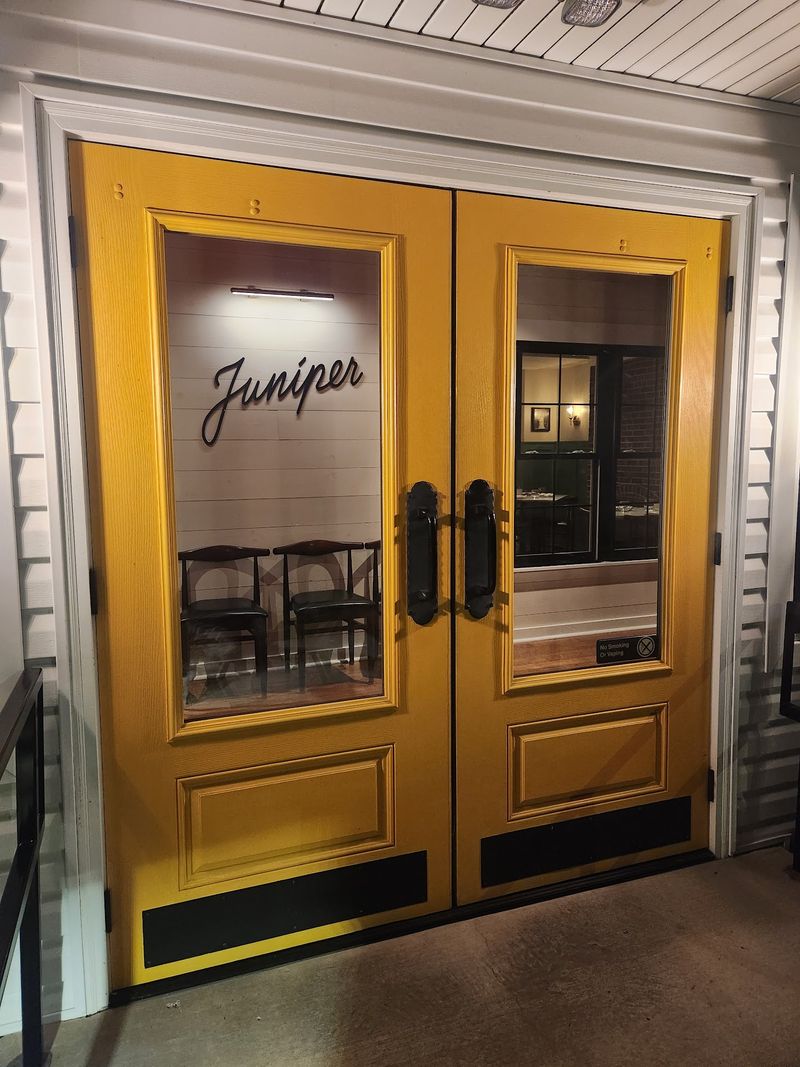
Johnson City might not be the first Tennessee town that comes to mind when thinking about cutting-edge restaurants, but Juniper is working hard to change that perception. The restaurant brings big-city ambition to the Tri-Cities region, offering the kind of creative, technique-driven cooking usually associated with much larger markets.
For Northeast Tennessee residents tired of driving hours for interesting food, this is the answer.
The menu changes seasonally, built around what’s available from local farms and purveyors. Expect creative preparations that showcase ingredients rather than burying them under heavy sauces or excessive garnishes.
The kitchen clearly understands modern plating aesthetics, but dishes still feel designed for eating rather than just photographing. Colors, textures, and temperatures are thoughtfully composed, creating visual interest that enhances rather than distracts from flavors.
Proteins get proper treatment, whether that’s a perfectly seared duck breast or a delicate piece of fish with crispy skin. Vegetables receive equal attention, often prepared in multiple ways on a single plate to highlight different characteristics.
A carrot might appear raw, pickled, and roasted, each preparation revealing different aspects of the vegetable’s flavor and texture. This approach shows technical skill while also making vegetables genuinely exciting rather than just obligatory sides.
The bar program deserves recognition for its creativity and execution. Cocktails incorporate house-made ingredients and seasonal elements, changing regularly to keep things interesting for repeat customers.
Bartenders clearly take pride in their work, paying attention to details like ice quality, glassware selection, and garnish placement. Even classic cocktails get careful treatment, prepared properly rather than rushed through during busy shifts.
The dining room feels contemporary without being cold, with comfortable seating and lighting that flatters both food and diners. Acoustics are well-managed, allowing conversation without shouting even when the restaurant fills up.
The space works for various occasions, from casual weeknight dinners to special celebrations, adapting to different energy levels throughout the week.
What makes Juniper particularly important for this list is geographic representation. Too often, discussions of Tennessee dining focus exclusively on the state’s four major cities, ignoring excellent restaurants in smaller communities.
Juniper proves that talented chefs and ambitious concepts can succeed anywhere there’s a supportive community. The restaurant elevates Johnson City’s dining scene while also serving as inspiration for other small-town restaurateurs considering similar ventures.
Modern dining in Tennessee isn’t limited to Nashville and Memphis anymore, and that’s worth celebrating.